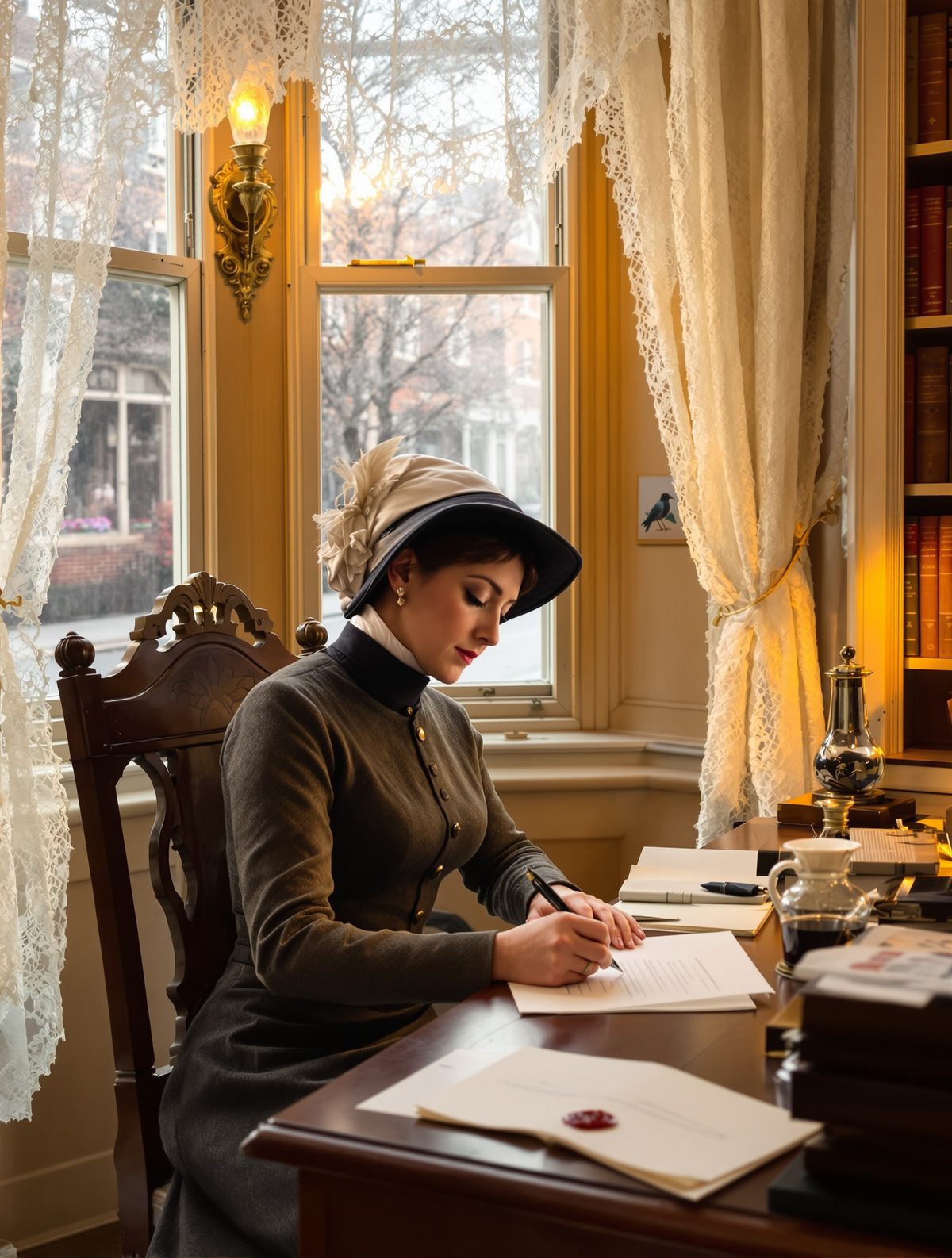
The scene was quite unlike anything we'd expect in today's hustle of London. Imagine walking through bustling Victorian markets, overwhelmed by the vivacious scents of fresh fruit and sounds of merchants hawking their wares, only to have your ears assailed by the pitiful cries of caged songbirds. Such was the grim reality of 19th-century Britain, a nation where fashion turned a blind eye to cruelty, and where these melodies of nature were being silenced for the sake of vain aesthetic. But in 1889, from the unassuming parlour of a suburban home in Didsbury, a quiet yet determined woman named Emily Williamson lifted her pen, destined to change the tale of Britain's songbirds forever.
The Feathery Fashion Frenzy
By the late 19th century, a peculiar craze was sweeping across the aristocratic and bourgeois circles of Victorian Britain — the fashion of wearing bird feathers, or even whole birds, on women's hats. Paris, the epicenter of fashion, dictated this trend, and London, ever keen to follow, did not hesitate to comply. It is estimated that in the year 1887 alone, over five million birds were sacrificed to feed this fad. Exotic birds like hummingbirds were mounted whole on hats, while the more common birds of Britain—such as the song thrush, lark, and goldfinch—were hunted mercilessly for their vibrant plumage.
The popularity of these plumage-filled accessories soared higher than the birds themselves. Fortunes were made, and the streets were dotted with elaborately adorned hats, but the vibrant ecosystems of British gardens and woodlands paid the price. These were places where once the melodic tunes of the songbird orchestra performed morning and dusk, now stood eerily silent. To unlikely heroes like Emily Williamson, this wasn’t fashion. It was devastation.
A Call to Wings: The Foundation of Society for the Protection of Birds
It was within the quiet confines of The Croft, her modest home in Didsbury, that Emily Williamson sat resolute, armed with only pen and paper. Driven by the ghastly scenes she had witnessed in the markets and a deep reverence for nature, she formed a simple yet powerful idea — to establish a society devoted entirely to saving Britain's birds. Thus, the Society for the Protection of Birds (SPB), predecessor to the Royal Society for the Protection of Birds (RSPB), was born.
Read next: The Day a Widow's Son Lit Up the Victorian Night
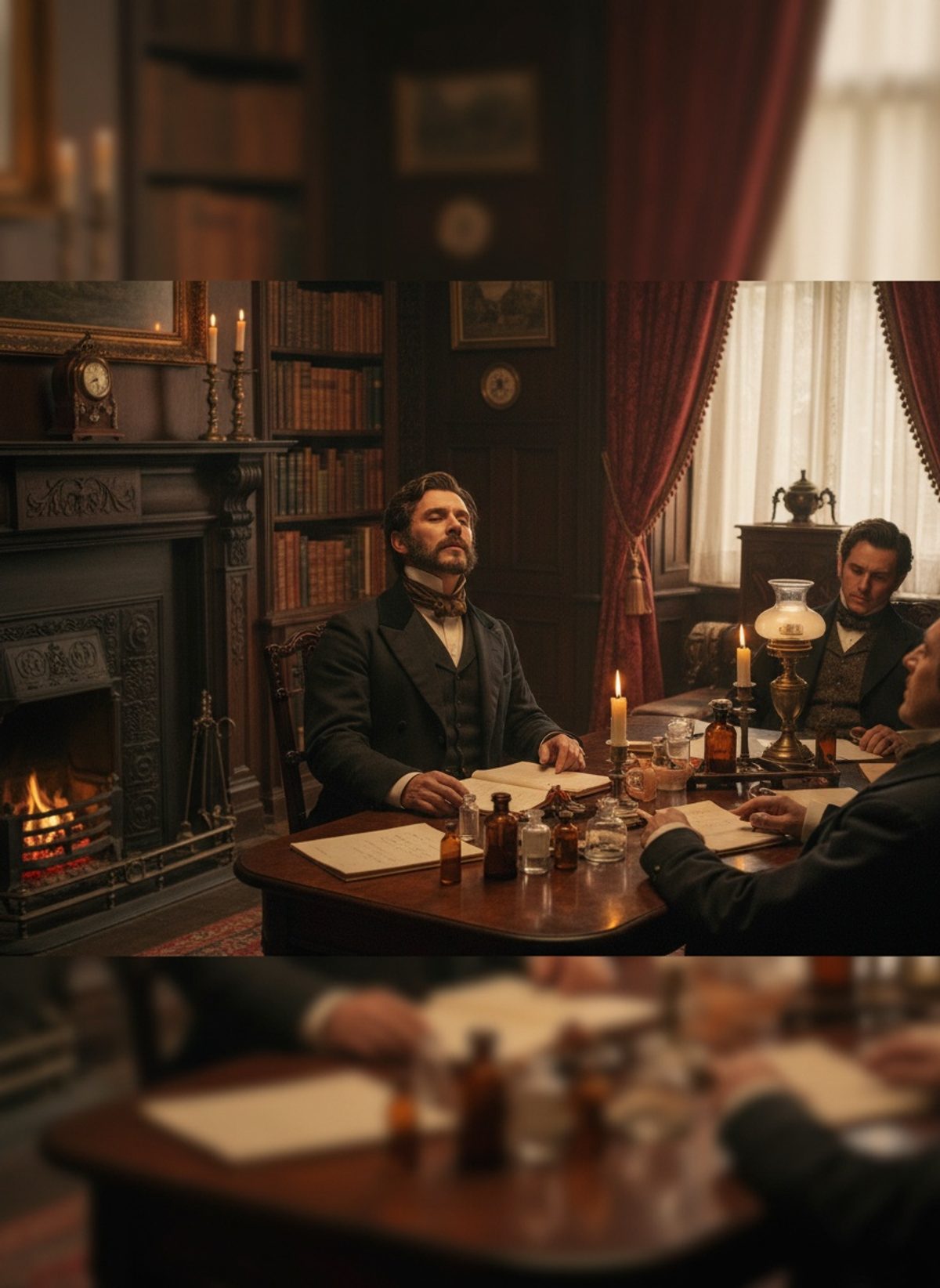
In its infancy, the society consisted of like-minded women who united under one principle: to stand against the "murderous millinery" trade. They vowed not to purchase or wear the feathers of any bird unless it was a recognized domesticated species. The group started small, with meetings held in Williamson’s own parlour, but their message resonated, soon echoing far beyond the confines of Didsbury.
The Power of the Pen: From Parlour to Parliament
Emboldened by their resolve, Emily and her compatriots began an ardent campaign, filling the pages of letters and pamphlets with appeals that found their way into newspapers and the hands of influential figures. In 1891, a significant merger occurred with Eliza Phillips's Fur and Feather League, consolidating their efforts and expanding their network.
This surge in membership, from an intimate circle to thousands, including the prestigious backing of naturalists and public figures, amplified their voice. By 1899, the SPB boasted a membership of 20,000—an astonishing number for an era where women's political agency was barely acknowledged. This unstoppable momentum drew the attention needed to force Parliament's hand.
Perhaps one of their most profound achievements was the passage of the Plumage Act in 1921. Though Emily Williamson had already witnessed the enactment of the Importation of Plumage (Prohibition) Act in 1908— a direct result of SPB's relentless advocacy— the Plumage Act represented the fruition of years of unyielding effort.
The Unseen Allies: Birds and the Victorian Ecology
Thanks to Emily Williamson's crusade, Victorian Britons began to see birds not merely as ornamentations, but as essential players in the rich tapestry of their environment. Birds were heralded not only for their beauty but for their role in pest control and seed dispersion, keeping gardens and farmlands thriving.
Interestingly, the success of this movement coincided with a burgeoning interest in conservation and the natural sciences. The modern field of ornithology was flourishing with publications like Hudson's *British Birds* (1895) drawing the public's fascination towards birdwatching—a stark departure from 'birds for hats'. These made Britons realize the worth of their wild avian companions.
Echoes of the Past: Why Emily's Legacy Matters Today
Today, walking through the verdant countrysides of Britain or its manicured parks, the songs of birds fill the air once more—a living legacy of Emily Williamson and her determined perseverance from the confines of a small parlour. Her efforts underscore the power of grassroots movements and the indomitable spirit of individuals whose resolve can direct the course of history.
But the struggle for wildlife protection continues. The threats may have evolved from feathered hats to habitat destruction and climate change, but the spirit of preservation remains. This narrative from history is more pertinent than ever, a testament to how sustained advocacy and passionate individuals can pave the way for invaluable cultural shifts—ensuring that the melodies of our natural world can be heard by generations to come.