March 25, 1843. The air around the Thames crackled with excitement.
Dreams Beneath the Surface
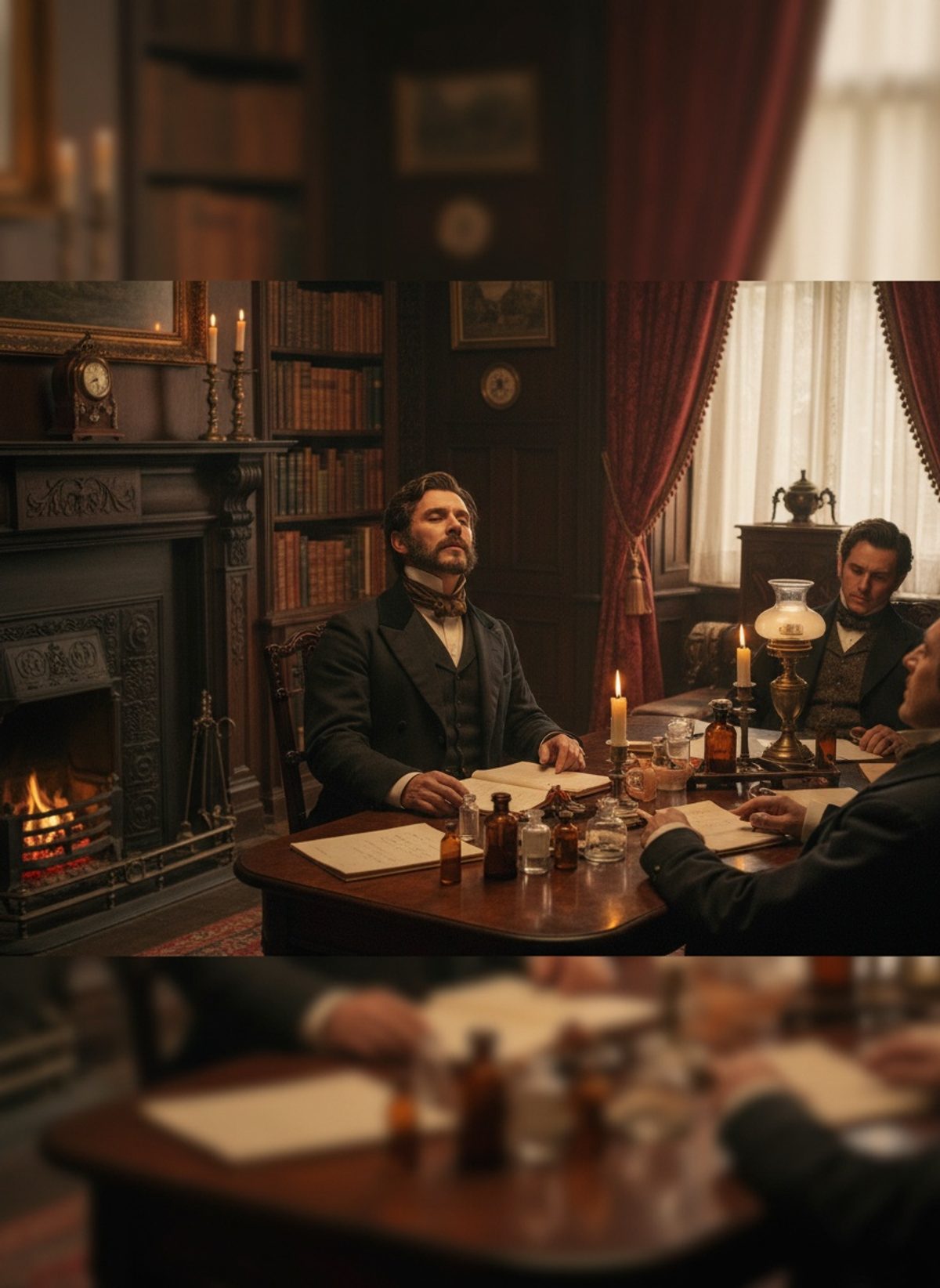
For nearly two decades, the murky waters of the River Thames guarded their secret: a colossal feat of Victorian ingenuity snaking beneath their surface. This was the Thames Tunnel, an improbable dream realized by the adamant will and innovative spirit of Sir Marc Brunel. In an age where engineering marvels began to redefine the limits of human capability, the dream of crossing the Thames underneath tickled the imagination, yet seemed an impossible endeavor.
The idea germinated amidst London’s swelling growth. The year was 1825, a time when the bustling metropolis demanded efficient ways to move goods and people quickly across its watery expanse. The problem appeared insurmountable. The river was a leviathan, its waters restless and forbidding. Navigable rivers had never been breached by such subterranean aspirations. Engineers scoffed, deeming it impossible. But to one French-born engineer, impossibility was merely a puzzle waiting to be unraveled.
The Man with a Plan
Marc Isambard Brunel was not a man easily dissuaded from his ambitions. A creative visionary, he could see beyond the naysayers’ pessimism. Inspired by the tenacity of the humble shipworm, he devised a revolutionary tunneling shield—a sturdy metal frame enabling workers to dig safely, shielded from the crushing weight of river-soaked earth above. His son, Isambard Kingdom Brunel, only added to the intellectual artillery. In his capable hands, the project transitioned from blueprints to the gritty, treacherous reality of construction.
Read next: The Day a Widow's Son Lit Up the Victorian Night
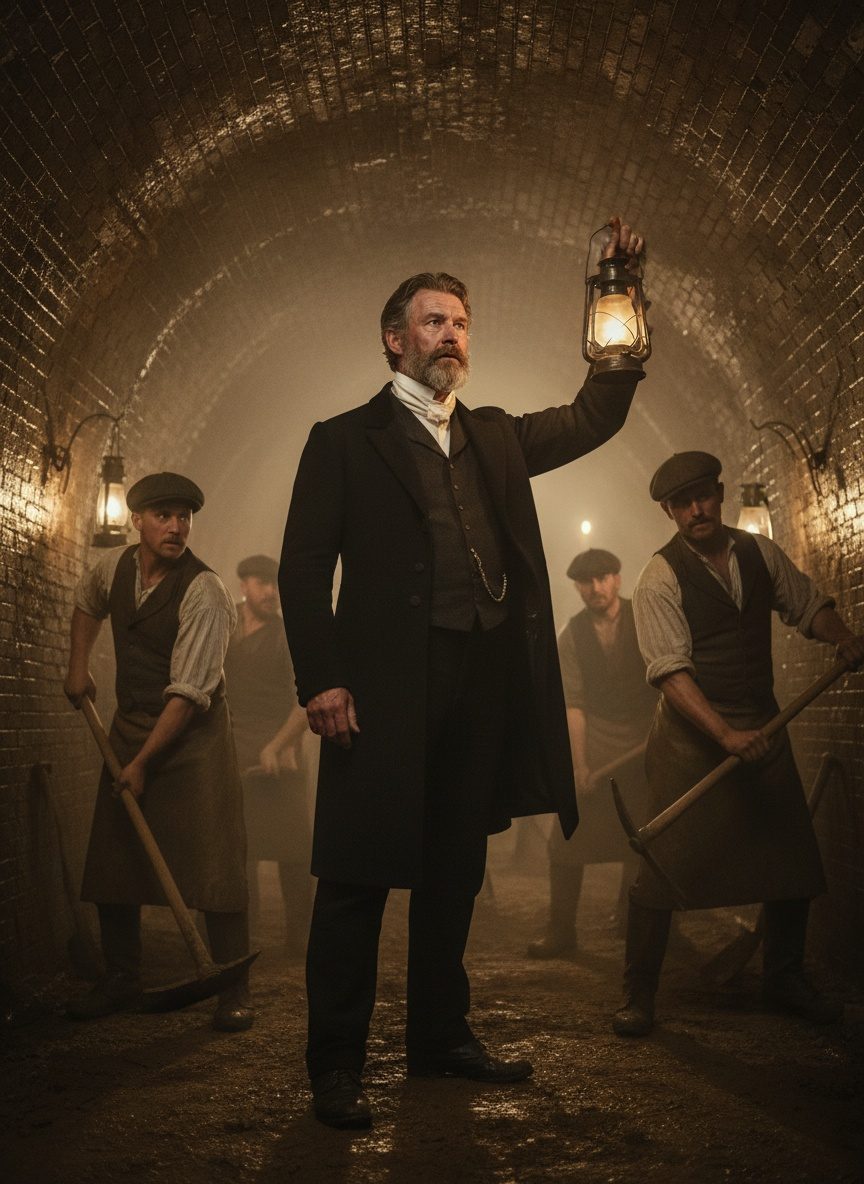
The tunnel’s construction was nothing short of a perilous adventure. Brunel’s method was as ingenious as it was precarious: crews worked ceaselessly within a massive wooden lattice, excavating inch by painstaking inch. Shifts were grueling and dangerous, and the men often toiled in fetid conditions, ankle-deep in a slurry of water and mud. The cold, damp air entwined with the stench of turpentine and human sweat formed a heady cocktail that spoke of labor beyond reckoning.
The River's Wrath
However, the stubborn tunnel labored under more than mere earthly pressure. The Thames was never content with allowing its bed to be so easily disturbed. More than once, the river showed its displeasure with catastrophic force. Most notably, a furious deluge in 1828 tore through into the shaft, momentarily snuffing out Brunel’s bold venture. The waters engulfed workers in a tumult of icy chaos, claiming lives and halting all progress. The public watched as this ambitious endeavor seemed to crumble before it even began.
Yet even this devastating setback could not quench the fire of Brunel’s resolve. The halted project awoke something grander, turning public opinion, and even royalty, to his cause. Funds were replenished, and the work resumed, echoing the tireless perseverance that had come to characterize the Victorian spirit. Through torrents of doubt and a siege of financial complications, Brunel’s dream inched forward, oblivious to the slow passage of the years.
The Victorious Emergence
By 1843, after financing nearly toppled and man and innovation battled bravely against nature’s fury, the Thames Tunnel was unveiled with resplendent fanfare. The sonorous echoes of orchestras resounded through its arches during celebrations. This subterranean passage spanned over a thousand feet and plunged almost two hundred feet beneath the churning surface, its brickwork a testament to the audacity of its creators.
The finished tunnel not only represented a triumph of engineering, it was a cathedral of industrial ambition and human perseverance. Yet the story of the Thames Tunnel does not just lie in its existence but in its potent legacy. It became a precursor that inspired and instigated further advancements beneath mighty waterways, forever altering how cities unobtrusively expanded both outward and underneath.
The Future Foretold in Brick and Mortar
Why does this story still capture our imaginations today? Because it paints a vivid portrait of human determination clashing with insurmountable odds, and it shows how dogged tenacity can chisel pathways through seemingly unyielding obstacles. The Thames Tunnel taught the world that with innovation and courage, the depth and breadth of our ambitions are not dictated by the struggles that define them but are instead shaped by the triumphs that transcend them.
In the shadow of this great accomplishment, we find a piece of history that not only speaks of its time but speaks to all time. Standing on the banks of the Thames today, as we peer across its majestic span, one might remember the daring souls who dug their dreams into its depths and changed the very fabric of a city's story.