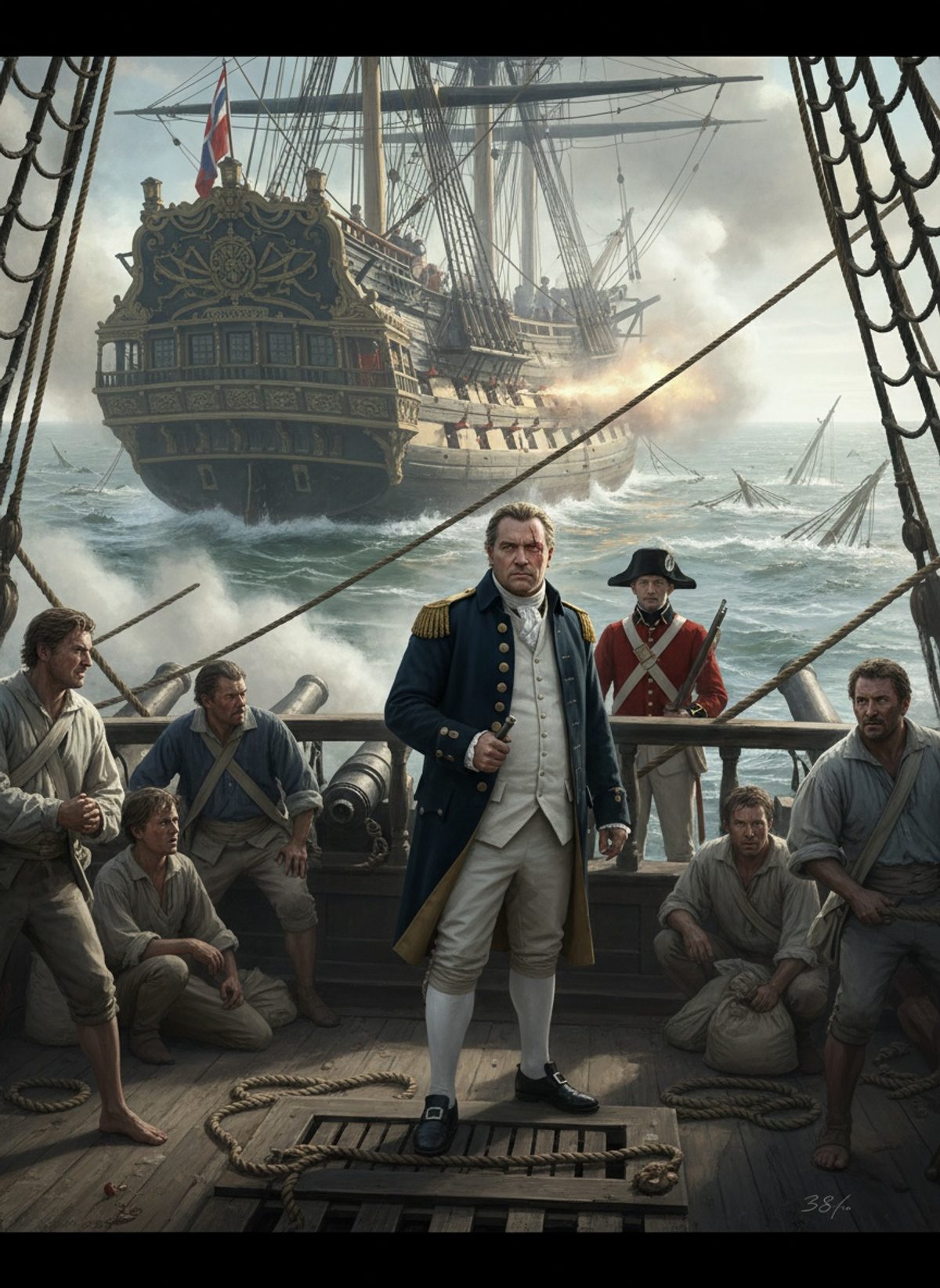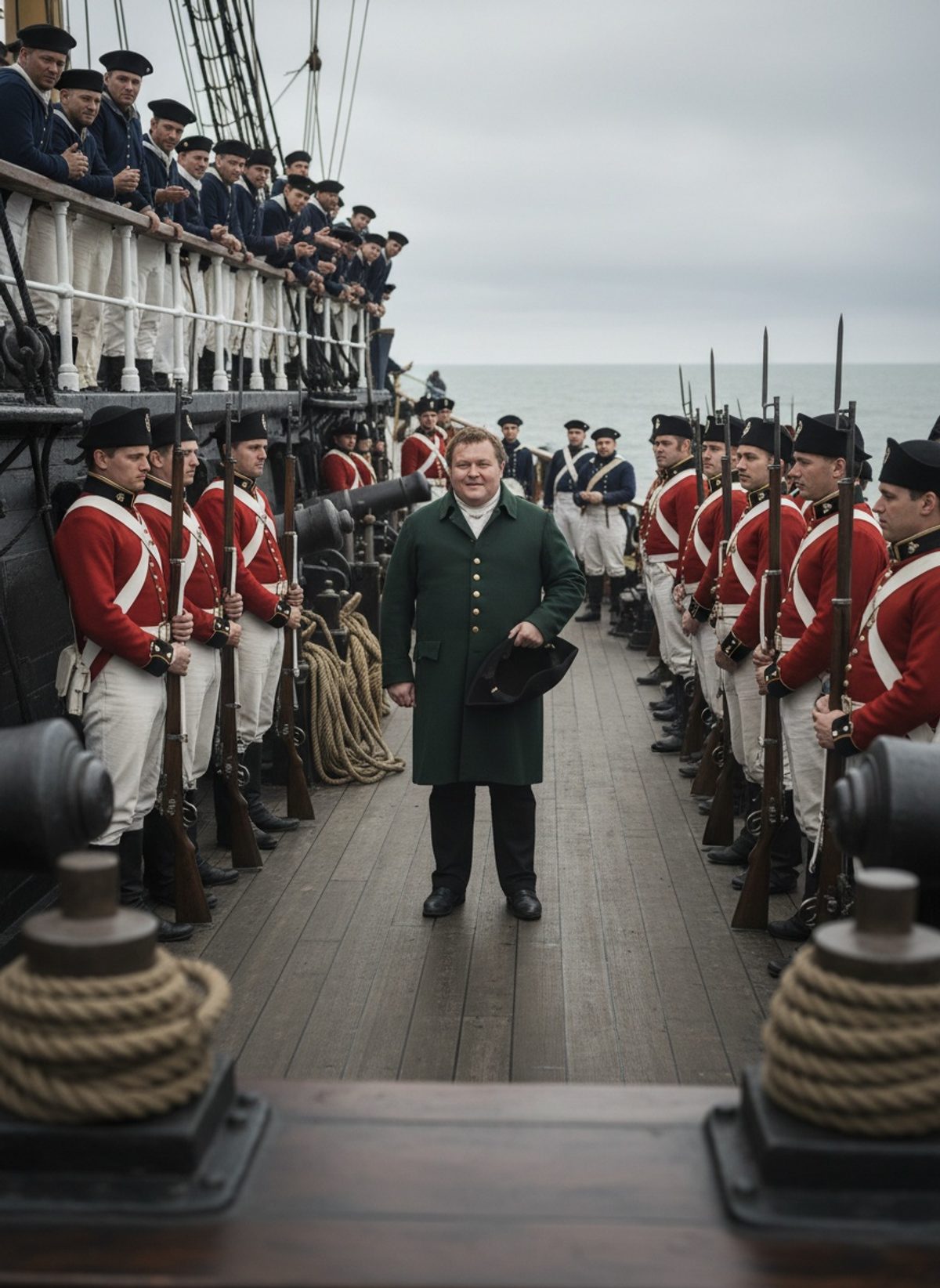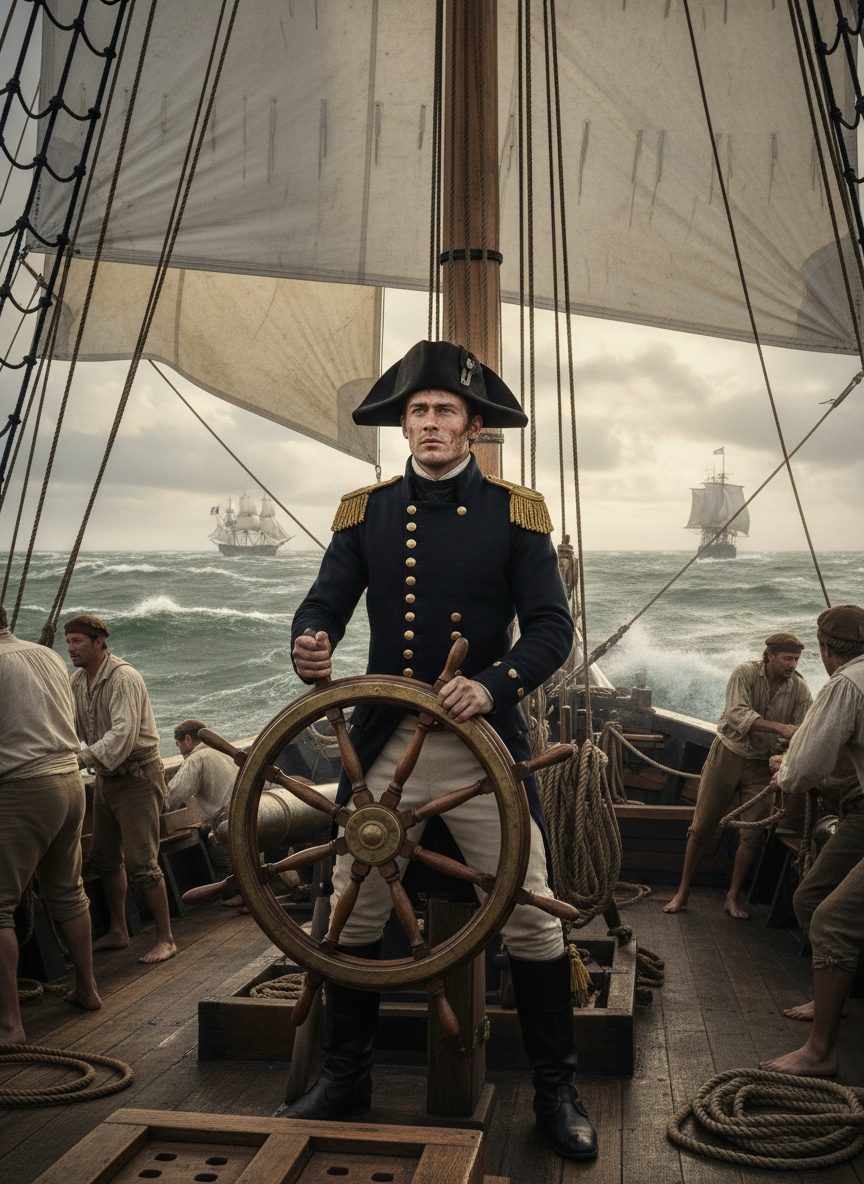
The light of dawn broke across the horizon, casting a shimmering glow over the restless Channel waters. Aboard the British sloop HMS Speedy, a young Scottish officer stood at the helm with an audacious plan to bluff an overwhelming foe. This was his moment — a demonstration of nerve and cunning that would echo through the annals of maritime warfare. That officer was Thomas Cochrane, and on this day in April 1801, he turned a desperate situation into seafaring legend.
The Rising Tide of Conflict
The early 1800s were tumultuous times for Europe. The Napoleonic Wars were reaching fever pitch, a time when every nation jostled for supremacy on both land and sea. The Royal Navy was the formidable arm of British dominance, yet for young officers like Cochrane, each outing was fraught with danger from seasoned French combatants eager to tip the scales.
On that fateful spring day, Cochrane and his 14-gun brig were patrolling near Barcelona, keeping a keen eye on the bustling Catalonian coast. The HMS Speedy, diminutive compared to the French ships it faced, was a sloop-of-war known not for its firepower but its agility, courage, and the ingenuity of its captain.
A David Among Goliaths
As the sun ascended, the sails of three French ships loomed on the horizon. Cochrane knew that these weren't ordinary adversaries; they were warships, each bristling with 40 guns. The odds, by any standard, were insurmountably against him. Most captains would have retreated or attempted a diplomatic parley. Cochrane, however, had another idea.
Read next: The Day a British Captain Stood Between Slaves and the Sea
Faced with overwhelming artillery, Cochrane's mind raced through the possibilities. With ammunition spent from previous skirmishes, his only weapon now was the audacity he wore as naturally as his naval uniform. He commanded the Speedy to hoist its colors and made directly for the enemy — a move so brash, it momentarily defied logic. Why would a vastly outmatched sloop sail directly into the jaws of such danger?
The Power of Imagination
Herein lay Cochrane's genius: he banked everything on the art of psychological warfare. The French fleet, anticipating a routine engagement, was dumbstruck by the Speedy's aggressive advance. In that era, the confidence of a ship's approach often suggested reinforcements or a hidden advantage. Cochrane banked on the notion that the French would think precisely this.
In a moment worthy of naval lore, Cochrane's gamble paid off. The French ships, seeing the bold sloop barreling toward them, hesitated. The image of the daring British vessel, sails unfurled and seemingly full of fight, was enough. The French captains, wanting to avoid what they presumed was a trap, decided to turn away. Cochrane had done it — he had bluffed an entire fleet, armed with nothing but his reputation and resolve.
A Legacy of Audacity
This encounter was far from Cochrane's only exploit. Known as the "Sea Wolf" by friend and foe alike, his career was filled with similar feats of daring. Born in 1775 to a family of noble lineage, Thomas Cochrane kicked against the stall of conventional naval strategy. His storied career would see him influencing naval tactics around the globe, from the Mediterranean to the Americas, and eventually earning him the rank of Admiral.
Surprising as it may seem, Cochrane's intrepid spirit and penchant for unconventional tactics inspired literary figures as well. If certain exploits seem reminiscent of daring naval tales, they may remind you of Cochrane’s influence on storybook captains, a literary echo of his historical bravado.
The Lessons of Courage
Today, the tale of Thomas Cochrane's naval bluff offers more than just thrilling history. It is a narrative that resonates with lessons of courage, creativity, and the power of perception — tools as relevant in today’s boardrooms and battlegrounds as they were on the open sea. In a world that often values overwhelming strength, Cochrane's story reminds us of the potency of intellect and resolve.
Our history textbooks sometimes sharpen their focus on large-scale battles and grand strategies, yet the tale of Stephen Cochrane and his little Sloop of audacious bluff illuminates the enduring truth that fortune favors the bold — a testament to human ingenuity and the art of turning disadvantages into legendary victories.
So, as we sail through the tides of our own challenges, may the legacy of Cochrane's daring encourage us to pursue unexpected paths with the knowledge that size doesn't always matter — but clarity of mind and courage of heart can turn the tide of any battle.