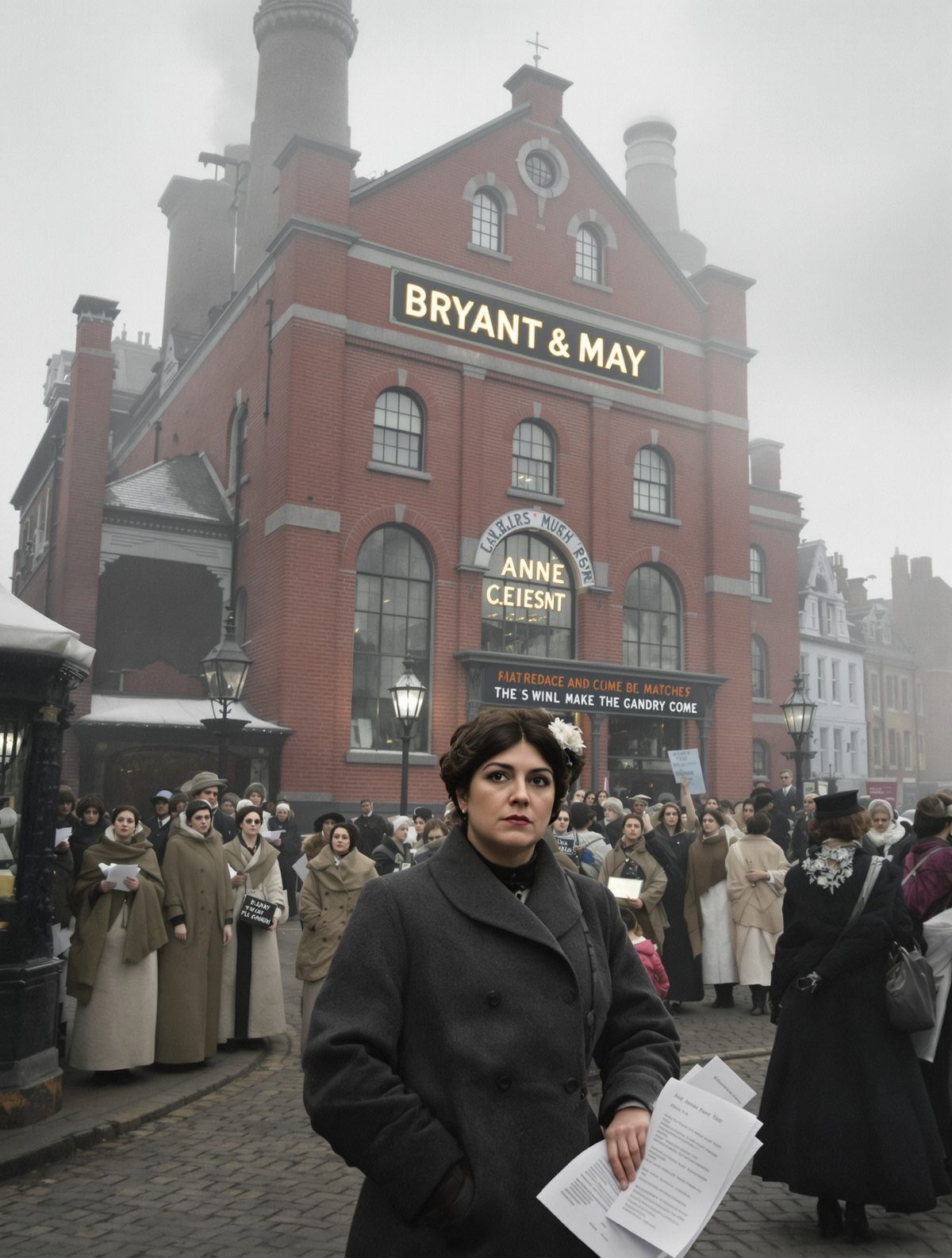
The smell hit you first—a sickening cocktail of sulphur, rotting teeth, and human desperation that clung to the narrow streets of Bow in East London. It was July 1888, and in a grimy factory beside the River Lea, 1,400 women and girls as young as thirteen were slowly being poisoned to death. Their crime? Making the matches that lit the lamps and fires of Victorian Britain.
One woman was about to risk everything to expose their suffering. Annie Besant, a fiery social reformer with piercing eyes and an uncompromising pen, was preparing to take on one of Britain's most powerful corporations. She knew that publishing her investigation could mean prison, financial ruin, and social disgrace. What she didn't know was that her courage would ignite the first successful strike by women workers in British history—and change the course of labour rights forever.
The Factory of Horrors
Bryant & May's match factory was a Victorian success story—at least from the outside. The company's owners lived in grand mansions, shareholders enjoyed healthy dividends, and their matches were sold across the Empire. But step inside the factory walls, and you entered a different world entirely.
The matchgirls, as they were known, worked fourteen-hour days for wages as low as four shillings a week—barely enough to survive. They dipped wooden splints into a mixture containing white phosphorus, a substance so toxic it was already banned in several European countries. The phosphorus didn't just stain their hands yellow; it slowly rotted their jawbones from the inside out.
Read next: The Day a Surgeon's Son Chose Death Over Silence
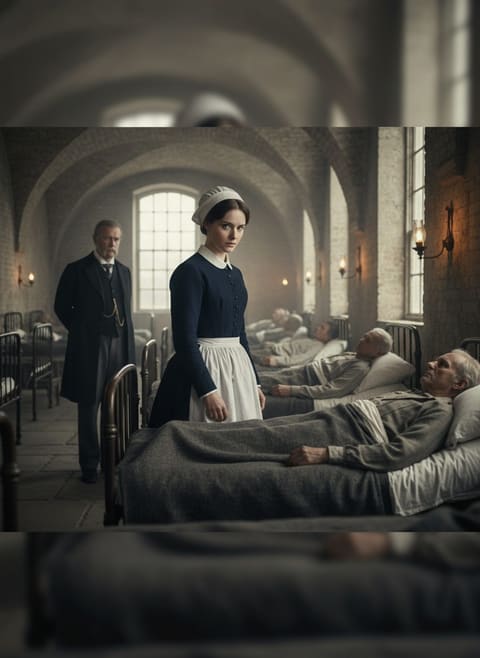
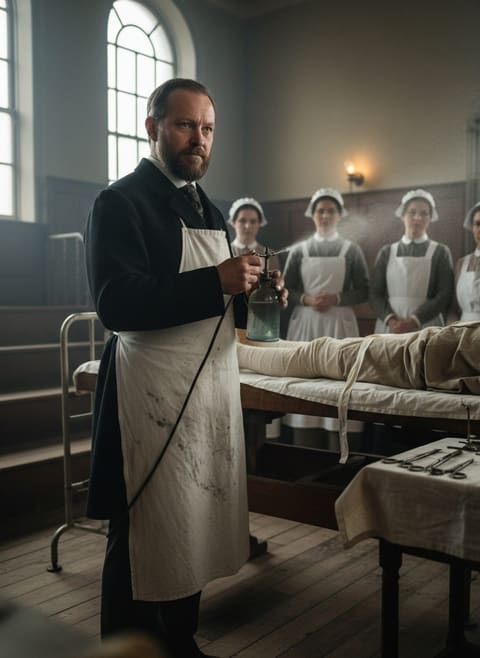
The condition was called "phossy jaw," and it was as horrific as it sounds. Workers' faces would swell grotesquely, their teeth would fall out, and the decay would spread until pieces of jawbone could be pulled away by hand. In the darkness, their rotting bones would actually glow with an eerie green light—the phosphorus was literally consuming them alive. The only "treatment" was surgical removal of the infected bone, often leaving women permanently disfigured.
But the company had ways of keeping workers quiet. Fines were imposed for the smallest infractions—talking, dropping matches, even having dirty feet. Girls could lose a day's pay for arriving a few minutes late. Most devastating of all was the "fine for illness"—workers who missed shifts due to phossy jaw or other work-related ailments would have their wages docked, trapping them in a cycle of poverty and sickness.
The Woman Who Wouldn't Look Away
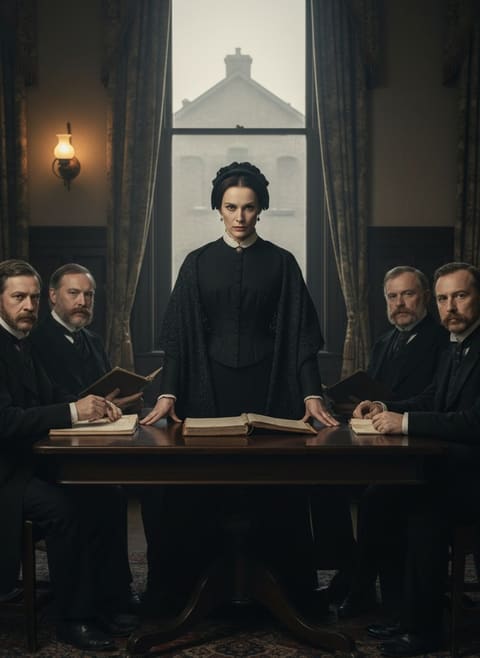
Annie Besant was not someone you'd expect to champion factory girls. Born into middle-class respectability, she had shocked Victorian society by leaving her clergyman husband, embracing atheism, and advocating for birth control. By 1888, at age 40, she was already notorious as one of Britain's most radical thinkers—a woman who dared to speak publicly about topics that made grown men blush.
But Besant possessed something rare in her social class: genuine empathy for the working poor. When a friend mentioned the terrible conditions at Bryant & May, she didn't just tut sympathetically over her tea. She decided to investigate.
What she discovered appalled even her battle-hardened sensibilities. Girls as young as thirteen worked in rooms thick with poisonous fumes. Pregnant women miscarried regularly due to phosphorus exposure. When workers tried to eat their meager lunches with phosphorus-stained hands, they ingested more of the poison. The company provided no medical care, no compensation for industrial injuries, and showed callous indifference to workers' suffering.
On June 23, 1888, Besant published her explosive exposé in The Link, a radical newspaper she co-edited. Titled "White Slavery in London," the article laid bare the horrific reality behind Britain's match industry. She wrote with characteristic fire: "Bryant & May, shareholders, we salute you! Your dividends are wrung from the painful faces of children, from the suppurating sores of girls."
David Versus Goliath
The response was swift and predictable. Bryant & May's lawyers fired off a libel writ, demanding Besant retract her "false and malicious" statements. The company was confident she would back down—after all, what single woman could stand against their army of expensive barristers?
They had underestimated their opponent. Besant publicly refused to retract a single word, declaring she would "prove every syllable" in court. This was legal suicide—Victorian libel laws heavily favored plaintiffs, especially wealthy ones. Even if she won, the legal costs would bankrupt her. If she lost, she faced not just financial ruin but potential imprisonment.
The stakes couldn't have been higher. Besant's friends begged her to apologize and avoid the courts. Her enemies gleefully anticipated her destruction. But she had made a calculation that went beyond personal safety: sometimes the truth was worth any price.
What happened next was extraordinary. Instead of meekly waiting for their champion to be crushed in court, the matchgirls themselves took action. They had been following the case in the penny papers, and many could read just well enough to understand that someone was finally fighting for them.
The Match That Lit a Revolution
On July 5, 1888, the powder keg exploded. It started when three girls were sacked for allegedly speaking to Annie Besant—something the company had strictly forbidden after her article appeared. But these weren't isolated victims who could be quietly disposed of. Their fellow workers had been watching, waiting, and simmering with years of accumulated rage.
By midday, 1,400 women and girls had walked out. They poured into the streets of Bow, many still wearing their work aprons, their hands stained yellow with phosphorus. For the first time in British history, women workers had organized themselves into a mass strike without any male union backing them up.
The sight was electrifying. Victorian society was built on the assumption that working-class women were voiceless and powerless. Suddenly, they were marching through London's streets, demanding justice with a confidence that shocked observers. Police watched nervously as the crowd grew, unsure how to handle this unprecedented situation.
Besant rushed to support the strike, helping the women organize and providing a voice for their demands. She arranged for strike pay, coordinated with sympathetic newspapers, and gave the movement the middle-class respectability it needed to be taken seriously. But make no mistake—this was the matchgirls' revolution. They had found their courage and were not about to surrender it.
Read next: The Day a Chimney Sweep's Son Shamed a Whole Parliament
Victory Against All Odds
For two weeks, the strike held firm. Bryant & May's factory stood silent while their products sat unsold on shop shelves. The company tried everything—hiring strikebreakers, intimidating workers' families, appealing to magistrates. Nothing worked. The matchgirls had tasted power, and they weren't giving it up.
Public opinion, initially skeptical, began to shift. Newspapers that had dismissed the strikers as "hysterical women" started reporting on their legitimate grievances. Middle-class customers began boycotting Bryant & May matches. Even Members of Parliament started asking uncomfortable questions about industrial conditions.
On July 17, 1888, the impossible happened: Bryant & May capitulated. The company agreed to end the hated fine system, improve working conditions, and provide better wages. Most importantly, they promised no victimization of strike leaders. In a face-saving gesture, they also quietly dropped their libel case against Annie Besant—they could hardly prosecute her for telling the truth about conditions they had just promised to improve.
The matchgirls had won Britain's first successful strike by women workers, achieving in two weeks what decades of parliamentary debate had failed to accomplish. They returned to work with their heads held high, having proven that even the most powerless workers could change their destiny if they stood together.
The Spark That Changed Everything
The matchgirls' victory rippled far beyond the East End. Their success inspired workers across Britain, showing that collective action could triumph over even the most entrenched corporate power. Within months, dock workers, gas workers, and other unskilled laborers were organizing their own strikes, often citing the matchgirls as their inspiration.
Annie Besant emerged from the crisis as a national figure, her reputation transformed from radical troublemaker to fearless champion of workers' rights. But perhaps more importantly, 1,400 women had discovered their own power and would never again accept being treated as disposable.
The strike marked the beginning of the end for white phosphorus in match-making. Public awareness of "phossy jaw" grew, and by 1910, the substance was banned in Britain. Thousands of workers' lives were saved by the courage of women who refused to die quietly in the shadows.
Today, as workers around the world still struggle against exploitation by powerful corporations, the matchgirls' story resonates with fresh urgency. They remind us that change rarely comes from the top down—it erupts from the bottom up, sparked by ordinary people who decide they've had enough. Sometimes all it takes is one person willing to risk everything to light the fuse. In 1888, that person was Annie Besant, but the explosion belonged to the women who had been burning slowly for far too long.