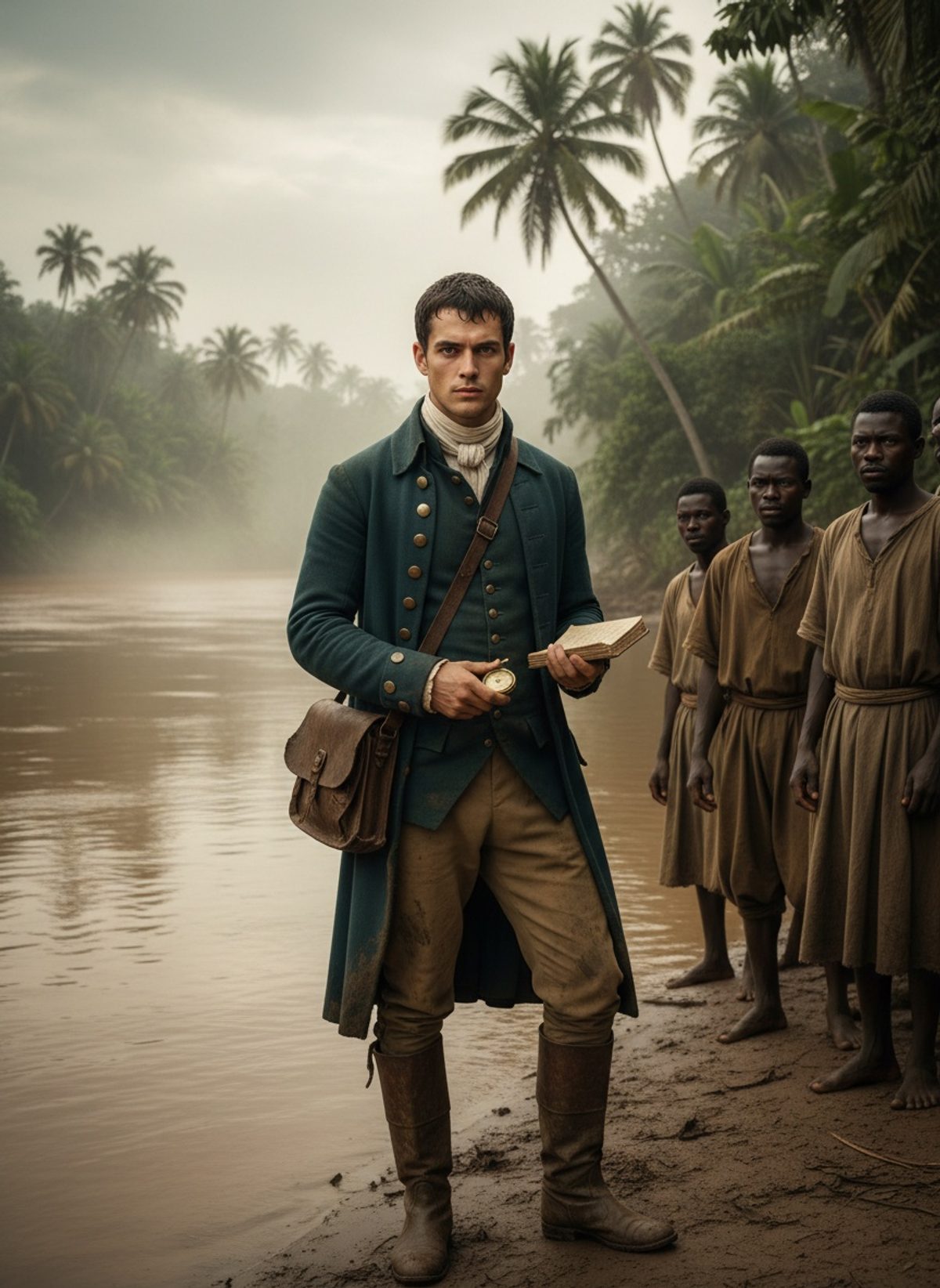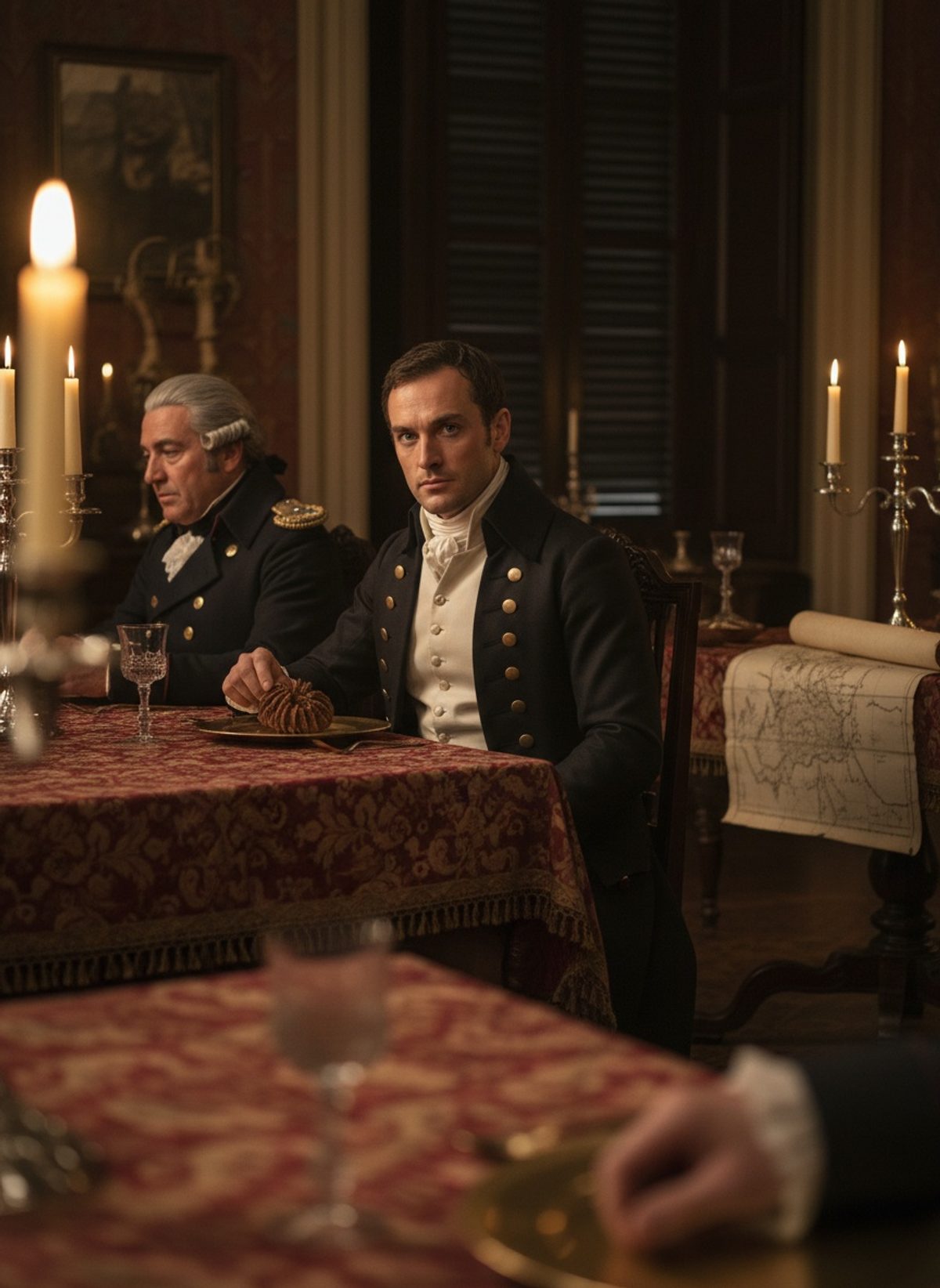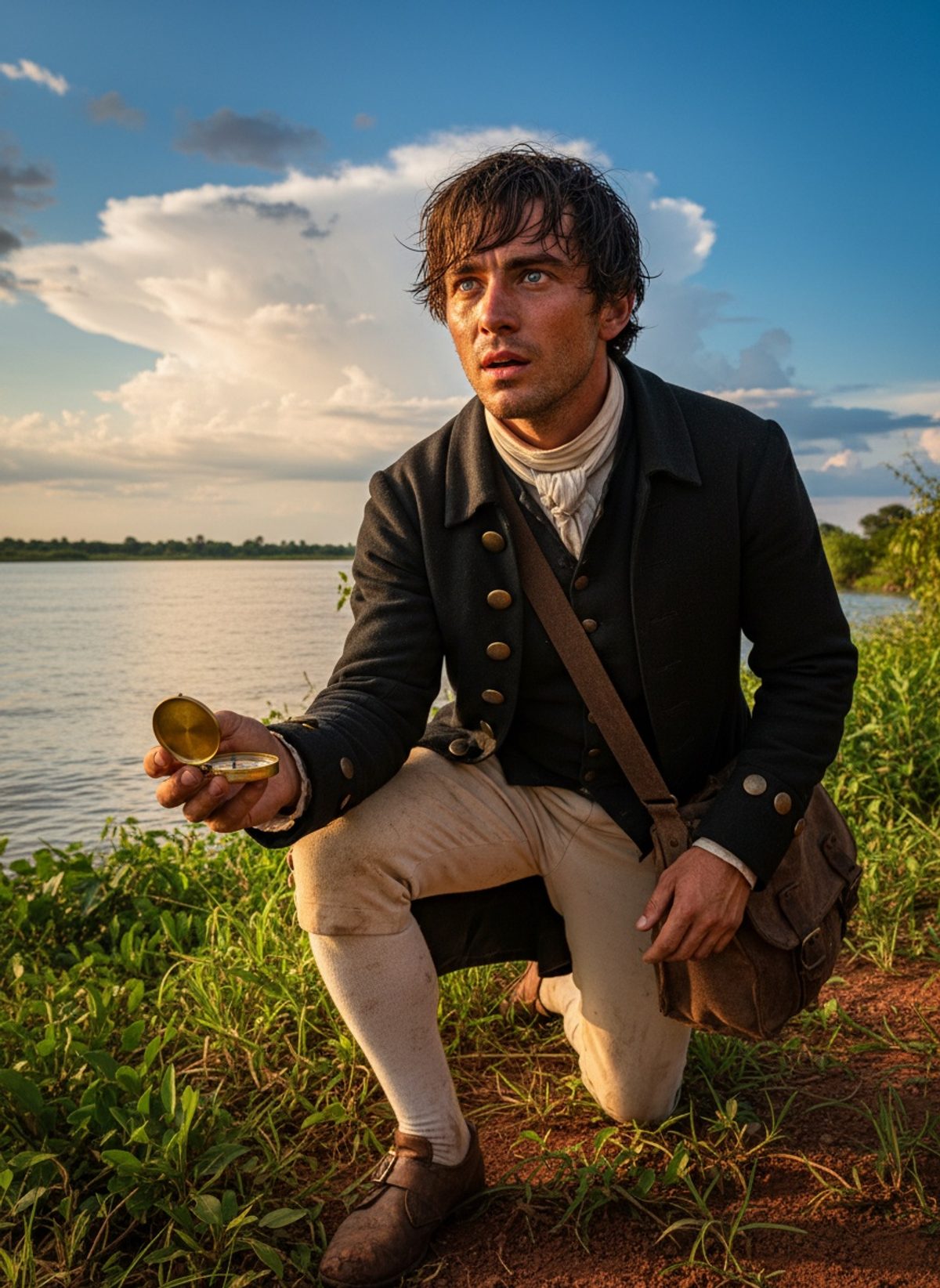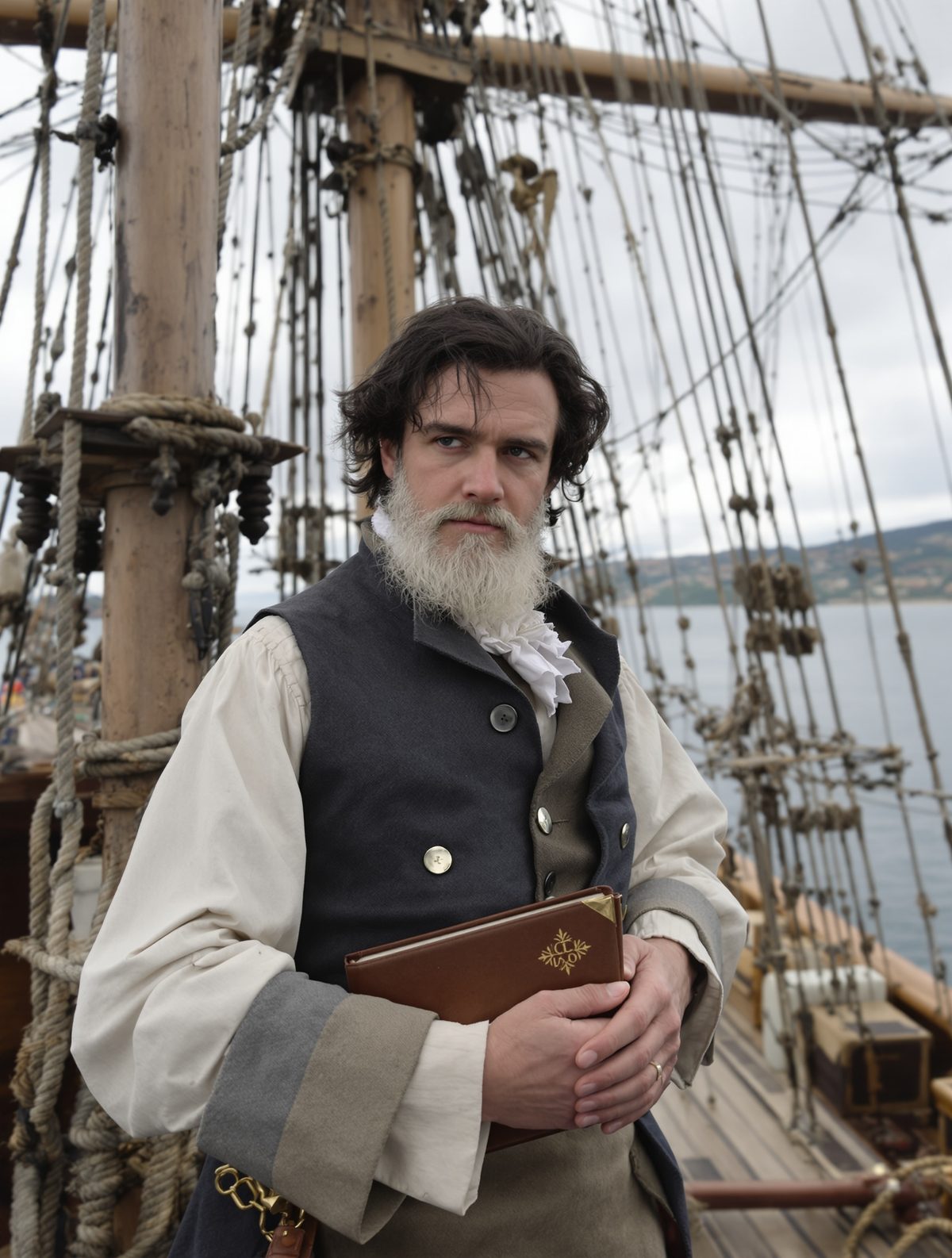
Picture this: it's August 1831, and a gangly 22-year-old sits hunched over his desk at The Mount, his family's imposing Georgian mansion in Shrewsbury. Charles Darwin stares at a letter that could change his life—an invitation to sail around the world as ship's naturalist aboard HMS Beagle. But there's a problem. His father, the formidable Dr. Robert Darwin, has just delivered a thunderous "No!" that echoes through the corridors of their home. In that moment, hanging by the thinnest of threads, is the voyage that would revolutionize humanity's understanding of itself.
What happened next wasn't just a family argument—it was one of history's closest calls. Without the intervention of one determined uncle and a perfectly timed letter, Charles Darwin might have spent his life as a country parson, collecting beetles as a hobby. The theory of evolution? Someone else's discovery, perhaps decades later. The entire trajectory of modern science balanced on a knife's edge in a Shropshire drawing room.
The Letter That Started It All
The chain of events began on August 29, 1831, when Darwin received an extraordinary letter from his Cambridge mentor, Professor John Stevens Henslow. The message was brief but electrifying: Captain Robert FitzRoy was seeking a gentleman naturalist to join his surveying expedition to South America aboard HMS Beagle. The voyage would last two years (it would actually stretch to five), and Darwin would have the chance to collect specimens and make observations across uncharted territories.
For a young man who had spent his Cambridge years more interested in collecting beetles than studying theology, this was the opportunity of a lifetime. Darwin had already proven himself an enthusiastic naturalist, once becoming so excited about discovering a rare beetle that he popped one he was already holding into his mouth to free up his hands—only to spit it out when the beetle secreted acid onto his tongue.
Read next: The Day a Scots Surgeon Walked Into Timbuktu Alone
But there was a catch. The position was unpaid, and Darwin would need to cover his own expenses. More importantly, he needed his father's blessing. Dr. Robert Darwin was a successful physician who stood six feet two inches tall and weighed over 300 pounds—a man whose physical presence matched his formidable personality. When Charles burst into his father's study with Henslow's letter, the response was swift and crushing.
A Father's Thunderous Refusal
"Wild schemes," Dr. Darwin reportedly declared, his voice booming through the study. The elder Darwin had invested considerably in his son's education, expecting him to follow a respectable path into the clergy. To him, this voyage represented everything wrong with Charles's character—his tendency toward distraction, his preference for collecting over studying, his apparent inability to settle down to serious work.
Dr. Darwin laid out his objections with methodical precision. The voyage would be disreputable to Charles's character as a future clergyman. It would be a useless undertaking that would derail his son's career prospects. The accommodations would be uncomfortable and possibly dangerous. Most damning of all, if the position were truly valuable, surely it would have been snapped up by someone more qualified than his wayward son.
The psychological weight of his father's disapproval was enormous. Dr. Darwin controlled the family purse strings, and Charles had always sought his approval. Faced with such vehement opposition, the young naturalist penned a dejected letter to Henslow that same evening, declining the opportunity. "My father... thinks the whole thing would be useless," he wrote, the disappointment bleeding through his formal Victorian prose.
As Charles sealed that letter, he was also sealing what he believed to be his fate: a quiet life as a country parson with natural history as merely a weekend pursuit. The Beagle would sail without him.
Uncle Josiah Rides to the Rescue
Fortunately for the future of science, Charles had made plans to go hunting at Maer Hall, the estate of his uncle Josiah Wedgwood II—yes, heir to the famous pottery fortune. Uncle Josiah was more than just a wealthy relative; he was one of the few people whose opinion Dr. Darwin genuinely respected. When Charles arrived at Maer Hall on August 30th, dejected and resigned to his fate, he found an unexpected ally.
Josiah Wedgwood listened carefully as his nephew recounted the previous day's events. Unlike Dr. Darwin, Uncle Josiah saw immediately what was at stake. Here was a chance for his nephew to see the world, to pursue his passion for natural history on an unprecedented scale, and to make something of himself beyond the narrow confines of a country parish.
What happened next was a masterclass in persuasion. Rather than simply encouraging Charles to defy his father, Wedgwood sat down and composed one of the most important letters in scientific history—a point-by-point refutation of Dr. Darwin's objections, written with the diplomatic skill of a man accustomed to high-stakes business negotiations.
The letter, dated August 31, 1831, systematically dismantled every one of Dr. Darwin's concerns. Far from being disreputable, Wedgwood argued, the voyage would enhance Charles's character and provide him with valuable experiences. The pursuit of natural history was increasingly respected among gentlemen. As for the danger, young men of good families regularly undertook such voyages. Most cleverly, Wedgwood suggested that if the position hadn't been filled, it was likely because Captain FitzRoy was being selective, looking for someone with the right combination of education and enthusiasm.
The Moment That Changed History
When Uncle Josiah offered to drive Charles back to Shrewsbury personally to deliver this letter, he was making more than a generous gesture—he was staging an intervention. The sight of the respected Josiah Wedgwood arriving at The Mount to advocate for the voyage carried enormous weight. Dr. Darwin, faced with his brother-in-law's reasoned arguments and obvious conviction, began to waver.
The turning point came when Dr. Darwin realized that his own objections, when examined closely, were more about fear than reason. Fear that his son would never settle down, fear that this adventure would lead Charles further away from conventional success, fear of losing control over his son's future. But Wedgwood's letter had reframed the voyage not as an escape from responsibility, but as a path toward it.
By the evening of August 31st, Dr. Darwin had capitulated. Not only would he give his blessing to the voyage, but he would also provide the financial support Charles needed. The transformation was so complete that Charles wrote to Henslow that same evening, his excitement barely contained in his formal prose: "I should be deuced clever to spend more money than my father would have to pay."
The Voyage That Almost Never Was
Even with his father's blessing secured, Darwin's place on the Beagle remained precarious. When he met Captain FitzRoy in London, the captain nearly rejected him based on the shape of his nose—FitzRoy was a believer in physiognomy and thought Darwin's nose indicated a lack of determination. Fortunately, FitzRoy was won over by Darwin's enthusiasm and gentlemanly bearing.
The Beagle finally departed from Plymouth on December 27, 1831, after several false starts due to bad weather. Darwin was so seasick during the first weeks that he seriously considered abandoning the voyage at the first port. Instead, he persevered, and over the next five years, he would collect over 5,400 specimens, fill 1,750 pages of notes, and gather the observations that would eventually become On the Origin of Species.
The irony is delicious: Dr. Darwin's concern that the voyage would be "useless" proved spectacularly wrong. Those five years aboard the Beagle provided Darwin with the evidence he needed to develop the theory of evolution by natural selection, fundamentally changing humanity's understanding of its place in the natural world.
The Butterfly Effect of a Single Letter
Today, as we grapple with questions about climate change, genetic engineering, and our relationship with the natural world, it's sobering to realize how close we came to living in a world without Darwin's insights. His theory didn't just revolutionize biology—it transformed philosophy, psychology, anthropology, and our entire conception of human nature.
Uncle Josiah's letter reminds us that history's greatest breakthroughs often hang by the slenderest threads. A father's fear, a young man's disappointment, an uncle's conviction—such small, human moments that shape the trajectory of human knowledge. In our own age of rapid change and uncertain futures, perhaps there's comfort in knowing that sometimes, all it takes is one person willing to write the right letter at the right moment to change everything.
The next time someone tells you that one person can't make a difference, remember Josiah Wedgwood II, whose diplomatic intervention in a family dispute helped give the world the theory of evolution. Sometimes the most profound revolutions begin not with grand gestures, but with the simple act of putting pen to paper and making the case for possibility.