The North Atlantic in 1940 was a battleground. Yet, few know the tale of HMS Jervis Bay's solitary charge into history.
The Calm Before the Tempest
The winds of early November 1940 whispered a deceptive calm across the Atlantic, where thirty-seven merchant ships convened into Convoy HX-84. This motley collection of vessels carried vital supplies from Glasgow to Halifax, a lifeline stretched across the war-torn seas. Their solitary escort was the HMS Jervis Bay, an armed merchant cruiser that was, at heart, a retired passenger ship, hastily converted for war duties. Her thin plating and antiquated guns were hardly fit for the task, but mere presence offered a semblance of security to the slow-moving convoy.
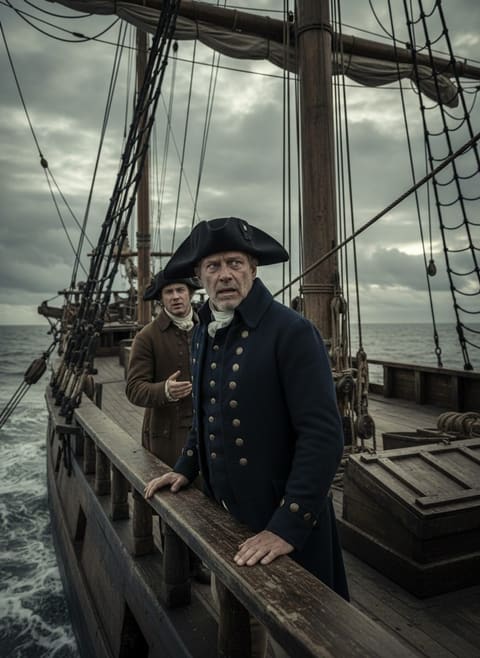
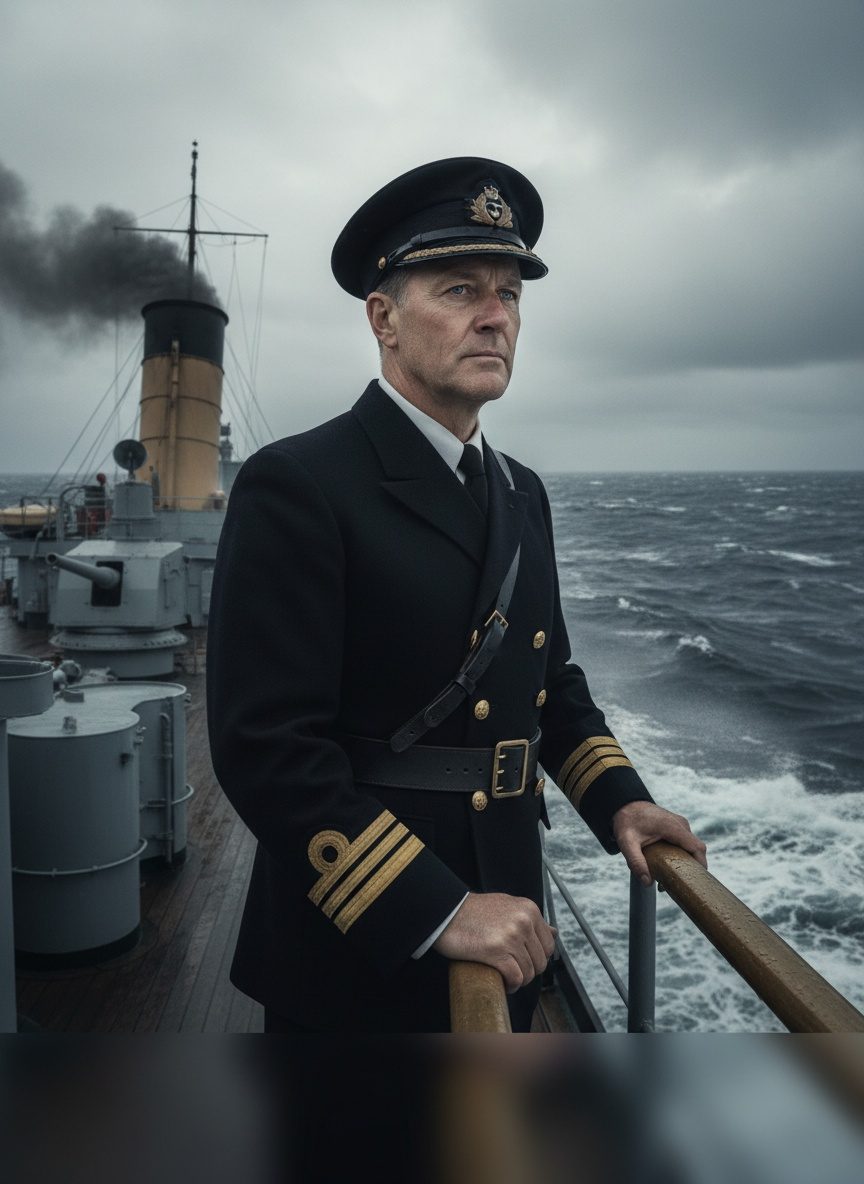
The ships pushed onward, their minders ever-watchful for the razor eye of a lurking predator. Amongst them, Captain Edward Stephen Fogarty Fegen, a seasoned Royal Navy officer, took charge with a keen sense of duty. Unbeknownst to the crew, fate had locked them on a collision course with the prowling shadow of the German Kriegsmarine.
The Dreaded Shadow
On that fateful November day, lurking like a wolf under cover, the German pocket battleship Admiral Scheer intercepted the convoy. Her commander, Captain Theodor Krancke, sought to wreak havoc with her formidable armament of six 11-inch guns. The Scheer was built for precisely this kind of predatory warfare—swift raids designed to disrupt Allied shipping and strangle the lifeline stretching across the ocean.
Read next: The Night the British Ate the President's Dinner
When the jagged silhouette of the battleship appeared on the horizon, poised to deliver annihilation, the calm shattered. Over the shuddering sea, the convoy saw their doom approaching. The weight of fear crashed into them, harsh and unrelenting as the North Atlantic swells.
A Hero’s Charge
In the eye of that storm, Captain Fegen faced his impossible decision. The Jervis Bay's guns were pitifully outmatched. Logic favored retreat, but Fegen understood the stakes too well. His duty lay in saving the convoy, not his ship or crew. Forward came his command, a daring plan forged from courage itself.
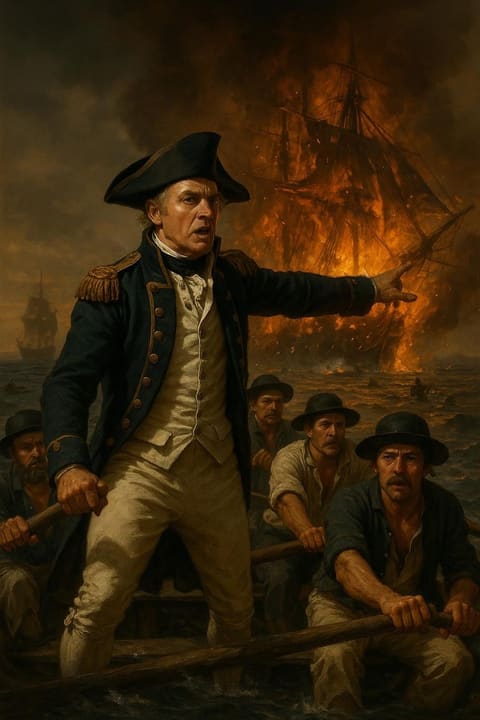
Without hesitation, the Jervis Bay steamed full-speed toward the Scheer, her old engines groaning in defiance. Fortune, it seemed, favored the brave. As shells rained down, an orchestra of iron and fire, Fegen steered his ship with unerring focus, knowing that each moment he engaged bought precious time for the convoy to scatter.
Though Jervis Bay was raked by relentless fire, she held her course, a solitary sword aimed at the heart of the enemy. Her brave attack puzzled the Scheer, delaying its deadly pursuit. History would record that Fegen's sacrifice bought enough time for thirty-two merchant ships and all their souls to escape into the safety of dusk.
Read next: The Day a One-Eyed Admiral Sailed Into the Line of Fire
The Weight of Legacy
When the guns went silent, HMS Jervis Bay lay battered and burning, her gallant crew lost to the sea. Her smoldering wreckage drifted alone, a ghostship in the storm's wake. But beneath the waves of grief, there lay a resonant thread of victory. Fegen’s valor reflected a bright light in one of Britain's darkest hours, an eternal beacon of sacrifice.
The incident exemplified wartime choices defined not by might but by the weight of moral courage. Through Fegen, history offers testament to the profound impact of individual decisions. It is a poignant reminder that battles can turn not with the largest guns, but with the resolve to do what is terrifyingly necessary.
The tale of HMS Jervis Bay is more than a story of maritime encounter; it is a narrative of human spirit unbowed in the shadow of insurmountable odds. This lesson in bravery was not just for 1940, but for every age where determination and sacrifice light the path forward.