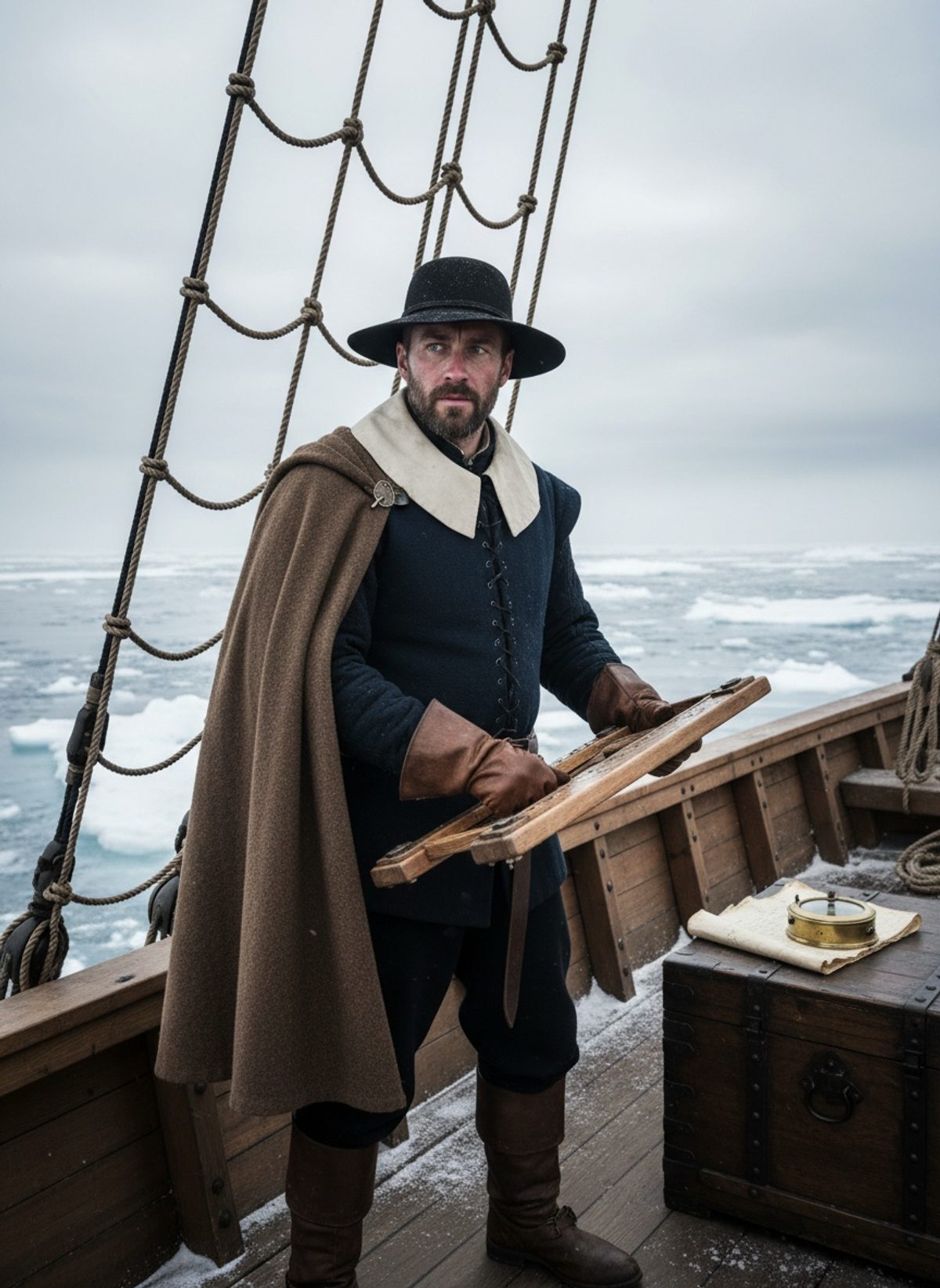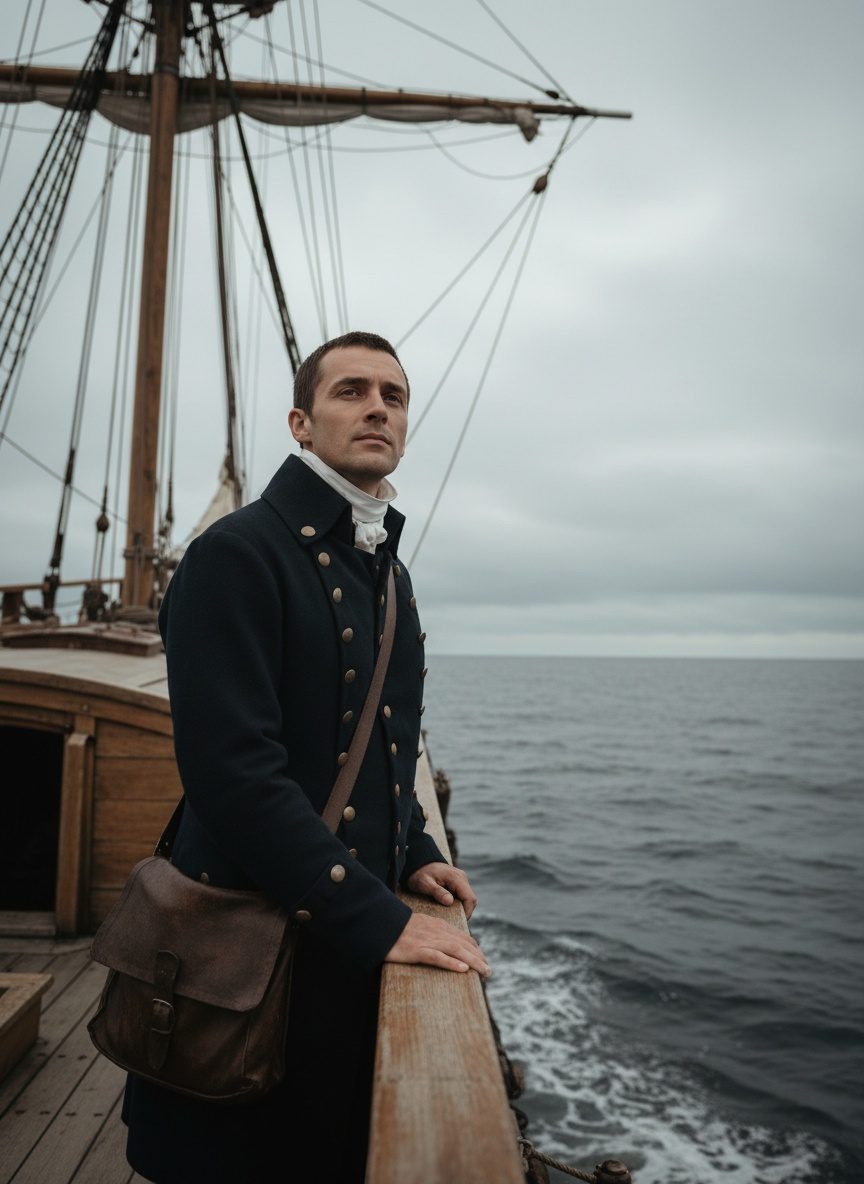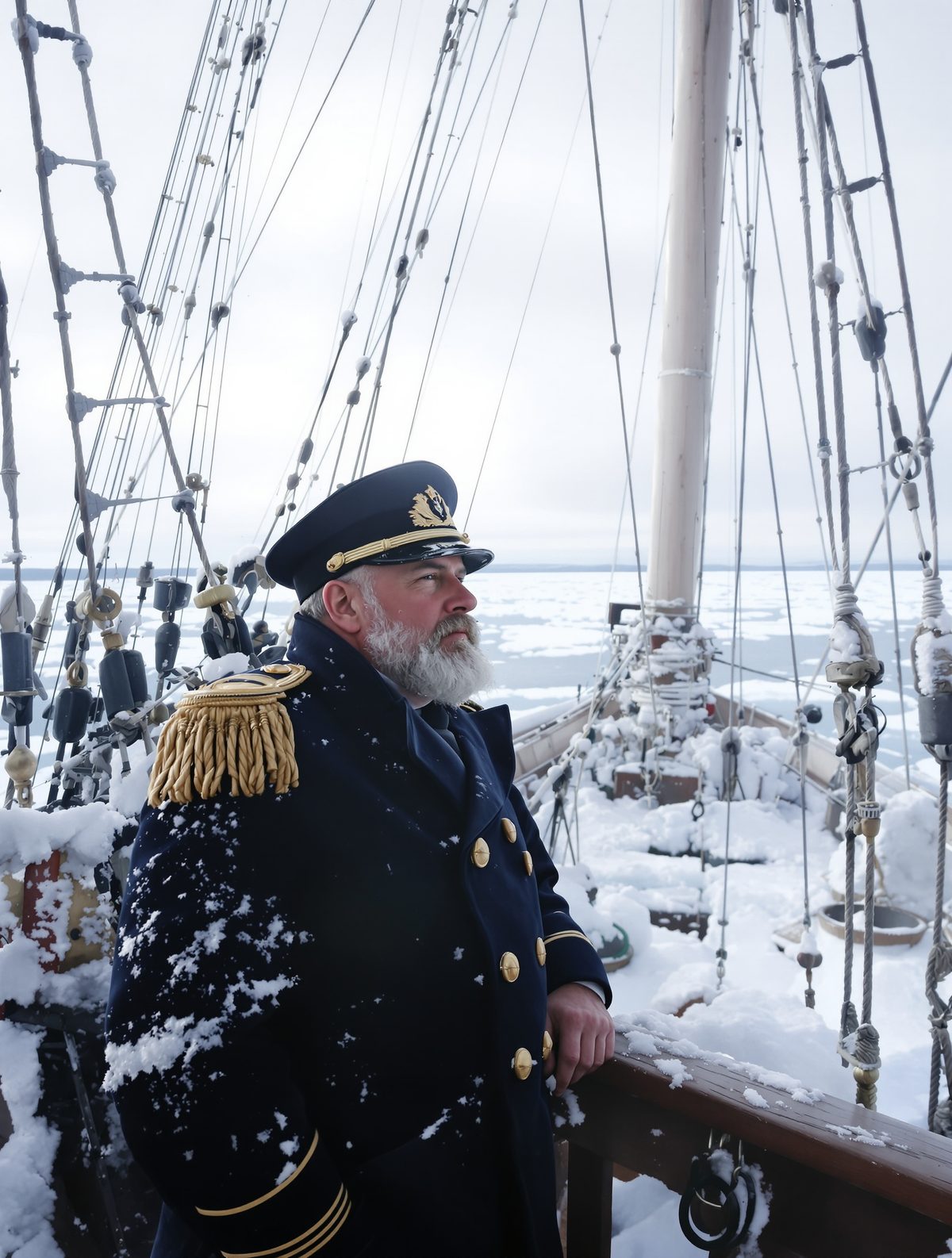
In the creaking stillness of the Arctic night, when the sun abandons its dominion over the frozen wasteland, legends whisper of icy graves and lost explorers. It was into this brutal, white oblivion that Sir John Franklin and his crew sailed, never to return. But in the smoky elegance of Victorian England, against a backdrop of marble and chandeliers, one tenacious woman refused to let her husband be consigned to history's shadows. Her name was Jane Franklin, and this is the story of her indefatigable quest.
The Ill-Fated Expedition
In May 1845, Sir John Franklin set sail from Britain with two ships, HMS Erebus and HMS Terror, boasting an impressive roster of 129 men. Laden with five years' worth of supplies, they were on a mission to traverse the Northwest Passage — a mythical route bridging the Atlantic and Pacific that had tantalized explorers for centuries. This journey was not just an expedition; it was a testament to human audacity and the Victorian spirit of discovery. Yet as they bid farewell, and the ships' sails dwindled to specks on the horizon, none could foresee the tragedy that lay ahead.
The Vanishing
As months turned into years, Britain waited anxiously. Rumors flitted about like restless ghosts. The occasional report would surface, the last known sightings pinned to Baffin Bay by the summer of 1846. However, it wasn't until 1848, three years after Franklin's departure, that real dread began to set in. The Admiralty, reluctant at first, organized a search party. What lay beyond the curtain of ice was anyone’s guess, but some suspected the worst.
To others, however, Sir John was more than just another maritime casualty; he was a lion-hearted explorer upholding the Empire's honor. His wife, Jane Franklin, bore this sentiment more fervently than any. She was a woman of striking resolve, known to her friends as Lady Franklin, and she was about to show the world the true meaning of determination.
Read next: The Day a Devon Captain Mapped the World's Last Shore
Jane Franklin: The Invisible Force
Born in 1791, Jane Griffin grew into an era not often kind to women of ambition. But Jane, undeterred by societal norms, found in John Franklin a man who shared her zest for adventure. Their union was one of mental equals, even as her husband sailed distant seas in pursuit of British glory.
Upon receiving word of Franklin’s disappearance, Jane did not succumb to despair. Instead, she became the driving force behind a relentless pursuit for answers. She used her considerable influence, skills, and even her fortune to pressure the government and rally public support for more rescue missions. Between 1850 and 1857, Lady Franklin sponsored no fewer than four separate expeditions, each pushing deeper into the icy Arctic.
Her efforts were not just confined to the tangible. Jane was a master of the public appeal, penning letters, and exerting her soft power to remind an entire nation of her husband’s legacy. A lesser-known fact is how she crafted an image of a heroic Franklin that endeared him to the British public, rallying explorers and the general populace to her cause.
The Icy Truth Emerges
In 1854, the veil began to lift. Explorers led by Scottish explorer John Rae returned with haunting details from Inuit oral accounts. There were tales of starvation, desperate survival, and even whispers of cannibalism. Although the truth was stark and harrowing, Jane refused to acknowledge the darker elements. She focused instead on the breakthroughs. In 1859, the breakthrough discovery came with the expedition of Francis Leopold McClintock. The findings included a chilling note left by Franklin's men on King William Island, confirming that Sir John had indeed perished on June 11, 1847.
The public would eventually accept these narratives, though Jane would always hold onto a more heroic vision of her husband's end. Despite the grim resolution, it was Jane Franklin's unwillingness to accept the unknown that pieced together the scattered fragments of the mystery.
The Legacy She Wrote
Even in her husband’s absence, Jane Franklin epitomized the Victorian ideal of exploration and discovery. Known affectionately as "the queen of the climbers," her efforts did more than keep his name alive; they fed a nation's hunger for polar exploration and discovery. The Northwest Passage quest would inspire generations, leading to monumental discoveries simply because one woman dared not let her spouse be forgotten.
Jane Franklin passed away in 1875, but the story didn't end with her demise. The modern era, through forensic science and new expeditions, continues to uncover details of the Franklin Expedition. Artefacts and updated findings occasionally surface, nestled away beneath the ice, echoing the continuous dialogue between the past and the present.
Why Lady Franklin's Story Matters
Lady Jane Franklin’s campaign was not merely about rescue; it was a distinctly human fight against oblivion. Her narrative stands as a salient reminder of the power one person can wield against the quiet erosion of memory. In a world where figures of exploration and adventure often bear masculine names, Jane’s story challenges us to recognize the pioneering spirit she displayed. Through each page of her correspondence, each check signed for another expedition, we find the resilience, courage, and unprecedented action of a woman who refused to let Britain forget — and in doing so, she secured her husband’s place in history. In an age of instant information, where legacies can be fleeting, Lady Franklin’s unyielding resolve is a poignant testament to the enduring power of legacy and love.