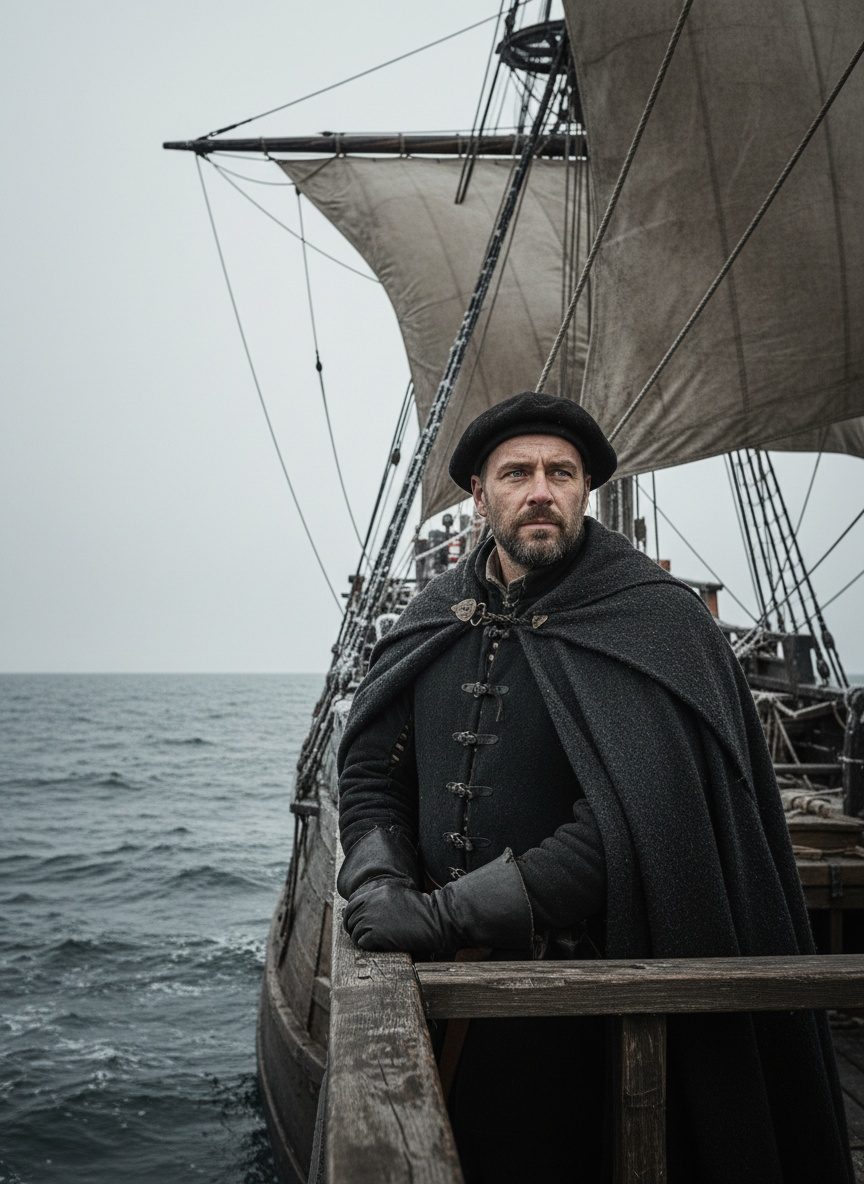
The sea roared like a living beast as Richard Chancellor clutched the wooden rail of his ship, Edward Bonaventure, squinting into the icy spray that filled the air. The Arctic swell lifted and dropped them with bone-rattling force, as the sun lingered above the horizon in a ghostly display of dance. Chancellor scanned the horizon, mindful of the decision that had led them into this little-known realm where the maps fell short and fate whispered its uncertain promise.
The Decision That Changed the Voyage
All the way back in the bustling streets of London, the idea of discovering a northeast passage to China had seemed as tantalizing as the silks and spices promised by foreign tales. The Merchant Adventurers' Company, under the visionary eyes of Sir Hugh Willoughby and John Cabot, had dreamt of opening a new trade route that bypassed the prevailing South and West routes. In the summer of 1553, three ships set sail from Woolwich, forging a path towards what lay beyond known waters.
Their fleet, led by the commanding Bona Speranza, was not unlike the daring spirit of Chancellor himself. Yet, as they approached the Arctic's icy grip, fate decided to intervene. When a severe storm near the coast of Norway separated the ships, Willoughby's commanding vessel and another, the Philip and Mary, vanished into the abyss of obscurity. Chancellor, aboard Edward Bonaventure, stood resolute, gazing at the unyielding Arctic. His choice to press onward would forever alter the trade narrative of England.
The Unyielding Arctic and a Solo Journey
The ice claimed time and again to thwart Chancellor's endeavor, but his spirit remained unbroken by the punishing frost. As the biting winds threatened to freeze ambition in its tracks, Chancellor expertly maneuvered his vessel past jagged icebergs, battling an environment where nature had ordained its own sovereignty. It was a journey into the unknown, clustering fear with boundless hope.
Read next: The Day a Scots Surgeon Walked Into Timbuktu Alone
On a serendipitous day, the prow of the Edward Bonaventure eventually cut through the cold haven of the White Sea — a body of water known only through whispered legends and the errant brushstrokes of wandering cartographers. Beholding its vast tundra, Chancellor embraced the moment not as a dead-end, but a new beginning. Setting foot on the harbor of St. Nicholas, he found not the path to Cathay but to an encounter of a different kind, one that lay far deeper in the heart of Muscovy itself.
From the Shores of the White Sea to the Tsar
Chancellor's journey from the north coast was now a grand land expedition; a trek that led him through frostbitten plains, stretching past pine forests and villages where the language was foreign yet the hospitality familiar. It was here that Richard Chancellor began to transition from an explorer to something more — an ambassador between two potential empires.
The final leg of his journey took him into the vibrant heart of Russia; the bustling city of Moscow, where the air was alive with the clamor of commerce and the intrigue of power. Chancellor's audience with Tsar Ivan IV, "Ivan the Terrible", would mark a pivotal moment in Anglo-Russian relations that had been until then nonexistent. The Tsar, curious and ambitious, welcomed Chancellor warmly and the dialogue began — one that spoke of trade, mutual interest, and exploration beyond known boundaries.
An Empire Meets a Trader
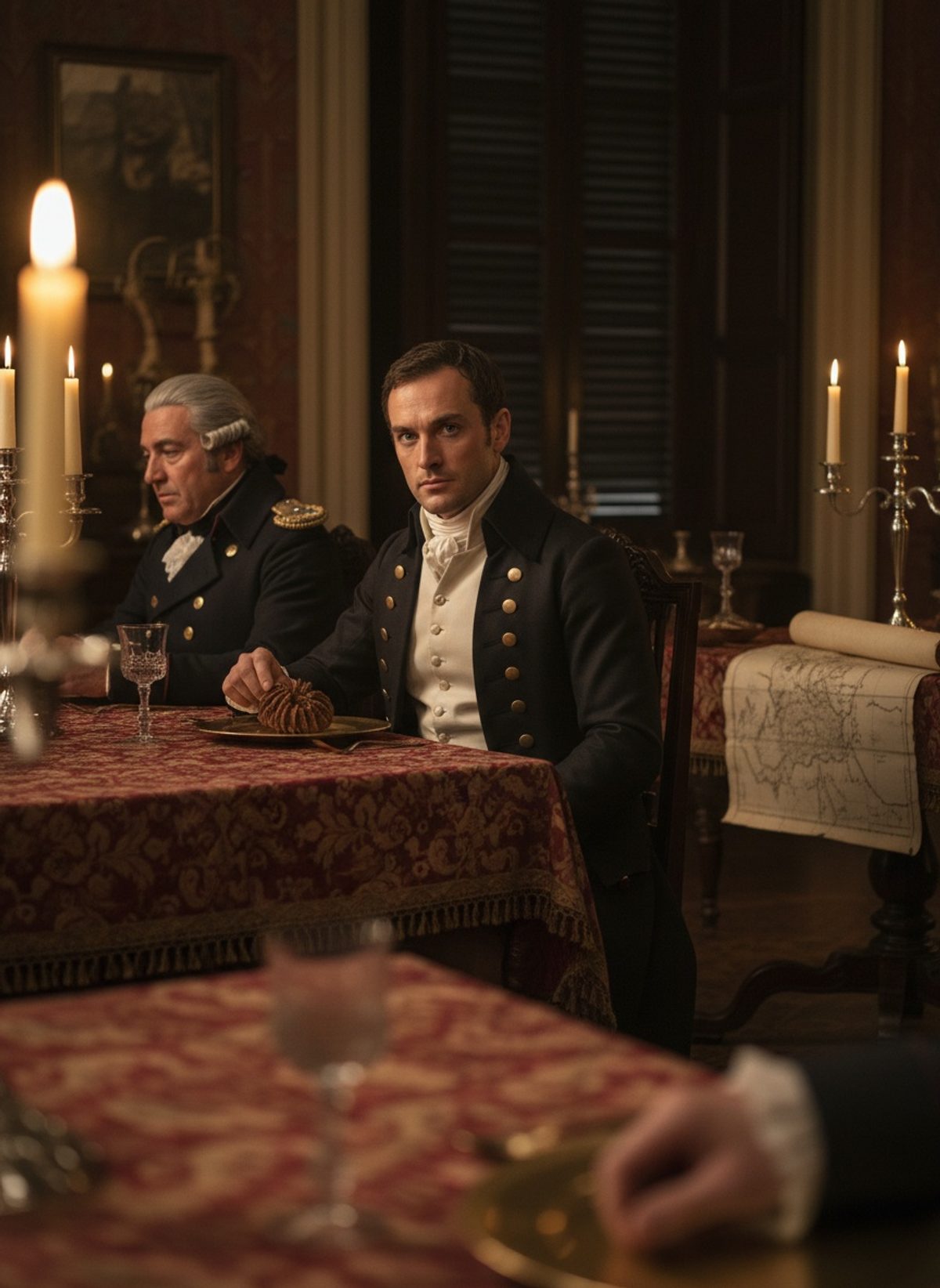
Standing before the Tsar, Chancellor found himself in a realm layered with gold and tradition. The court spoke volumes of a complex and vast empire, rich with trade potential both lucrative and promising. The Tsar's steely gaze found a reflection in Chancellor's own resolve, a recognition of kindred spirits bound by a longing for expansion. Chancellor's gift to Ivan was more intangible than common trinkets; it was the proposal of commerce between nations separated only by inconvenience.
This meeting positioned England within the burgeoning trade routes of Europe, marked with agreements for trade in furs, timber, and precious metals. It was the start of a partnership that promised prosperity and mutual benefit, enriching the coffers of those daring enough to traverse the once-forbidding sea barriers.
Legacy of a Navigator's Scroll
As Richard Chancellor sailed back to England, it wasn't just the tales of Muscovy he carried within his logbooks but the blueprint of future trade and diplomacy. His determination, a single man's resolve against the icy maw of the unknown, unwittingly set England onto a new diplomatic path with Russia. Chancellor's voyage had originally set out to find a route to China but ended up finding something perhaps more enduring — a bridge between nations.
Today, the tales of Chancellor's remarkable journey stand not in textbooks, but in the fabric of trading relations that blossomed consequently. His journey into the northern unknown reminds us of the power of tenacity and the far-reaching impact one individual can have in steering the course of history. Chancellor charted more than just a course on the sea; he mapped out pathways for generations to tread and explore, reminding us that discovery lies not just in the destinations we seek, but in embracing the surprises along the way.