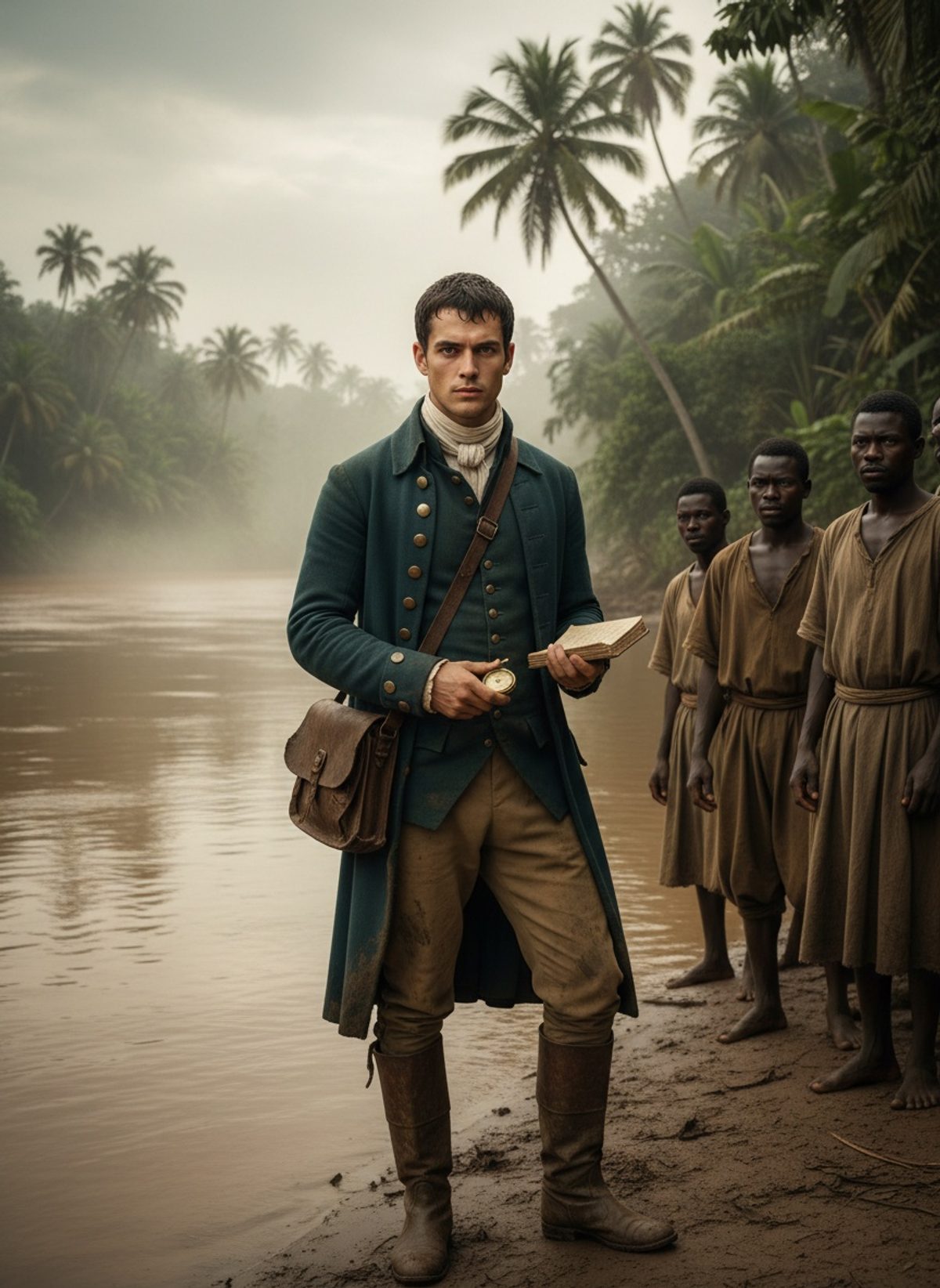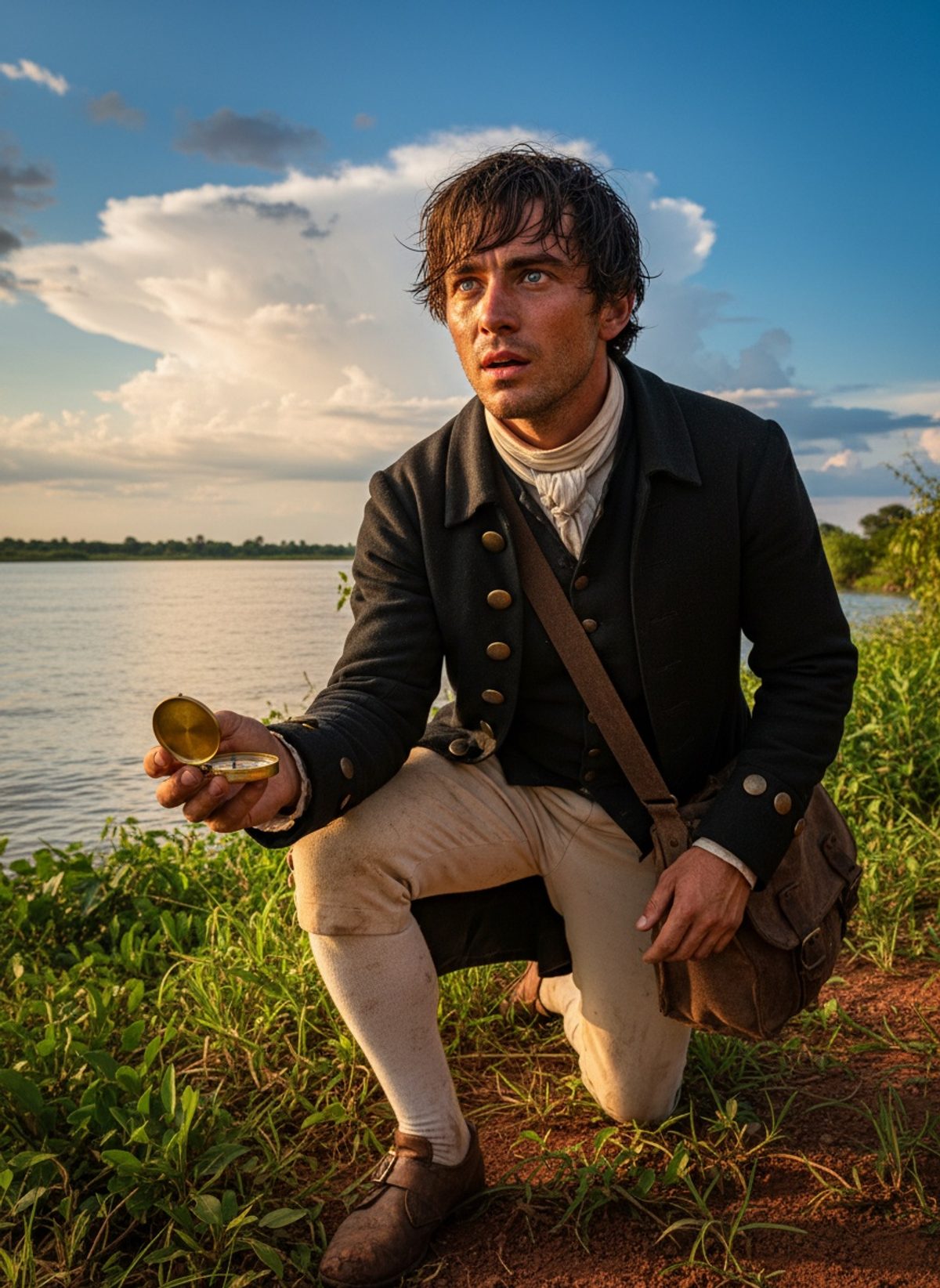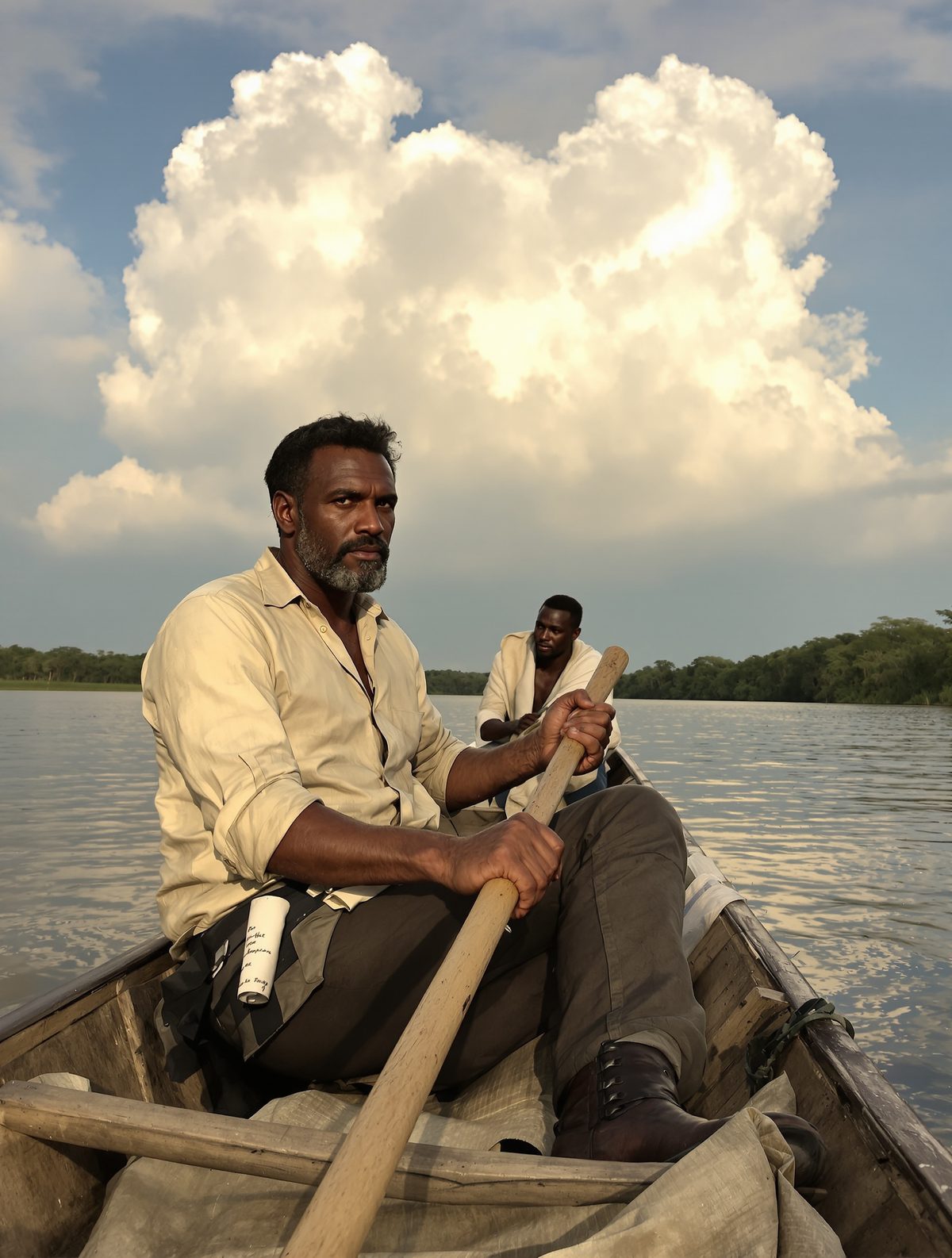
In the early 19th century, the map of Africa was riddled with mystery. Europeans knew of the great Niger River but were confounded by its secretive course. Where did this teasing titan flow, and where did it meet its end? This question captivated explorers and geographers for centuries, sparking quests that frequently embroiled nations in rivalry and individuals in obsession. Finally, in 1830, a humble Cornishman set out to unravel Africa's greatest enigma — and in doing so, forever altered the tapestry of colonial geography and discovery. This is the incredible tale of how Richard Lander, a servant’s son turned intrepid explorer, charted the uncharted.
A Veil on the Niger
Prior to Lander’s expedition, the Niger River was a colossal question mark snaking its way through West Africa. With an estimated length of over 4,100 kilometers, it was one of the world’s longest rivers, yet remained shrouded in mystery. European mapmakers and scholars of the Regency Era could scarcely believe that such a significant waterway could hide its final destination. Speculation flourished: some claimed it flowed into the fabled 'Unamasa,' an imagined desert lake; others believed it vanished underground or disappeared into the mighty River Congo. Defying imagination, the river became a symbol of the tantalizingly unknown African interior.
Numerous expeditions were launched, typically helmed by aristocratic gentlemen explorers or backed by wealthy sponsors. The failure rate was high, bodies and dreams both dashed by the implacable African wilderness. Yet for those seeking glory, the lure of being the first to map the Niger’s mouth remained an irresistible siren call.
A Cornish Hopeful
Enter Richard Lander, born in 1804 in Truro, Cornwall. The son of a modest innkeeper and a former servant, he was a man of scant formal education but possessed an abundance of audacity and perseverance. By his twenties, Lander had already taken part in exploratory voyages to Africa, yet he remained relatively unknown. But he carried within him a fiery determination to solve the riddle of the Niger.
Read next: The Day a Scots Surgeon Walked Into Timbuktu Alone
With scant resources at his disposal, Lander offered a striking contrast to the affluent explorers of his time. Ignoring the lack of acclaim or financial backing, he resolved to tackle the daunting task of following the Niger from the Katsina Hills in modern-day Nigeria to its elusive conclusion at the Atlantic Ocean. Little did his peers know that the solution to the great geographical puzzle would spring from such humble beginnings.
Pioneering Along the River
In 1830, Lander, along with his brother John, embarked on their historic journey, settling into fragile canoes as they paddled into the heart of Africa's unknown reaches. The mission was perilous, challenging them with unpredictable river currents, dense jungles, oppressive heat, and potentially hostile encounters. Yet their indomitable spirit drove them forward, each paddle stroke unraveling a thread of the Niger’s mystery.
In vivid landscapes, the brothers encountered isolated tribes and bustling river markets, with Lander meticulously documenting each encounter and observation. Paddling beneath lush, verdant canopies and navigating through treacherous rapids, the Landers traced the river through territories steeped in local legend and history. Their journey was not without hardship — sickness struck, resources dwindled, and uncertainty loomed — but their resolve did not waver.
The Revelatory Bend
April 1830 witnessed a watershed moment as the Landers reached the point known as the 'Great Bend' of the Niger. From this pivotal juncture, the river veered southwards, dashing long-held theories and prophecies into the waters. The realization struck the brothers: the Niger twisted its way towards the coast, not into an inland abyss but to an azure expanse.
This dramatic shift revitalized their efforts, urging them toward the river delta — a delta that remained undiscovered by Western eyes but had thrived as a vibrant hub for African civilizations. By following this chart to the Niger Delta, the Landers solidified their place in history. The once-elusive mouth of the Niger had finally been laid bare through their tireless endeavor.
A World Transformed
The impacts of Lander’s discoveries rippled outwards. Not only had he charted the Niger’s course, but he also opened new avenues for trade and colonial expansion, leaving an indelible impact upon British imperial ambitions. Though recognition came slowly, Lander was eventually awarded the prestigious gold medal by the Royal Geographical Society. He tragically succumbed to injuries inflicted by bandits in 1834, but his legacy prevailed, an enduring reminder of ordinary courage and extraordinary discovery.
Legacy Unfurled
The revelations of Richard Lander’s journey invigorate our understanding of exploration and discovery to this day. They serve as a testament to the remarkable achievements that can spring from defying expectations and embracing tenacity over wealth or status. Lander’s journey empowered a more comprehensive grasp of Africa's intricate geography, facilitating a deeper appreciation among those who would follow. As boundaries blurred and maps evolved, so too did the Western world’s engagement with Africa — for better or for worse.
In our modern era, Lander's tale echoes with a clarion call, one of human curiosity and resilience that reshapes the world map with each daring expedition. His story reminds us of the potential hidden within the unheralded adventurer, whose journey can change the very way we see the world.