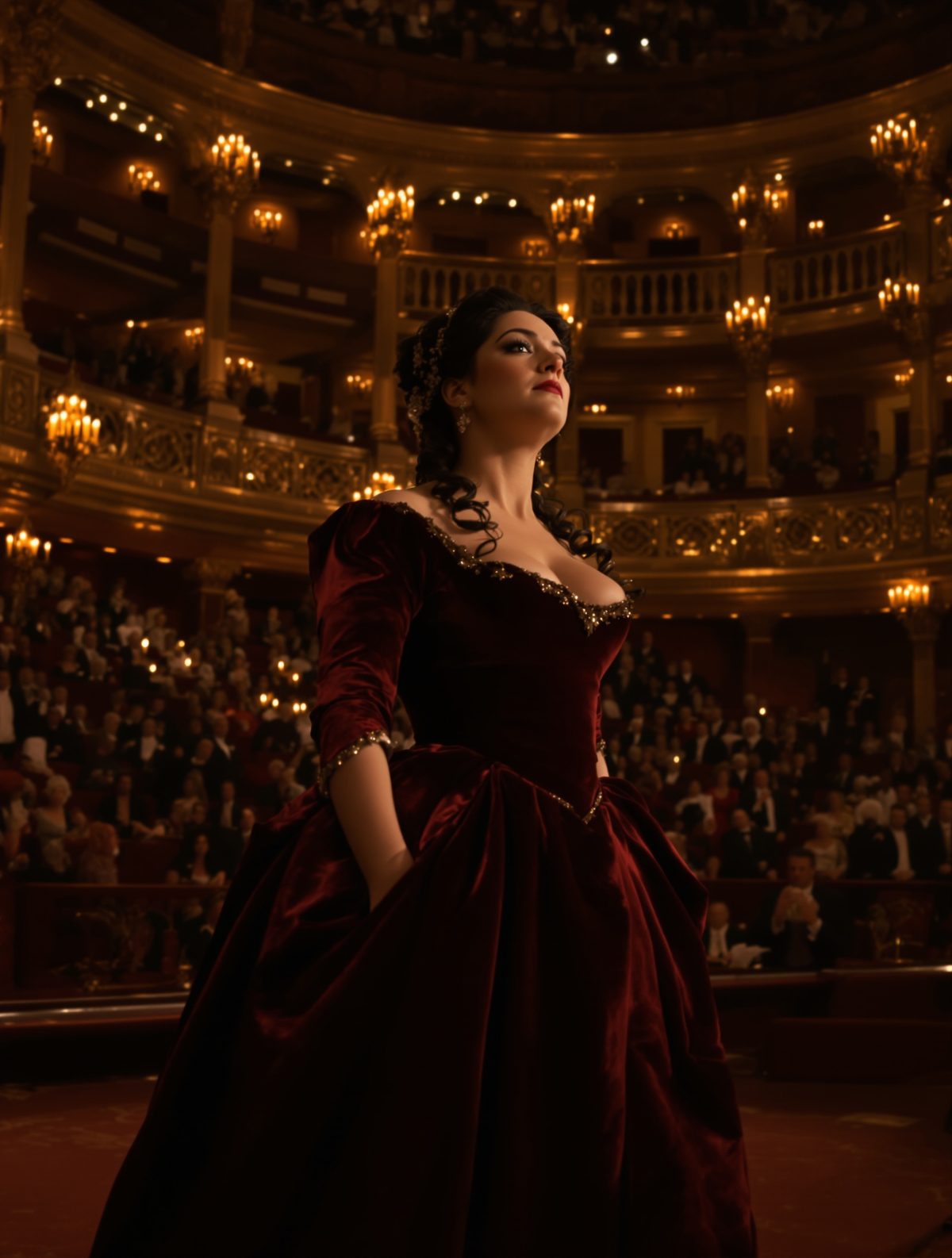
The gaslights dimmed at Drury Lane Theatre on that October evening in 1782. In the hushed darkness, a tall figure emerged from the wings, her footsteps echoing across the wooden boards like a death knell. Sarah Siddons raised her arms, her voice cutting through the silence like a blade: "Come, you spirits that tend on mortal thoughts, unsex me here..." Before she had finished Lady Macbeth's blood-curdling soliloquy, something extraordinary was happening in the audience. Women were fainting in their boxes. Men were openly weeping. A fever had gripped London's most prestigious theatre, and at its centre stood a 27-year-old Welsh actress who was about to rewrite the rules of fame forever.
What happened that night wasn't just a performance—it was the birth of celebrity culture as we know it. Sarah Siddons had created something entirely new in British society: the cult of personality that would echo through centuries to come.
The Unlikely Rise of a Welsh Outsider
Sarah Kemble was born in 1755 in Brecon, Wales, into a family of travelling actors—hardly the background one would expect for Britain's first superstar. Her father, Roger Kemble, ran a ramshackle touring company that performed in inn yards and makeshift venues across the Welsh countryside. At age six, Sarah was already on stage, playing Ariel in The Tempest to audiences who paid in pennies and occasionally threw rotten vegetables.
The theatrical world of 18th-century Britain was brutal and unforgiving. Actors were considered only marginally more respectable than prostitutes, often banned from burial in consecrated ground. For a woman, the profession offered fame and fortune to a precious few, but social ostracism and poverty to most. Yet Sarah possessed something indefinable—a magnetic presence that could transform a dusty provincial stage into a window to the human soul.
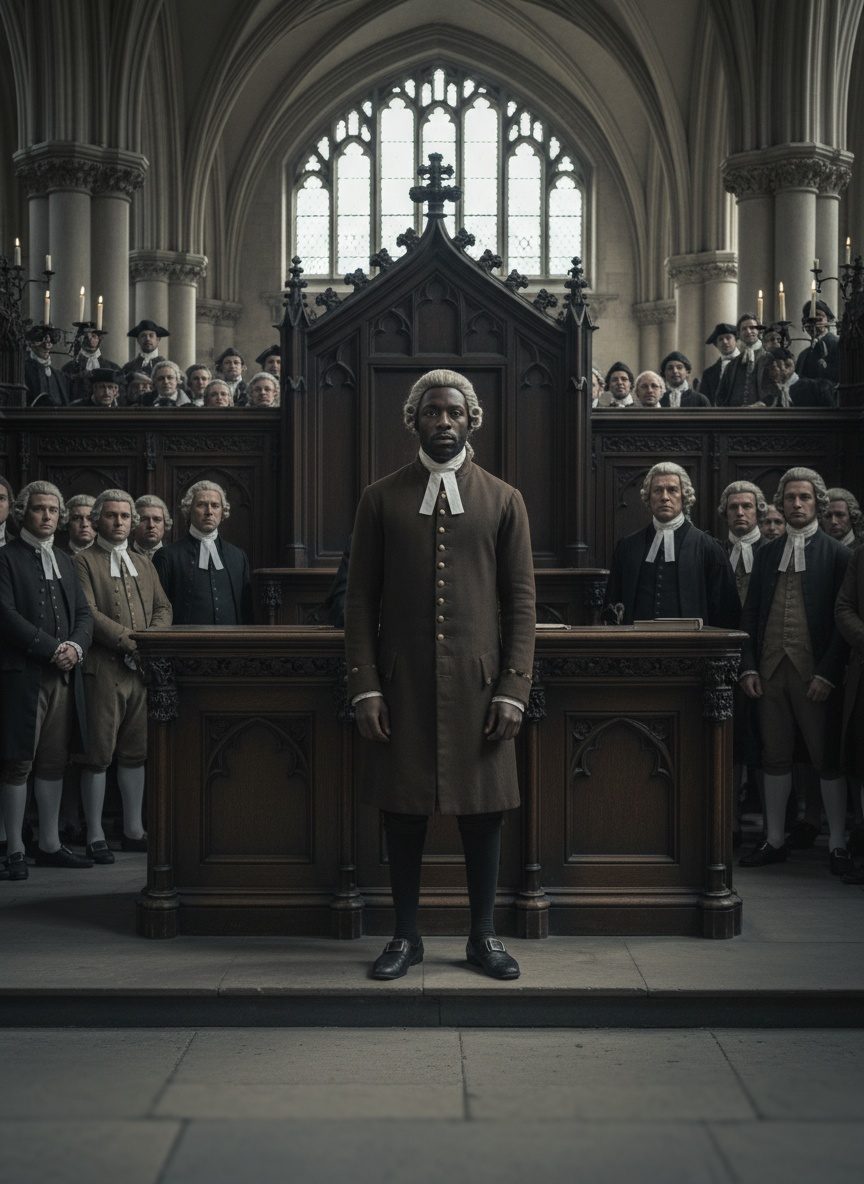
Read next: The Day a Baronet Stood Up in Court and Freed His Slaves
Her early years were marked by struggle. A disastrous first attempt at Drury Lane in 1775 saw her dismissed as "too stiff and formal." Critics sneered at her provincial accent and unsophisticated manner. But instead of retreating, Sarah spent the next seven years honing her craft in the provinces, particularly in Bath, where she developed the revolutionary acting style that would make her legendary.
Here's what the history books rarely tell you: Sarah Siddons was one of the first actors to study psychology. She would spend weeks analyzing her characters' motivations, creating detailed backstories, and even practicing facial expressions in mirrors for hours. This methodical approach was revolutionary in an era when most actors simply declaimed their lines with grand gestures.
The Night That Changed Everything
On October 10, 1782, Sarah returned to Drury Lane Theatre as Lady Macbeth. The venue itself was a temple to Georgian entertainment—a vast auditorium that could hold 3,600 spectators, from wealthy aristocrats in private boxes to commoners packed into the pit. Gas lighting had recently been installed, creating an otherworldly atmosphere that flickered and danced across the ornate interior.
But nothing could have prepared London society for what they witnessed that night. When Sarah appeared in the sleepwalking scene, wringing her hands and muttering "Out, damned spot," the audience fell completely silent. Then something unprecedented happened: women in the boxes began fainting. Men wept openly. One critic later wrote that he felt as though he was witnessing actual madness, not a performance of it.
The reaction was so intense that the play had to be stopped twice while smelling salts were administered to overcome audience members. Word spread through London's coffee houses and drawing rooms like wildfire. Within days, every ticket for Sarah's subsequent performances was sold out. Scalpers outside the theatre were charging five times the face value—a phenomenon London had never seen before.
What made her performance so revolutionary? Unlike her contemporaries who acted at the audience with theatrical gestures and booming voices, Sarah acted as though the audience didn't exist. She inhabited her characters so completely that spectators felt they were watching real people in real psychological torment, not actors delivering lines.
The Birth of Fan Culture
Within months of her Drury Lane triumph, something entirely new emerged in British society: Sarah Siddons merchandise. Her image appeared on everything from tea sets to jewelry, handkerchiefs to snuff boxes. Entrepreneurs sold "Siddons silhouettes"—black paper cutouts of her famous poses. Women copied her hairstyles and dress sense. She had become what we would now recognize as a brand.
The numbers were staggering. At her peak, Sarah commanded a salary of £30 per performance—equivalent to about £3,000 today—making her one of the highest-paid women in Britain. Her benefit nights (special performances where she kept all the profits) regularly earned her over £400, more than most people made in a decade. On one extraordinary evening in 1784, the crush of people trying to see her perform was so great that the doors of Drury Lane were broken down, and several people were injured in the stampede.
But perhaps most remarkably, Sarah Siddons achieved something no performer had managed before: she made acting respectable. Duchesses competed to host her at dinner parties. She received a royal pension from King George III. Society painters like Joshua Reynolds and Thomas Gainsborough fought to capture her image. Reynolds' portrait of her as "The Tragic Muse" became one of the most famous paintings of the era.
Here's a detail that reveals just how famous she had become: when Sarah traveled between cities, crowds would gather at coaching inns just to catch a glimpse of her. Local newspapers would report her arrival like a visiting dignitary. In Edinburgh, the city council presented her with the freedom of the city—an honor typically reserved for war heroes and royalty.
The Price of Being First
Celebrity, Sarah Siddons discovered, came with costs that no one in 1782 could have anticipated. She was followed by what we would now call paparazzi—sketch artists and gossip writers who documented her every movement. Her personal life became public property. When her marriage to William Siddons showed signs of strain, the scandal sheets gleefully reported every rumored argument and alleged affair.
The pressure was immense. She was expected to be "on" constantly, to embody the tragic dignity of her stage roles in everyday life. One contemporary noted that she could never simply buy bread at the market without drawing a crowd. Children would peer through the windows of her carriage, hoping to see the famous actress who could make grown men weep.
The physical demands were equally punishing. In an era before microphones, projecting her voice to reach 3,600 people night after night took an enormous toll. She performed while pregnant, through illnesses, and even after personal tragedies. When her daughter died of consumption in 1798, Sarah was back on stage within days—partly from financial necessity, but also because the public demanded it. She had become too big to fail.
Yet she wielded her influence carefully and cleverly. Sarah was one of the first celebrities to understand the power of scarcity. She would sometimes refuse lucrative offers, knowing that her unavailability only increased demand. She cultivated an air of mystery, rarely giving interviews or appearing at public events outside the theatre.
The Revolutionary Impact
Sarah Siddons didn't just change acting—she transformed the entire entertainment industry. Before her, actors were replaceable. Theatre managers cast whoever was available and affordable. After Sarah, the concept of the irreplaceable star was born. Suddenly, actors had leverage. They could demand better pay, choose their roles, and even influence how plays were written.
She also pioneered what we now call method acting, more than a century before Stanislavski made it famous. Her approach to character development, her use of psychological realism, and her technique of drawing on personal emotional experiences to fuel her performances became the foundation of modern acting technique.
The ripple effects extended far beyond theatre. Sarah Siddons proved that fame could transcend class boundaries in ways previously unimaginable. Born into a family of strolling players—essentially vagrants in the eyes of Georgian society—she dined with dukes and received pensions from kings. She had created a new type of social mobility based on talent and public adoration rather than birth or wealth.
Publishers began commissioning books about her life and career. The first celebrity biography—a genre we now take for granted—was written about Sarah Siddons in 1784. Newspaper editors discovered that stories about her personal life sold papers. The celebrity interview, the publicity tour, the tell-all memoir—all of these now-familiar phenomena trace their origins back to that Welsh actress who made Lady Macbeth feel terrifyingly real.
The Legacy That Lives On
When Sarah Siddons took her final bow at Covent Garden in 1812 (playing, fittingly, Lady Macbeth), she had performed the role over 200 times and had fundamentally altered British culture. She died in 1831, but the template she created—the larger-than-life personality whose private life becomes public fascination—remains the blueprint for modern celebrity.
Today, as we watch social media influencers build personal brands, as we follow the private lives of actors and singers with obsessive interest, as we queue for hours to glimpse our favorite stars, we're participating in a cultural phenomenon that began on that October evening in 1782. Sarah Siddons understood something profound about human nature: our hunger for stories, for heroes, for someone who can transform ordinary existence into something transcendent.
Perhaps most remarkably, in an age when fame often seems divorced from talent, Sarah Siddons reminds us that the first British celebrity achieved her status through sheer artistic brilliance. She didn't court fame for its own sake—she pursued excellence so relentlessly that fame became inevitable. In our current era of manufactured celebrity, there's something both inspiring and instructive about remembering the Welsh actress who changed the world simply by refusing to accept that performing meant anything less than baring the human soul.
The next time you see crowds gathering for a celebrity sighting, remember Sarah Siddons. Every time an actor wins an Oscar and uses the platform to influence public opinion, every time a performer's personal struggles become international news, every time talent transforms someone from obscurity to global recognition—you're witnessing the continuation of a phenomenon that began with a woman from Brecon who made London weep.