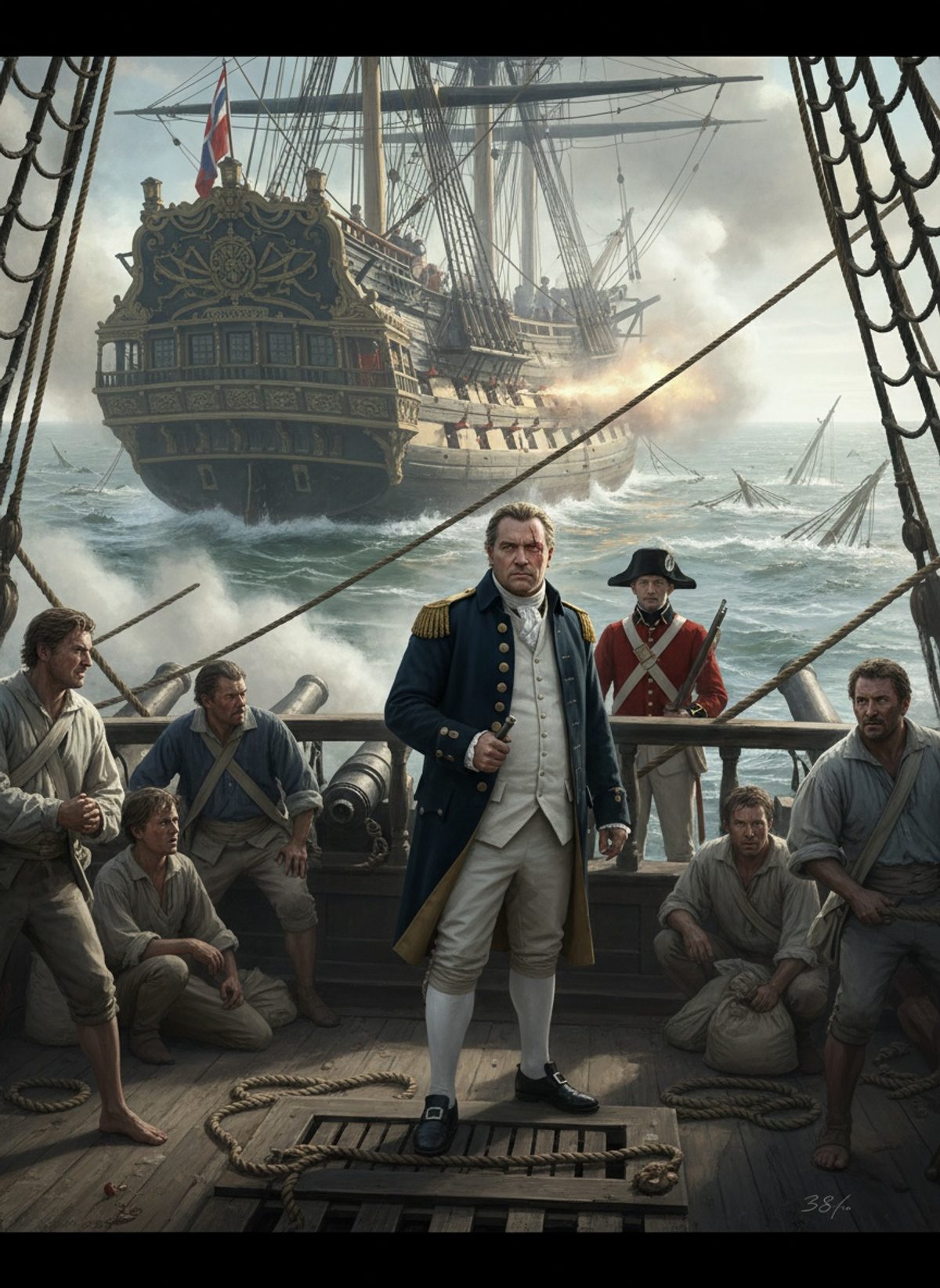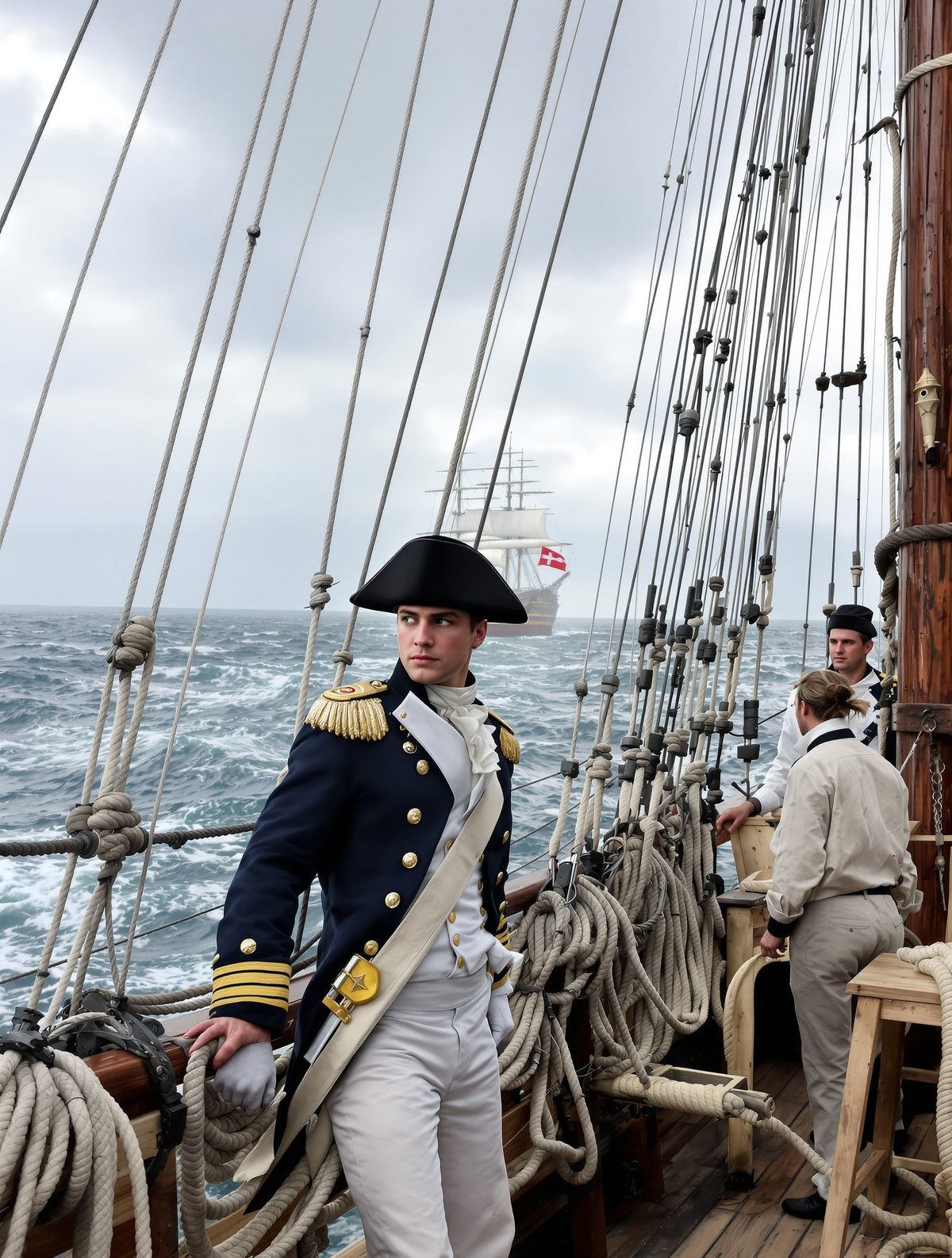
On a breezy day in June 1801, somewhere off the Spanish coast, a young naval commander faced a dilemma that would have made lesser men tremble. Thomas Cochrane, a Scot with fire in his eyes and an insatiable thirst for adventure, commanded a modest 14-gun sloop of the Royal Navy named HMS Speedy. In his path loomed a 32-gun Spanish frigate, the much more imposing Gamo, with a crew nearly six times the size of his own. Yet, what ensued in those high seas was not a tale of impossible odds overcome by strength. Instead, it was a masterclass in audacity.
Nerve of Steel
Thomas Cochrane was no ordinary Royal Navy officer. The privileged son of the 9th Earl of Dundonald, he was known for his unconventional methods and daring tactics. His penchant for causing chaos among his enemies had already earned him a reputation, but nothing quite like what was about to unfold. As HMS Speedy hurtled toward the Gamo on that fateful day, Cochrane's plan was not to turn back but to move boldly and bluff his way to victory.
One may wonder how Cochrane wove a strategy around a mere bluff. At its core, his plan banked on the element of surprise and appearing far stronger than he was. But the brilliance lay not simply in the audacity but in the sheer conviction with which Cochrane acted, making his gambit so convincing that it would utterly bewilder the Spanish crew.
The Face-Off
The drama unfurled miles off the coast of Spain. As the two ships drew nearer, Cochrane ordered his crew to load Speedy’s little arsenal of 4-pounder cannons. The men of HMS Speedy had witnessed their captain's nerves of steel before but never against such daunting odds. Each sailor knew this confrontation meant either an unexpected triumph or a swift defeat.
Read next: The Day a British Captain Stood Between Slaves and the Sea
When Gamo spotted the considerably smaller ship, its captain, Don Francisco de Torres, anticipated an easy victory. The Spanish sailors' confidence was bolstered by their numerical superiority and the firepower of their frigate. As they prepared to engage, little did they know they were stepping into Cochrane's meticulously spun web.
The Bluff
The defining moment came when Cochrane hoisted an American flag in an ingenious ruse to dupe the Spanish into believing the British vessel was a neutral American ship. This wasn’t a mere tactic of deception — it was a harbinger of the psychological warfare Cochrane was about to wage. As Gamo closed in for what they assumed would be a customary inspection, Cochrane struck, swiftly lowering the American flag and raising the British ensign.
Seizing the moment of confusion, Cochrane ordered his small crew to fire a blistering broadside into Gamo, then swiftly closed the range. The Spanish fired back but with scant effectiveness due to their overconfidence and quick change of plans. In a last gambit, Cochrane sailed Speedy so close to Gamo that the frigate’s cannons couldn’t train down low enough to hit his ship, stunning the Spanish into disbelief.
Boarding and Victory
With the ships now locked, Cochrane led his men on a daring boarding assault. With sheer tenacity and grit, they swung from deck to deck amid the clamor of gunfire and clanking of swords. The Spanish, caught off-guard, were in disarray amid the organized chaos sown by Cochrane’s handful of men.
The scuffle was fierce and messy. Utilizing the element of surprise, Cochrane and his men managed to inflict enough turmoil and panic among the larger Spanish crew, convincing the overwhelmed and confused captain Don Francisco de Torres to surrender the mighty frigate. The capture of Gamo was not only a strategic advantage but also a symbolic blow to Spanish naval pride.
The Aftermath
In a curious twist, Cochrane’s triumph became as legendary as it was momentous. His actions reverberated through the Royal Navy, elevating his status as a daring commander capable of bending the rules for a strategic edge. What Cochrane had achieved was more than just a victory at sea; it showcased the power of daring imagination and flexible tactical thinking, qualities that would become his hallmarks in subsequent years.
The encounter also pointed to a wider truth in naval warfare and beyond: that ingenuity and resolve often overthrow the expectations set by mere numbers and equipment. Cochrane's escapade against Gamo remains a testament to the mind's potential to triumph over supposedly insurmountable odds.
Legacy of a Maverick
Today, Thomas Cochrane is remembered not just as a distinguished naval officer but as a perennial symbol of gallant naval audacity. His method – combining unbridled inventiveness with a willingness to defy convention – threw a wrench in textbook military strategies. In an age when most victories were cataloged by the size of one's fleet or nation, Cochrane's incredible victory over Gamo left a legacy where courage and cunning were the currency of conquest.
In reflecting on this untold episode, we find inspiration for modern challenges, illuminating the value of resilience, creativity, and audacity in overcoming our own modern-day Gamos. Perhaps, in facing the trials that echo through history, Cochrane's surprising triumph serves as a reminder: sometimes, the bravest move is to simply pretend that nothing stands in your way.