Thomas Cochrane was a master of audacity on the high seas. At age twenty-three, he turned even the smallest advantage into legendary victories.
The Unlikely Hero
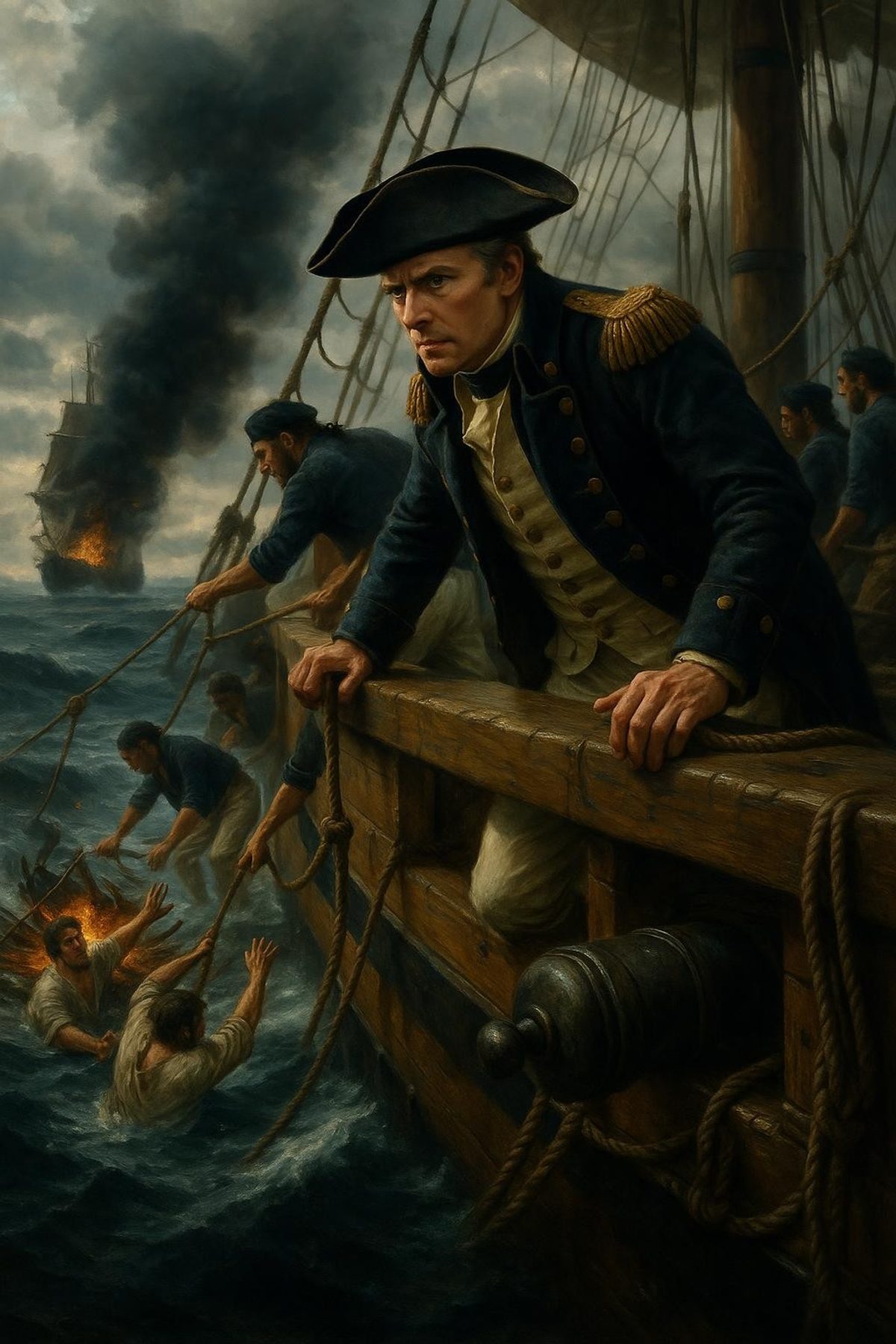
In the annals of naval warfare, few figures stand as boldly unpredictable as Thomas Cochrane. While he later earned rousing honors as the “Sea Wolf,” at the time of his legendary feat in 1801, Cochrane was merely a young commander with a taste for unconventional tactics. Commanding HMS Speedy, a diminutive sloop-of-war armed only with fourteen tiny guns, Cochrane was regularly faced with foes that dwarfed his own ship both in size and firepower. And yet, he thrived in chaos, seeing opportunity where others saw demise.
His most famous exploit during the Napoleonic Wars occurred when he faced a formidable Spanish frigate carrying thirty-two guns. The disparity was staggering, yet Cochrane's interpretation of naval warfare was never by the book. He was known for his frightful persistence, and his crew, limited to barely eighty men, shared his audacity. Together they defied the norms of naval engagements, utilizing ingenuity over sheer might, often relying on their leader's instinct to improvise when the odds were universally uneven.
A Night of Deception
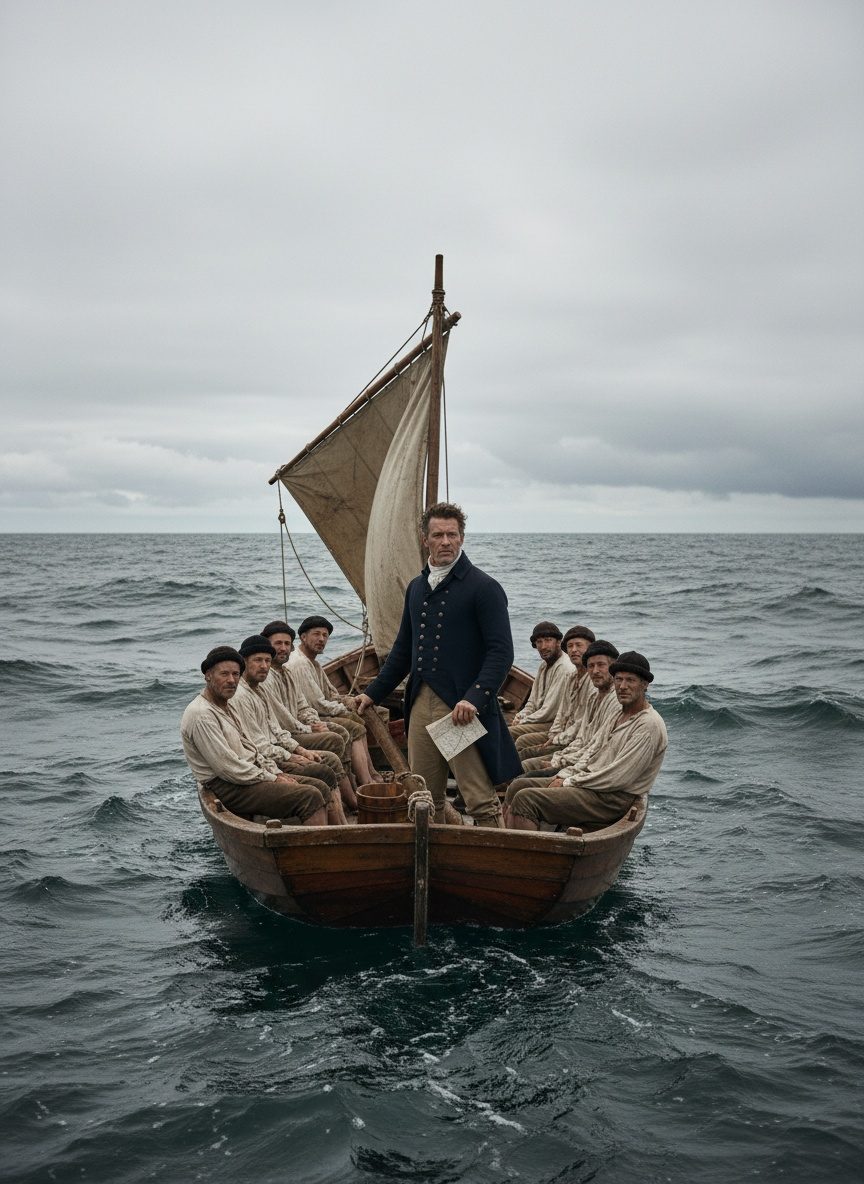
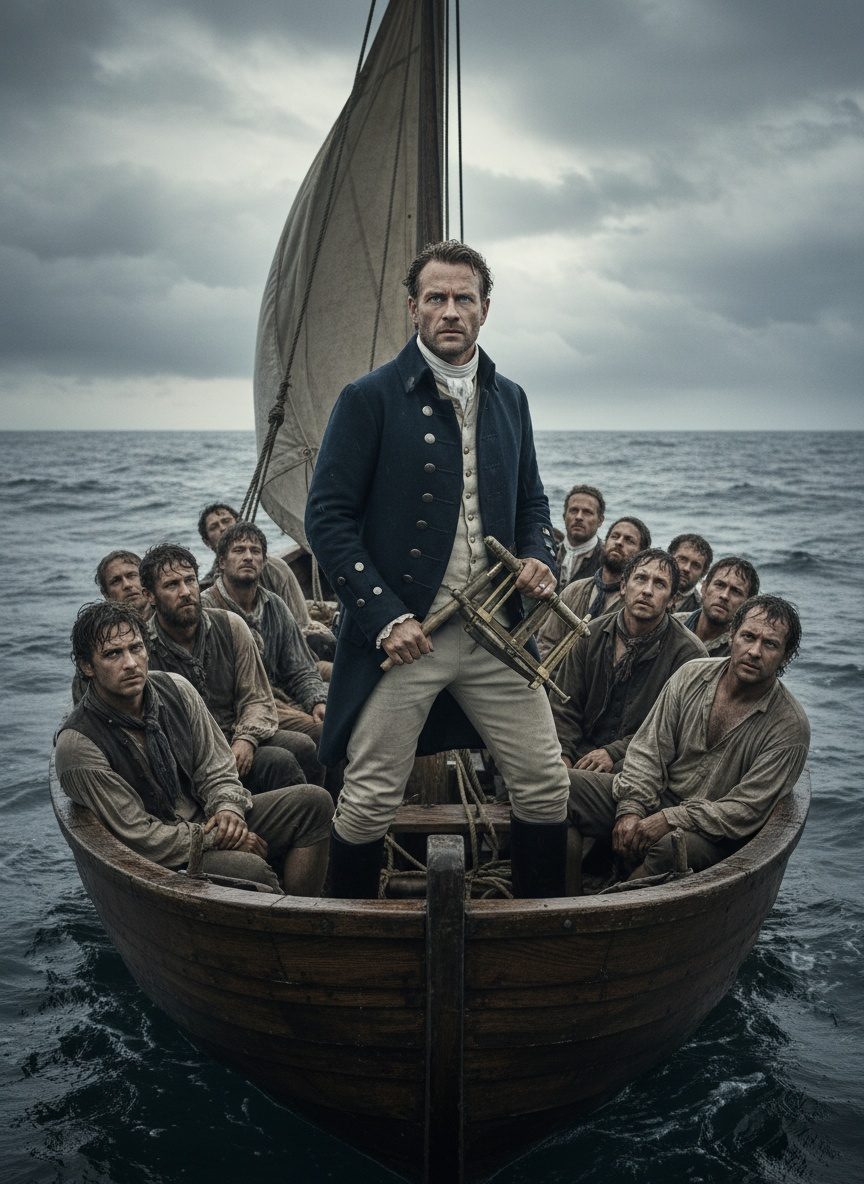
The cold air of 1801 wrapped the Mediterranean in a shroud of darkness as Cochrane found himself pursued by a persistent Spanish squadron. HMS Speedy had limped through battle after battle, and by this bitter night, it was nearly out of ammunition. Conventional warfare cast a bleak shadow over Cochrane's plight, but it was his flair for deception that sparked an improbable strategy.
Read next: The Day Napoleon Surrendered to the Ship That Shot at Him
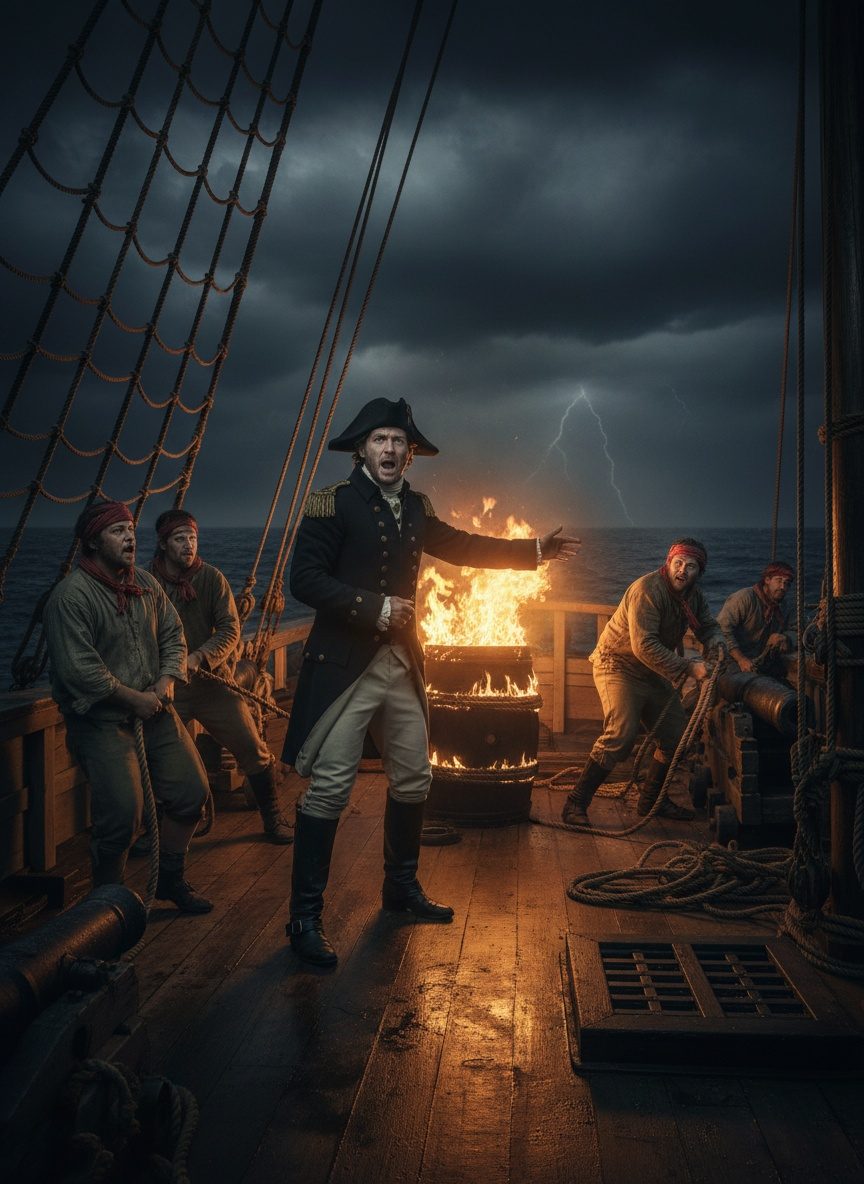
A mere barrel of tar became the instrument of subterfuge. As the Spanish ship drew closer, cockiness crept into their ranks; capturing a battered British sloop was hardly a test of naval prowess. But as Cochrane ordered the tar to be lit, the Spanish underestimated the possibilities. As the tar-blackened smoke billowed into the cold night air, obscuring the Speedy completely, Cochrane and his crew executed their escape with whispers of the miraculous.
The dramatic spectacle gave the Spanish a fitting illusion. From their perspective, the billowing smoke and the sudden absence of the Speedy suggested a catastrophic explosion—a demise by misfortune that was all too common in high-seas warfare. The Spanish frigate hesitated to advance, cautious of an unknown threat or wreckage. Cochrane had vanished like a specter into the Mediterranean, leaving nothing behind but a smoke-spiral of bewilderment.
A Tradition of Cunning
Cochrane's daring was not without precedent in his career. He was a man of infinite resourcefulness, with previous escapades that included outmaneuvering larger ships with expert seamanship, exploiting the very elements—wind, water, and fire—to his advantage. He often used cutting-edge technology of the time, peppering his strategies with clever traps and optical illusions that redefined the simplicity of naval warfare.
His ability to camouflage intent was an art seldom mastered even by veteran commanders. With a mind as sharp as his opponents’ cutlasses, he laid ambushes and converted apparent disadvantages into dynamic victories. Cochrane didn’t just challenge his adversaries; he challenged preconceptions of Maritime strategy. His swiftness to adapt and adopt unconventional methods earned him begrudging respect from even his staunchest foes.
His antics aboard smaller ships like the Speedy elevated his legend within the Royal Navy—a living testament to thinking outside the confines of a gunwale. Cochrane's use of limited resources revolutionized not just how vessels engaged one another but how commanders perceived leadership. Inventiveness and audacity became Cochrane's signature moves, casting a long-lasting influence on Naval tactics worldwide.
A Timeless Tale of Wit and Courage
The harrowing escape of 1801 stands as a masterclass in deception and resolve. It was less a battle and more a game of wits, where Cochrane’s courage moved fleets. At a time when Britain's command of the seas was both contested and crucial, such ingenuity infused a fresh perspective on theatre combat at sea. Cochrane's legend grew, not from his stature or arsenal, but from his unparalleled aptitude to adapt the unexpected into the extraordinary.
This tale of a single night, the fleeting embrace of smoke and shadow, remains a poignant echo from the past—underscoring how a merely disadvantaged British crew could mirror tenacity and resilience against any odds. The story of Thomas Cochrane challenges us to consider how the ingenuity of a few can topple the complacency of the many. In a modern world increasingly shaped by data and precision, his legacy reminds us that sheer human cunning and courage can still chart an unpredictable course.