Many believe battles are won by superior numbers. That night at Aix Roads, the result came down to a single fiery leap into audacity.
A Fleet in Waiting
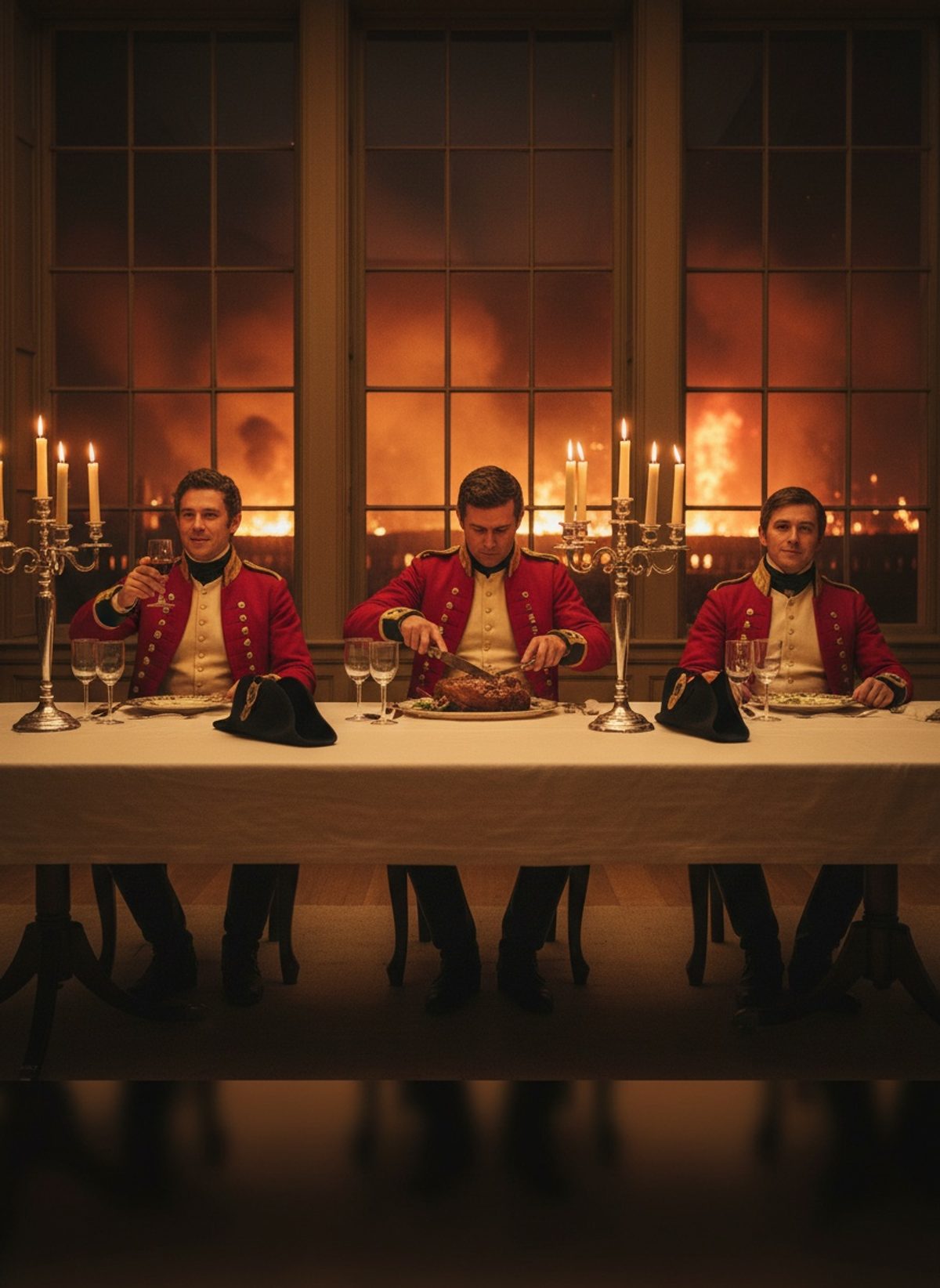
In April 1809, the French fleet lay snugly nestled at Aix Roads, an anchorage seemingly as impenetrable as it was strategic. The French, ensconced within the sheltered waters, felt insulated by their booms, fortified batteries, and the protective embrace of the Atlantic coast. A formidable assurance reigned among the sailors, emboldened by the belief that their position was unimpeachable. Napoleon's naval resources awaited orders, unknowing that their sense of security was about to face a fearless challenger—one who would defy conventional warfare with an unorthodox plan.
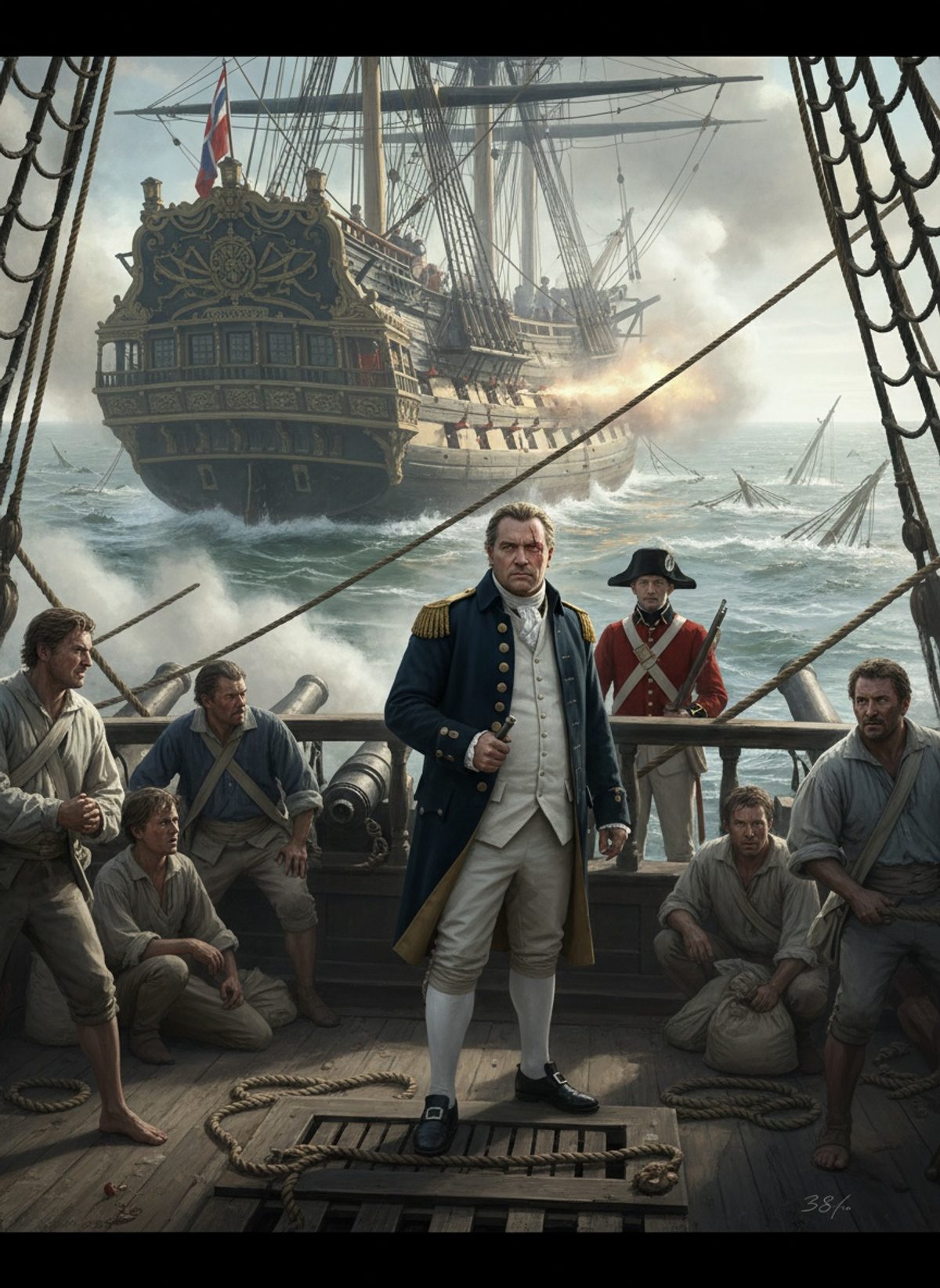
Lord Thomas Cochrane, the 10th Earl of Dundonald, was a maverick in every sense. His reputation in the Royal Navy had already been established through acts of daring and innovation, but his proposal to attack the French fleet with fire ships was unprecedented in scale and boldness. Fire ships, once terror-inspiring, had become relics in the eyes of many naval strategists. But Cochrane's vision saw an opportunity where others saw only discarded tactics. He proposed to pack old vessels with gunpowder and incendiary material, steering them directly into the heart of the French line. This audacious plan was fraught with risks, yet it promised a deliverance that conventional engagements could not offer within the constraints of their technology and strategies.
The Element of Surprise
As night fell over Aix Roads, the waters lay still under a shroud of deceptive calm. Cochrane, awash with adrenaline, assembled a motley fleet of explosion vessels under the cover of darkness. The air was thick with anticipation, and the promise of chaos hung heavily in the night breeze. With the plan set into motion, the element of surprise was crucial. The French had no inkling of the inferno that was about to engulf them, believing their harbor defenses would thwart any enemy threat before it came close.
Read next: The Day a British Captain Stood Between Slaves and the Sea
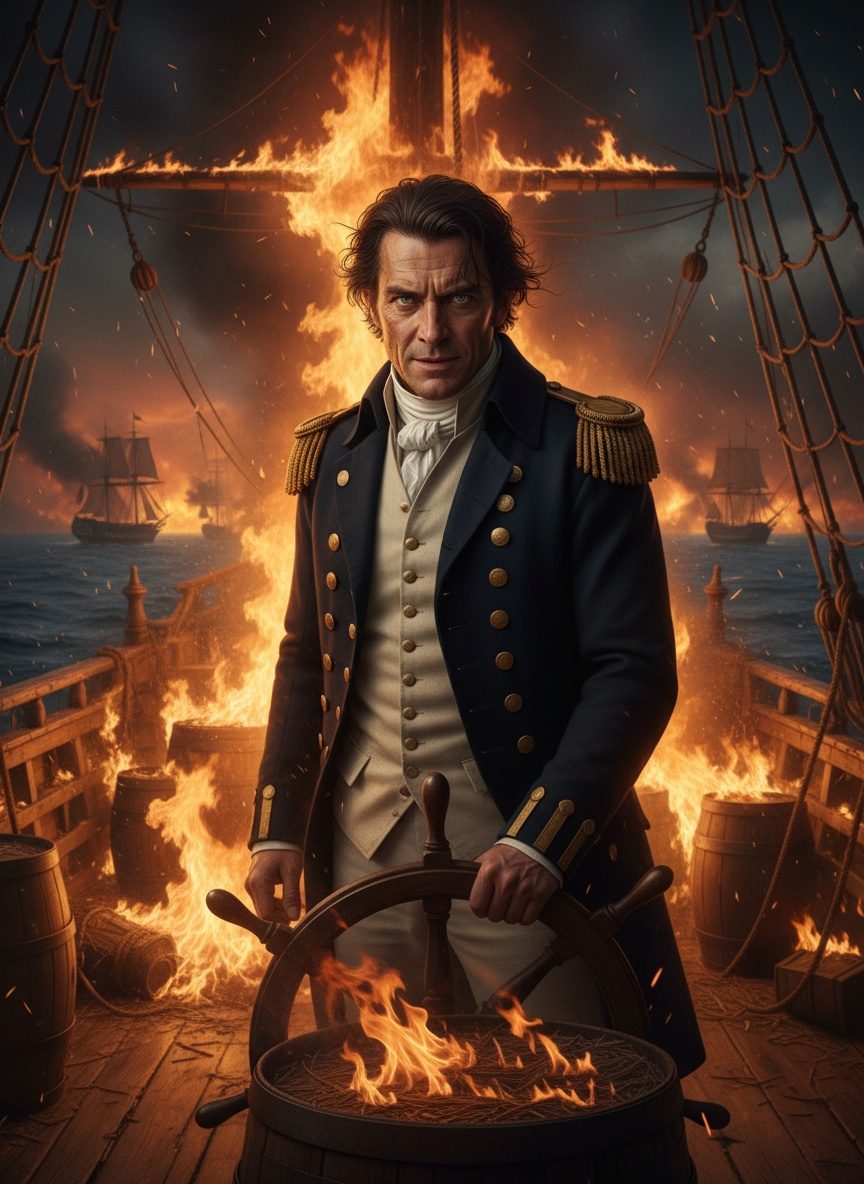
Cochrane's strategy was not merely a reckless assault; it was a masterstroke of psychological warfare. The fireships, insignificant in their solitary presence, relied on fear as much as firepower. As Cochrane personally led the charge, his tenacity was as blazing as the fuses he lit with his own hands. The French fleet, accustomed to the relative safety of their anchorage, was unprepared for such a brazen attack. As the fireship, effectively a floating bomb, hurtled towards them, an eruption of fire and shrapnel shattered the tranquility of the night. Panic ensued, the French sailors scattered like leaves in a tempest, scrambling to save their ships from the advancing inferno.
The Consequence of Boldness
The immediate aftermath of Cochrane’s pyrotechnic onslaught was pandemonium. The French fleet, which had posed a gallant threat to British interests in the English Channel and beyond, was now a disarray of broken masts and burnt timbers. The impregnable defenses of Aix Roads had crumbled under the weight of one man's daring gamble. The British fleet, exploiting the chaos, moved in rapidly to press home their advantage. Cochrane's insolent tactic had borne extraordinary dividends; the French fleet was irreparably compromised, its strategic hold on the region effectively neutralized.
This victory at Aix Roads was not simply a testament to naval ingenuity but was illustrative of the vast gulf that daring and innovation could create in the era’s warfare. Cochrane's fireship assault not only demonstrated the power of unorthodox strategies but also triumphed in the psychological realm. For the French, the loss was not merely of ships but of confidence—a realization that their coastal fortifications, perceived as impregnable, could be so easily breached by a handful of seemingly outdated vessels.
A Legacy of Courage
While the tactical victory was unequivocal, Cochrane's escapade at Aix Roads left an enduring legacy that extended beyond the immediate calculus of war. His actions that night reflected a broader narrative of naval reform and adaptation to changing times. Though Cochrane's decision-making often set him at odds with more orthodox contemporaries, his success at Aix Roads provided a persuasive argument for the British Admiralty to reconsider the value of innovative tactics and independent thought within the ranks of command.
Lord Cochrane's career, often marred by controversy and audacity, made an indelible mark on naval history. Though he faced considerable adversity from within the establishment for his unrelenting criticism of its incompetence, his tactics at Aix Roads elevated him to the pantheon of naval legends. His courage and vision left an undercurrent of reform in an era eager for heroes yet resistant to change. Cochrane's fireship gambit proved that the past still had lessons for a future struggling against a tide of modernity.
The Flaming Spirit of Innovation
The audacious spectacle engineered by Cochrane at Aix Roads is a stirring reminder of the transformative power of individual innovation and audacity within the broader tapestry of history. As we reflect on this flaming episode, it underlines an important credo—that sometimes it’s not the size of the guns, but the daring vision behind them, that truly redefine the battlefield. Cochrane’s escapade inspires us to reconsider the underestimated actors and overlooked methods that, though absent from many textbooks, guide the ever-beating heart of history’s trailblazers.