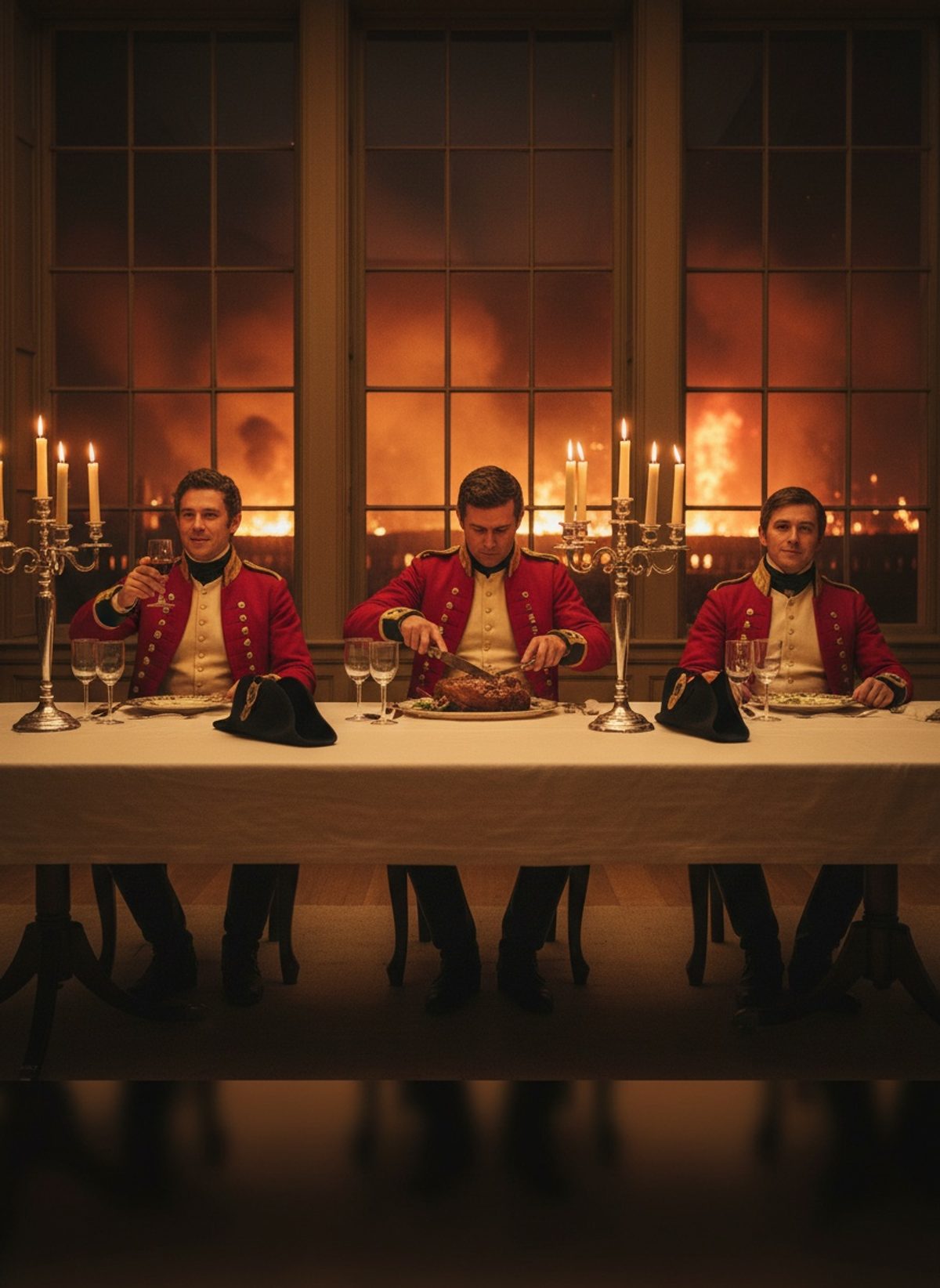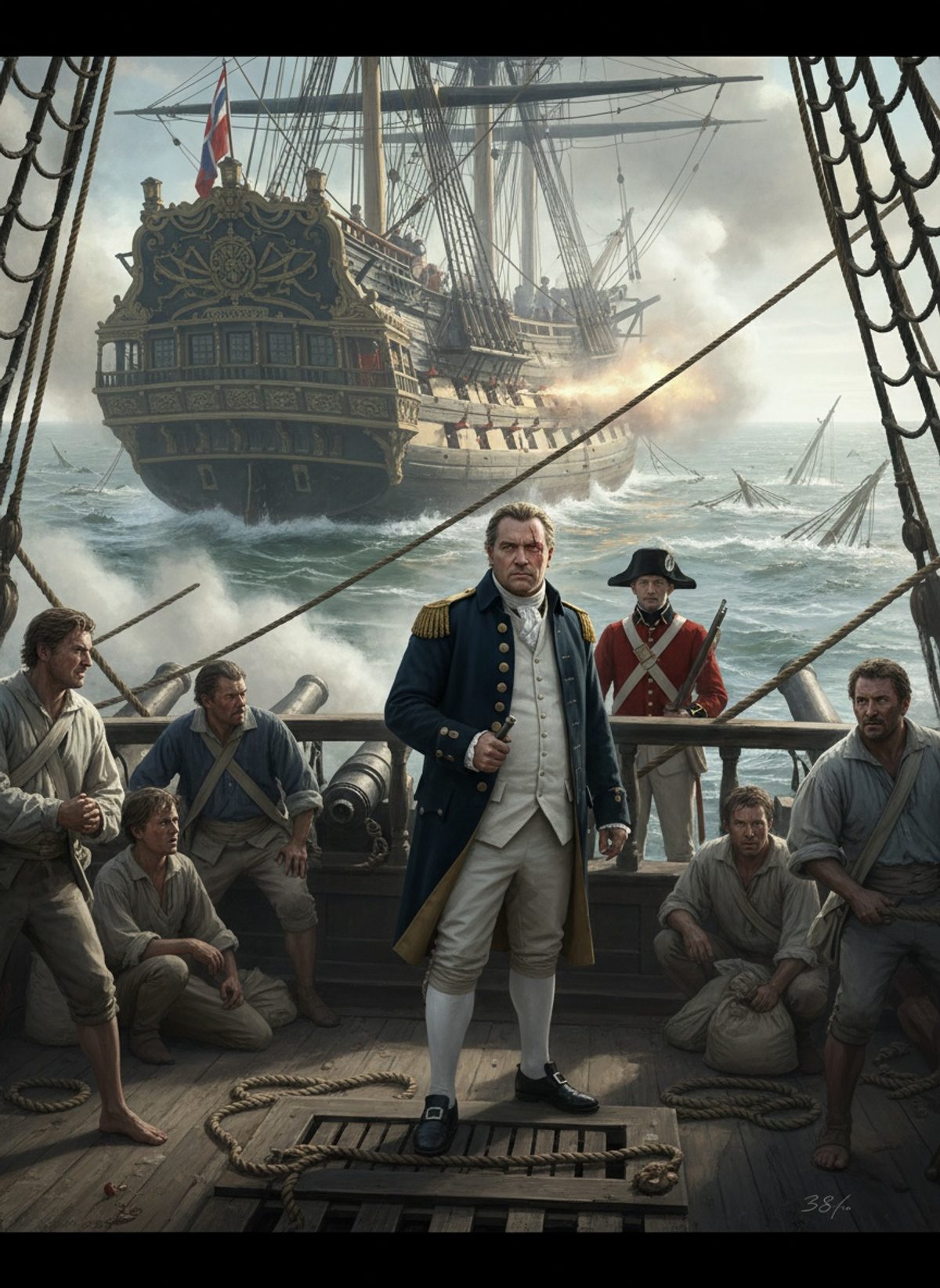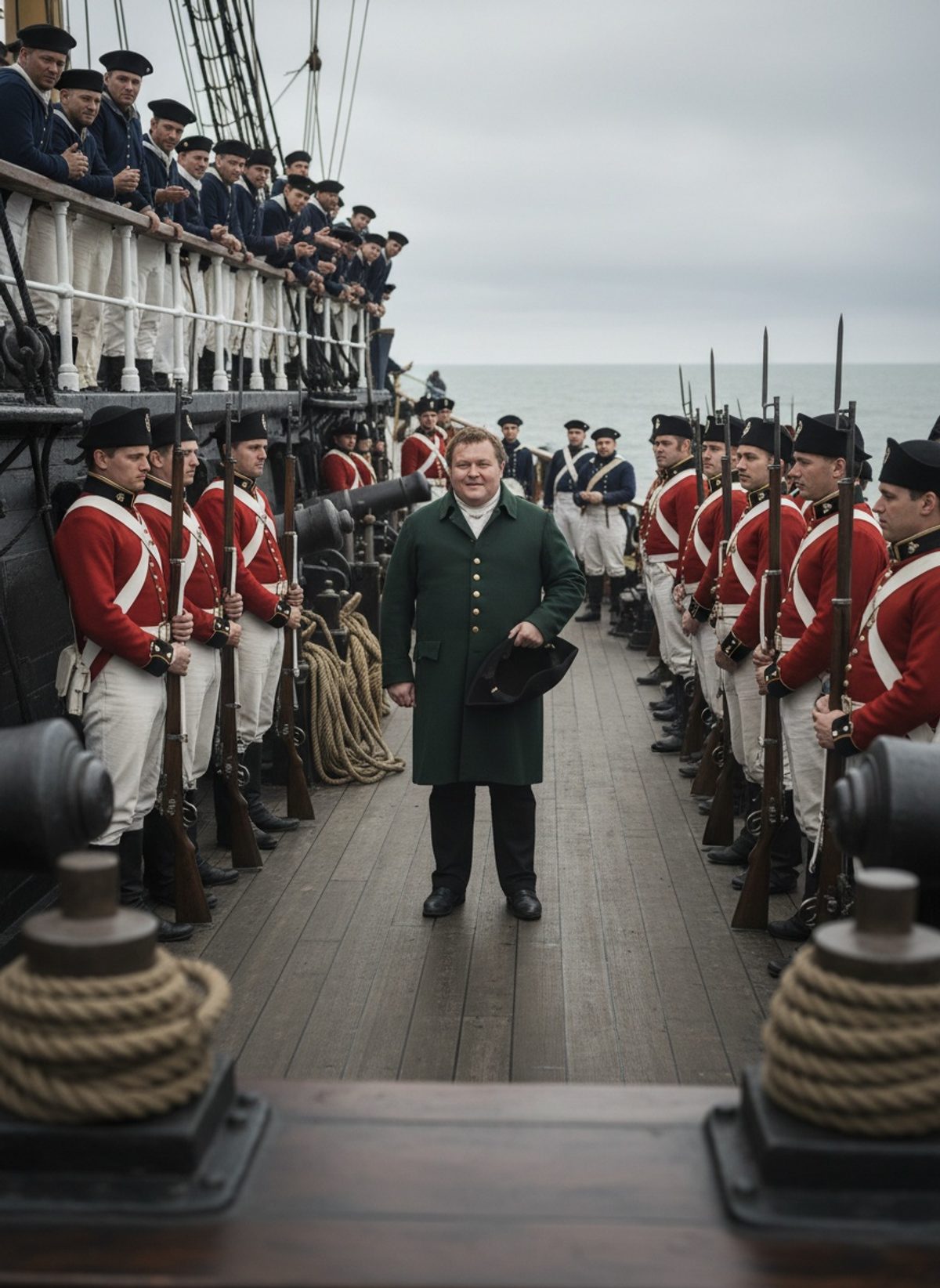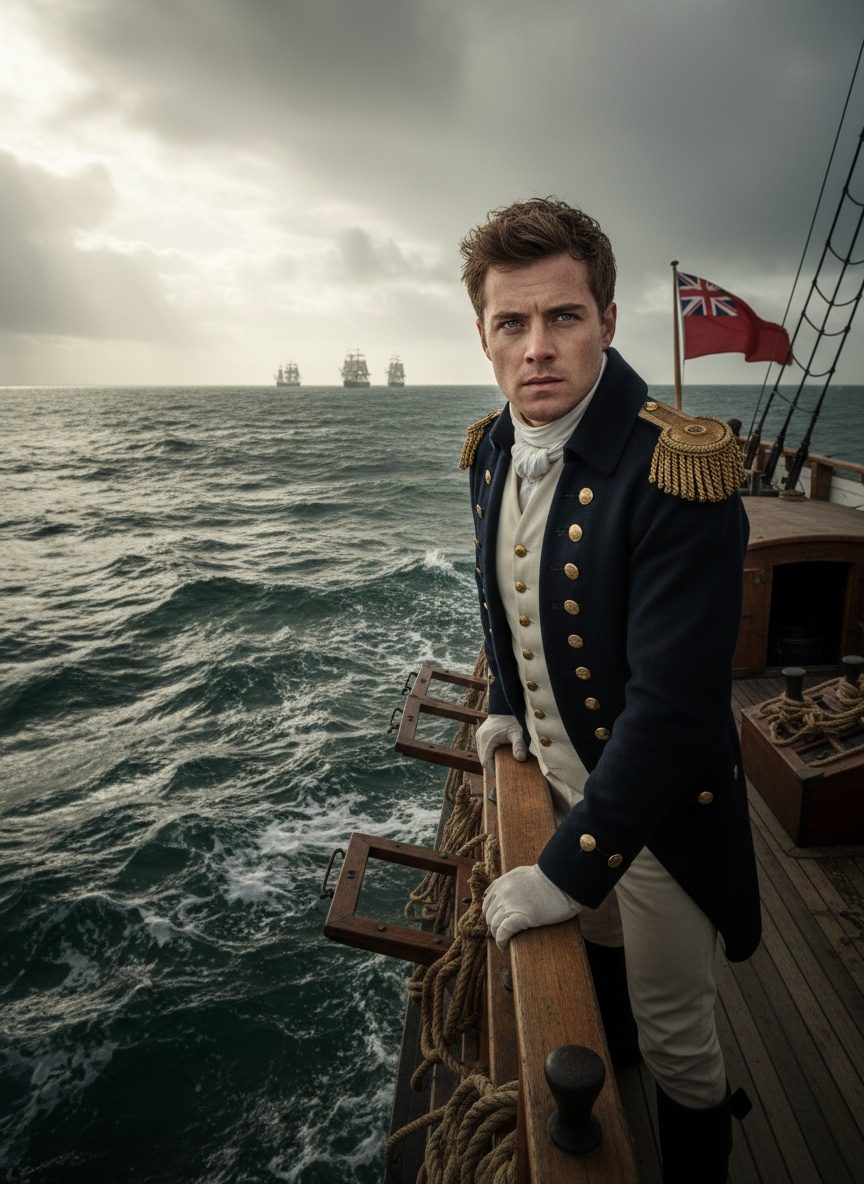
The English Channel in April 1801 churned with the energy of spring winds, its brackish waves twisting beneath a sky embroidered with gray clouds. Seagulls wheeled overhead, their cries lost to the persistent whisper of the breeze as it tangled with the cordage of ships waiting restlessly at anchor. Among these vessels, bobbing amidst the endless expanse of sea, was a British sloop, the HMS Speedy. Dim under the squinting sun, the ship seemed unnervingly small, a solitary ten-gun sloop adrift in the daunting shadow of a French fleet poised with twenty-two ships. Here, a tale of audacity and bluff was about to unfold, crafted by the indomitable spirit of Thomas Cochrane.
Thomas Cochrane, at that time a youthful and daring Scottish captain, was known not for his stature but for the unmatched fervor and resourcefulness he brought to naval warfare. Born to a family with a storied history of military service, Cochrane had the sea in his veins. Encapsulating all the swagger and enterprise of a naval commander twice his age, he had proven time and again that boldness was his most valuable asset. In the haunts of the Admiralty and the taverns where fellow sailors gathered, tales of Cochrane's audacious raids and dashing maneuvers would raise eyebrows and inspire nods of approval. Yet what transpired that April day cast its own unique shadow over British naval history.
Confronted by the French fleet, laden with the complex architecture of larger ships and the menace of canons glistening in their port holes, Cochrane made a decision that sailed the line between genius and madness. He hoisted false signals mimicking those used by the British main fleet and steered the Speedy directly toward his unsuspecting adversaries, the fluttering banners full of bluff and brazen deception. Cochrane had long learned the value of illusion over brute force; each draped flag could be his weapon in weakening the knees of his opponents, stoking the fires of doubt and uncertainty among their ranks.
The silent stand-off painted a tense tableau upon the sea's rattling canvas. French officers peering through their spyglasses found themselves captivated by the audacity of the lone sloop assaulting through a remarkable show of bravado. To them, logic dictated that no sane captain would waltz into their midst without backing. Surely, they surmised, a larger fleet lurked beyond the horizon, shrouded perhaps by the rolling veils of mist that peppered the distant vista.
Read next: The Day a British Captain Stood Between Slaves and the Sea
As the hours trickled by, the French hesitated, confounded by the implications of the British ship's fearless advance. Cochrane manipulated every moment, pressing his advantage with an uncanny grasp of psychological warfare. The French grappled with a growing sense of unease that enveloped their cordons like the cool April air. Anxiety rippled through ranks once steeled in readiness for combat, and the young captain retained the upper hand before a single shot split the air. With sailors entrenched in the familiar routines of their drudgery, the expectation of sudden engagement loomed now as inexplicably distant.
Night fell stealthily over the sea, cloaking the Speedy and its solitary escort of constellations beneath a blanketing darkness. It was under this shroud that Cochrane's audacity reached its zenith. His sloop carved silent paths across the water, chameleonic in its blend with the night, the sailors aboard leaning into their rhythms with nerves taut and awakened senses. Their commander defied natural order and naval doctrine, trusting in the growing panic festering within the French fleet.
By morning, the sun punctured the horizon anew, illuminating the Channel with its palette of soft yellows and blues. The spectacle awaiting Cochrane's eyes appeared nothing short of extraordinary. The French fleet had, unbelievably, begun to retreat. His gambit had triumphed through pure audacity; the phantom fleet feared by the French had succeeded in unseating their defenses without so much as a single battle standard unfurled from the shadows. The echoing power of suggestion had rendered even the most deadly of machines merely toys in the theater of naval warfare.
In the chronicles of history, the sheer audacity of Thomas Cochrane's actions that day floats as a testament to the powers of illusion, the courage of conviction, and the delicate balance of perception and reality. His manipulation of fear, matched only by faith in his understanding of human nature's frailties under stress, propelled him into the pantheon of naval legends. While the Admiralty found it difficult to believe reports of Cochrane's success, these feats alienated from the sanitized pages of some history books reveal a rare, unyielding truth—leadership unfettered by conventional thought shackles itself to no predictable path.
The tale of Thomas Cochrane on that fateful April day is more than a story etched into naval annals by the capricious tides of luck and pluck. It represents the generative capacity of imagination in warfare, the power found not in overwhelming force but in the vast frontier of the minds who dare to challenge the horizon. Cochrane's lesson, hidden beneath flags of bluff and the lonely hull of a ten-gun sloop, continues to ripple through time—an invoking reminder that audacity, armed with guile, can alter the course of history even when the roster of facts insists otherwise.