May 30, 1942. The roar of engines echoed across the darkened skies as waves of bombers ascended into the night.
The Thousand-Strong Armada
Under the shrouded veil of night, the city of Cologne lay waiting, unaware of the onslaught approaching. The mastermind behind the colossal operation was none other than Arthur Harris, Chief of the RAF Bomber Command. His plan — a massive aerial assault — aimed to cripple the industrial heart of Nazi Germany by sending over a thousand bombers to a single target in a single night. This unprecedented raid would come to be known as the first of many "Thousand Bomber Raids," demonstrating the strategic shift towards area bombing campaigns intended to disrupt enemy production and demoralize civilian populations.
Among the fleet of Avro Lancasters, Handley Page Halifaxes, and Short Stirlings was a Manchester aircraft piloted by twenty-year-old Leslie Manser. Tasked with navigating the dangerous skies over occupied Europe, Manser and his crew epitomized the steel-hearted courage that was becoming the hallmark of RAF servicemen. Their trusty aircraft, although not as renowned as the Lancasters which later gained fame, was a critical backbone of the Allied bombing efforts at that time.
The scene inside each of these bombers was both frenetic and focused. The rumble of the engines, the deafening din of radio transmissions, and the constant vigil for enemy aircraft added to the charged atmosphere. The young aviators were fuelled by a cocktail of adrenaline, fear, and the steadfast determination to strike back, stemming from their own losses suffered during the Blitz.
Read next: The Day a British Padre Carried the Dying From No Man's Land
A Choice and a Firestorm
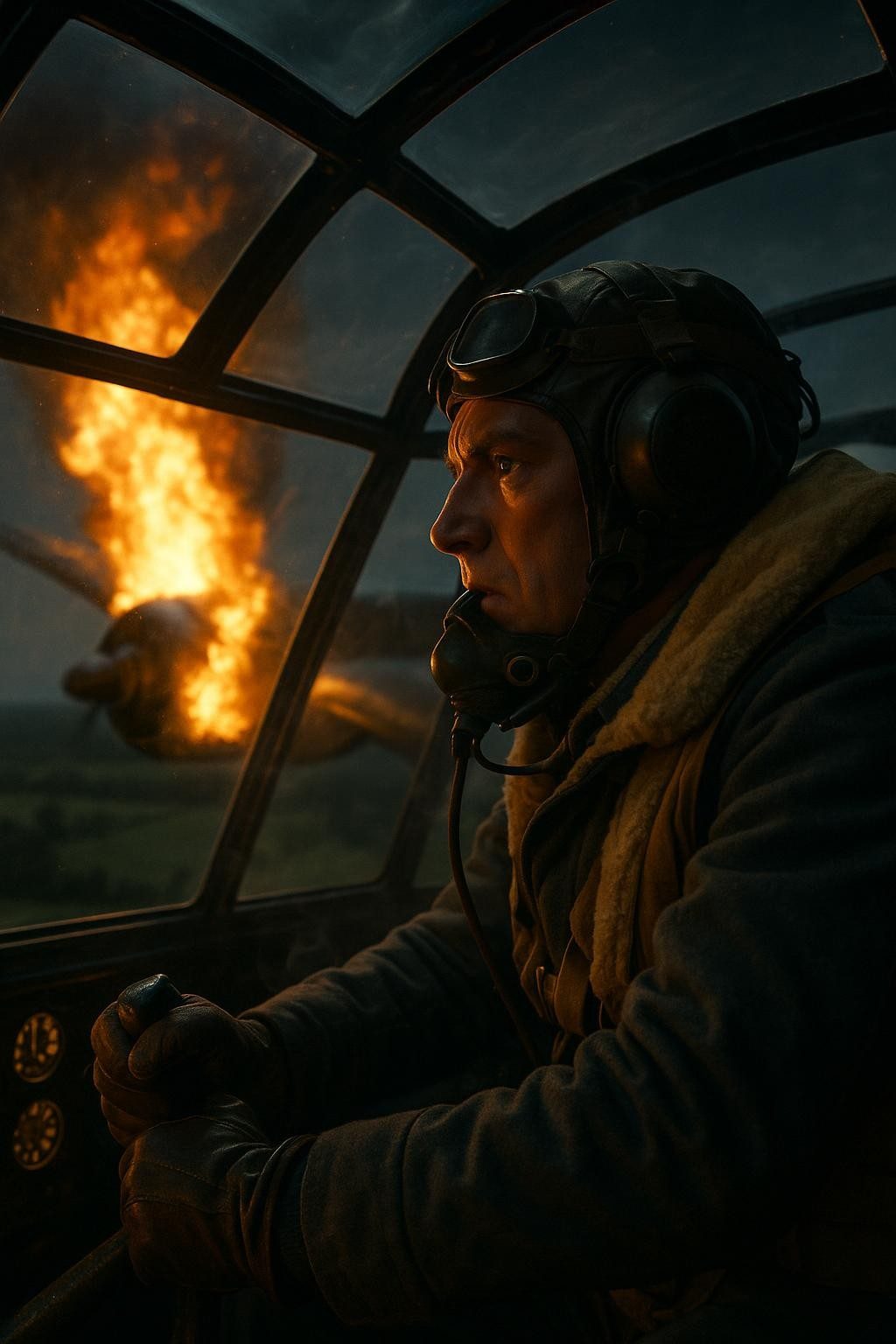
As the fleet bound for Cologne set out on their mission, the sky was alight with the ominous glow of flares and tracer bullets. The Luftwaffe's night fighters prowled the route, looking to snatch these aerial intruders from the sky. For Manser and his Manchester crew, danger was not long in coming. Above the Belgian countryside, their aircraft was hit, transforming the night sky into a horrifying panorama of flame and smoke.
The hit was critical. Fire blazed through the fuselage, threatening to turn their bomber into a fiery tomb. With the situation degenerating rapidly, Manser had to make a decision. His role as a pilot required him to safeguard his crew — six men whose lives now dangled precariously above enemy territory. To abandon the aircraft immediately could mean chaos and catastrophe for those under his command.
Manser's choice was one steeped in selflessness. He ordered his crew to prepare for evacuation while keeping the aircraft steadied. It was a decision that every pilot dreaded yet prepared for. With every second that ticked away, he struggled to maintain control amidst the crackling heat and impending doom. As his men leaped from the burning fuselage into the night, Manser's decision crafted an act of sacrifice that added a human dimension to the night’s operations, one that would resonate long after the fires of their aerial battle had extinguished.
A Legacy Forged in the Flames
The events of that night left the skies over Cologne forever changed. The relentless assault leveled significant swathes of the city, illustrating the power and reach of the Allied forces and their commitment to turning the tide of war. Yet in that crucible of uncertainty, the actions of individuals like Leslie Manser shone through, epitomizing the valour and sacrifice that underpinned the broader strategies of war.
As the remains of Manser's aircraft descended, his choice became a poignant example of the personal sacrifices intertwined within the vast tapestry of World War II. His deeds were recognised posthumously, yet the echoes of his decision resonated more strongly in the memories of those he saved, shaping the narrative of selflessness and duty appropriated only to those who served on the war’s front lines.
This unyielding commitment by Manser is emblematic of countless untold stories of sacrifice made by young individuals, whose contributions, though dwarfed by strategic principles and battlefield manoeuvres, laid the groundwork for ultimate victory. It is these personal narratives, often overshadowed by the grand strategies, that deserve recognition. As we reflect on that fateful night of May 30, 1942, we are reminded of the immense courage of the few that made the success of the many possible, and the enduring legacy of those who quietly shaped history with their valour.