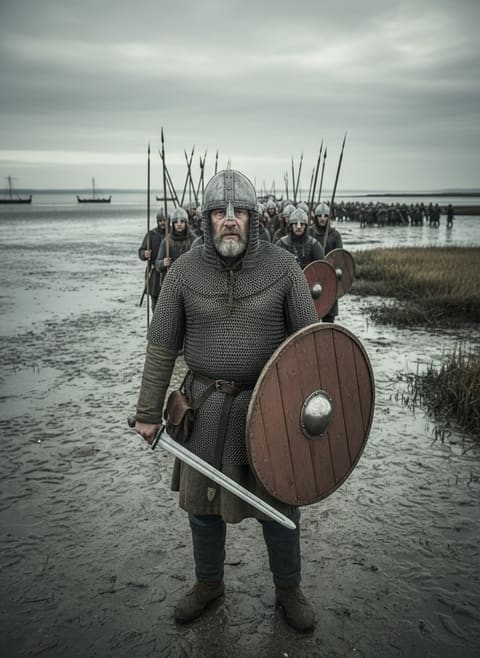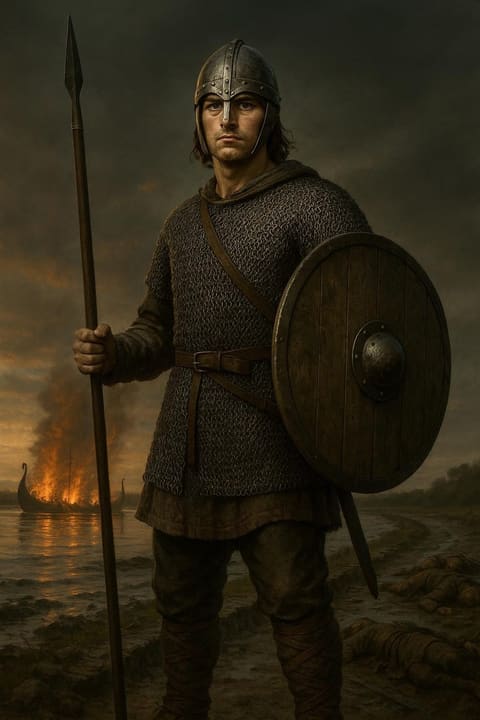
The morning mist hung thick over the Cambridgeshire fens on that fateful day in 1071, shrouding the Isle of Ely like nature's own fortress wall. Norman knights, their chainmail gleaming wet with dew, peered through the grey veil toward the rebel stronghold that had defied their master for months. They were here to crush the last flicker of Anglo-Saxon resistance, to finally drag a man called Hereward the Wake from his marsh kingdom in chains. By sunset, the fens would run red with Norman blood, and England's most elusive hero would step from history into legend forever.
What happened that day challenges everything we think we know about the Norman Conquest. The textbooks tell us William's victory was swift and complete, that English resistance crumbled after Hastings. But deep in the waterlogged wilderness of East Anglia, one man turned that narrative on its head with nothing but cunning, courage, and an intimate knowledge of terrain that swallowed armies whole.
The Marsh King's Rebellion
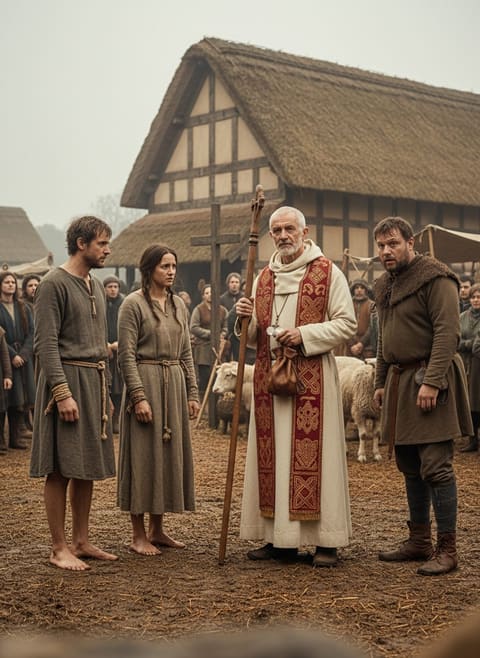
Hereward wasn't supposed to be a hero. Born around 1035 into minor Lincolnshire nobility, he was reportedly exiled in his youth for his wild behaviour – the kind of hot-headed young warrior that Norman chroniclers would later dismiss as a mere bandit. But when he returned from exile around 1069 to find his family lands seized and his brother murdered by Norman settlers, something crystallised in the man who would become known as "the Wake" – the watchful one.
The Isle of Ely was no ordinary stronghold. Rising from the treacherous fenlands like a natural cathedral, this thumb of solid ground was surrounded by miles of impassable marsh, hidden channels, and boggy ground that could swallow a horse and rider without trace. The local Fenmen knew every safe path, every hidden causeway, every secret route through reed beds that stretched to the horizon. To outsiders, it was an alien landscape. To Hereward, it was home.
Read next: The Day a Saxon Abbess Stood Between a King and His Rage
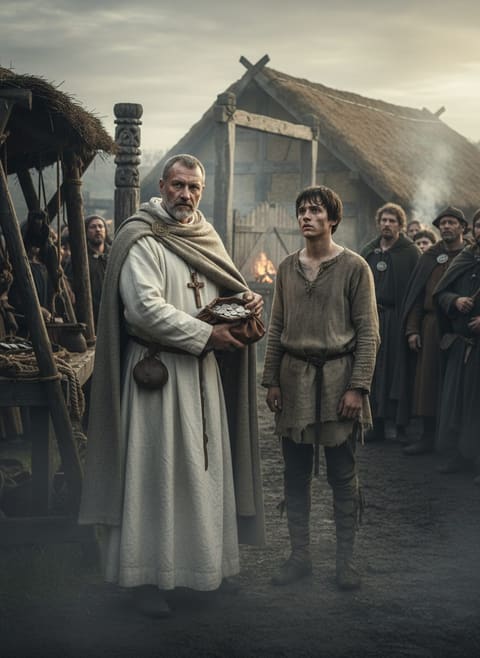
What made Ely truly formidable wasn't just geography – it was politics. The abbey there, one of England's wealthiest, had initially submitted to Norman rule. But when William's tax collectors began stripping away ancient privileges and Norman abbots replaced English ones, even the monks began to see rebellion in a different light. By 1070, Hereward had forged an unlikely alliance between dispossessed thegns, angry monks, and the fiercely independent Fenmen who knew these marshes like other men knew their own villages.
The Siege That Wasn't
William the Conqueror was not a man who tolerated defiance. Having crushed revolts from York to Exeter with methodical brutality, he turned his attention to this marsh-bound thorn in his side with characteristic determination. But Ely presented a problem unlike any fortress he'd faced before. How do you siege an island that produces its own food, controls its own water supply, and can only be approached along narrow causeways that turn defenders into deadly marksmen?
The king's solution was typically Norman: overwhelming force and engineering genius. Contemporary sources describe a massive timber causeway built across the marshes, wide enough for knights to charge in formation. Fascines – bundles of wood and stone – were sunk into the bog to create a solid foundation. The engineering feat alone took months, requiring thousands of labourers working under constant harassment from Hereward's men, who would emerge from the mists like ghosts to strike and vanish again.
But William had learned from previous attempts. Intelligence suggested that some within Ely were wavering, that months of siege had strained the unlikely alliance between nobles and peasants, Christians and pagans, English and the Danish fleet that had joined Hereward's cause. The Norman sources speak confidently of treachery, of local guides ready to reveal the secret paths. When the final assault came, it would be decisive.
The Day of Blood and Mist
Dawn on that October morning brought more than mist to the fens – it brought an army. The Normans had learned hard lessons about fighting in the marshes. Gone were the heavy cavalry charges that won Hastings; instead, William deployed lighter forces, crossbowmen, and foot soldiers who could navigate the treacherous ground. The great causeway groaned under the weight of men and siege engines as the assault began.
What happened next reads like something from the sagas. The carefully planned Norman advance dissolved into chaos as Hereward's forces struck from multiple directions. Boats emerged from hidden channels, their crews loosing arrows into the packed ranks on the causeway. The "solid" ground turned treacherous as disguised pits and concealed stakes claimed horses and men. Most devastating of all, fires lit in the dry reed beds created walls of flame and choking smoke that turned the autumn air into a suffocating hell.
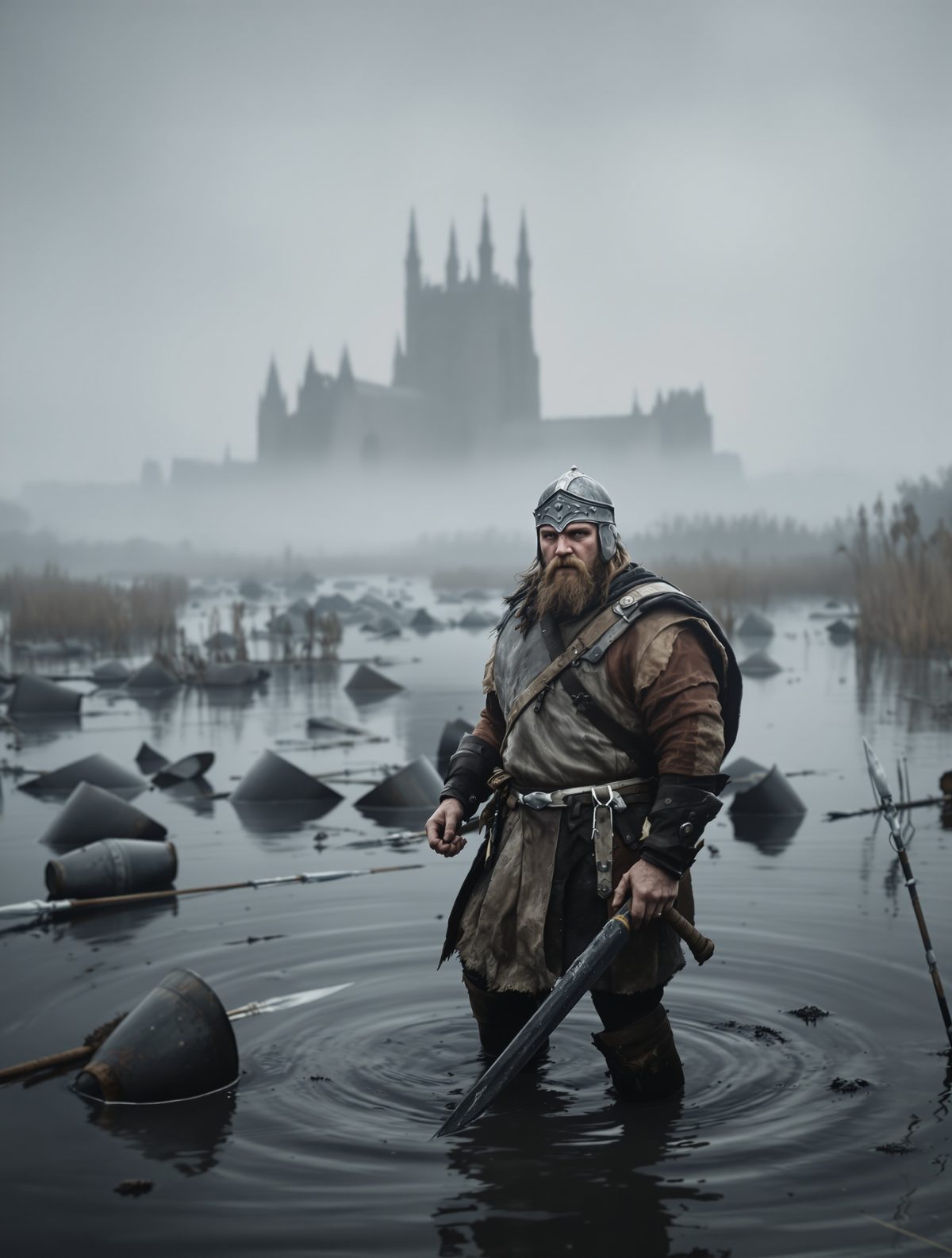
The Fenmen fought like men defending their homes because that's exactly what they were doing. Every tussock, every drainage ditch, every stand of willows became a fortress. Norman knights, magnificent on solid ground, found themselves floundering in bog water, their chainmail dragging them down as English axes rose and fell. The great causeway, engineering marvel and invasion route, became a killing ground.
Into the Mist of History
By evening, William's assault had shattered against the marsh fortress like waves against a cliff. Dead and wounded Normans littered the fens, and the survivors fell back in disorder. Contemporary chronicles speak of hundreds of casualties, a devastating blow to Norman prestige. But the greatest mystery wasn't the defeat – it was what happened to Hereward himself.
Read next: The Day a Small Island's Language Conquered the World
Sometime during that chaotic day, the man who had defied a king simply vanished. Some say he slipped away during the height of battle, using the confusion to escape into the deep fens. Others claim he was spirited away by loyal followers who knew the secret waterways. The most romantic version insists he walked into the mist itself, choosing to become legend rather than face capture or compromise.
What we know for certain is that Hereward the Wake was never captured, never brought before William in chains, never publicly executed as an example. He simply stepped out of recorded history, leaving behind only stories that grew with each telling. Within a generation, he had become the archetypal English hero – the man who never surrendered, who vanished rather than submit.
The Legend That Lived
The monastery at Ely eventually fell, of course. Treachery, negotiation, and the grinding reality of medieval politics achieved what force of arms could not. But by then, Hereward was gone, and something more powerful than any fortress had been built in the Cambridgeshire fens – the idea that conquest is never complete as long as one person refuses to submit.
Later chroniclers would transform Hereward into everything from a noble patriot to a common outlaw, depending on their politics and their audience. But the core truth remains: in 1071, when Norman rule seemed absolute and English resistance appeared crushed, one man and his followers proved that even kings can bleed.
The story of Hereward the Wake matters today because it reminds us that the most powerful act of resistance is sometimes simply refusing to disappear. In an age when surveillance seems total and power appears absolute, there's something profoundly moving about a man who chose the mist over the throne room, legend over submission. The fens may be drained now, Ely connected to the world by roads and railways, but somewhere in those autumn mists, England's last free man is still walking, still watching, still refusing to kneel. And that, perhaps, is the greatest victory of all.