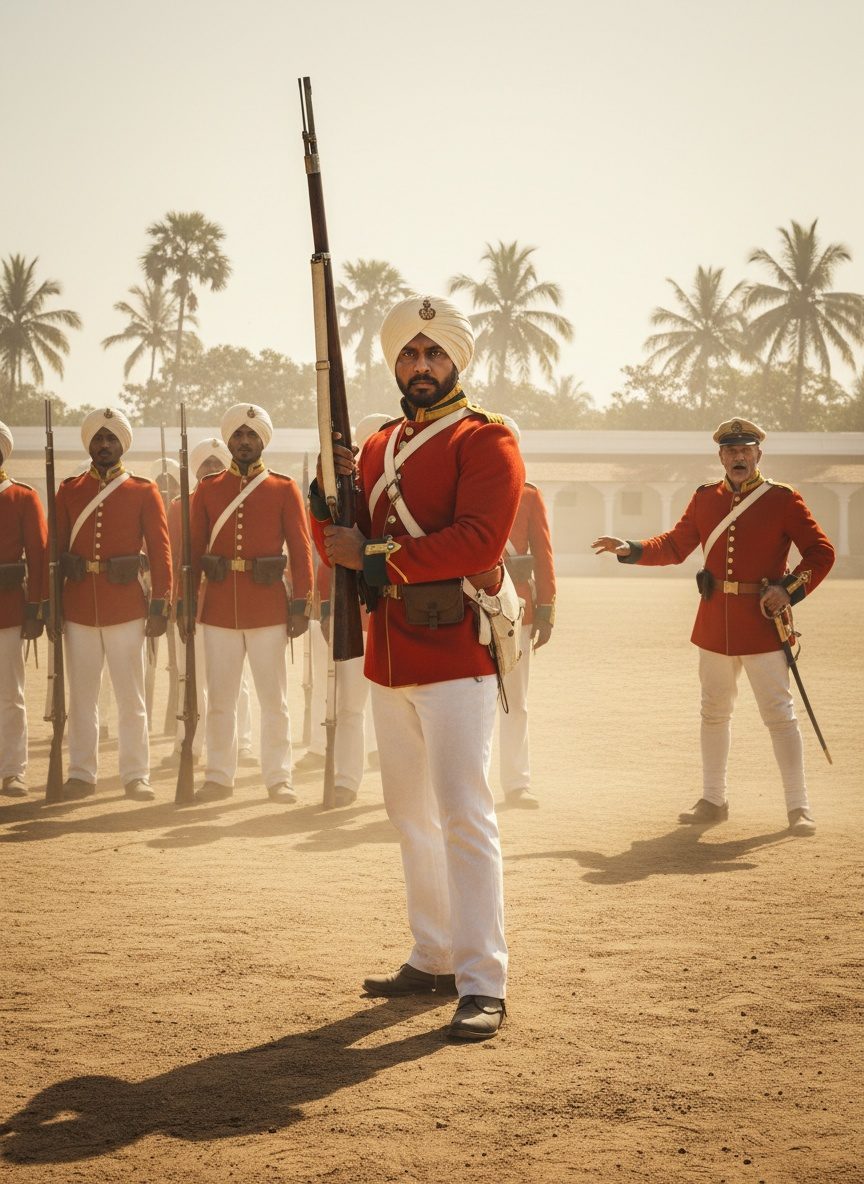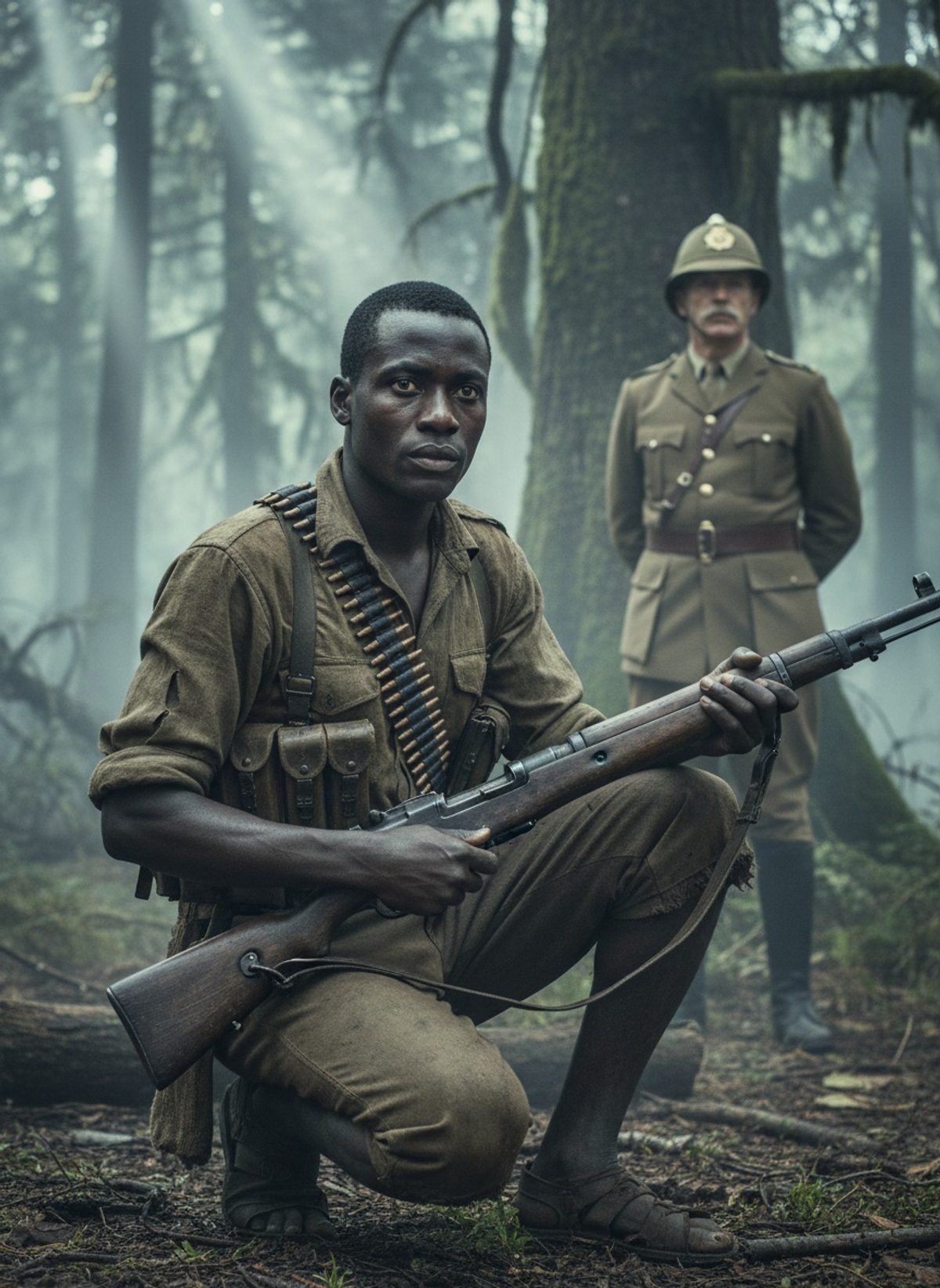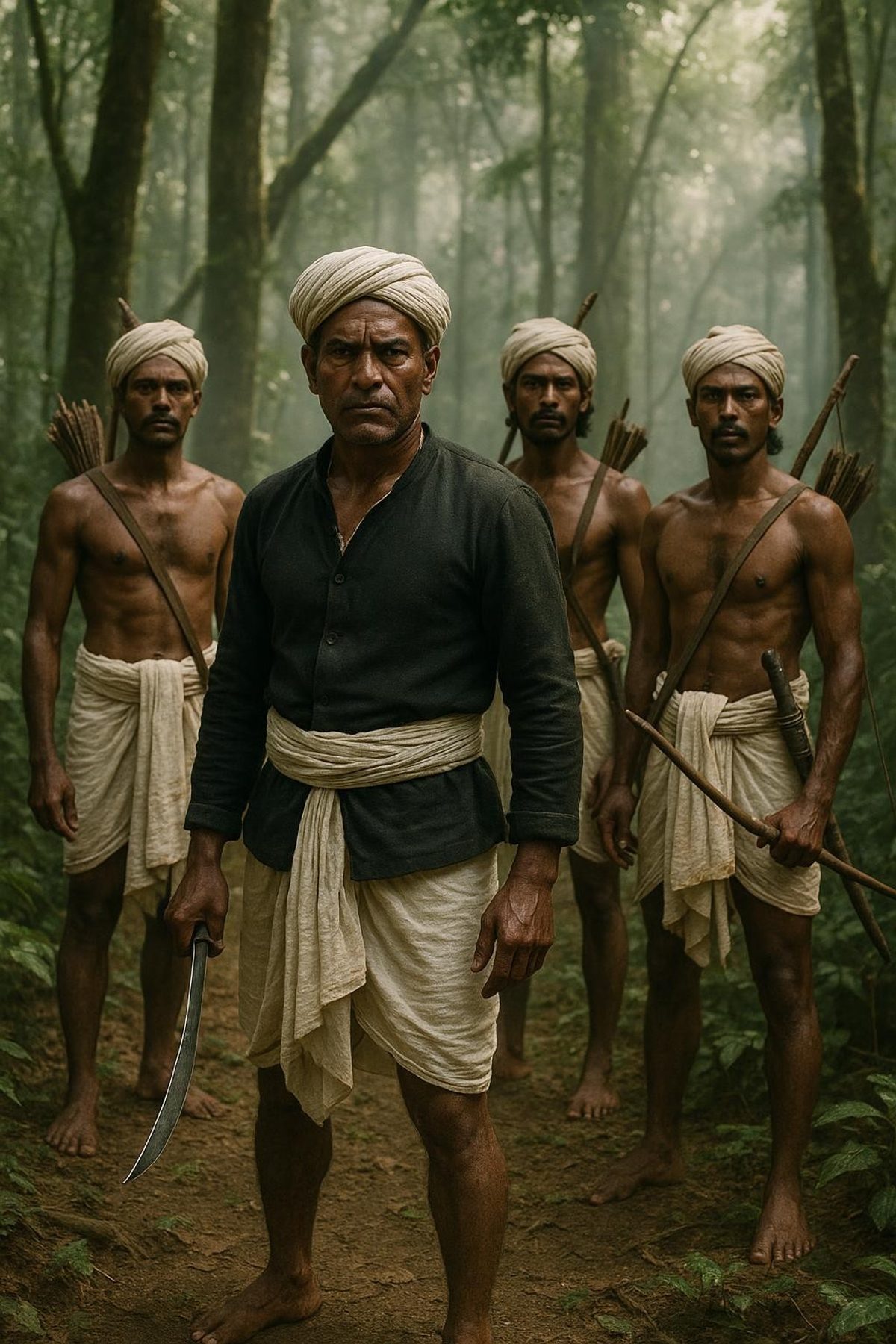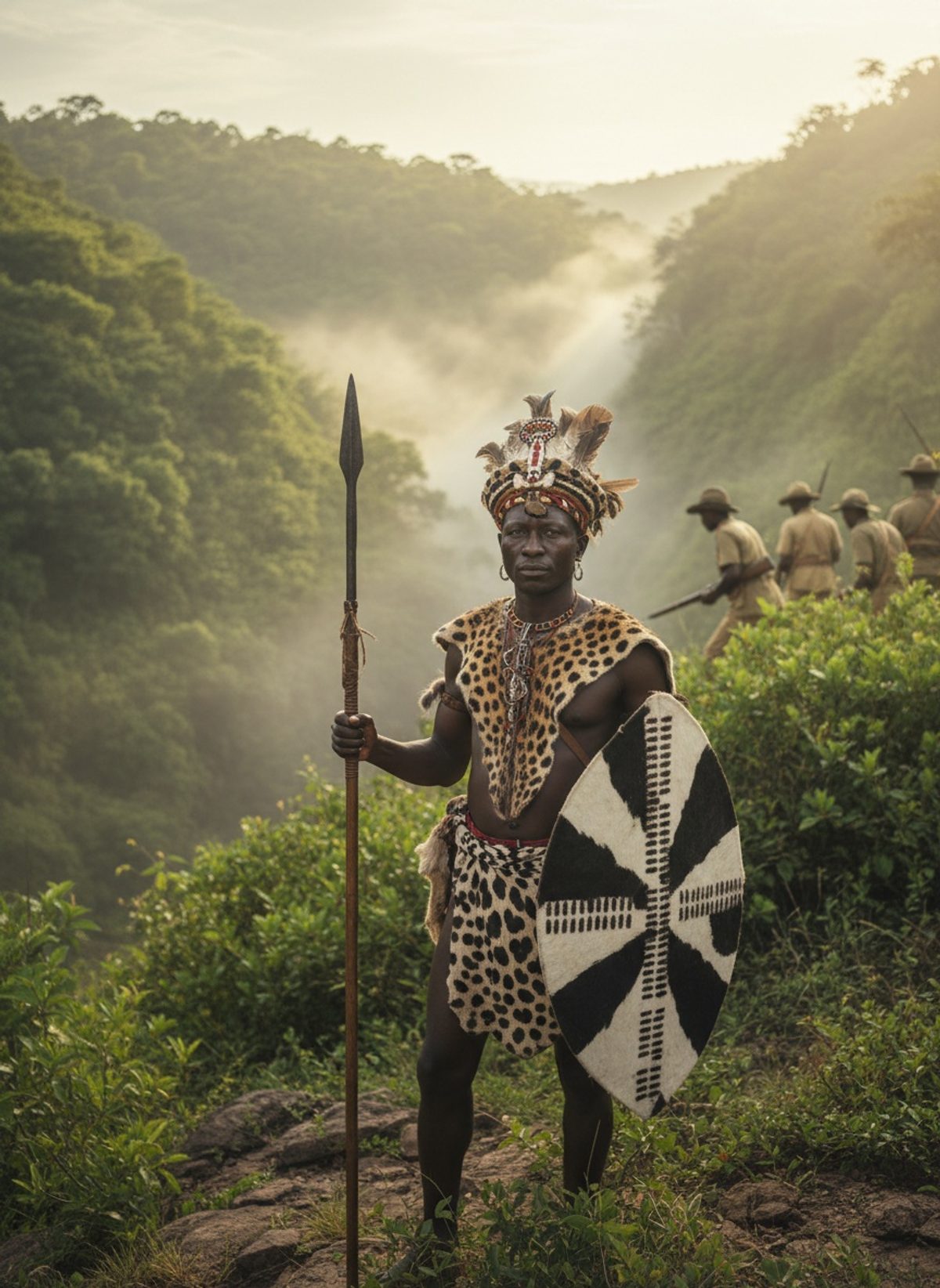
Bhambatha kaMancinza, a name that echoes with defiance, was not just a chief. He was an embodiment of resilience, a warrior who dared to mount a stand against an empire that spanned continents. Yet, he had never faced an enemy so ruthless in its efficiency until the British came knocking with their demands.
Dissent in the Valley
The year was 1906, and the picturesque valleys of Natal were alive with tension. The British authorities, ever eager to fill their coffers, had introduced a new poll tax meant to squeeze the last reserves from an already overburdened population. The Zulu people, who had endured years of exploitation, felt the weight of this new imposition acutely. But for Bhambatha kaMancinza, the chief of the amaZondi clan, this was the final indignity. With a heavy heart but a fiery spirit, he turned his back on compliance.
Bhambatha, unlike many chiefs who tried to balance submission with survival, made a decision that would forever mark him in the annals of history. He chose defiance. In the lush Mome Valley, where nature’s serenity masked the brewing storm, Bhambatha gathered his people. Their voices, though weighed down by years of colonial rule, began to rise in a chorus of resistance against the demand for a tax they could ill afford.
A Leader Steps Forward
The uprising did not come from a place of reckless bravado but from a calculated urge to protect a way of life. Bhambatha was known not only for his leadership but for his strategic mind. His stature was more than physical; it was a testament to his ability to inspire courage in the face of overwhelming odds. As he sat under the canopy of the valley’s ancient trees, Bhambatha knew that they might not just be fighting for justice, but for their very existence.
Read next: When Wat Tyler Faced the King in Smithfield, 1381
The Zulu warriors, armed with nothing more than the traditional spears and shields that had served their ancestors, faced a daunting challenge. Their resolve was unyielding, and Bhambatha, riding at the forefront, epitomized this indomitable spirit. The British, with all their technological superiority—rifles and Maxim guns—could not comprehend the soul of these people, brought to life by the stubborn heart of their leader.
The Call to Arms
The clash was inevitable. Bhambatha called his men to arms with a fervor that seemed to ignite the very air around them. It was a rallying cry that transcended the immediate struggle, echoing the anguish and hope of generations. The Mome Gorge, with its natural fortifications and hidden pathways, became both sanctuary and battlefield.
Here, the Zulu warriors made their stand, fearless in their simplicity and unified in their purpose. The British forces, advancing with calculated precision, were met with a surprise that history often fails to record—the unwavering resistance of a people determined not to be broken. Each clash, each charge from the Zulu lines, was not just a fight but a manifestation of their unfaltering spirit.
The Echoes of Mome Gorge
But bravery alone could not shield Bhambatha and his warriors from the inevitable. The modern weaponry of the British eventually took its toll, and the battle's outcome seemed preordained by the ruthless calculus of power and range. As the shadows of the gorge lengthened, the cries of battle faded, leaving a silence soaked in the blood of those who dared to dream of freedom.
Yet, the echoes of Bhambatha’s defiance did not die with him. They resonated through the hills and valleys of Natal, inspiring whispers of resistance and tales of valor that traveled from village to village. His name became a symbol of courage, of standing firm against an empire at its zenith. The Mome Gorge bore witness not only to a tragic defeat but to an enduring legacy of resistance.
A Legacy Carved in Courage
In the years following Bhambatha's uprising, the British Empire would continue to tighten its grasp, but it could never erase the spirit of those it sought to subdue. The story of Bhambatha kaMancinza stands apart not merely as a footnote in history, but as a monument to the human spirit's capacity for resistance. His journey into the Mome Gorge, with the shadows of empire looming overhead, was a testament to the power of hope and the strength of conviction against seemingly insurmountable odds.
Bhambatha’s stand reminds us that history is not only written by the victors but by those who dare to raise their voices in defiance. For the people of Natal, and for many who have heard his tale, Bhambatha remains an enduring figure—a warrior not just in body, but in spirit. And as long as stories of resistance are told, his legend will never be forgotten.