The story of James Somerset's freedom is a milestone in British history. Yet, few realize its profound ripple effects across the globe.
An Unlikely Pioneer in the Halls of Justice
Picture 1772 London, a city thrumming with the relentless march of commerce and empire. Yet, within its labyrinthine alleyways, a different kind of history was about to be crafted. A man named James Somerset, once enslaved, now stood on the precipice of an uncharted world—one of freedom. Somerset had been transported from his native Africa and sold into the chattel realities of colonial plantations. Brought to London by his master, Charles Stewart, Somerset seized an opportunity for escape amidst the bustling anonymity of a city teeming with progressive debates about liberty and human rights.
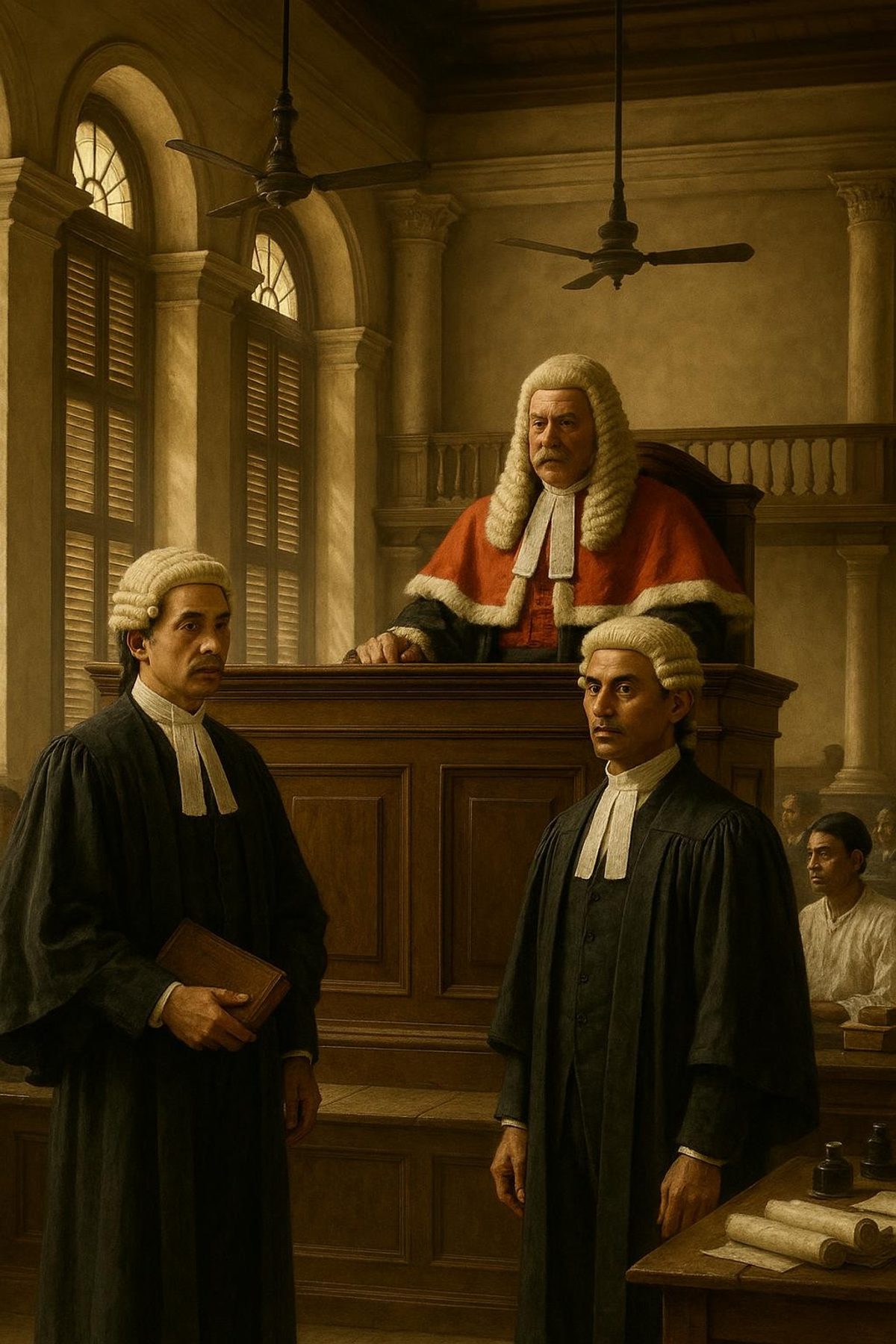
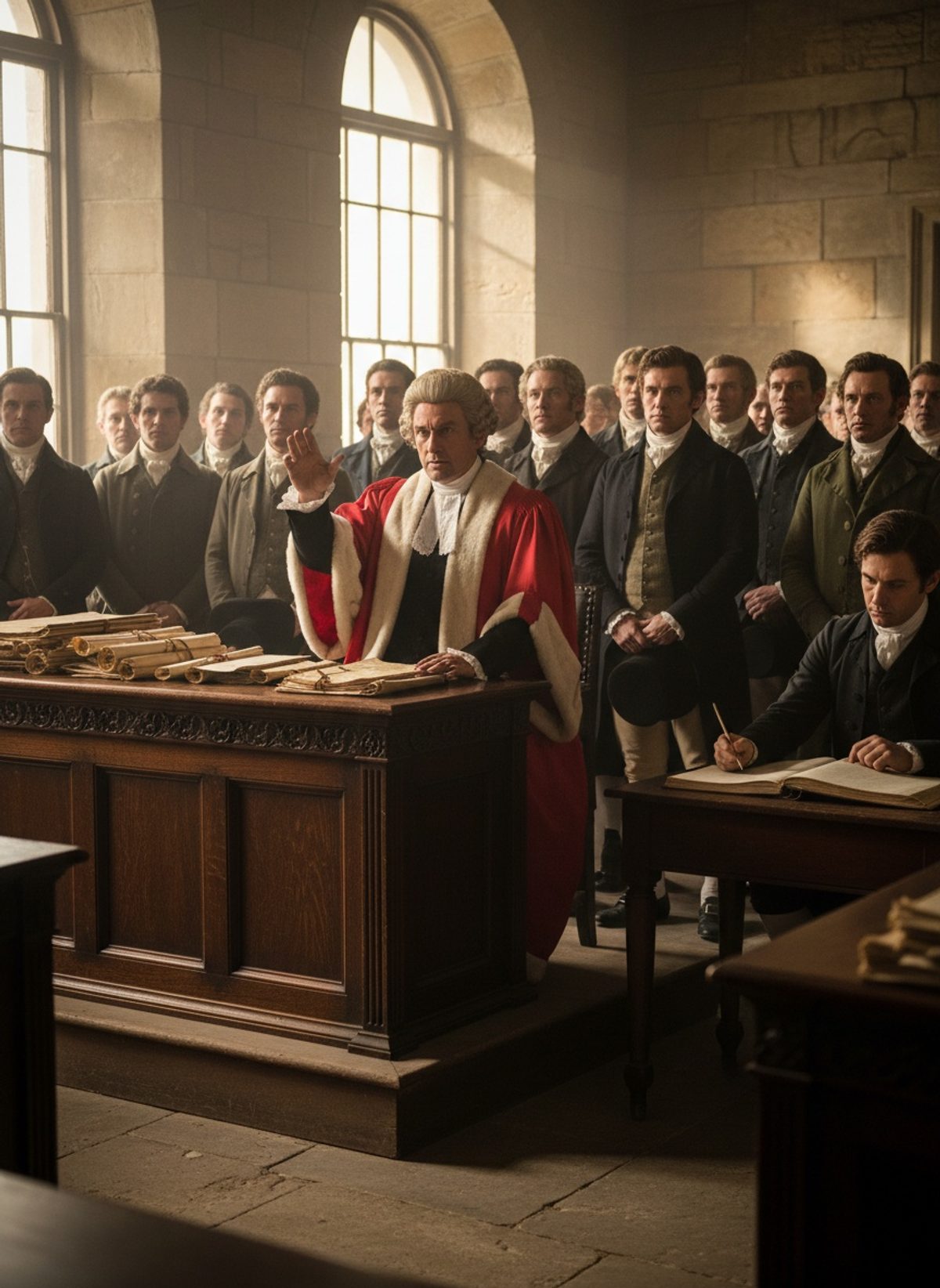
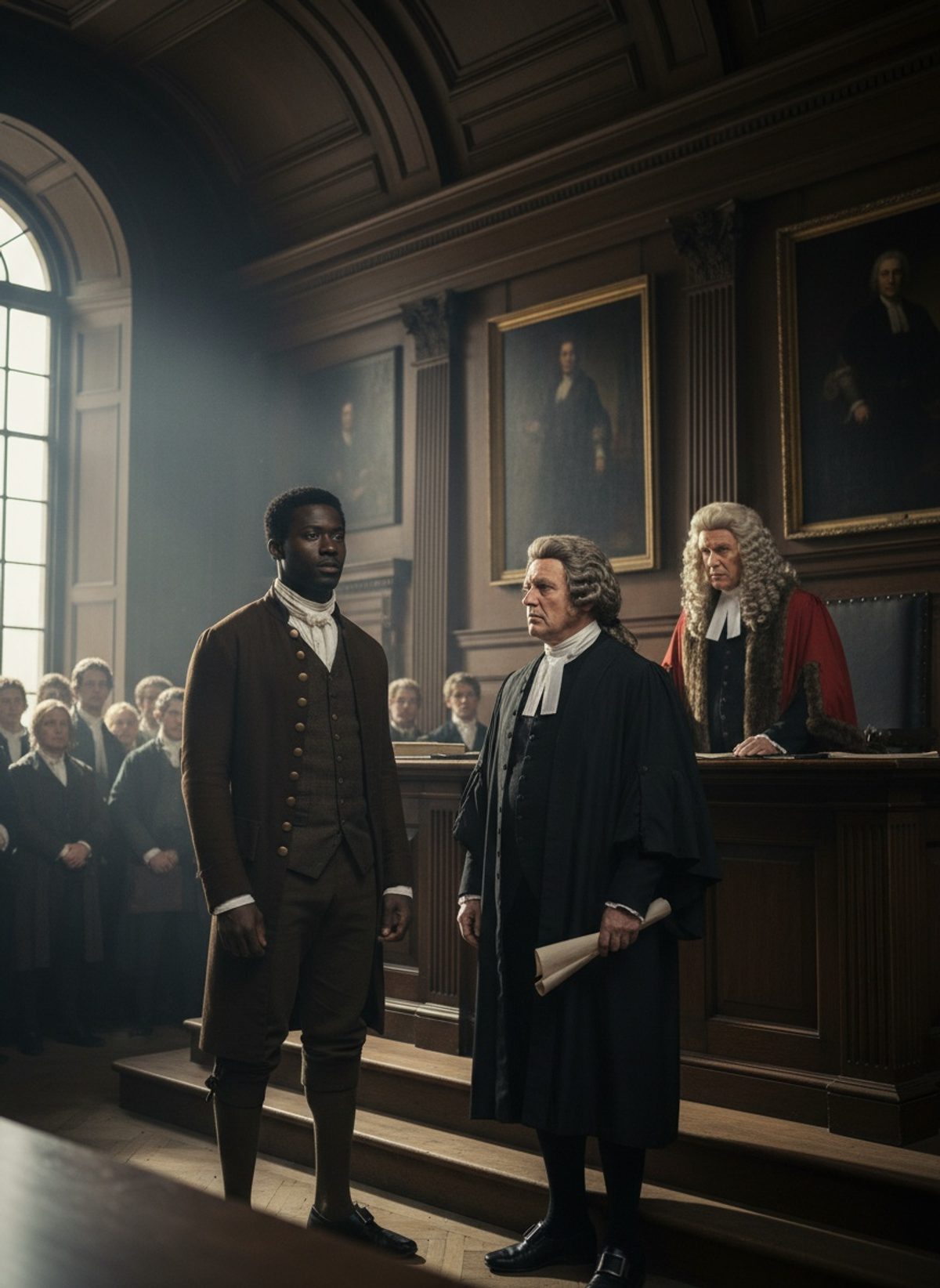
But freedom was fleeting. Recaptured and facing transportation to the harsh conditions of Jamaican plantations, Somerset found himself before Lord Chief Justice Mansfield. The courtroom scene was charged with tension. Here was a Black man, once deemed property by British law, standing before a judiciary that was the backbone of imperial rule. Parliament had woven a tapestry of legal precedents that permitted slavery in the colonies. Yet, Somerset's lawyers argued fervently that English soil had no place for the chains of bondage.
Lord Mansfield, an unyielding figure in a powdered wig, perceived the implications of this case. A ruling in favor of Somerset could shake the very bedrock upon which British economic interests stood. Yet, Somerset was not merely one man. He was emblematic of a broader struggle—the unrest of thousands yearning for dignity beneath the banner of a nascent abolitionist movement. History stood in the wings as the court awaited Mansfield's judgment, the air thick with anticipation.
Read next: When English Common Law Became the Bedrock of India
The Decision Heard Around the World
On a fateful day, Lord Mansfield delivered a verdict that would reverberate far beyond the oak-paneled confines of the courtroom. His decision was nuanced, acknowledging the cumbersome complexity of slavery linked to economic prosperity, yet profoundly clear in its message: no man could be forcibly removed and sent into bondage from the British Isles. With those words, Somerset's chains were symbolically cut—and through him, the beginning of a new era was scripted into law.
Though Lord Mansfield stopped short of declaring slavery illegal throughout Britain, his ruling was catalytic. Somerset v. Stewart set a precedent—it whispered of liberty at a time when echoes of freedom were increasingly challenging the legitimacy of an empire spread thin. As word of the case traveled across the Atlantic, it infused hope into the abolitionist movements burgeoned on both sides of the ocean. Somerset's case became a touchstone, its implications rippling through the heart of slave-holding societies where infrastructure and economy rested heavily upon the subjugation of human beings.
While Somerset walked free that day, the world inched closer to the realization that human rights could not dwell in the shadows of legislation. His case outlined a path toward justice—a path that would run through Westminster, cross oceans, and span decades. For many, the Somerset ruling was a prophecy in judicial garb, suggesting the eventual demise of one of humanity’s darkest institutions.
The Long Shadow of Freedom
A seismic shift lay dormant within Lord Mansfield's judgment. It birthed ideas that lawyers, abolitionists, and philosophers would nurture and expand upon. The ruling did not obliterate slavery within the British Empire; that journey would require further trials, societal shifts, and painful reckonings. However, it laid down the intellectual framework necessary for future legal and moral arguments against slavery. Somerset's liberation symbolized the eventual extinction of institutional bondage, an idea gaining momentum that would not be easily quenched.
Though the ruling directly affected only the British Isles, its ideological impact was global. As far as the American colonies, where plantations thrived on the backs of enslaved laborers, the ruling resonated uneasily. It nudged reformers into action, stirred the consciences of the undecided, and empowered those in chains to envisage freedom. Somerset's case was whispered across campfires, rallied around, and held up as evidence that change was possible, even in a world resistant to it.
Indeed, the implications of Somerset’s released chains can be traced to the abolition of slavery in several territories. It's a poignant reminder that law, at its most potent, can shift paradigms and pray toward justice. Somerset's freedom marked the dawn breaking over a new world within the shadows of the old. In a time when freedom is still an ideal to be realized in various corners of the globe, the spirit of that 1772 verdict lives on, reminding us that history’s true legacy lies not in chains but in the pursuit of liberty.