83 stories
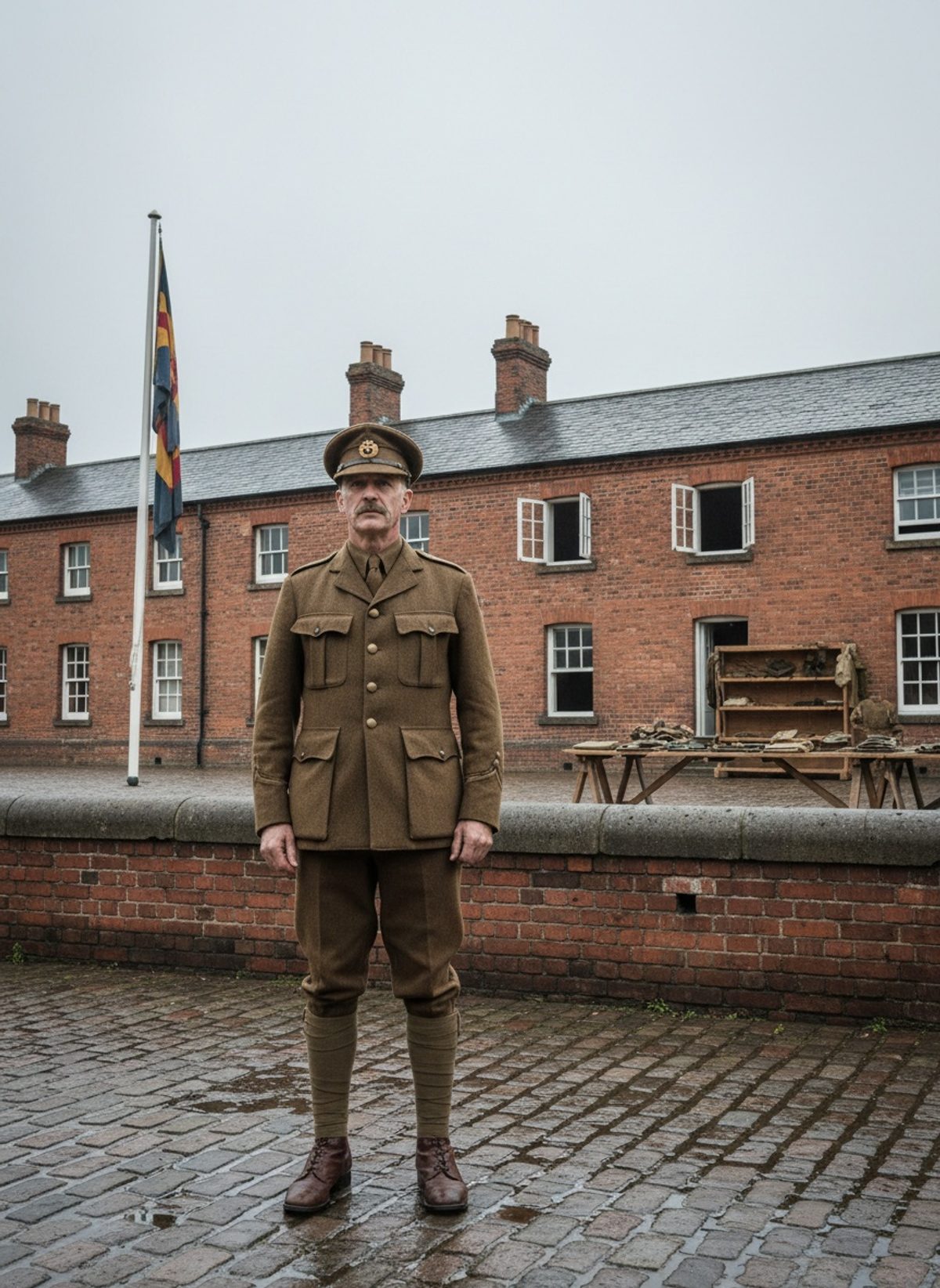
Politicians promised a mighty Empire. Both parties quietly cut the army that held it. By 1939 Britain faced the world with a force smaller than Belgium's. No one in Westminster admitted it.
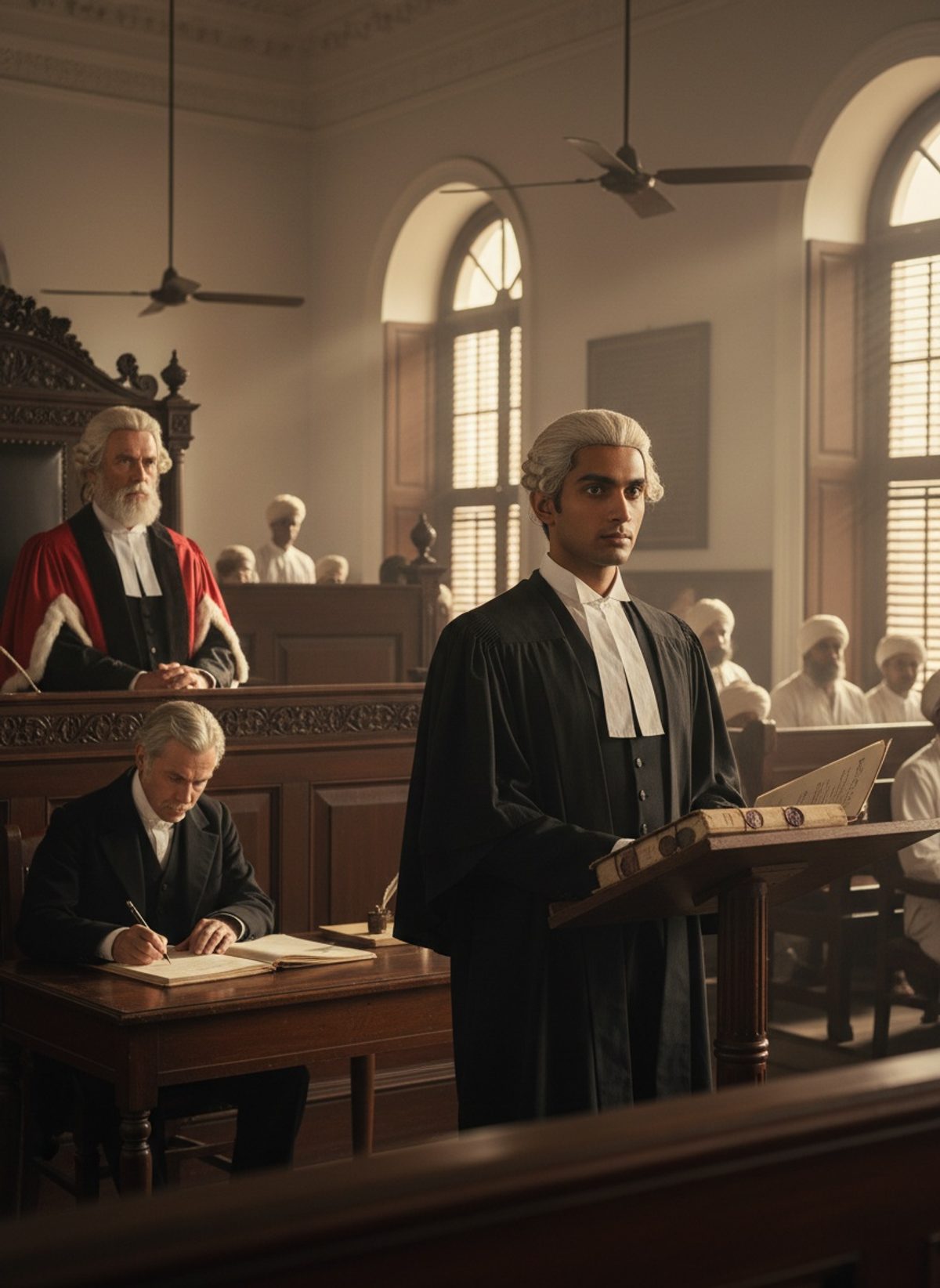
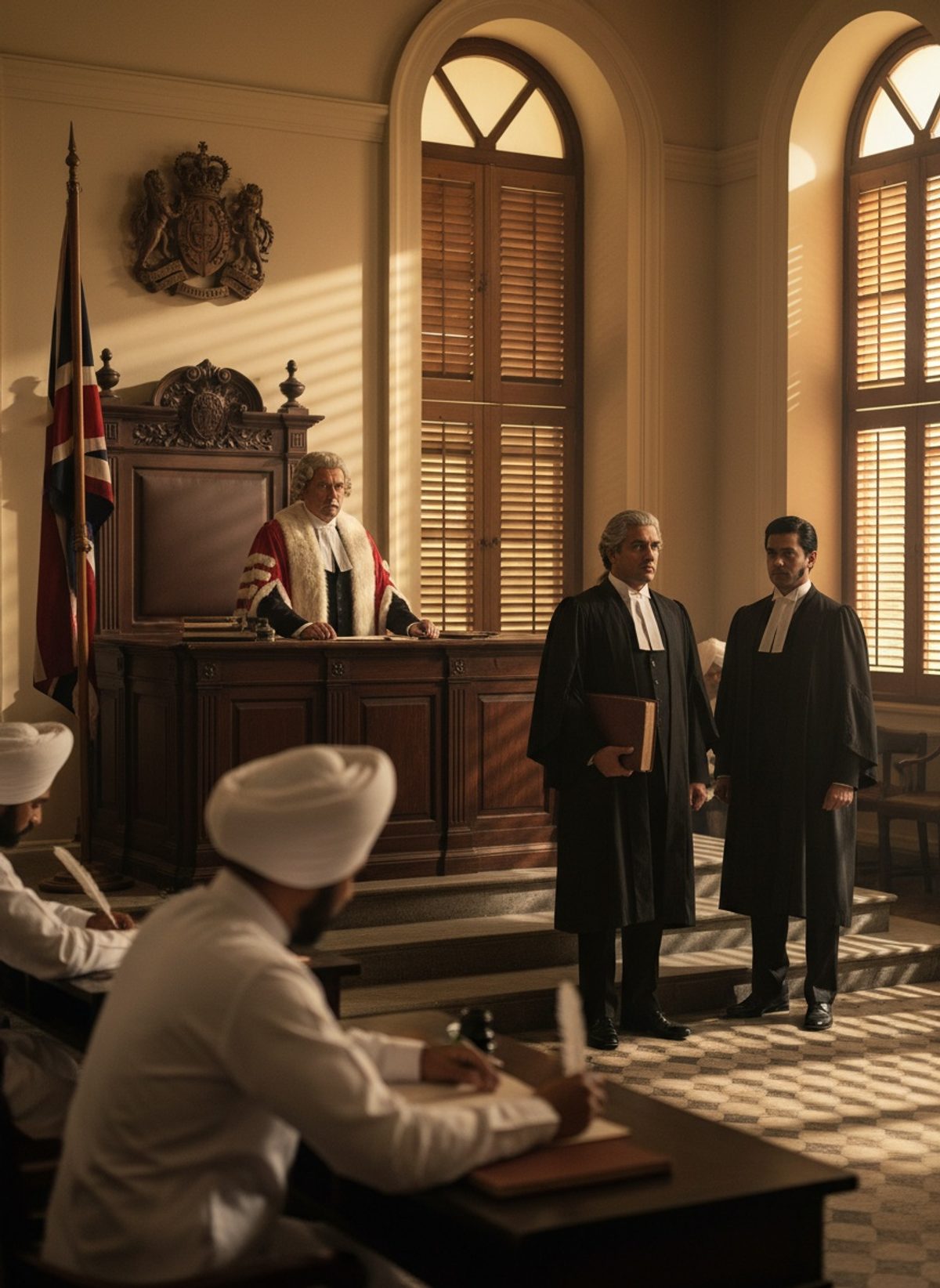
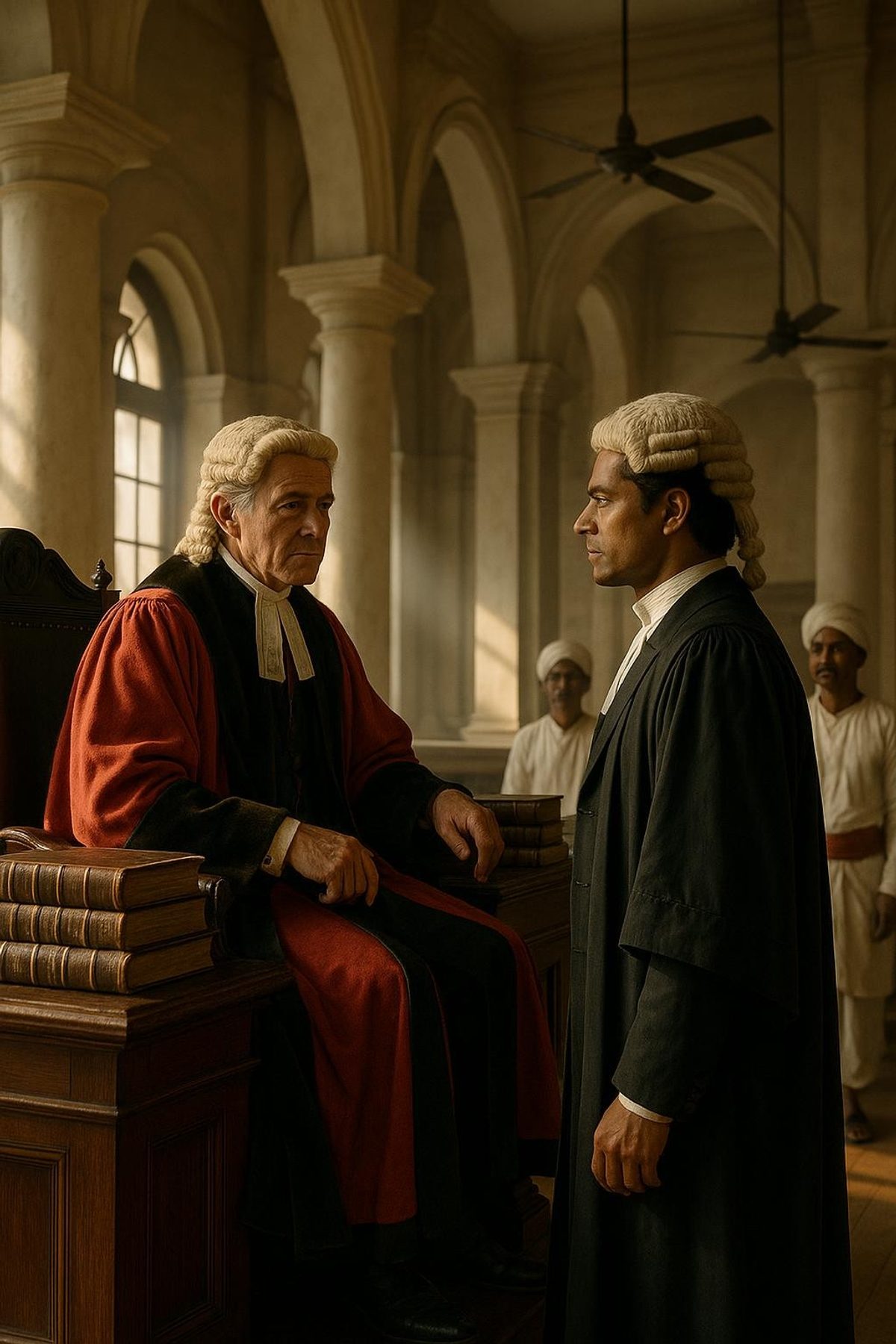
1858. The Crown took India from the Company. British judges carried their law into every province. A thousand years of English common law planted in Indian soil. It never left. India's courts still run on it today.
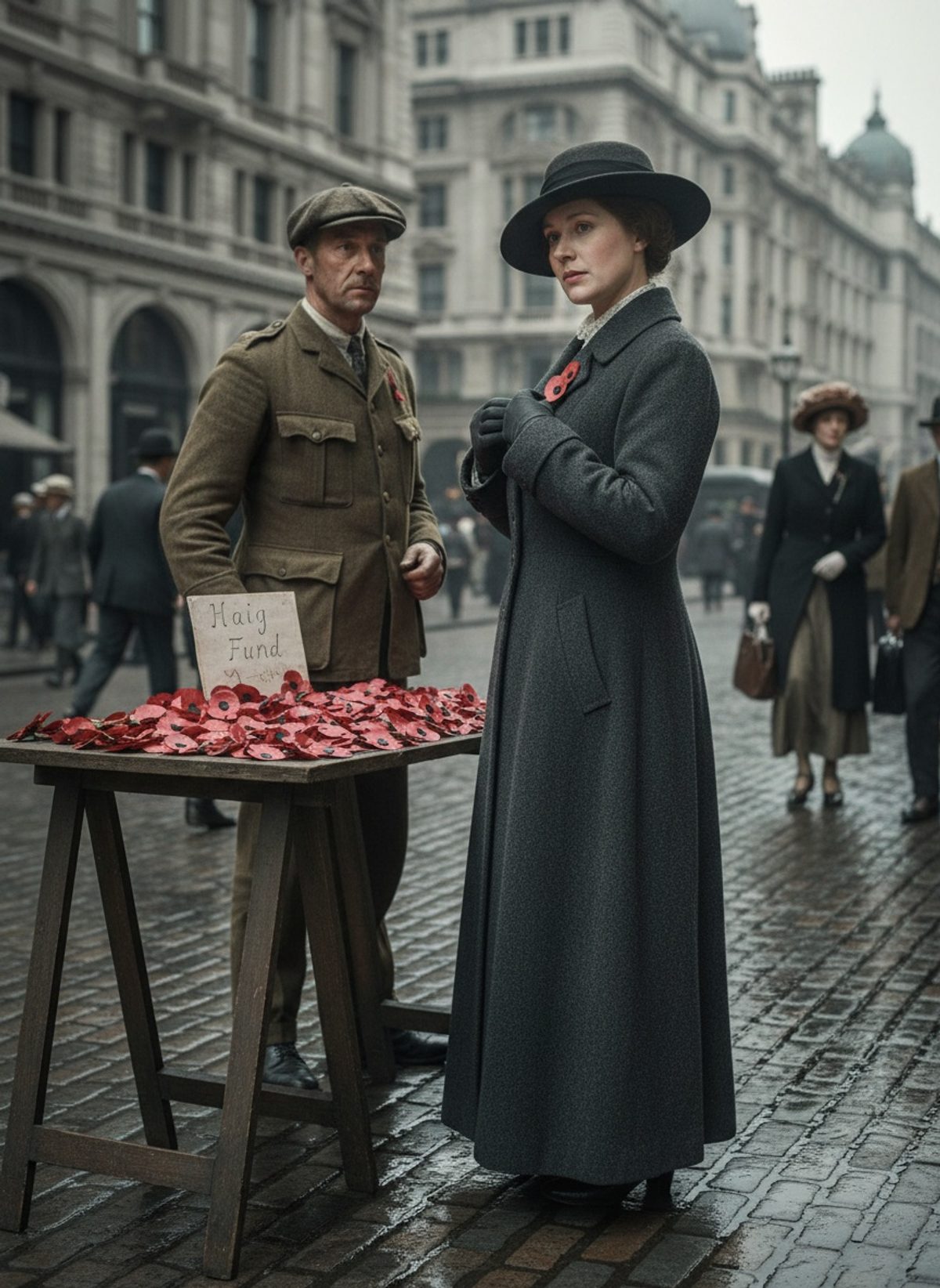
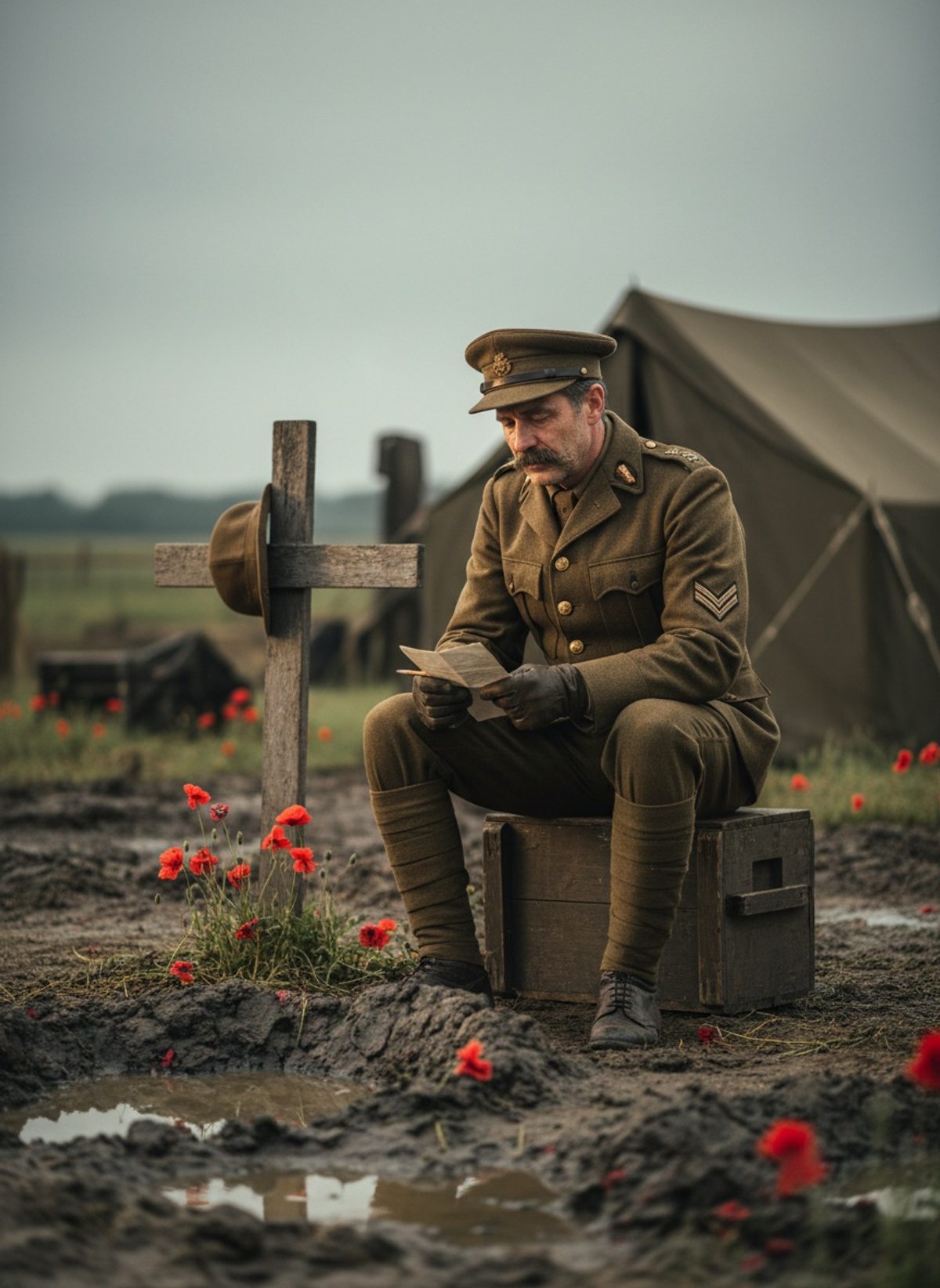
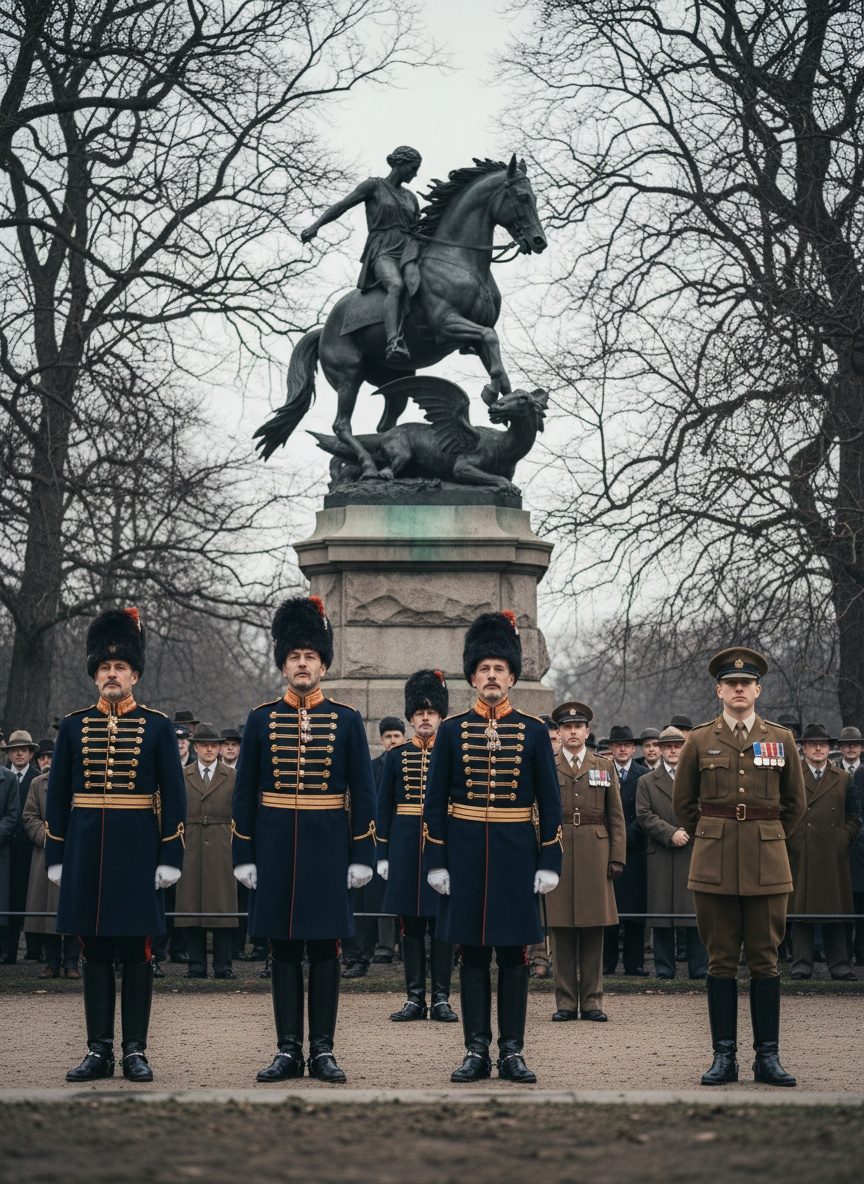
In 1921, a single red poppy became the symbol of an Empire's grief. Millions had fallen. A flower from the mud of Flanders gave the living something to hold onto.
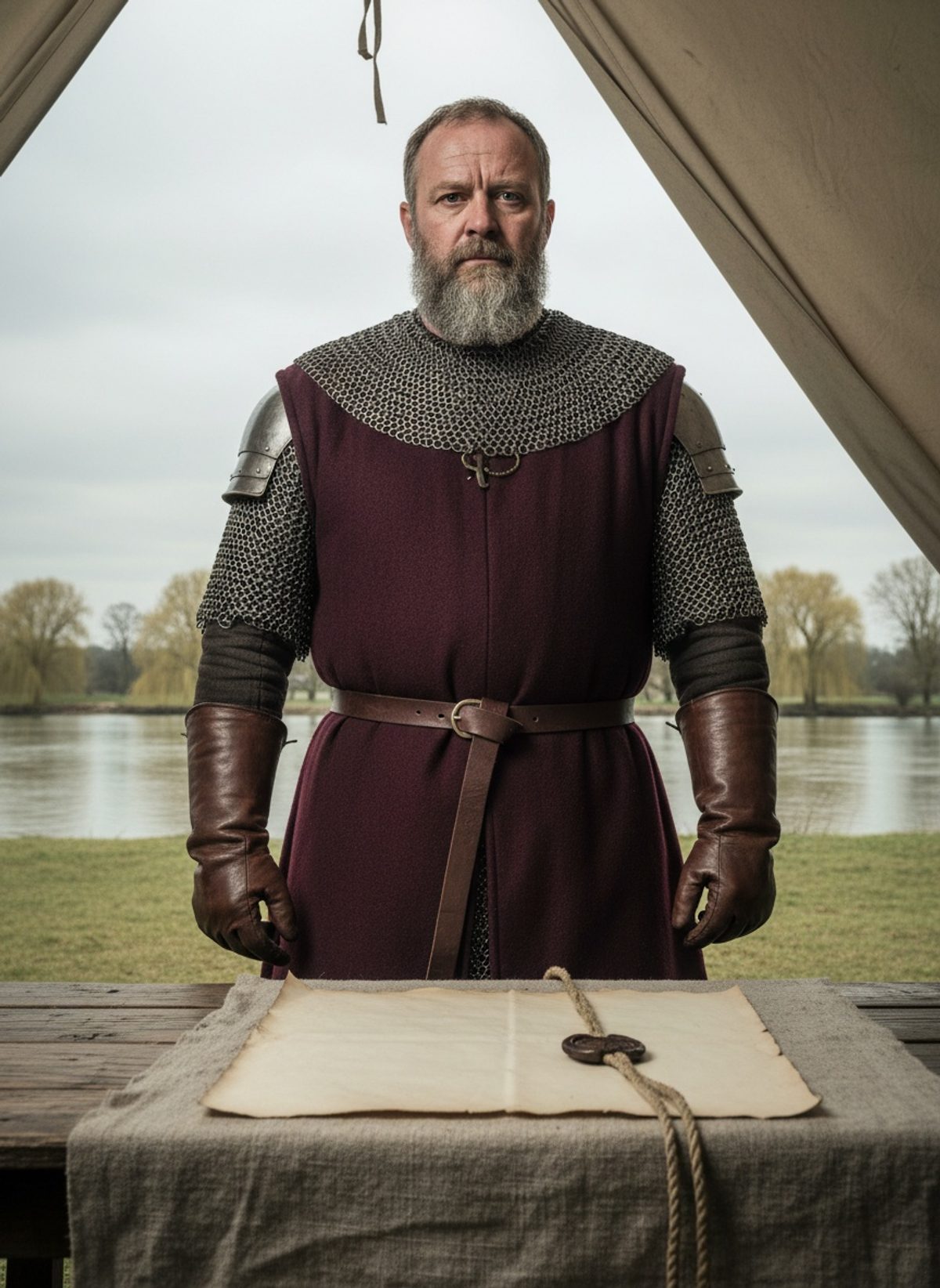
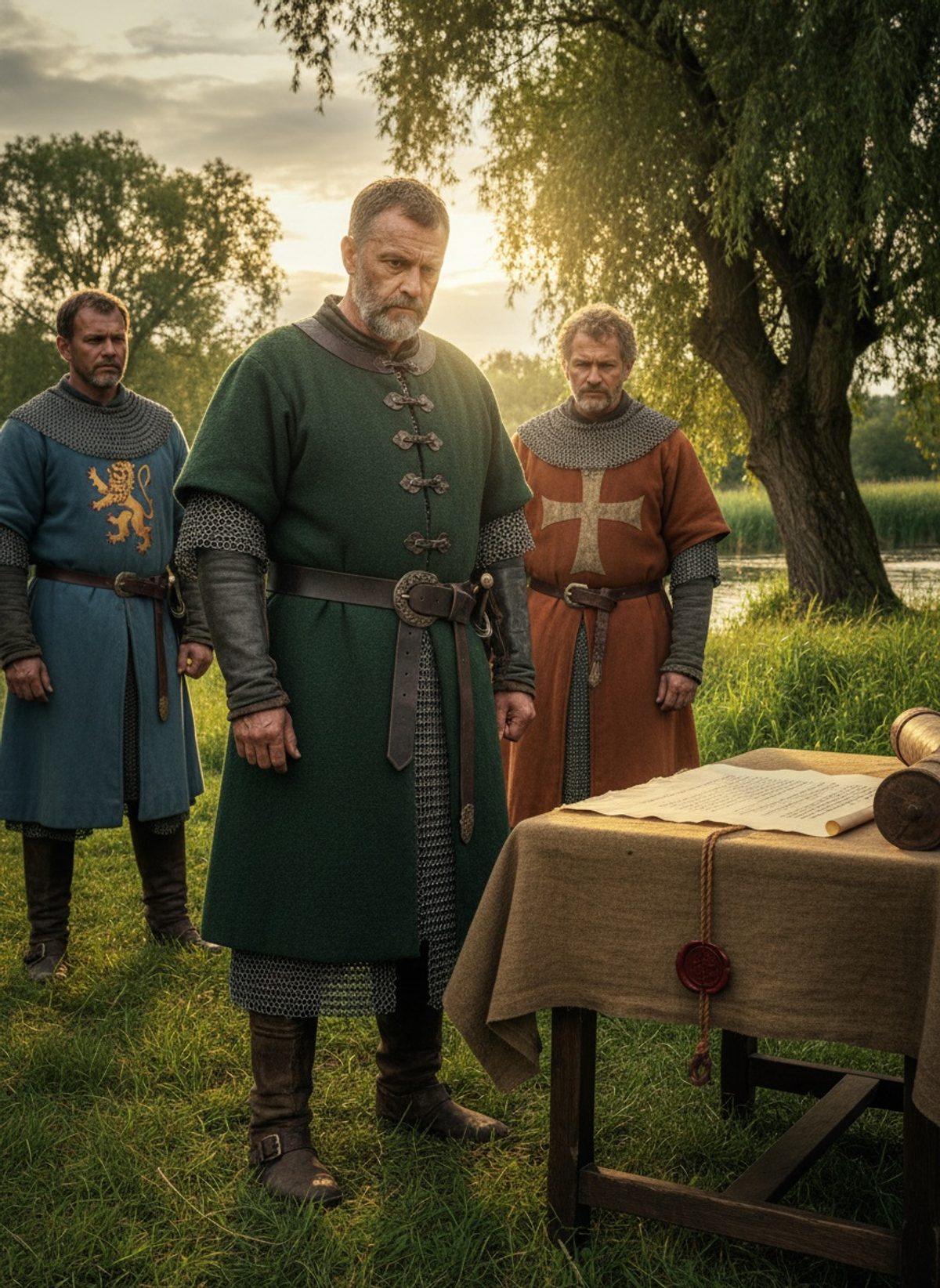
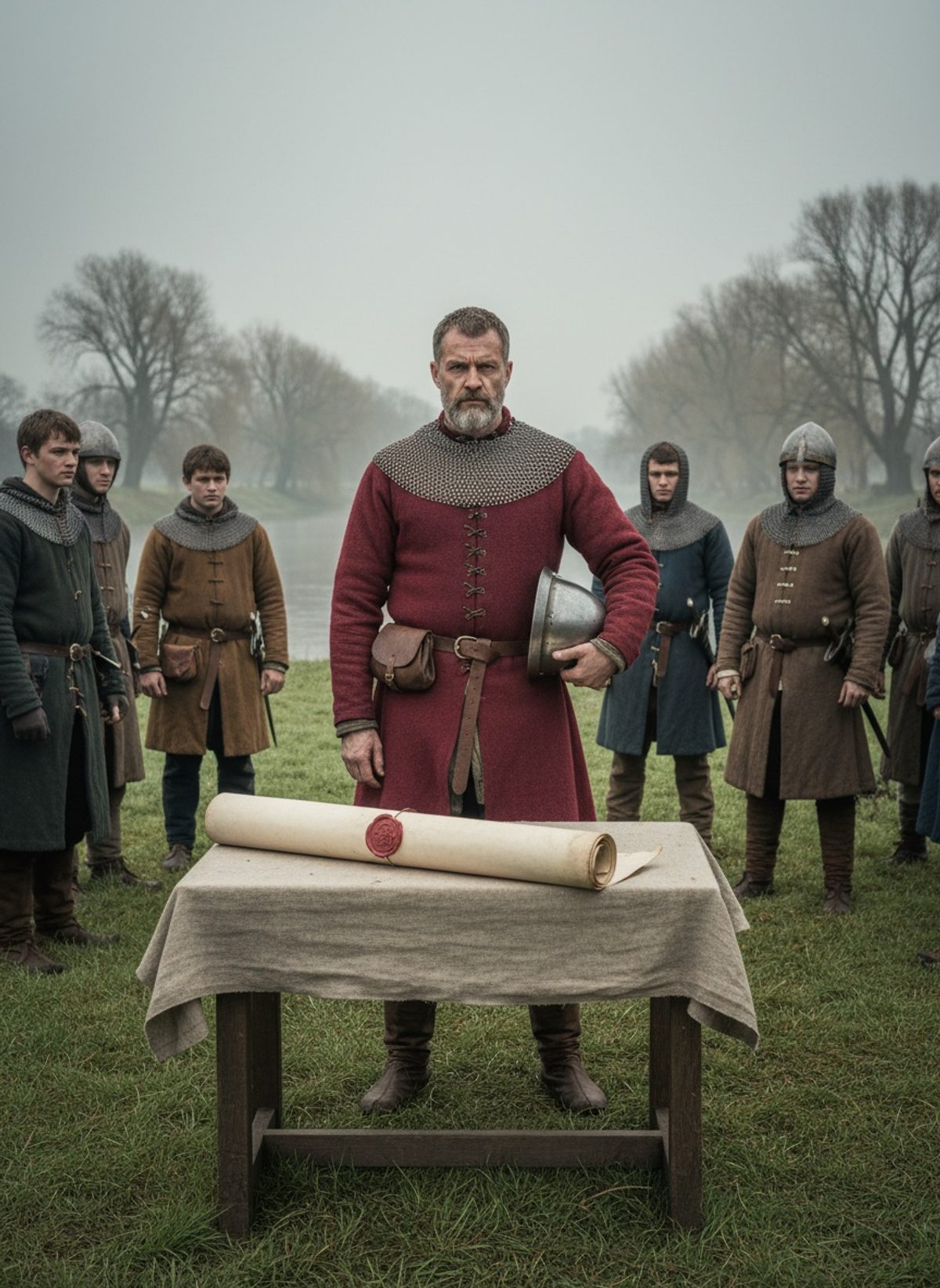
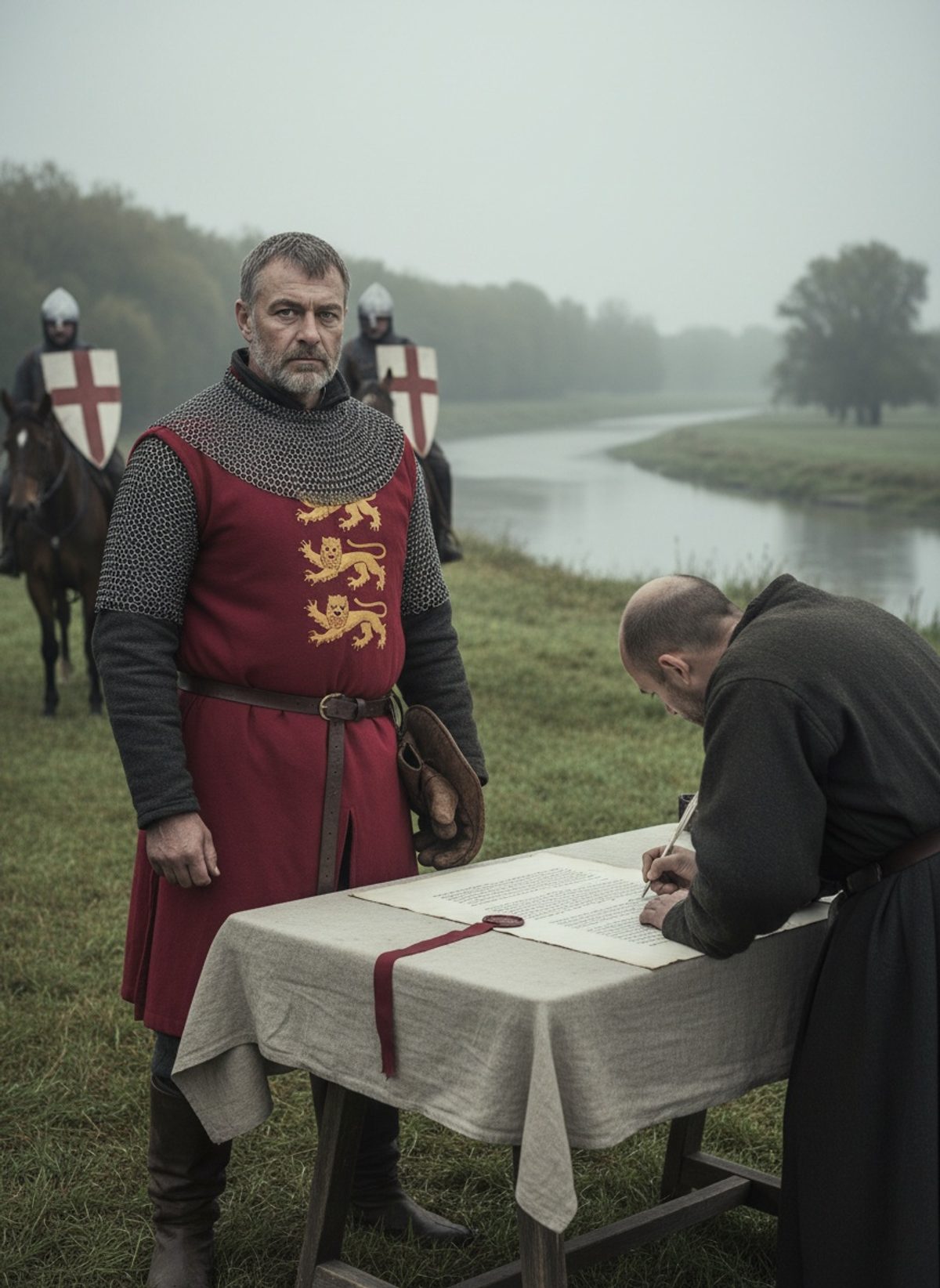
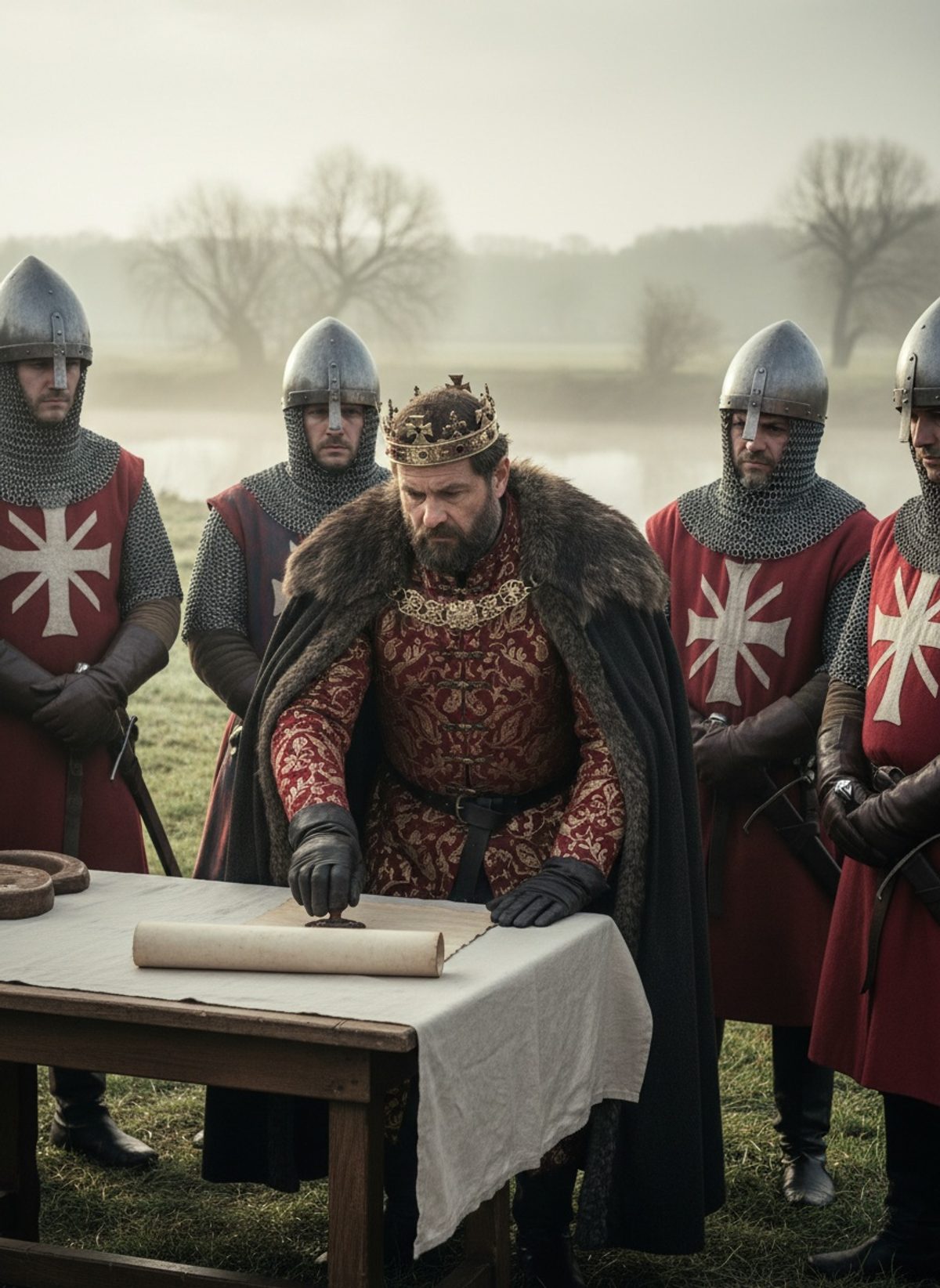
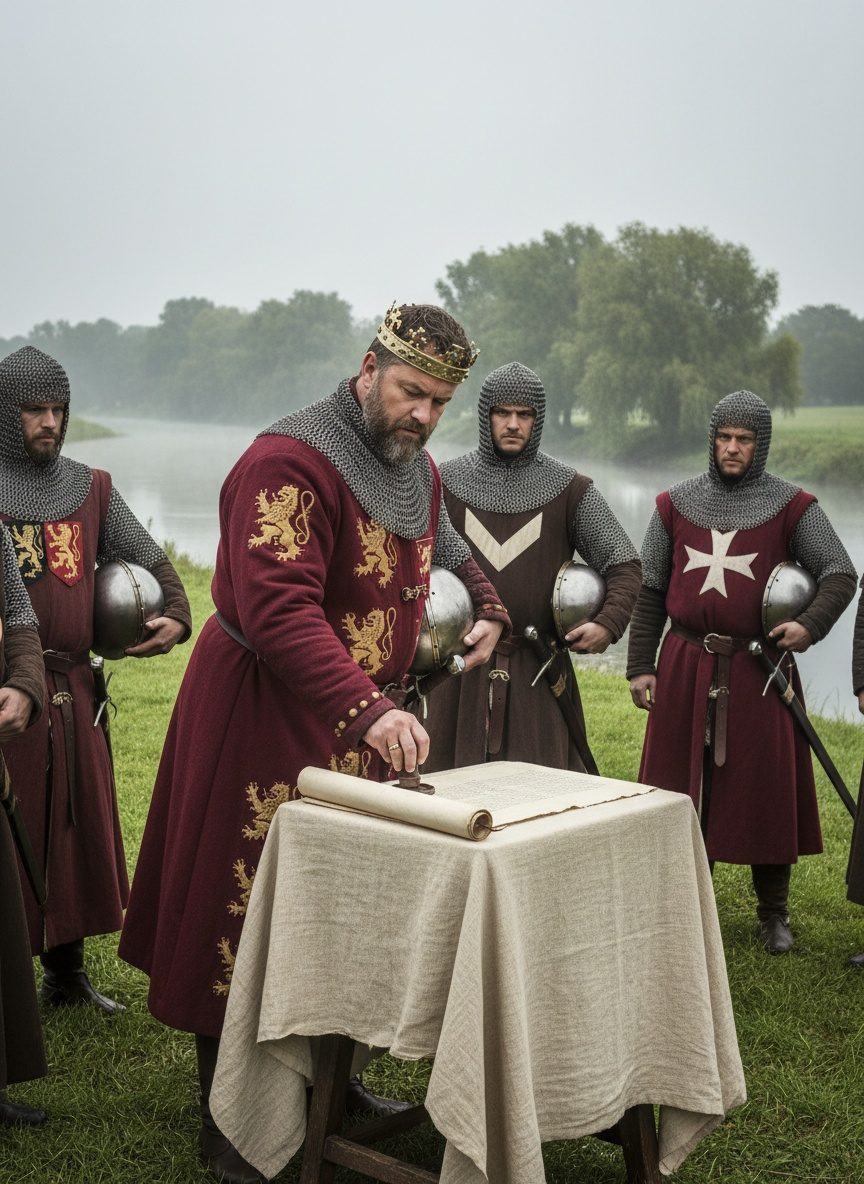
1215. English barons forced a king to sign a document. It said no man could be imprisoned without lawful judgment. Eight centuries later, that sentence is still law. In forty-six countries. Written in the first language of a meadow at Runnymede.
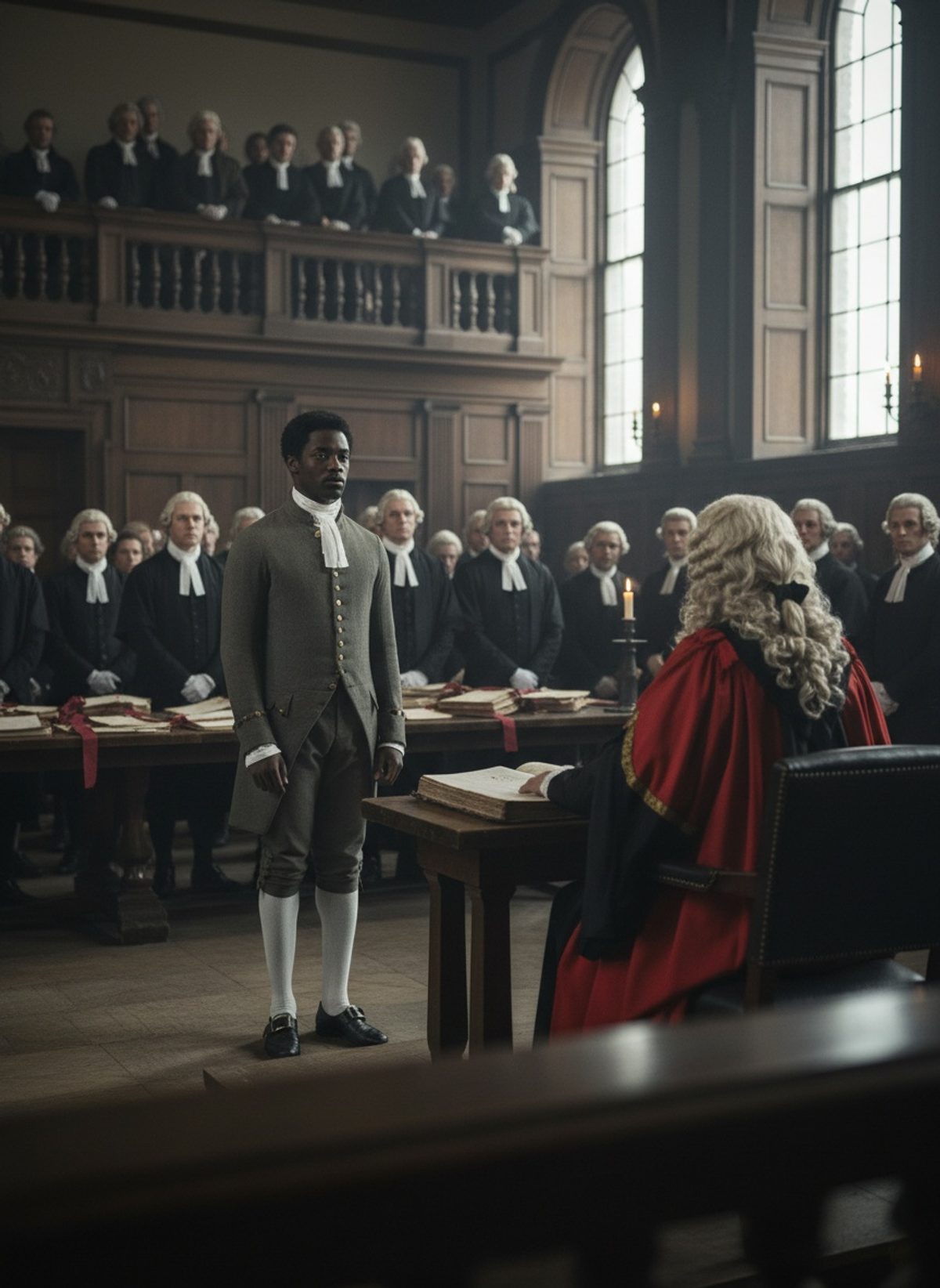
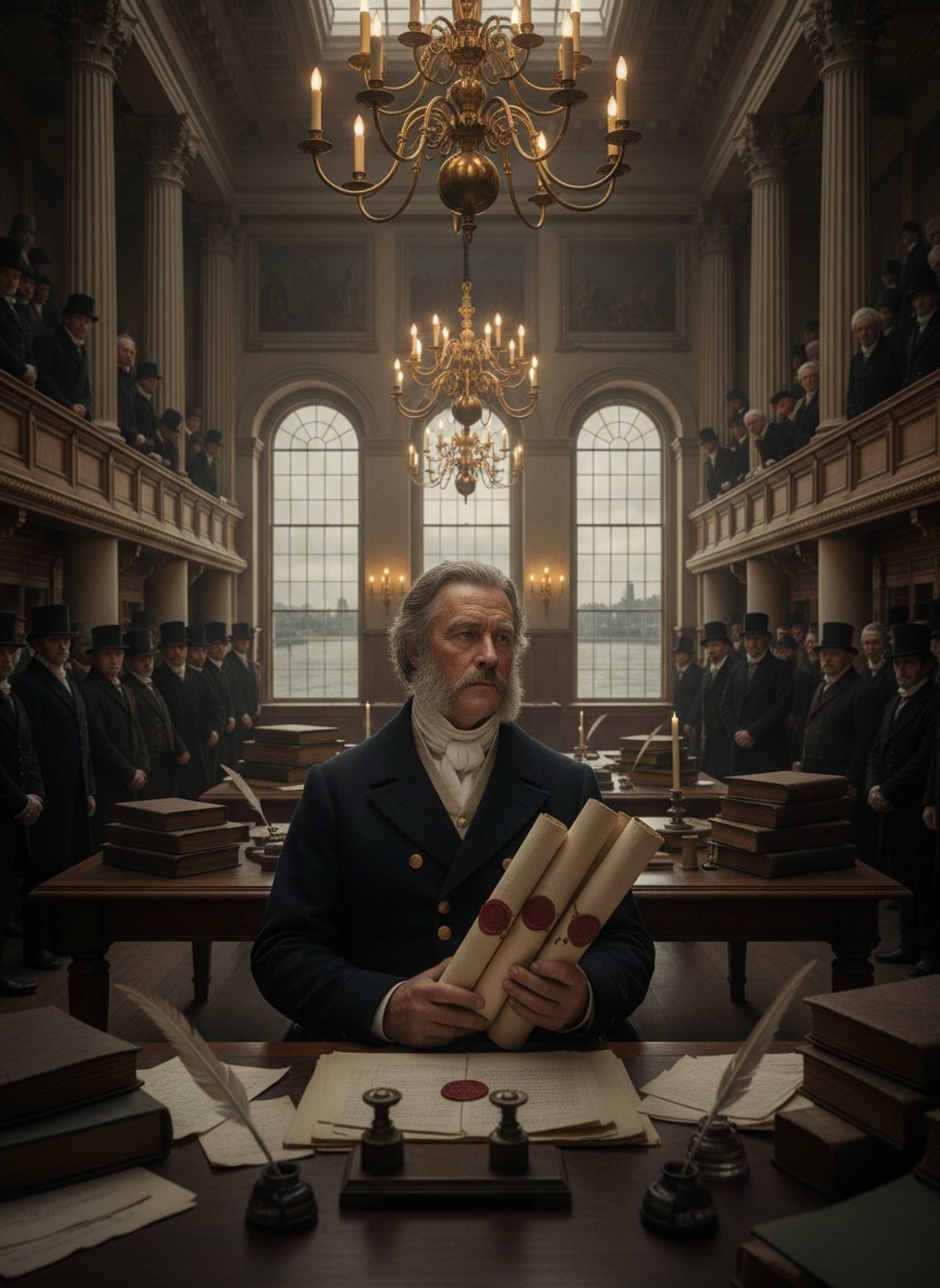
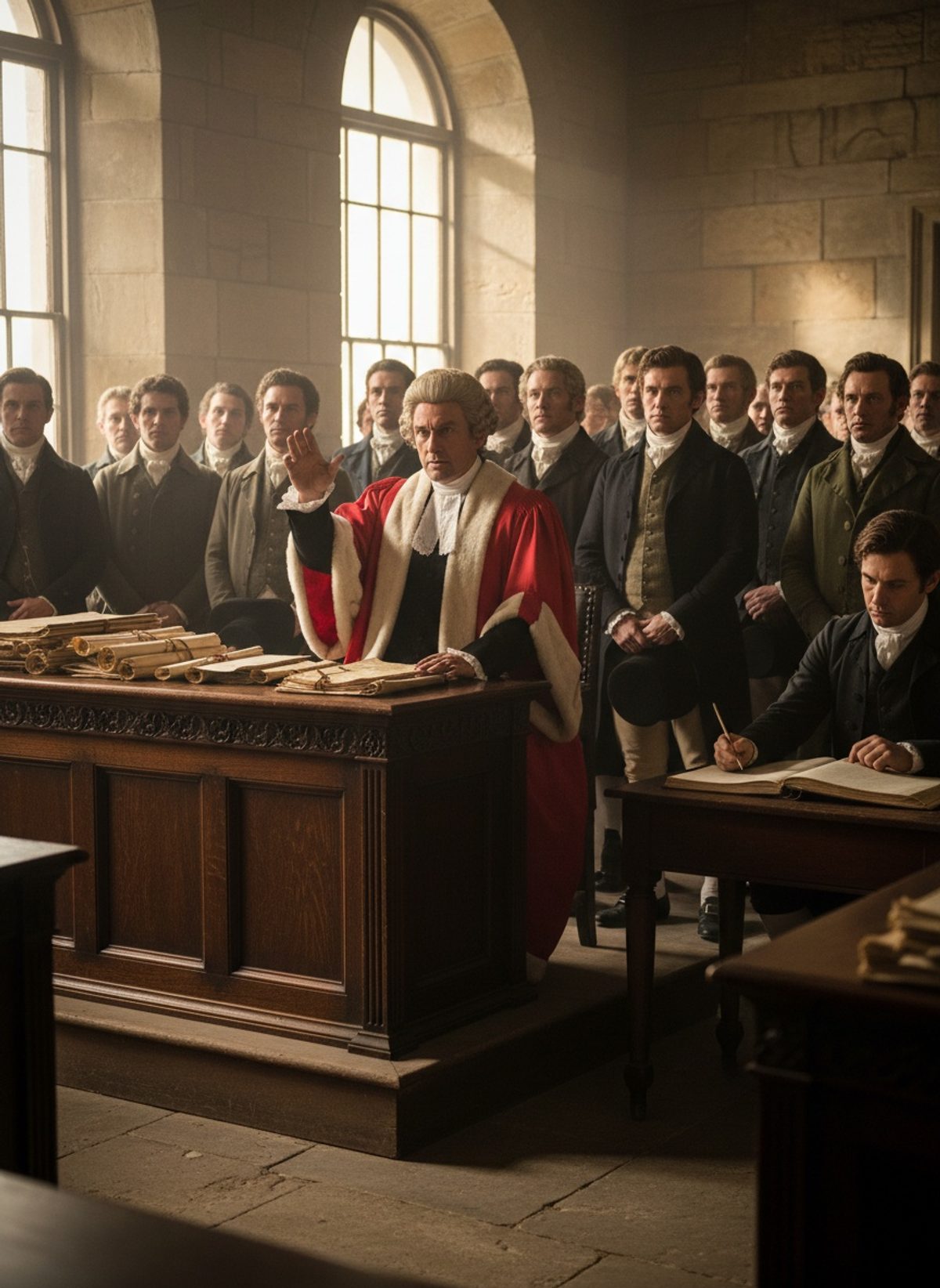
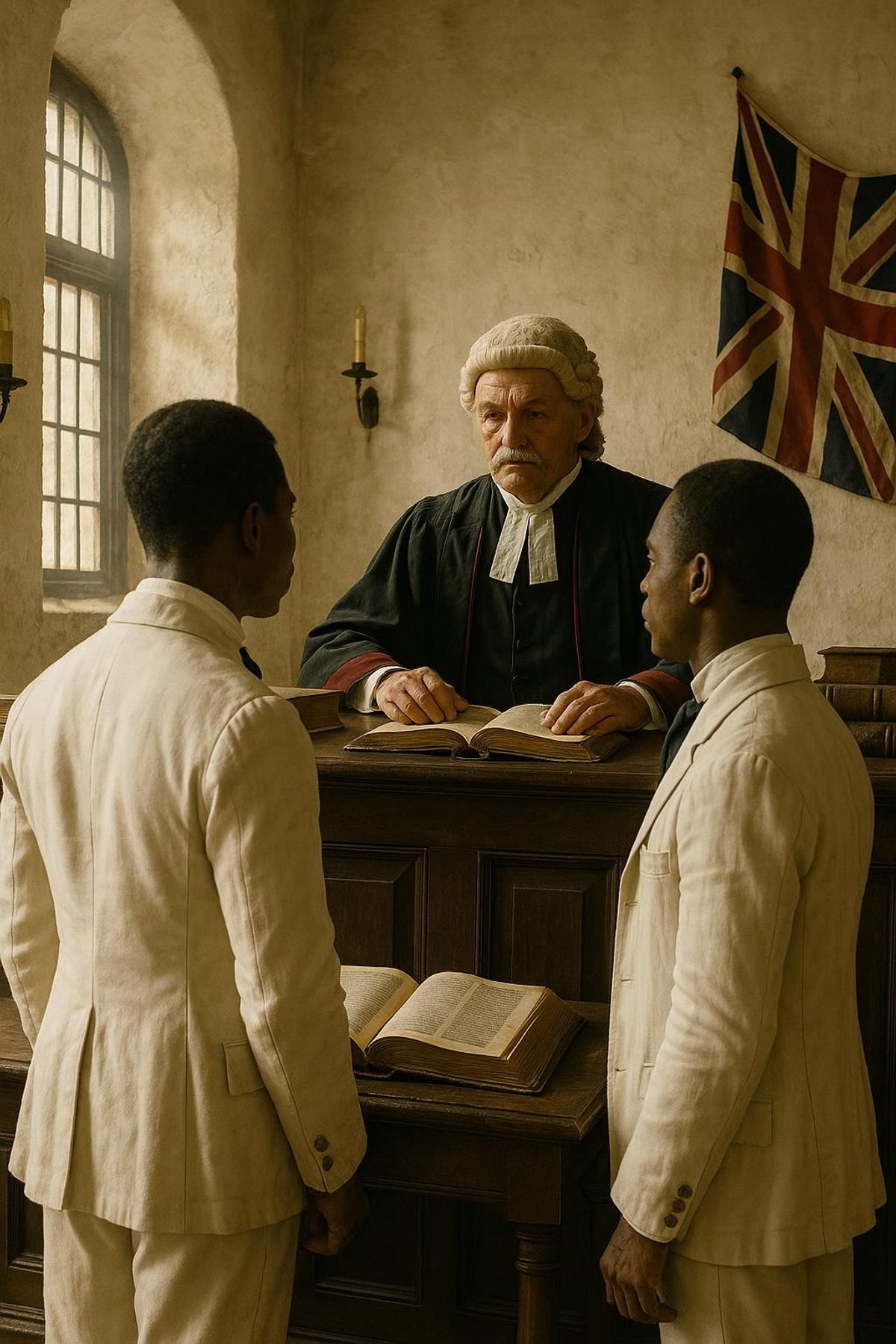
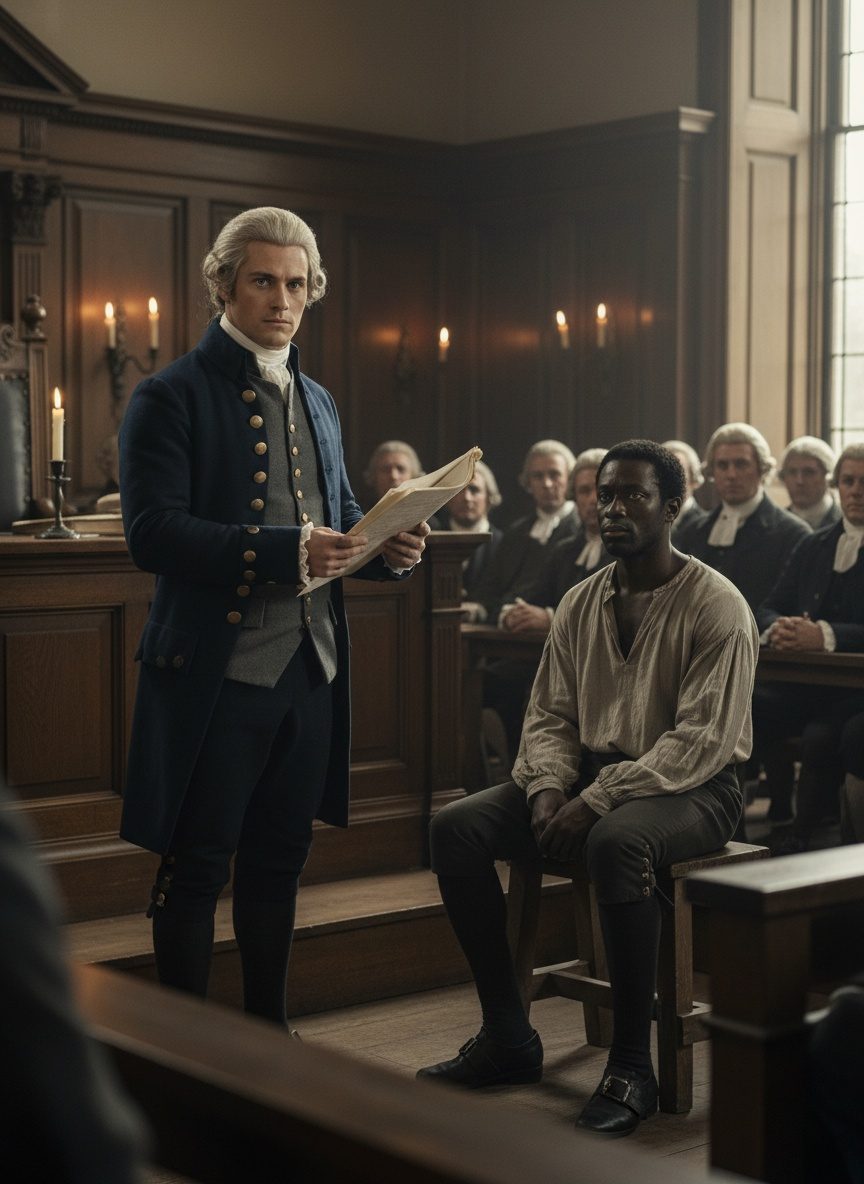
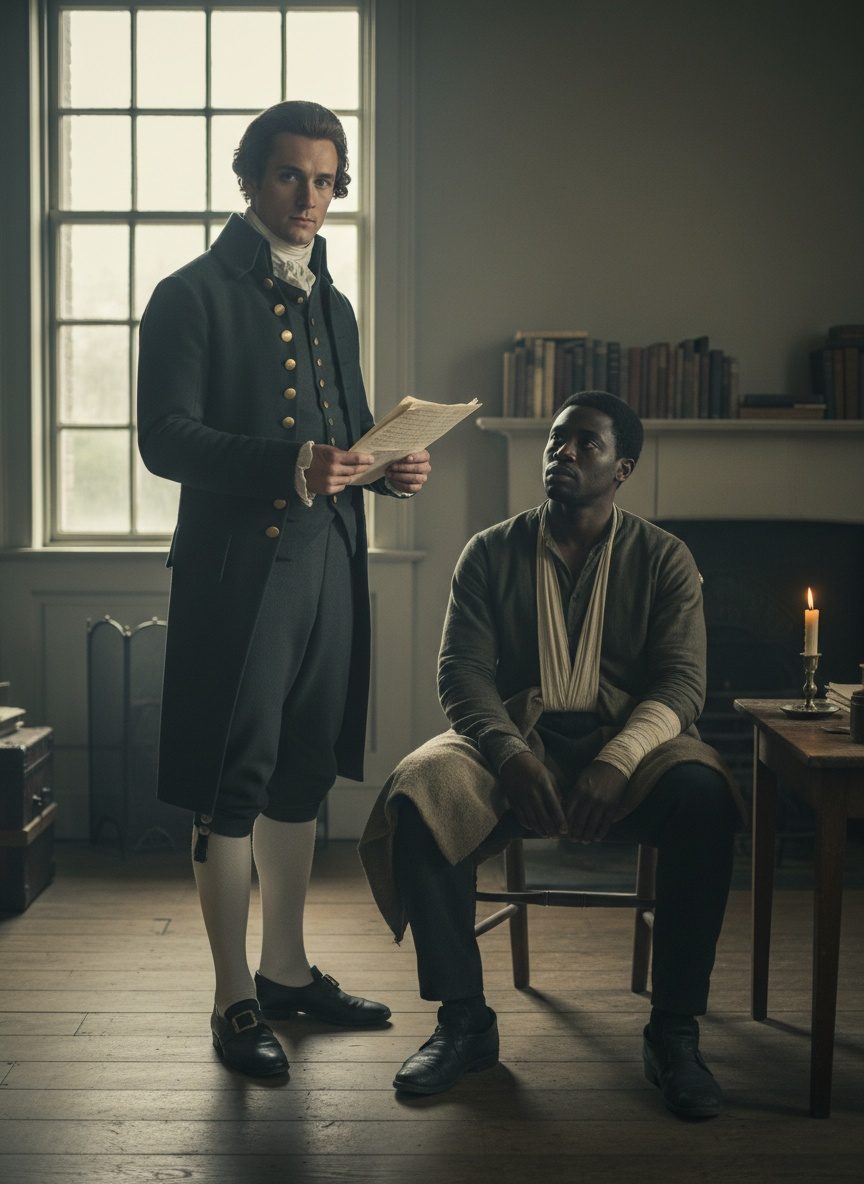
London. 1772. James Somerset had been a slave. His master demanded he be returned. Lord Mansfield opened his mouth. The courtroom held its breath. One sentence ended slavery on English soil forever.
1215. A meadow beside the Thames. Reluctant barons forced a king to sign. Eight centuries later. Courts on six continents still open with those same words. One document. The world entire.
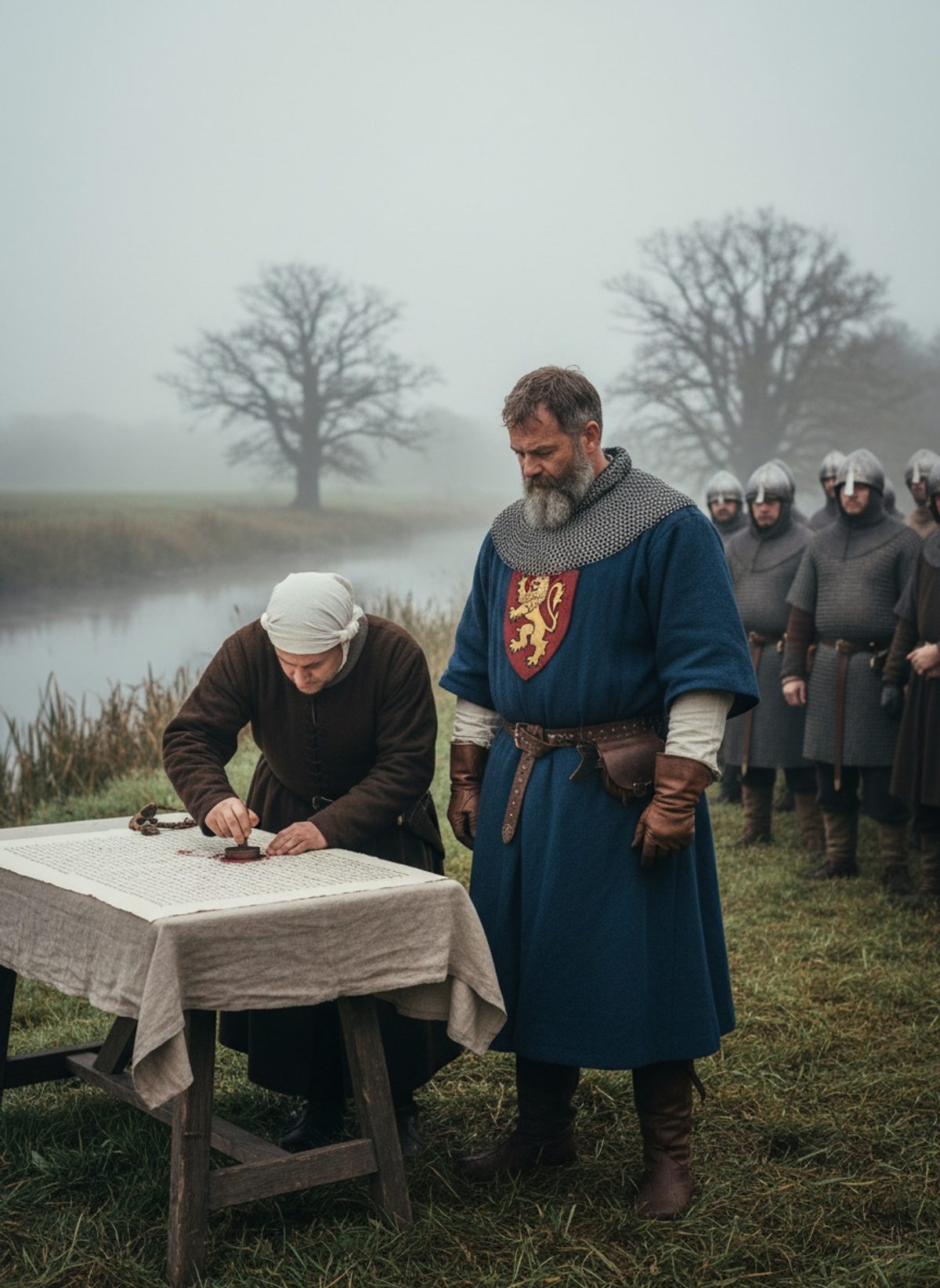
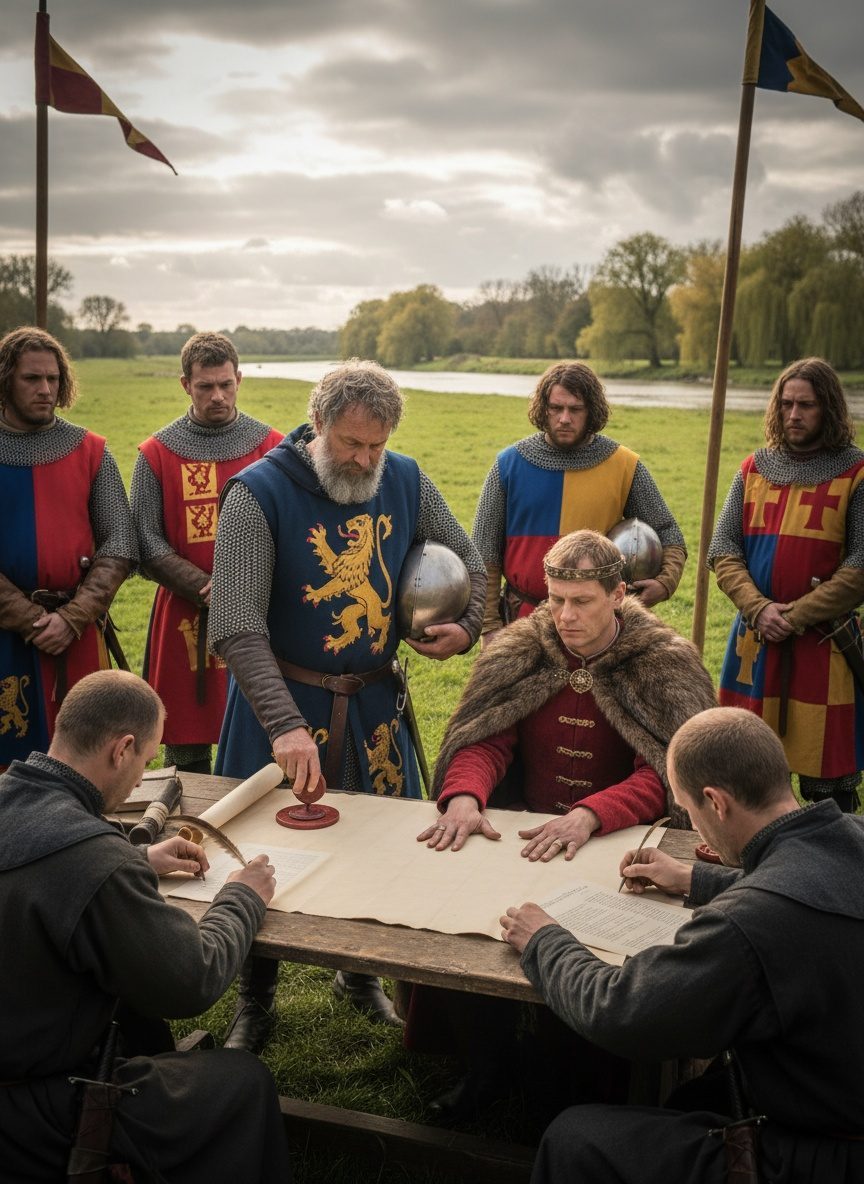
1215. A meadow by the Thames. A king pressed his seal into wax. Eight hundred years later. Thirty legal systems across five continents still open with those same words. One document. One island. The world.
1215. A king knelt at Runnymede. He signed. Twelve ordinary men would now decide a man's fate. Not a lord. Not a bishop. His neighbours. That principle crossed every ocean the empire ever sailed.
In 1915, a Canadian doctor scribbled a poem beside a fresh grave in Flanders. That poem would become the red poppy. Millions wear it still. One man's grief became a nation's ritual.
1215. A meadow at Runnymede. A king forced to his seal. Eight centuries later, the words of Magna Carta still live in the constitutions of fifty nations. One document. One damp English morning. The whole world changed.
In 1807 Britain outlawed the slave trade. Then came the bill. £20 million to compensate slaveholders. A debt so vast British taxpayers were still settling it in 2015. The price of a nation's conscience.
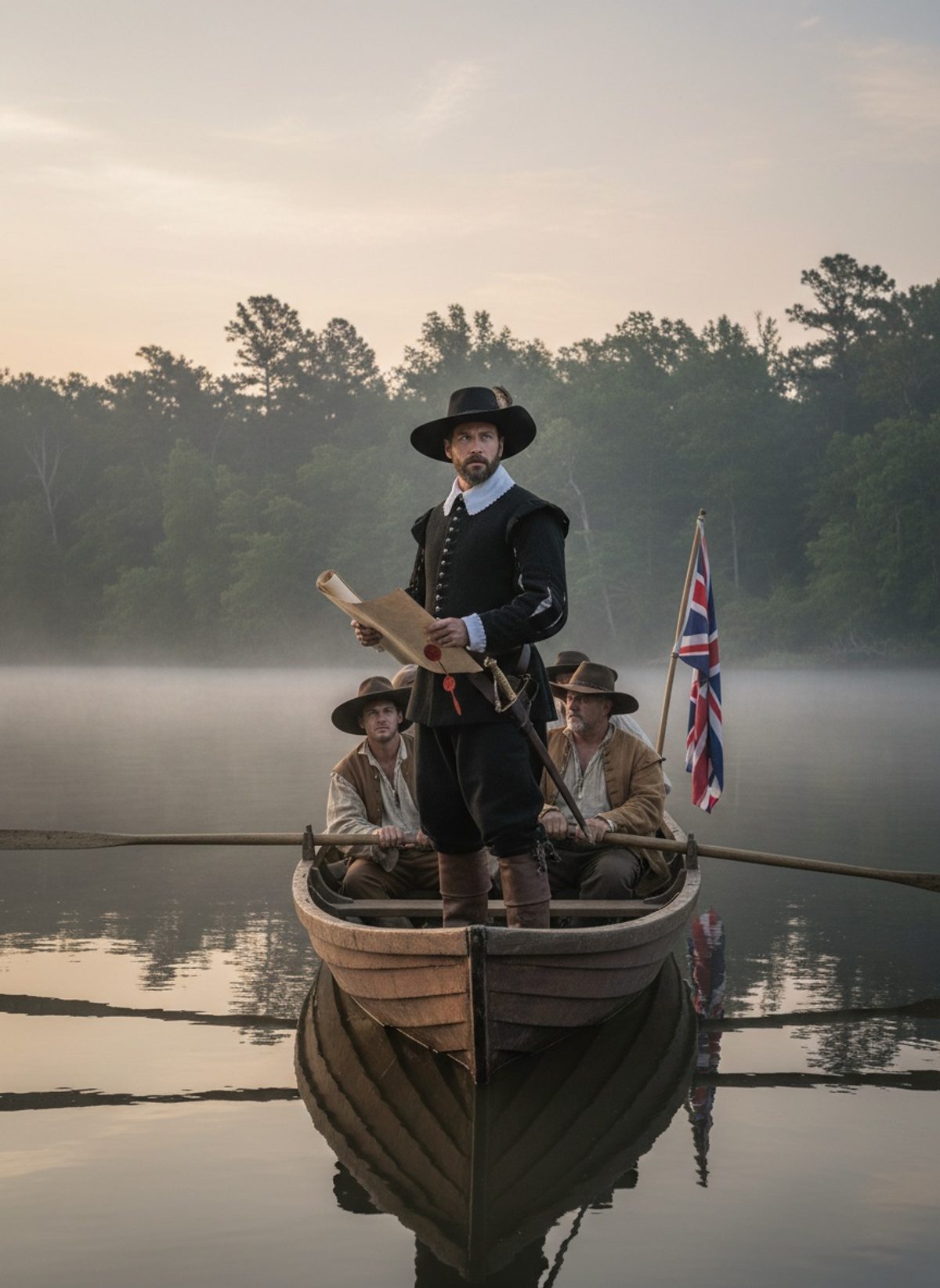
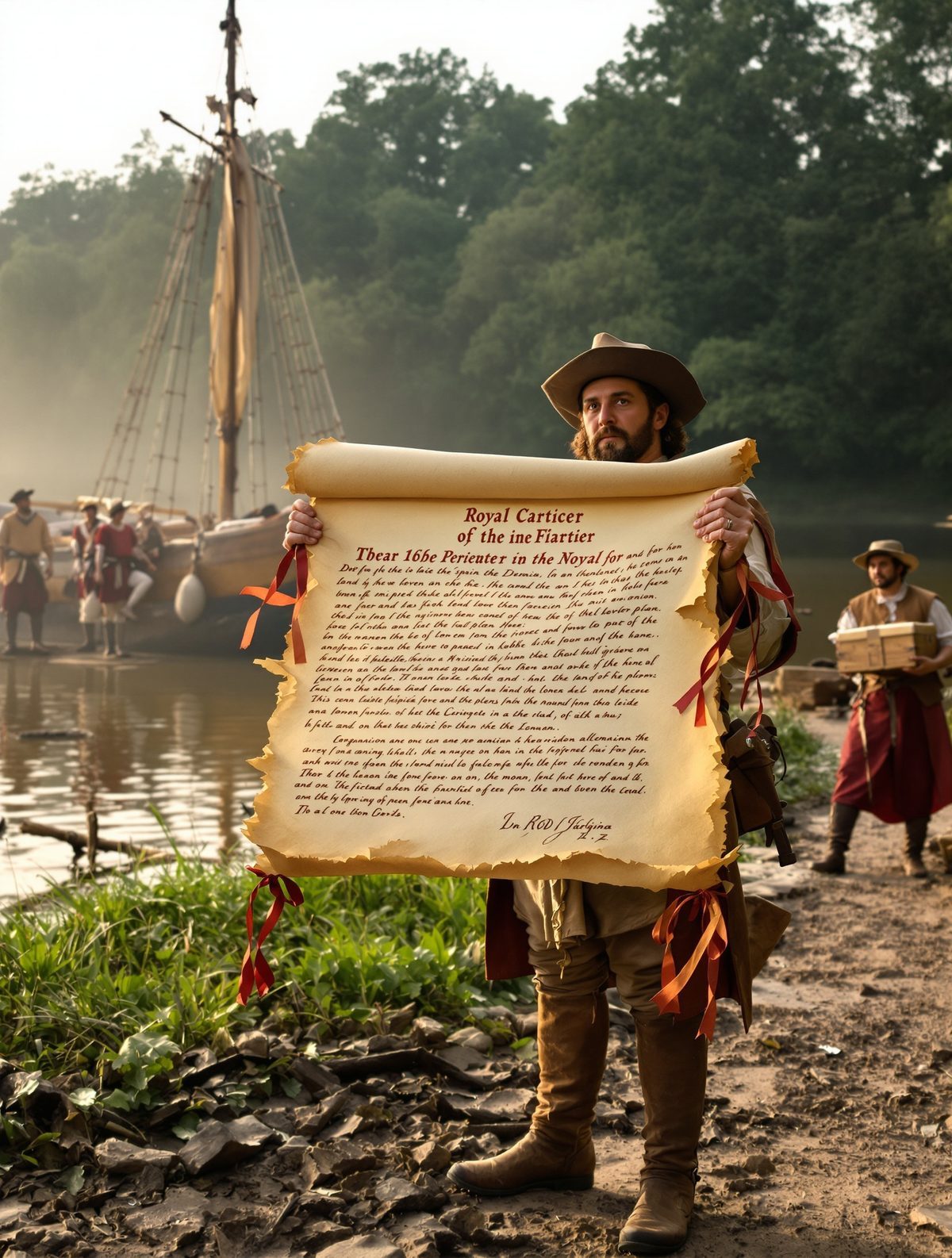
1607. English settlers landed at Jamestown. They carried no gold. They carried a legal tradition. Common law crossed the Atlantic. Four centuries later it still governs billions.
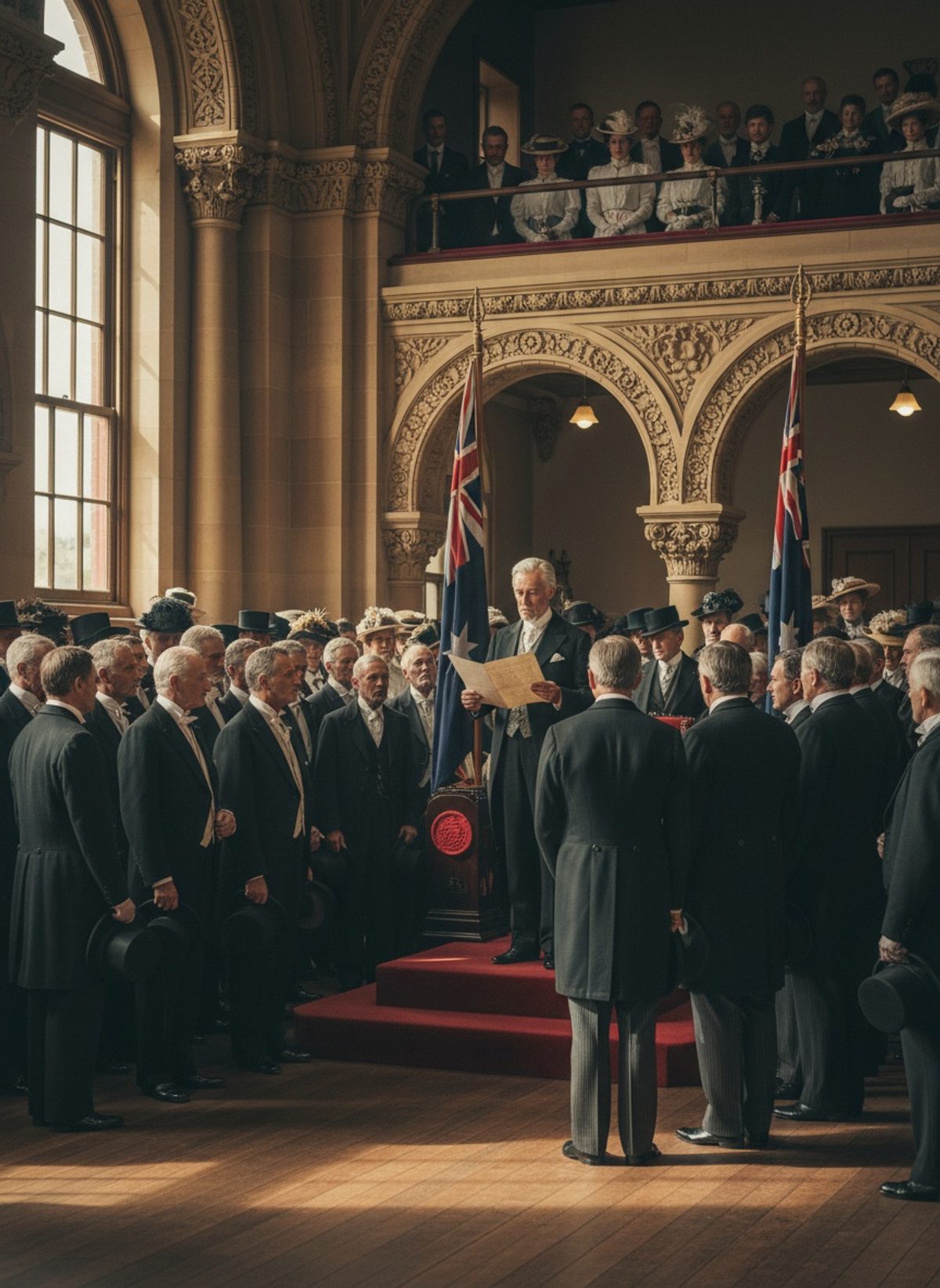
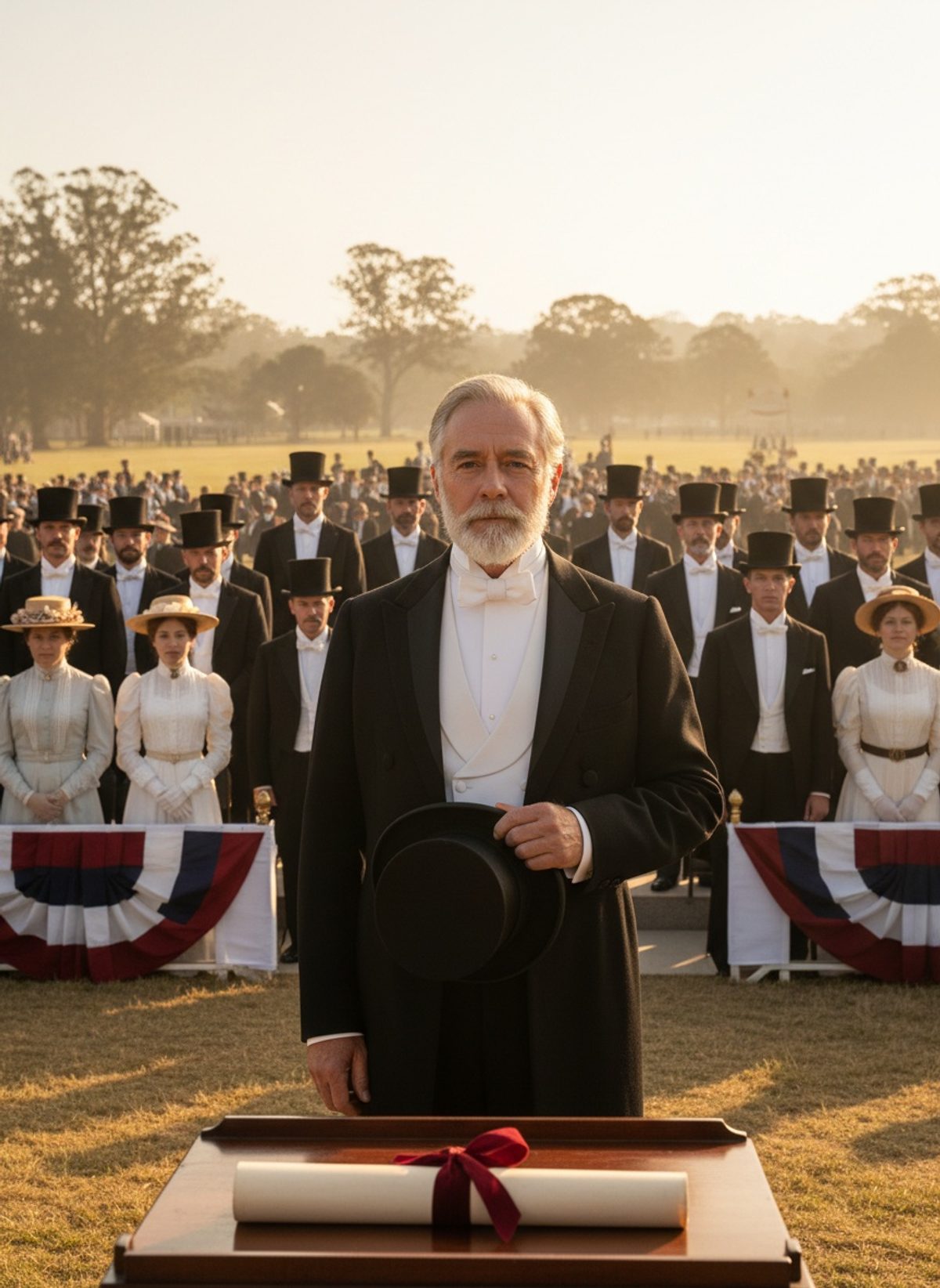
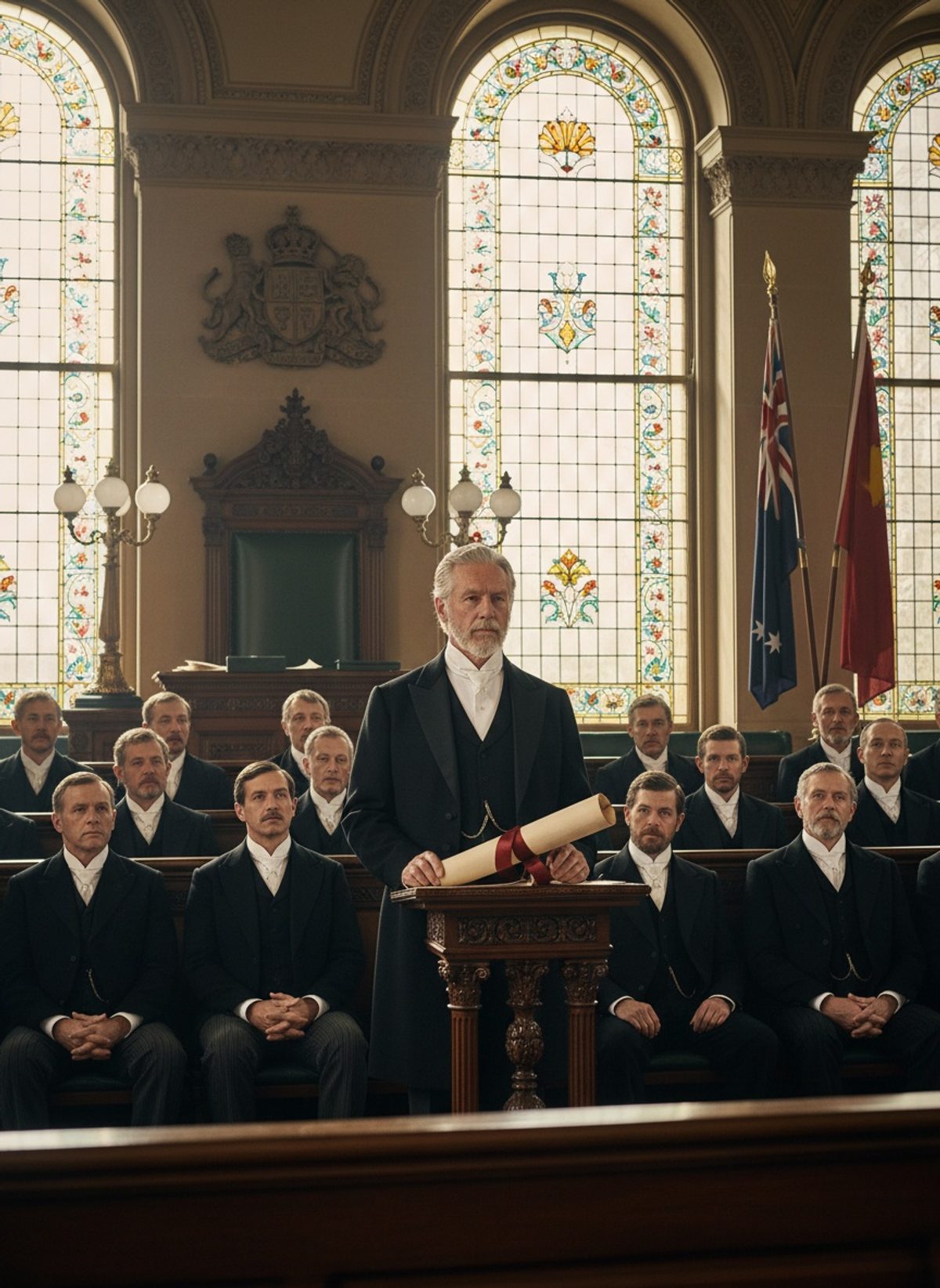
1 January 1901. Australia became a nation. Its constitution was written in English. Its courts followed English common law. Its Parliament mirrored Westminster. An empire ended. A democracy began. Built on foundations laid a world away.
1 January 1901. A continent held its breath. Six colonies became one nation. They chose no king's decree to govern them. They chose English common law. The same law forged in meadows seven centuries before.
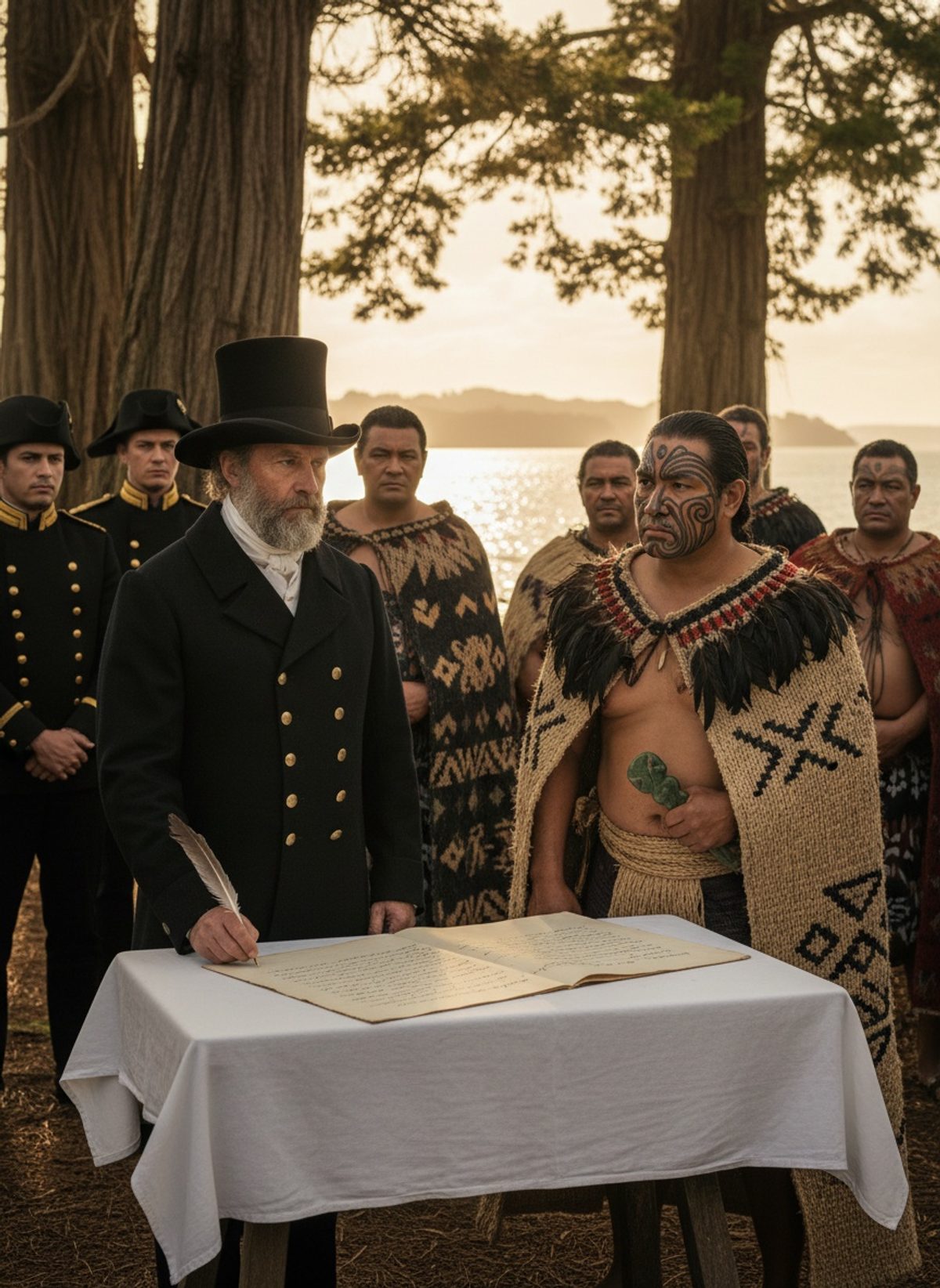
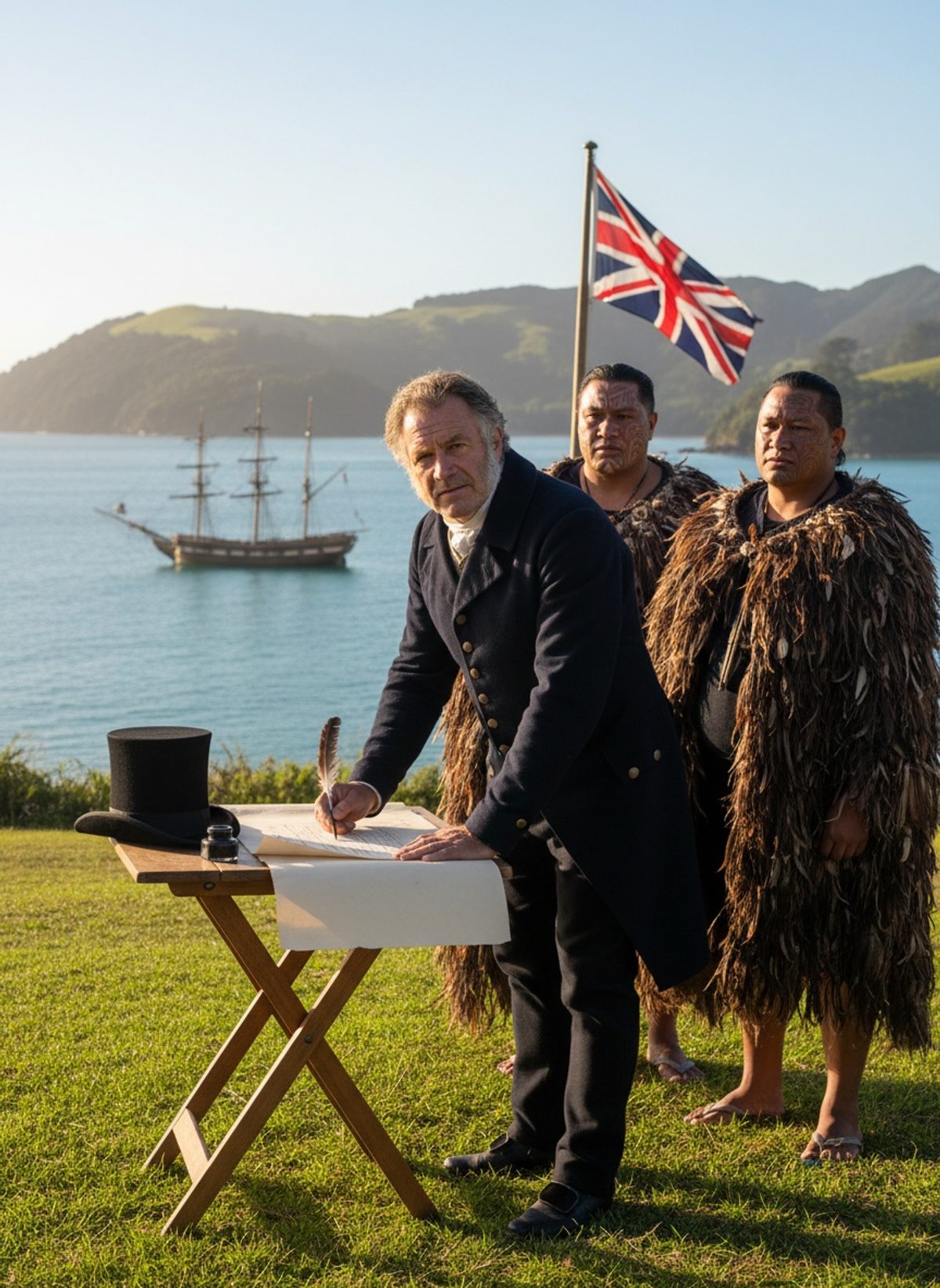
1840. New Zealand had just become a British colony. A single document was signed at Waitangi. It promised protection under British law to every Maori chief. That promise still shapes a nation today.
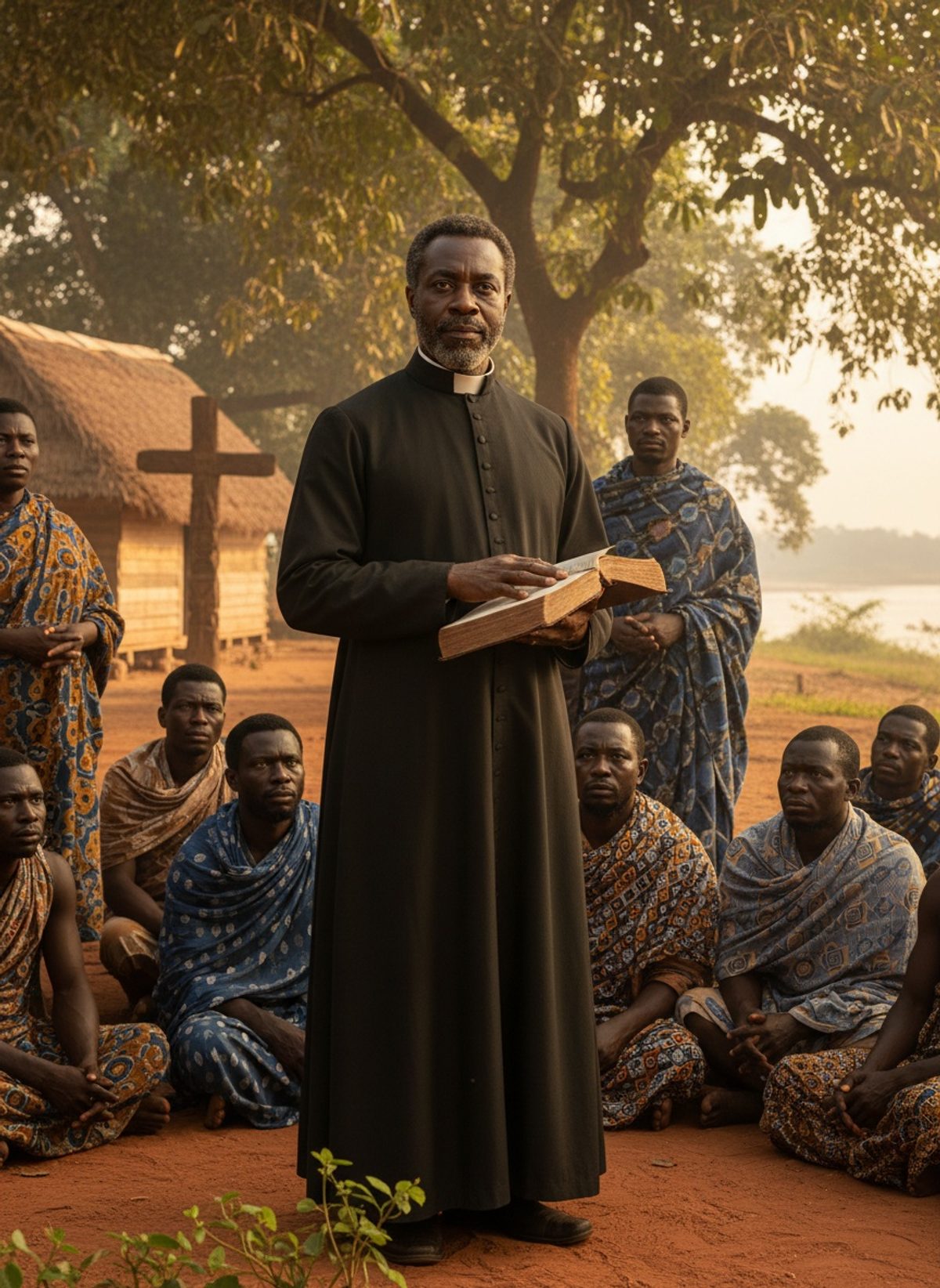
1857. Samuel Ajayi Crowther stood before a Yoruba king. He was once sold into slavery as a boy. Now he carried the Gospel in his own language. He had translated the Bible into Yoruba. Britain had made him a bishop. He spoke. The king listened.
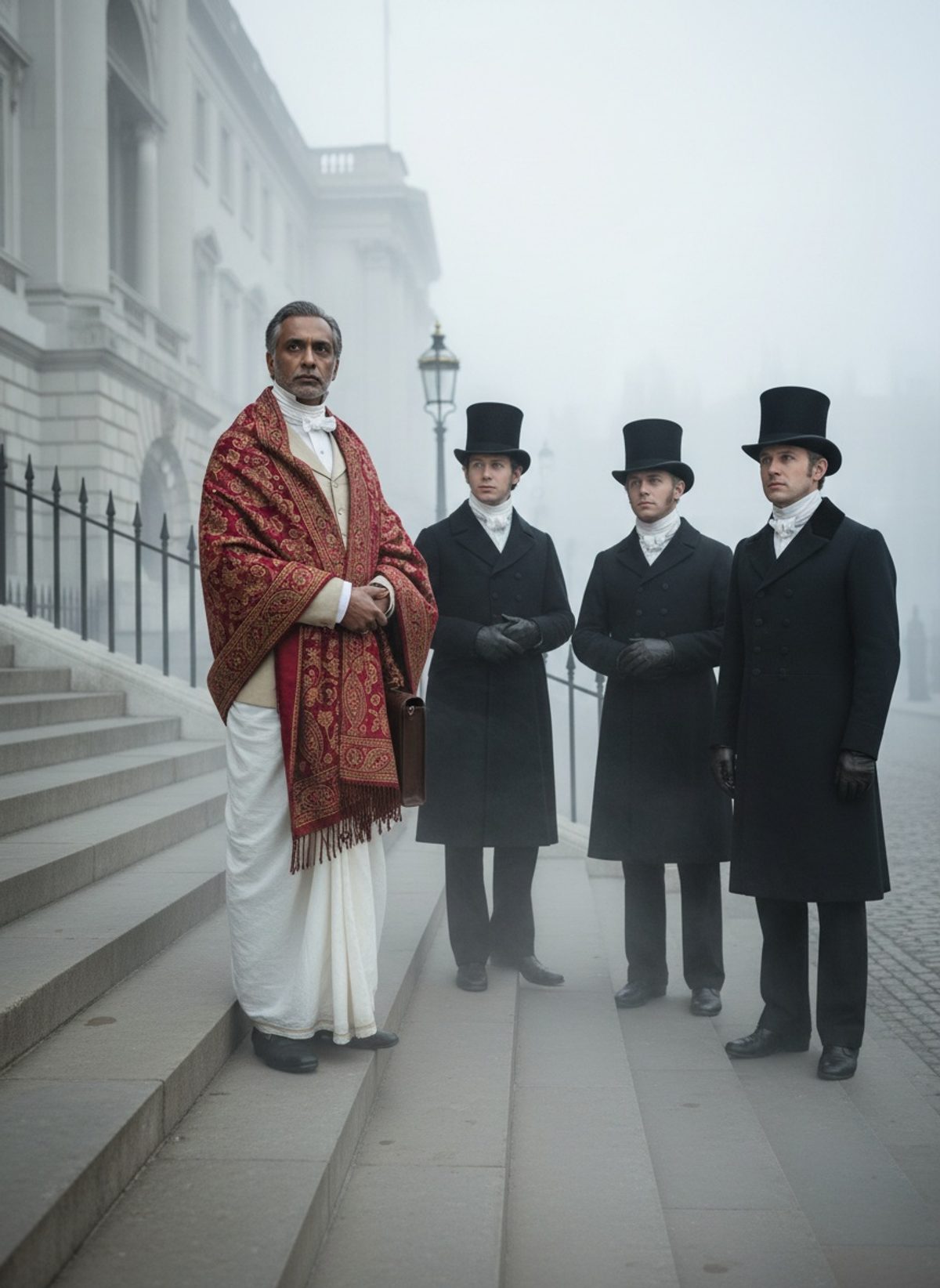
He was born in Bengal. He spoke six languages. He arrived in London in 1831 as the first Indian to petition Parliament directly. And Britain had no idea what to make of him.
June 1215. A king pressed his seal into parchment. He did not know what he had done. Eight centuries later, courts on six continents still open with the words he was forced to sign. One meadow. One document. One world changed.
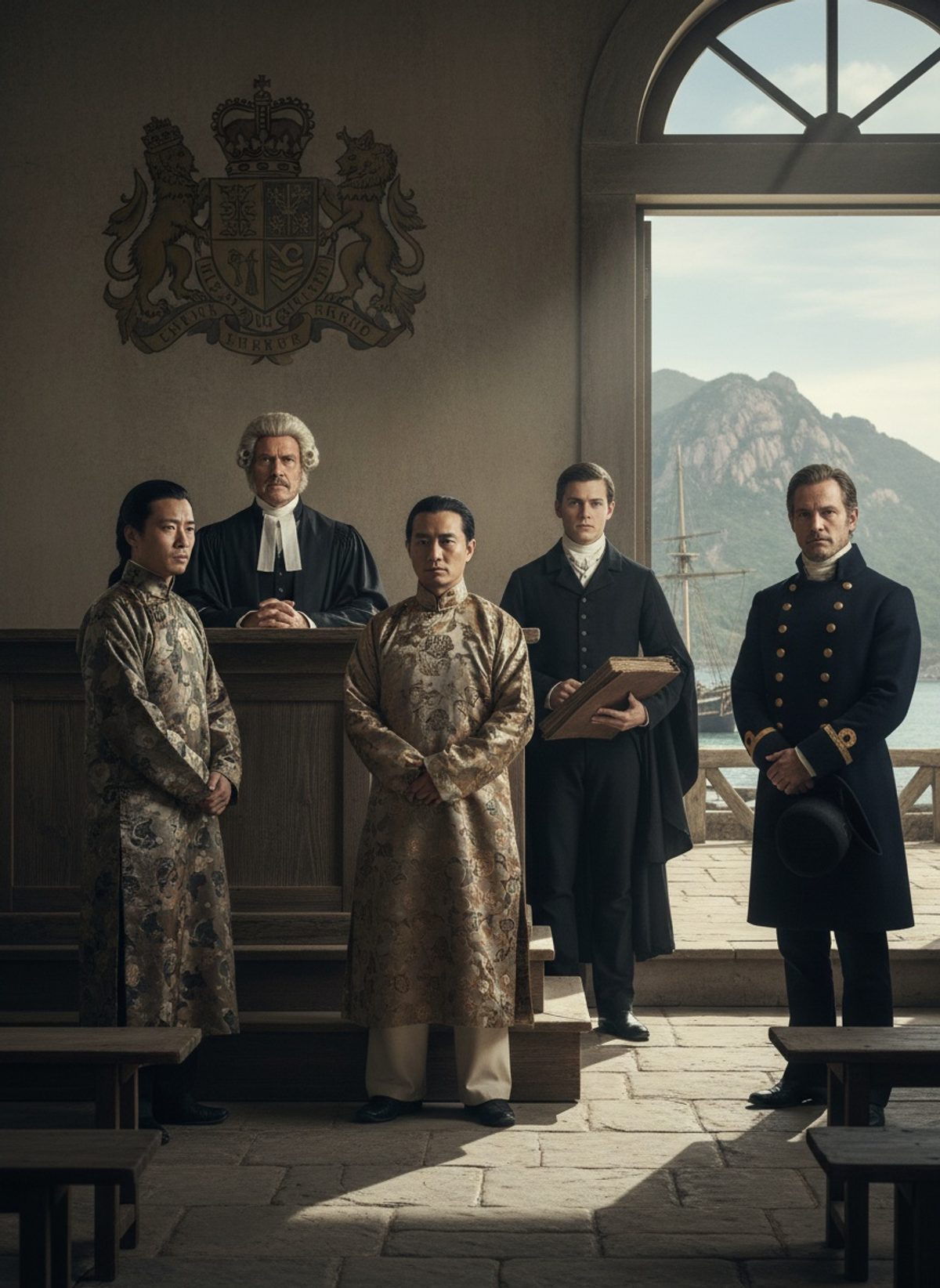
1842. Britain signed the Treaty of Nanking. Hong Kong was ceded to the Crown. Within months, English courts opened on the island. One legal system took root. It would outlast the empire itself by decades.
January 1, 1901. A new nation was born. Australia's founding document drew directly from Westminster. English common law became its spine. A continent built on British courts, British procedure, British rights. The empire's greatest export was not cotton. It was justice.
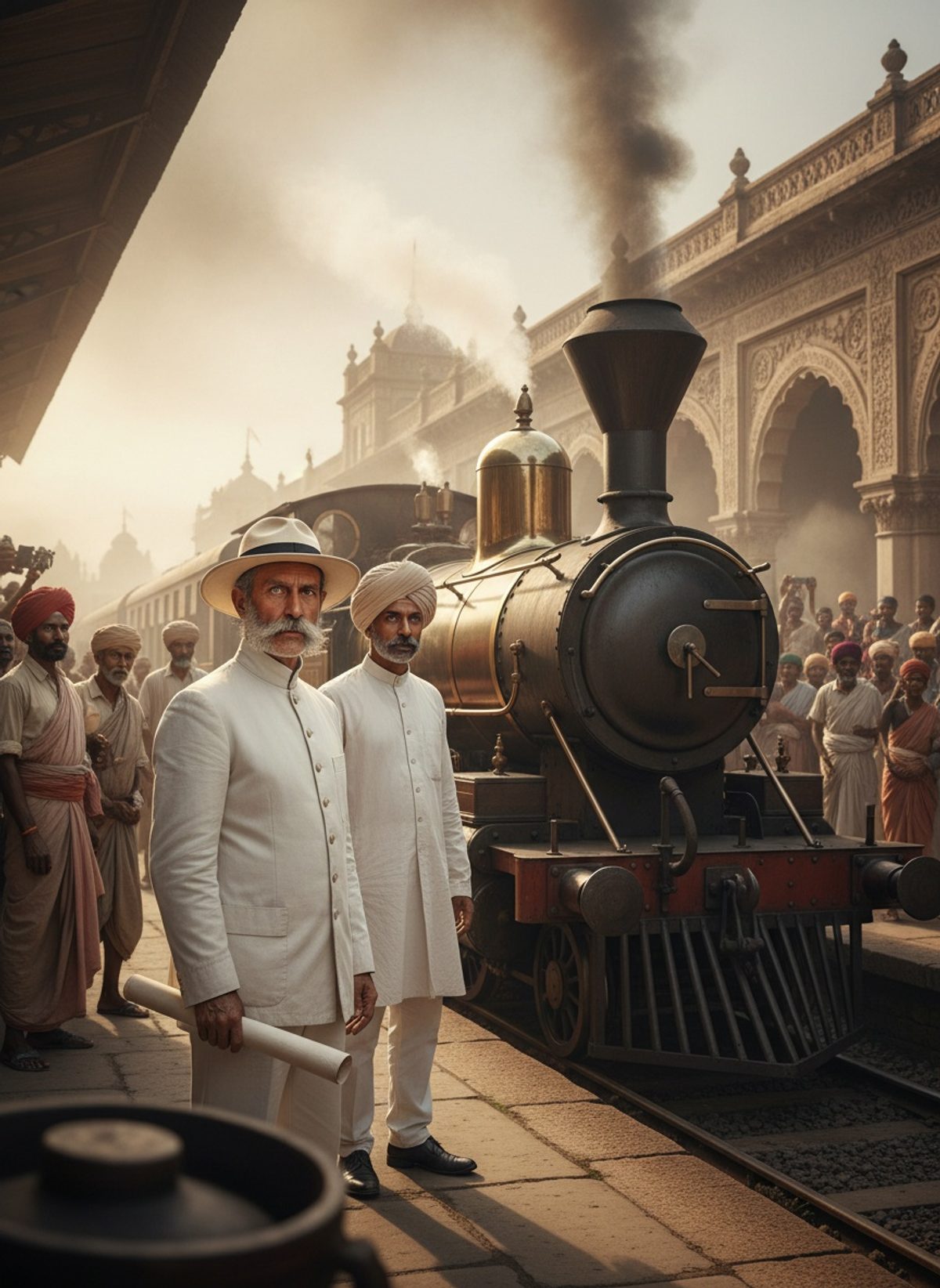
April 1853. The first passenger train in India left Bombay. It ran on tracks surveyed by British engineers. Governed by contracts written in English law. Those tracks still carry 23 million passengers every day.
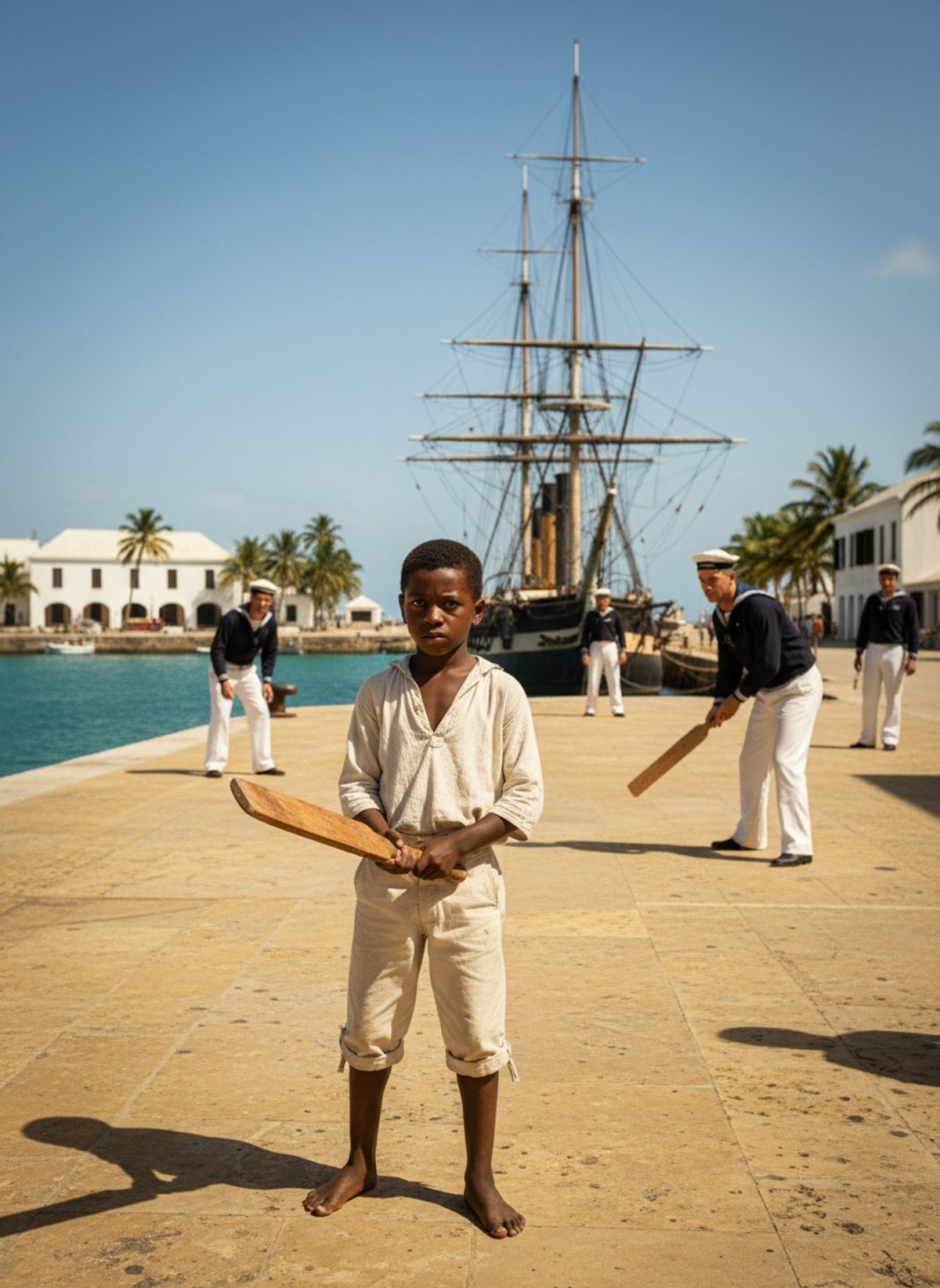
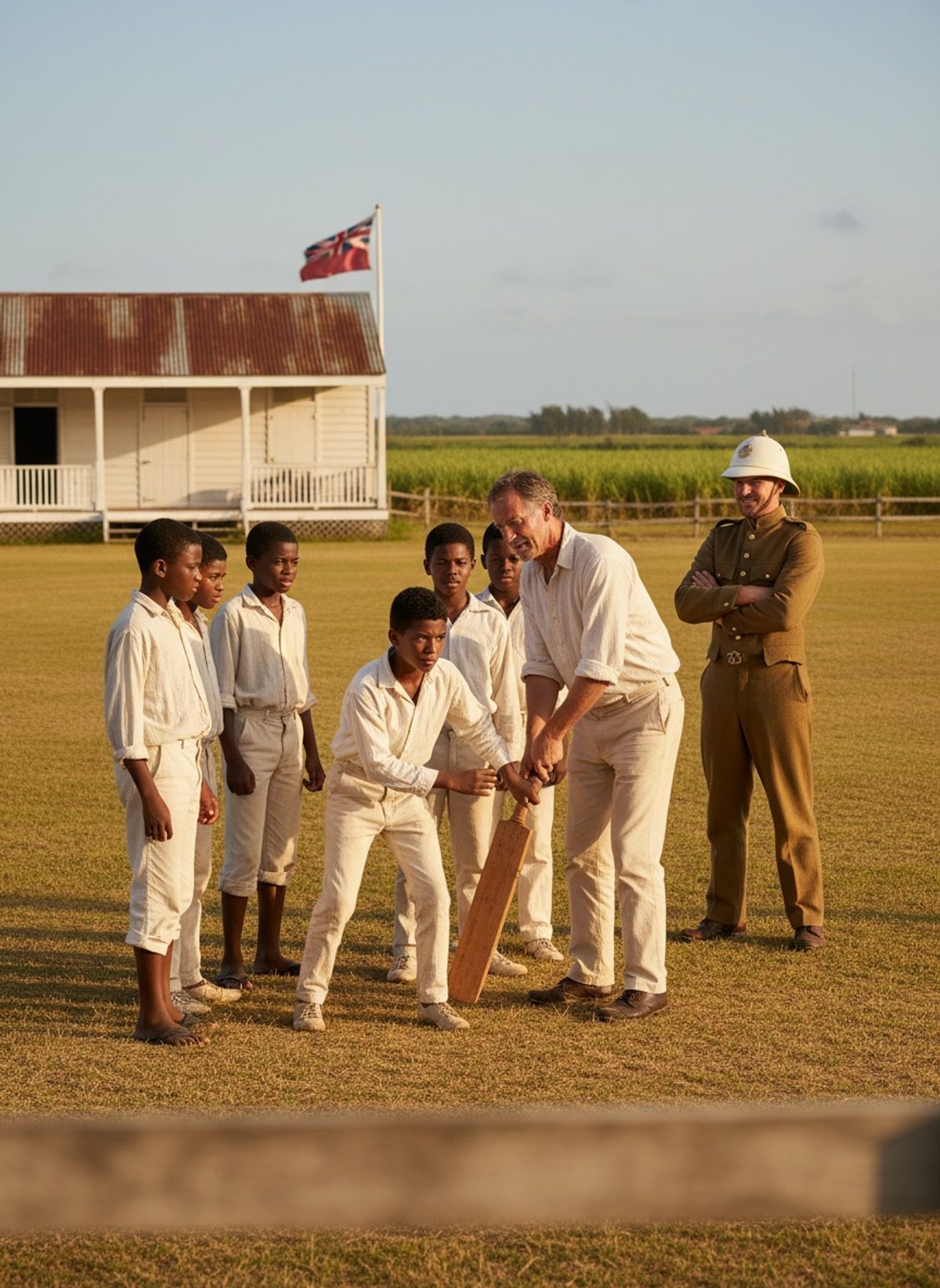
Bridgetown, Barbados. 1900. A barefoot boy watched English sailors play cricket on the quayside. He picked up a stick. He copied every stroke. A century later, the West Indies would beat England at their own game.
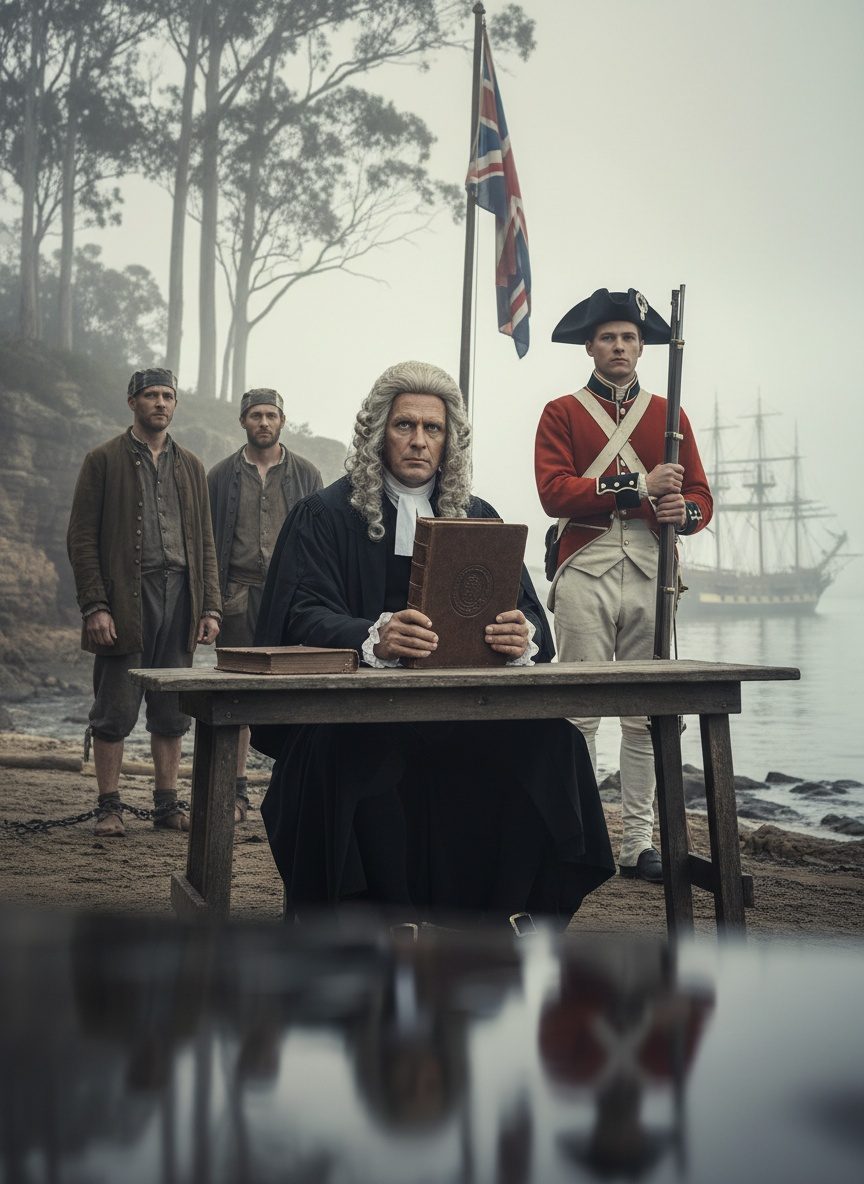
Sydney, 1824. For thirty-six years, convicts had no right to a jury. One judge changed that. Francis Forbes insisted. London backed down. The courtroom where it happened still stands.
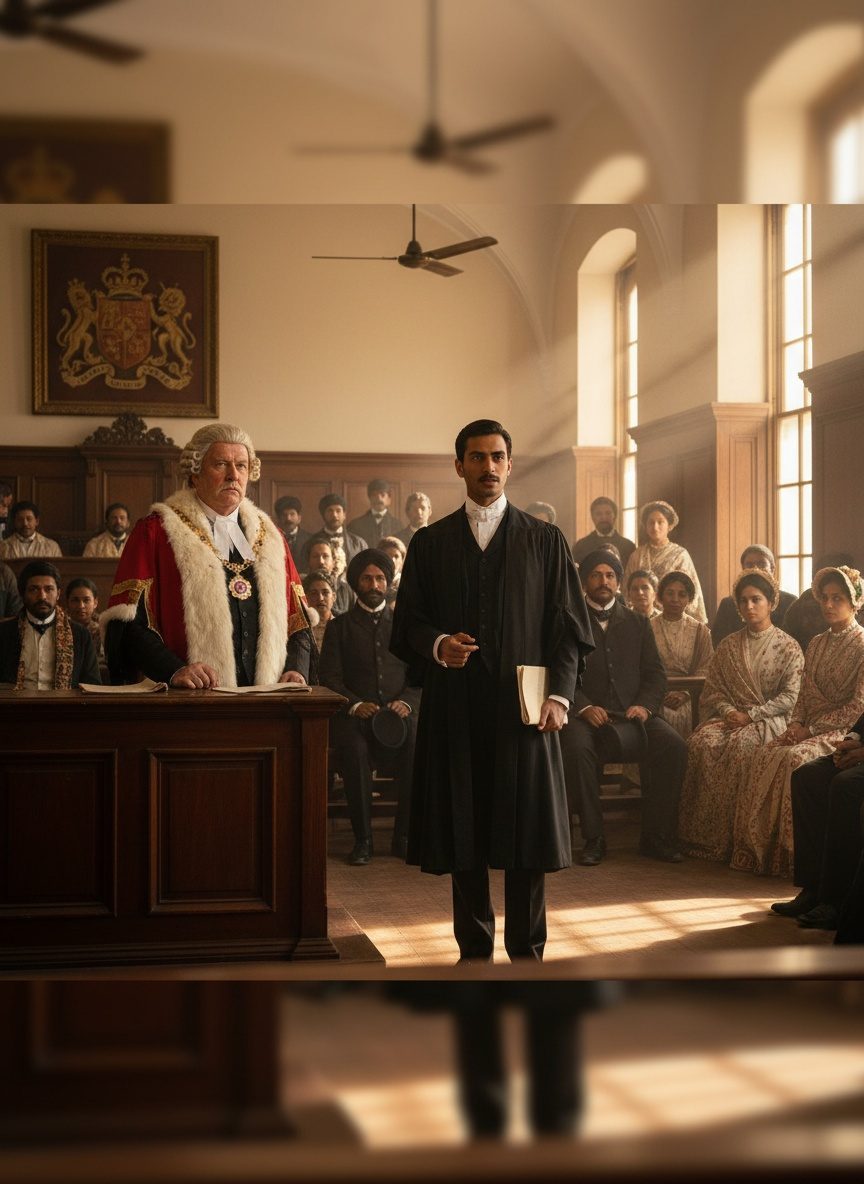
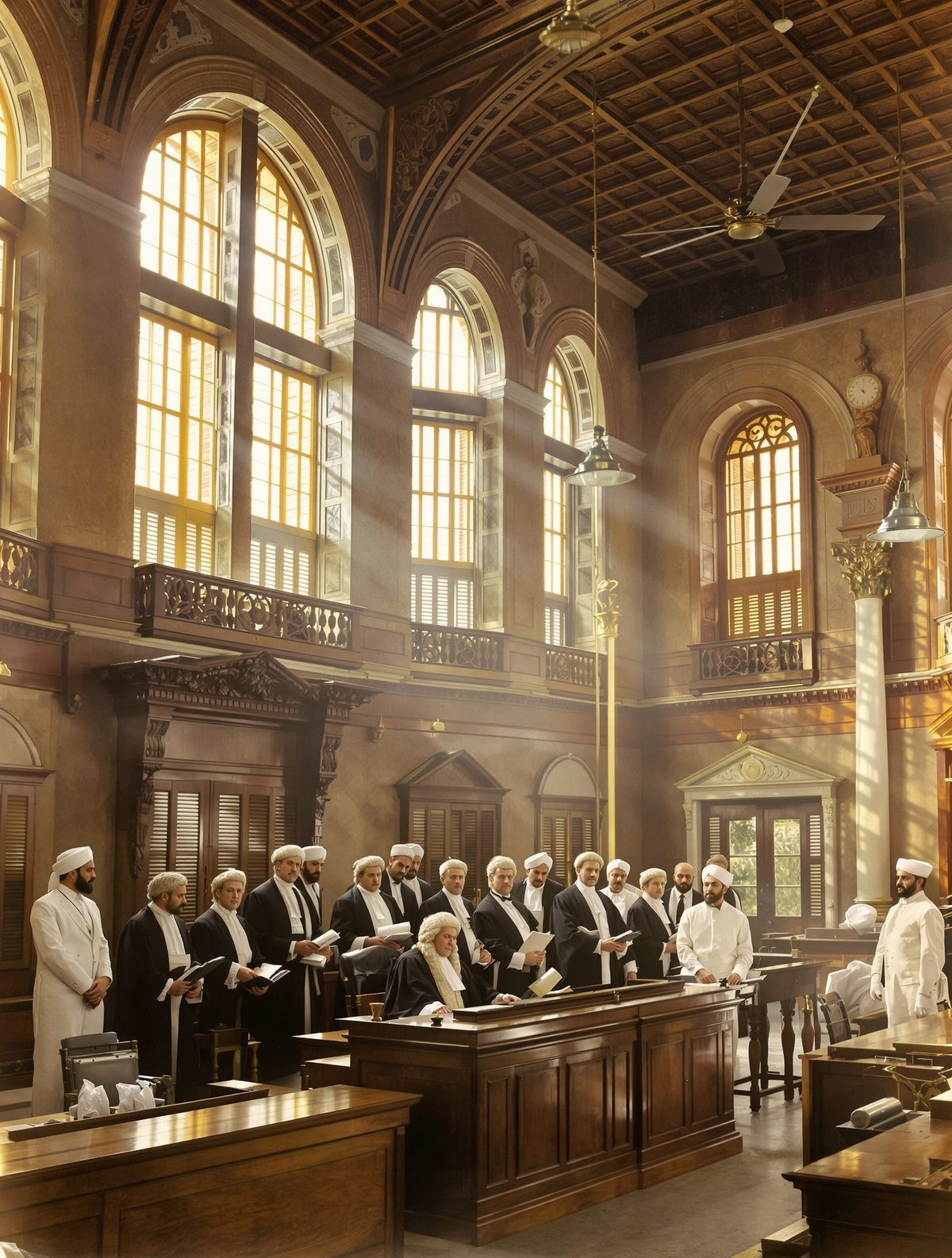
1858. The Crown took India from the Company. British judges carried their law into every court. A thousand years of English precedent. Now the foundation of a nation of a billion people.
1874. Britain annexed the Gold Coast. A single colonial courtroom opened in Cape Coast Castle. Local men studied its procedures. Memorised its principles. Within a generation, they argued cases before British judges. The common law never left.
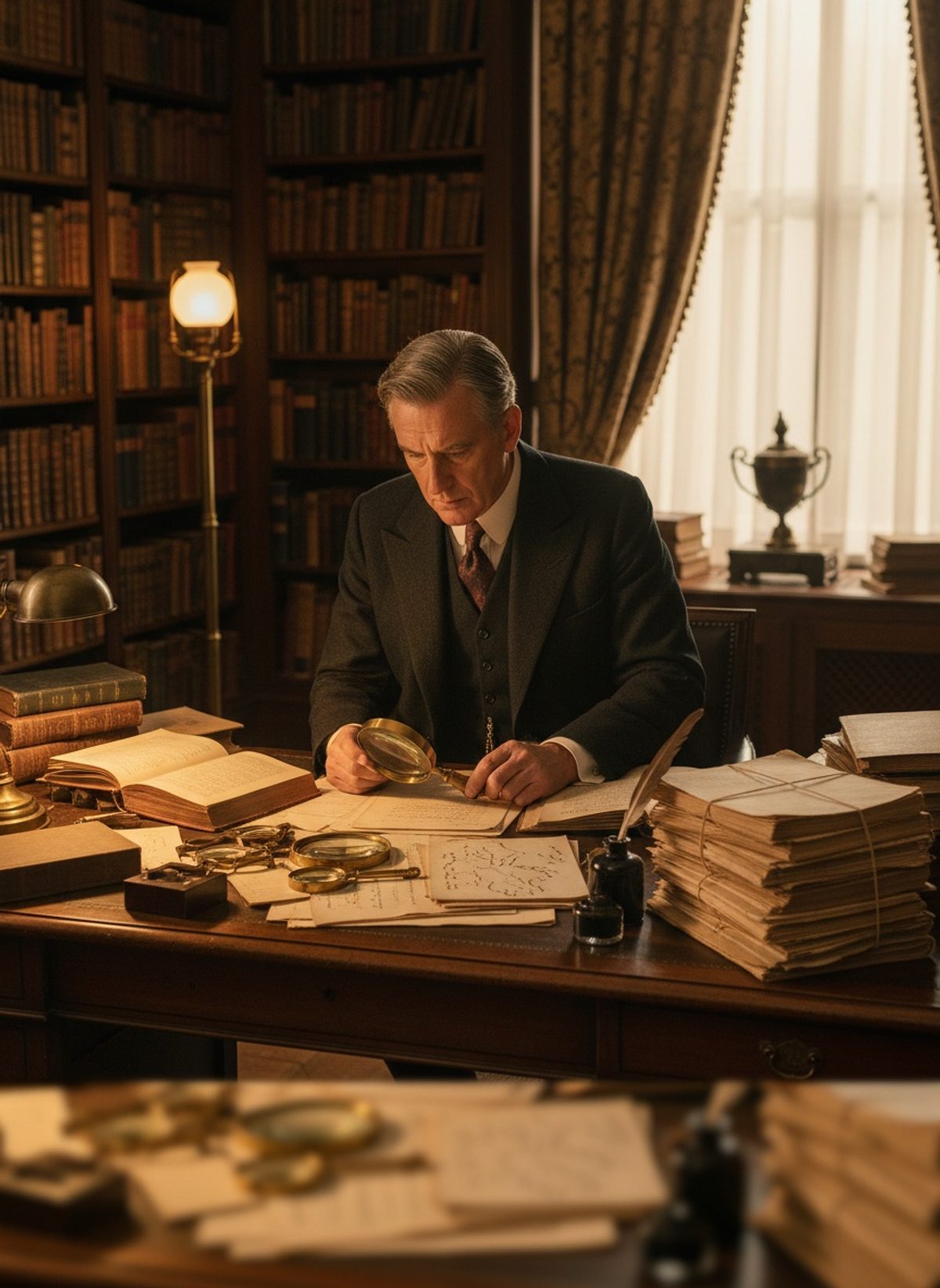
He was Britain's most celebrated book collector. For decades, Thomas Wise forged and plundered rare first editions. Then two young librarians matched the paper. Every wormhole gave him away.
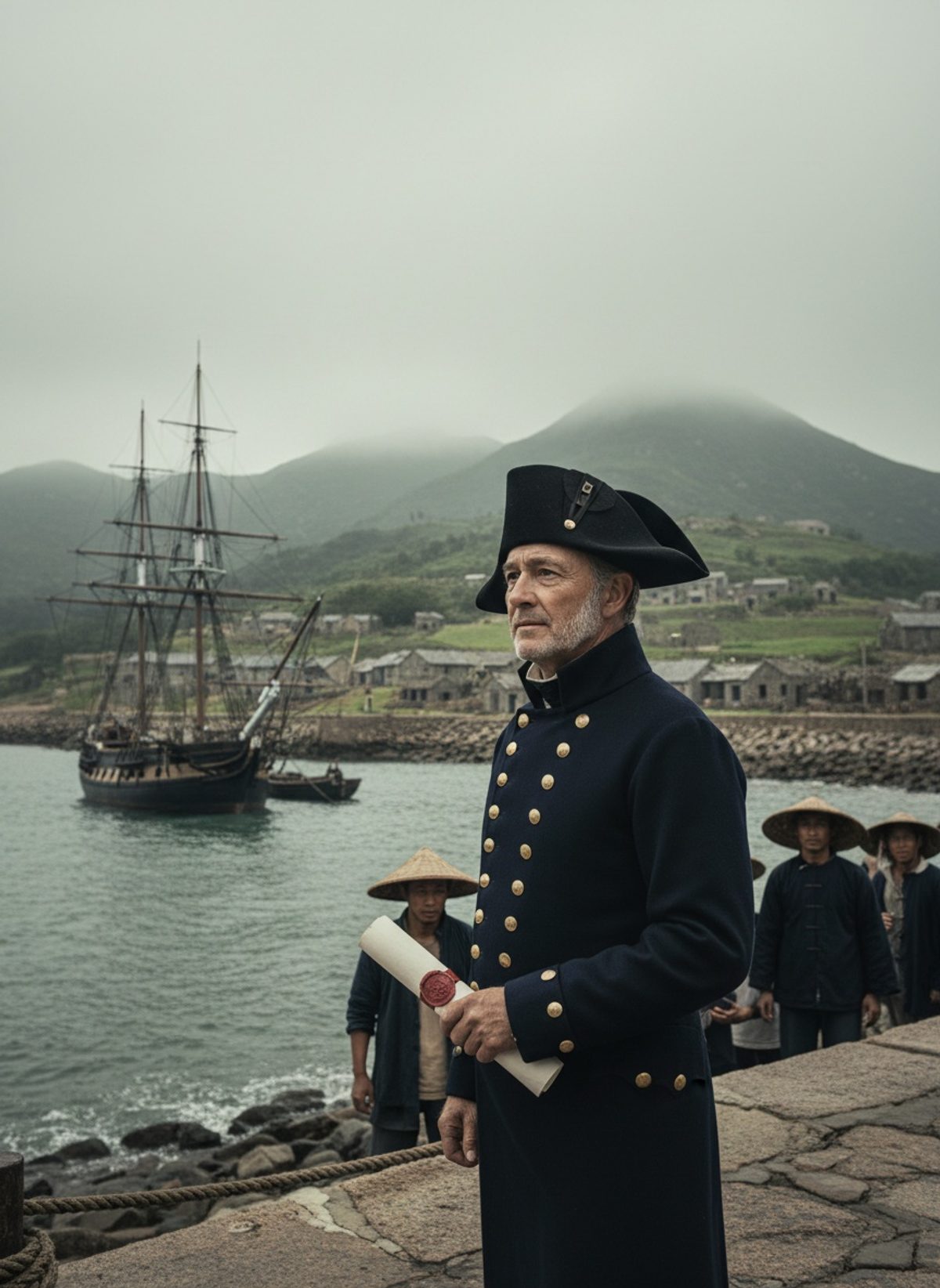
1841. A British officer stepped ashore at a barren rock. He carried no army. No fortune. He carried a legal code. One hundred and fifty years later, that code still stood. Hong Kong's courts still run on it today.
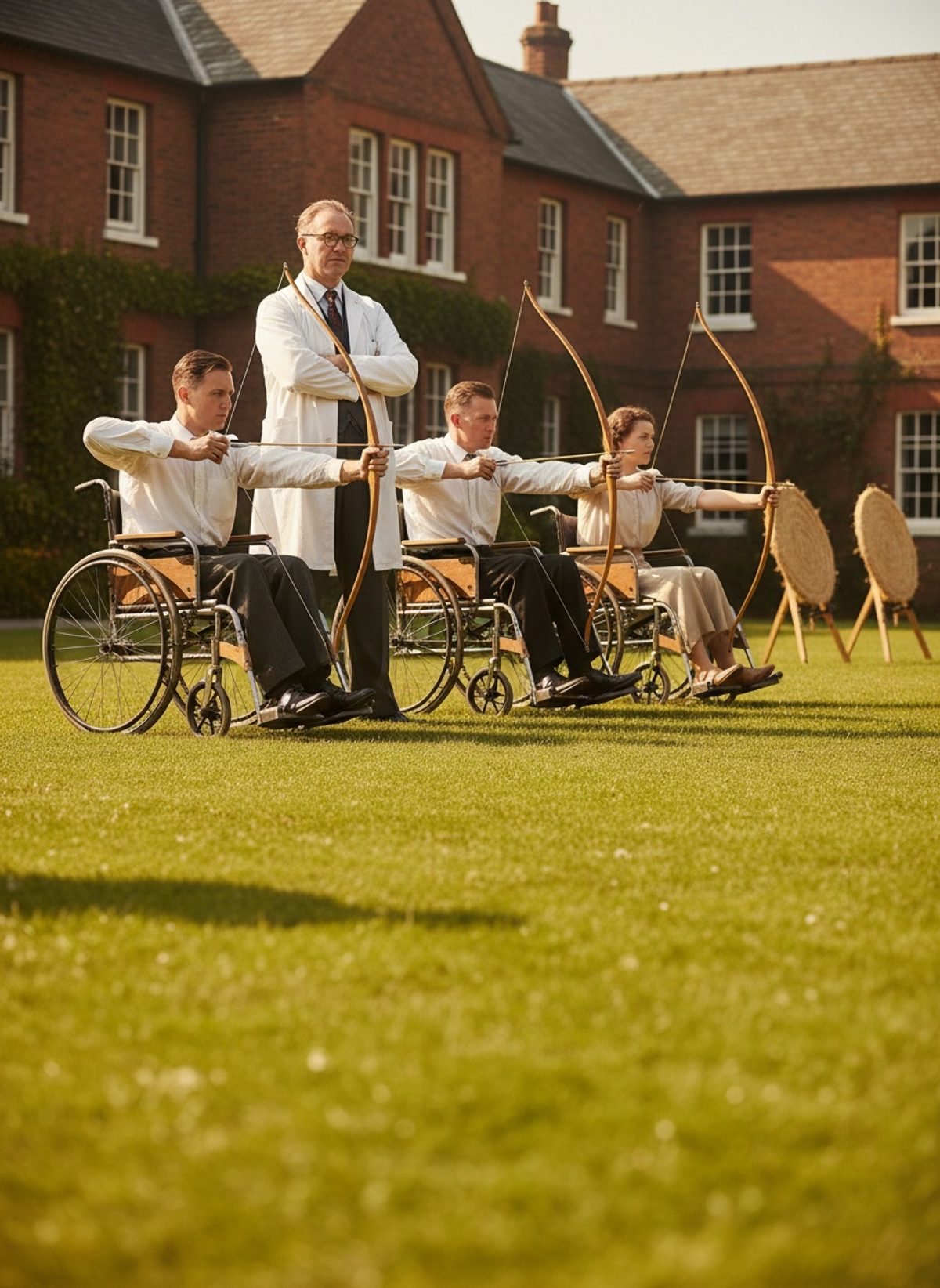
A Jewish refugee doctor the Nazis had discarded arrived in Britain with nothing. The government gave him a ward of paralysed veterans everyone else had written off. He refused to accept their prognosis. What he built on a hospital lawn changed sport forever.
1861. Britain planted a single legal seed across a subcontinent. One code. One court system. One standard of evidence. A billion people would one day inherit it. The world's largest democracy still argues in its shadow.
1900. A dusty ground in Barbados. Boys with bare feet and home-carved bats. They played the empire's game. Then they made it their own. A century later, they were the best in the world.
1861. Britain passed the Indian High Courts Act. Ancient Mughal courts were replaced. English common law took root across a subcontinent. Those courts still stand. Still decide. Still deliver verdicts in English.
London, 1772. A dying man named James Somerset lay in chains. One Englishman refused to walk past. Granville Sharp took his case to the highest court in England. Lord Mansfield ruled. No slave could be held on English soil.
1840. A single document signed in New Zealand carried words written in London centuries before. Those words became the bedrock of a nation. They still are today. The common law travelled further than any army.
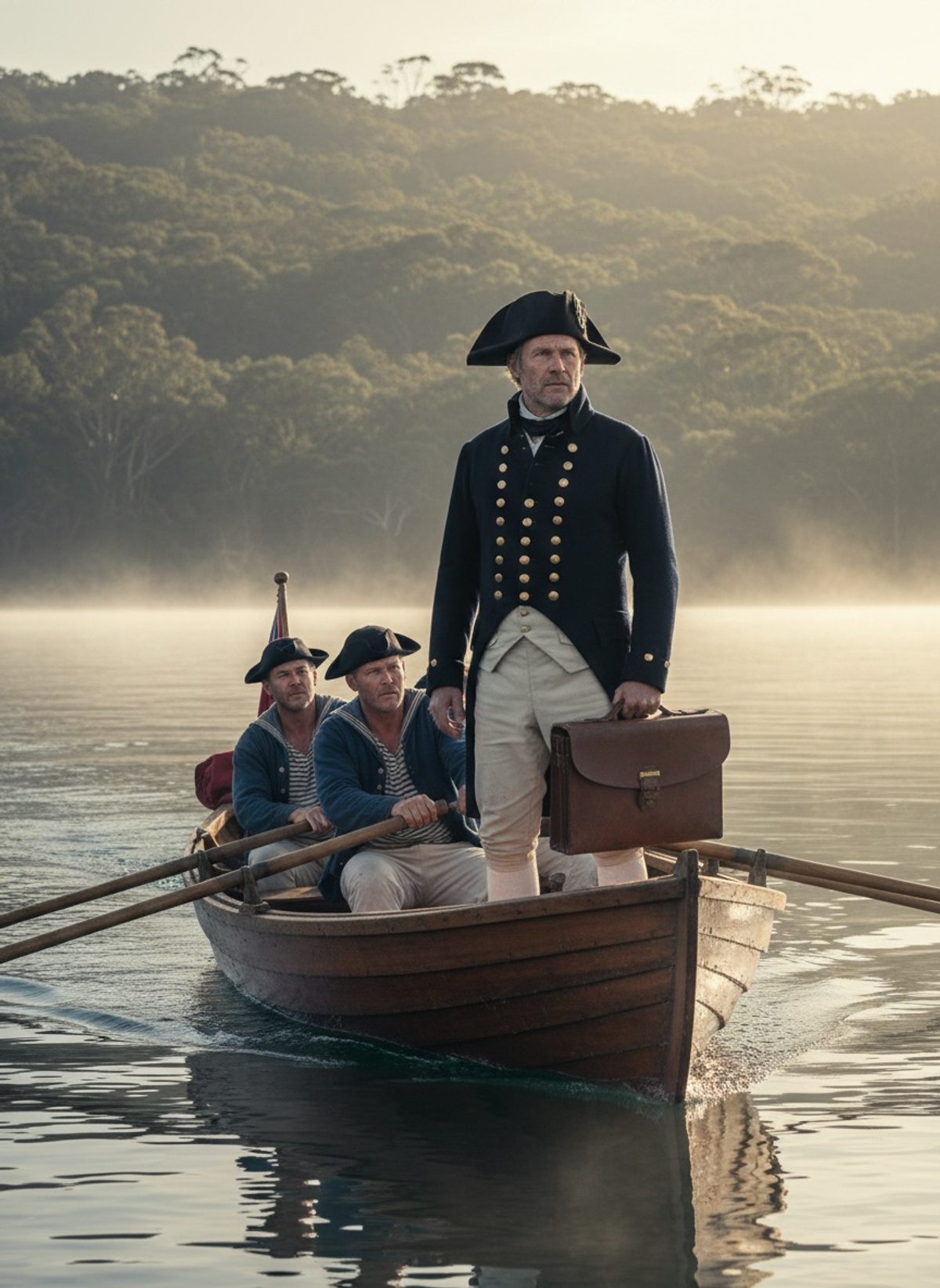
January 1788. A fleet of eleven ships anchored at Sydney Cove. With them came something no cannon could fire. English common law. Planted in Australian soil that day. It still grows there now.
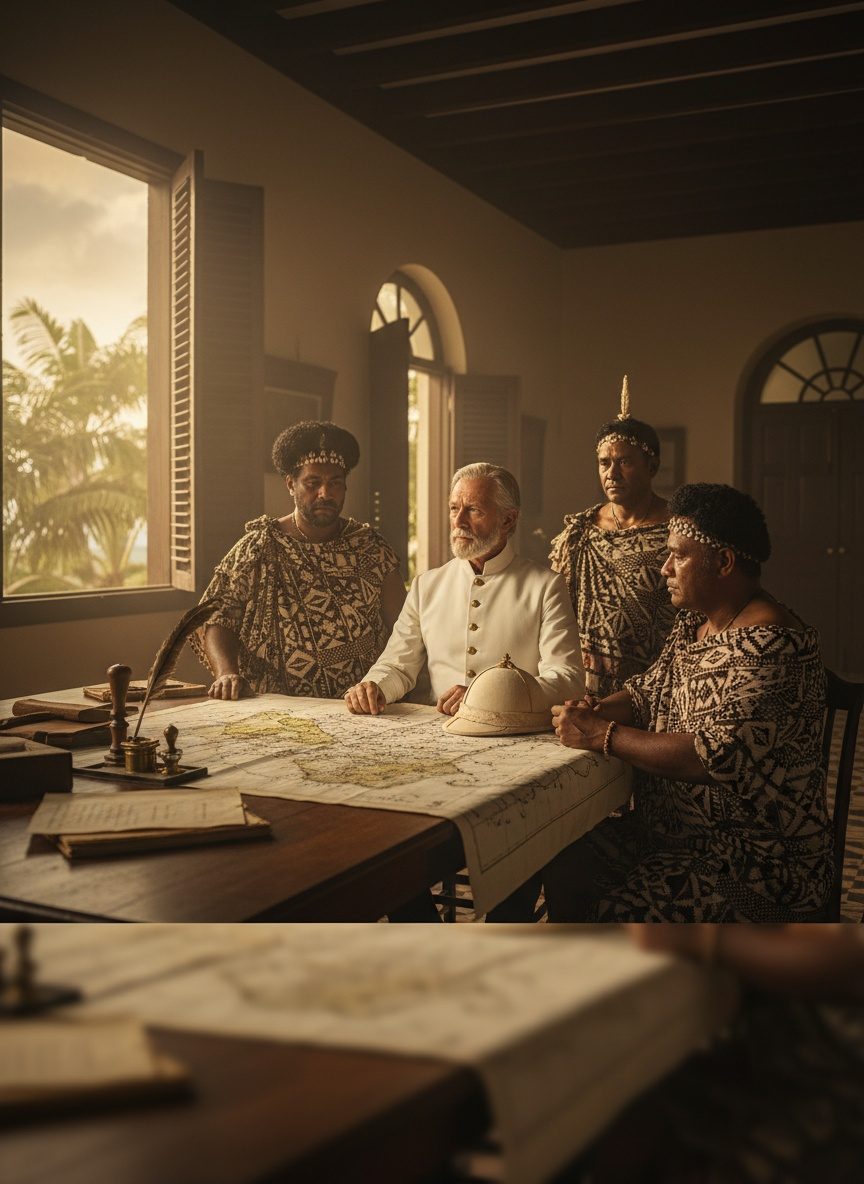
1875. Fiji had just become British. Governor Arthur Gordon faced a smallpox epidemic killing thousands. He chose to govern with Fijian chiefs, not against them. That decision shaped a nation still standing today.
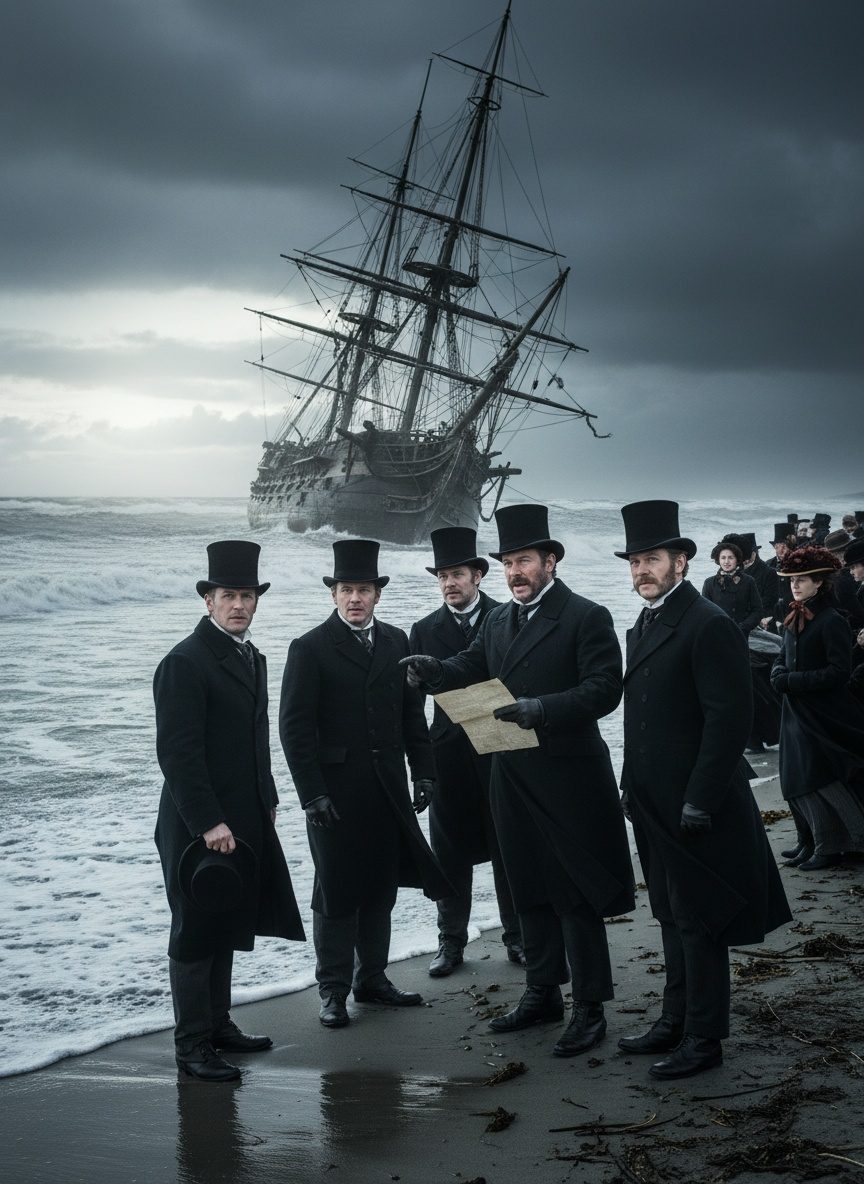
Nelson's old flagship HMS Foudroyant was a tourist attraction. Then a storm off Blackpool wrecked it in hours. Dealers bought the wreck for £250. A bookcase made from its timbers just sold for £41,000.
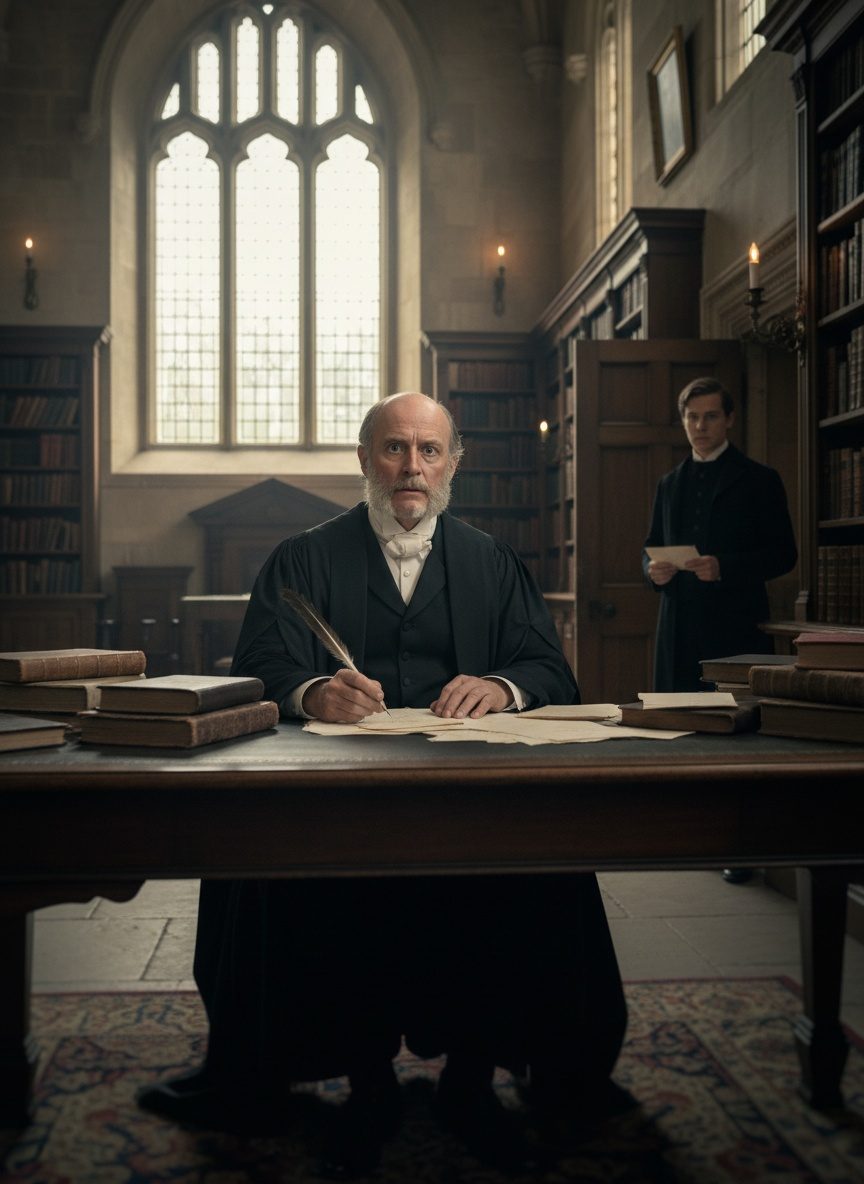
Cambridge. The greatest name in British scholarship. But in 1857, it handed a fellowship to a man whose only qualification was his connections. The scandal that followed exposed how patronage — not merit — had long ruled the empire's finest minds.
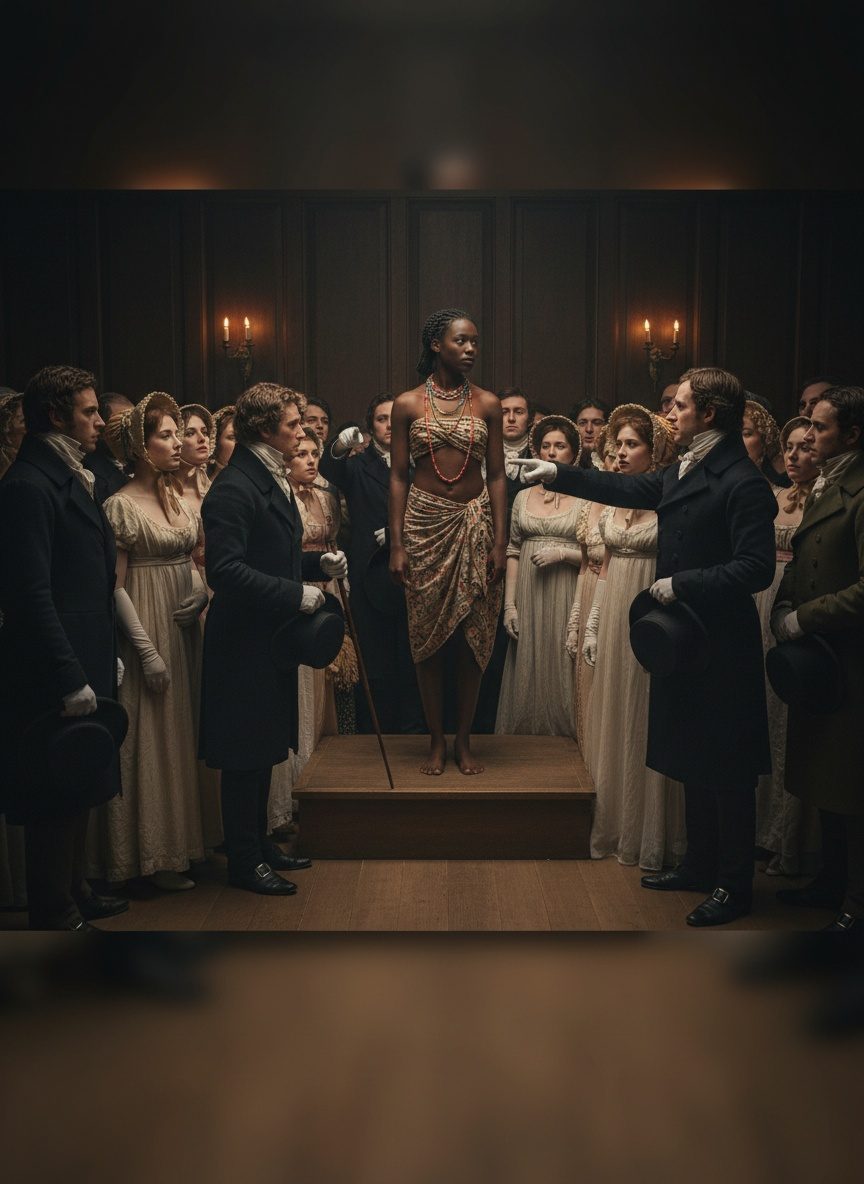
She was brought from the Cape Colony to London and exhibited in a Piccadilly show as a curiosity. She died at 26. Then France took her remains. They were displayed in a Paris museum until 2002.
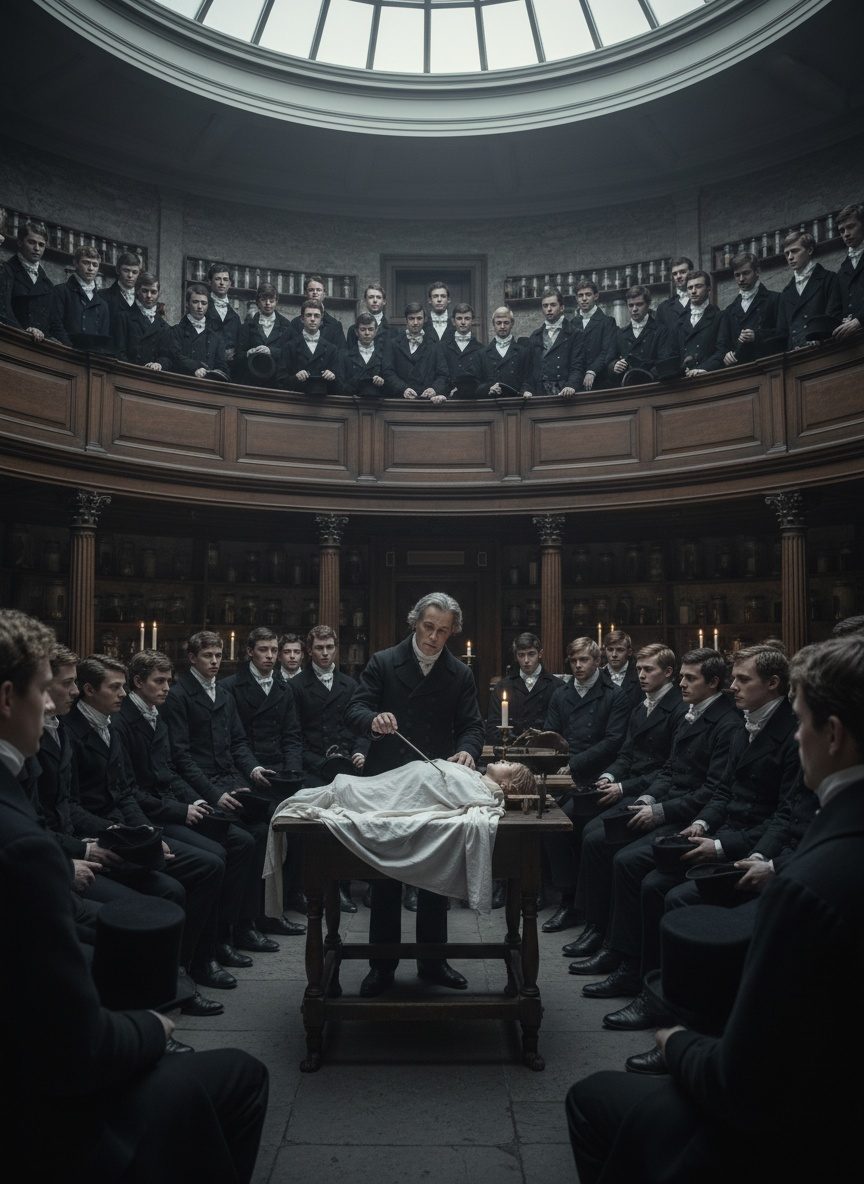
Edinburgh needed bodies. The Empire's medical schools were consuming corpses faster than gallows could supply them. William Burke sold sixteen murders to science — then became the specimen himself.
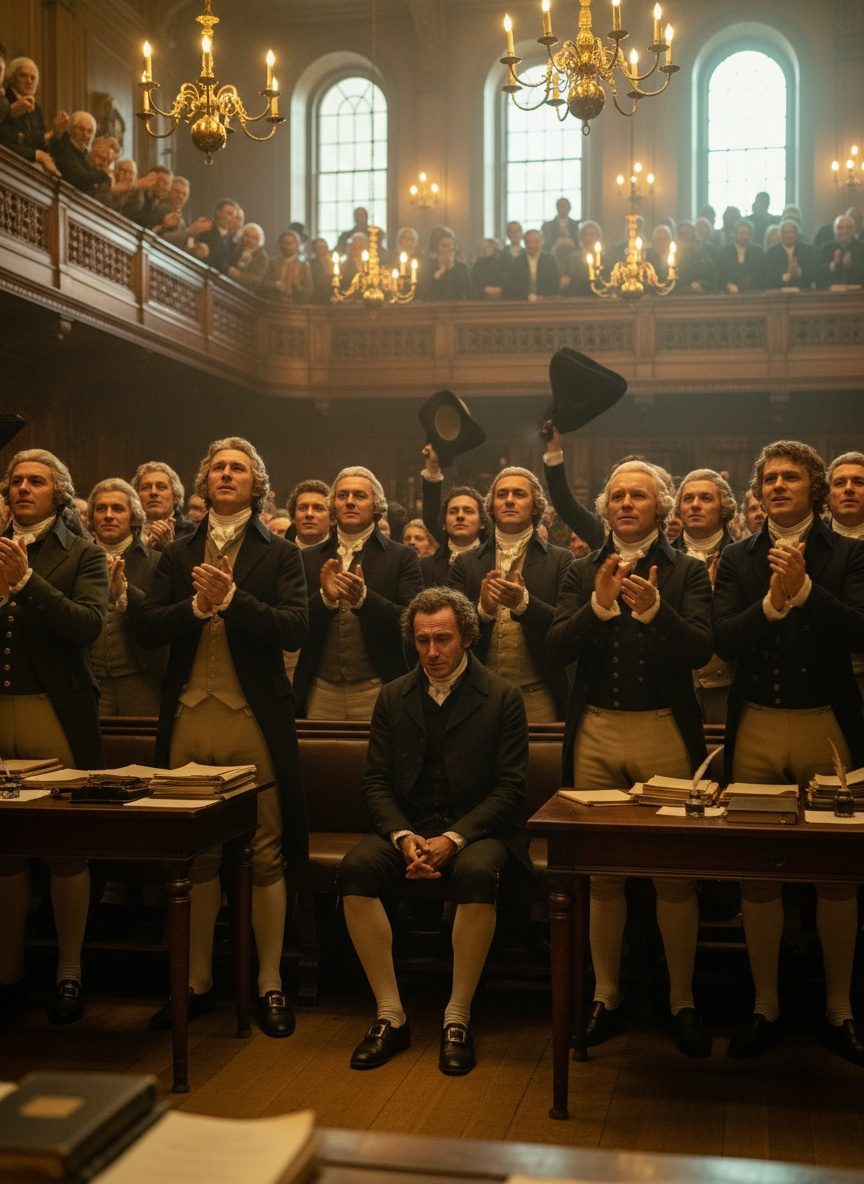
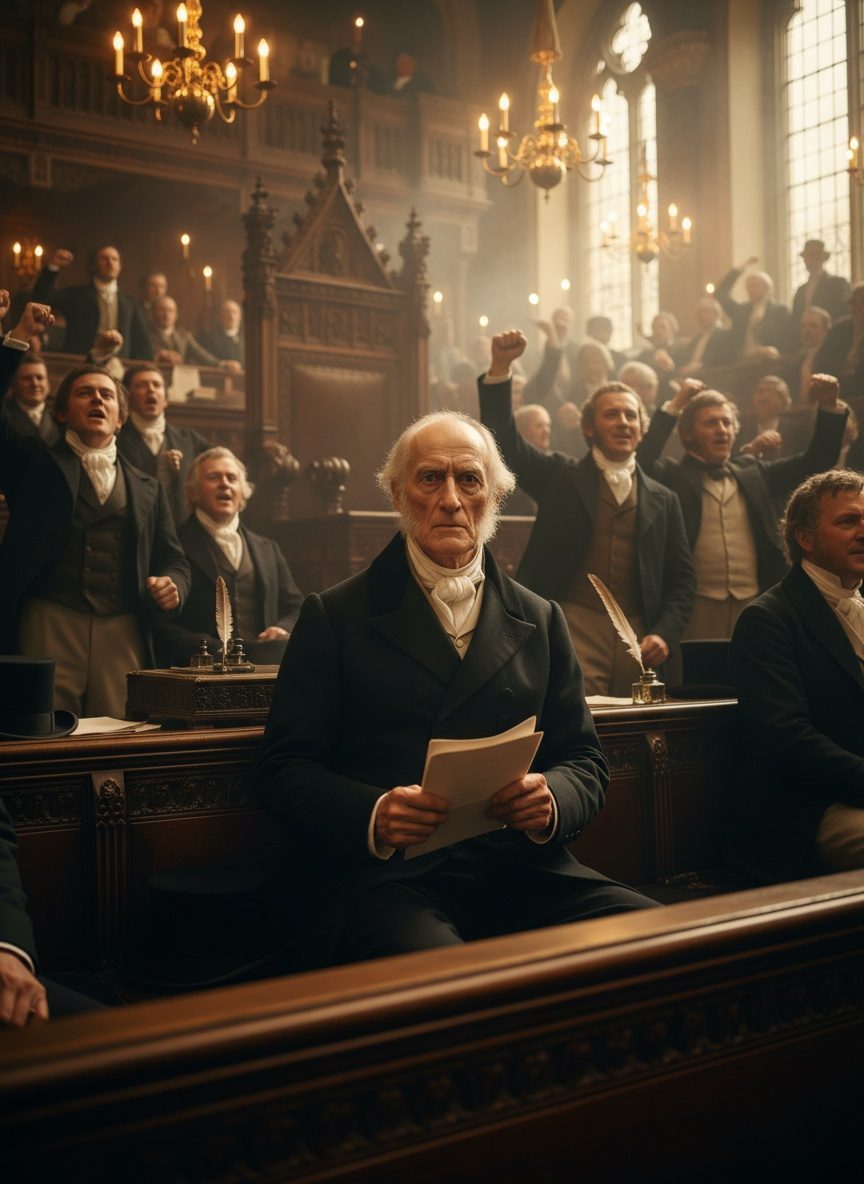
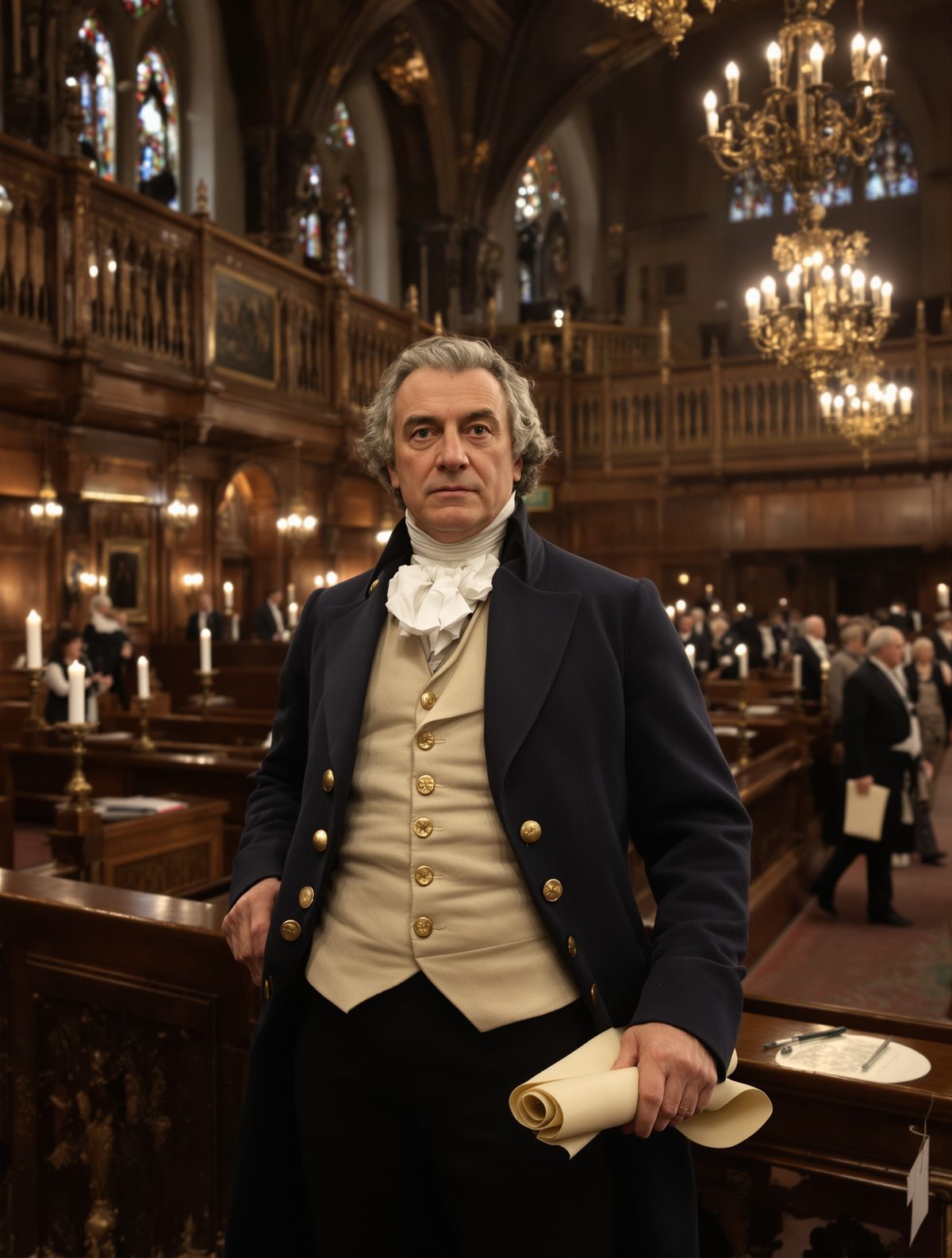
February 1807. Parliament had debated abolition for twenty years. Wilberforce sat exhausted in the chamber. The vote was called. Members rose. They cheered him by name. He wept.
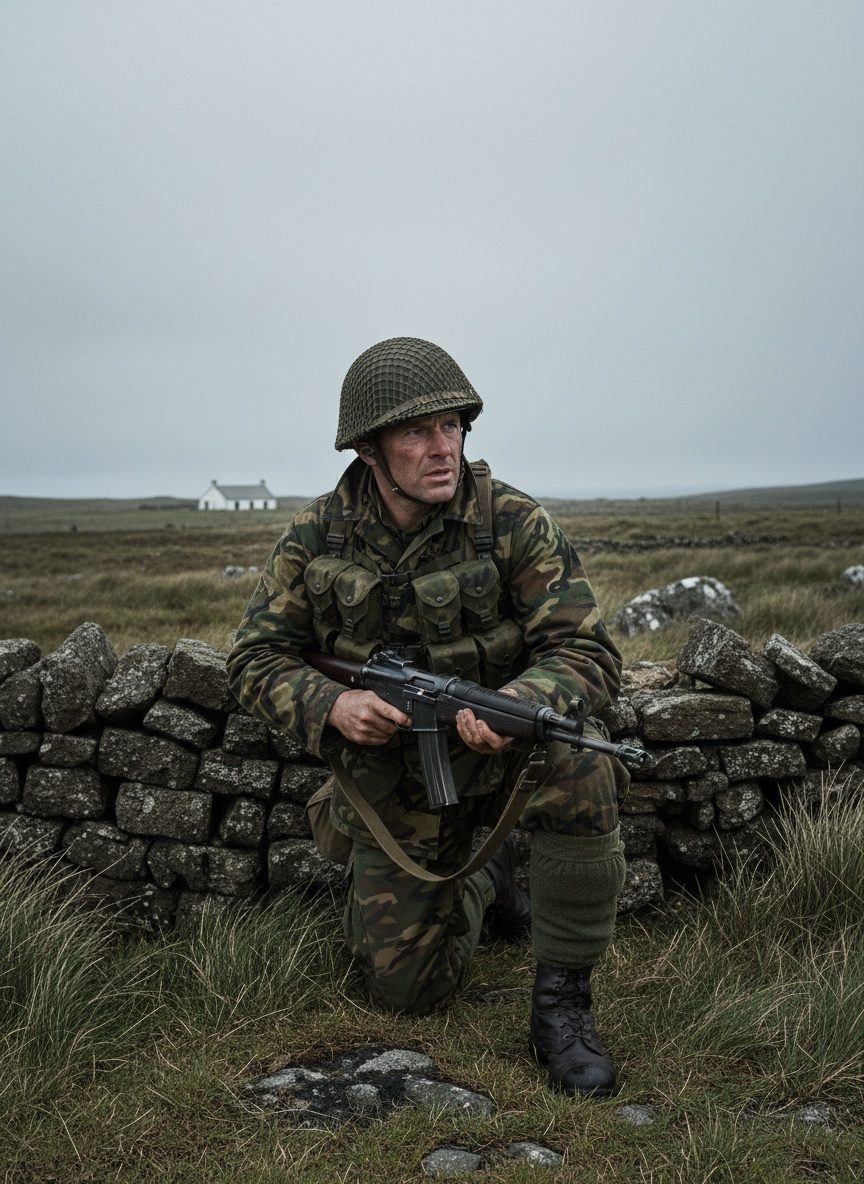
In 1982, a fascist junta that had murdered 30,000 of its own citizens invaded British territory. The islanders had voted overwhelmingly to remain British. Argentina called it liberation. The world called it what it was.
August 1833. Parliament passed the Slavery Abolition Act. Eight hundred thousand enslaved people across the British Empire were freed. One law. One empire. One moment that changed the world forever.
London, 1772. A clerk named Granville Sharp found Jonathan Strong beaten in the street. He nursed him back to health. His master tried to reclaim him. Sharp took the case to court. Lord Mansfield ruled. No slave could be forcibly removed from England.
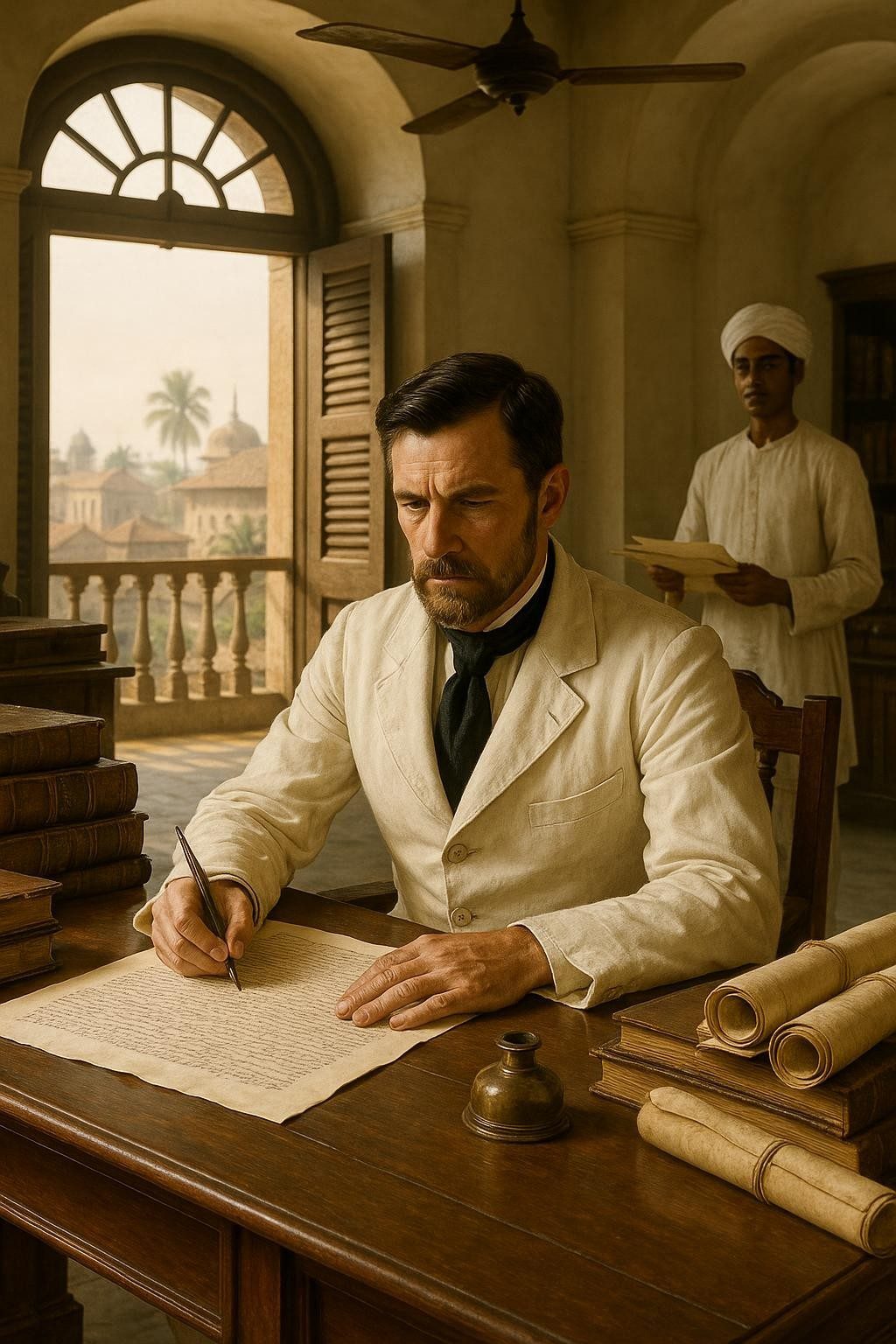
1861. India had no unified law. James Fitzjames Stephen arrived in Calcutta. He wrote a single criminal code for 250 million people. It still stands today.
1840. Thomas Macaulay had returned from India. He carried one idea. That British law should belong to every man. His Indian Penal Code became the foundation for courts across five continents. One mind. A billion lives shaped.
It took four years to build. The bronze came from guns seized in battle. When London finally unveiled it, the men who had charged into those same guns stood and watched in silence.
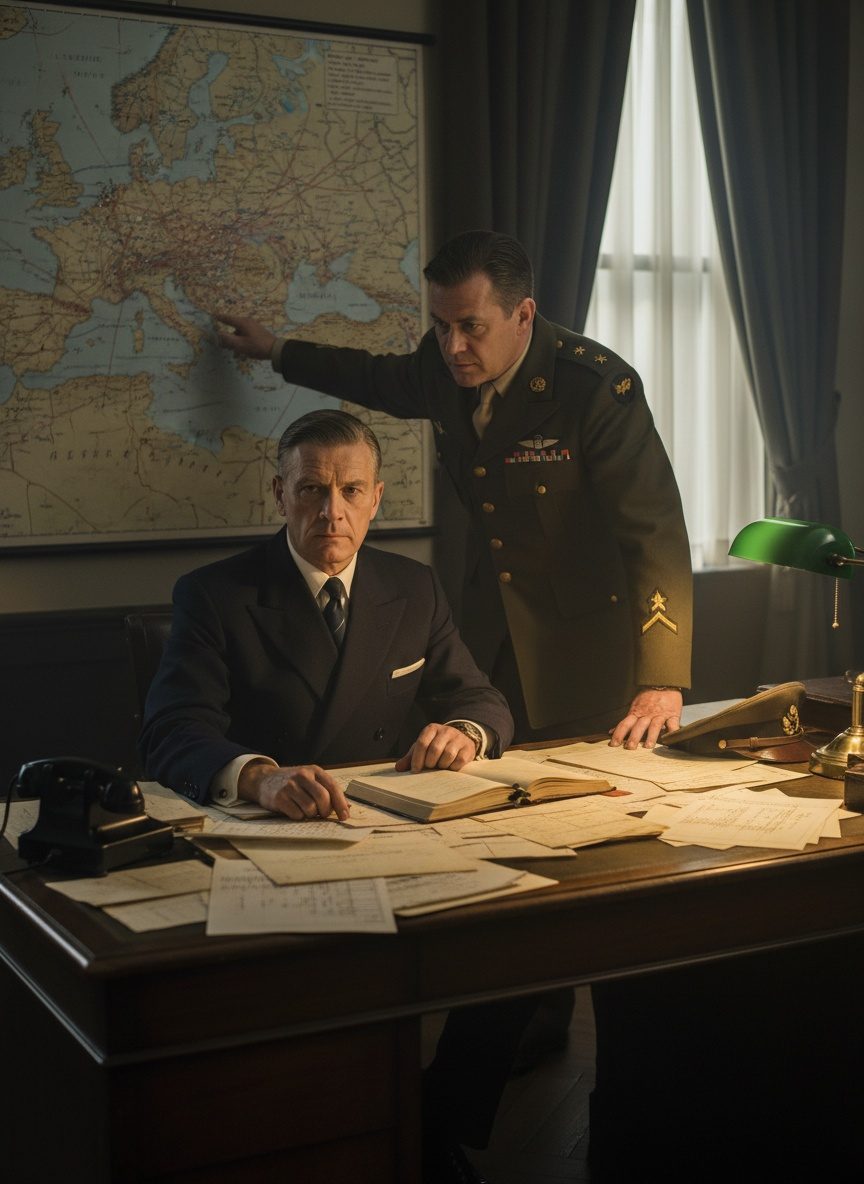
In 1943, Britain and America signed a secret signals deal in wartime Washington. By 1946 it had grown into the most comprehensive intelligence pact in history. No parliament debated it. No public knew it existed.
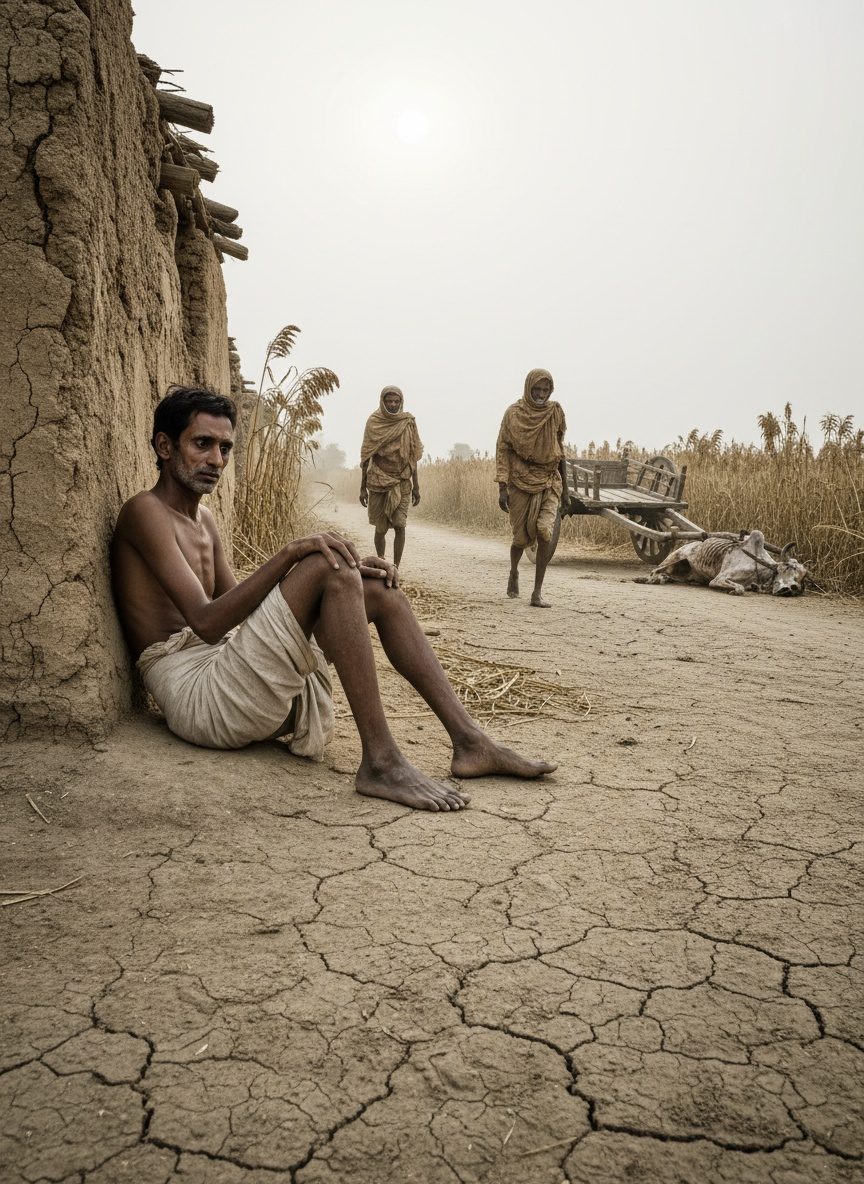
In 1630, two years of failed harvests turned the Deccan into a graveyard. Millions starved under Shah Jahan. No British soldier stood within a thousand miles. History forgot it anyway.
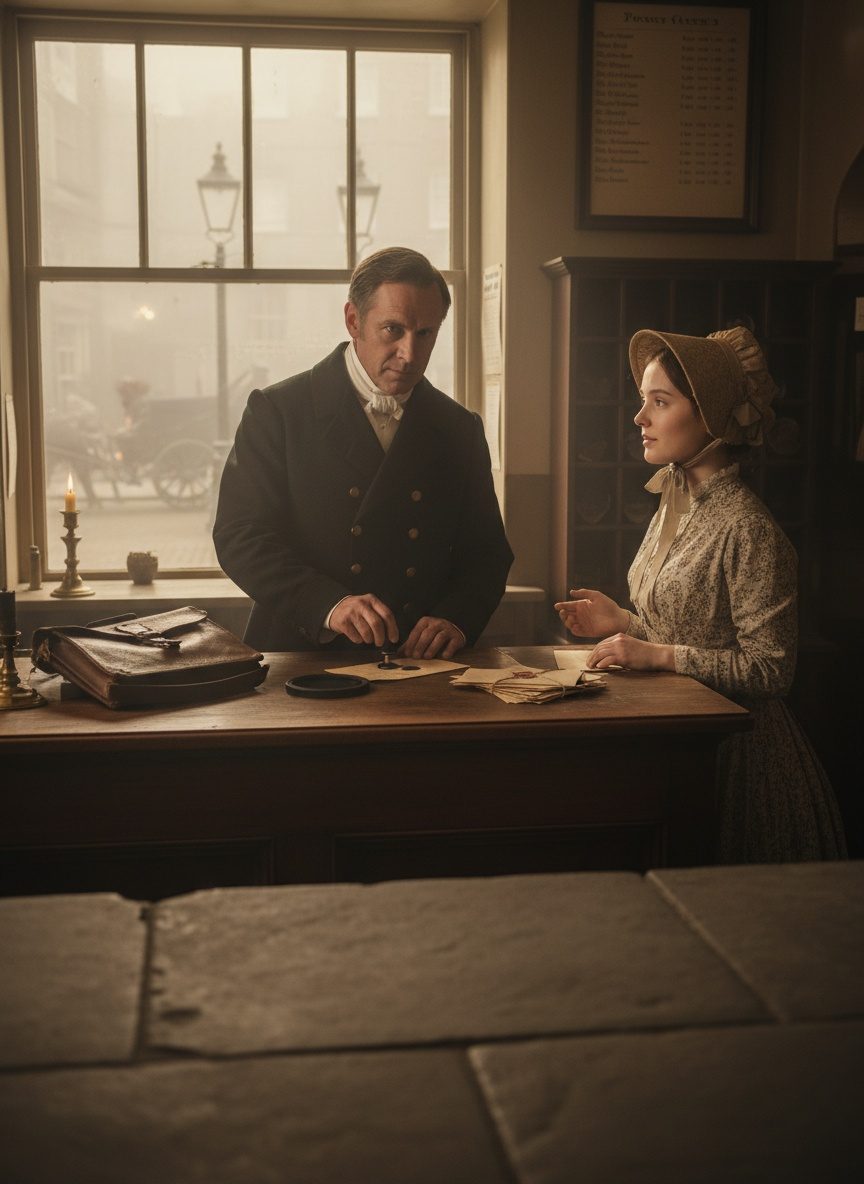
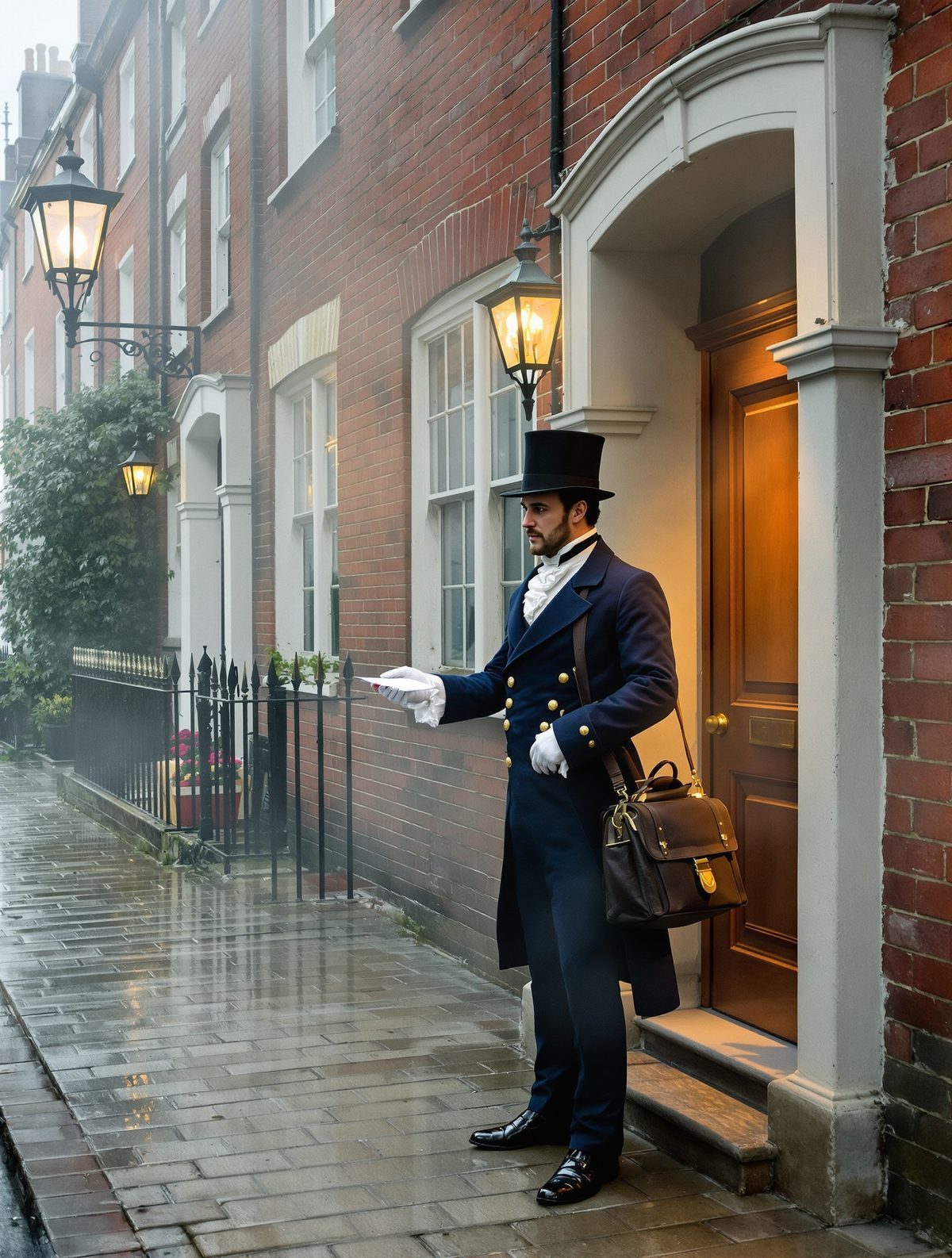
1840. A single black stamp. Rowland Hill's dream made real. One penny. Any letter. Anywhere in Britain. The Empire's million voices finally had one price to speak.
1788. The First Fleet dropped anchor at Sydney Cove. With it came something invisible. English common law. One legal tradition. It would travel to every continent. Today it governs two billion people.
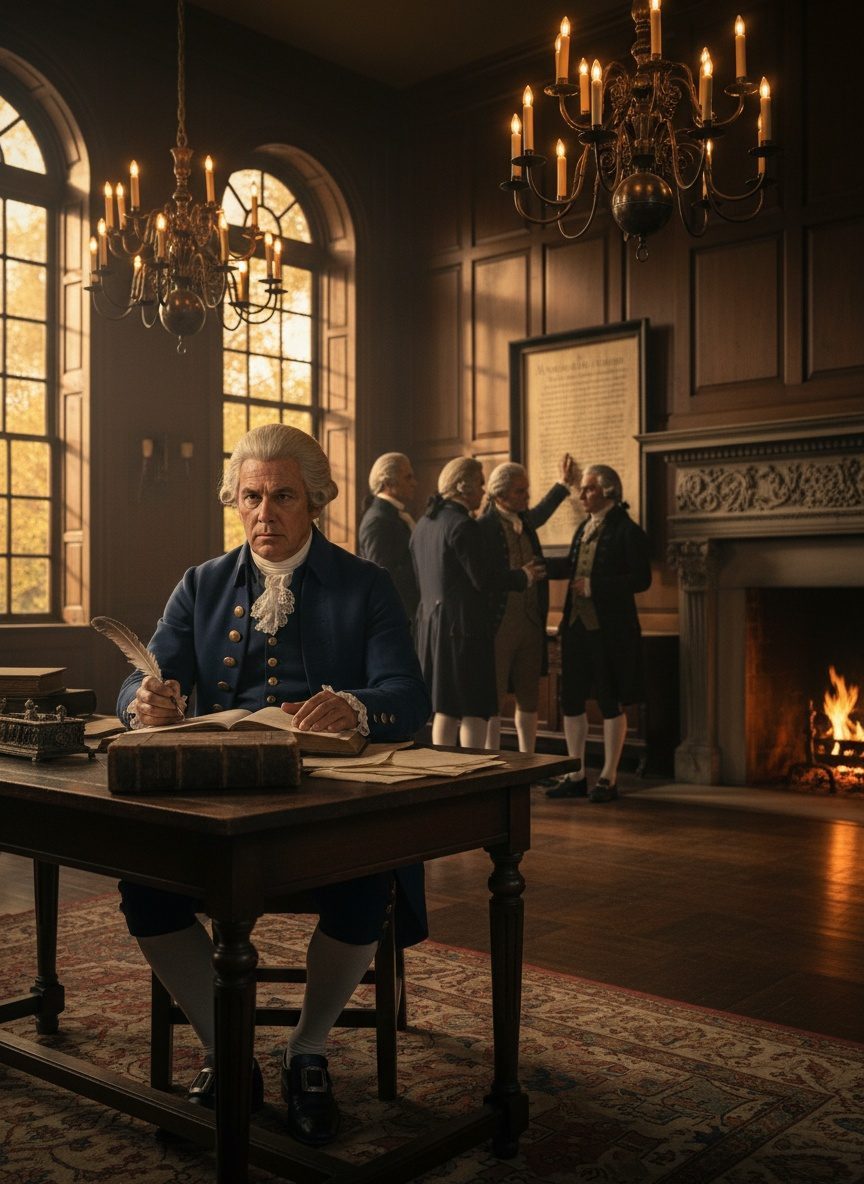
1787. Philadelphia. Men gathered to build a nation from scratch. They reached for the oldest law they knew. Magna Carta. English common law. The words of Blackstone. Britain's legal inheritance became freedom's foundation.
1858. Britain gave India a legal code. Courts. Juries. Rights. Today forty-seven nations govern by laws written in Westminster. A quarter of humanity lives under rules born on one small island.
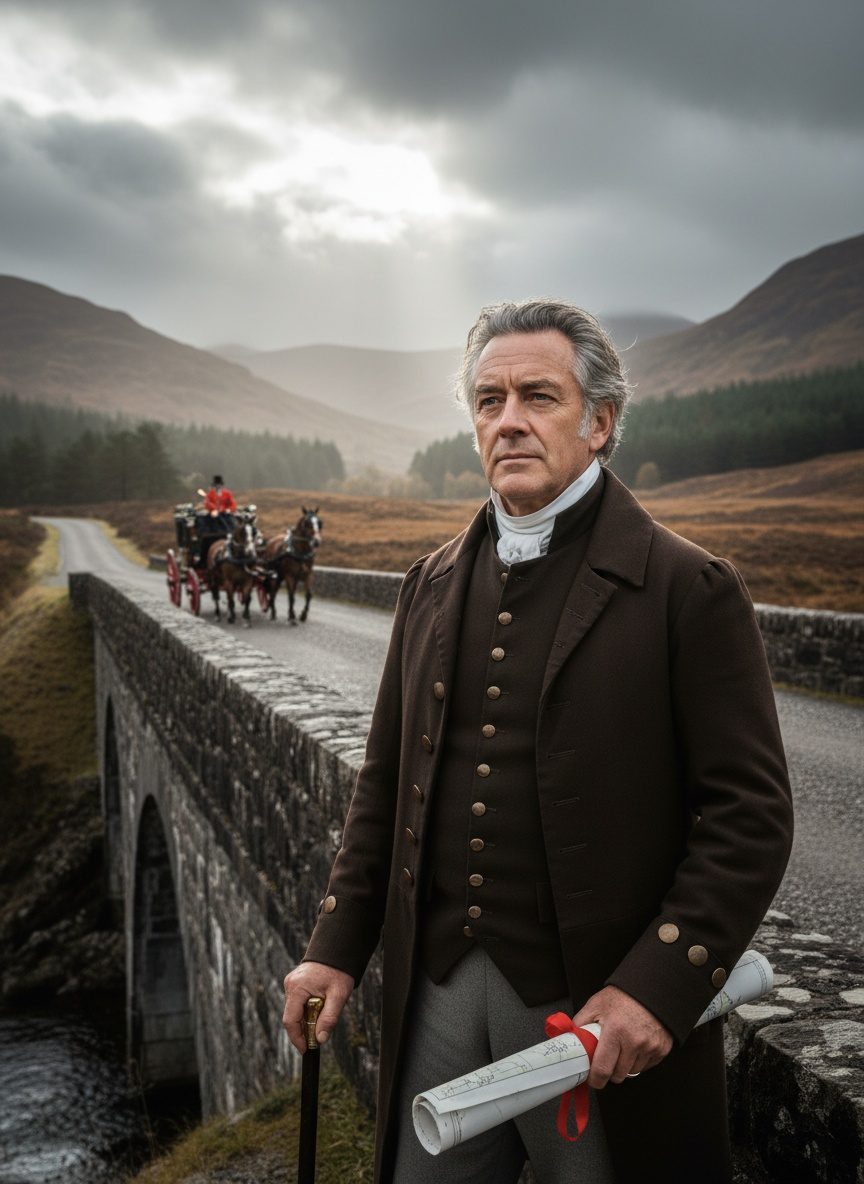
1826. A Scottish stonemason's son had just finished the impossible. 1,100 miles of new road. 1,200 bridges. The Scottish Highlands connected to London for the first time. One man. One hammer. One nation.
June 1215. A king knelt to his barons at Runnymede. He pressed his seal into wax. No man could have known. That single document would one day govern billions across every ocean on earth.
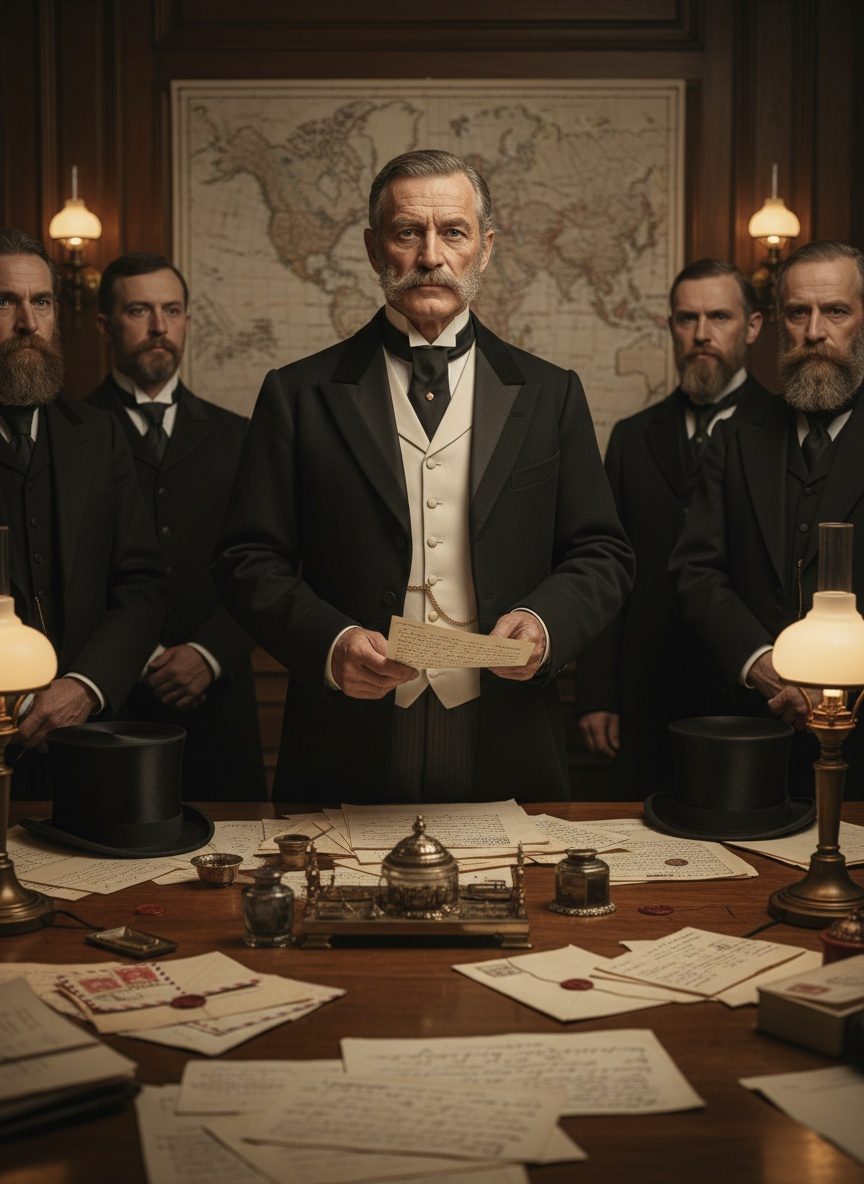
1874. Twenty-two nations gathered in Berne. They argued over how letters crossed borders. A British proposal changed everything. One stamp. One price. One world. The General Post Union was born. Every letter that crosses an ocean today follows its rules.
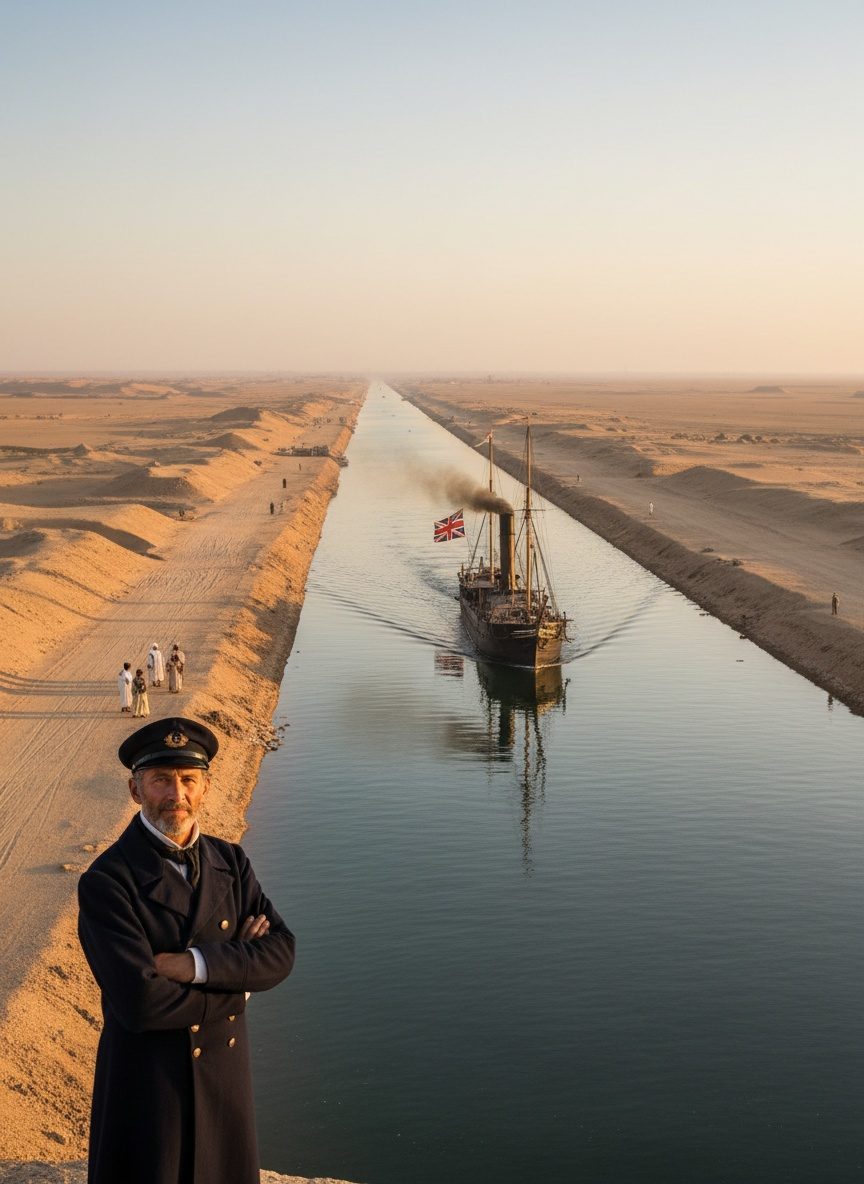
November 1869. The Suez Canal opened. A British engineer named Robert Stephenson had warned it was impossible. He was wrong. Today it carries 12% of all world trade. Built on a Victorian dream. Still moving the world.
June 1215. A rebellious baron pressed a seal into wax. A king had no choice but to sign. Eight centuries later, that single document still guards the rights of billions. One field in England changed everything.
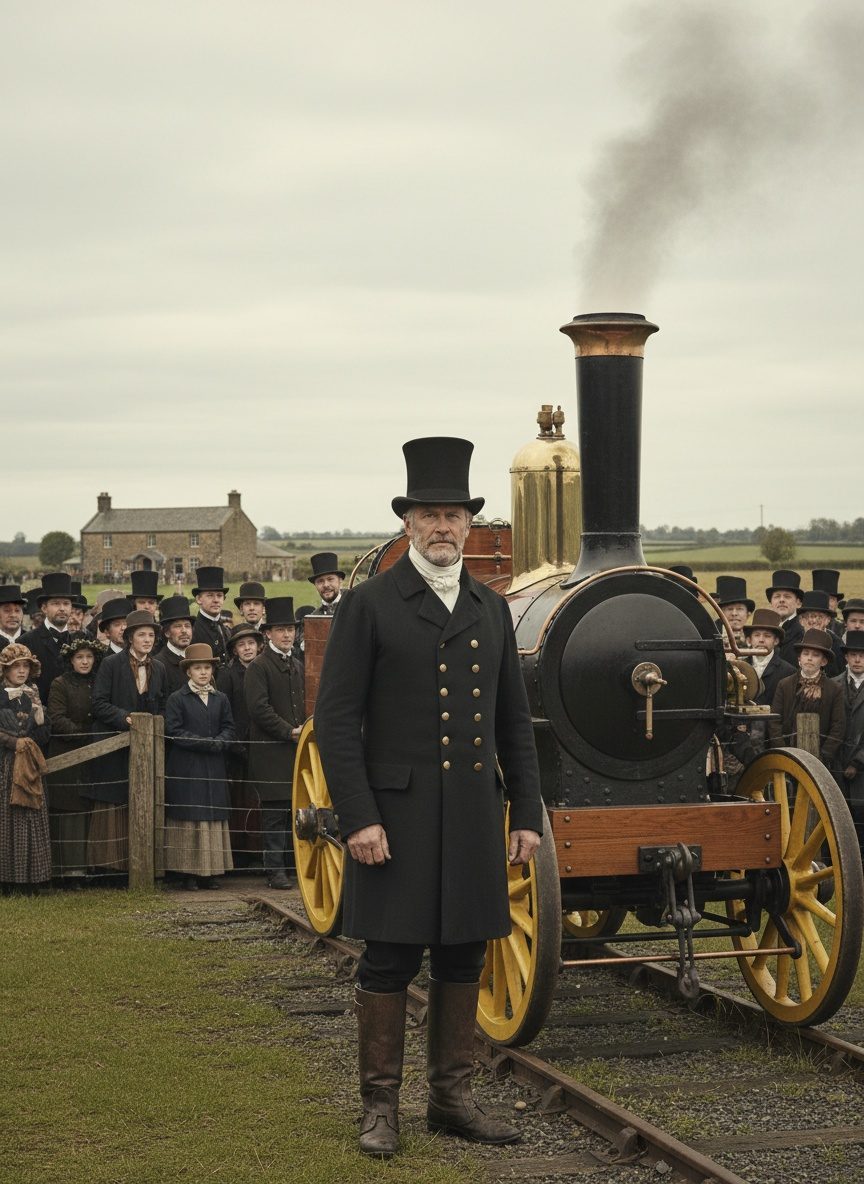
1829. Richard Trevithick had dreamed it. George Stephenson built it. The Rocket reached 29 miles per hour. Crowds wept. The world had never moved so fast. Today every nation on earth runs trains on his principles.
Britain needed rubber. An empire depended on it. A botanist named Henry Wickham smuggled 70,000 rubber seeds out of Brazil in 1876. Kew Gardens grew them. They broke South America's monopoly forever.
Before 1840, sending a letter cost a week's wages. A former teacher named Rowland Hill had a different idea. One penny. Any distance. Any person. In a single stroke, Britain gave every soul a voice.
One island nation wrote laws for a world. Courts in Delhi. Parliaments in Nairobi. Judges in Ottawa. The same words. The same principles. The British legal tradition still governs more than two billion lives.
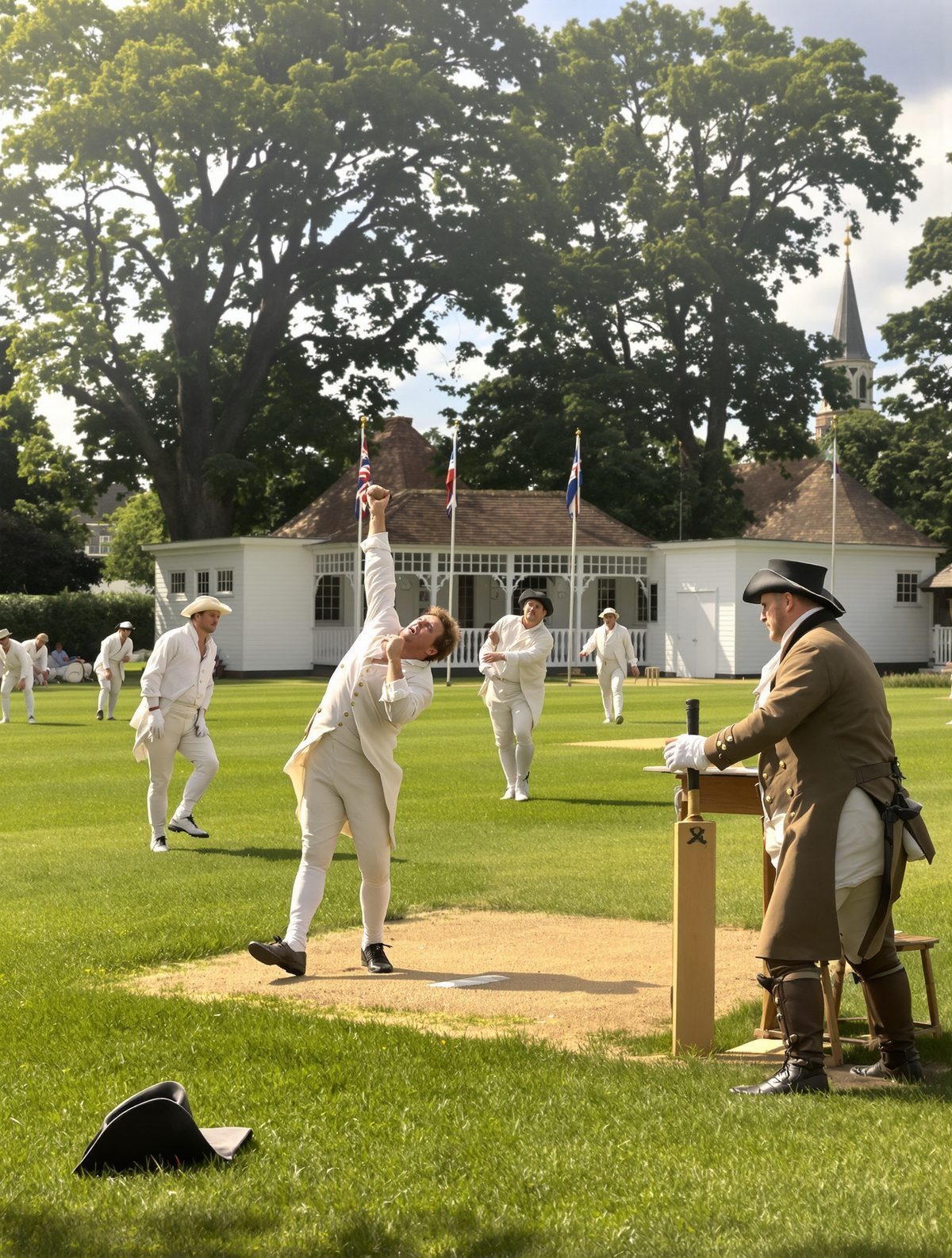
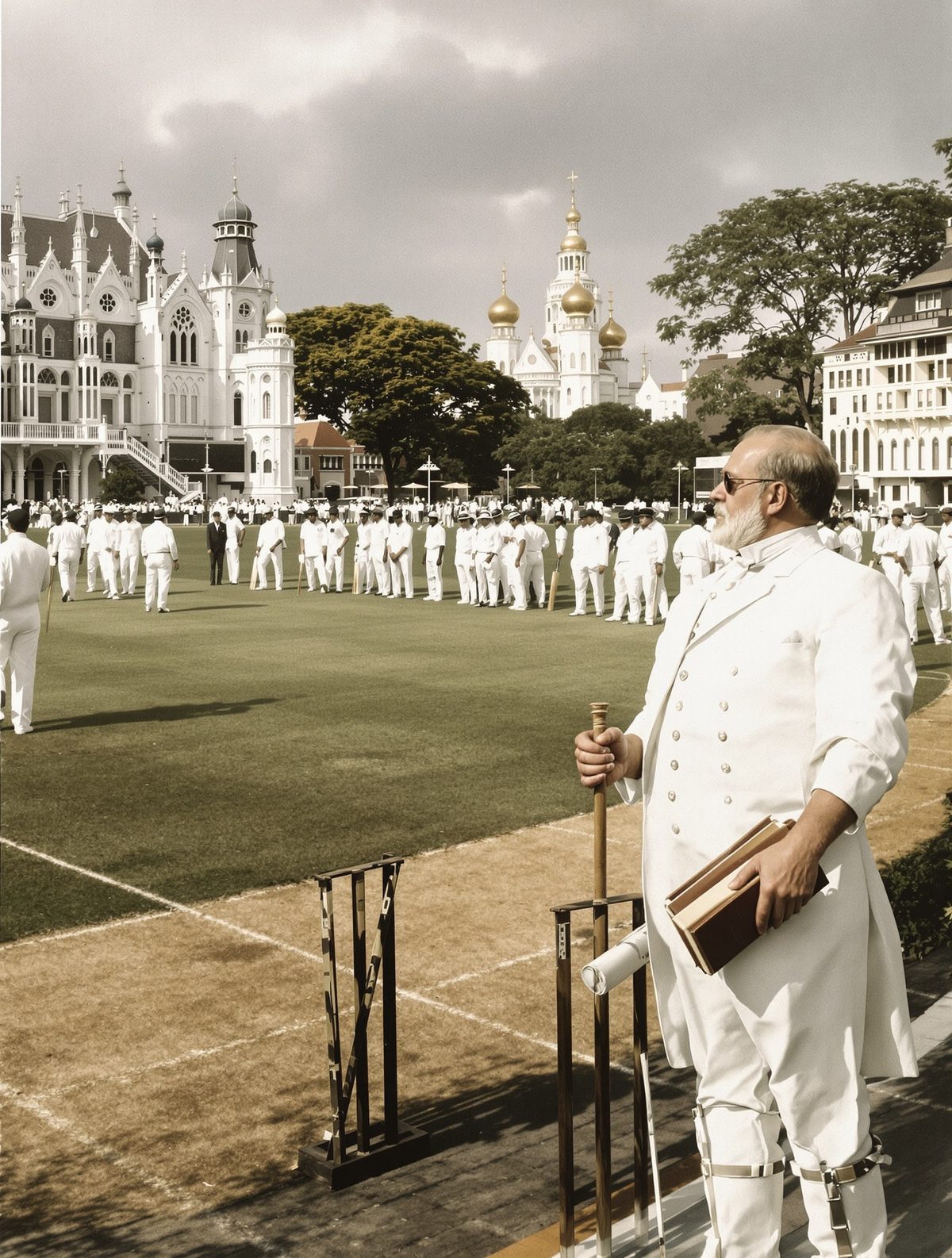
In 1788, a small London club wrote down the rules of cricket. Today, two billion people in 100 nations play by those same laws. One summer game. One empire. One world.
When the first English settlers landed at Jamestown, they carried no gold. But tucked inside their charter was something far more powerful. The common law of England. It still governs the United States today.
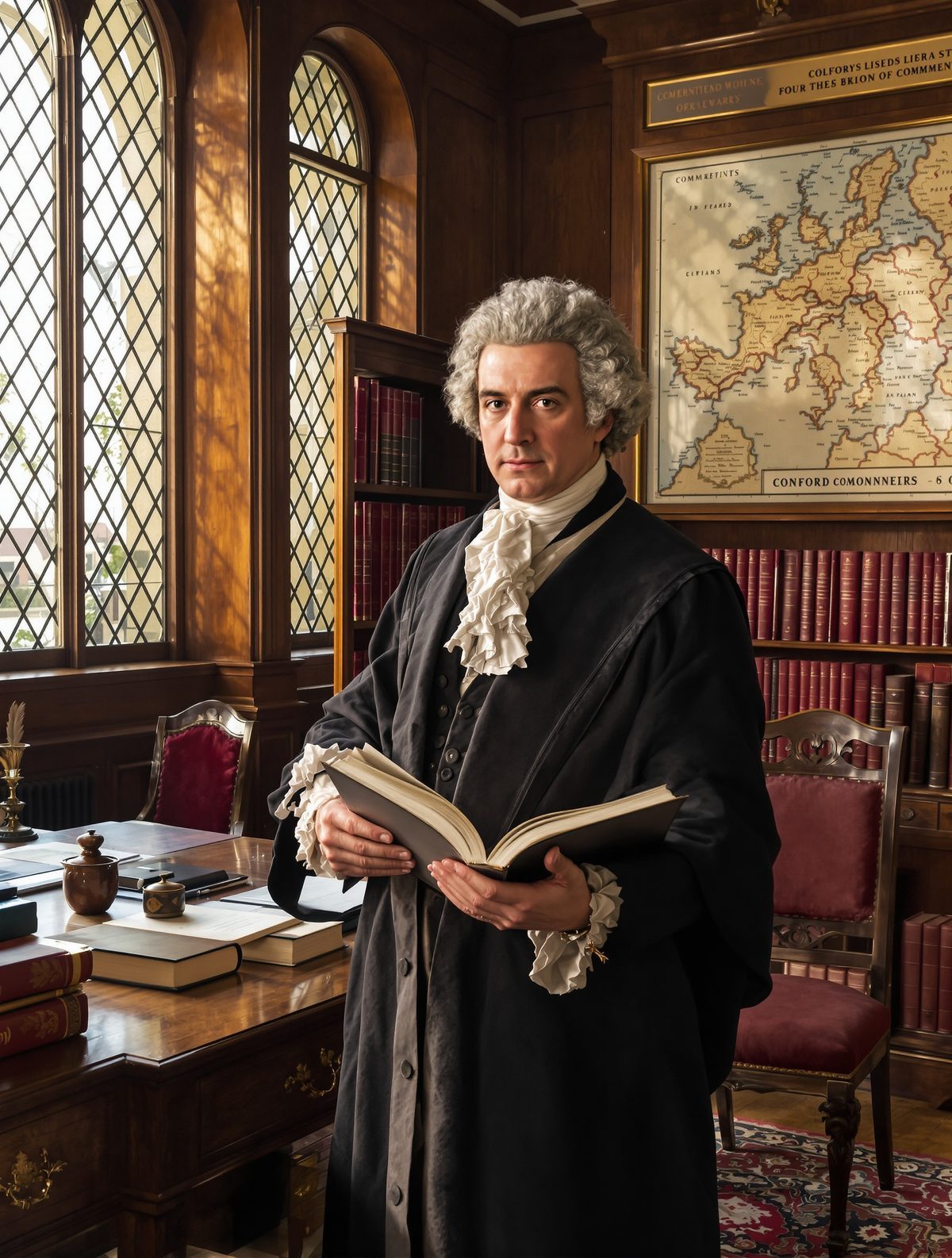
In 1765, William Blackstone's four volumes defined English law forever. His 'Commentaries' sailed with every colonial judge. Today, his words still echo in courtrooms from Canada to Australia. The Empire's greatest export wasn't tea or cotton—it was justice itself.
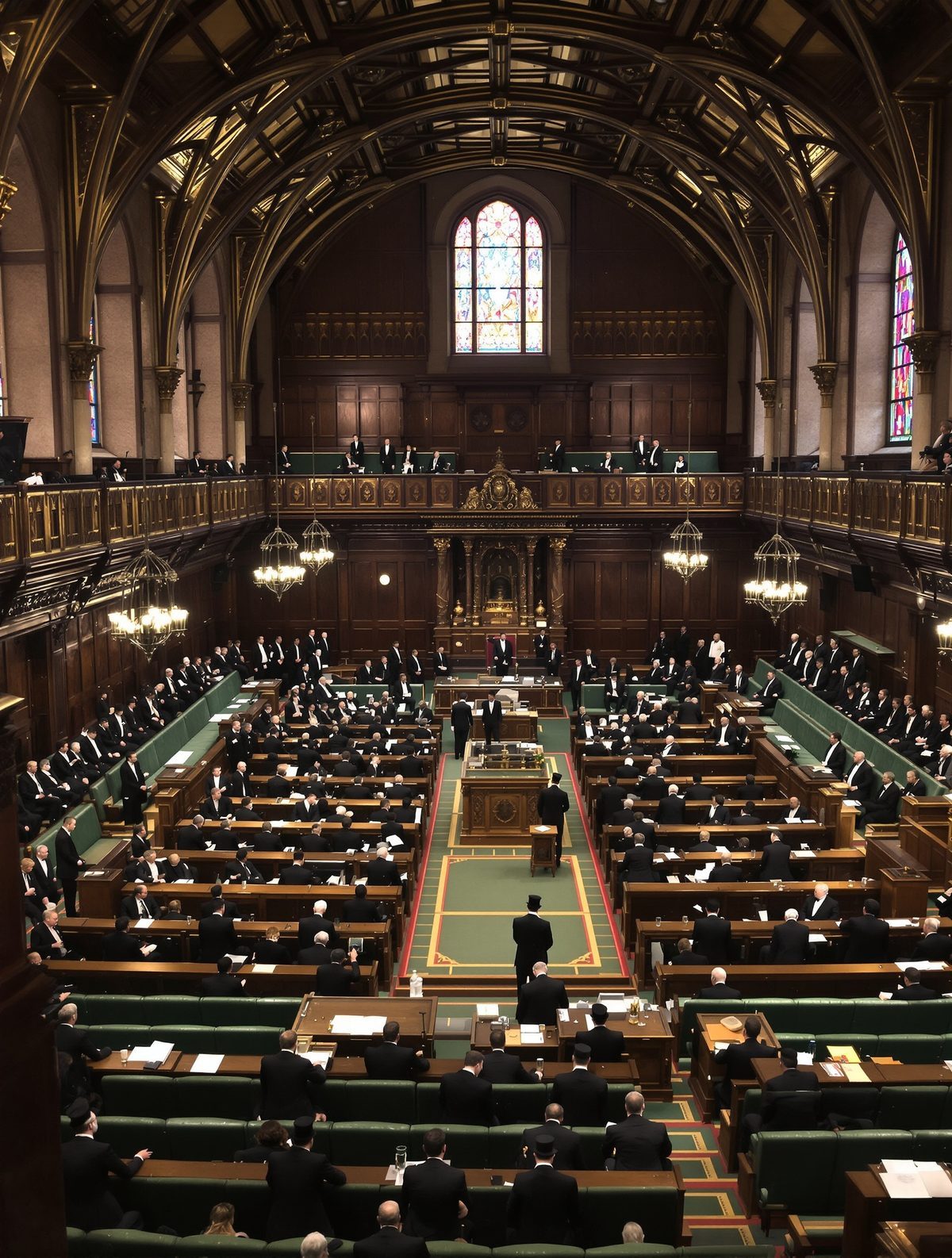
Westminster's wooden benches face each other in confrontation. Two sword-lengths apart by ancient design. Today 54 nations use this same system. Democracy's greatest export spread not by conquest but by example.
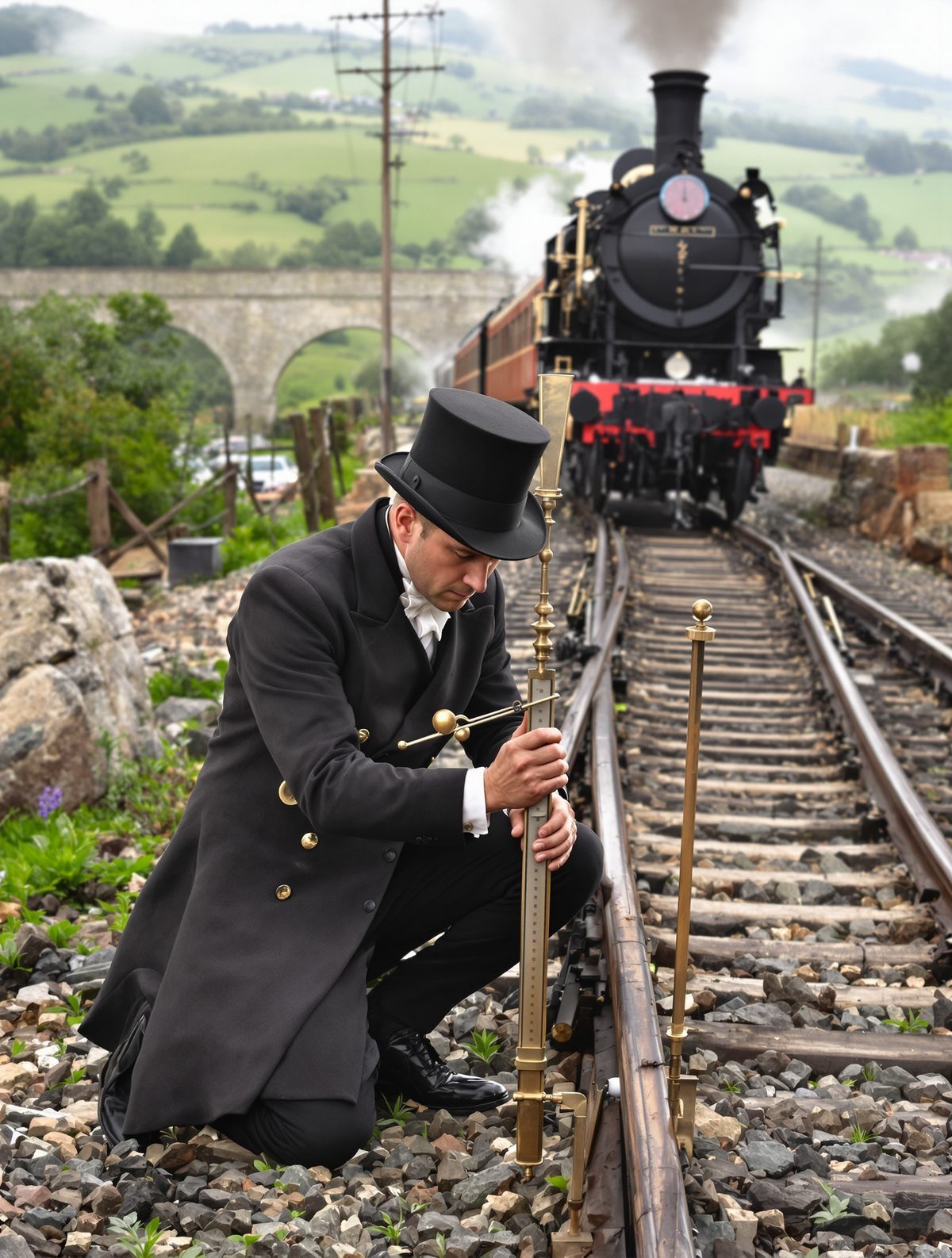
In 1846, Britain chose 4 feet 8½ inches as standard railway gauge. That measurement now carries 60% of the world's trains. From India's crowded carriages to Australia's freight lines. One Victorian decision still moves billions daily.
The Marylebone Cricket Club wrote cricket's laws in 1788. Today those same rules govern matches in 104 nations. From village greens to the World Cup. The Empire's greatest export wasn't tea or railways. It was the perfect summer game.
Parliament passed the Slavery Abolition Act on July 26, 1833. It freed 800,000 enslaved people across the British Empire. The law took effect at midnight on August 1, 1834. Britain paid £20 million in compensation to slave owners. Former slaves received nothing.
In 1862, American banker George Peabody shocked London society. He donated £150,000 to house the working poor. The first Peabody Buildings rose in Spitalfields. Clean homes. Fair rents. Revolutionary kindness from across the Atlantic.
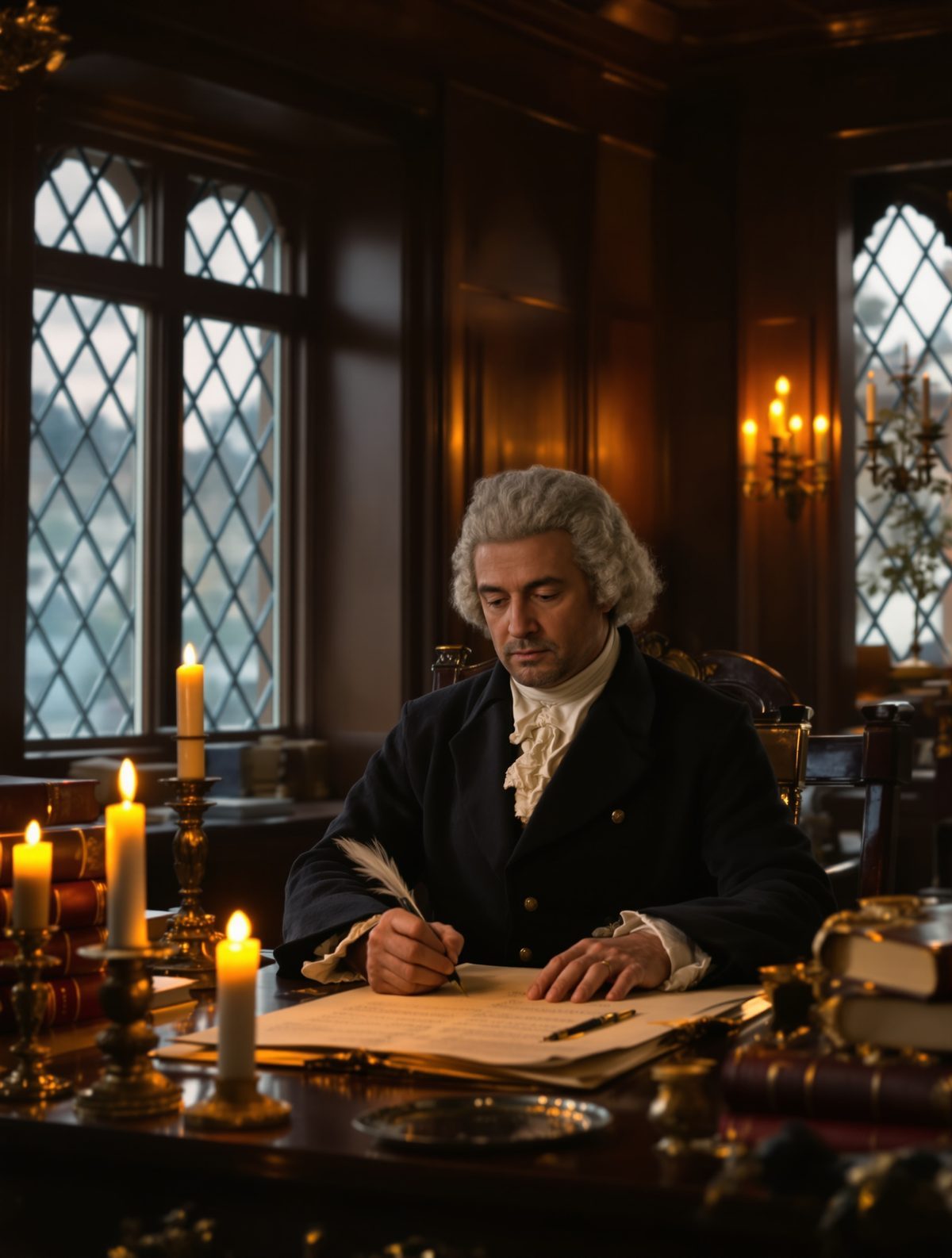
In 1835, Thomas Macaulay drafted his famous Minute on Education. One single document changed millions of lives. He created a class of Indians who thought in English. His pen shaped modern India.
In 1765, Sir William Blackstone wrote four volumes that became Britain's legal bible. His 'Commentaries' crossed every ocean with the Empire. Today, judges in India, Canada, and Australia still quote his exact words in court.
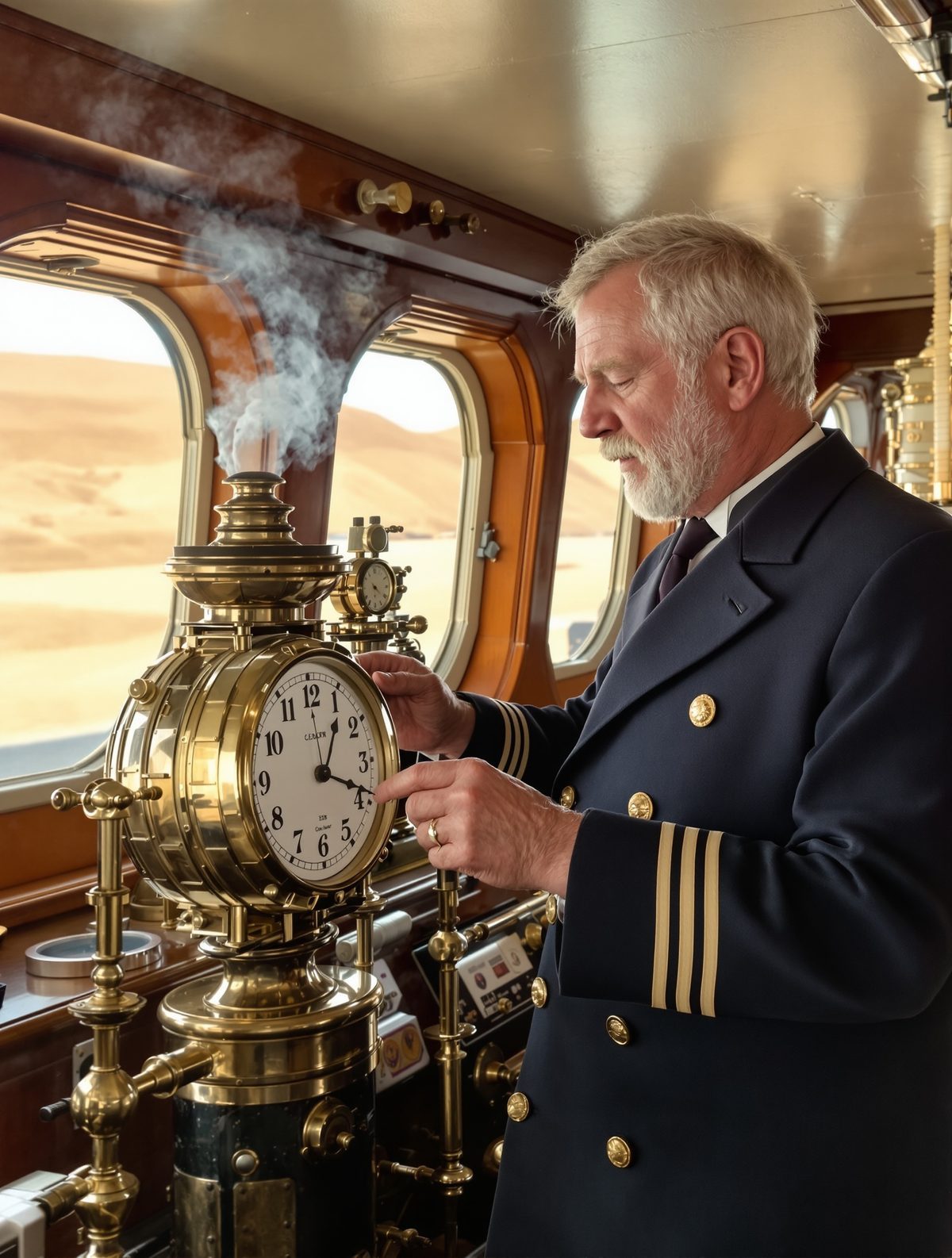
The world ran on local time until 1884. Ships arriving at Suez needed one clock. Trains crossing India needed another. When the Royal Observatory's time was chosen as the global standard, Greenwich's clocks suddenly controlled every railway, ship, and telegraph on Earth.
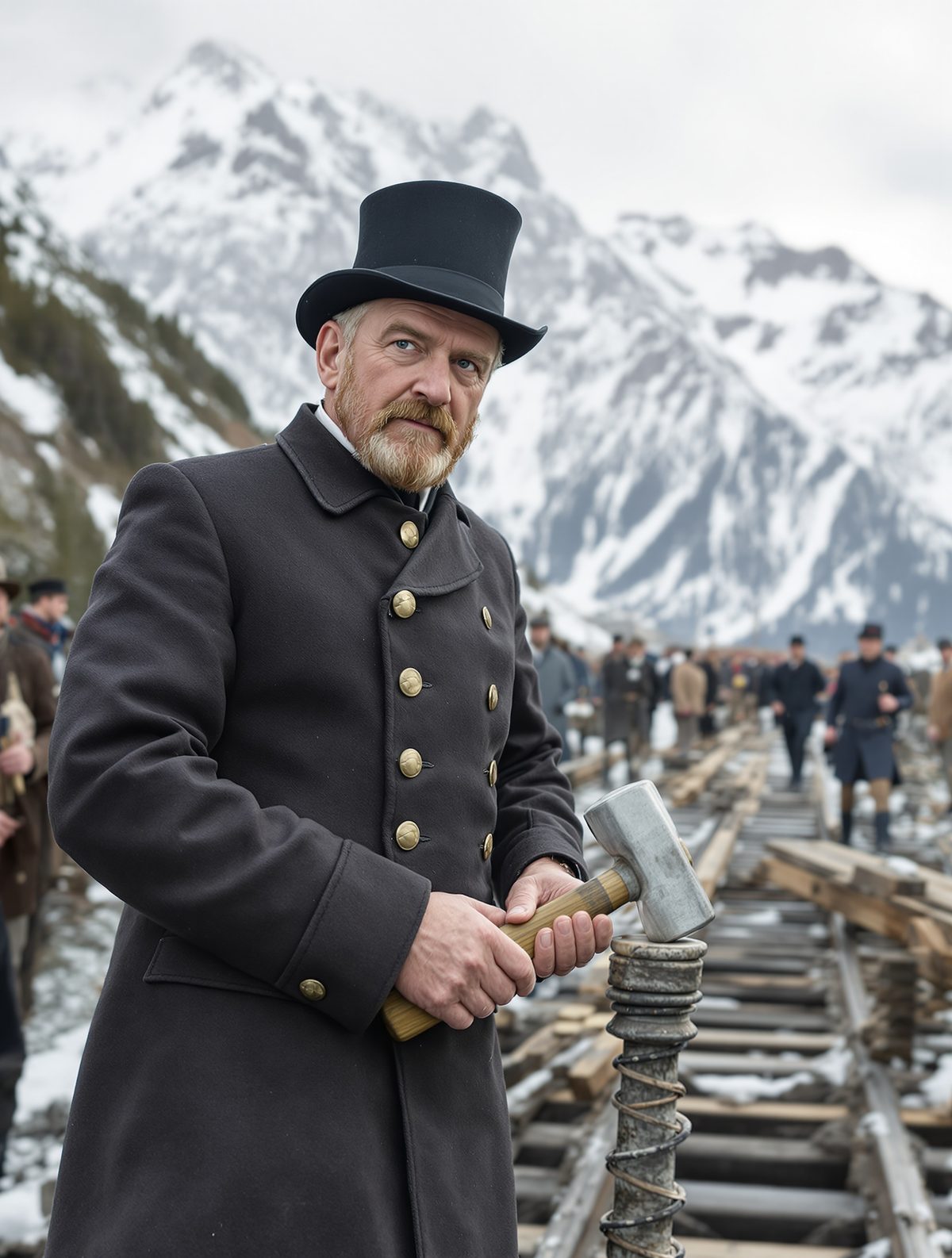
The last spike of the Canadian Pacific Railway was driven at Craigellachie on November 7, 1885. Donald Smith's hammer blow connected Atlantic to Pacific. A nation spanning 4,000 miles became one country.
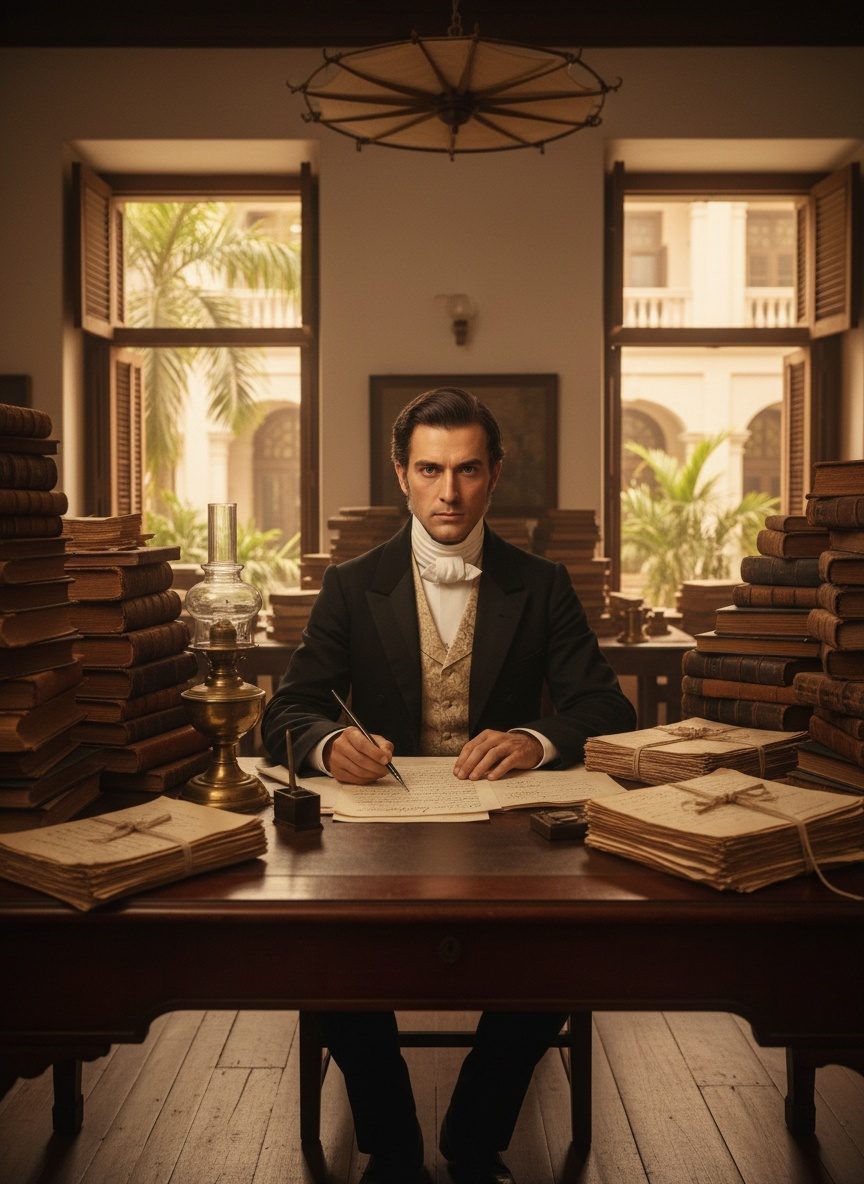
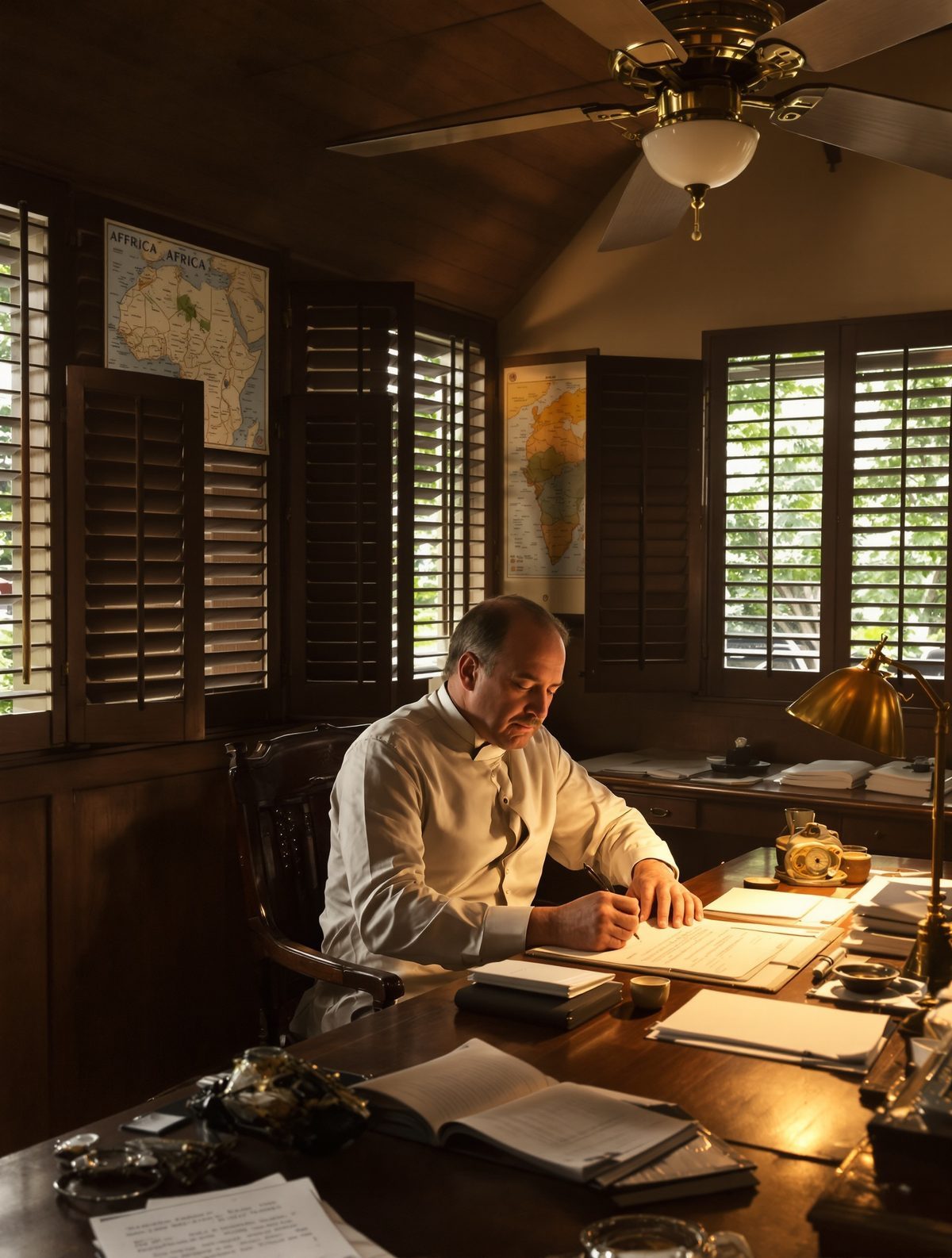
In 1906, Frederick Lugard sat in his Nigerian office writing a report that would govern 200 million Africans. His 'indirect rule' system kept local chiefs in power under British oversight. Within a decade, every colonial administrator in Africa was copying his blueprint.
The Empire's greatest storyteller received news in Vermont. At 41, Kipling became the youngest Literature Nobel laureate. His tales of India and Empire had conquered the world. The boy from Bombay made English literature global.
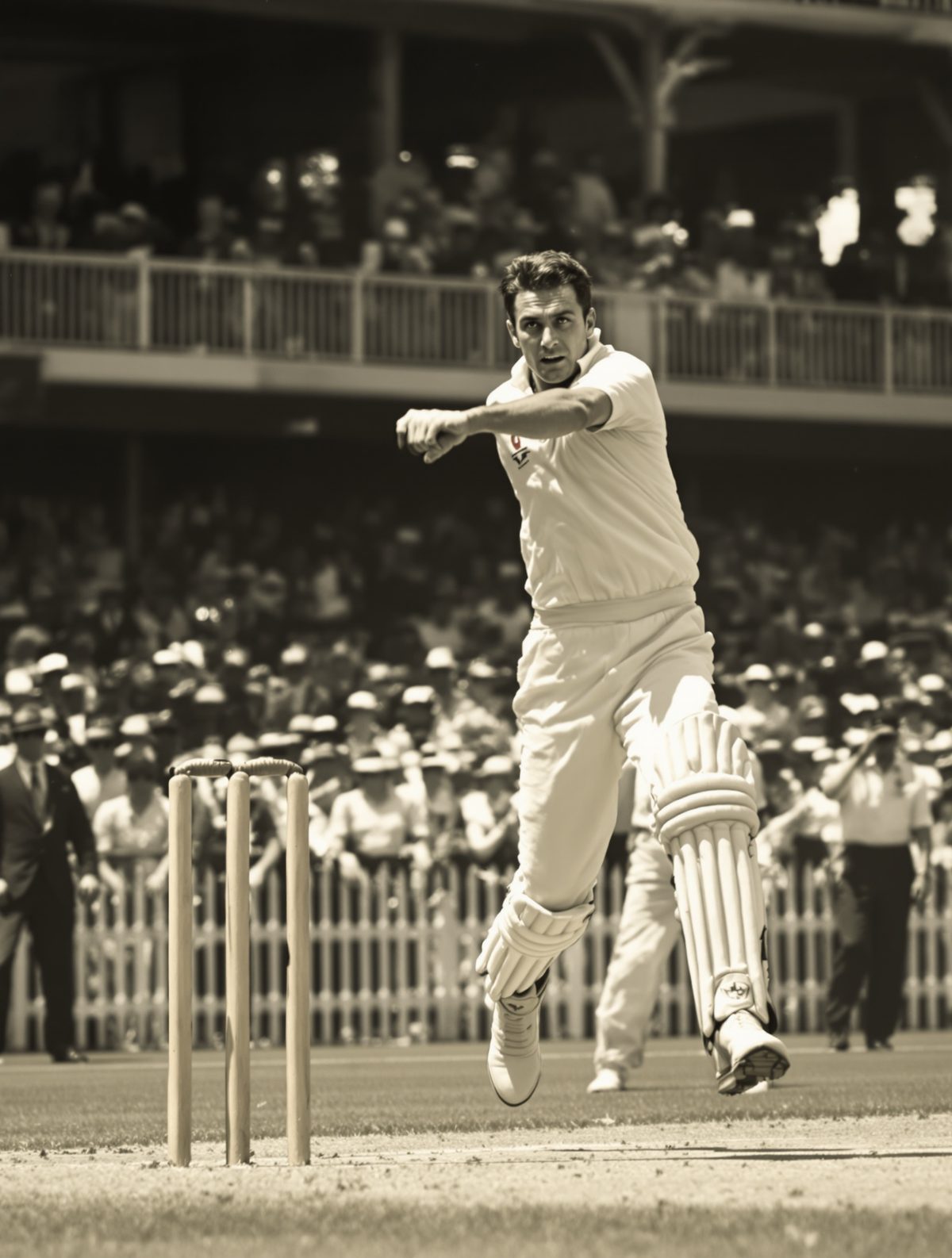
Harold Larwood bowled at batsmen's bodies, not stumps. Australia threatened to cut ties with Britain. Cricket had become warfare. One miner's son from Nottingham brought the Empire to its knees.
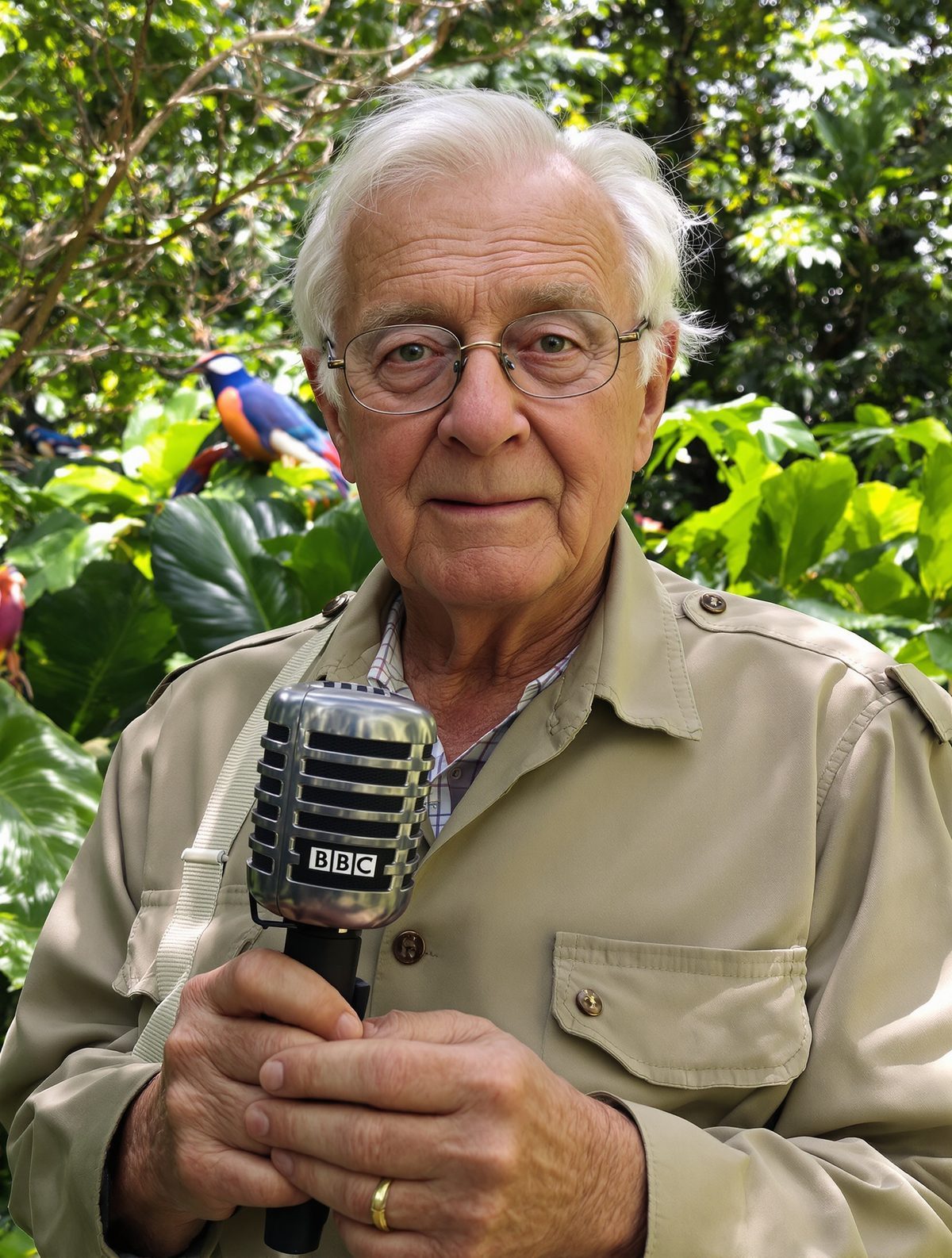
For 70 years, one English voice has whispered to 500 million people. Sir David Attenborough brought nature into homes across six continents. His BBC programmes shaped how humanity sees the natural world.
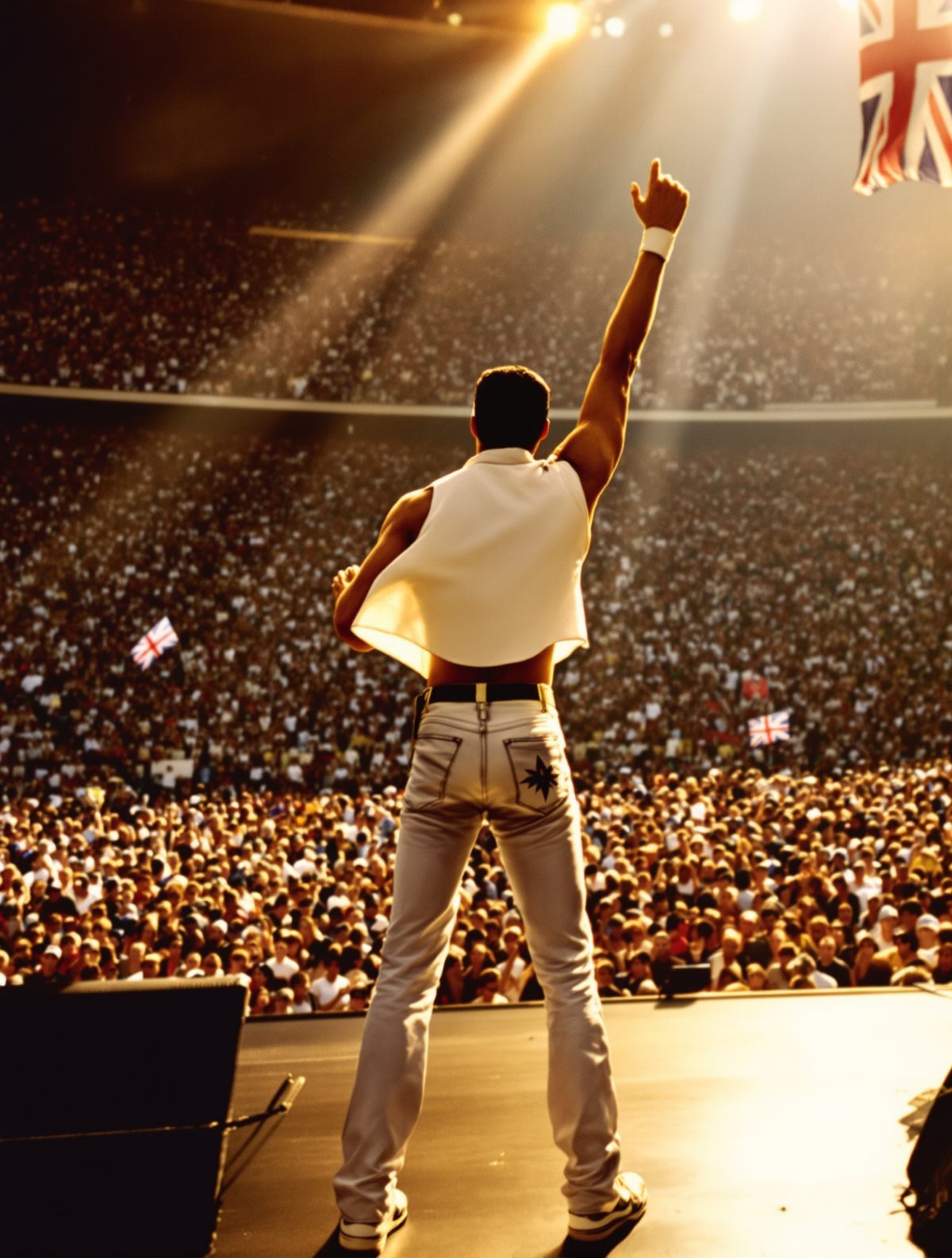
Live Aid at Wembley Stadium. 1.9 billion people across the Commonwealth watching. Freddie Mercury takes the stage for just 20 minutes. His voice reaches from London to Lagos to Sydney. The son of British India becomes the Empire's greatest performer.
In 1990, British computer scientist Tim Berners-Lee invented the World Wide Web at CERN. His bosses told him to patent it. Make millions. He refused. Instead, he gave it to humanity for free. Today, 5 billion people use his gift every day.
Good Friday 1998. Belfast trembled on the edge of peace or renewed bloodshed. John Hume had spent 30 years talking to everyone others refused to meet. His final gamble would either end the Troubles forever or destroy his life's work.
November 1990. Britain's most mild-mannered politician stood up in Parliament. For 11 minutes he demolished his own Prime Minister. Margaret Thatcher never recovered. Sometimes the quietest voices deliver the loudest blows.
England's 'Bodyline' bowling strategy dominated Australia. But it sparked such outrage that diplomatic cables flew between London and Canberra. The Empire nearly fractured. Over cricket.
Lord Justice Lawrence had never tried a war crimes case. But in 1946, he became the chief judge at Nuremberg. His patient British fairness turned a victor's revenge into something greater. The foundation of international justice.
Hand-picked from Britain Untold's archive. The stories you weren't taught at school. 3-minute read.
No spam. Unsubscribe in one click. We hate spam too. Privacy Policy.