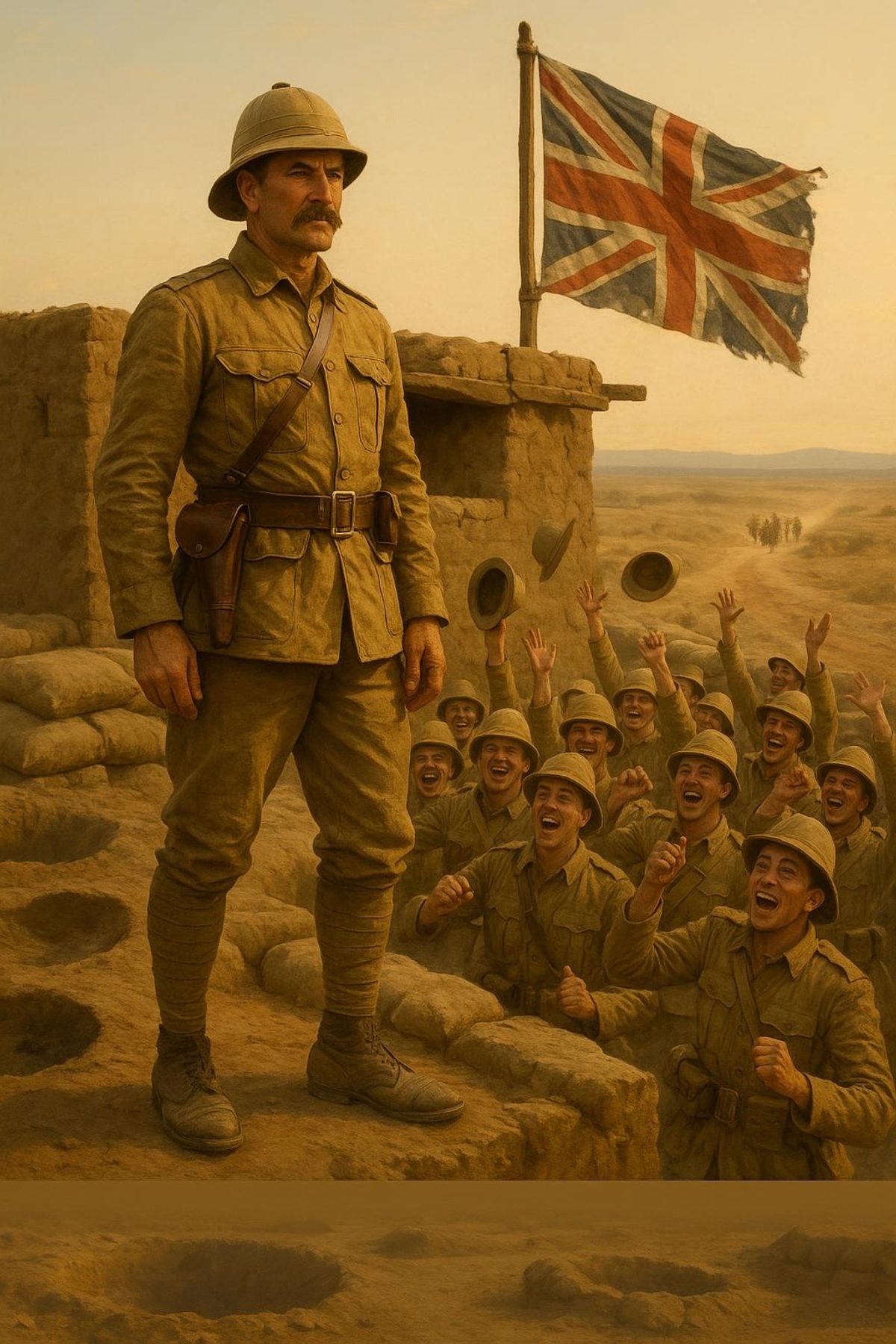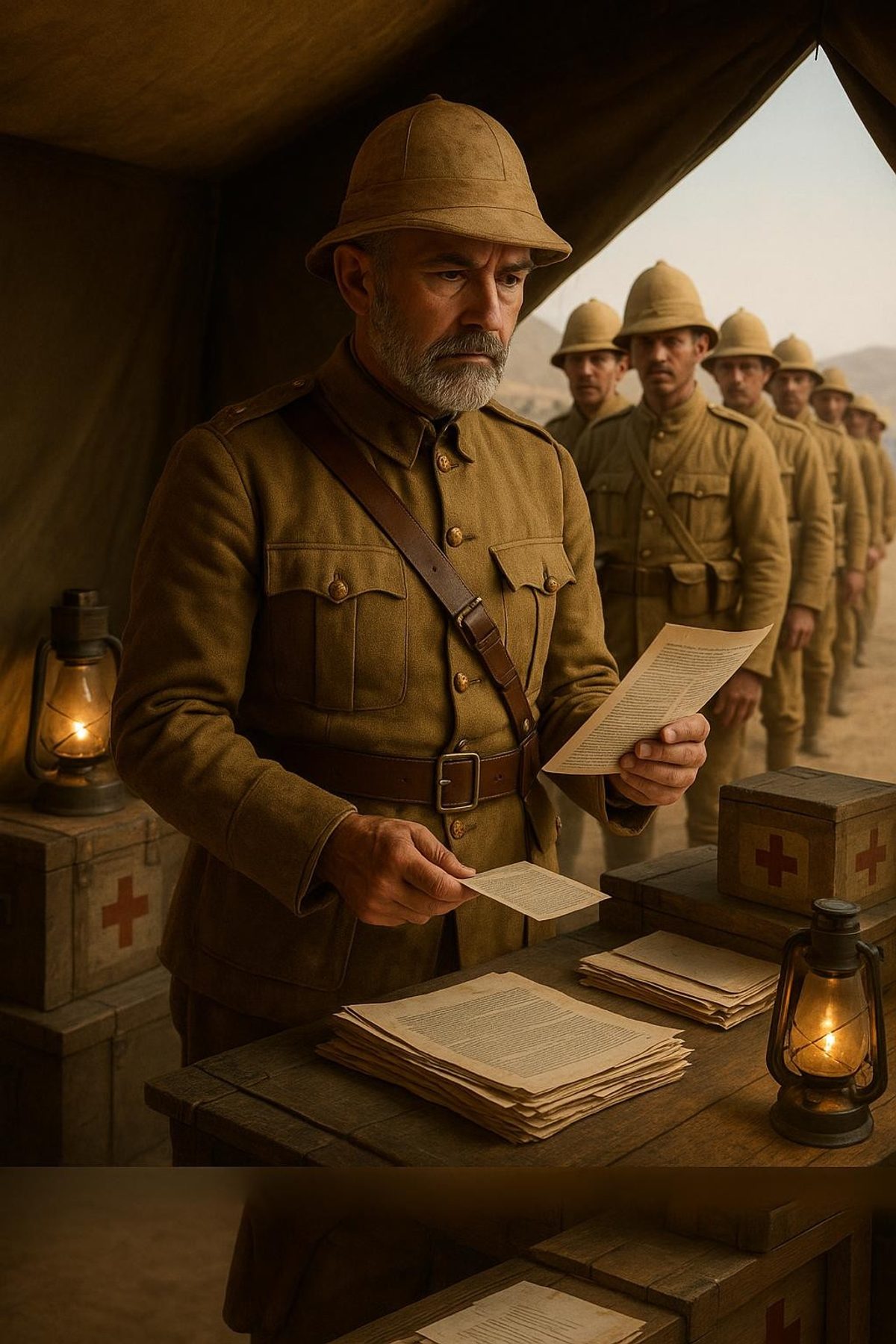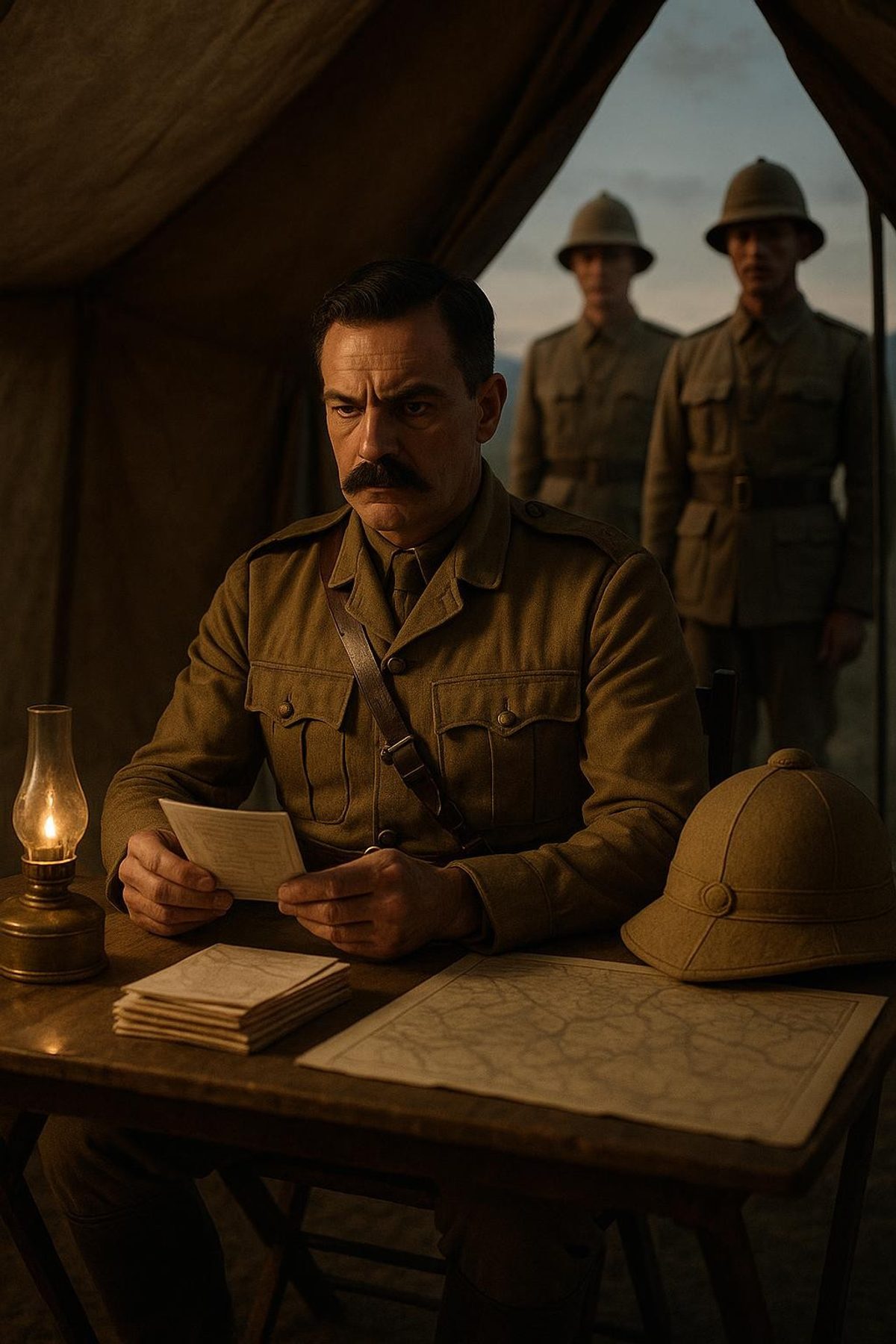
The air in the South African veld was dry and unyielding, the sun casting long shadows across the tent city sprawled like a sieve over the earth. The Second Boer War, an echo of colonial power struggles, had thrown the region into chaos. Underneath the khaki canvas and amidst the slow burning fires, the soldiers of the British Empire stirred in their makeshift barracks. Yet, amidst the haze of heat and anticipation of battle, it wasn't just bullets and artillery fire that threatened them. There was a silent enemy lurking in their ranks—venereal disease.
An Unconventional Directive
The year was 1899, and with the war with the Boers escalating fiercely, the British troops faced not only armed resistance but an alarming rate of venereal infections. Lord Kitchener, the stoic and relentlessly practical military commander, understood the gravity of the situation. Disease could decimate an army faster than a well-aimed volley. Driven by pragmatism rather than propriety, Kitchener took an unconventional approach to preserve the fighting strength of his men.
He issued cards, printed not with patriotic slogans or tactical advisories but with blunt, straightforward warnings and advice on how to avoid contracting venereal diseases. These were not the delicate pamphlets filled with euphemisms that were typical of the Victorian age. Instead, they were shockingly plainspoken. The message was as clear as it was necessary: take care of your health, or you might be as good as useless on the battlefield.
Winds of Outrage
Such candor was uncommon in an era bound tight by Victorian morality. The reaction from the army chaplains, alongside senior clergy shadowing the troops to nurture their souls, was swift and furious. The chaplains argued that Kitchener's cards disregarded the decorum expected of men and, by extension, implied a tarnish on their moral integrity. Spiritual leaders demanded the cards be revoked, arguing they encouraged improper behavior instead of preventing it.
Read next: When a British Tommy Rode Into Holland With a German Gun
Kitchener’s response was as severe as his demeanor. He flatly ignored the complaints. To him, preserving an army’s capability meant more than pandering to sensitivities. The battlefield would spare no one for moral squeamishness. The cards stayed, and, for the men who heeded them, health was preserved—an unsung tactical advantage in the high-stakes drama of war.
A War Within the War
While Kitchener's actions sparked outrage, underlying them was an understanding of public health rarely acknowledged at the time. Victorian society, with its rigid social mores, often swept matters of sexual health under the carpet. Despite the empire's dominance, there was a reluctance to face certain human realities. Kitchener’s cards were revolutionary because they confronted the very issues society preferred to ignore.
Their impact was undeniable. Although some troops dismissed the advice as unseemly, many adhered to it, significantly reducing the incidents of infection that had otherwise sidelined soldiers. These cards, small and unassuming, became a quiet weapon in the fight to maintain a healthier and more battle-ready force. Kitchener’s resolve contributed to his troops' sustained effectiveness across the harsh plains and skirmish-heavy hills of South Africa.
The Power of the Unspoken
Beyond the obvious health benefits, Kitchener’s card campaign stimulated wider discussions about military health practices. It underscored the need for practical solutions over moral prescriptions in matters affecting national security. In stark contrast to the societal norms of the time, the cards highlighted an evolving understanding of the intersection between public health and military operations.
While the officers grumbled and the chaplains raged, the cards quietly illustrated a changing tide, where the health of soldiers began to be seen as integral to military success. More than tactical genius or disciplined soldiers alone, it was the preparedness for unexpected challenges—like disease—that showcased an evolving military strategy.
Why It Matters
Lord Kitchener’s decision to confront rather than conceal a prevalent issue speaks volumes about the complexities of leadership and the balancing act between military efficiency and societal expectations. It raises timeless questions about the cost of discretion and the role of truth in leadership decisions. In Kitchener’s unwavering stance lies a lesson still relevant today: sometimes safeguarding order means not bowing to the loudest voices, but listening instead to the quieter whisper of necessity.
The story of those cards, the silent witnesses of a forgotten conflict, is not just one of health advisories—it's a testament to the importance of adaptiveness and the courage to face uncomfortable truths. As we uncover this piece of history, perhaps the real lesson is what goes unspoken: the need to sometimes put aside propriety for the sake of progress.