The sun beat down relentlessly over the plains of the South African veldt, the air thick with dust stirred up by the ceaseless winds. In the distance, the town of Mafeking lay like a sun-drenched fortress, its iron gates shut tight against the enemy that had laid siege to it for an excruciating 217 days. Inside, a small band of British soldiers, led by the indomitable Colonel Robert Baden-Powell, held fast against a Boer force that vastly outnumbered them. As tensions mounted and provisions dwindled, the outcome teetered on a knife's edge.
The Siege: A Dusty, Desperate Vigil
In October 1899, the Second Boer War erupted, pitting the British Empire against the two independent Boer republics. Mafeking, a small town located in the strategically significant region near the border of Botswana, soon found itself under siege. Colonel Baden-Powell, armed with little more than his wits and a skeleton garrison, orchestrated a defense that would test the very limits of human endurance.
Baden-Powell's troops numbered a mere 1,500, comprising soldiers, volunteers, and police, and yet they faced a Boer army nearly ten times their size. Supplies were sparse, and the town's resilience became a rallying cry across the British Empire. Baden-Powell implemented cunning strategies to trick the besiegers—using fake dynamite and decoy guns—to give the impression of greater defensive strength. The siege became something of a high-stakes game of cat and mouse amid the dry African air.
Survival Tactics: The Art of Deception
The townspeople and defenders of Mafeking employed innovative methods to prolong their resistance. Rations were strictly controlled—horse meat became a staple, and even "Mafeking rations" entered the English lexicon as a term for restricted food allowances. Yet the community spirit never waned.
Read next: When Allenby's Doctor Vaccinated an Army Against Its Own Vices
Children played a crucial role, their own refusal to succumb to the siege representing the town’s collective spirit. Baden-Powell's affinity for youth engagement hinted at the seeds of a larger movement he would later spearhead: the Boy Scouts. Indeed, the children of Mafeking, dubbed “Cadets,” took on responsibility beyond their years, delivering messages and aiding in logistics, often under the very noses of the Boer combatants.
The Long-Awaited Signal: Hope Pierces the Siege
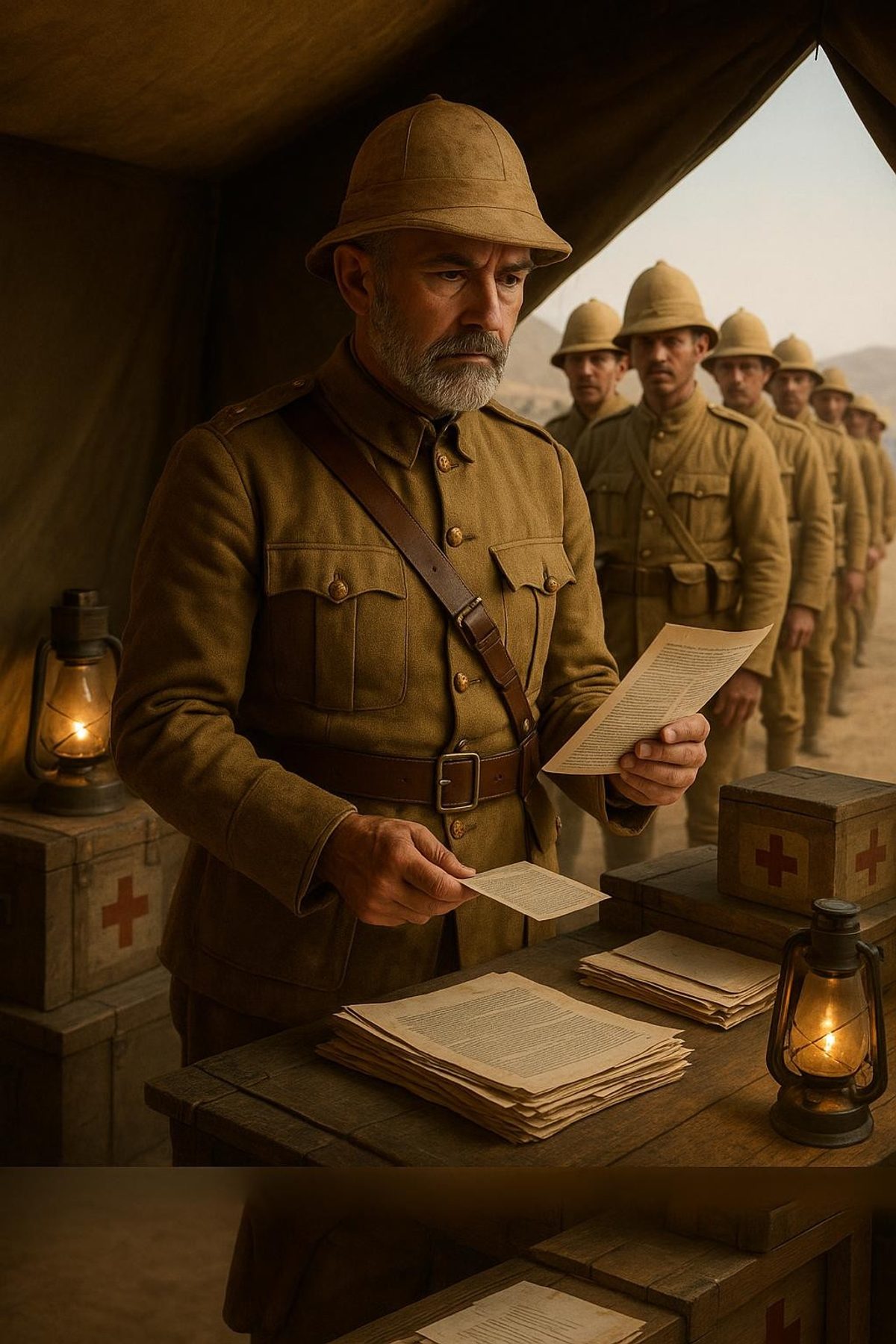
For months, the world eagerly awaited news of Mafeking’s fate, with reports trickling out in coded dispatches. As tensions reached a fever pitch, a letter marked May 17, 1900, carried the words Mafeking had yearned for: relief had finally arrived. Colonel Mahon's flying column had broken through the Boer lines, sending both the sieged and the besiegers into a flurry of activity.
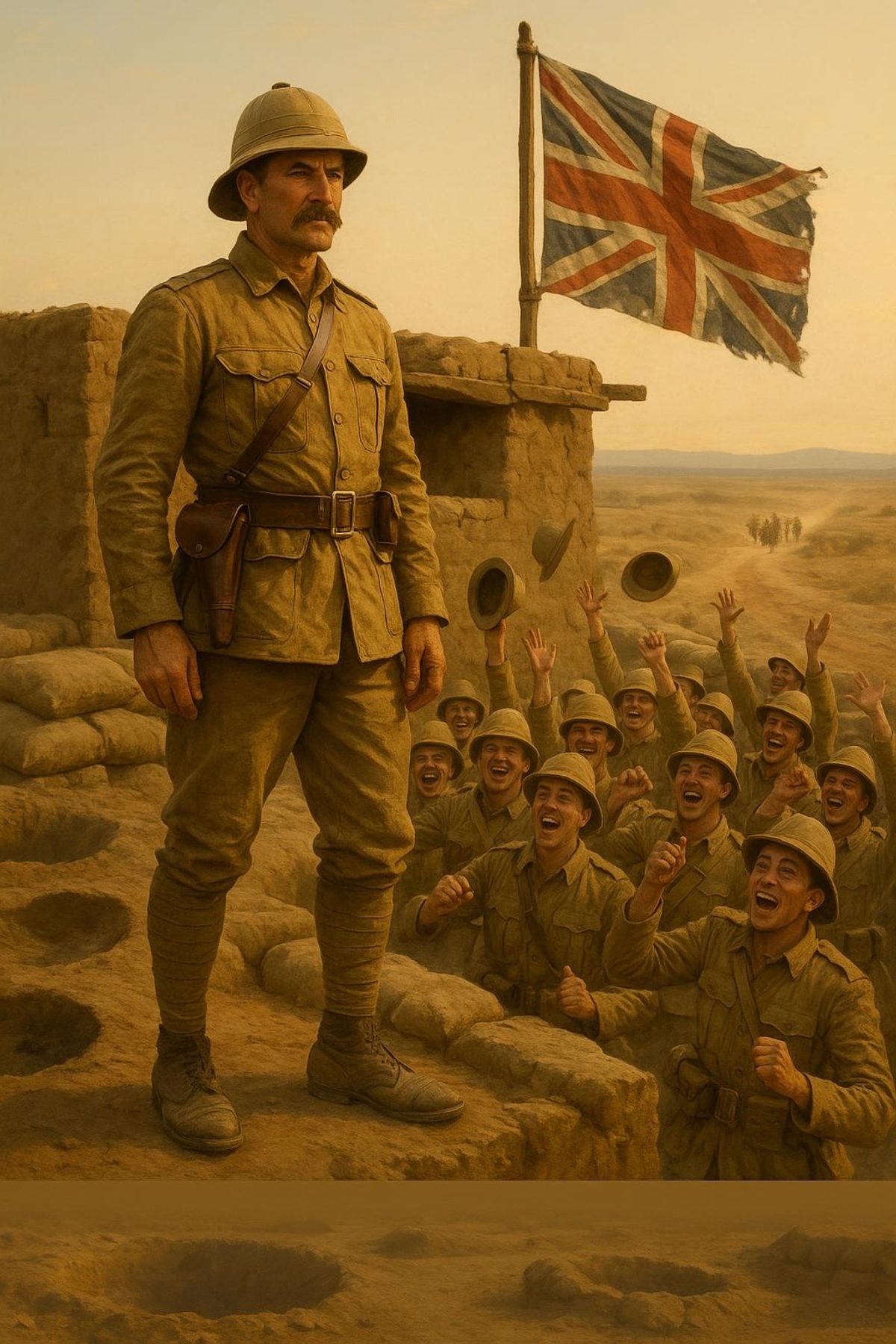
The reaction was instantaneous and euphoric. The iron gates of Mafeking swung open, and its beleaguered occupants spilled into the streets, greeted by the sight of their liberators. For those who had held their breath for 217 days, the moment was nothing short of miraculous. The town that had been a beacon of British resolve had triumphed, sparking celebrations across the Empire the likes of which had seldom been seen.
The Ripple Effect: Celebrations Beyond Compare
When word of Mafeking’s relief reached Britain, an unprecedented wave of jubilation swept through London. Street parties erupted spontaneously, and the term "Mafficking" was coined to describe exuberant celebrations springing from Mafeking’s deliverance. More than a military victory, it was a narrative emblematic of endurance against insurmountable odds.
Women wore “Mafeking brooches”, and train stations greeted rush-hour passengers with music, as the mood among the British public soared. Mafeking had not just won a battle; it had captured the hearts and imagination of a nation, becoming a symbol of heroism and steadfastness in the face of adversity.
A Legacy Beyond the Battlefield
Baden-Powell emerged from the siege as a national hero, his tactics and leadership stories spreading like wildfire. The cadets of Mafeking would come to be seen as the precursors to the global Scouting movement he would soon launch, teaching resourcefulness and resilience to generations of youth worldwide.
The siege of Mafeking endures in history as a moment when sheer willpower overcame the stark realities of war, uniting civilians and soldiers alike in a common cause. Its story stands as a powerful reminder of the human capacity to endure, innovate, and inspire, transcending the dusty plains of South Africa into the annals of legend. As we reflect on the iron gates of Mafeking finally opening, the enduring reputation of courage and camaraderie remains a timeless legacy of the endurance of the human spirit.