The Mediterranean sun, relentless and fierce, shimmered across the endless expanse of azure waters surrounding the coast of Egypt. The air sat stiflingly hot, transforming the already-treacherous sea into a cauldron of shimmering mirages that danced tauntingly on the horizon. In these narrow confines, concealment and subterfuge were luxuries long abandoned. Every ship sat exposed upon the wide blue canvas, like players on an invisible stage, each move observed and scrutinized by the enemy.
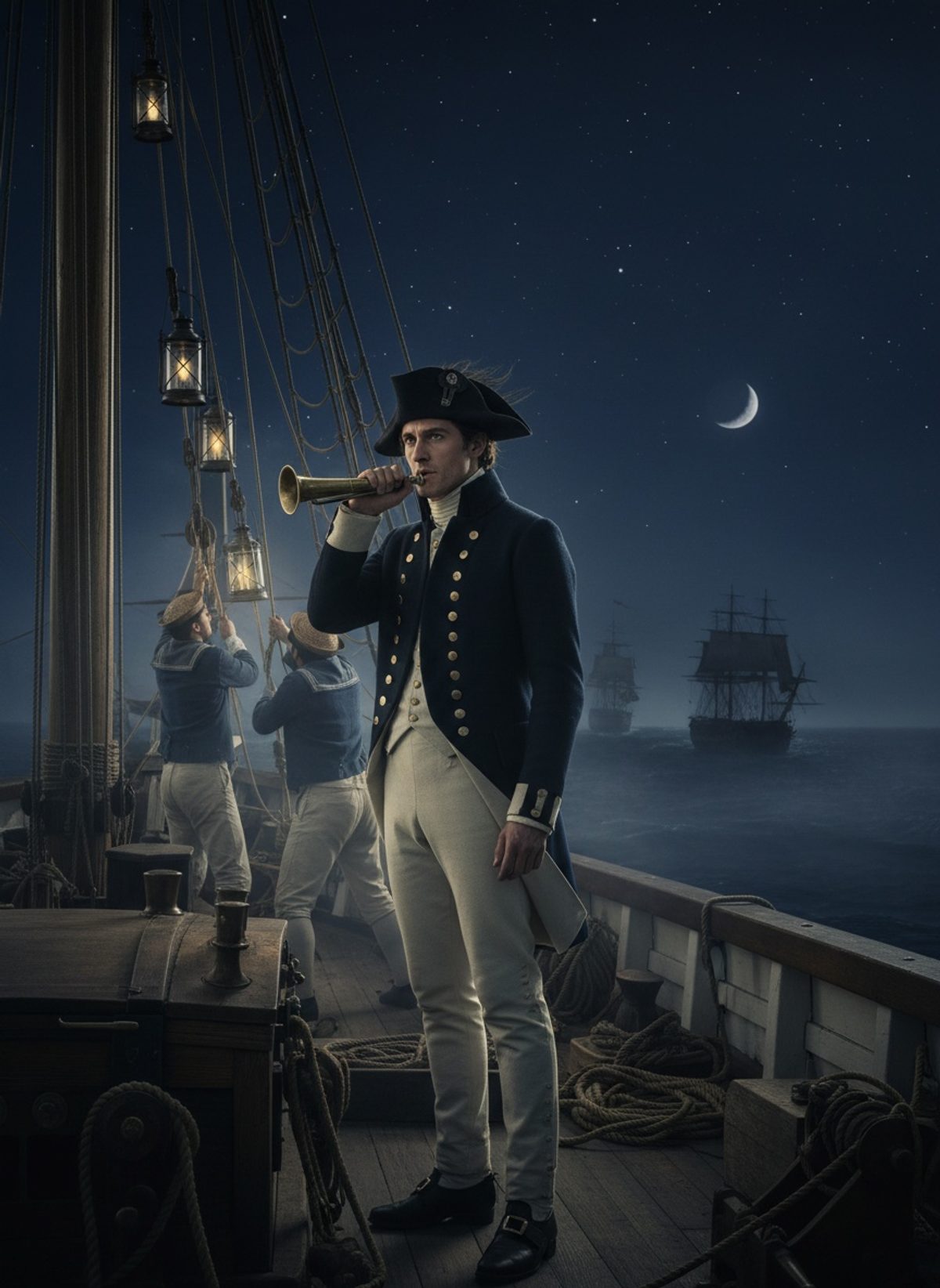
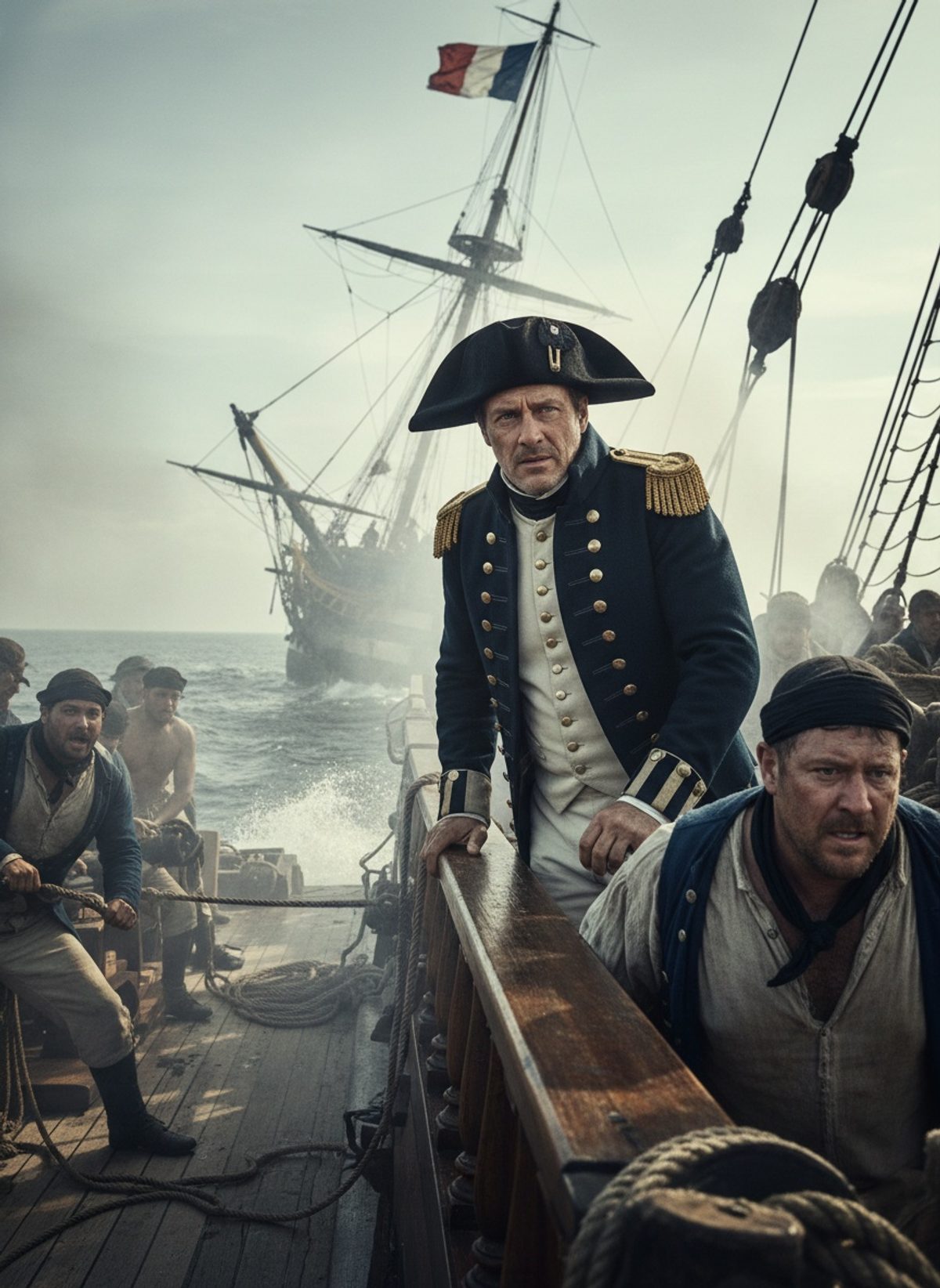
For Captain Edward Pellew of His Majesty's Royal Navy, the vibrant sea was not just a battlefield; it was a chessboard where every ripple and gust could spell victory or doom. In August of 1801, Pellew found himself in a predicament that could daunt even the bravest of men. The HMS Speedy was lost, claimed by the hazards inherent in naval skirmishes of the era. Pellew was left at the helm of a solitary frigate — a lone bastion adrift in a turbulent ocean of uncertainty. To the casual observer, his position might have seemed hopeless, isolated as he was against a superior French squadron armed with an overwhelming array of artillery.
Yet Pellew, with his eyes as sharp as a hawk’s and a mind as keen as the edge of a cutlass, saw the situation quite differently. All his naval career he had embraced one simple credo: strike decisively and without hesitation. It was this audacity, born as much from desperation as from courage, that he now chose to enact once more. The French ships lay in his path like sentinels, their cannons poised and hungry for combat. But no reinforcements lay on the horizon for Pellew. If the winds of fate were to veer in his favor, he would have to seize the moment with unmatched ferocity.
The French, under the assumption that Pellew might use prudence and seek to avoid confrontation, watched in startled bewilderment as he instead turned the prow of his vessel directly toward them. The heat lay thick in the air, each creak of the wooden ship and snap of taut sails resonating like the steady beating of a war drum. With every mile that closed between them, Pellew ascended closer to the fever pitch of battle. A daring move, one so brazen it bordered on lunacy, yet herein lay the genius of Pellew — his unpredictability frequently left his adversary disoriented and unbalanced.
Read next: When HMS Agamemnon Cut Napoleon's Cable at Abukir, 1798
As the frigate charged forward with an unanticipated velocity, the French squadron, prepared for a traditional engagement, hesitated. Such moments of uncertainty could be fatal at sea, a fact Pellew knew well. With the breeze snapping at his back and smoke from the ship’s galley coiling in the humid air, Pellew hunkered down to the task. His eyes fixed upon the enemy with a steely resolve, he orchestrated his crew as if they were part of a symphonic ensemble — every sailor executing their role with impeccable timing and precision.
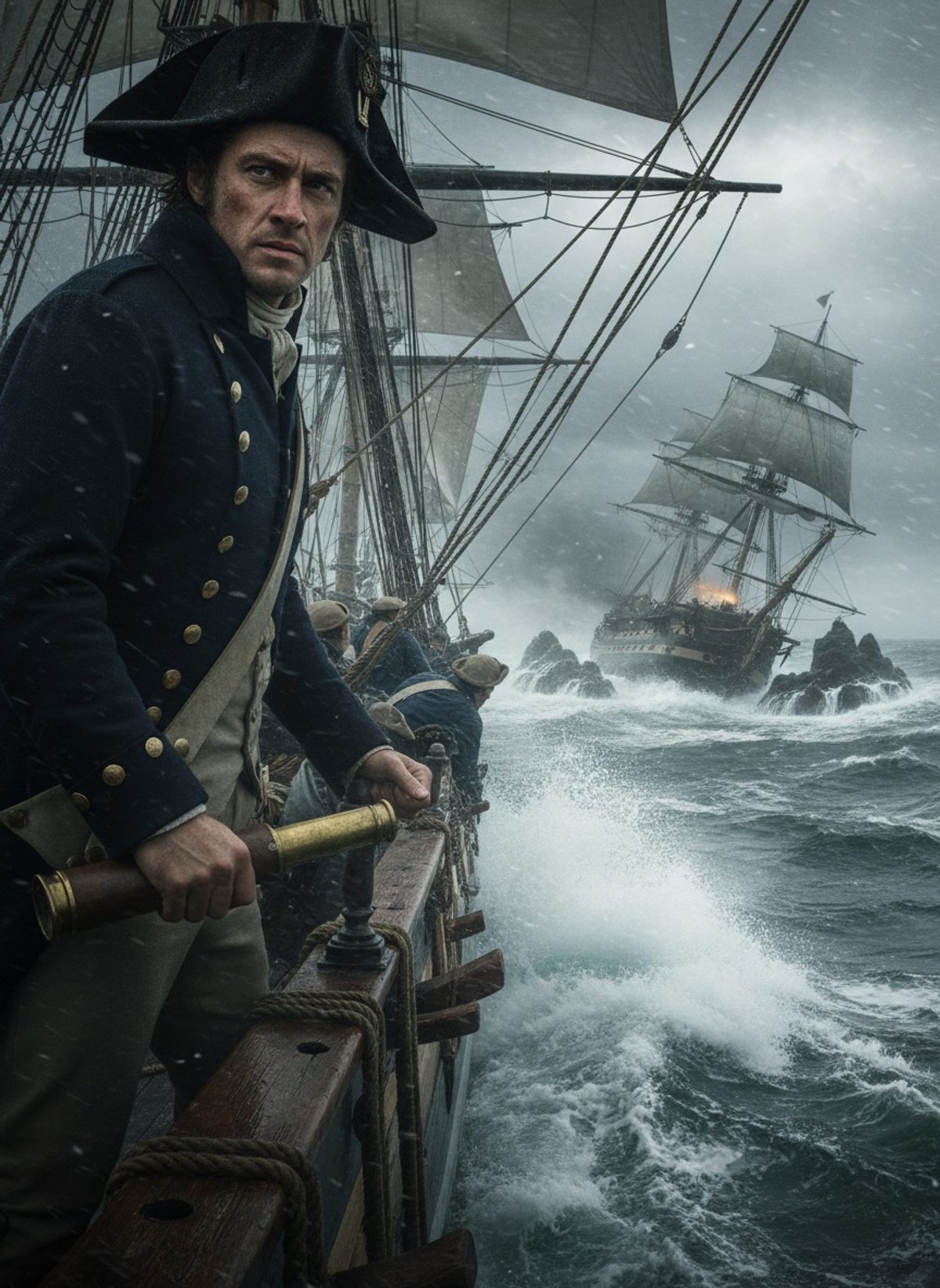
It was then that the flames appeared, licking hungrily at the sails and rigging, their roar merging into the cacophony of shouted orders and the thunderous boom of cannon fire. To the French, it must have seemed as though Pellew had summoned a fiery specter to aid him in battle. In truth, the burning sails were an unintended hazard, a perilous gamble that the captain was willing to exploit to create the illusion of a demonic assault. Fire aboard a ship was a sailor’s nemesis, a living menace that could swiftly transform order into chaos.
The French, for all their tactical prowess, found themselves confronted not merely by British resolve, but by an infernal vision designed to disrupt and terrify. The realization that they were facing an enemy willing to immolate itself to secure battle was deeply unsettling. It was the breaking point, the precise mental fracture Pellew had sought. Under duress, fighters act not with logic but with instinct, and in this sudden inferno, the French instinct was to withdraw, to regroup, and to preserve their own survival.
The undecided tides of war shifted, the calm waters betraying neither side but now granting Pellew the tactical upper hand. In moments like these, the boundary between genius and folly blurs, and what remains are the results - the battered bodies of men and remnants of ships that narrate tales of valor, foolishness, and everything in between. Pellew’s crew exploited the French retreat with fervor. They pressed the attack, launching from the burning deck with the certainty found only in those who believe their efforts might yield salvation.
Captain Pellew’s methods may have been unconventional — starkly so — yet it was through such unpredictability that he carved his niche amongst Britain’s stalwart naval commanders. The victory off the Egyptian coast did not merely represent a tactical win but embodied a transfer of morale, a spark that ignited the fighting spirit of a nation fraught with anxiety at the prospect of French dominance in European waters.
This episode of daring and psychological warfare transcends the annals of military history as more than just a singular achievement. It speaks to the resilience and innovativeness of naval commanders during the Napoleonic Wars, when resources were scant and the consequences of failure all too real. A lesson intertwined within the flames Pellew wrought is one of audacity's power and the decision to craft a miracle out of the mere elements at hand. As the Empire navigated the corset-tight pathways of global dominance and maritime supremacy, it relied not just on the might of its vessels but on the mercurial brilliance of individuals like Pellew. The fire, after all, burns brightest when pushed to extremes.