The Mediterranean night was calm, yet what happened next rattled the French to their core. Instead of guns, it was light that forced their retreat.
The Man Without a Ship
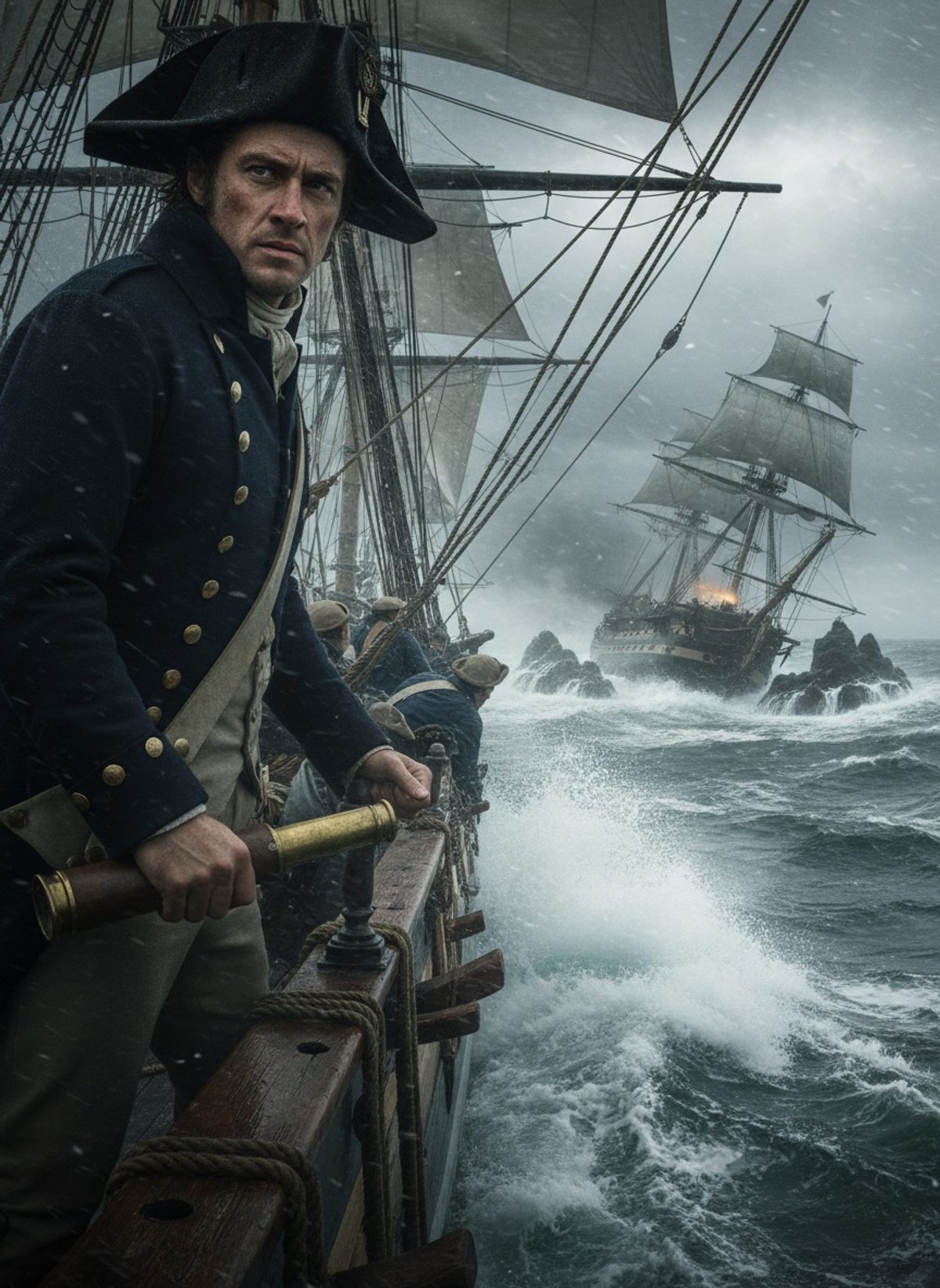
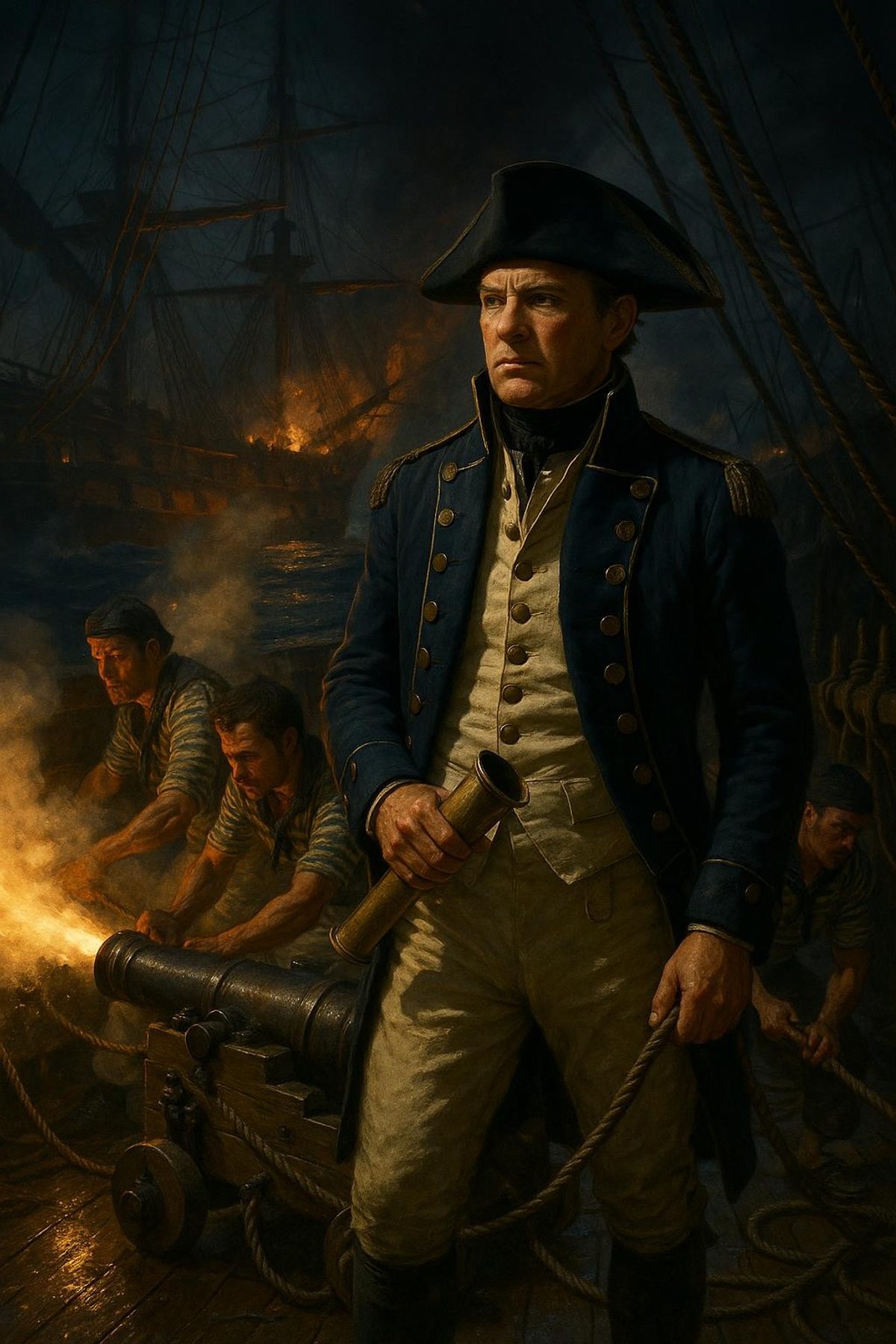
In the summer of 1801, legend has it that every move against the French was meticulously orchestrated by Admiral Horatio Nelson at the helm of the British fleet. However, tucked away in a quieter corner of the Mediterranean was the audacious Thomas Cochrane, a man without orders, without a ship, and seemingly without a chance of making a significant impact against Napoleon's forces. As fate would have it, the Napoleonic Wars, known for their grand naval clashes and relentless battles, found one of its most peculiar chapters written in the calmness of a moonlit night.
Lord Thomas Cochrane, better known later as the 10th Earl of Dundonald, was in a peculiar position. After losing command of his beloved HMS Speedy, which had brought him fame and fortune in numerous skirmishes, Cochrane found himself with nothing more than a small sloop, barely fit for grand battles. Stripped of his former power, many would assume he would ride out the war in relative insignificance, yet Cochrane's brimming ingenuity was not so easily subdued.
The Mediterranean waters were not merely a backdrop to Cochrane's twilight operation; they were his stage. Armed with a penchant for audacity and craftiness, he faced a formidable French fleet with fragmentary resources but mountainous courage. This was a man who had made a career out of turning naval engagements into cat-and-mouse chases, but this time he was the sole player on the British side.
Read next: When Broke Took the Chesapeake With His Bare Hands, 1813
How then did a solitary British sloop make an entire French squadron quake? Perhaps the answer lies as much in the temperament of Cochrane himself as it does in the details of his cunning plan. Here was a man who understood the weight of context as well as the sharpness of a well-deployed ruse, both of which he deftly employed one unsuspecting August night.
A Constellation of Tricks
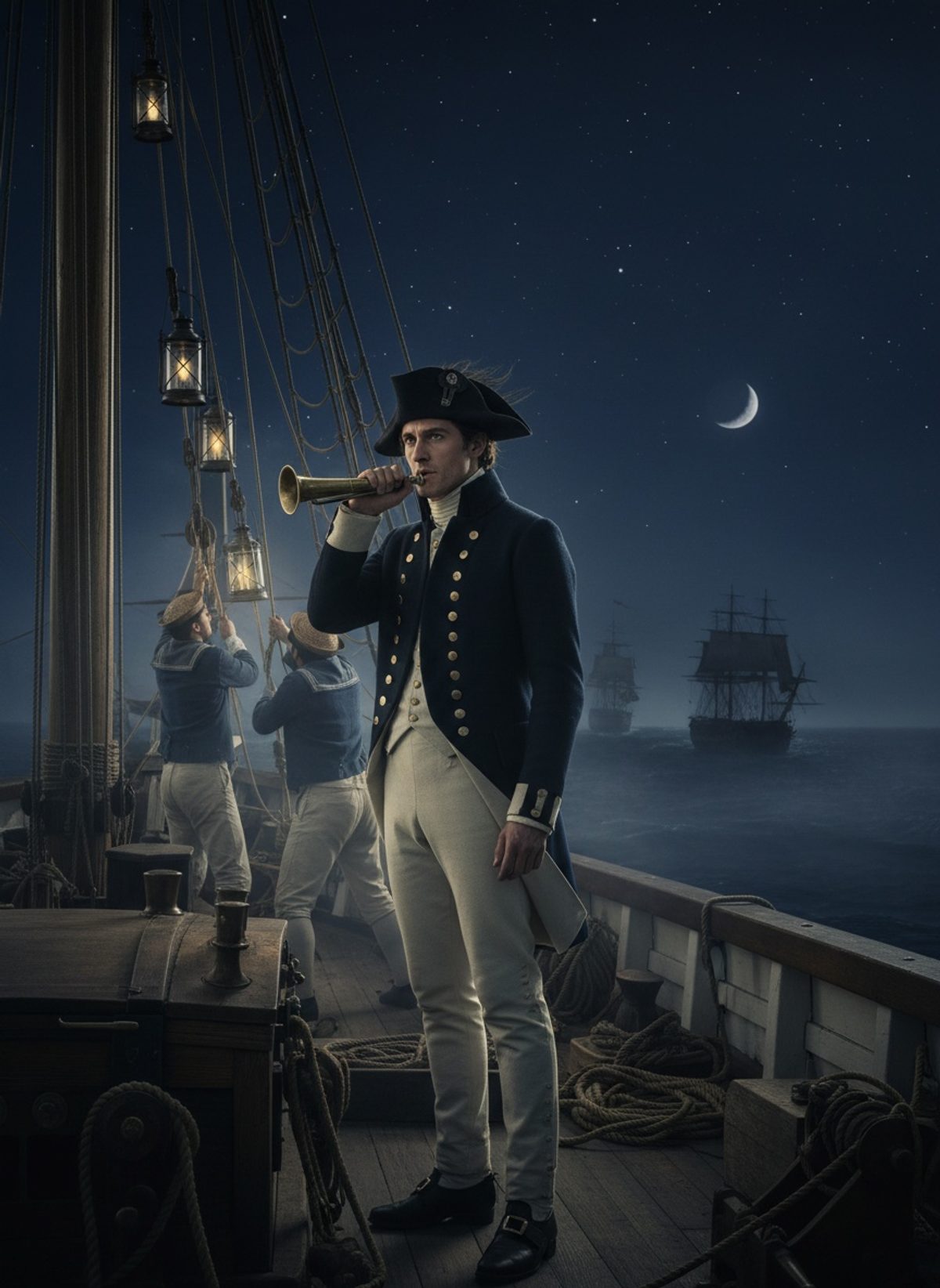
No guns blazed in the night, yet the threat of them loomed large in the air thanks to Cochrane’s clever deployment of signal lanterns. Armed with these tools and steely nerve, he set about creating an illusion large enough to deceive a fleet many times greater in firepower and number than his lone vessel.
As darkness enveloped the Mediterranean, Cochrane skillfully placed his lanterns across an expanse of water, suggesting, through clever manipulation of distance and light, that a formidable fleet awaited the French just beyond visible range. The twinkling of lanterns dancing in the sea breeze might have been mistaken for nothing extraordinary, yet in the charged atmosphere of wartime, even the flicker of light carried portentous messages.
The deftness of Cochrane's gamble was its simplicity, and herein lay its genius. The French, anchoring their assumptions in the power dynamics they had grown accustomed to, saw what they believed to be not just lights, but signals of a force ready to engage. In that eerie nocturnal setting, the imagination proved a more potent adversary than gunfire.
What Cochrane had set up was akin to a theatrical performance, cloaked in the realism of actual danger. Every move was calculated, yet left to the judgment of his enemy to bridge the gaps between fact and fiction. The bravado required to pull off such a stunt belongs to a special kind of naval tactician—one who readily turns the elements and psychology of war into tools of triumph.
The Retreat
In the heart of August, with the warm southern winds filtering through the rigging and sails, the French fleet, spearheaded not just by ships but under the command of sheer strategic caution, chose to turn away. The faint outline of the British flags was enough, in the clever puppetry of Cochrane's night-time stage, to suggest overpowering resistance.
Yet, not a single cannonball grazed the air, nor did a sword clash with steel. In the theater of shadow play, silence was the director's cue—a whispered warning made of belief and deception. The shaking certainty of the French admiral's fleet held testimony to the power of the right bluff at the right time.
This maneuver went beyond mere combat; it stood as an illustration of the vast capacity of human ingenuity. It begged the question of how often victories are painted not with the shades of might, but with the strokes of cunning and wit. Cochrane hadn’t merely turned away a fleet; he had embodied a narrative transformation in naval warfare. The man without a squadron had, with unparalleled guile, forced giants into uncomfortable retreat.
As the Mediterranean returned to its gentle murmurings in the wake of the French withdrawal, a chilled euphoric air lingered—had there been no lanterns, had there been no mind behind those flickering lights, the course of that night could have sailed a different course for history. In those hours marked by light and shadows, Cochrane proved that sometimes the sharpest weapons in war are neither on a ship nor carried by soldiers but rather sit within one's mind, flickering like the lanterns guiding an improbable success.