The Battle of the Nile was a decisive victory for the British. Yet its brilliance emerged from what should have been an insurmountable challenge.
A Night of Improbable Plans
Imagine an inky August night in 1798, with the Mediterranean Sea a sprawling black canvas and the hum of anticipation vibrating through the air. Admiral Horatio Nelson, commander of the British Mediterranean fleet, stood atop the deck of his flagship, intending to defy naval doctrine. Abukir Bay lay before him, its waters teeming with anchored French warships—the very lifeline of Napoleon Bonaparte's Egyptian campaign.
The French, confident in their formidable position, lay anchored in a crescent formation, believed to be untouchable by an enemy fleet maneuvering in the darkness. The British were outnumbered, battling not just the enemy but the very elements themselves. This audacious endeavor involved sailing directly into dangerous waters, lights extinguished, relying on little more than sheer naval skill to strike at the heart of the French fleet.
Commands whispered in the gloom saw HMS Agamemnon slice through the shadows, responding to the calculated chaos with precision. The air was thick with the scent of salt and anticipation, as this daring maneuver played out under a moonless sky. As the hourglass of history turned, the future of Egypt—and of Europe—hung uncertain.
Read next: When the Medusa Ran Aground and France Abandoned Its Men
The Thunderous Crescendo of Battle
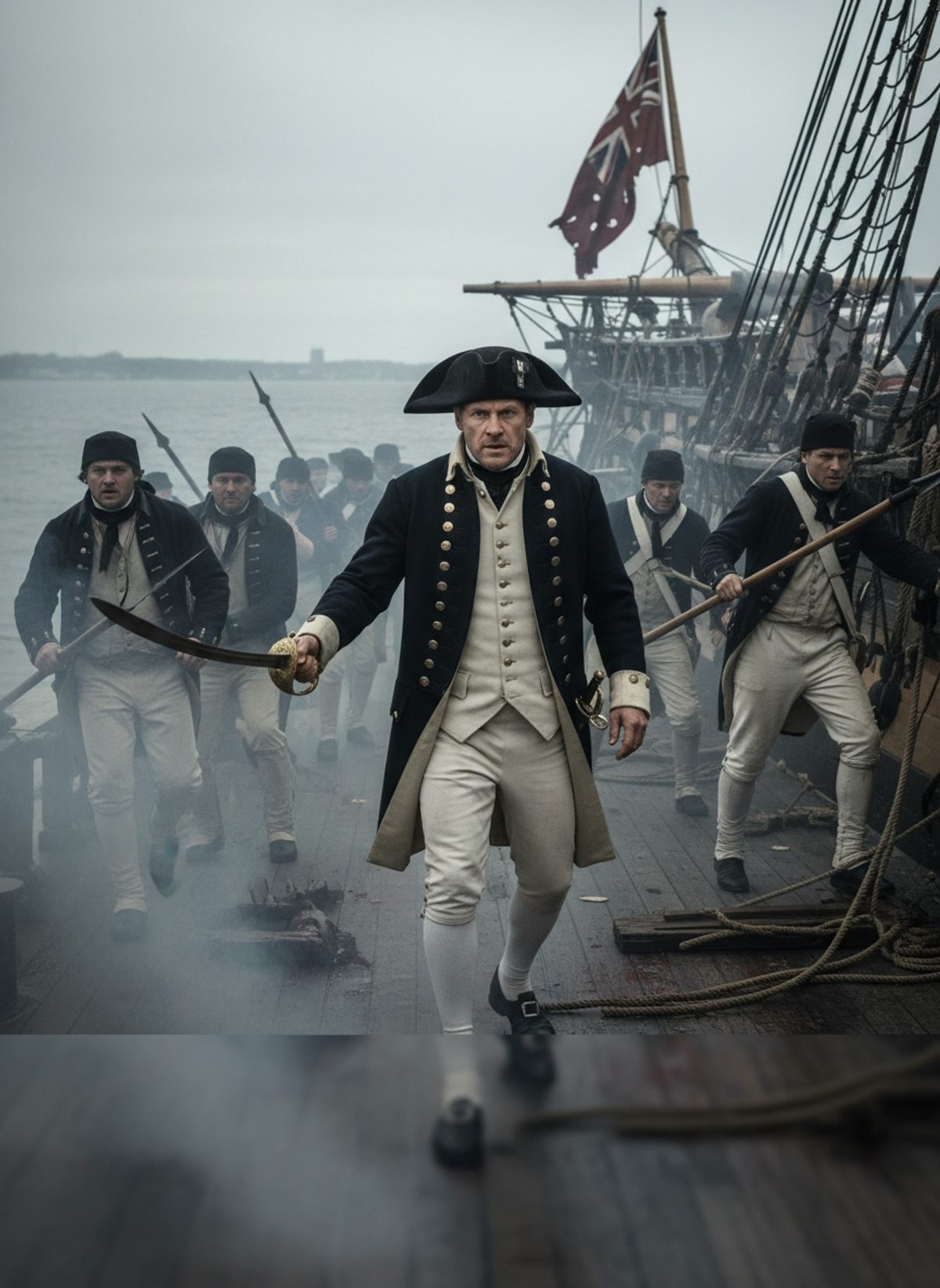
In a world where time seemed to pause, the night was shattered by the roar of artillery. It was August 1, and the first barrages erupted like rolling thunderstorms across the waters. The cannon fire wasn’t just a sound; it was an announcement to the French that the British had arrived, defying expectations and sending shockwaves through the anchored fleet. The French were caught off-guard, their formidable line now a line of vulnerability.
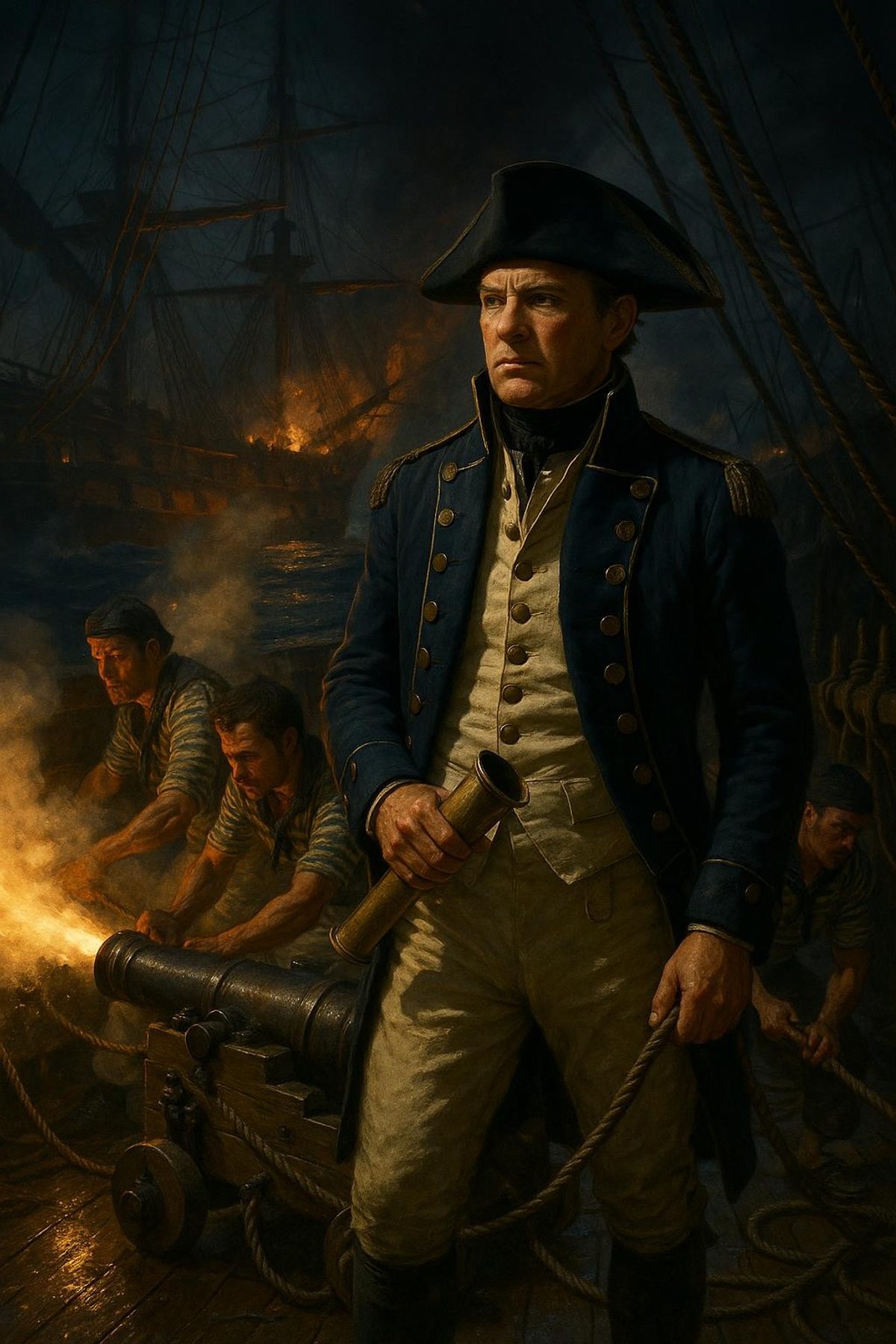
Within the mêlée, HMS Agamemnon was a caught breath before the plunge, an artful dance of maneuvering skill and deadly volleys. As the British ships aligned to attack both sides of the French ships—a bold tactic that transformed them into sitting targets—each discharge was a brushstroke in a masterful painting of destruction.
The battle raged with a ferocity that nearly defied belief. The great guns, silent when loaded, exploded in furious symphony, their echoes rolling across the bay. As dawn trembled on the horizon, the once-mighty French fleet lay crippled, smoldering husks on the still waters. Where rigging had been, there were now tendrils of smoke, reaching skyward like ghostly hands against the growing light.
Hope Abandoned on Egyptian Sands
In the aftermath, the cost of victory and defeat was laid bare with brutal clarity. Upwards of half the French fleet was captured or destroyed; Bonaparte’s ambitions lay stranded like ephemeral dreams on the shores of Egypt. The ocean—a lifeline for supplies and reinforcements—was severed by the very ships they had underestimated. Nelson's tactics demolished any hope the French had of maintaining a secure line to their homeland.
Napoleon’s Grande Armée, veterans of countless victories, found themselves immobilized by the vast Egyptian sands. Cut off from France, their numbers dwindled under the relentless sun and the invisible weight of inevitability. What had begun as a campaign promising new glory turned swiftly into a crushing stagnation, overshadowed by the failure now etched into the annals of naval history.
HMS Agamemnon and her companions sailed into a future unburdened by the strains of the past. Their audacity ensured that the Mediterranean would bear witness to a new power dynamic, with British naval supremacy etched clearly upon its waves.
The Ripples of Change
The Battle of the Nile was not just a fight—it was a turning point, echoing beyond the crashing waves of Abukir Bay. What happened on that starlit night in 1798 became a legendary rebalance of power. As the sun rose over the tranquil sea, the British cemented their influence in a way that textbooks could scarcely capture.
History is often a tapestry woven with unexpected threads, each strand contributing to the broader narrative. HMS Agamemnon and the night that dared the impossible became one of those indelible threads. By cutting Napoleon's tether, they reshaped destinies, leaving an indelible mark that carved the path for what Europe would become.
So, beneath the flat surface of familiar tales, lies the story of a fleet that defied the night, altering history in ways seen and unseen. It is a story that reminds us that even in the dark, the spirit to challenge the unthinkable can light a path to new possibilities.