Most battles are fought with bullets and bayonets. Yet, for the British Army in Egypt during World War I, an unexpected enemy lay within.
The Unseen Culprit
By 1916, the British forces stationed in Egypt faced a crippling problem, one that was far more personal than the distant threat of Turkish troops. The enemy was venereal disease, which was taking more soldiers out of action than the bullets or bayonets of their adversaries. The bustling streets and dimly lit alleyways of Cairo became the unintentional battlegrounds of this unseen war. The city's lure, with its mystical allure to the foreign soldiers, provided ample opportunity for encounters that often ended with grim consequences.
The Army Medical Corps, confronted with rising numbers of afflicted men, had a dilemma on their hands. The costs were significant—not just in morale but also in terms of manpower. Troops falling to venereal disease meant fewer soldiers on the front lines, straining the army’s capabilities to sustain an effective fighting force. Normal protocol called for containment through strict punishment, but there was one officer who decided that a more daring approach was necessary.
The Approach No One Expected
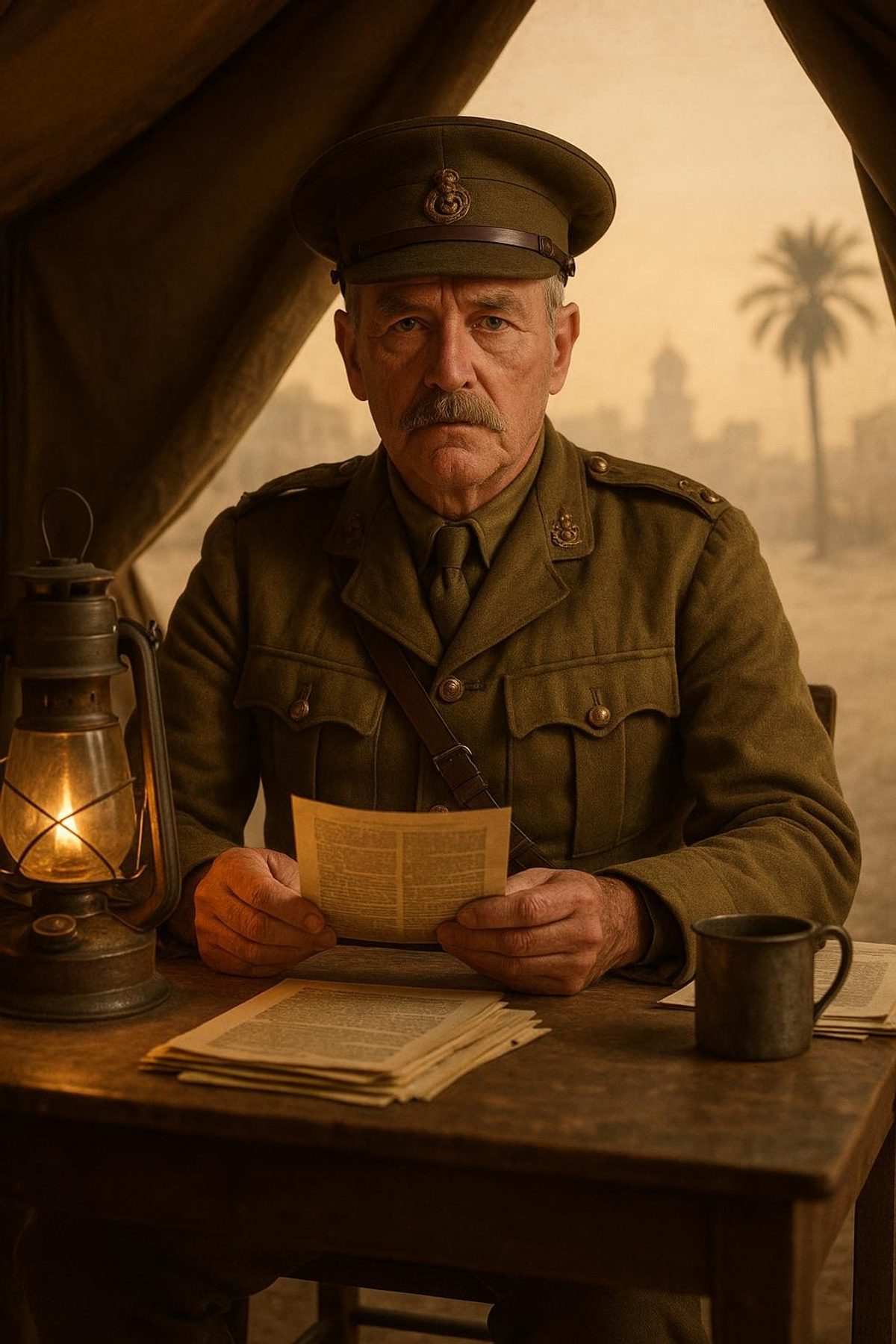
Amidst the bustling chaos of wartime Cairo, an innovative medical officer identified a radical solution: education. While most of his peers adhered slavishly to established procedures, this officer recognized that prevention was more powerful than punishment. In an era where sexual education was both a taboo and a rarity, his actions were nothing less than revolutionary.
Read next: When the Forgotten Battle Broke Japan's Army, 1944
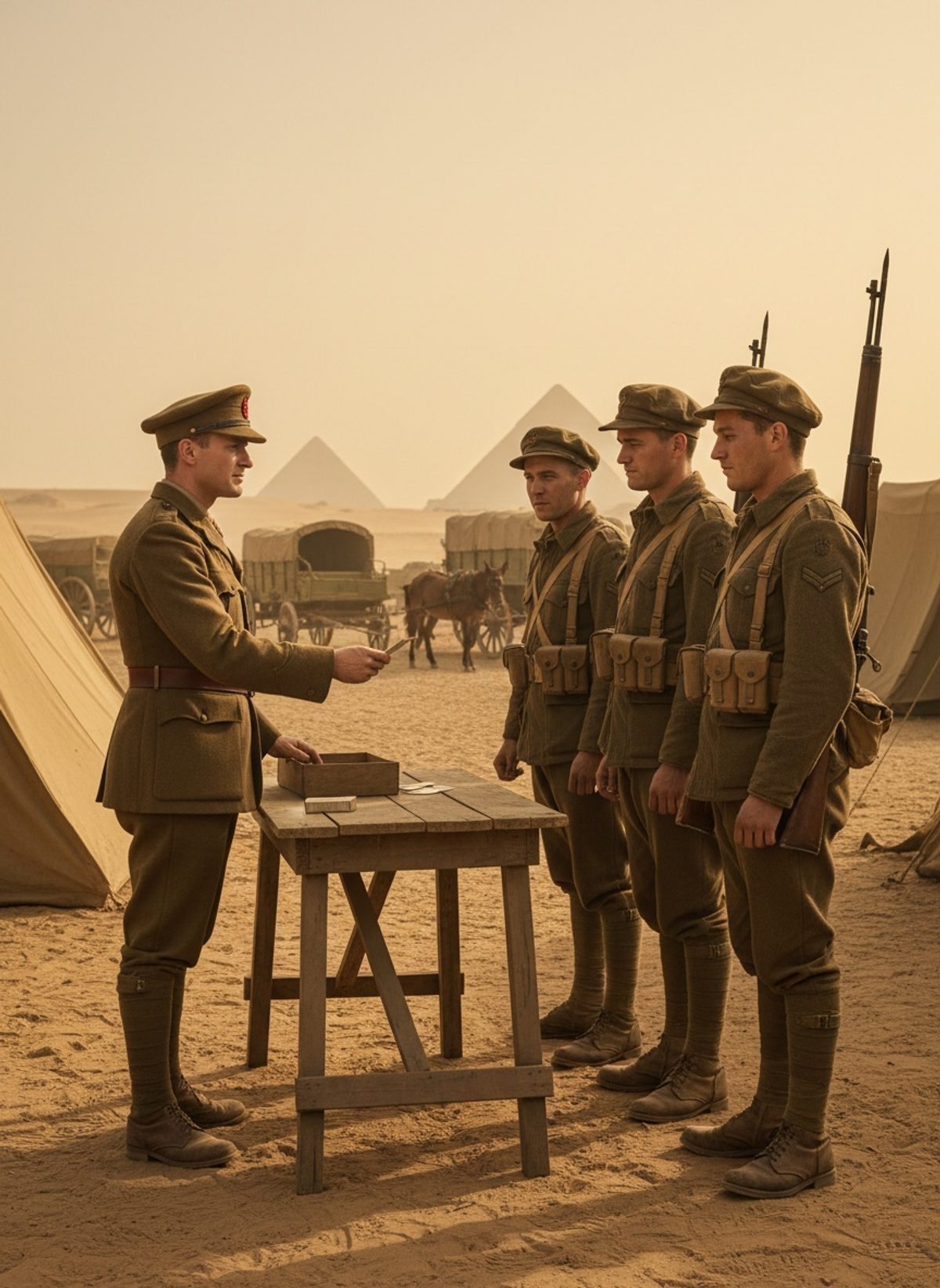
He took to printing blunt prevention cards, devoid of the flowery euphemisms that typically mired such documents in confusion. These cards included straightforward, explicit language about the dangers of venereal disease and how soldiers could protect themselves. From the darkened corners of Cairo’s brothels to the barracks of base camps, every soldier was soon carrying a card in his pocket—a small weapon against the personification of their own vices.
Voices of Dissent: The Church's Outrage
The risky maneuver of distributing these prevention cards was not without its critics. Chief among them were the military chaplains, whose protests were swift and fierce. They decried the cards as vulgar and morally corrupting, arguing that they encouraged licentious behavior among the troops, rather than discouraging it. To them, the very mention of such vice was tantamount to an acceptance, a violation of moral sanctities that should have remained unspoken.
In the intense debate that followed, the voices of the chaplains reverberated through the halls of military leadership. Their official complaint echoed a sentiment long held by many: that moral uprightness simply required a stiff upper lip and resolute willpower. Yet, in this complex moment of wartime pragmatism, such idealism was a significant overestimation of human nature. The reality was potent and sordid—young men in far-off lands, away from the constraints of home, were vulnerable to temptation and consequences.
The General's Unexpected Allyship
Amid the storm of ecclesiastical rebuke and official reprimand, General Edmund Allenby, the commanding officer of the Egyptian Expeditionary Force, stood with the medical officer's controversial strategy. Allenby, known for his pragmatic leadership and understanding of the practical needs of war, was no stranger to unorthodox solutions. His backing of the prevention cards was a powerful statement: the priority was the health of his soldiers, and their ability to fight, above dogmatic adherence to traditional values.
Allenby's support for the medical officer's actions was visionary for the time. In standing by his subordinate, the general effectively shielded him from significant backlash, demonstrating a keen awareness of the real conditions on the ground. In the theaters of war where life hung in fragile balance, Allenby chose efficacy over ideological dogma, championing the officer's common-sense approach against an ancient scourge.
A Legacy Beyond the Battlefield
Though this chapter remains largely uncharted in mainstream textbooks, its implications ripple through history as an extraordinary example of early health advocacy. By providing soldiers with the knowledge they needed to protect themselves, the medical officer empowered them amid the chaos of war. The quiet success of these prevention cards showcased how small acts of rebellion against traditional norms could yield tremendous benefits in unexpected ways.
The tale of Allenby's doctor and his controversial cards is a potent reminder of the unyielding clash between pragmatism and principle. In the furnaces of conflict, pragmatic decisions can sometimes revive those who fiercest battles had gravely challenged. It also serves as a question for modernity—what vices lurk within our ranks today that demand similarly daring solutions? As we forge forward, may this rarely told episode from the dusty annals of World War I offer inspiration to seek victories not only on the battlefield but also against the silent conflicts that ensnare us.