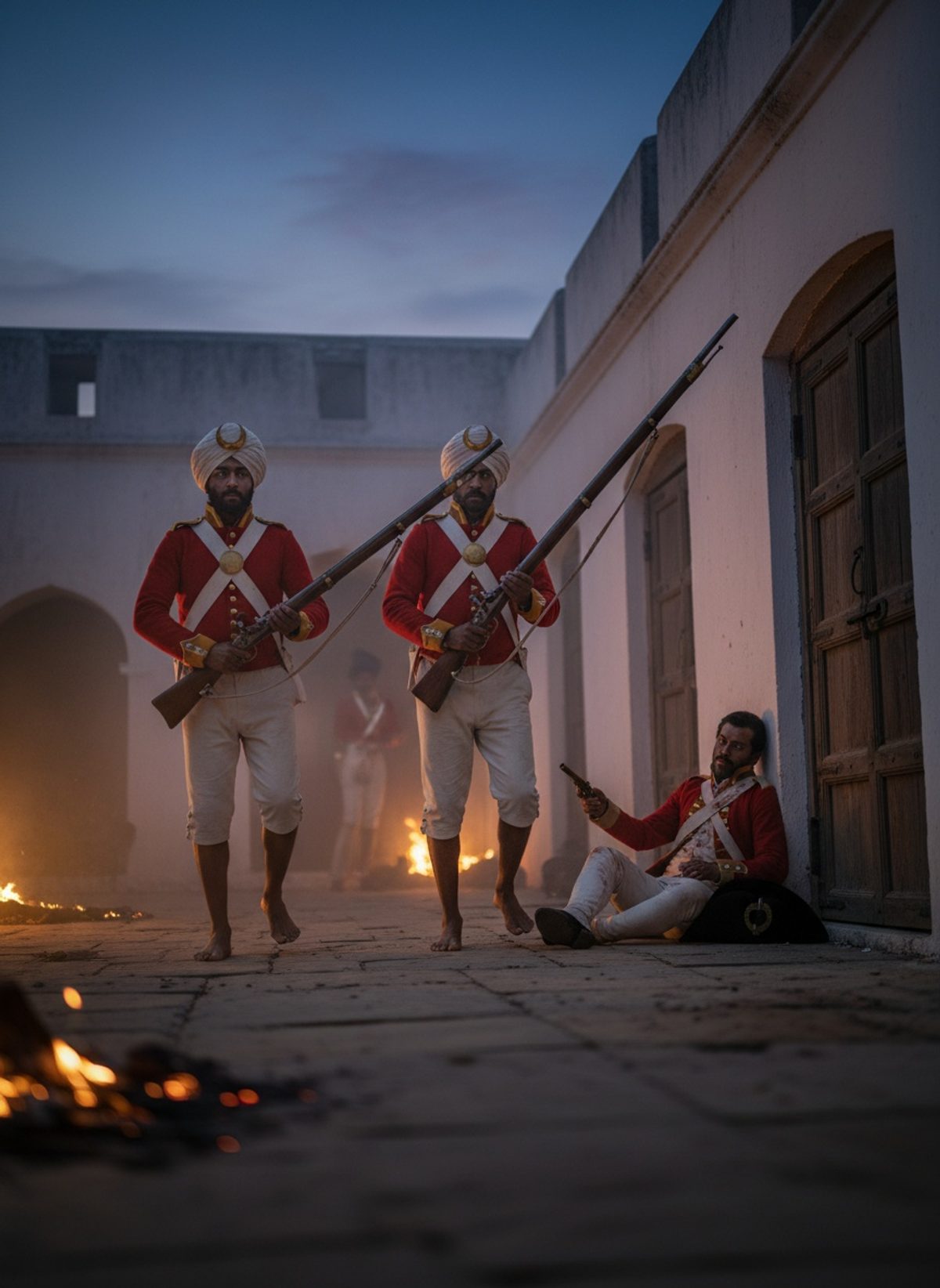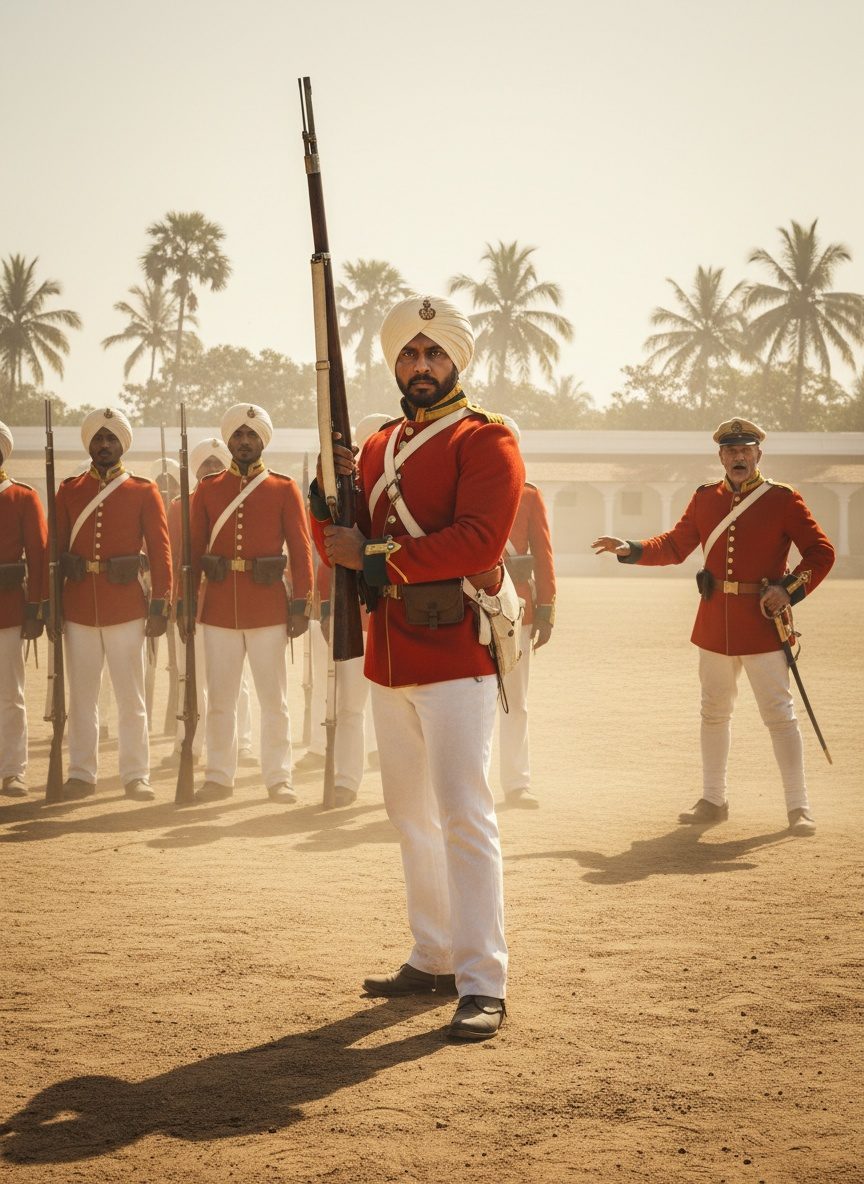
The sun hung heavy in the Indian summer sky, casting its relentless rays upon the sprawling fortifications of Gwalior. The air shimmered with heat, and the sound of horse hooves echoed ominously across the dusty plains. It was June 1858, and this ancient seat of Maratha power was about to witness a climactic clash. In just hours, the fierce Rani of Jhansi, Lakshmi Bai, would ride out to lead her forces against the British cavalry. This was no ordinary battle; it was a desperate bid for freedom, legacy, and honour — the echoes of which would resound far beyond the walls of Gwalior.
The Siege at the Gates of Gwalior
As the British forces advanced, the Maharaja of Gwalior might have felt the tremors of fate shifting beneath his feet. The once-loyal princely state was now a contested stronghold in this brutal uprising against British rule. At the heart of this turmoil was Lakshmi Bai, a woman of indomitable spirit, renowned not only for her fierce resolve but also for her strategic prowess.
The garrison's defenders stood tense and ready, knowing well the mettle of the opposing forces led by Hugh Rose, a veteran of the Crimean War. His soldiers were no strangers to battle, and neither was Lakshmi Bai. She had traversed countless trials, losing her throne, her son, and her city, yet her resolve remained unbroken. As she prepared to face the British, her mind must have churned with the possibilities of this decisive encounter.
The siege at the gates of Gwalior was not merely a military manoeuvre; it was a microcosm of the larger struggles sweeping through India. The sepoy mutiny of 1857 had ignited a firestorm, a collective roar from millions who had grown weary beneath the yoke of colonial rule. For Lakshmi Bai, this was personal battle, one where surrender was not an option. Her loyalty lay with her people and her land, and she had sworn to defend them to her last breath.
Read next: When Mau Mau's General Surrendered the Forest, 1956
The Fierce Charge of a Queen
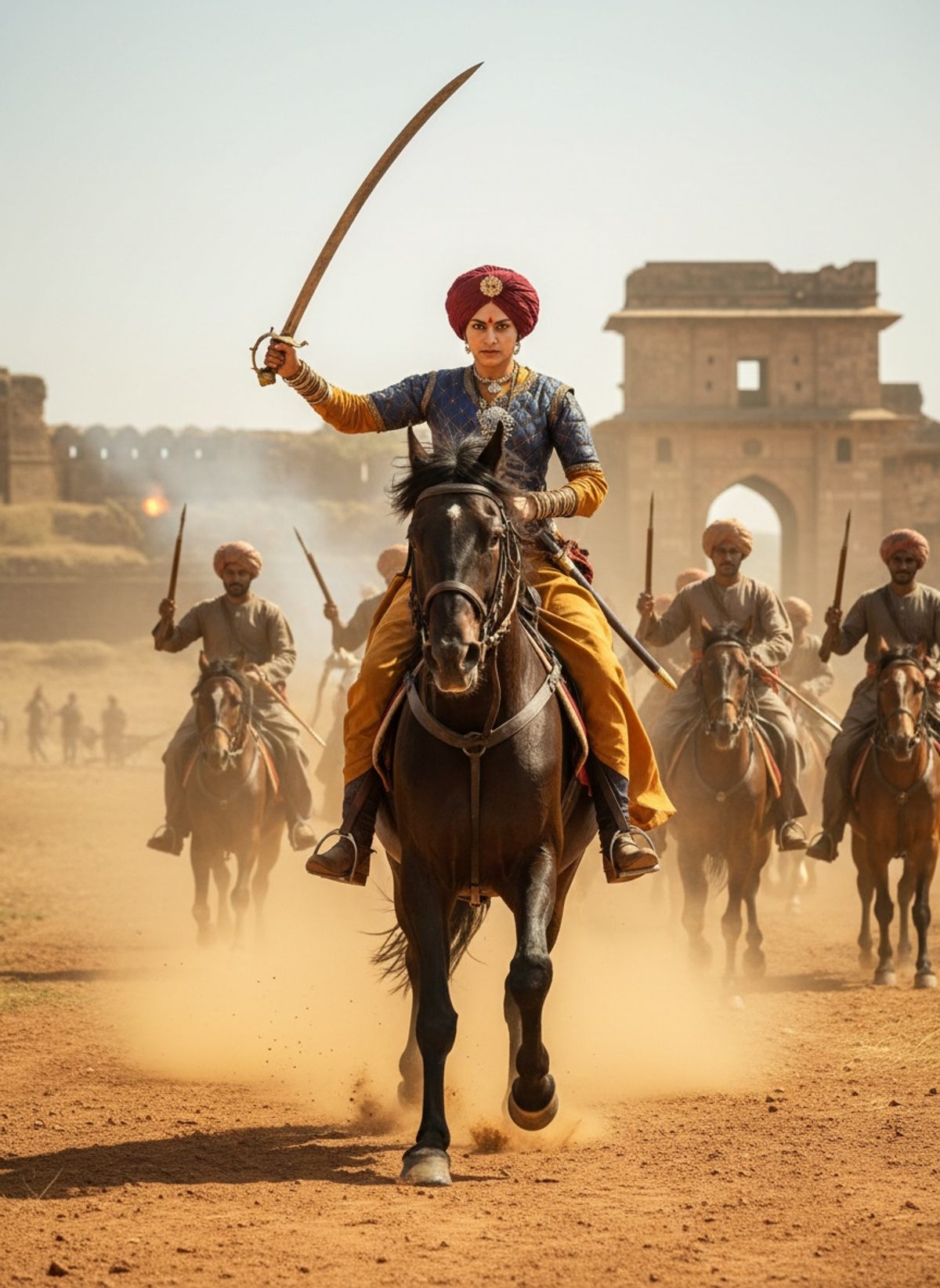
As dawn broke on the horizon, casting long shadows over the landscape, the Rani led her troops in a daring charge from the fortress. Mounted atop her steed and armed with sword and shield, she cut a commanding figure amidst the roiling dust. Her forces, driven by the same determination, followed her into the fray with cries that filled the morning air.
The British cavalry, seasoned though they were, found themselves taken aback by the ferocity and resolve of the defenders. Lakshmi Bai outmaneuvered them with deftness, darting through the battlefield with an agility and strength that belied the hardships she had faced. Spectators might have doubted such a slender figure could stand amidst the chaos, but those who underestimated her soon realized their folly.
The scene was alive with the clang of swords and the thrumming of arrows, a cacophony punctuated by the harsh commands shouted by officers over the din. Every sweep of her blade and rallying call to her troops was imbued with the weight of all she had lost and the fervour of all she sought to preserve. In an insurgency where men's names were often celebrated, her command demonstrated exceptional leadership and skill that left a lasting imprint on both allies and adversaries alike.
Reflected Honour in Shadowed Eyes
The tempo of battle surged and waned under the suffocating heat. Dust clouded the skies, stung the eyes, and obscured the scene in a mist of churning brown. Yet even amidst the turmoil, the connection between opponents was tangible, a strange kind of respect mingling with conflict. Lakshmi Bai's valor did not go unnoticed by the British; indeed, it seemed to win their grudging admiration.
To General Hugh Rose, an adversary skilled in the subjugation of rebellious forces, she was nothing short of extraordinary. Later, he would muse —not with disdain, but with respect — on this 'greatest rebel leader' he had faced. There was something about the Rani’s indomitable spirit, her unyielding dedication to her cause, that transcended the breach wrought by war and spoken to the core of military honour. Her dream was for her people and her land, and in pursuit of that dream, she became a symbol for many Indians, a beacon of resistance and resilience.
A Life's Fierce Flame Extinguished
Even the fiercest spirit demands renewal; a grievous wound, though denied, began to slow her determined charge. Fate, often as cruel as it is unpredictable, chose this day to reclaim her. As exhaustion etched lines into her noble visage, she fought with her last reserves of strength. In the midst of the clamor of men and beasts, Lakshmi Bai, the Rani of Jhansi, made her final stand.
The end arrived not as a cessation, but as the culmination of relentless fervor. She fell — perhaps finally unburdened — upon this ancestral ground. The Rani never surrendered; she passed beyond this world leaving a legacy of courage that would not easily be forgotten. The echoes of her defiance would ripple through history, inspiring generations long after the guns fell silent.
Why does the story of Lakshmi Bai matter today? It serves as a timeless reminder that even in the face of overwhelming odds, strength of character can illuminate paths of hope. In a world often divided by power and plagued by preconceptions, her story celebrates the tenacity of the human spirit. It invites us to reflect on the legacy of those who dared to defy limiting labels and reminds us that true bravery lies not in never falling, but in rising every time we fall. Her fight was for more than territory; it was for the principles of self-respect and freedom, offering a movement a figure around which to rally. It is a fight that echoes still.