The British Empire — the forgotten chapters · page 18 of 22
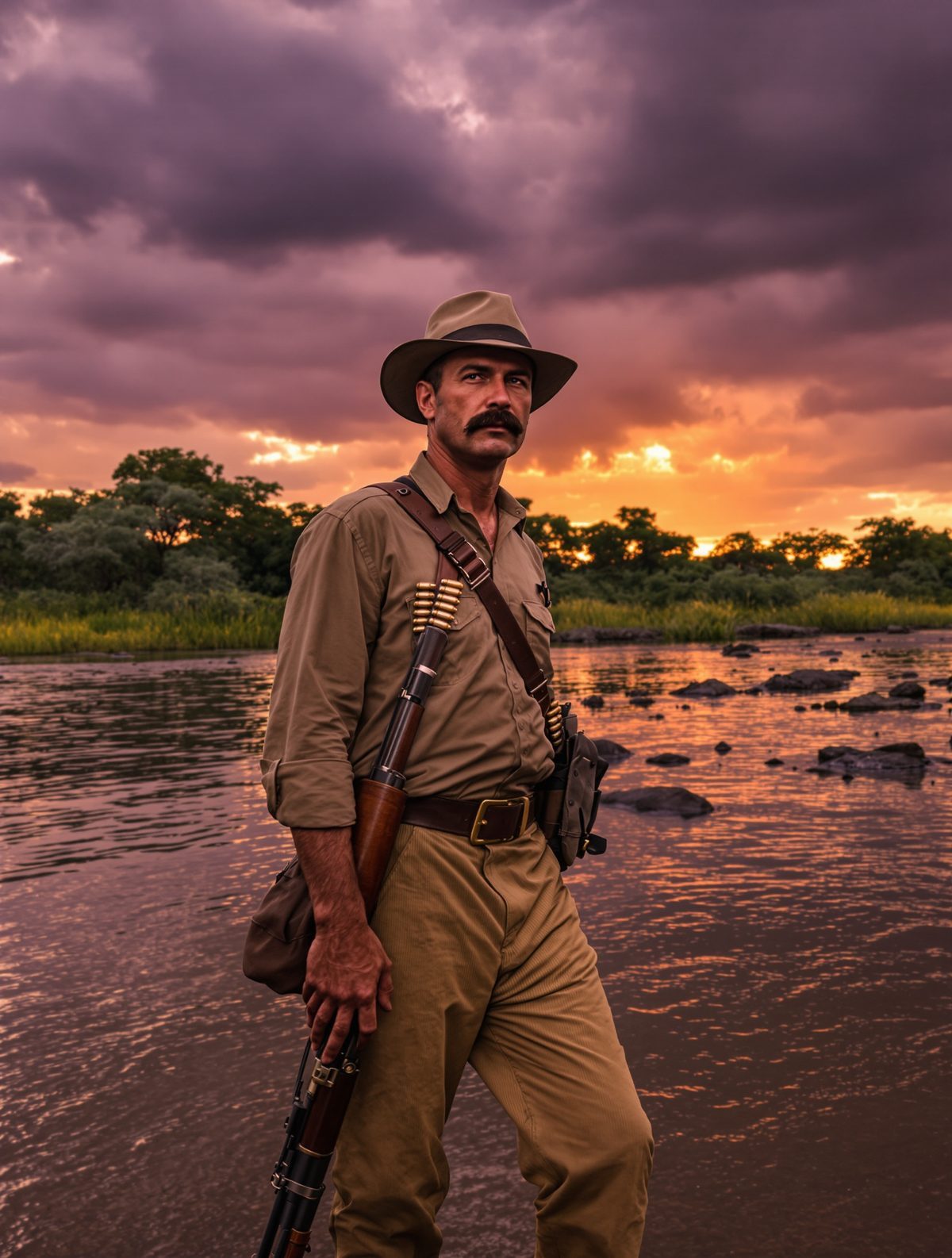
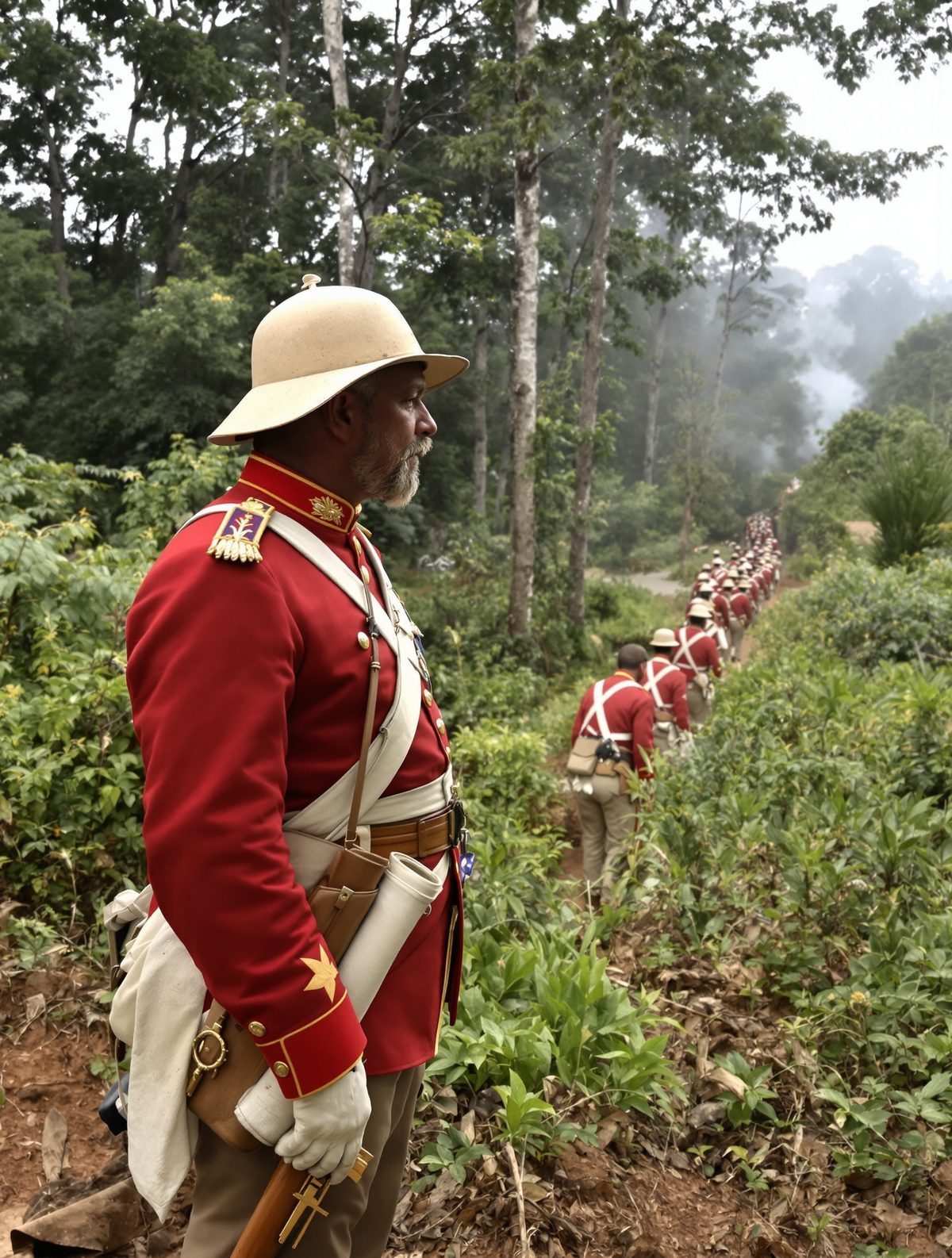
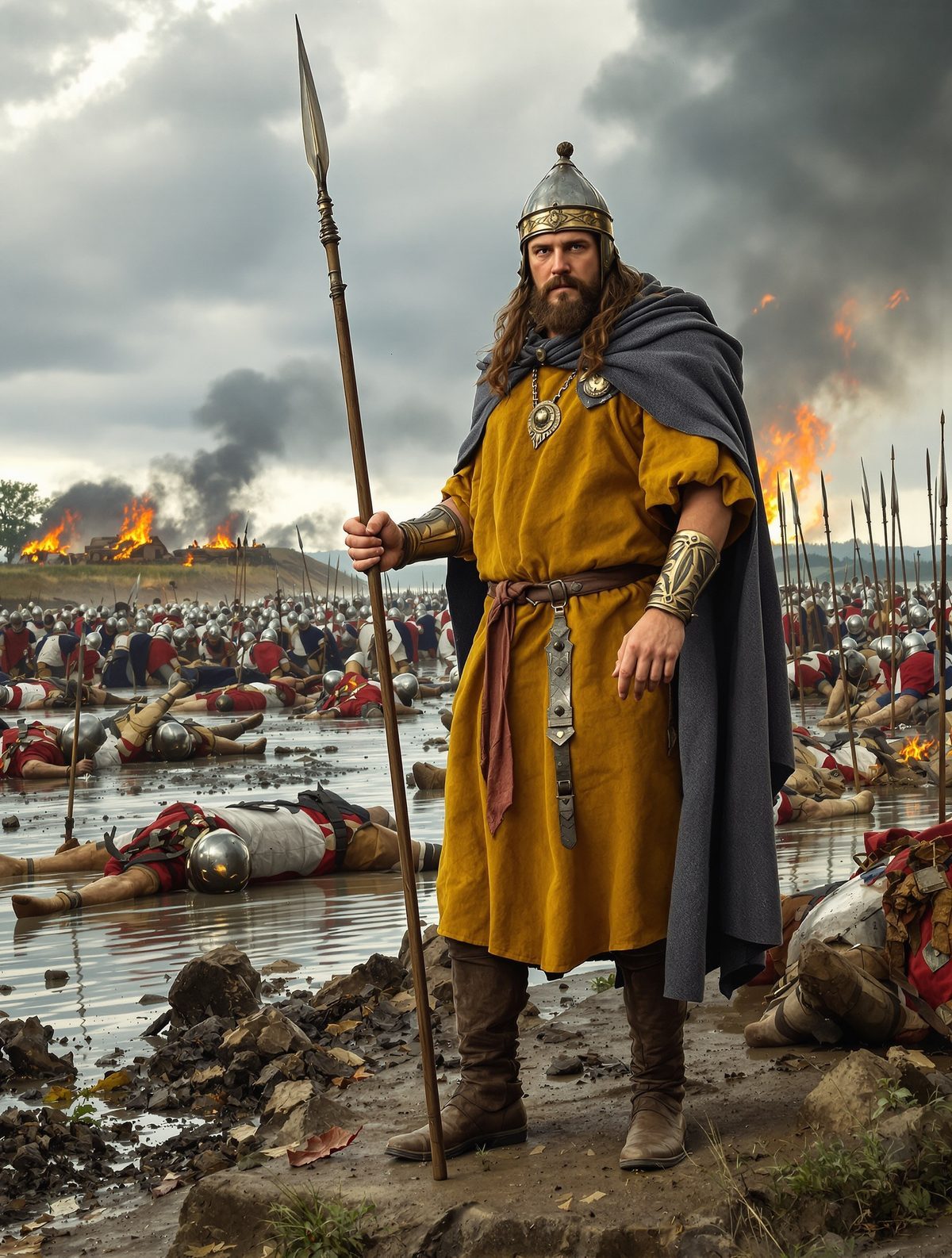
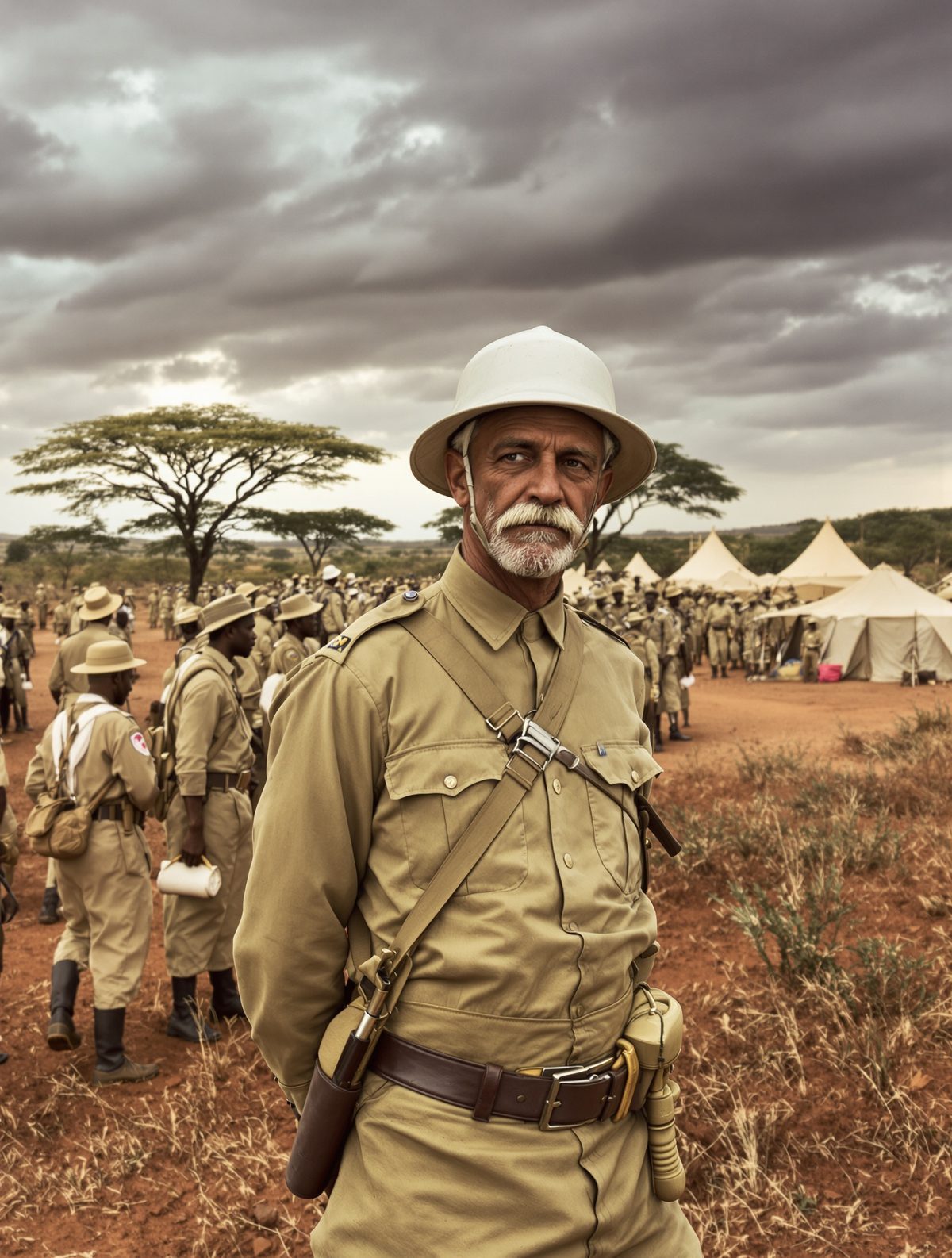
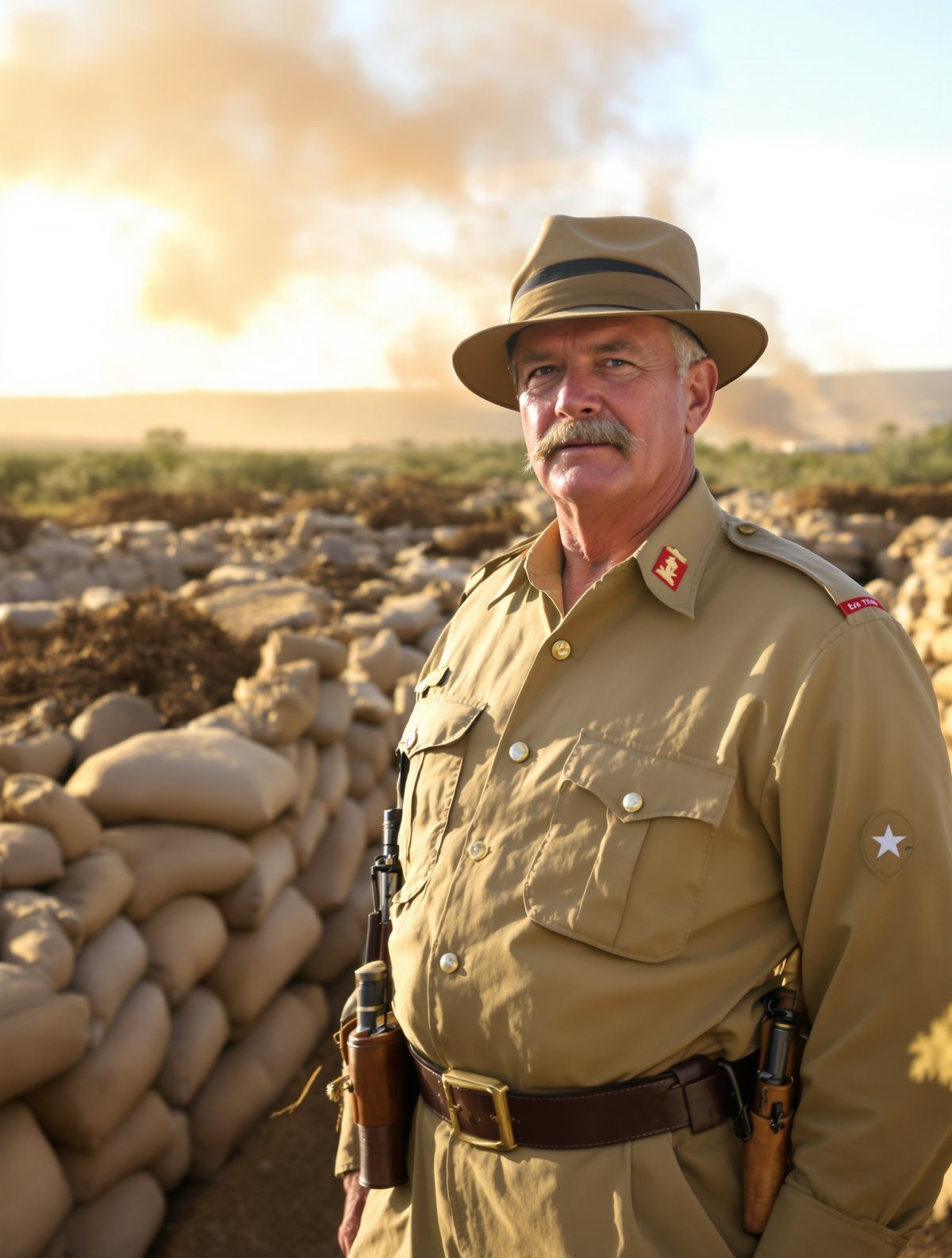
He was 42 years old. Outnumbered. Cut off from his column. Frederick Courteney Selous held a river crossing alone for two hours so his men could retreat. Africa's greatest hunter became its greatest soldier.
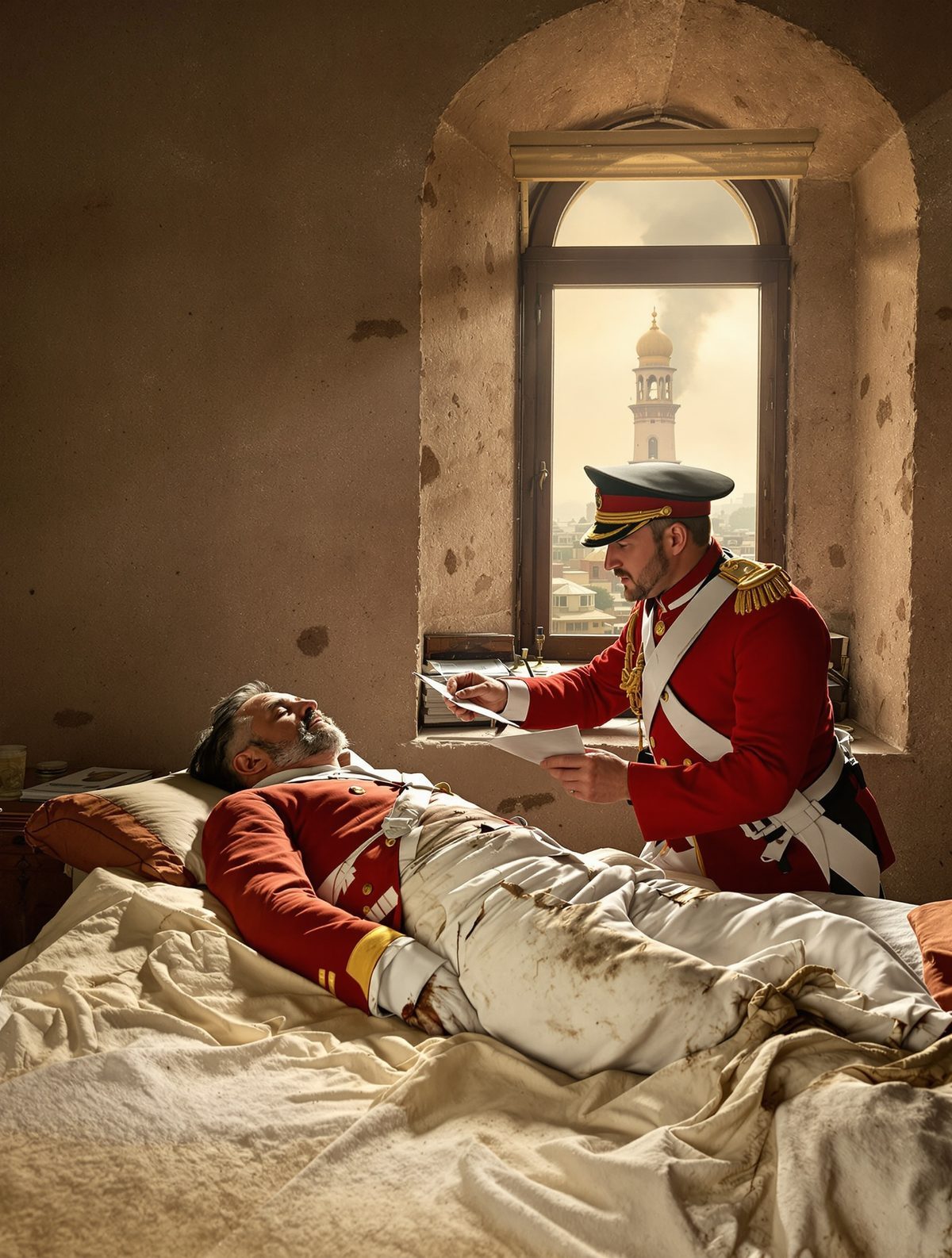
July 1857. The Mutiny raged. Sir Henry Lawrence was dying from a shell wound. His final order: hold the Residency. For 87 days, 1,000 souls survived behind crumbling walls — and waited.
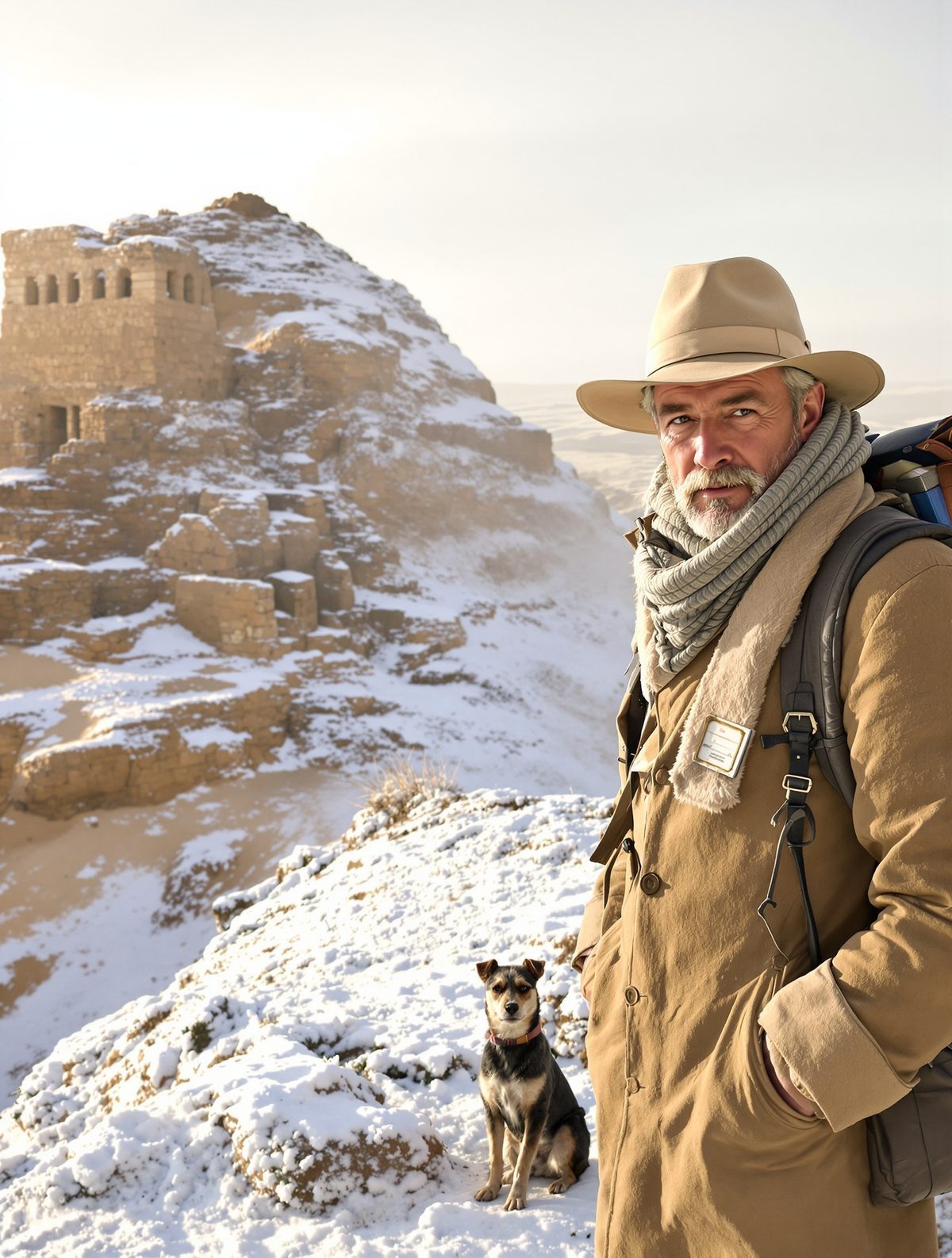
1900. A lone scholar crossed the world's deadliest desert in midwinter. No army. No maps. Just four dogs and a dream. Sir Aurel Stein emerged with the greatest cache of lost manuscripts ever found.
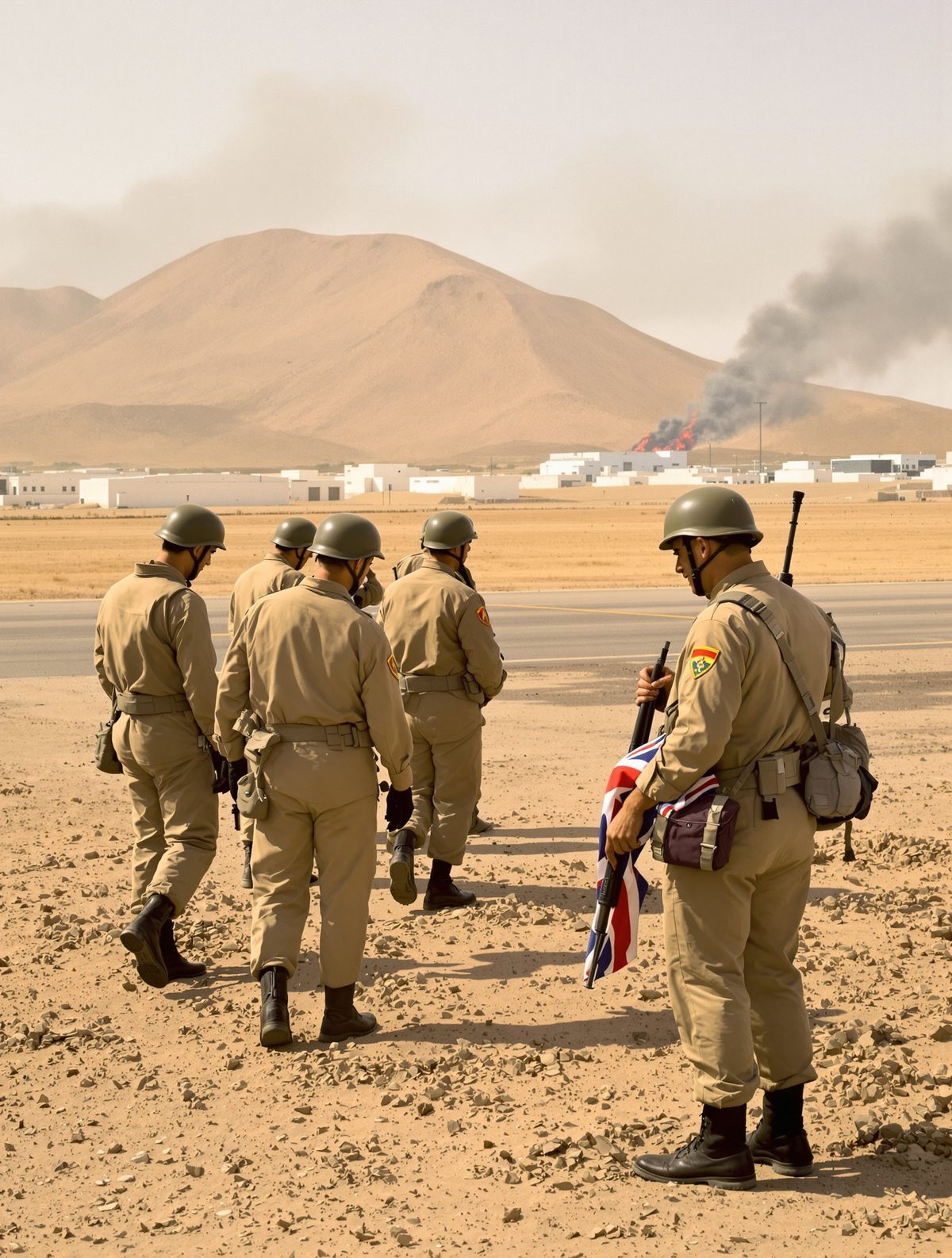
November 1967. Aden was burning. Bombs had killed 57 British soldiers in four years. The last men walked to the last helicopter. No ceremony. No speeches. Just silence — and the sound of rotors fading.
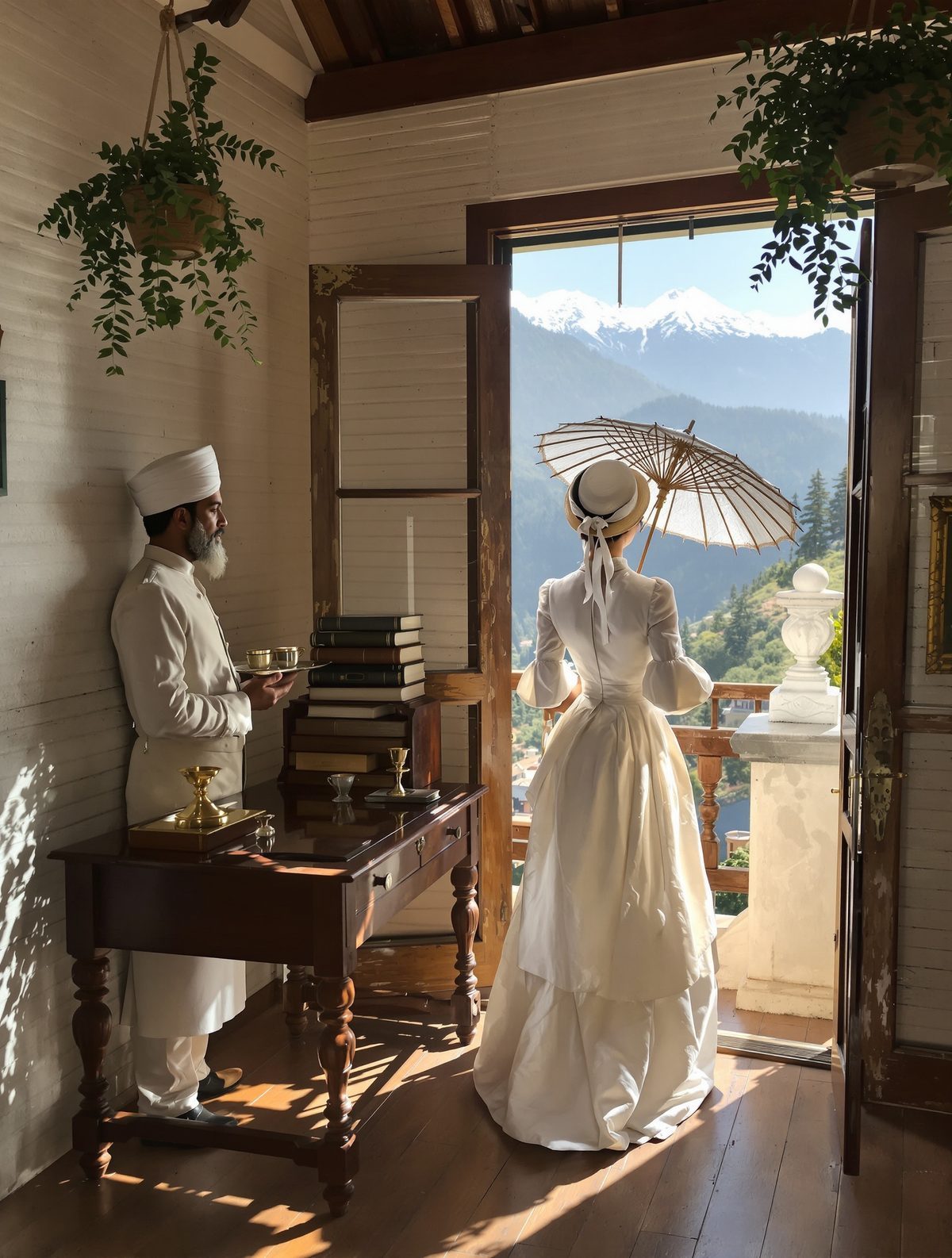
Every May, an entire government packed its bags. Clerks, files, ministers — all climbed into the mountains. For six months, Shimla ruled an empire of 300 million from a wooden town perched at 7,000 feet.
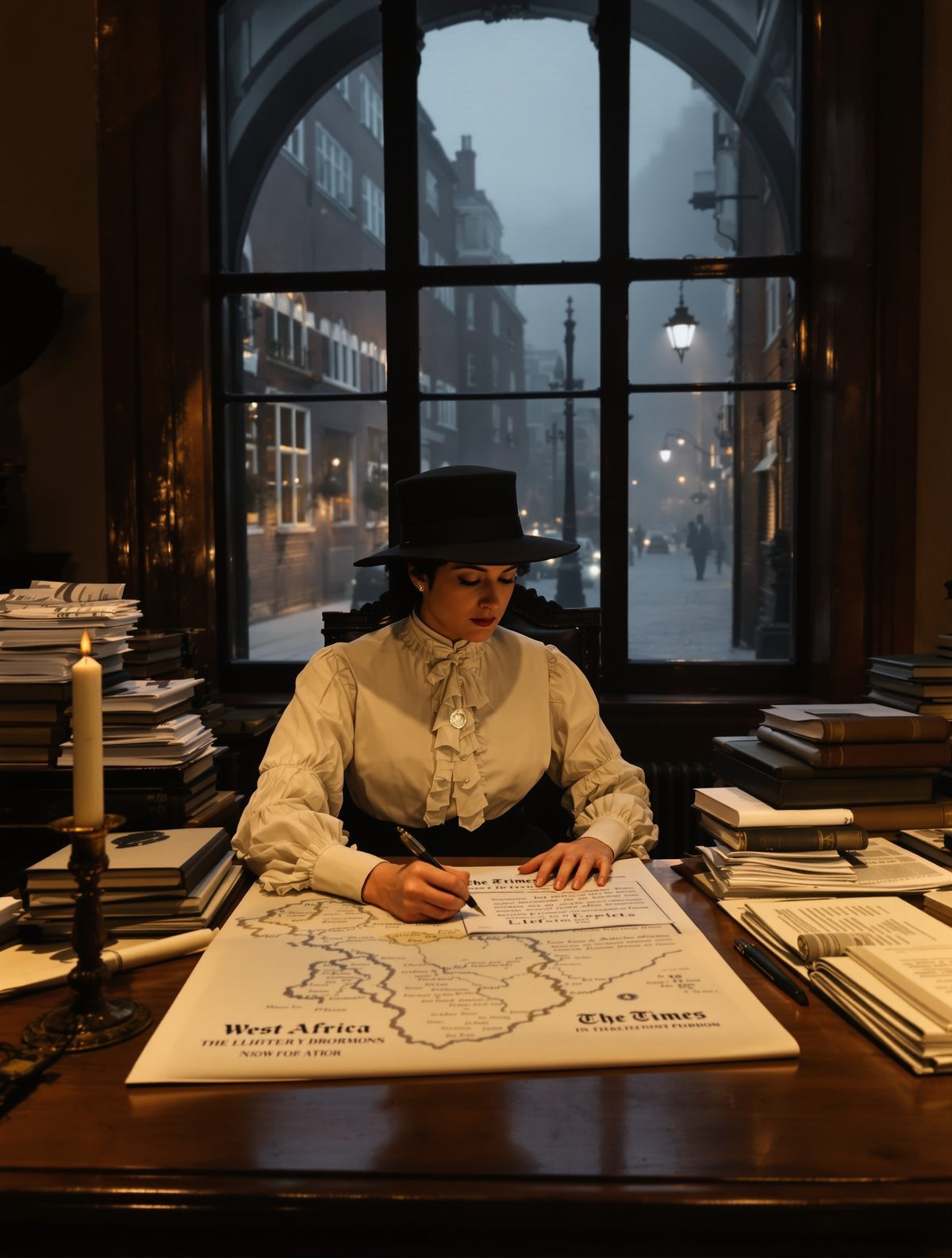
She had never visited Nigeria. But Flora Shaw named it from a London desk in 1897. One word in The Times. One woman's pen. One nation born.
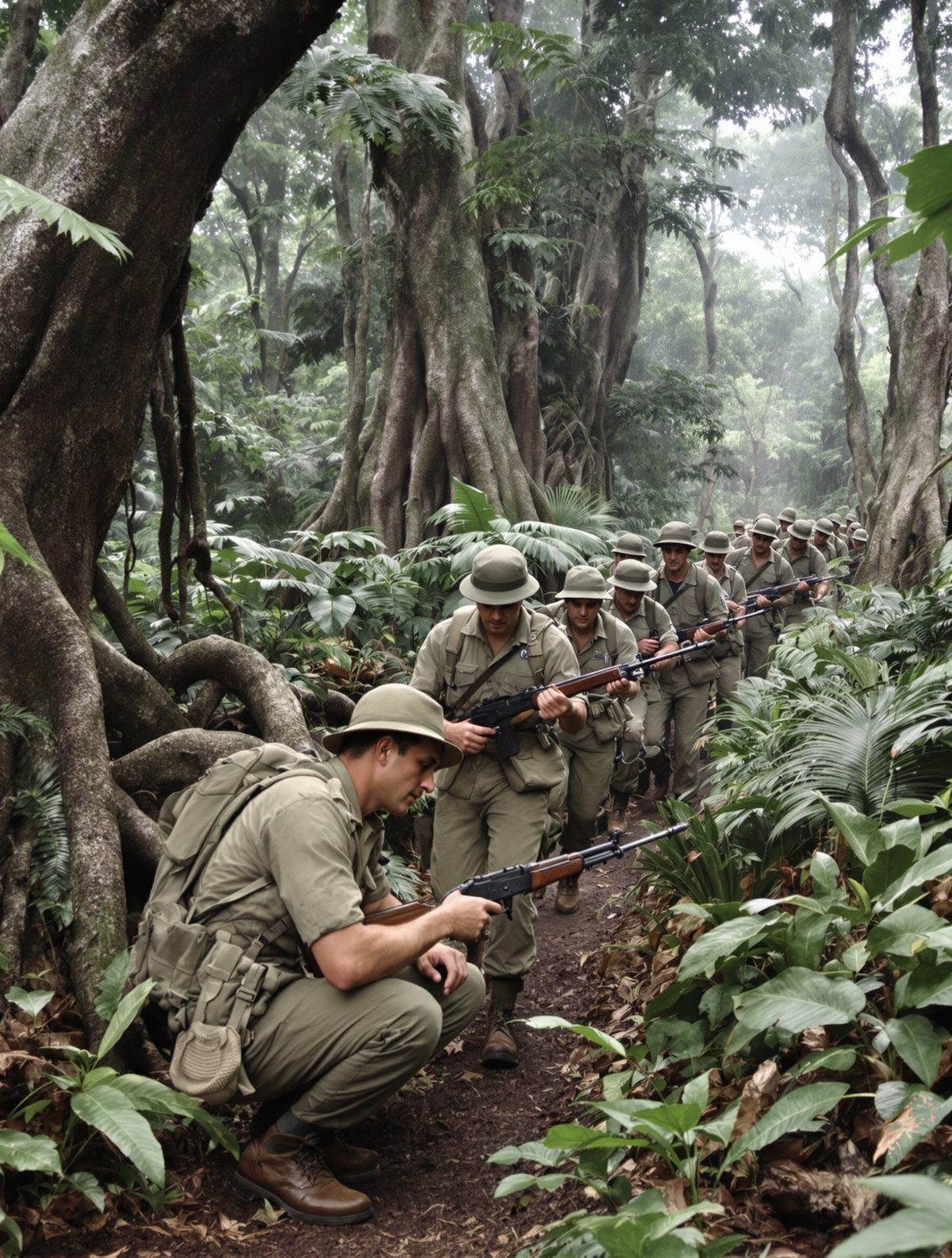
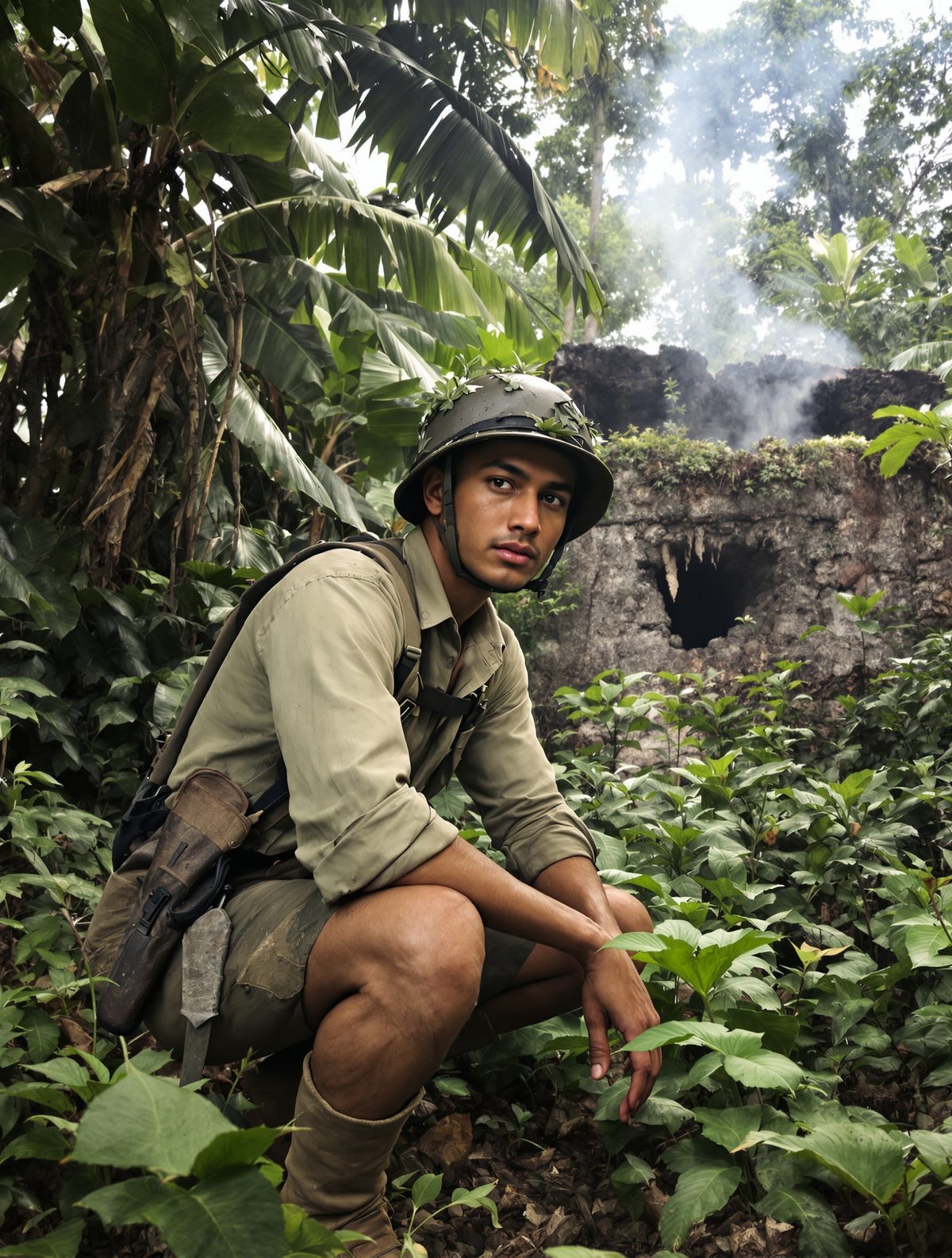
Deep in Malaya's jungle, SAS troopers vanished for weeks. No supply lines. No backup. Living off the land to hunt Communist guerrillas. Britain's most secretive unit was being reborn.
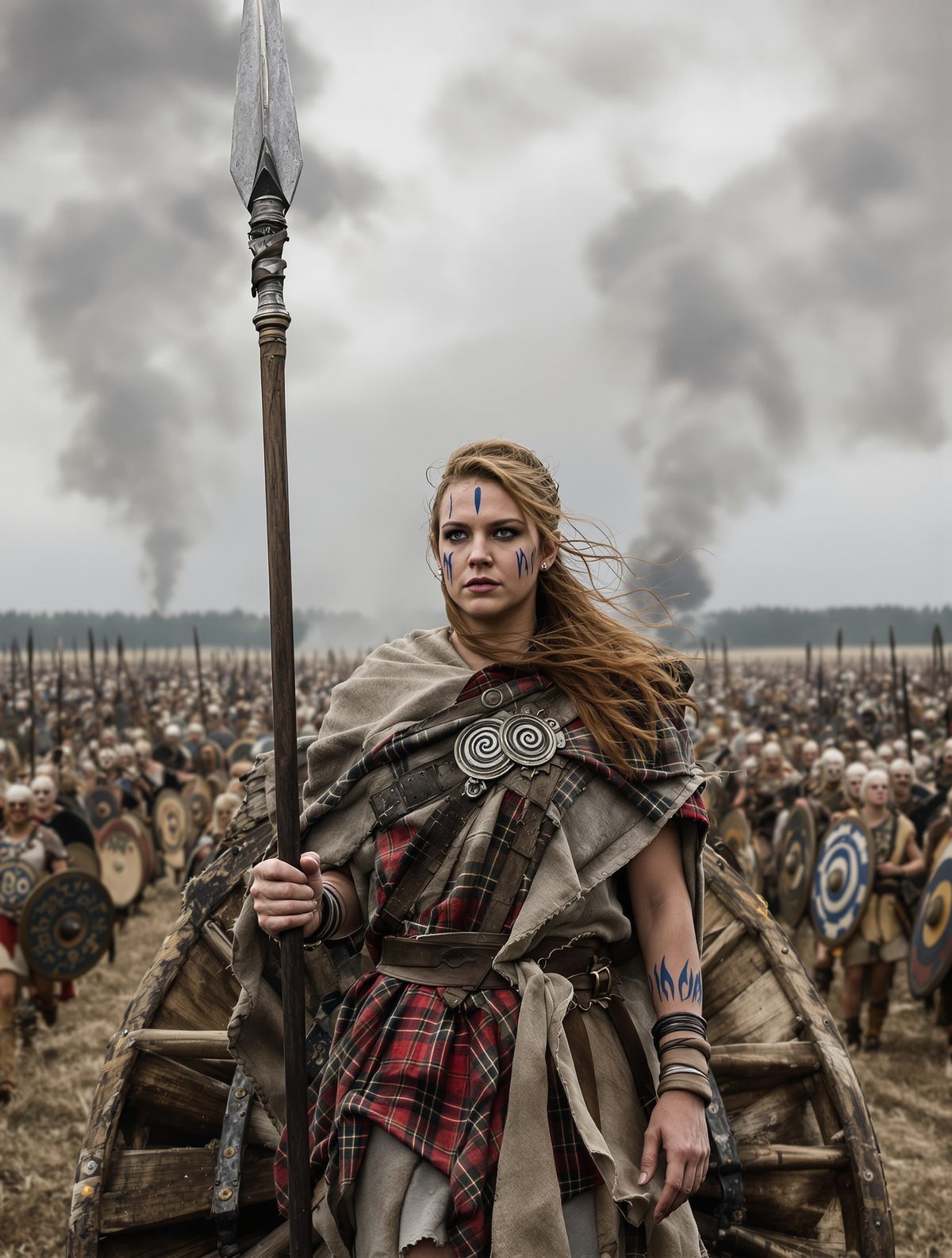
She was a widow. Flogged by Rome. Her daughters taken. So she raised 100,000 warriors and burned three Roman cities to the ground. Boudicca came within a breath of driving an empire from Britain forever.
In 1614, English captain Thomas Hunt kidnapped a Patuxent man named Tisquantum and sold him in Spain. Rescued by friars, he reached London. He spoke fluent English before the Mayflower ever sailed.
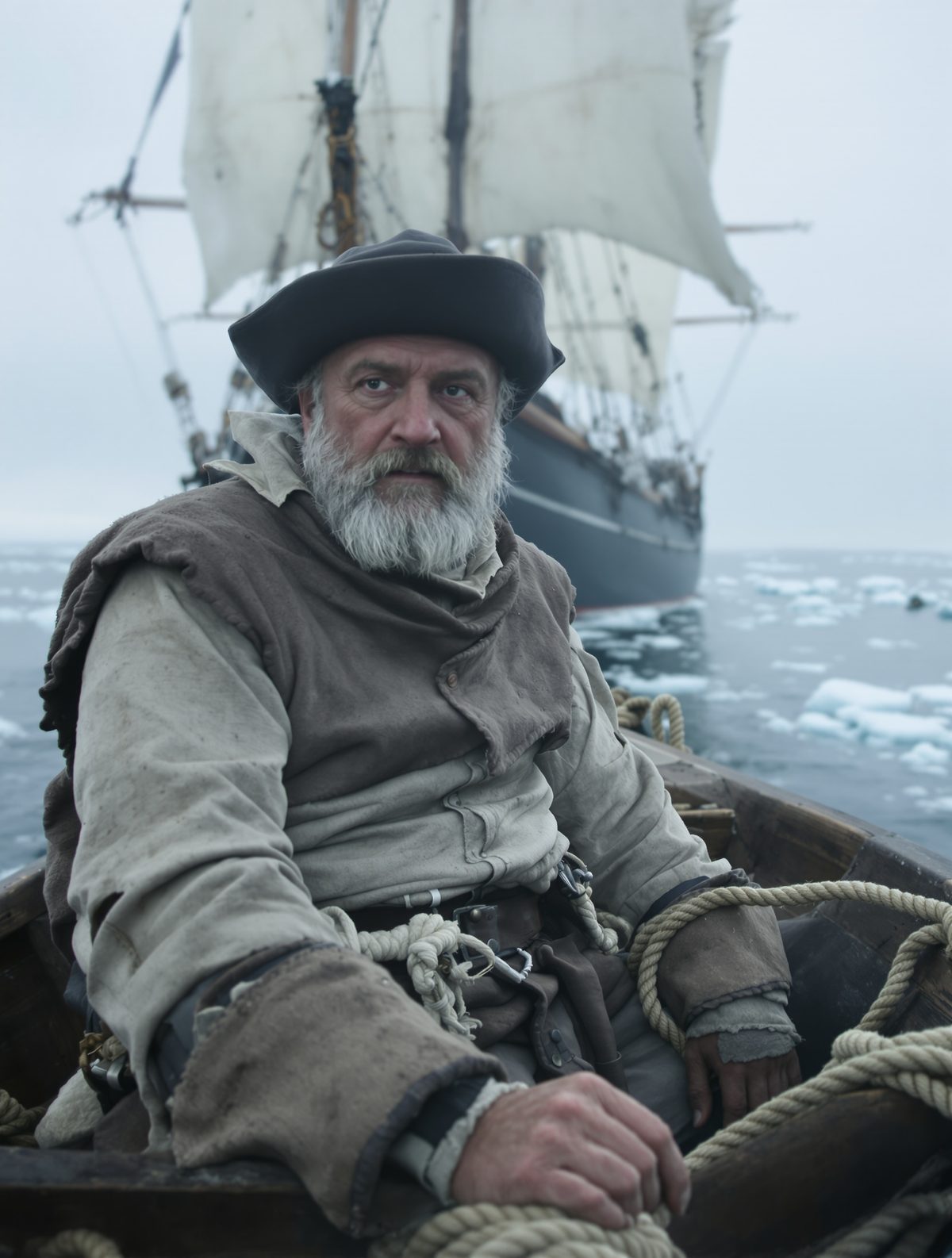
June 1611. Henry Hudson had found a vast inland sea in the New World. His crew had other ideas. They put him in a small boat. They cut him loose. He was never seen again.
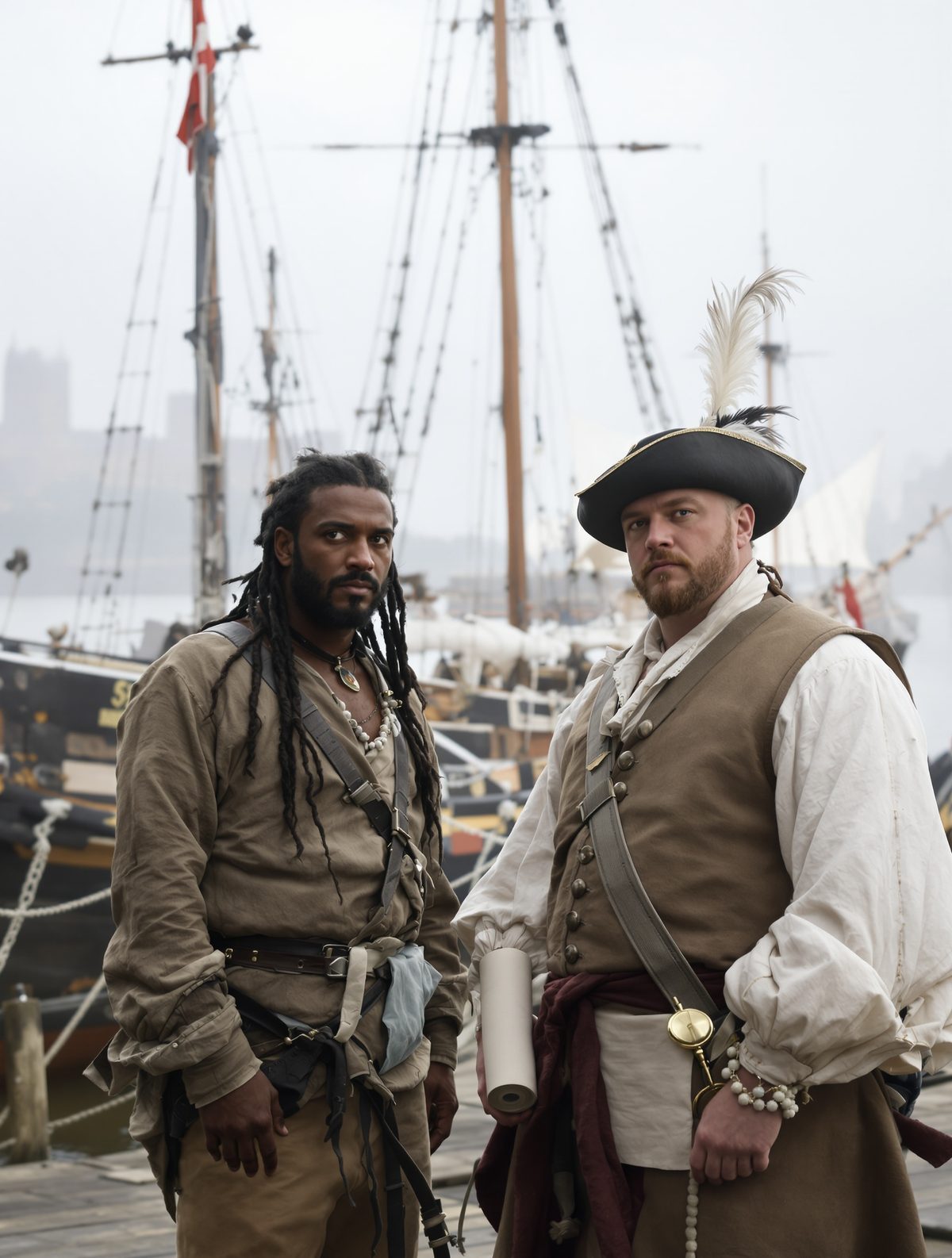
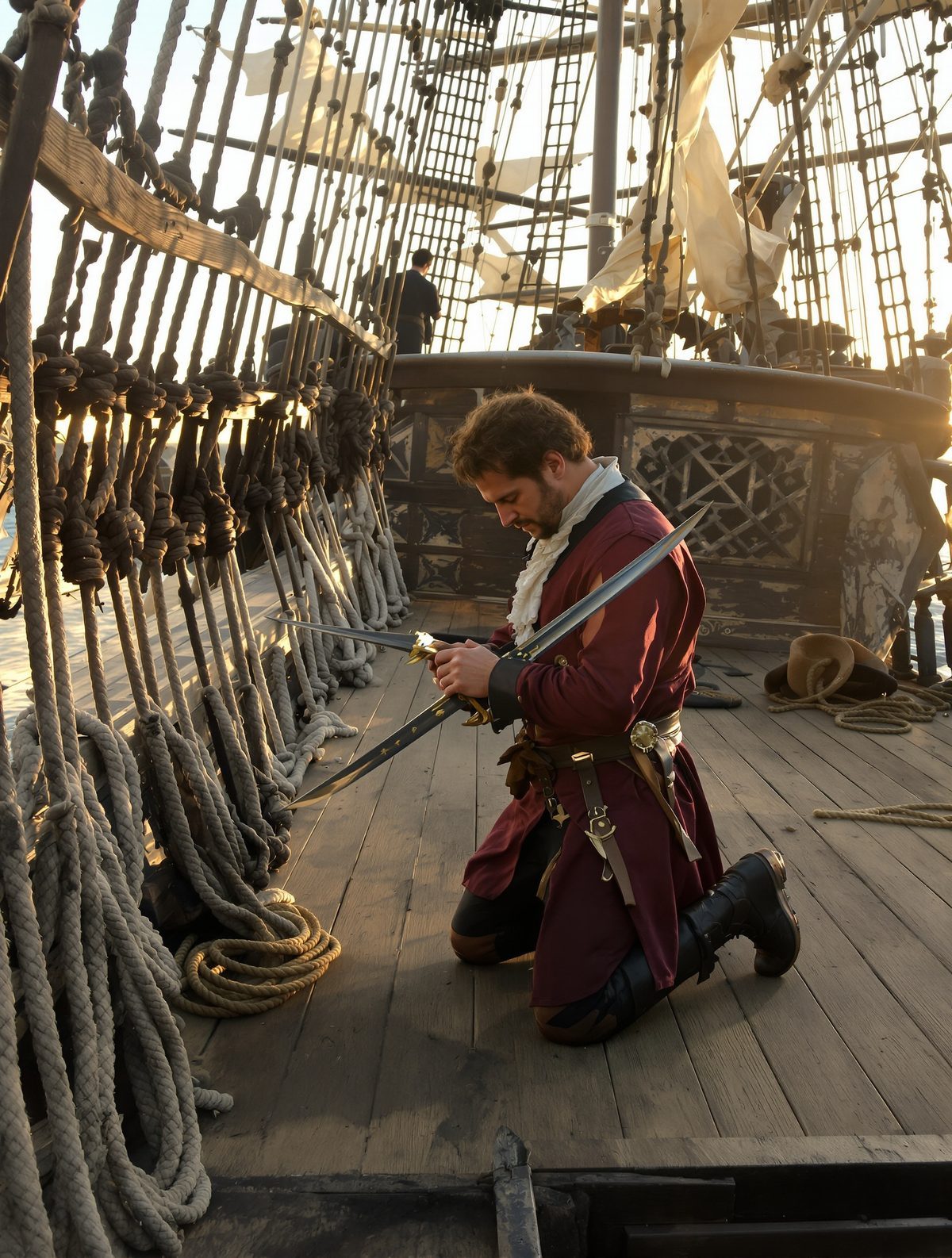
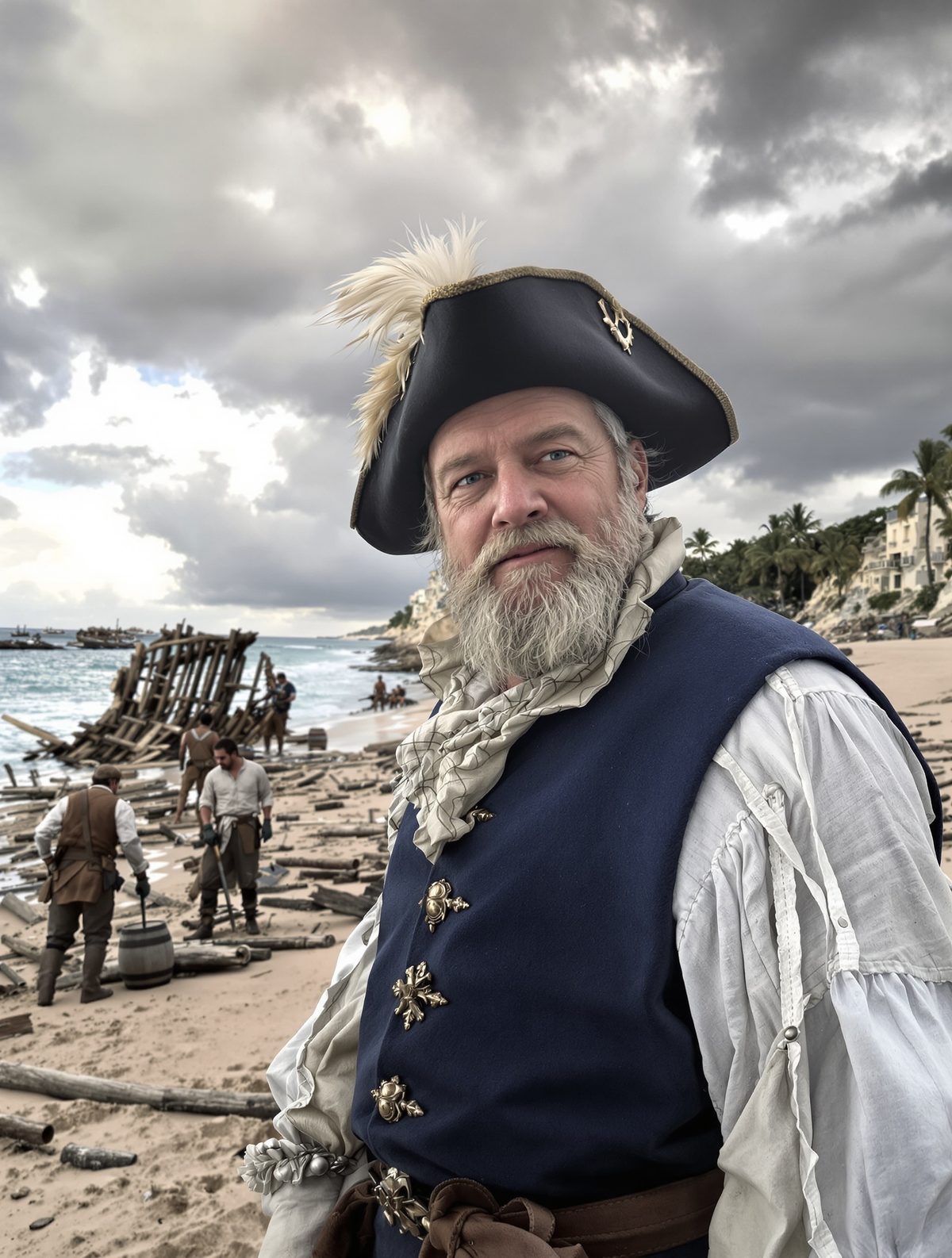
September 1580. Drake's battered Golden Hinde limped into Plymouth. He had circled the entire globe. Elizabeth I sailed out to meet him. Then she drew a sword. And knighted him on the deck.
January 1874. Deep in the Gold Coast jungle. Sir Garnet Wolseley had 2,500 men, one road, and 20 days. He burned Kumasi to the ground. And was home by spring.
James Barry rose to Inspector General of British Army Hospitals. Performed one of history's first successful C-sections. Died in 1865. The army then discovered Barry had been a woman the entire time.
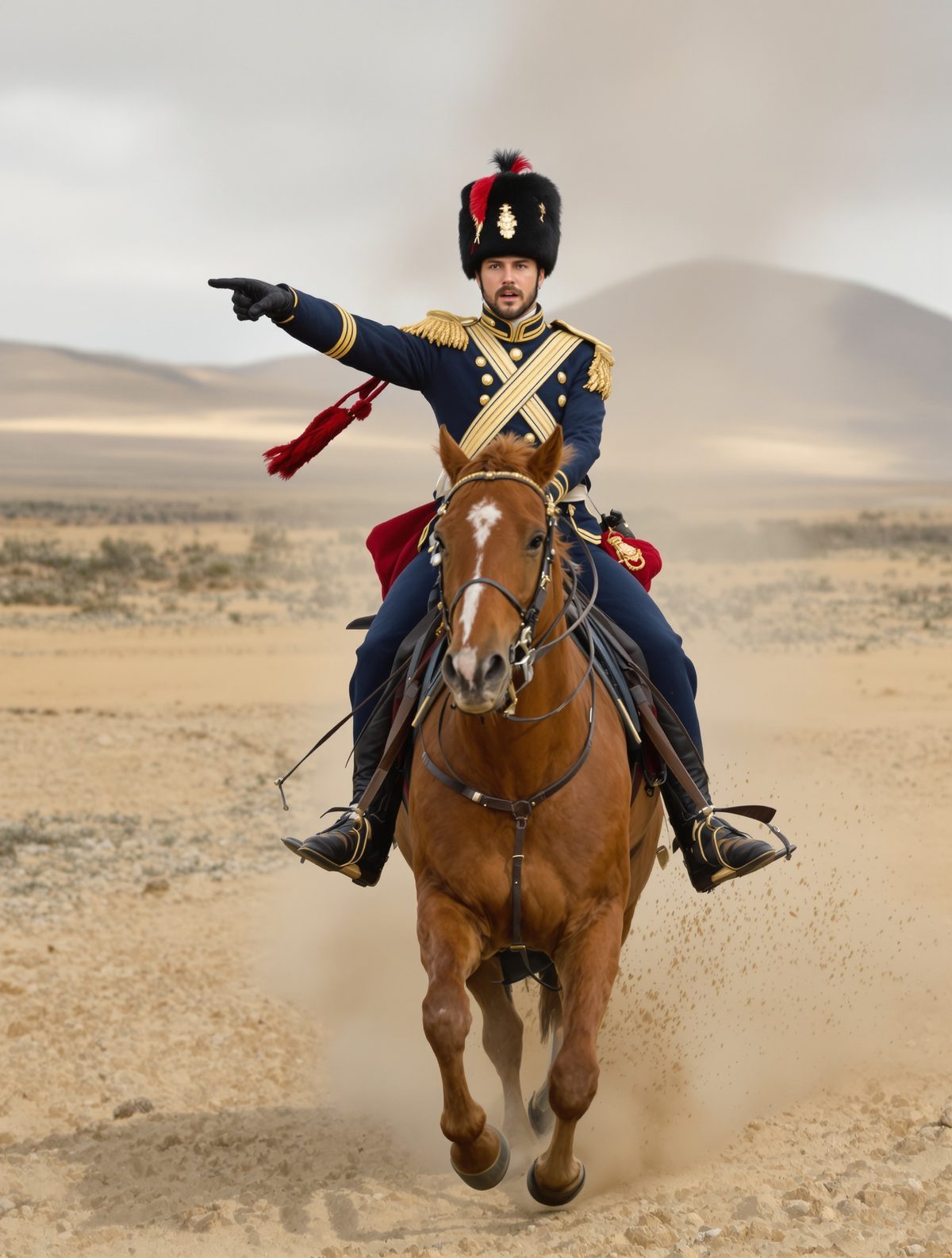
One galloping aide-de-camp. One misread order. Six hundred horsemen rode into the valley of death. Captain Louis Nolan died in the first seconds. He never knew what he had started.
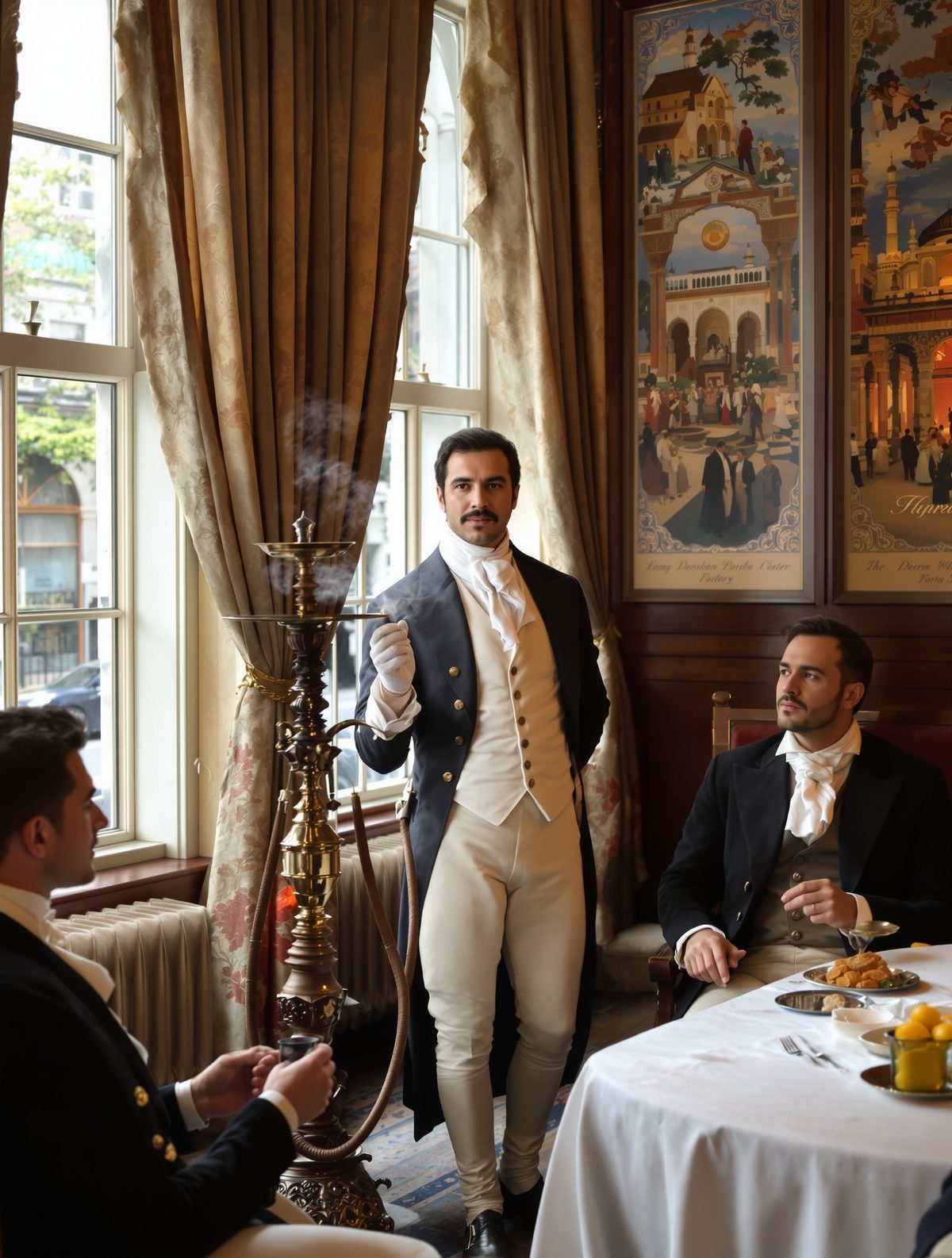
An Indian soldier turned British subject walked into Brighton and changed England forever. In 1810, Sake Dean Mahomed opened the Hindostanee Coffee House in London. England had never tasted anything like it.
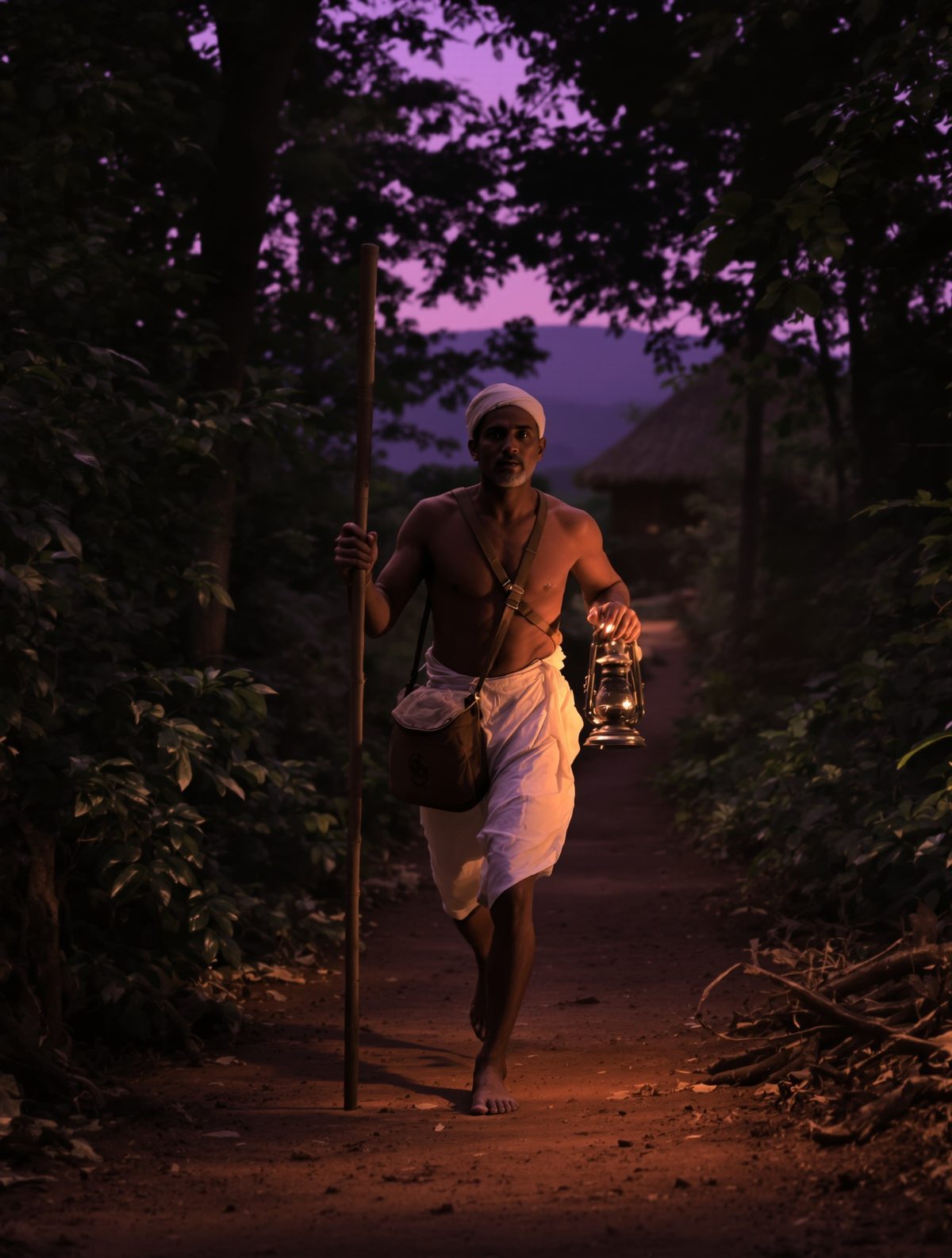
No railways. No telegraph. Just a man, a lantern, and a leather satchel. India's dak runners carried Britain's imperial mail alone through jungle and tiger country. Night after night. Mile after mile.
Twenty-five nations gathered in Washington. They voted to make one small London observatory the center of time itself. Greenwich Mean Time became the world's standard. Every clock on Earth would bow to Britain.
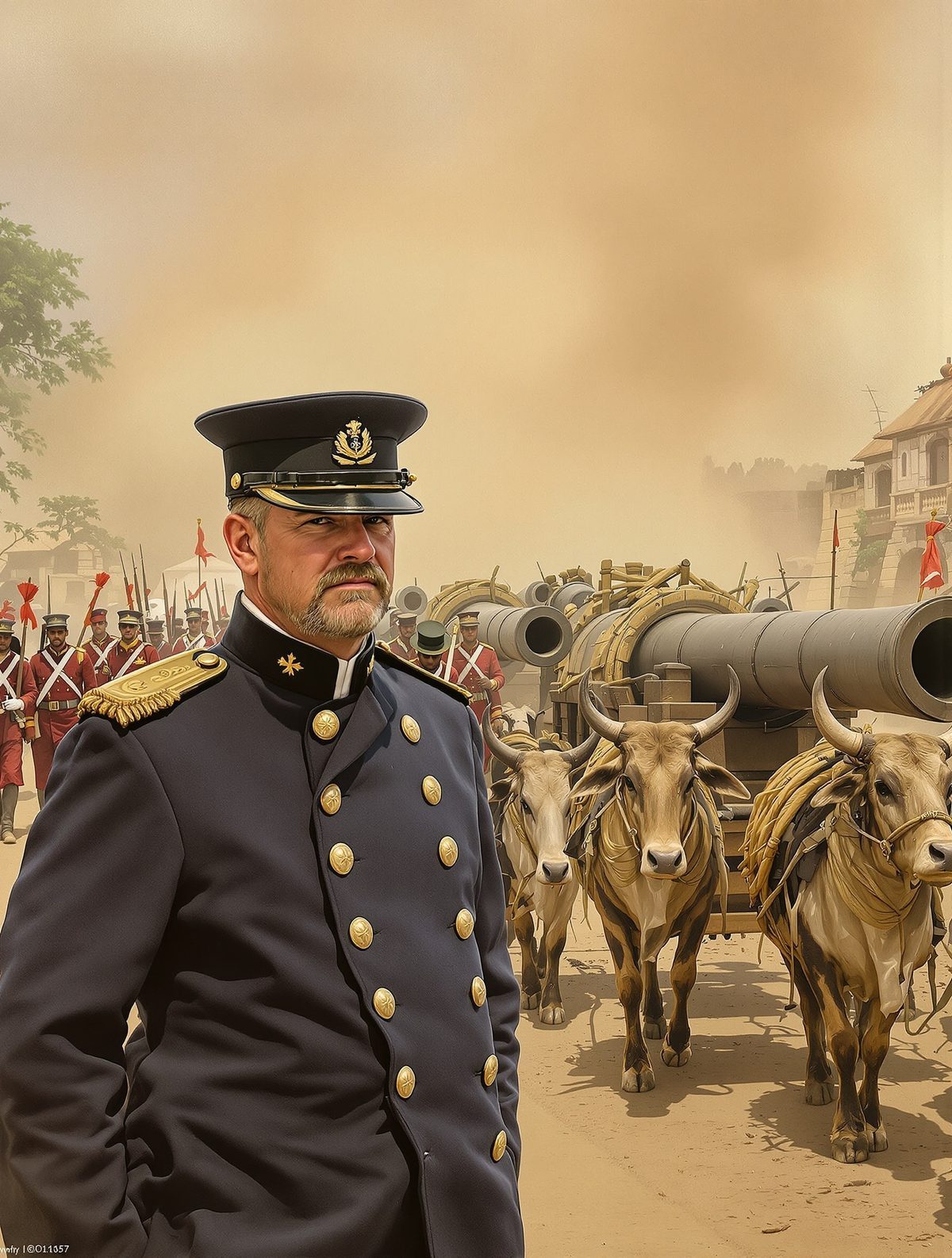
Nepal, 1945. A Gurkha rifleman faced Japanese bunkers alone. No orders. No backup. Just a kukri and a bayonet. He earned the Victoria Cross that morning.
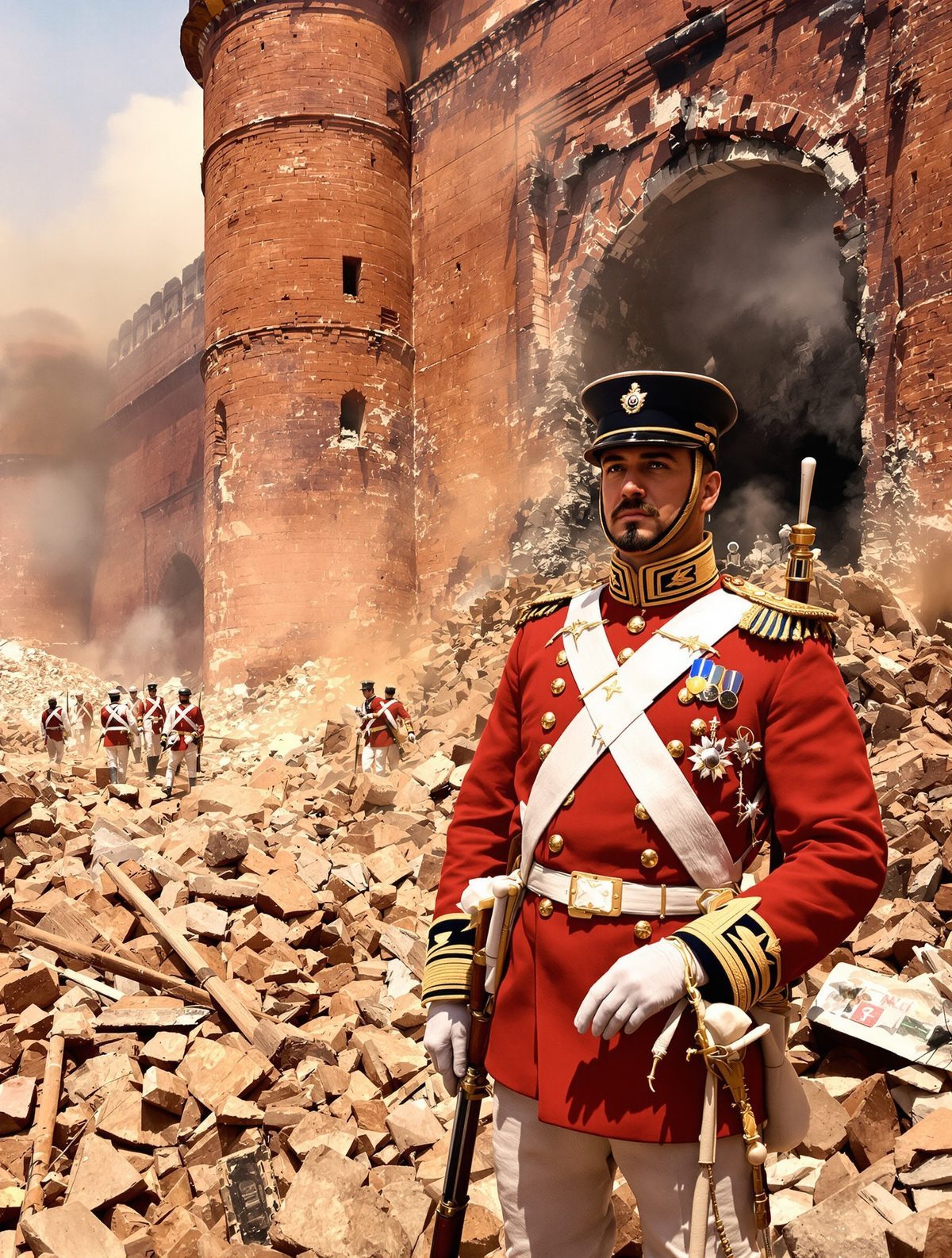
September 1857. The Kashmir Gate exploded. British assault columns waited in the rubble. Captain John Nicholson raised his sword. 'Follow me!' Twenty minutes later, Delhi was theirs.
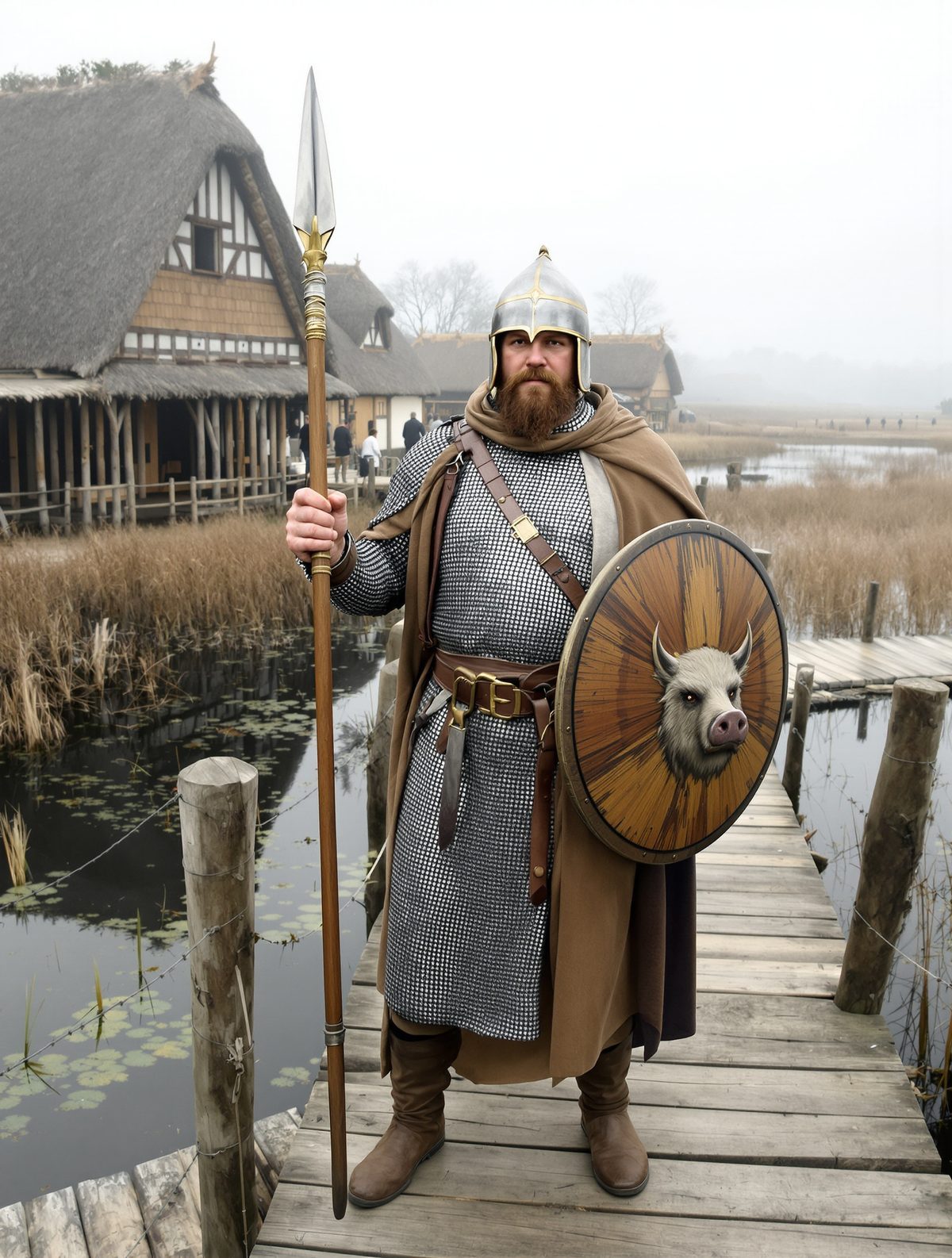
1070. The Norman Conquest was complete. Every English lord had bent the knee. Except one. Deep in the Cambridgeshire fens, Hereward the Wake built an island fortress that William's cavalry couldn't reach.
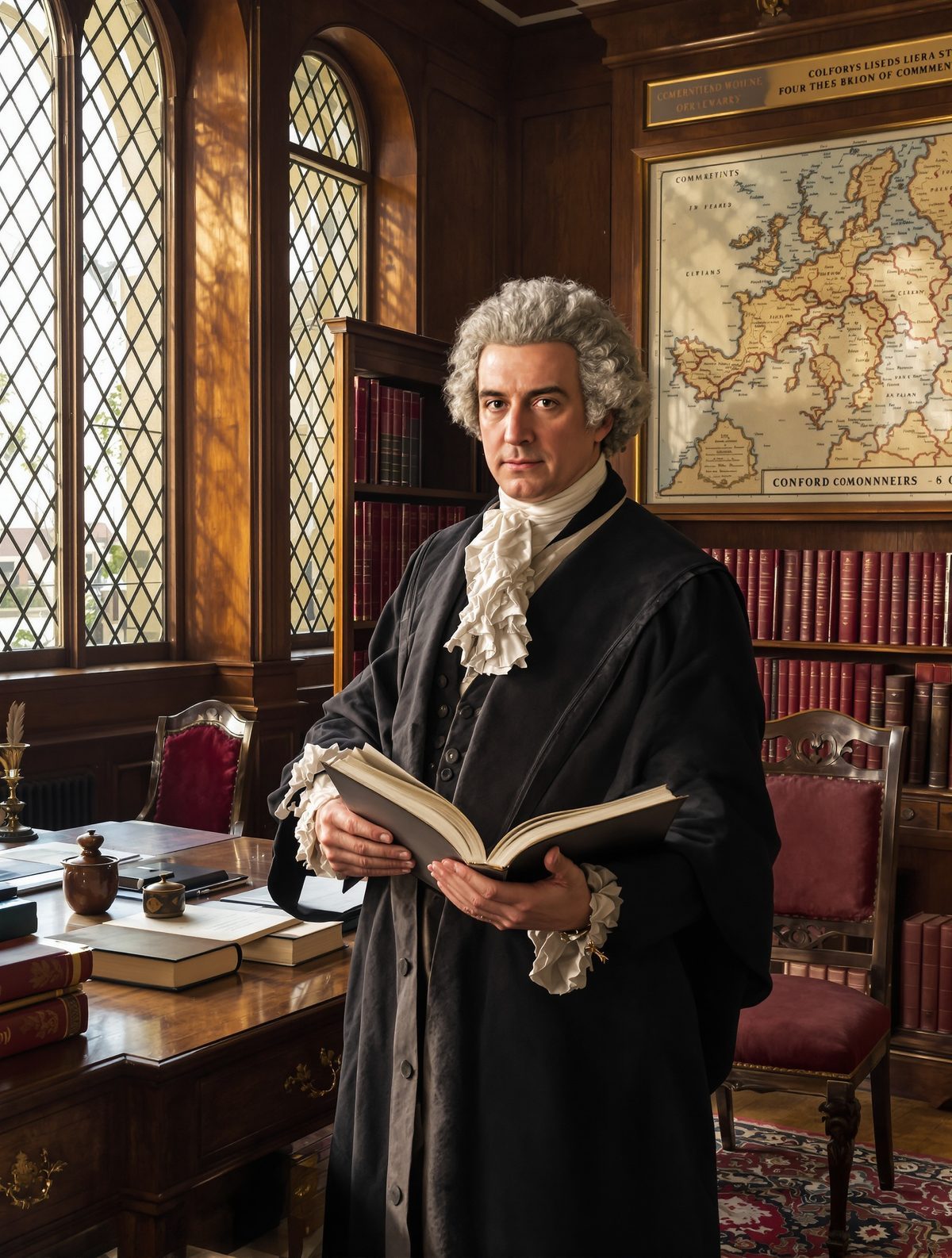
In 1765, William Blackstone's four volumes defined English law forever. His 'Commentaries' sailed with every colonial judge. Today, his words still echo in courtrooms from Canada to Australia. The Empire's greatest export wasn't tea or cotton—it was justice itself.
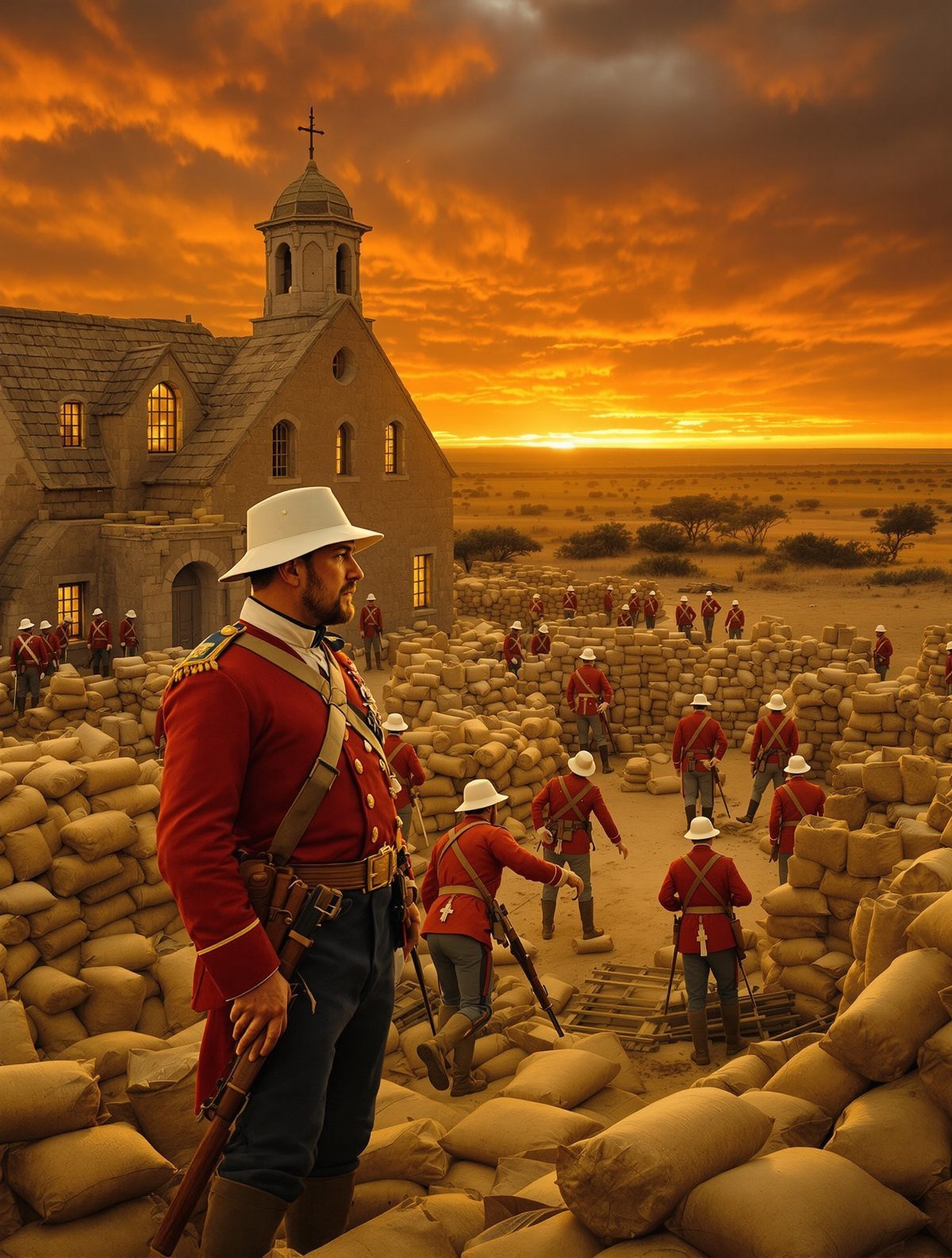
At Rorke's Drift, 139 British soldiers faced 4,000 Zulu warriors. Major Chard had twelve hours to turn a field hospital into an impregnable fortress. Using mealie bags and biscuit boxes. The longest night in Empire history was about to begin.
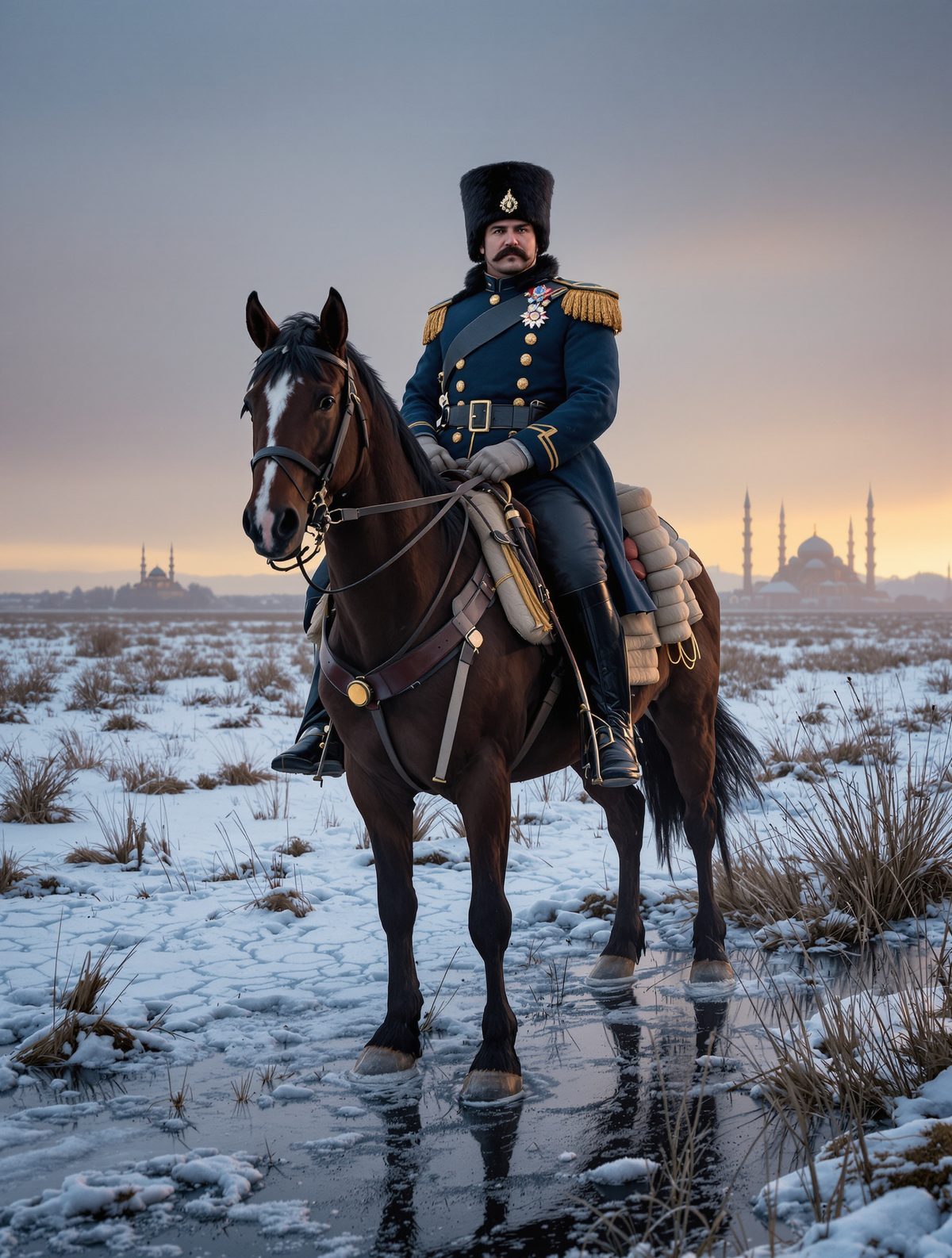
One British officer. No orders. No escort. 1,000 miles of Russian-controlled steppe in midwinter. Fred Burnaby simply rode to the city Russia had banned all foreigners from entering.
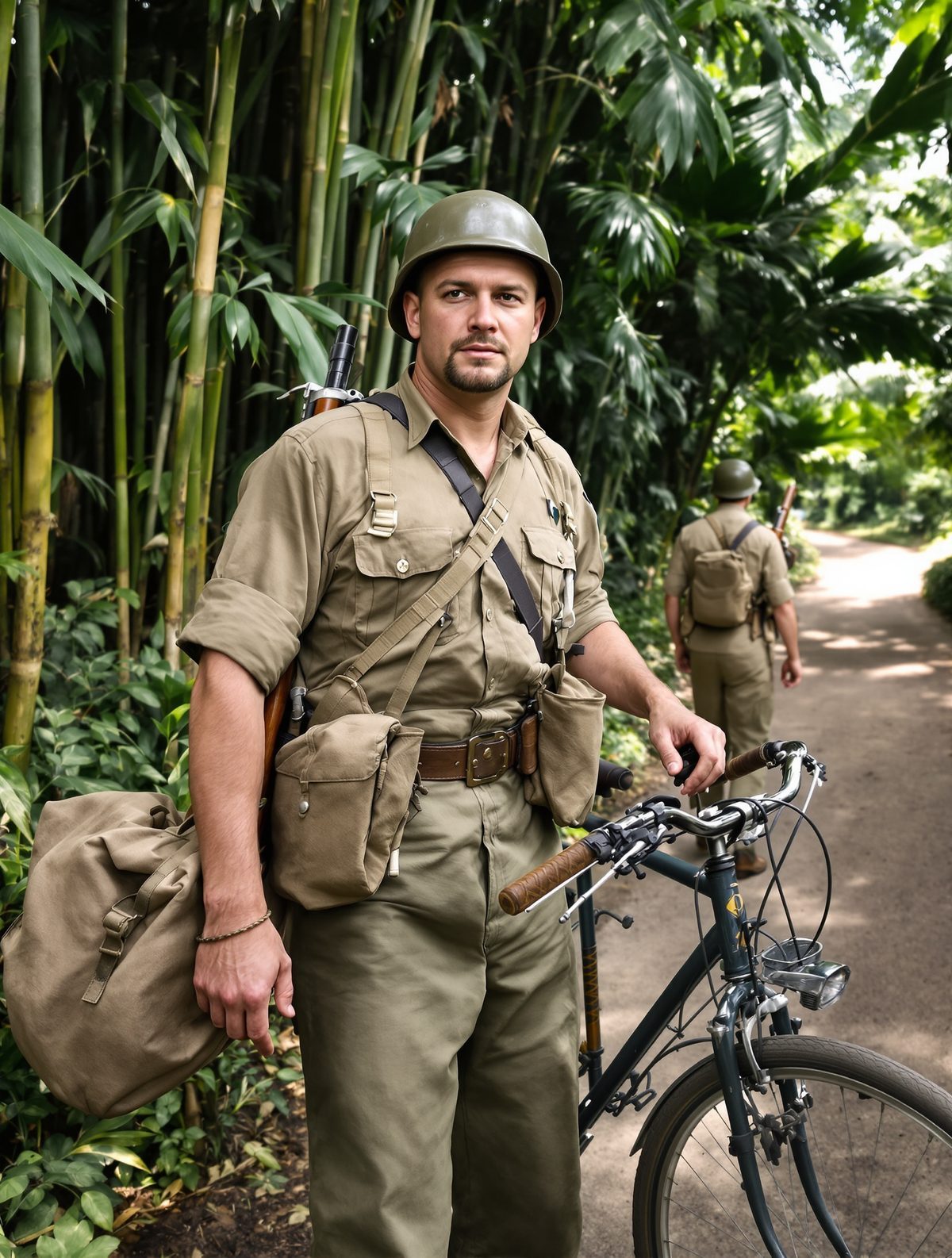
In 1941, British forces issued folding BSA airborne bicycles to troops in Malaya and Burma. Silent. Cheap. Unbreakable on jungle tracks. The Japanese had already proved bicycles could win a war.
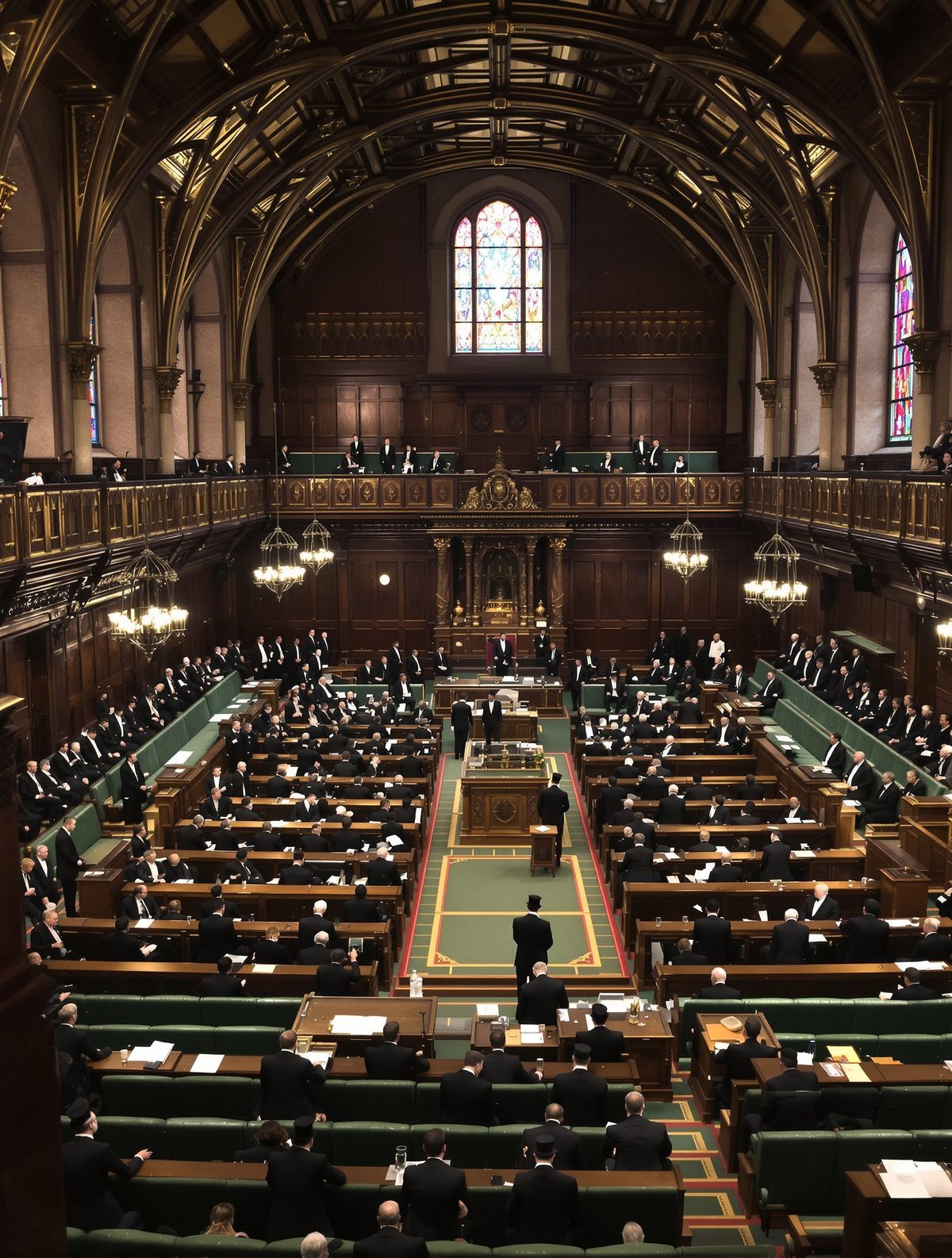
Westminster's wooden benches face each other in confrontation. Two sword-lengths apart by ancient design. Today 54 nations use this same system. Democracy's greatest export spread not by conquest but by example.
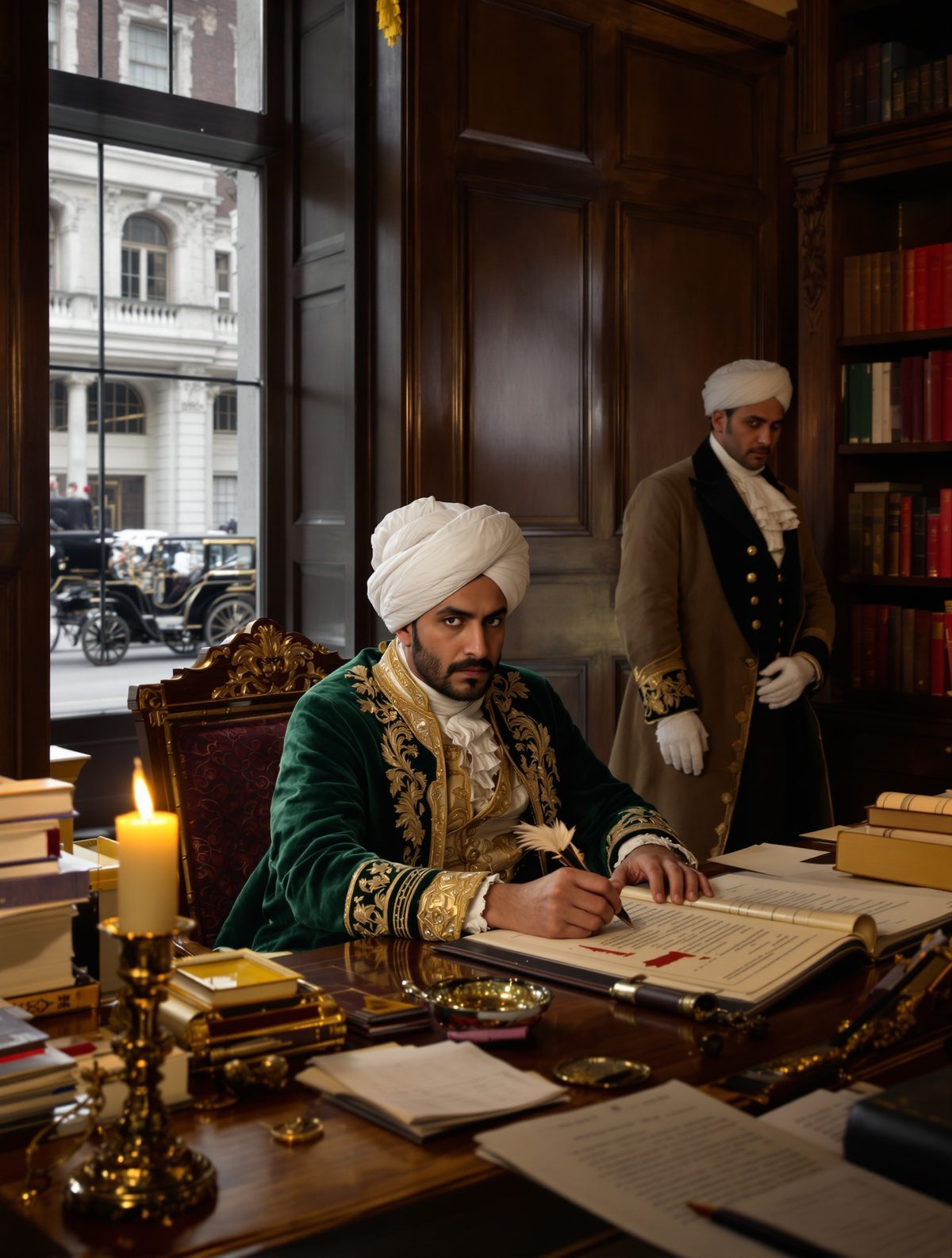
In 1799, an Indian scholar arrived in London uninvited by any empire. He dined with lords, debated philosophers, and wrote a savage critique of British manners that became a bestseller in two languages.
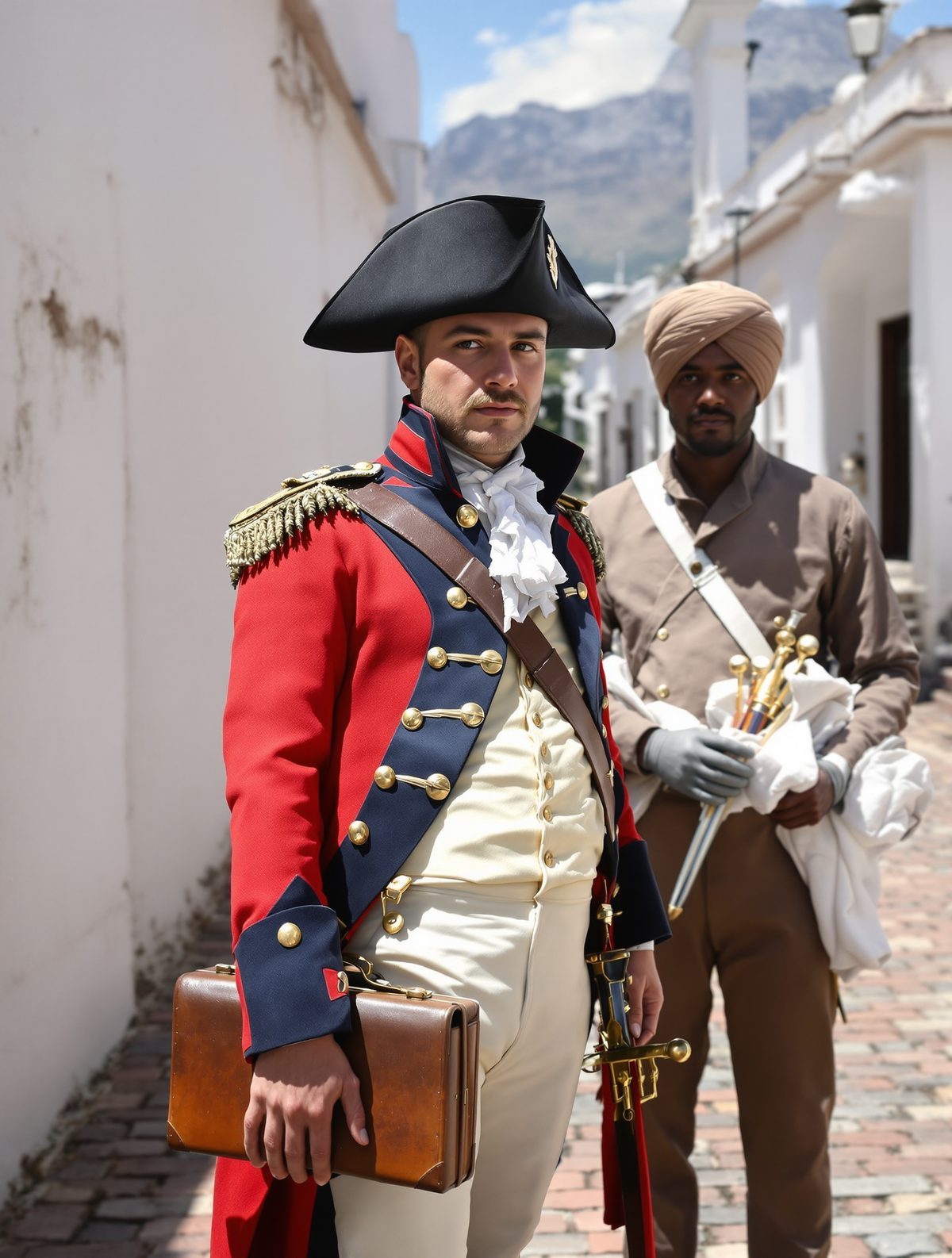
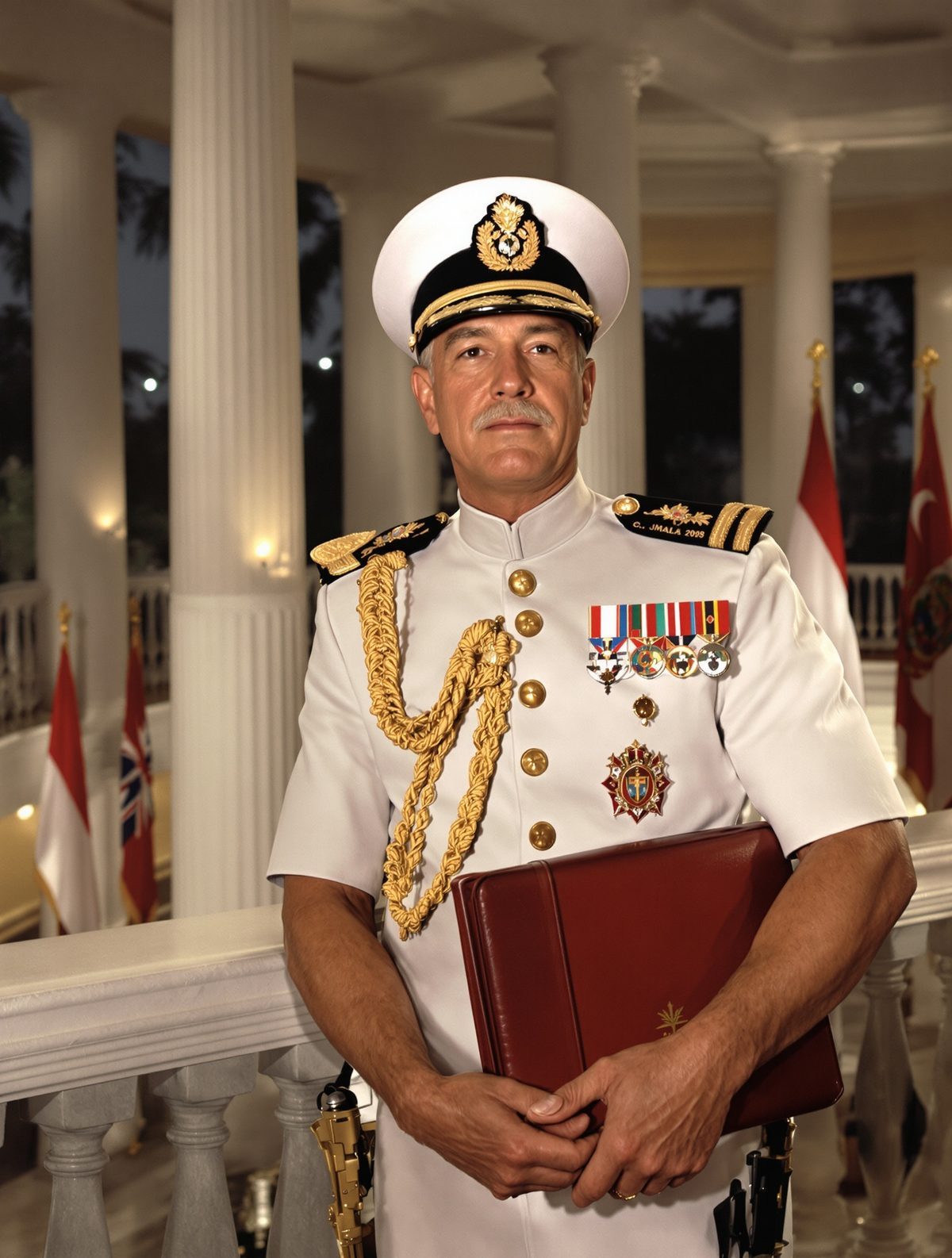
Singapore's last British Governor walked alone to City Hall. He carried the final constitutional documents in a leather briefcase. At the stroke of midnight, he handed self-government to a 35-year-old Cambridge lawyer. The youngest nation in Asia was born.
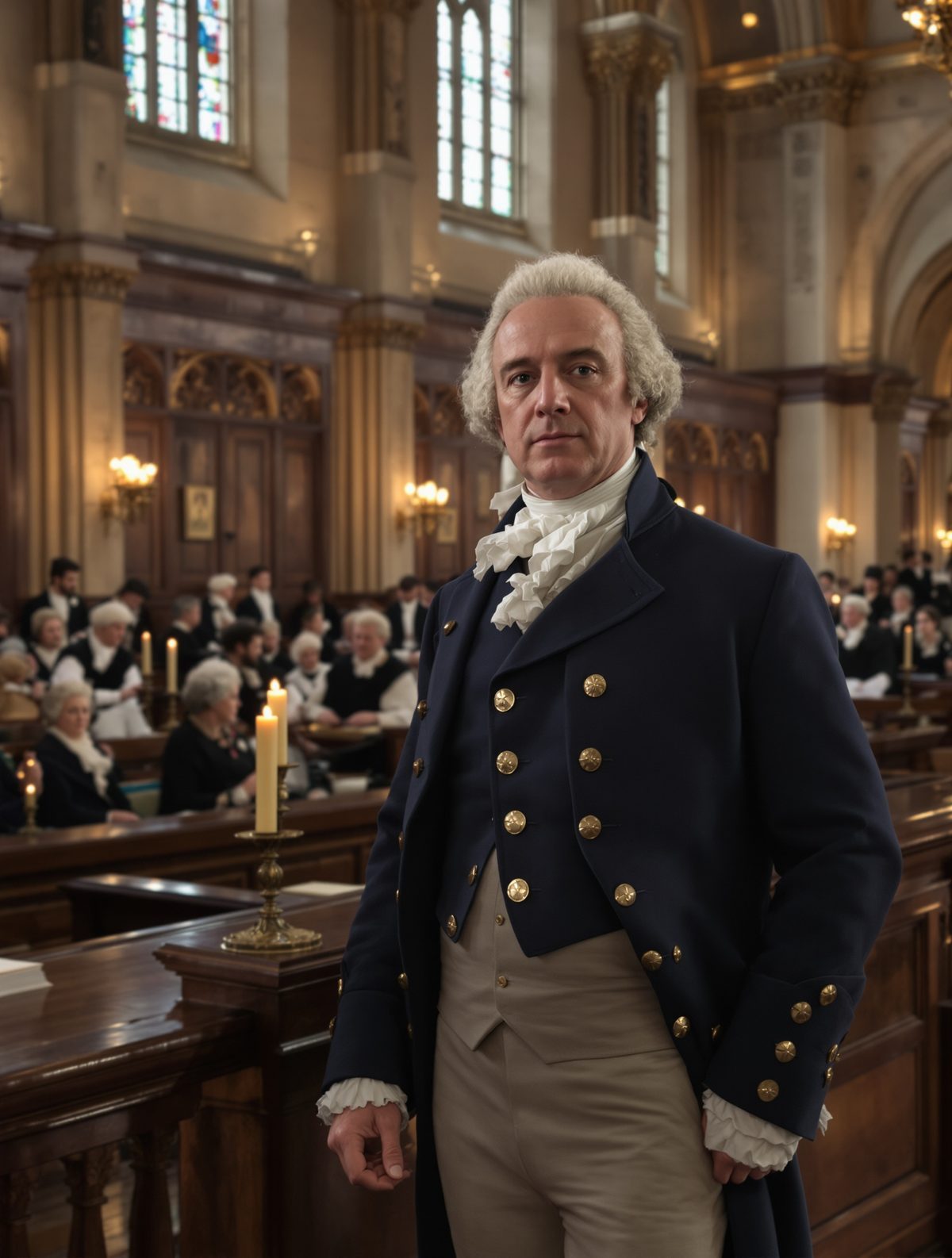
Westminster Hall, 1788. Britain's first Governor-General faces impeachment. Seven years of testimony. The entire Indian Empire hangs in the balance. One man's trial becomes the Empire's.
August 1598. The Blackwater River ran red. Hugh O'Neill's Irish rebels had lured Marshal Bagenal into the perfect trap. 2,000 English soldiers lay dead in the bog. Ulster was free.
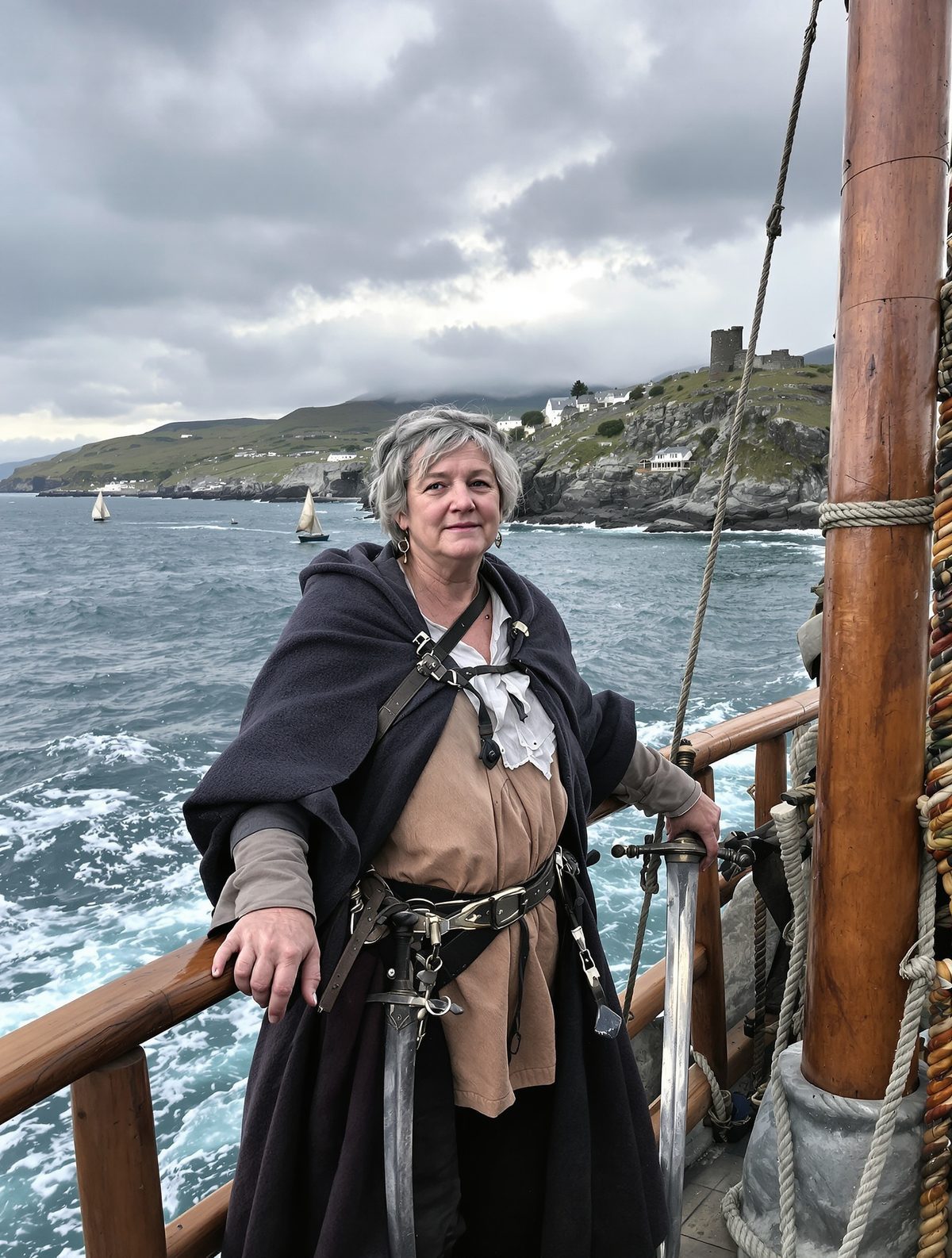
Grace O'Malley commanded 20 galleys from her island fortress. The Pirate Queen of Connacht raided English ships for decades. In 1593, she sailed to Greenwich Palace to negotiate face-to-face with Elizabeth I herself.
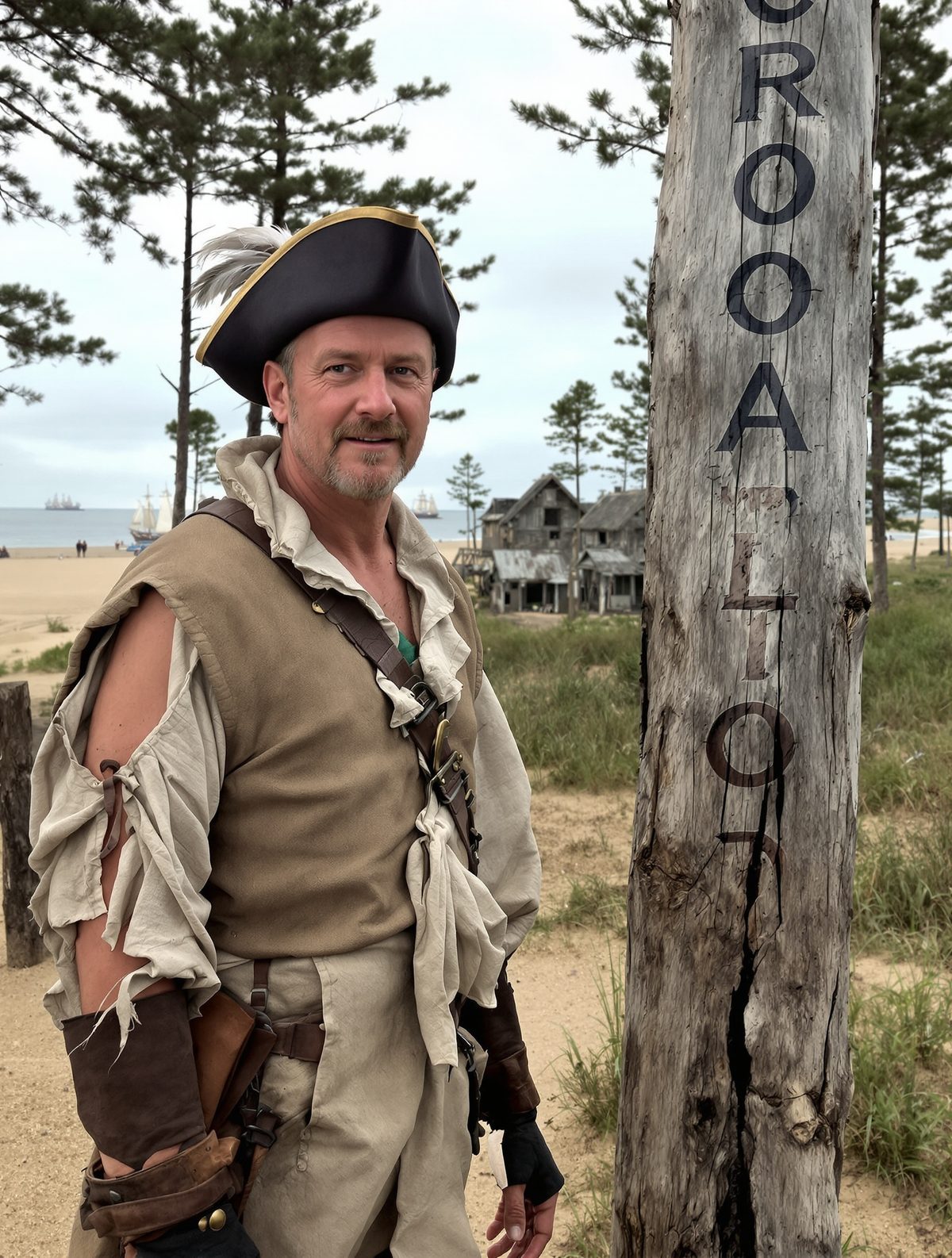
Captain John White returned from England to find his colony gone. 117 men, women and children had vanished. Only one clue remained carved into a tree: 'CROATOAN'. America's greatest mystery had begun.
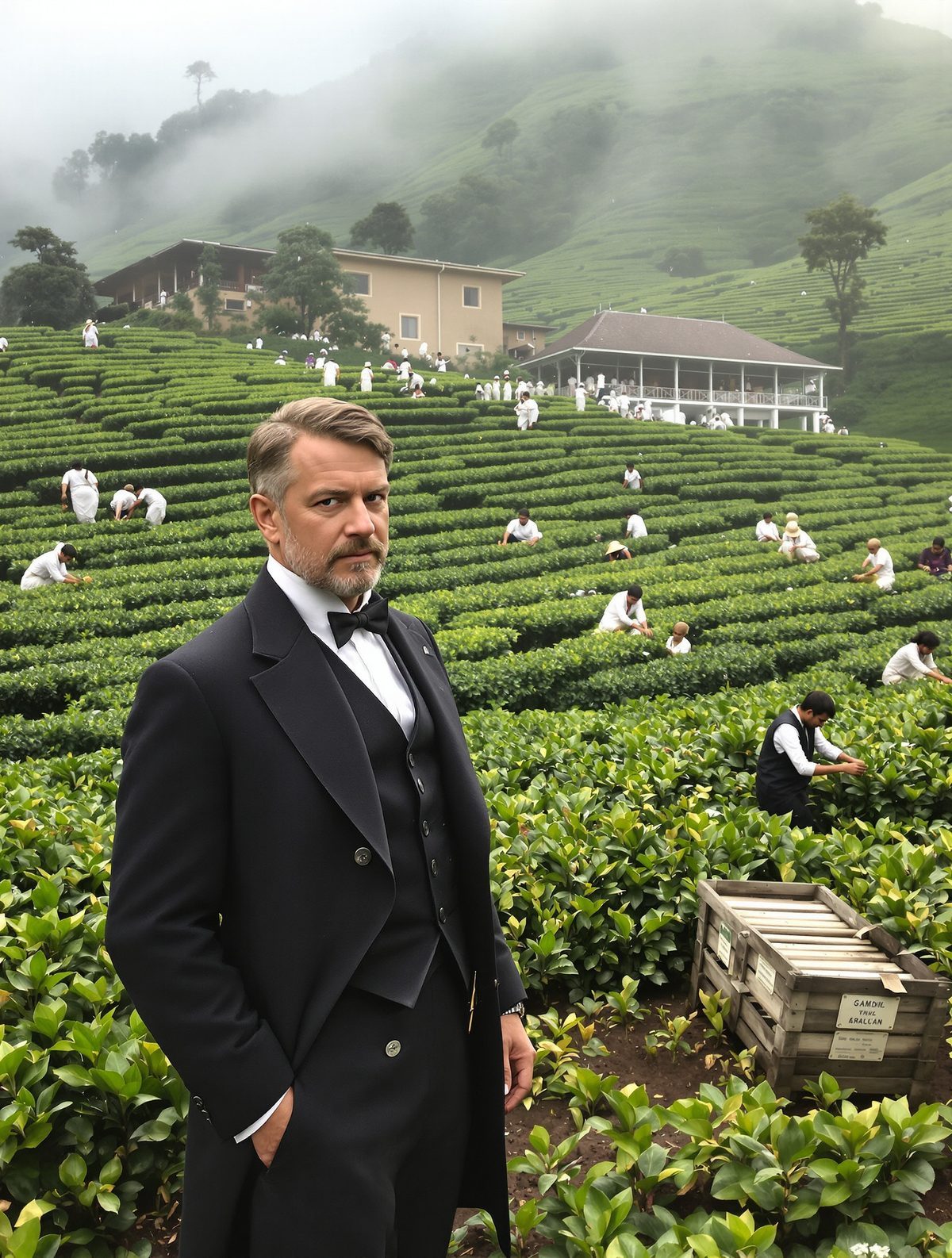
Thomas Lipton owned one small grocery shop in Glasgow. Then he sailed to Ceylon's tea plantations in 1890. He bought estates straight from the growers. Cut out every middleman. His 'direct from plantation to teapot' gamble revolutionized how the world drinks tea.
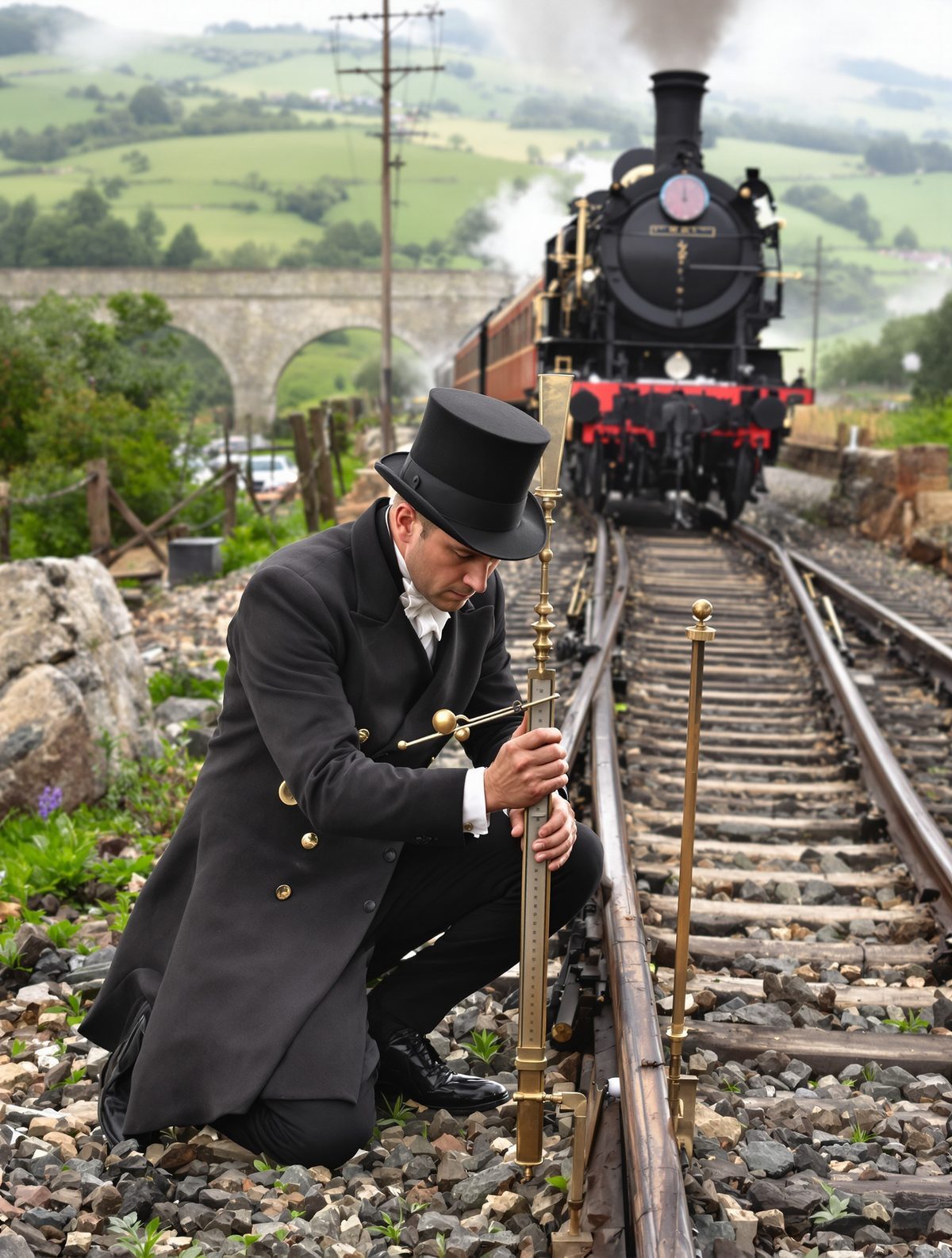
In 1846, Britain chose 4 feet 8½ inches as standard railway gauge. That measurement now carries 60% of the world's trains. From India's crowded carriages to Australia's freight lines. One Victorian decision still moves billions daily.
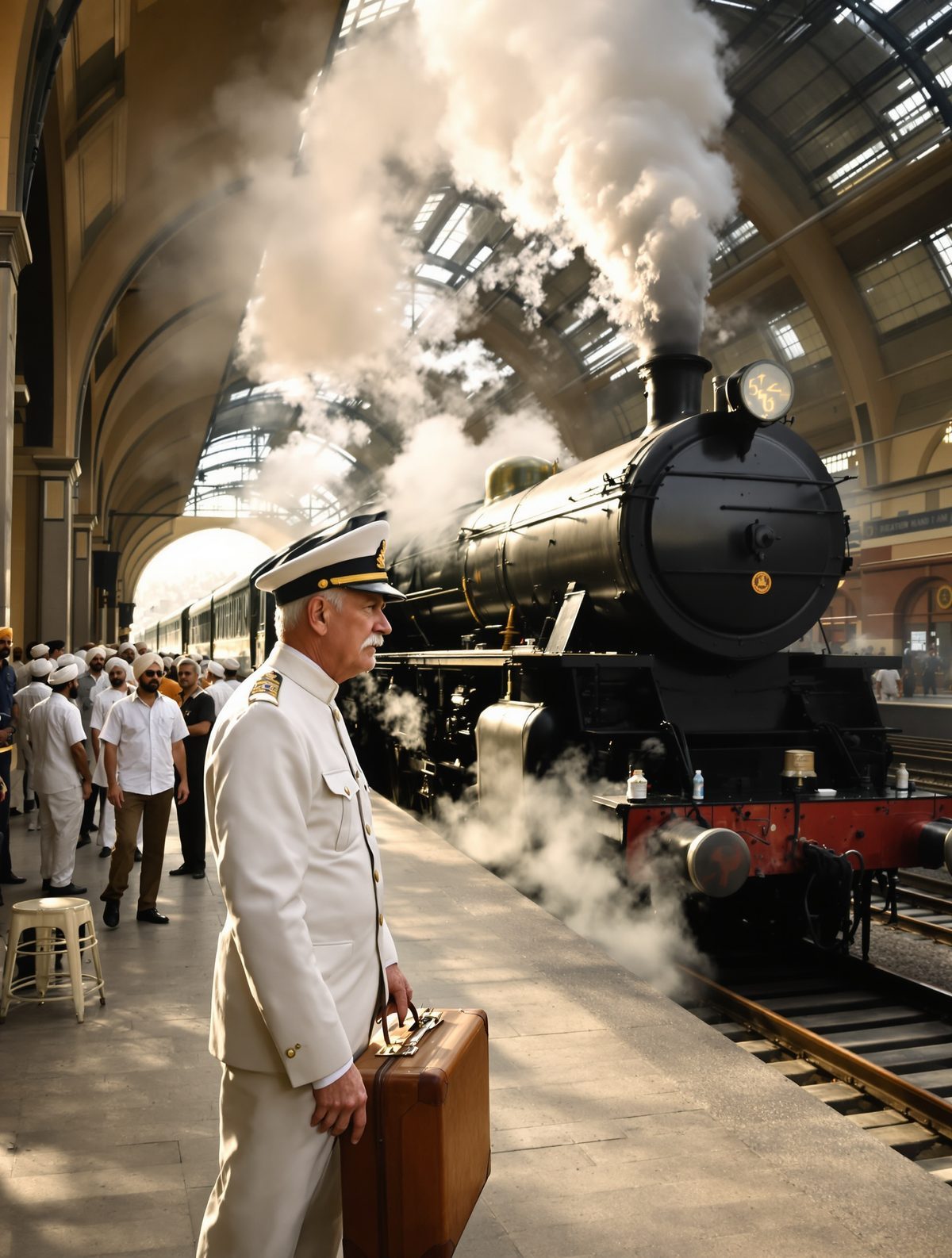
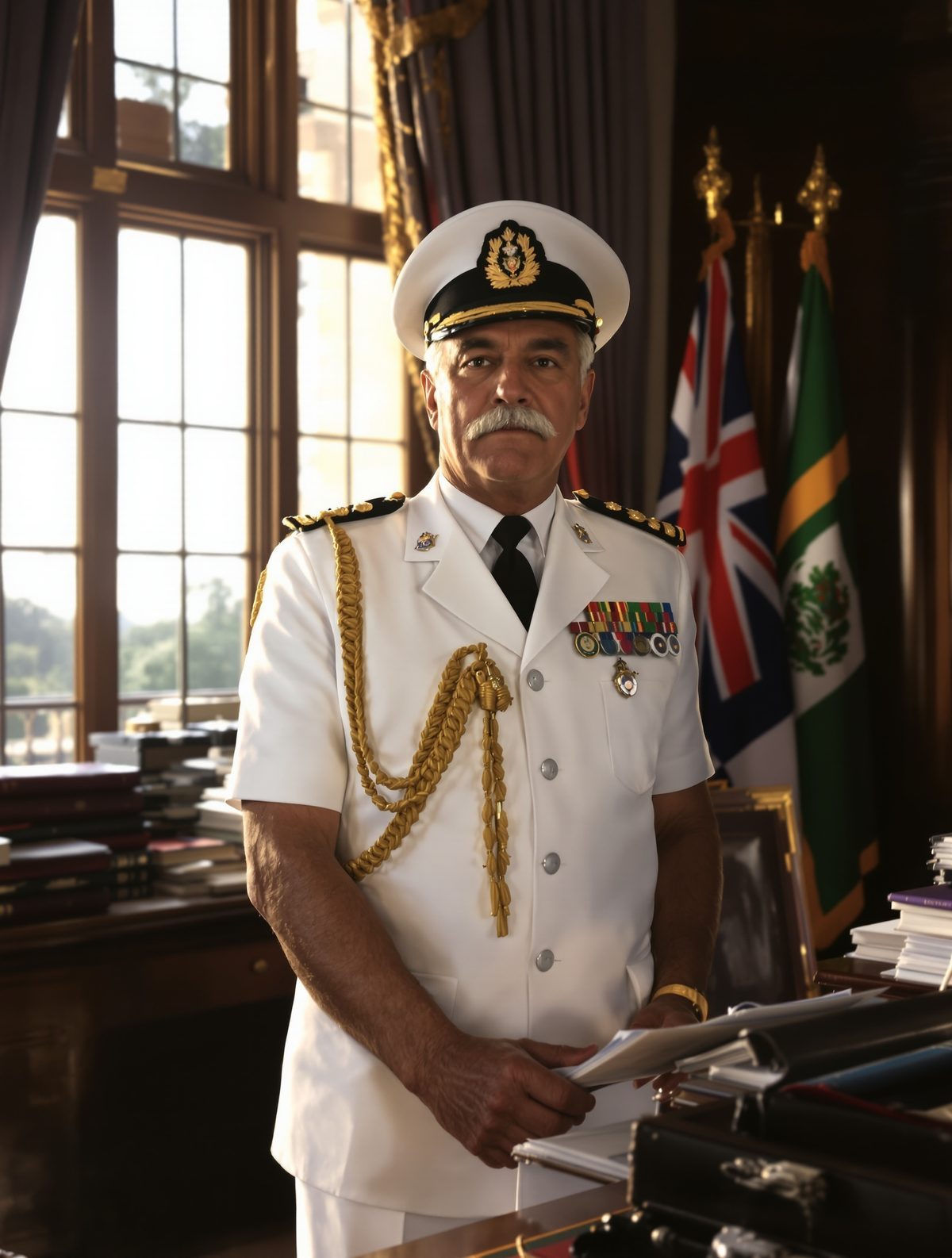
March 1947. Lord Wavell packed his Viceroy's coach for the last time. Mountbatten would arrive tomorrow. The Raj's penultimate ruler departed in silence. No crowds. No ceremony. Just the end of an era rolling into history.
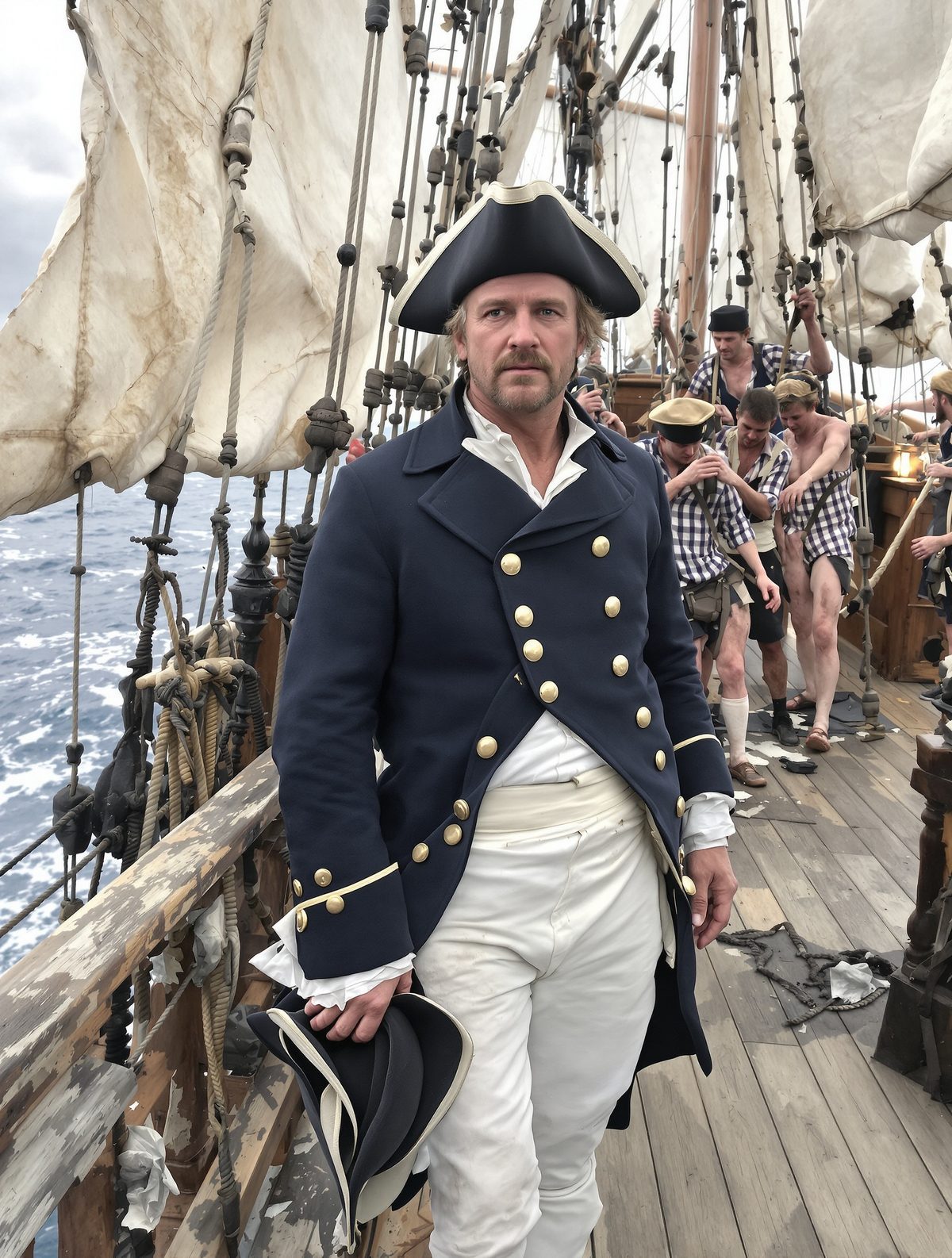
1740. HMS Centurion limped across the Pacific with just 200 men alive from 1,900. They boiled their leather belts for soup. Chewed rope for fiber. Sucked marrow from rat bones. But Anson's iron will drove them onward.
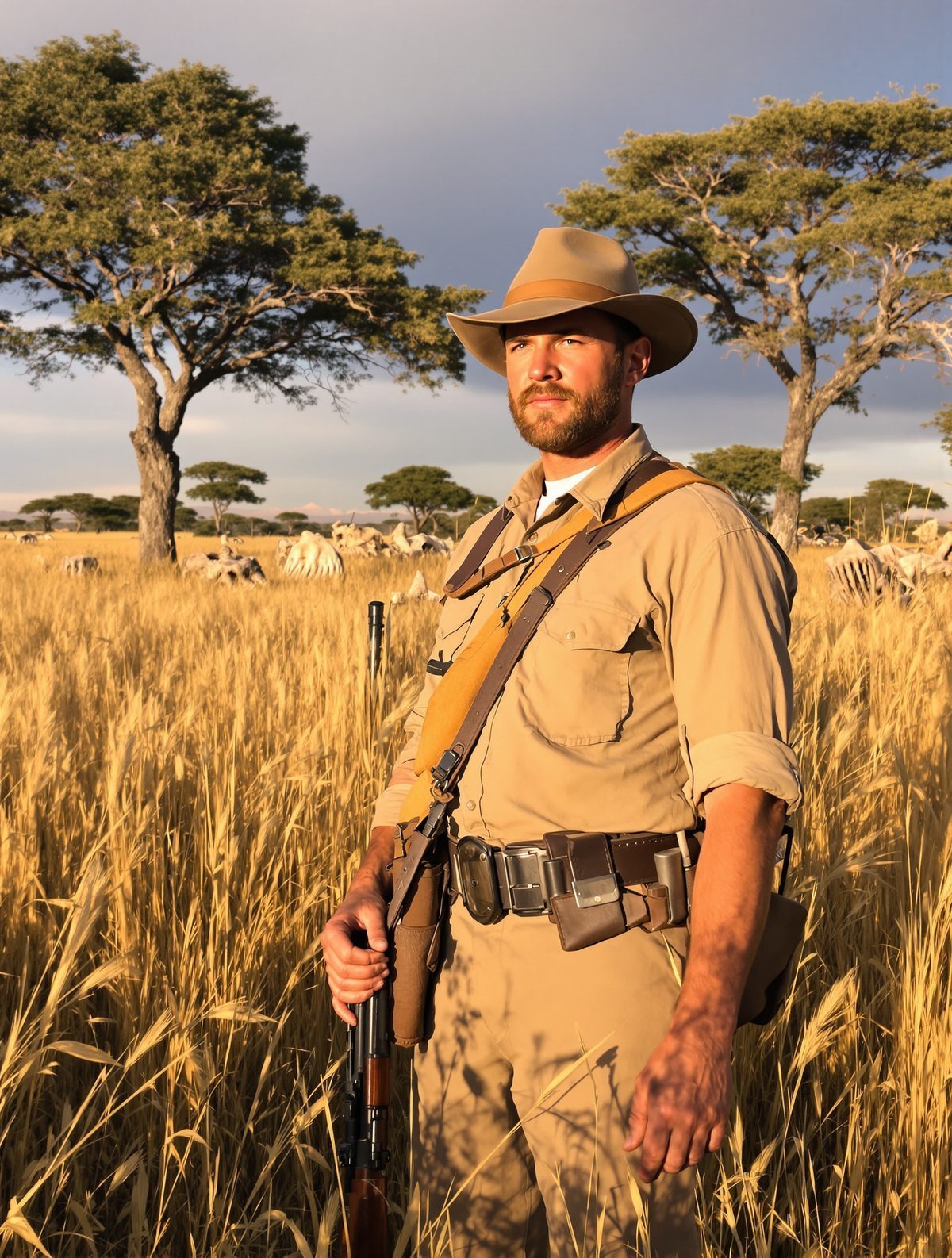
1873. Frederick Selous, 21, walks into Matabeleland with just his rifle. No guides. No maps. No backup. He emerges two years later having walked 2,000 miles through elephant country. The boy who left London becomes Africa's greatest white hunter.
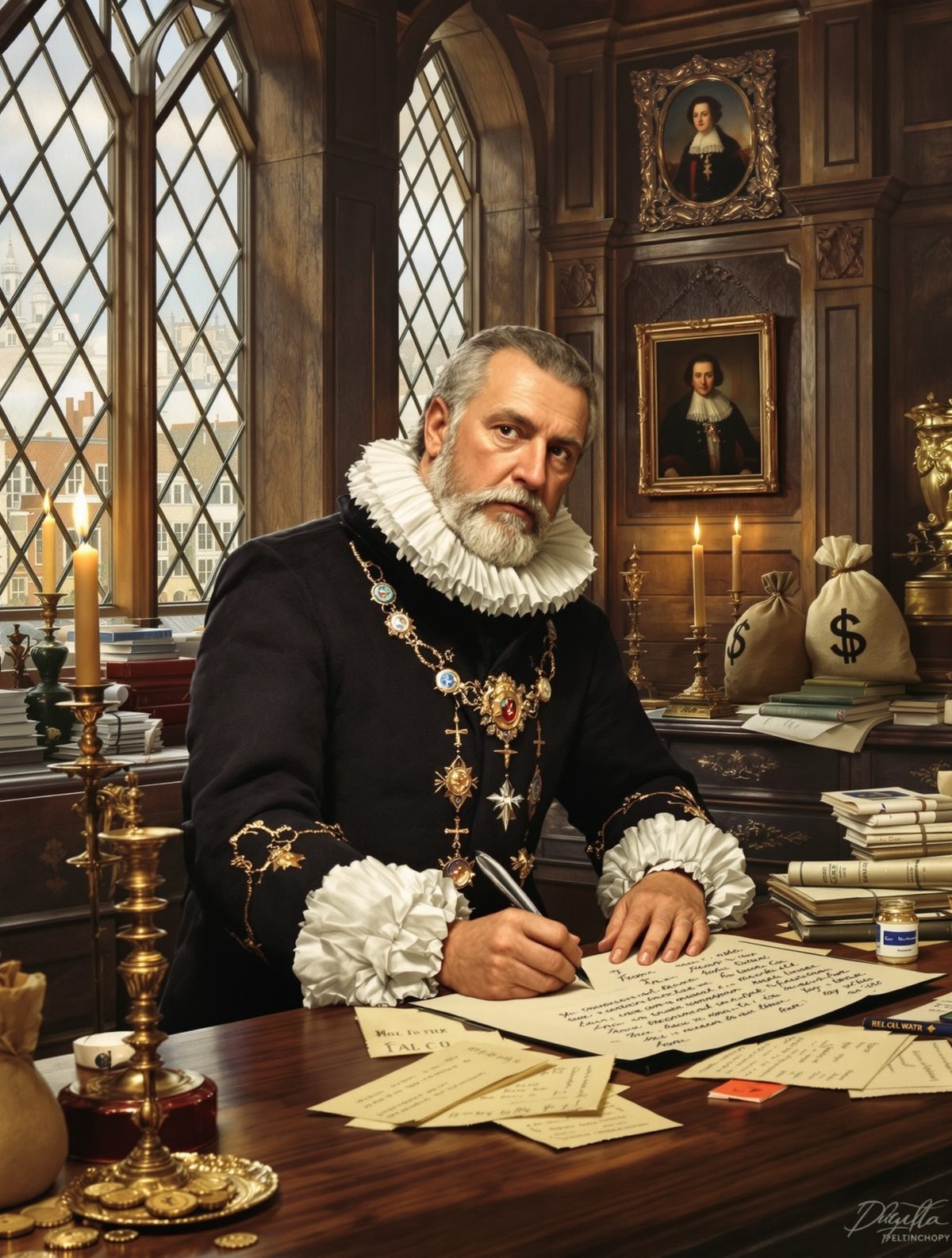
The richest commoner in England lay dying in 1611. Thomas Sutton had made his fortune from coal mines and money-lending. With no heirs, he left £200,000 to build a school for poor scholars. His Charterhouse School would educate prime ministers, generals, and poets for centuries.
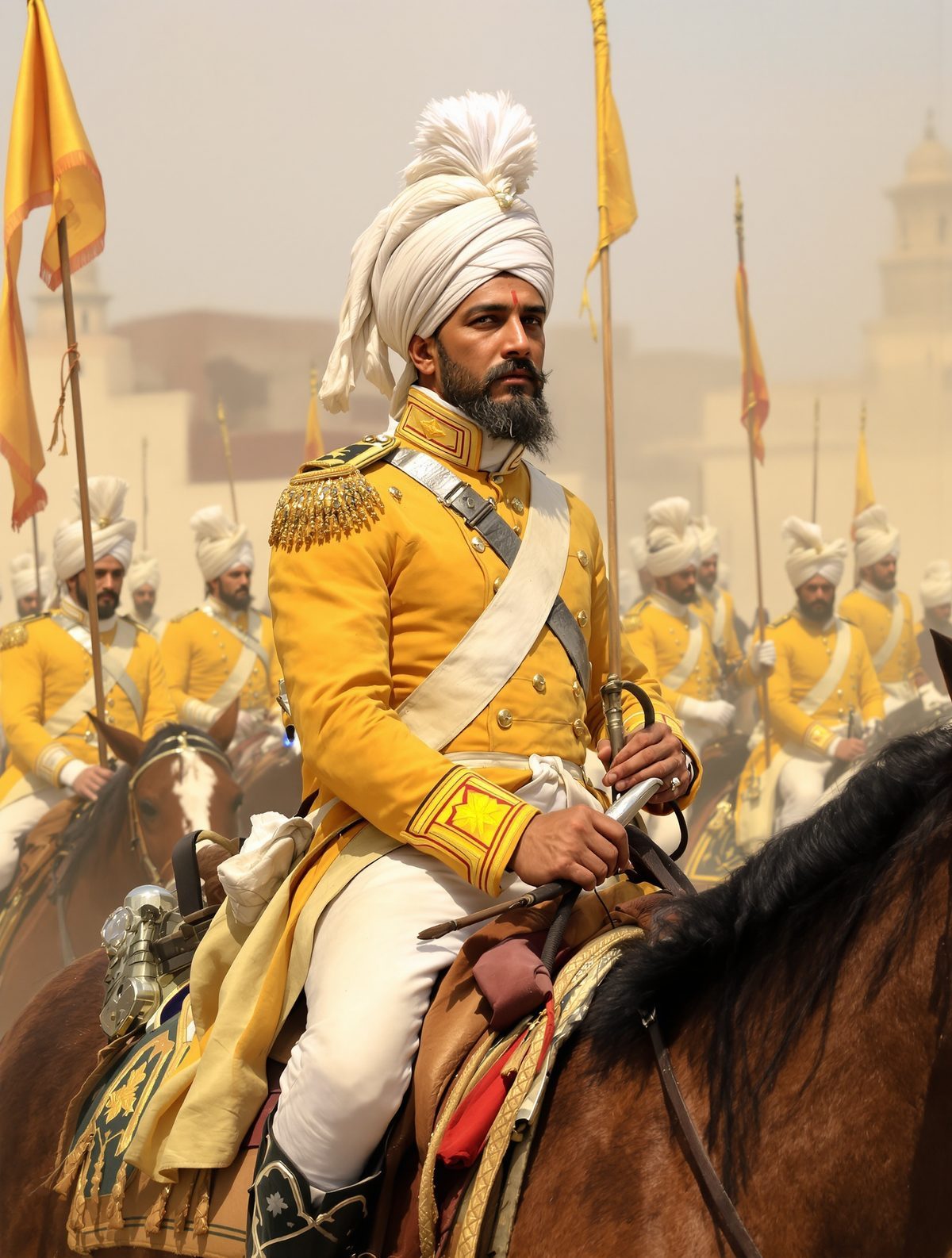
James Skinner spoke nine languages and built his own cavalry regiment. His men wore yellow uniforms and fought for whoever paid them best. They served the Marathas, then the British, then back again.
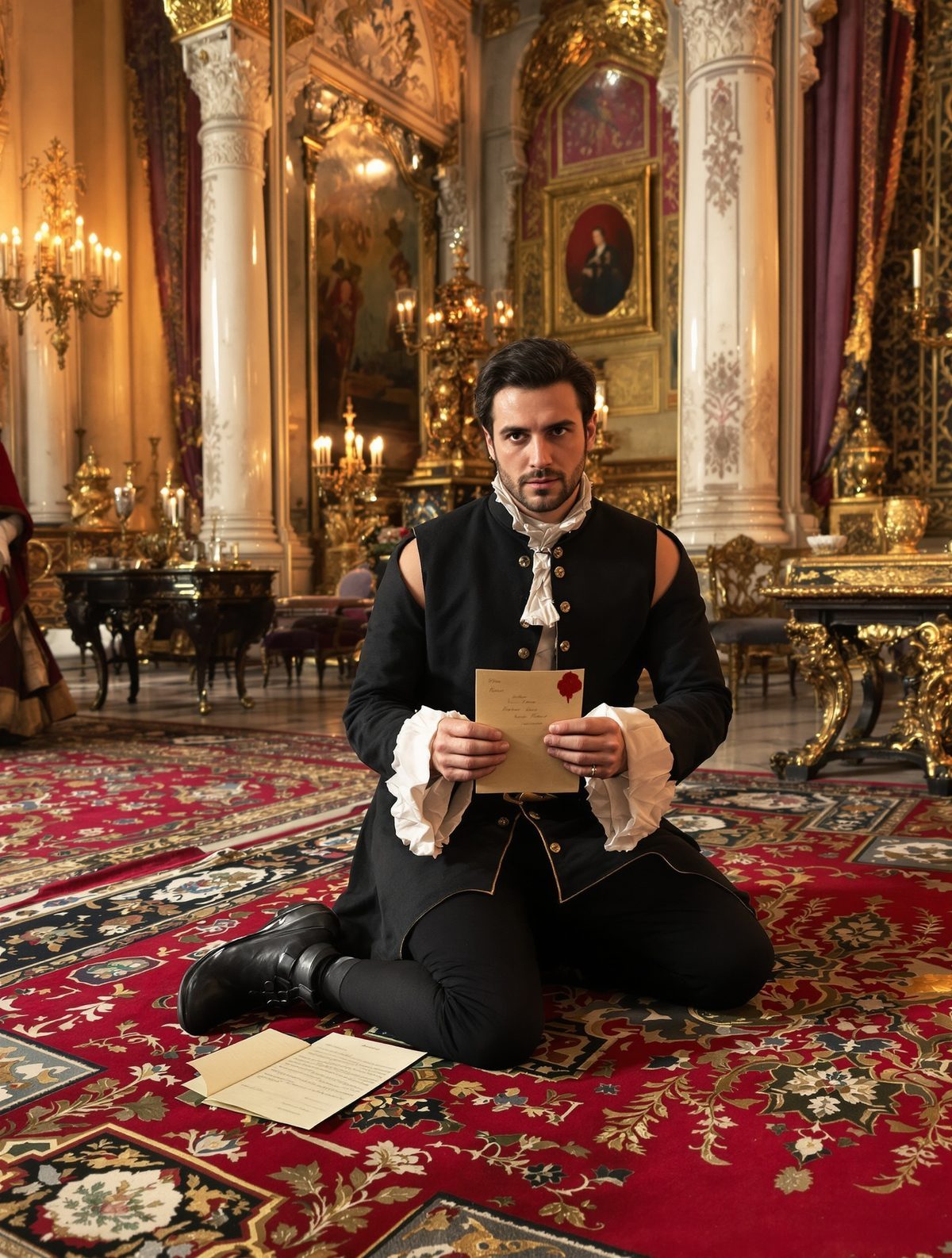
Sir Thomas Roe knelt on a Persian carpet before Emperor Jahangir. The carpet was worth more than his entire embassy. But Roe had come to open India to English trade. His gamble would create an empire.
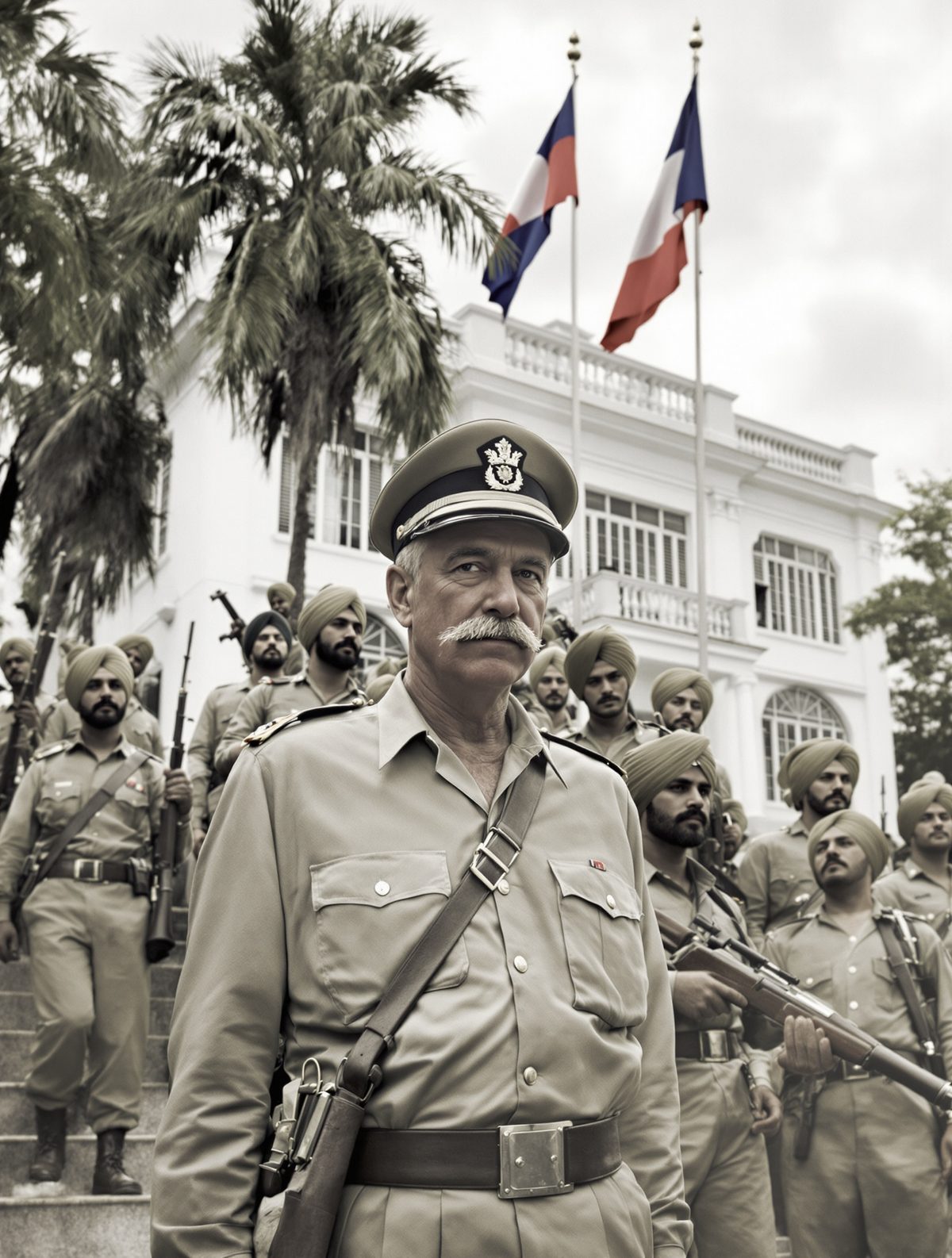
September 1945. Major-General Douglas Gracey lands in Saigon with 26,000 Indian troops. His mission: disarm the Japanese. Instead he rearmed them. Then handed Indochina back to France. The decision that started the Vietnam War.
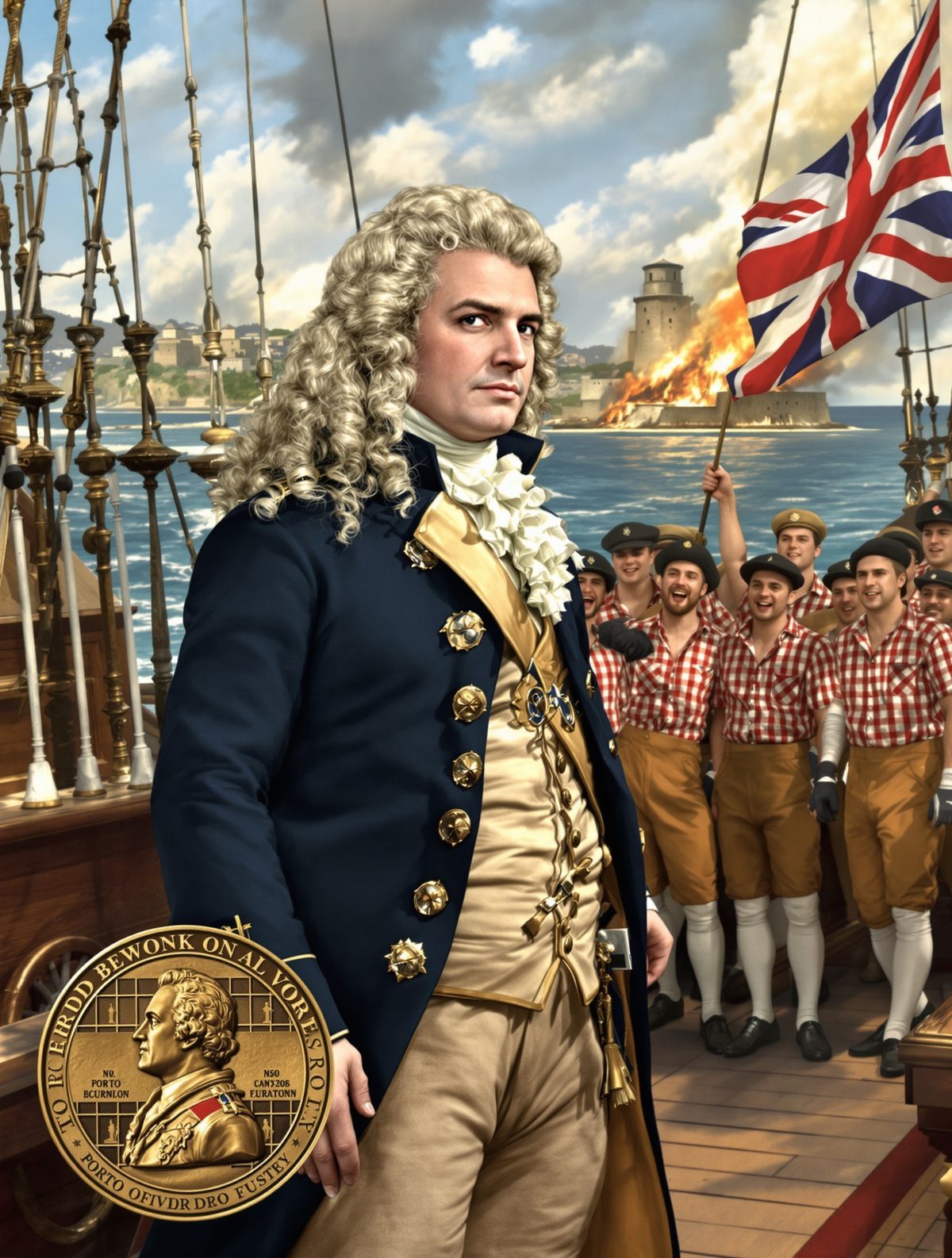
Admiral Vernon's victory at Porto Bello sparked Britain's first mass-produced commemorative medals. Thousands wore his bronze portrait. A naval hero cult was born that would define British identity for two centuries.
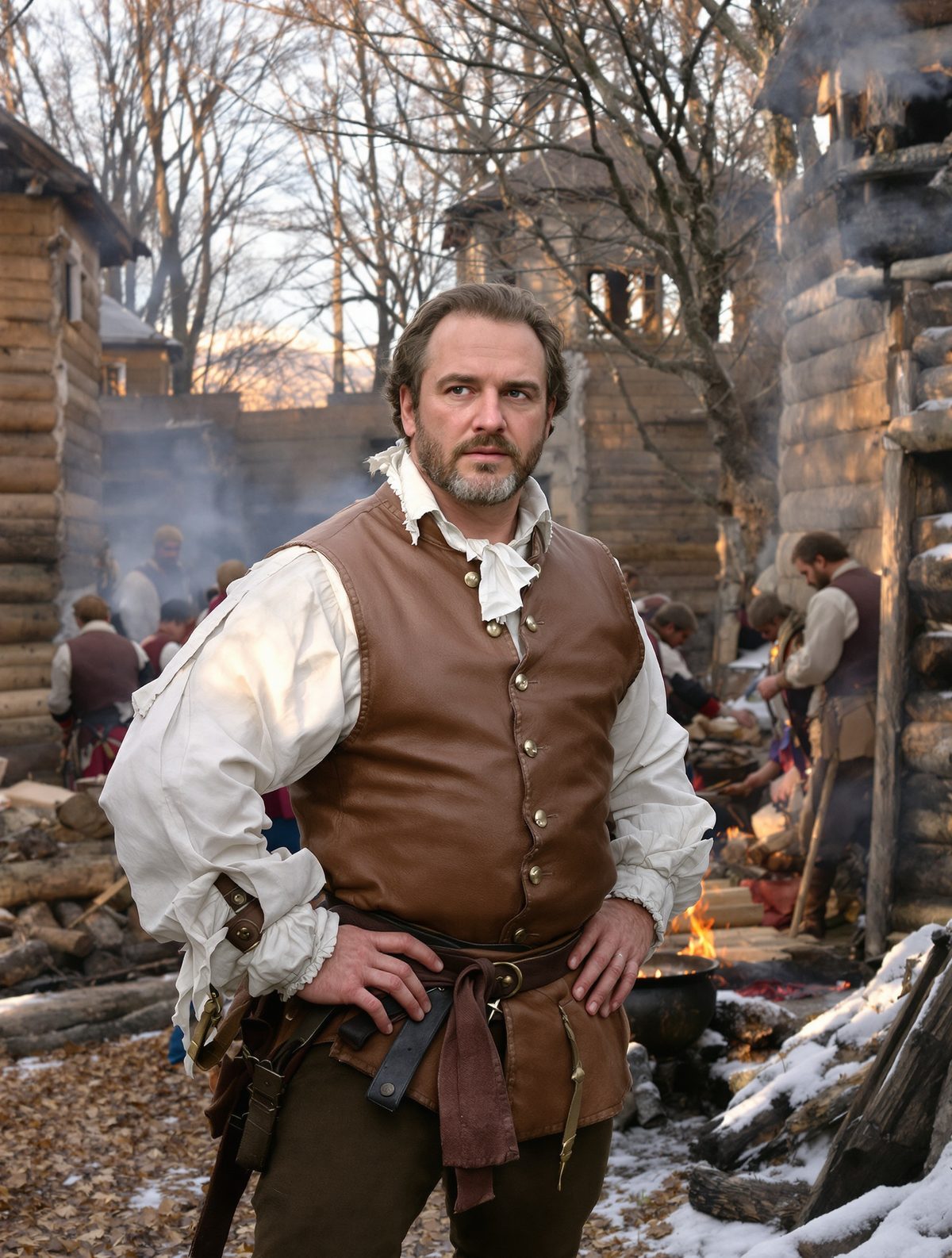
The Virginia colonists were dying by dozens. Disease and starvation claimed half the settlement. Then Captain John Smith issued his famous decree: 'He who does not work, does not eat.' The lazy gentlemen who refused to labor were cut off from the common store. Within weeks, Jamestown transformed from a death trap into a working colony.
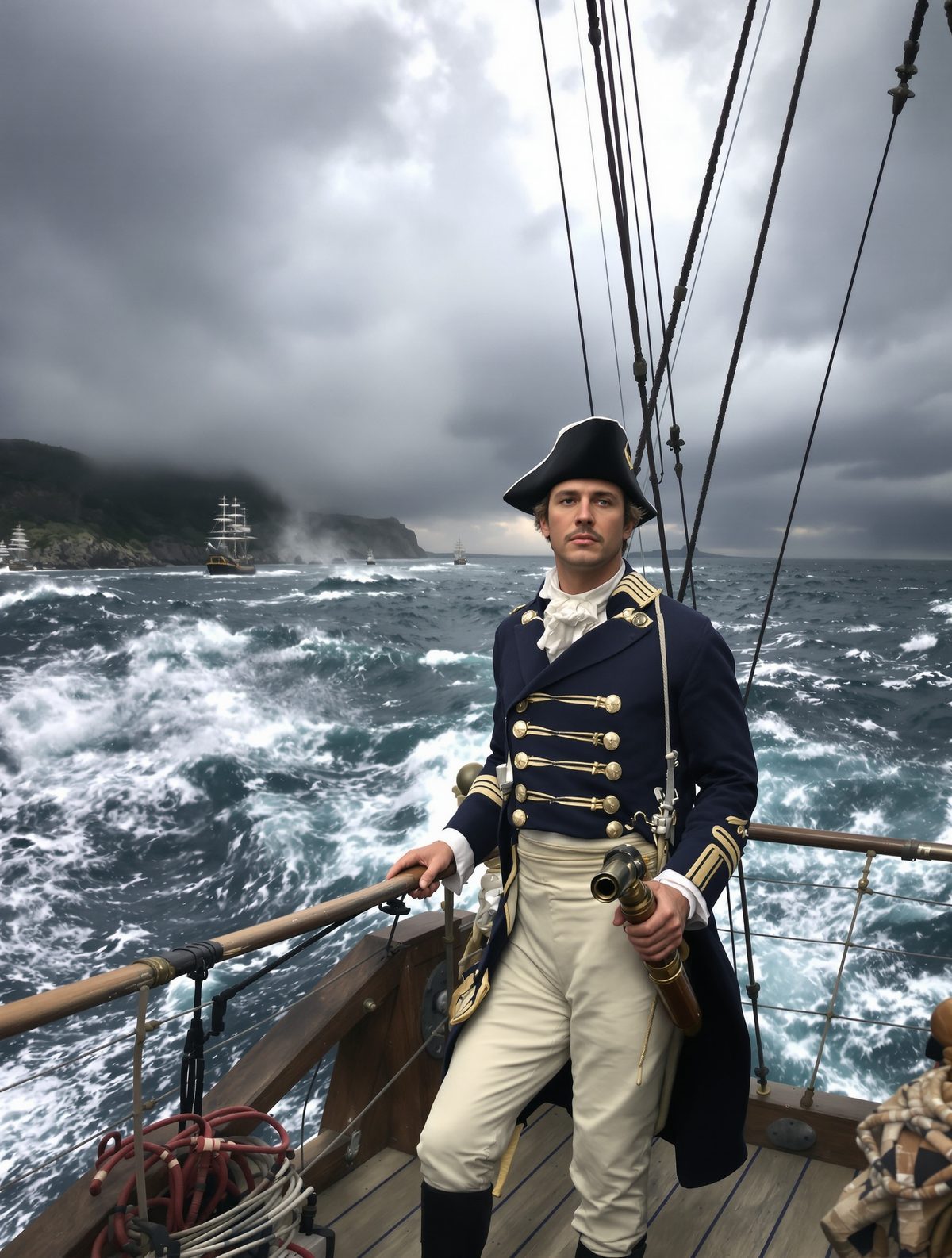
November 1759. Admiral Hawke pursued the French fleet into Quiberon Bay. His captains warned of rocks and rising gales. "I'll follow them to hell," he replied. The hurricane that should have saved France destroyed her navy instead.
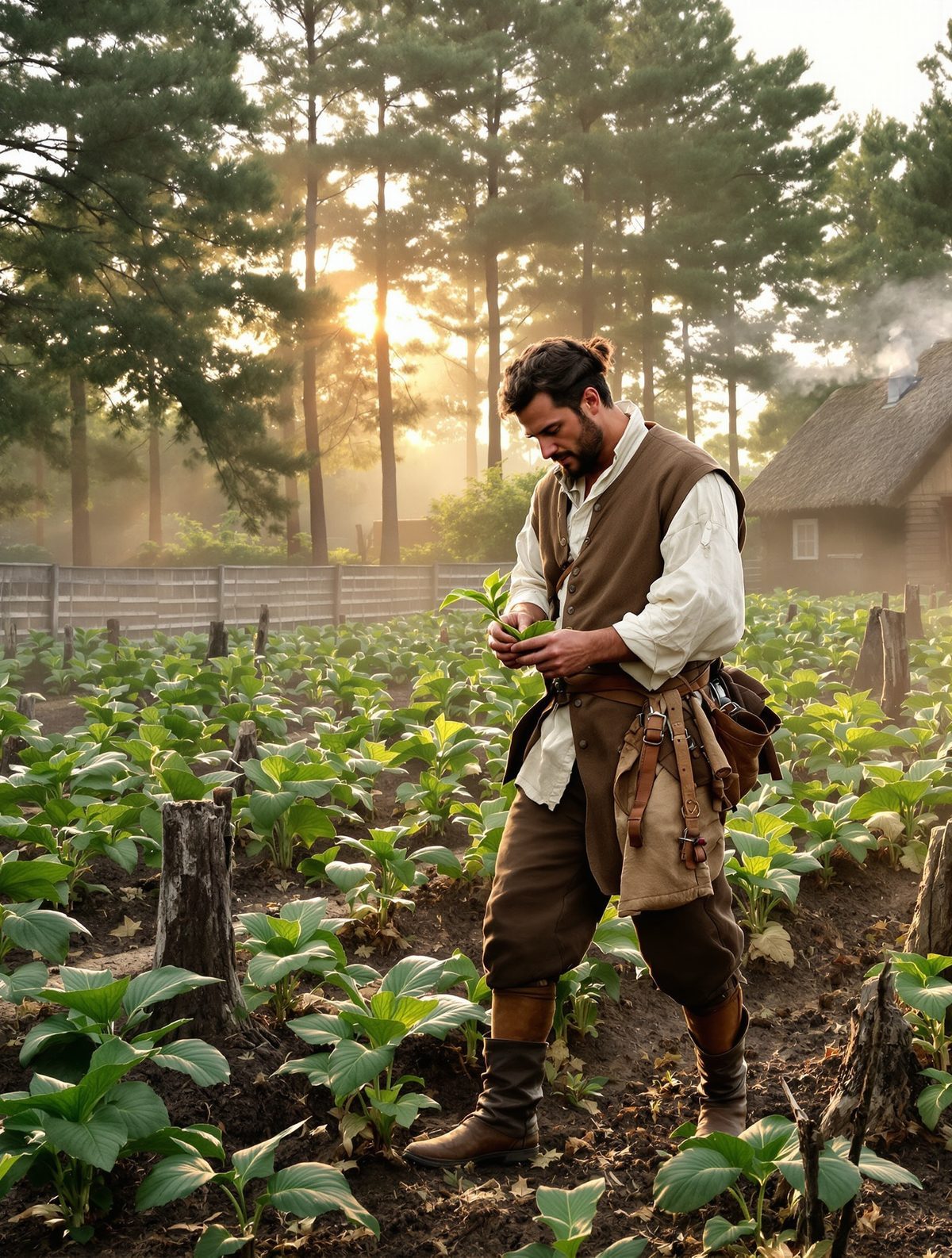
Virginia was dying. Food gone. Settlers fleeing. Then John Rolfe planted four acres of sweet Caribbean tobacco. Within five years, Jamestown's streets were carpeted with tobacco leaves. One man's agricultural experiment became America's gold rush.
Captain Charles Elliot watched 20,000 chests of British opium burn in Canton's harbor. Commissioner Lin Zexu had destroyed £2 million of Company cargo. Within months, Royal Navy gunboats would force China's ports open forever.
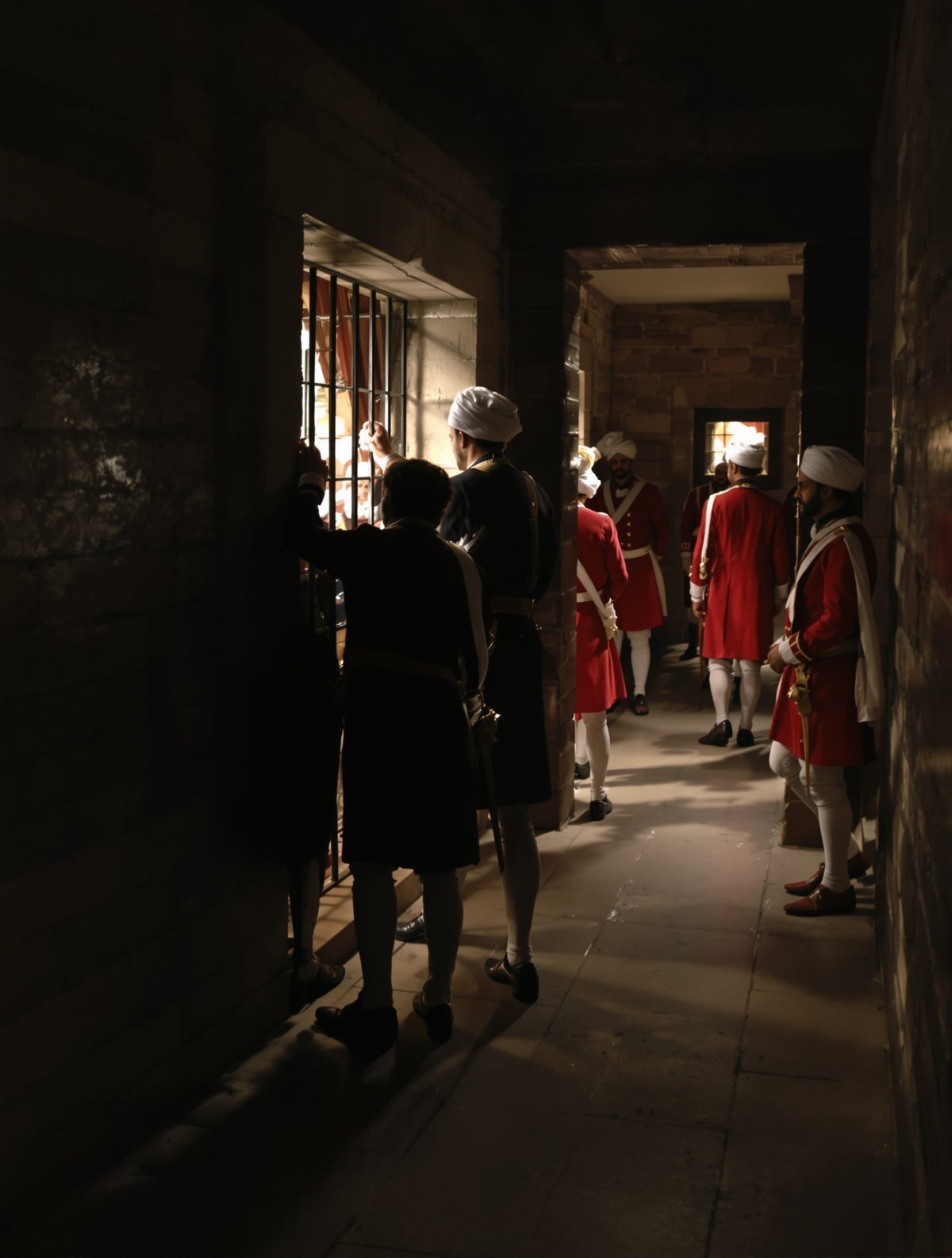
146 British prisoners crammed into an 18x14 foot cell. No windows. June heat. By dawn, only 23 were still breathing. The horror that launched Britain's conquest of Bengal.
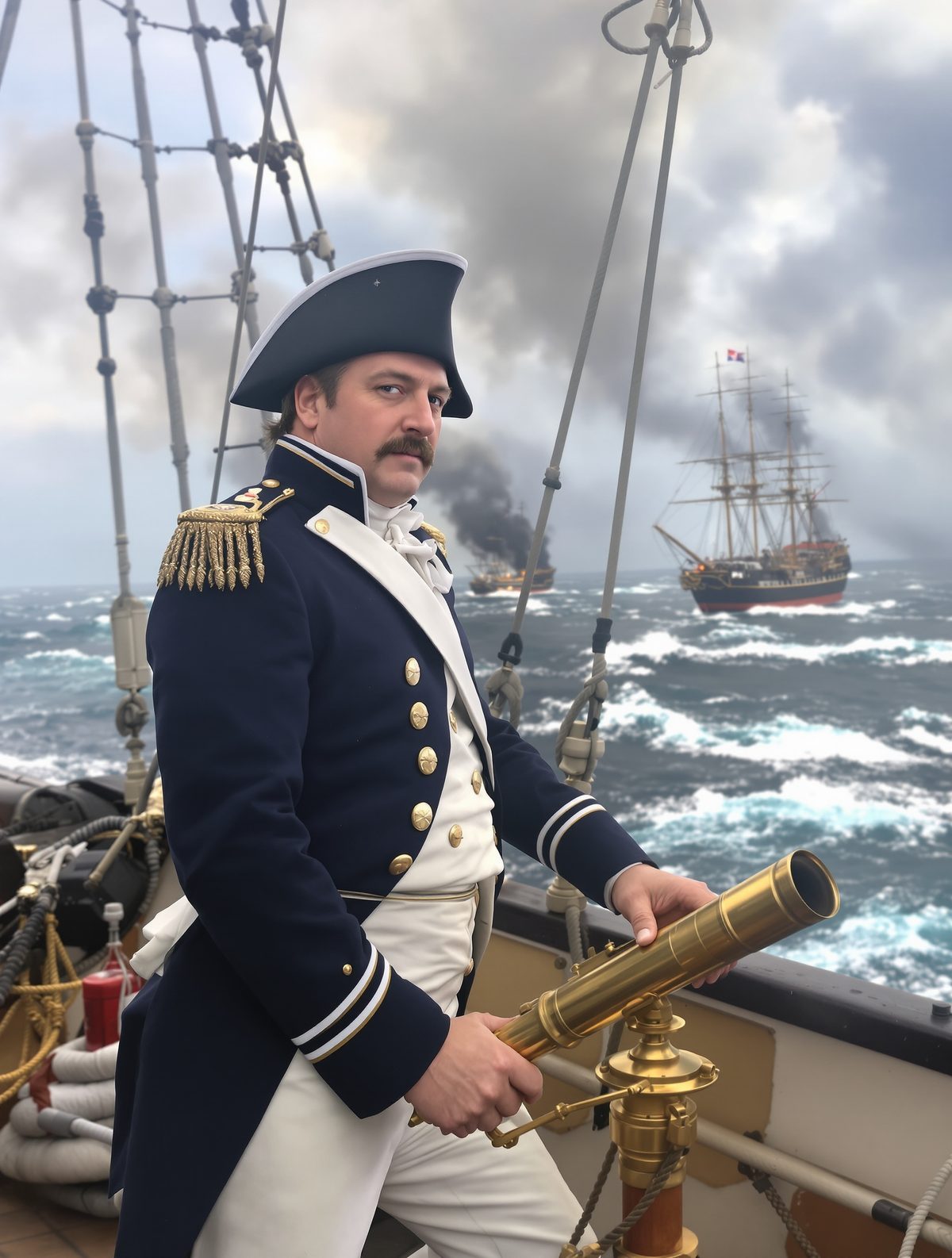
Captain Pellew's HMS Indefatigable spotted two French frigates off Brittany. Outgunned and alone, he should have fled. Instead, he sailed straight between them. Four hours later, both enemy ships surrendered.
A Lloyd's insurance magnate dies in 1823. His private art collection hangs in his Pall Mall mansion. Parliament votes £57,000 to buy 38 paintings. Britain's National Gallery is born from one merchant's passion.
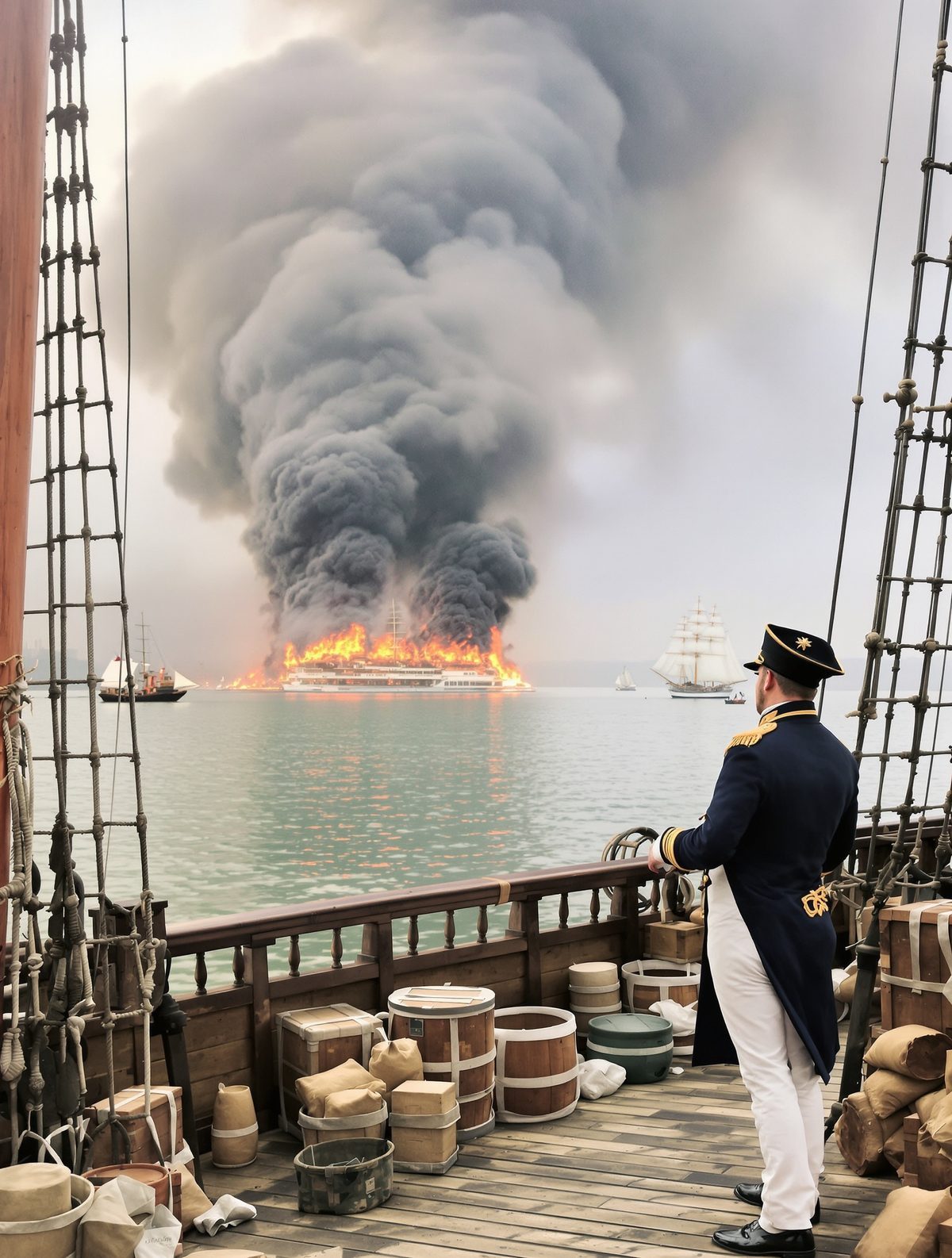
Admiral Somers sailed into a hurricane. His flagship Sea Venture split on Bermuda's reefs. Nine months later, he reached Virginia with two ships built from shipwreck timber. Jamestown was three days from abandonment.
December 1979. Government House, Salisbury. Britain's last colonial governor stands alone in his study. Tomorrow he hands power to Robert Mugabe. Tonight he burns 90 years of colonial files. The empire's final chapter closes in smoke and ash.
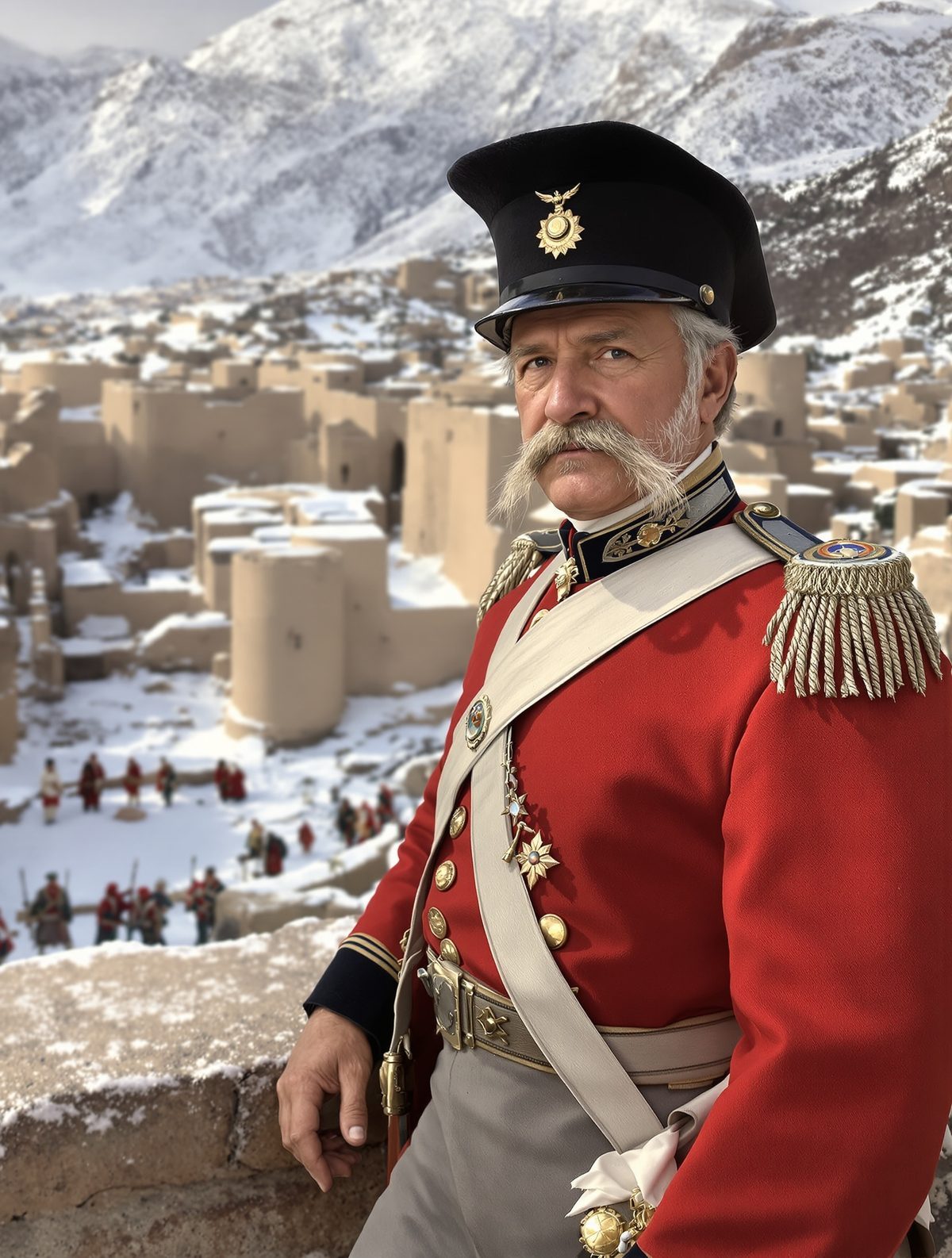
Major-General Robert Sale held Jalalabad with 2,000 men for five months. Afghan armies surrounded the fortress. One garrison. 12,000 enemies. Sale's defiant message: 'We shall hold until relieved or die.'
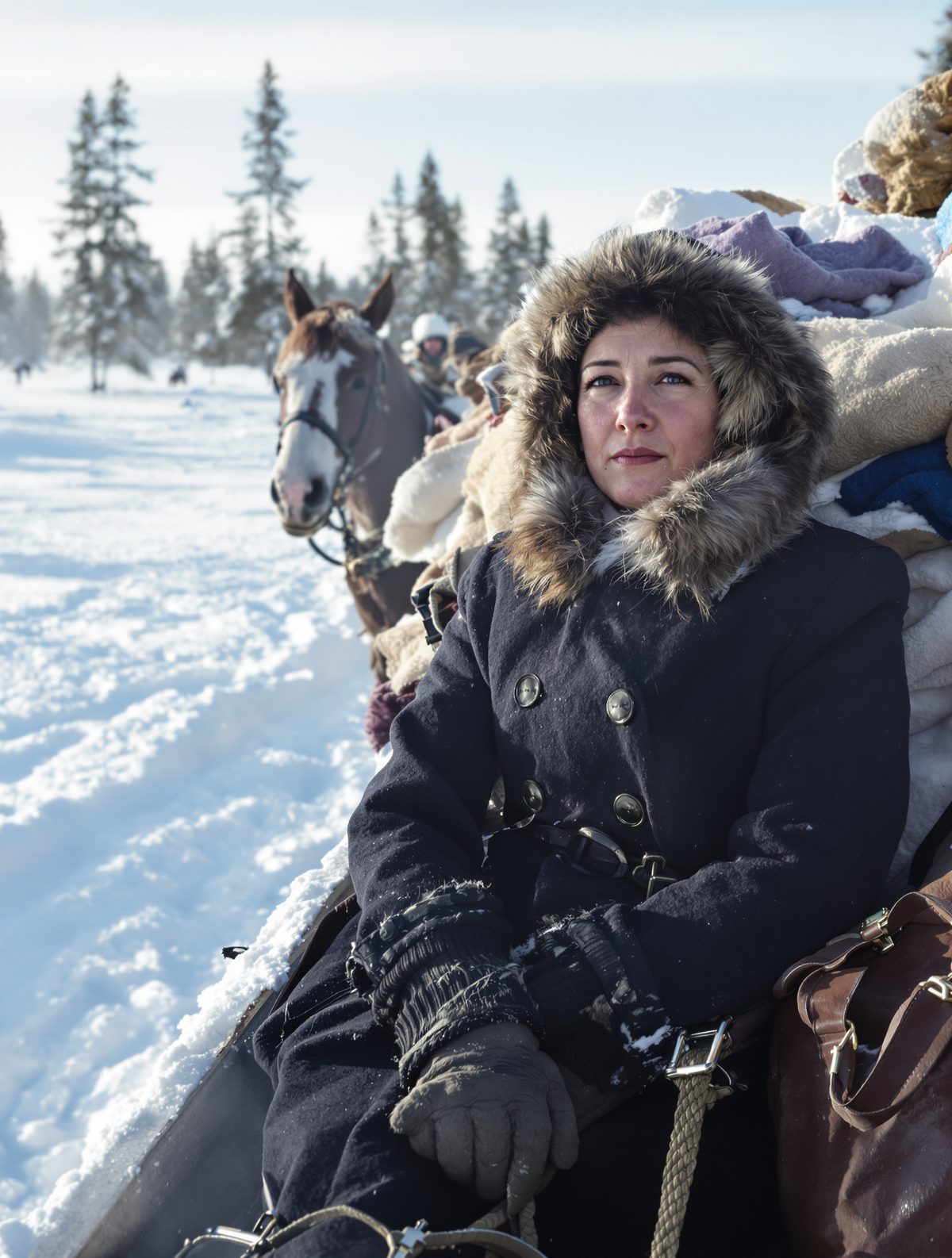
In 1891, English nurse Kate Marsden rode alone across frozen Siberia for two months. She was searching for a herb that could cure leprosy. Local guides abandoned her in wolf territory. She reached the leper colony with frostbitten hands but a medicine chest intact.
1903. Major Lugard faced the Sultan of Sokoto's 15,000 warriors. His tiny force had just crossed 500 miles of hostile desert. One wrong move meant death for every man. Then Lugard ordered the charge that won an empire.
July 1857. Cawnpore had fallen to mutineers. Colonel Havelock's relief force was dying of cholera and dysentery. Half his men could barely stand. But 200 British women and children were trapped in Lucknow. Havelock's order was simple: 'We march at dawn.'
General White's garrison ate horses and sawdust bread. Boer artillery pounded them daily. By February 1900, scurvy and typhoid killed more than bullets. Then Buller's relief column finally broke through.
The Young Ireland leader raised his pen like a sword. His newspaper called for armed revolt against British rule. The Crown charged him with treason felony. At his trial, Mitchell smiled. 'The British Empire is too weak to hang an Irishman for loving Ireland.'
Captain William Peel stripped HMS Shannon of her guns. Hauled them 1,000 miles overland to Delhi. Naval cannons had never fought a land siege. The sepoys called them 'the terrible guns that came from the sea.'
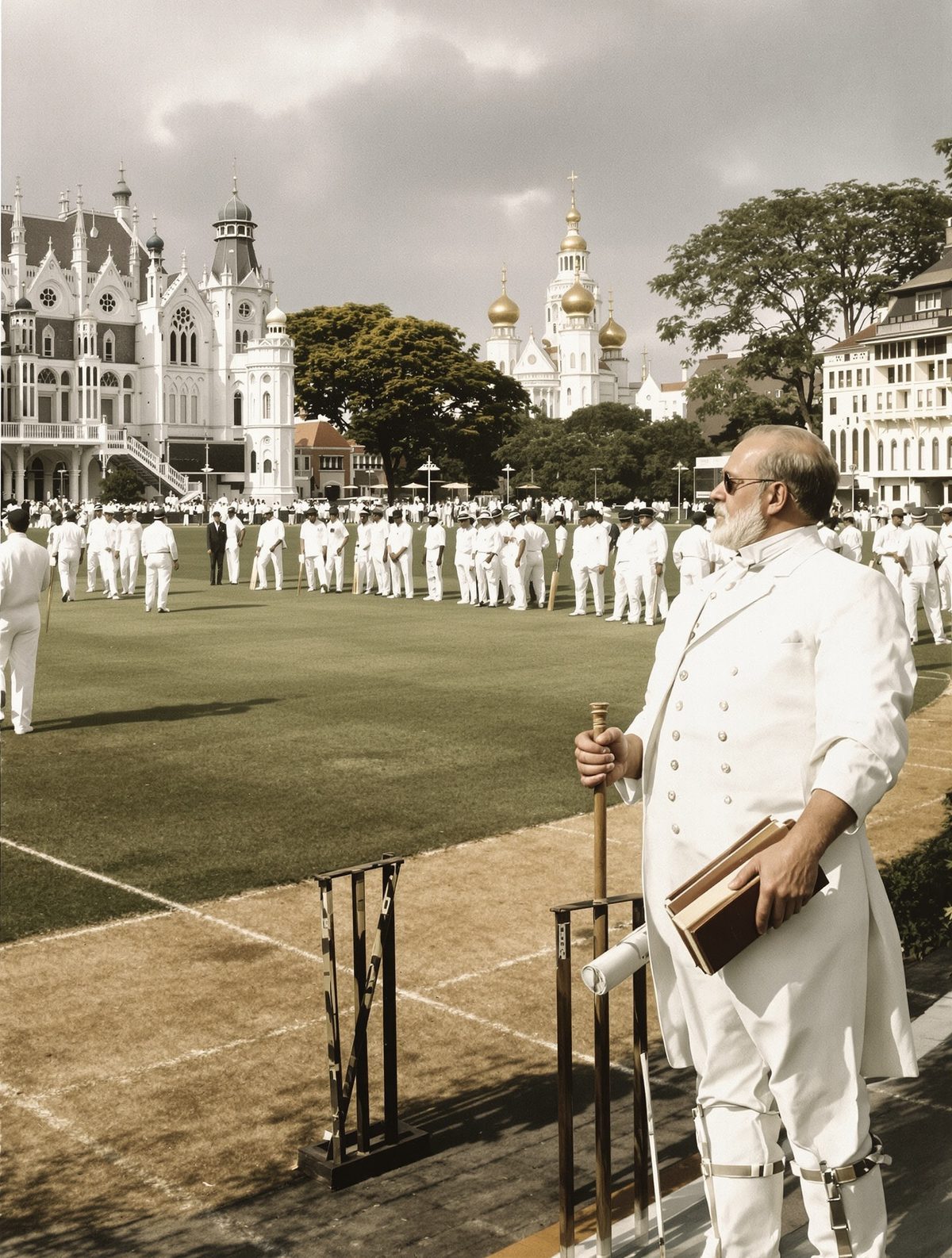
The Marylebone Cricket Club wrote cricket's laws in 1788. Today those same rules govern matches in 104 nations. From village greens to the World Cup. The Empire's greatest export wasn't tea or railways. It was the perfect summer game.
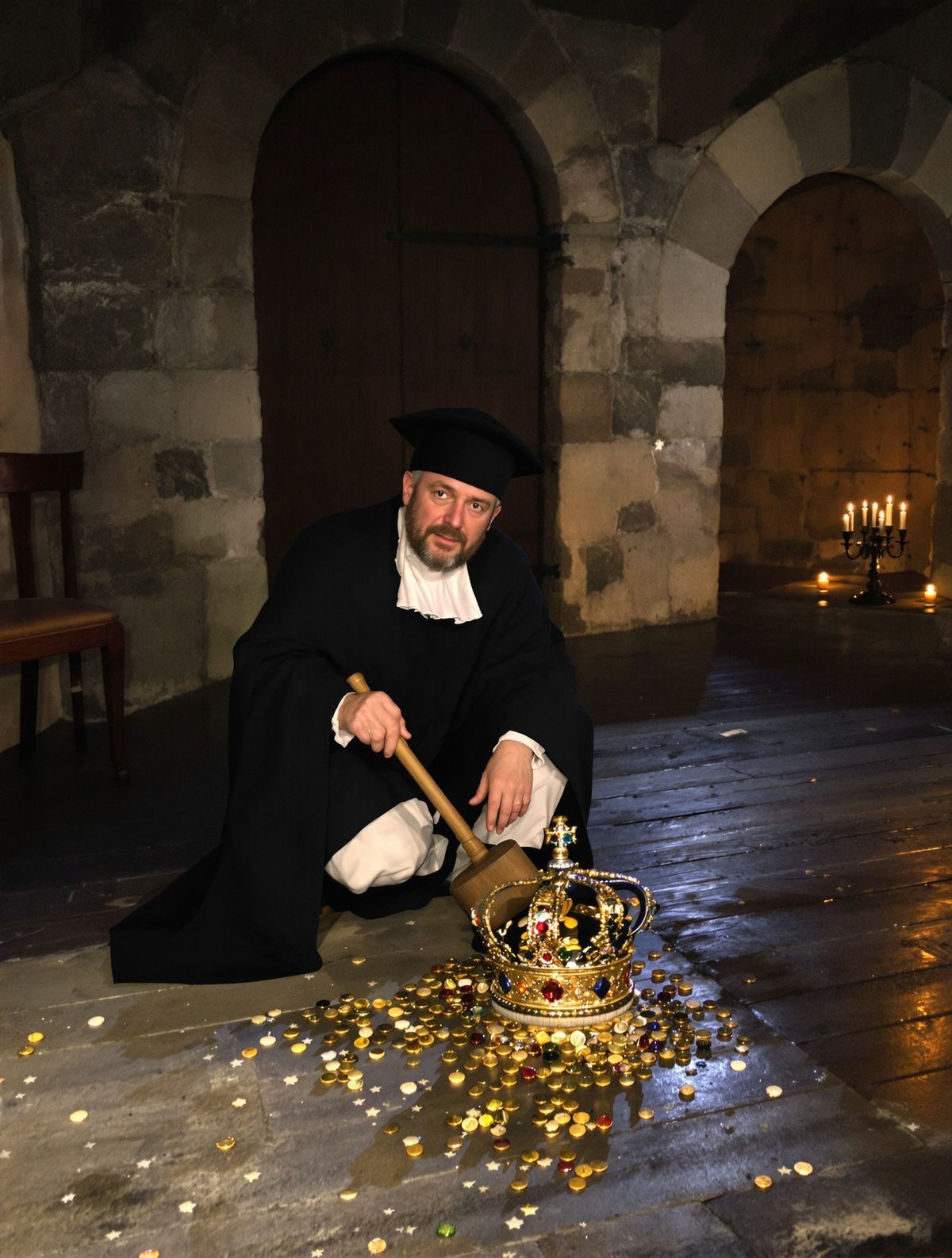
Captain Thomas Blood disguised himself as a clergyman. He befriended the Tower's Keeper for weeks. On May 9th 1671 he flattened the Crown with a mallet. Stuffed it under his coat. Nearly escaped with England's most sacred treasure.
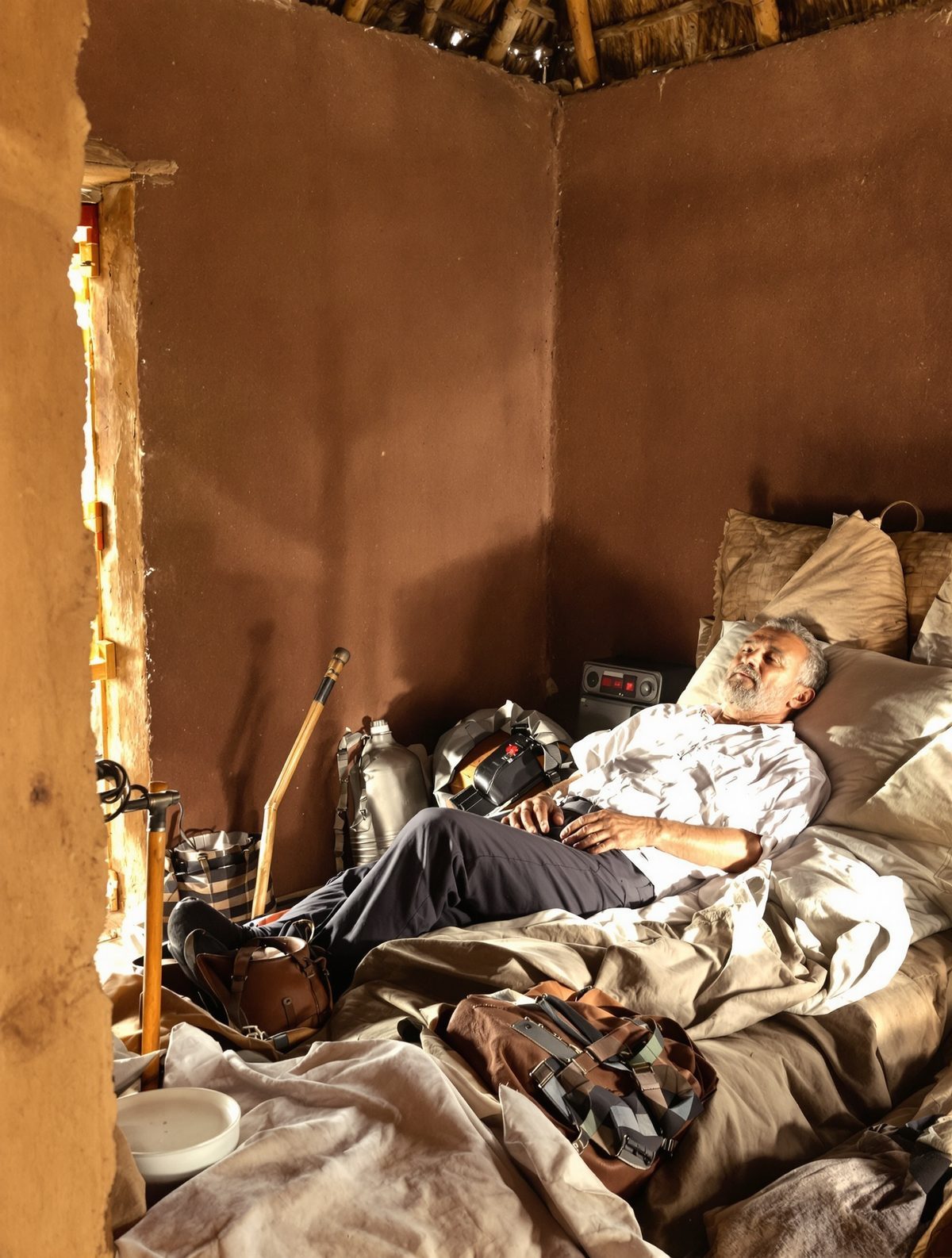
May 1873. Dr. Livingstone died alone in a Zambian village. His African companions faced an impossible choice. Carry his body 1,500 miles to the coast. Or abandon the man who freed their people.
Hand-picked from Britain Untold's archive. The stories you weren't taught at school. 3-minute read.
No spam. Unsubscribe in one click. We hate spam too. Privacy Policy.