The British Empire — the forgotten chapters · page 16 of 22
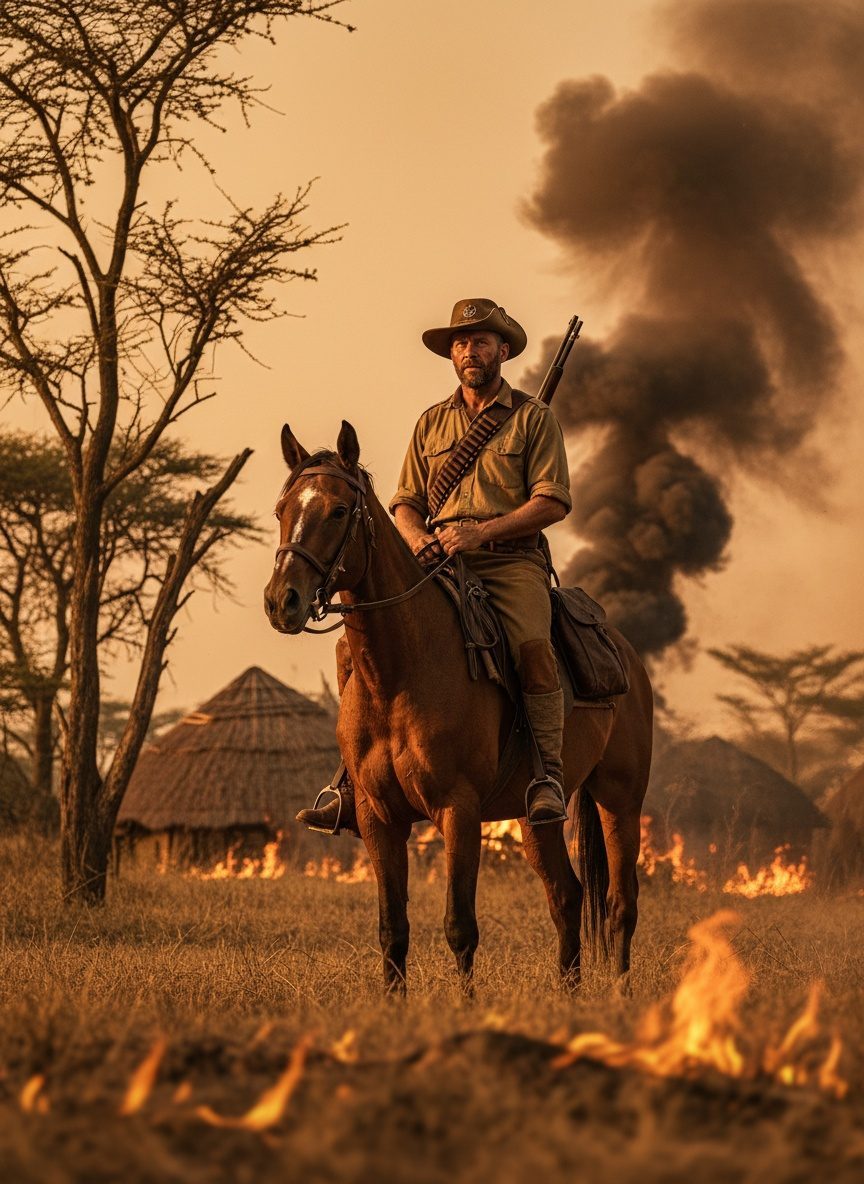
Matabeleland, 1893. The kraals were burning. Major Patrick Forbes had one chance. He sent a single rider forward. Frederick Burnham rode alone into the smoke. He came back with the answer that ended the war.
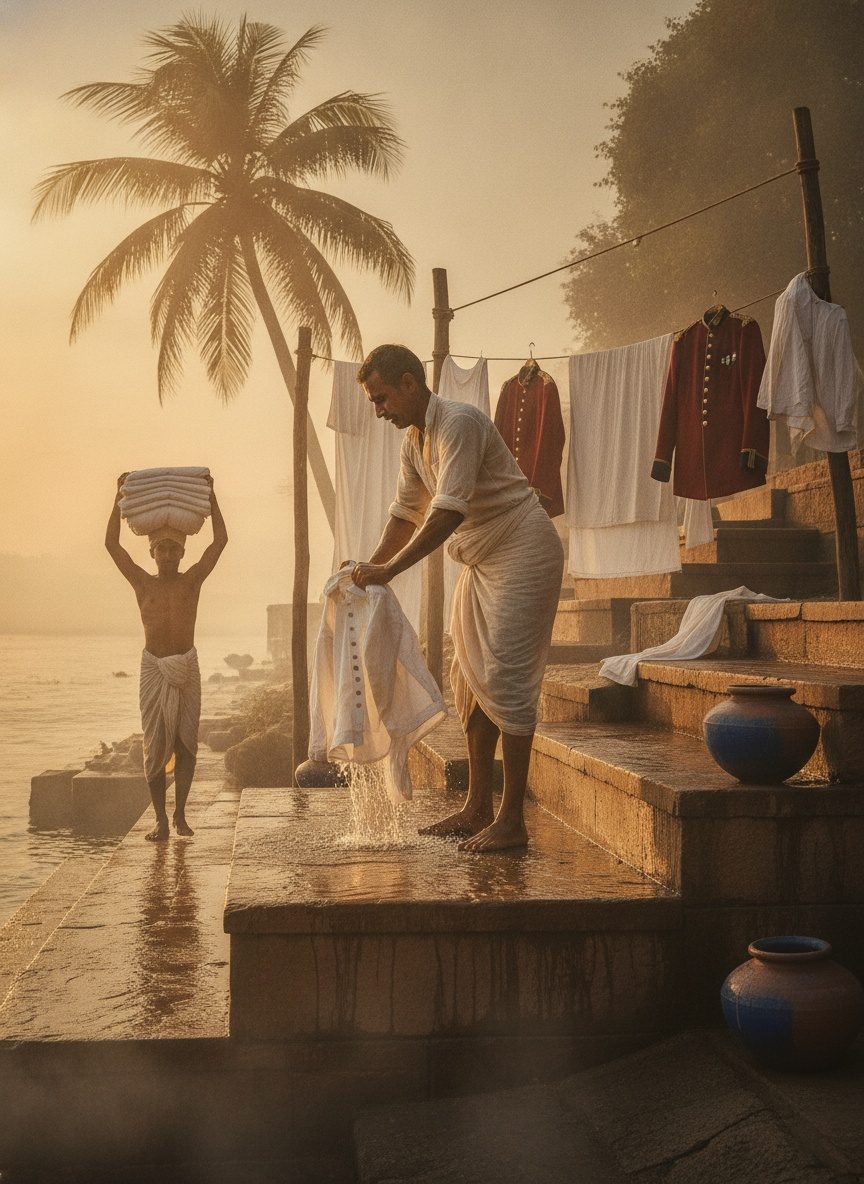
Calcutta, 1890. Every morning before dawn, they came. Hundreds of dhobi wallahs. They carried the Empire's laundry on their heads. Down to the river. Beat it clean on the ghats. Returned it pressed and perfect. The Empire ran on their hands.
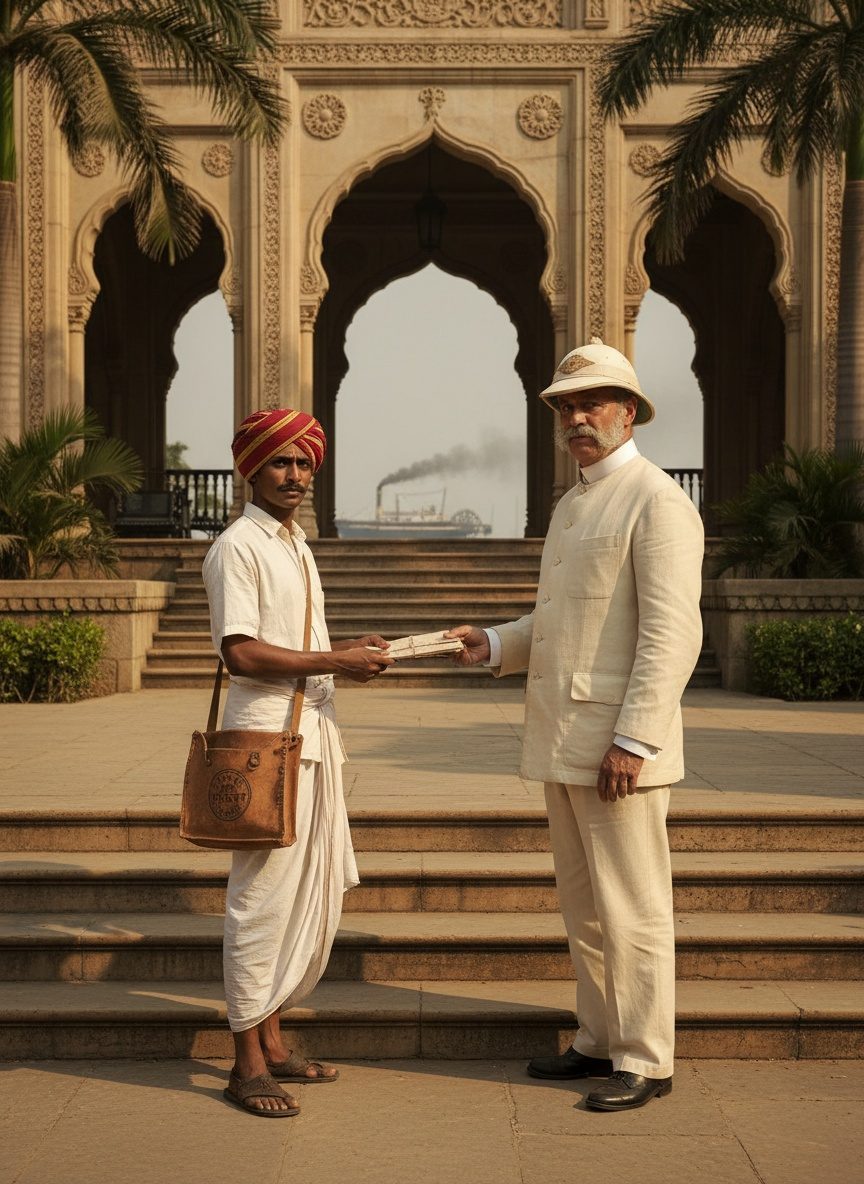
By 1866, a letter posted in London reached Bombay in 30 days flat. The British Empire had built the world's first truly global postal network. Distance was dead.
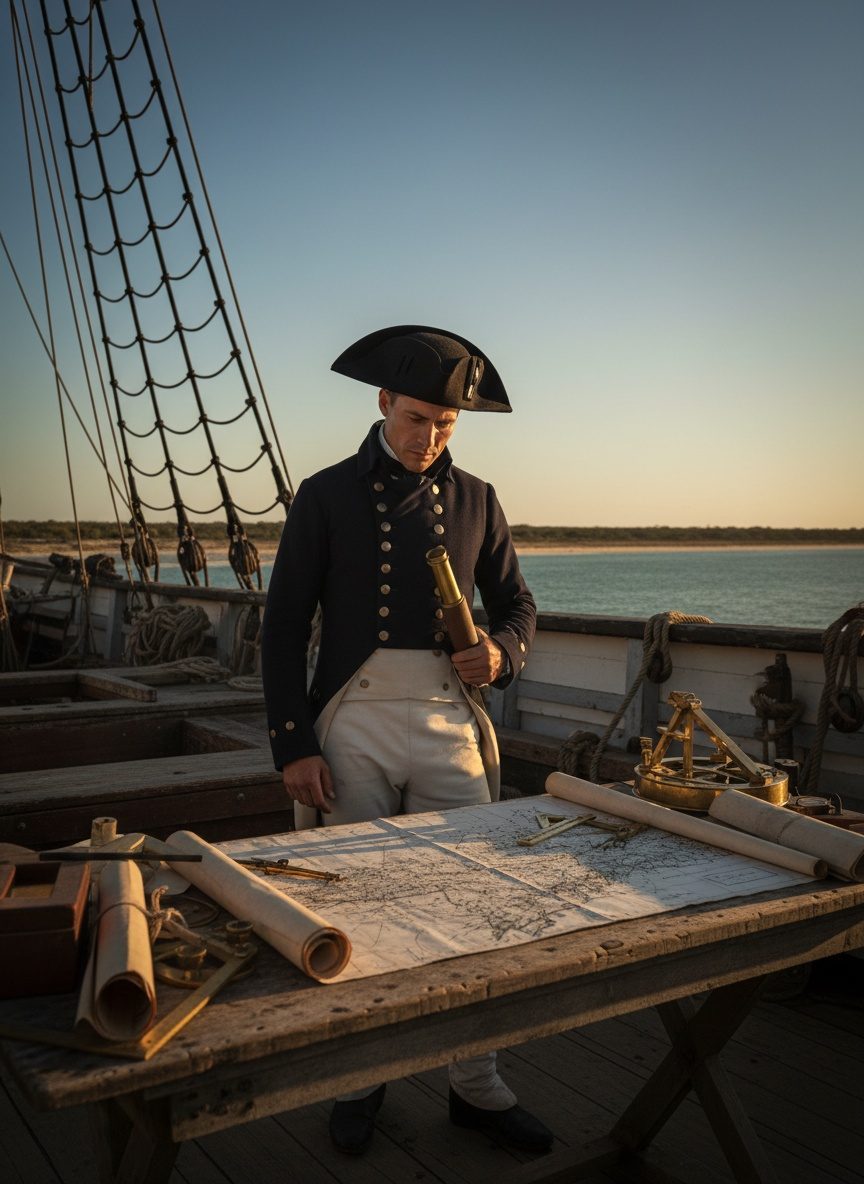
1802. Matthew Flinders had one ship. One mission. Chart every inch of Australia's coastline. His vessel was rotting beneath him. His crew was dying of scurvy. He kept sailing. He mapped a continent.
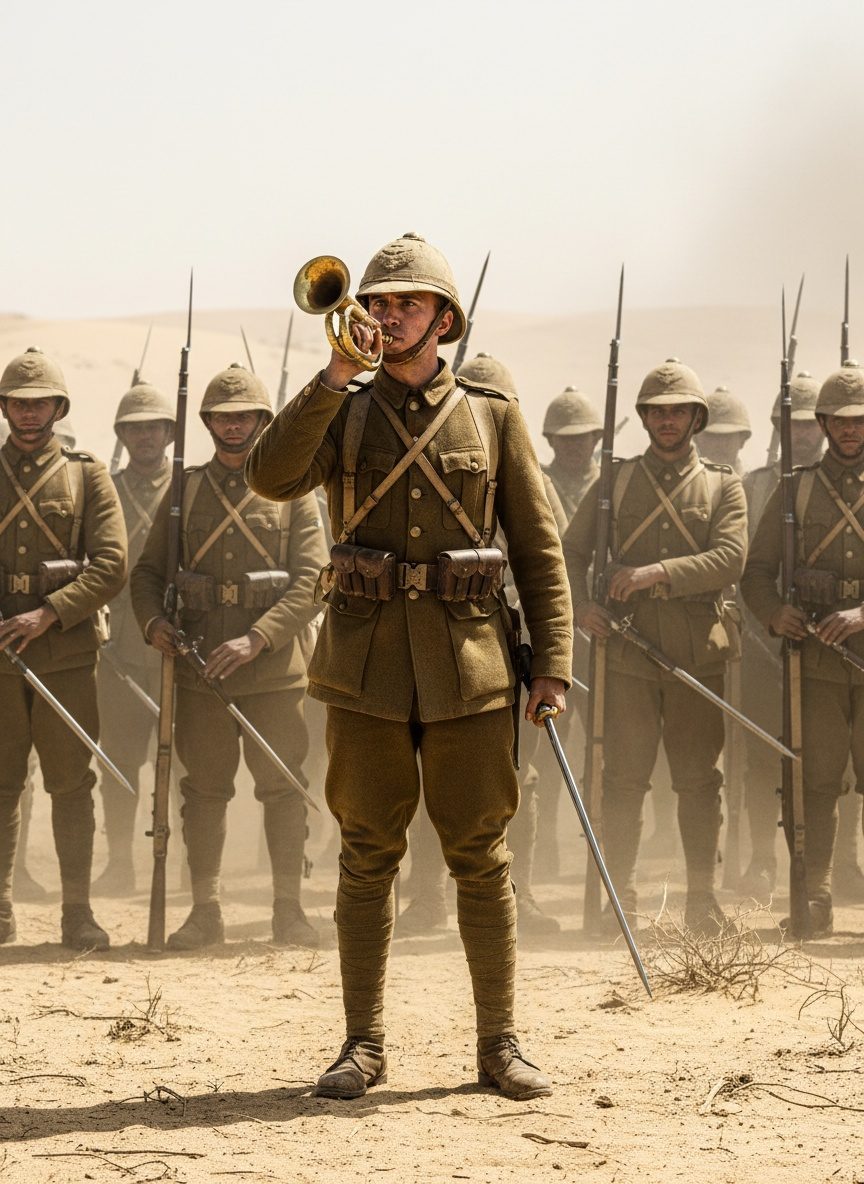
January 1885. The desert at Abu Klea. The British square broke. The Mahdist warriors poured in. Bugler William Joy raised his bugle. Sounded the rally. The square closed. The line held.
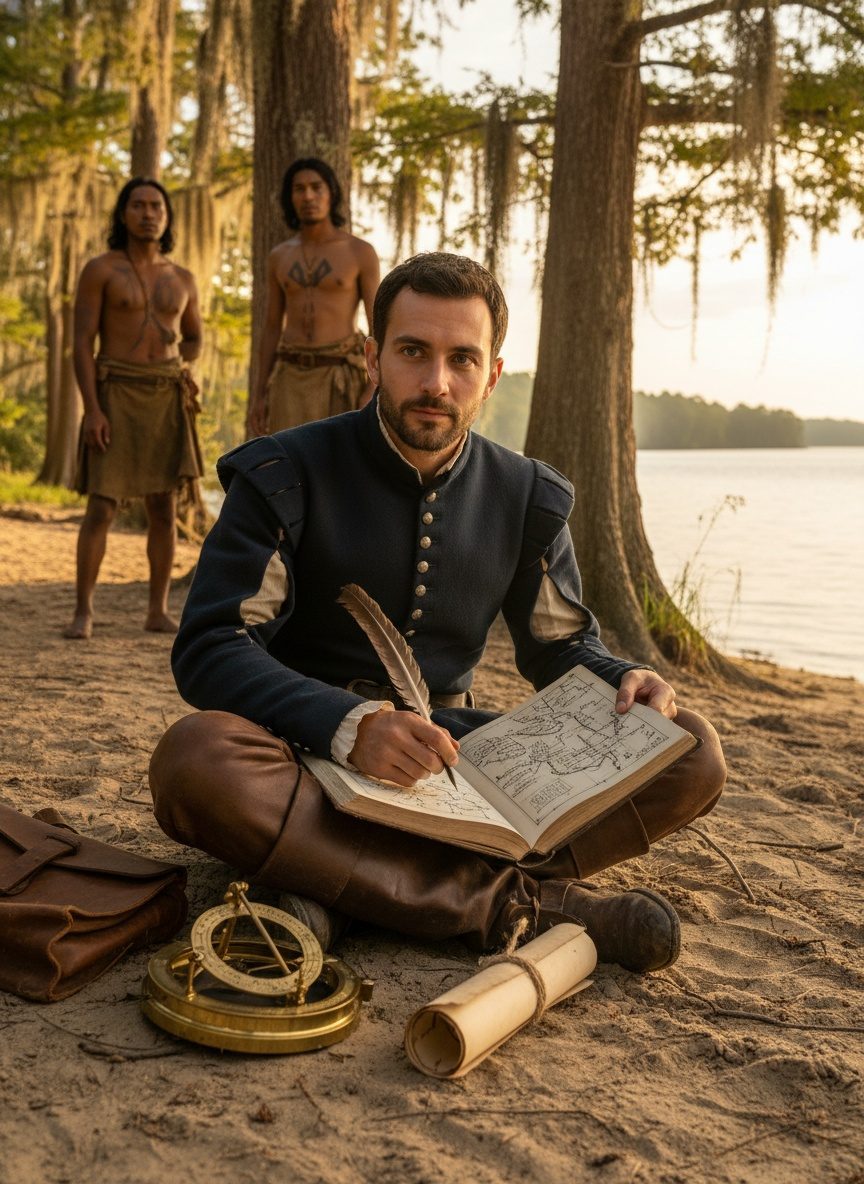
1585. Sir Walter Raleigh needed proof. He sent one man to America. Thomas Harriot landed on Roanoke Island. He learned the Algonquian tongue. He mapped every creek. He returned with a book that stunned Europe.
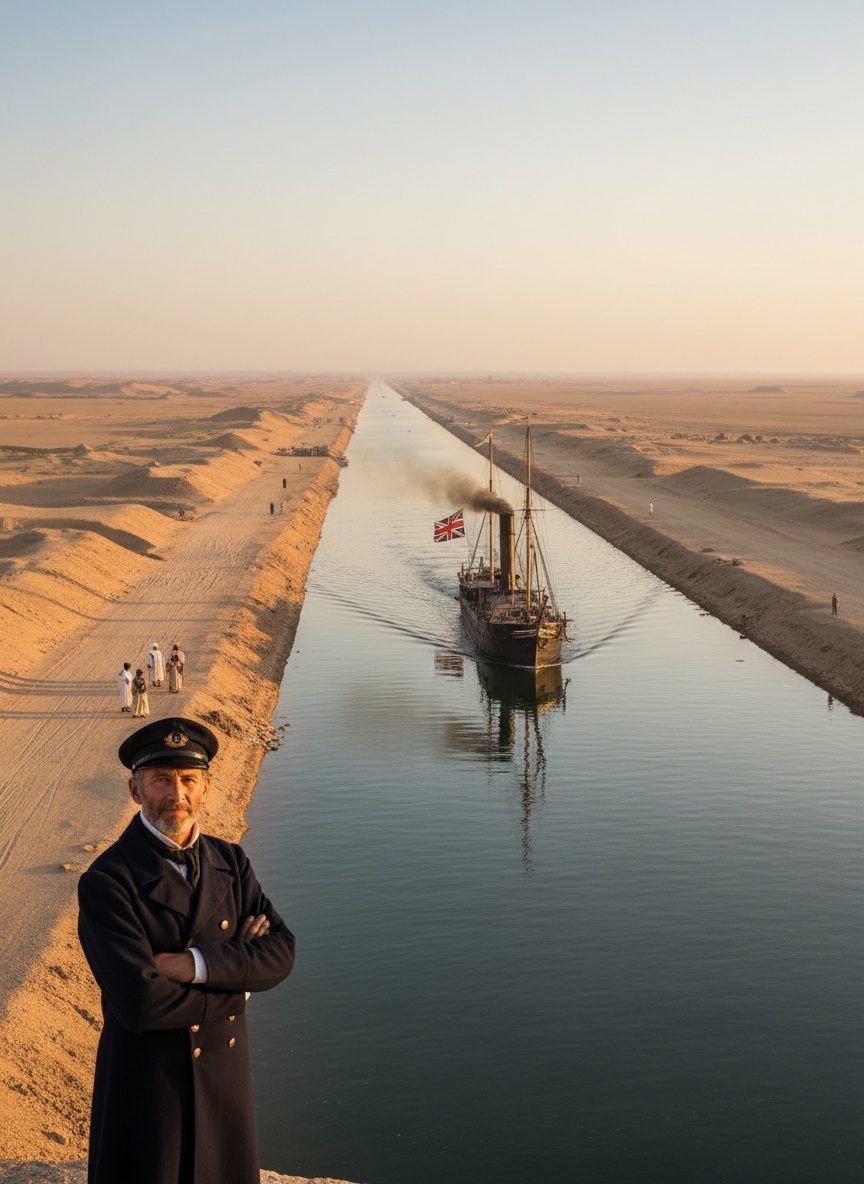
November 1869. The Suez Canal opened. A British engineer named Robert Stephenson had warned it was impossible. He was wrong. Today it carries 12% of all world trade. Built on a Victorian dream. Still moving the world.
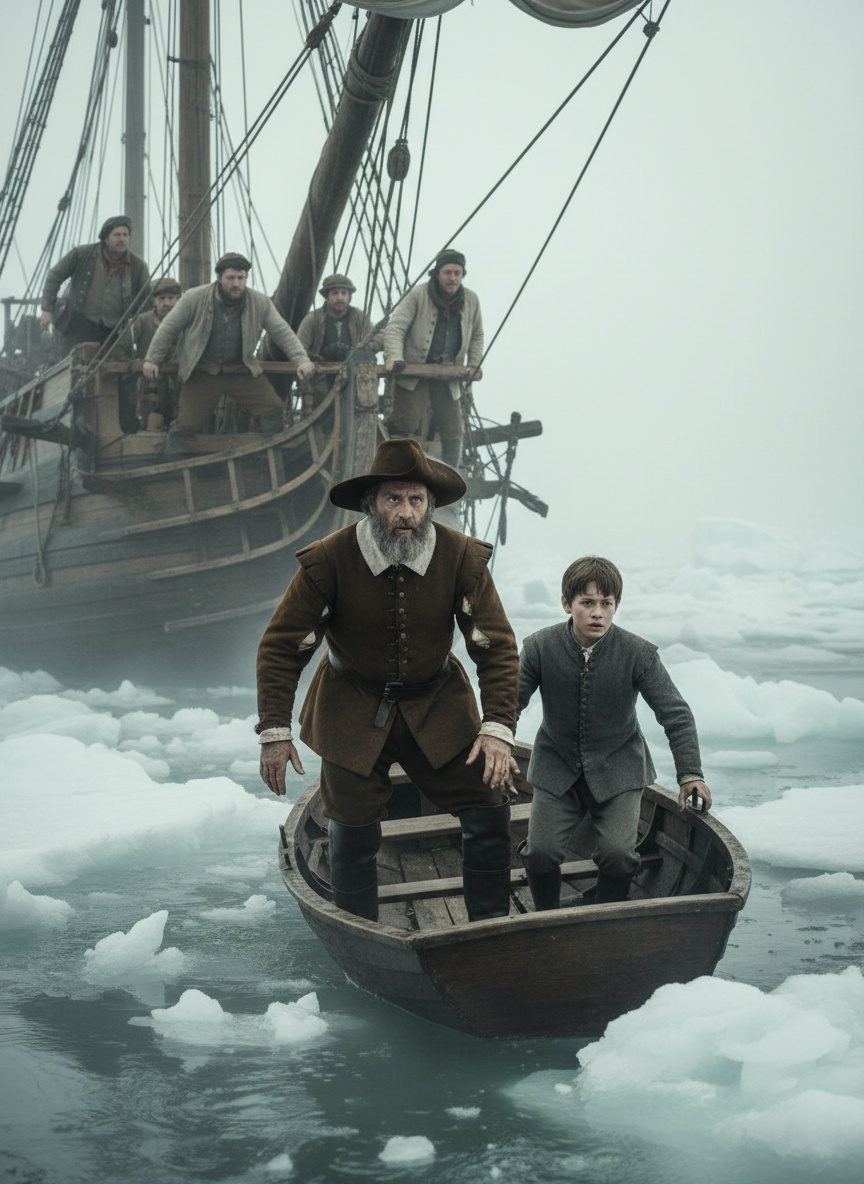
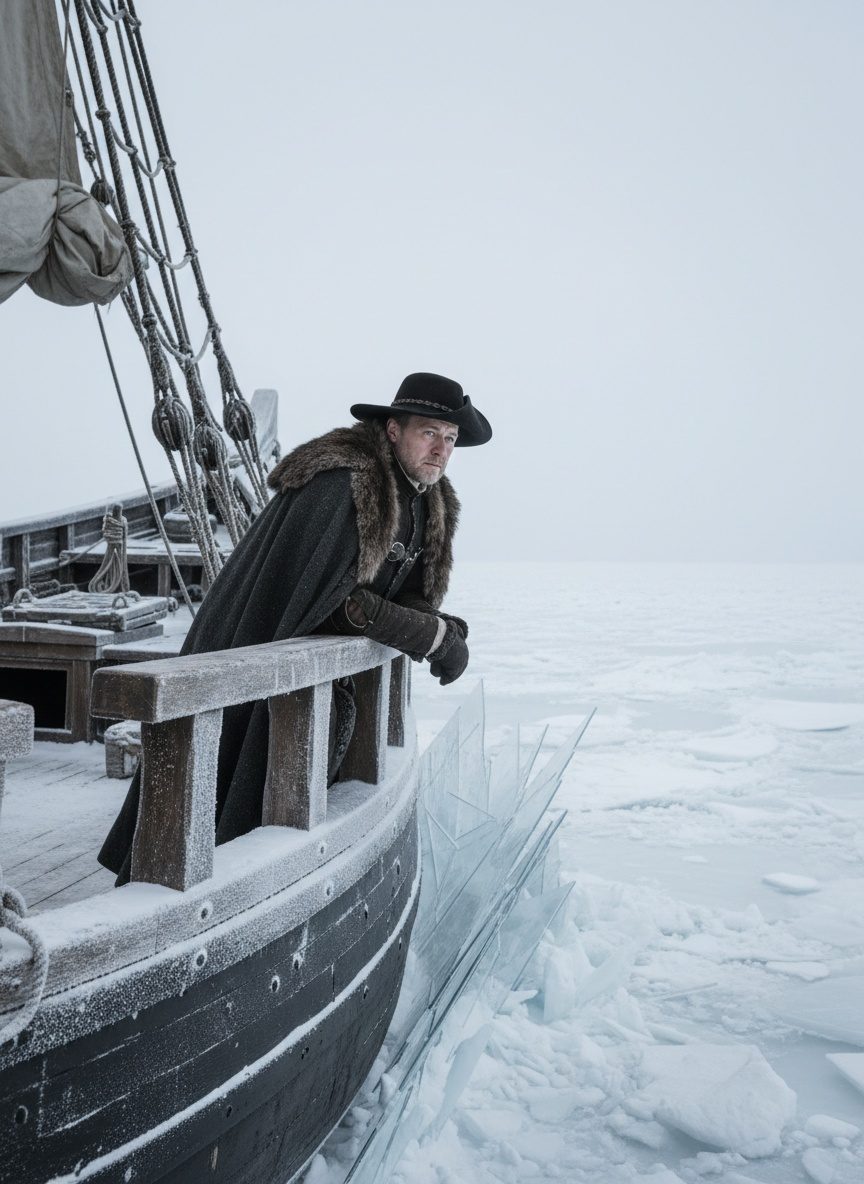
June 1611. Hudson had sailed further into the frozen bay than any man alive. His crew mutinied. They forced him into a small shallop. His young son beside him. Cast adrift on the ice. Never seen again.
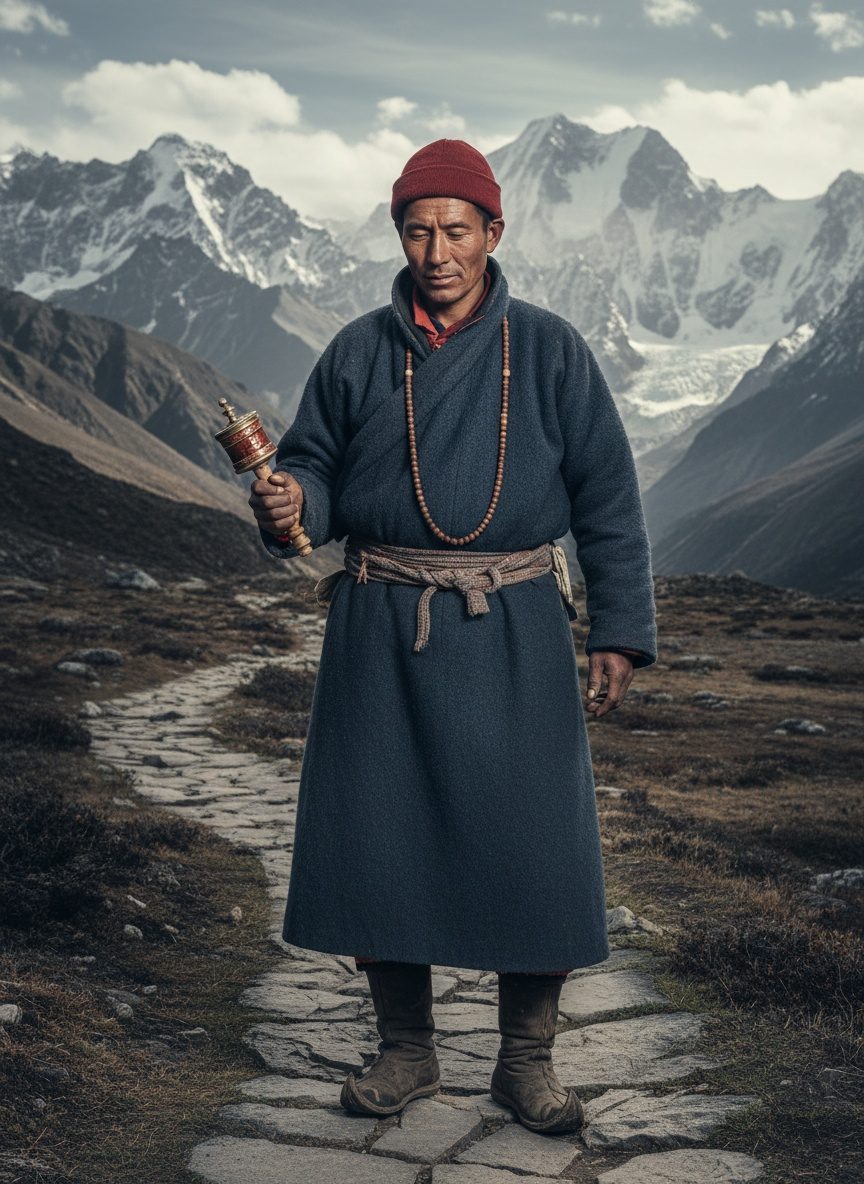
1857. The Survey of India needed maps no European could make. Nain Singh walked in secret. Through Tibet. Through forbidden Lhasa. Every step counted. He hid his instruments in a prayer wheel. He came back with the shape of the world.
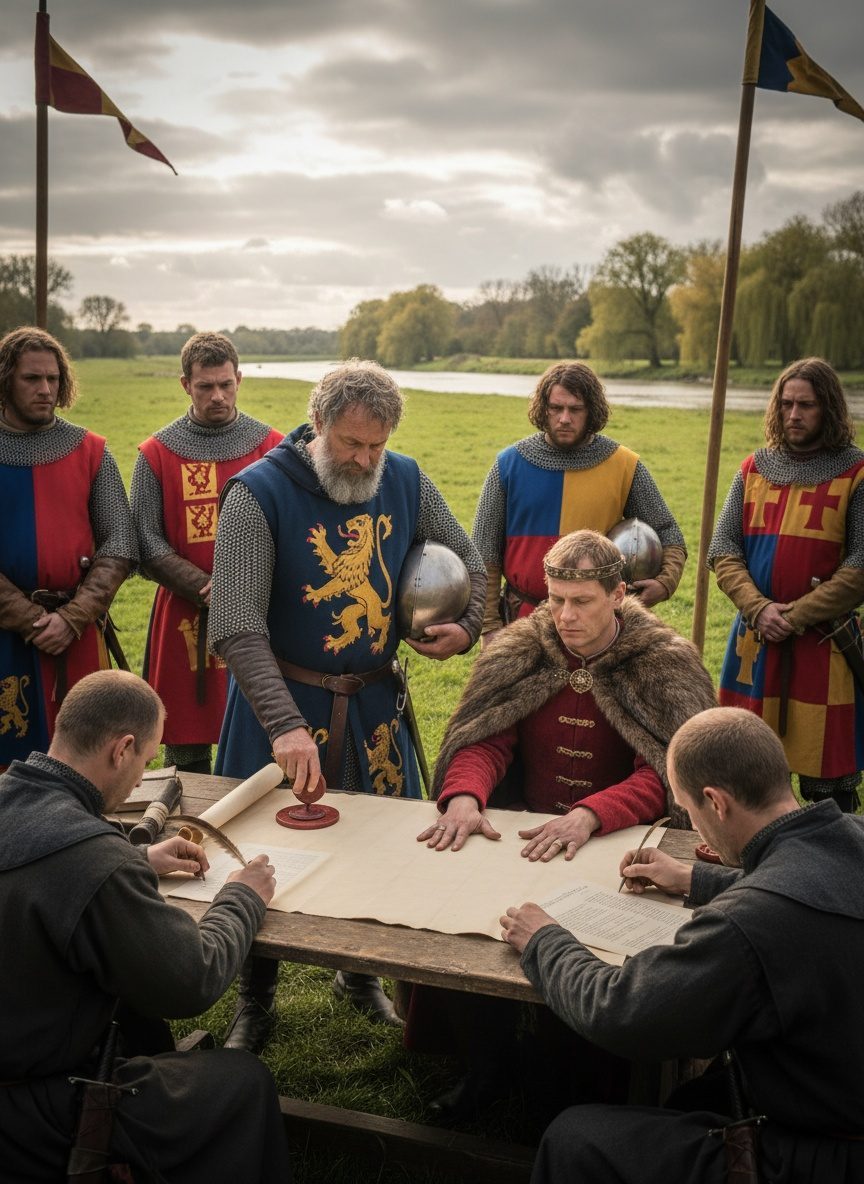
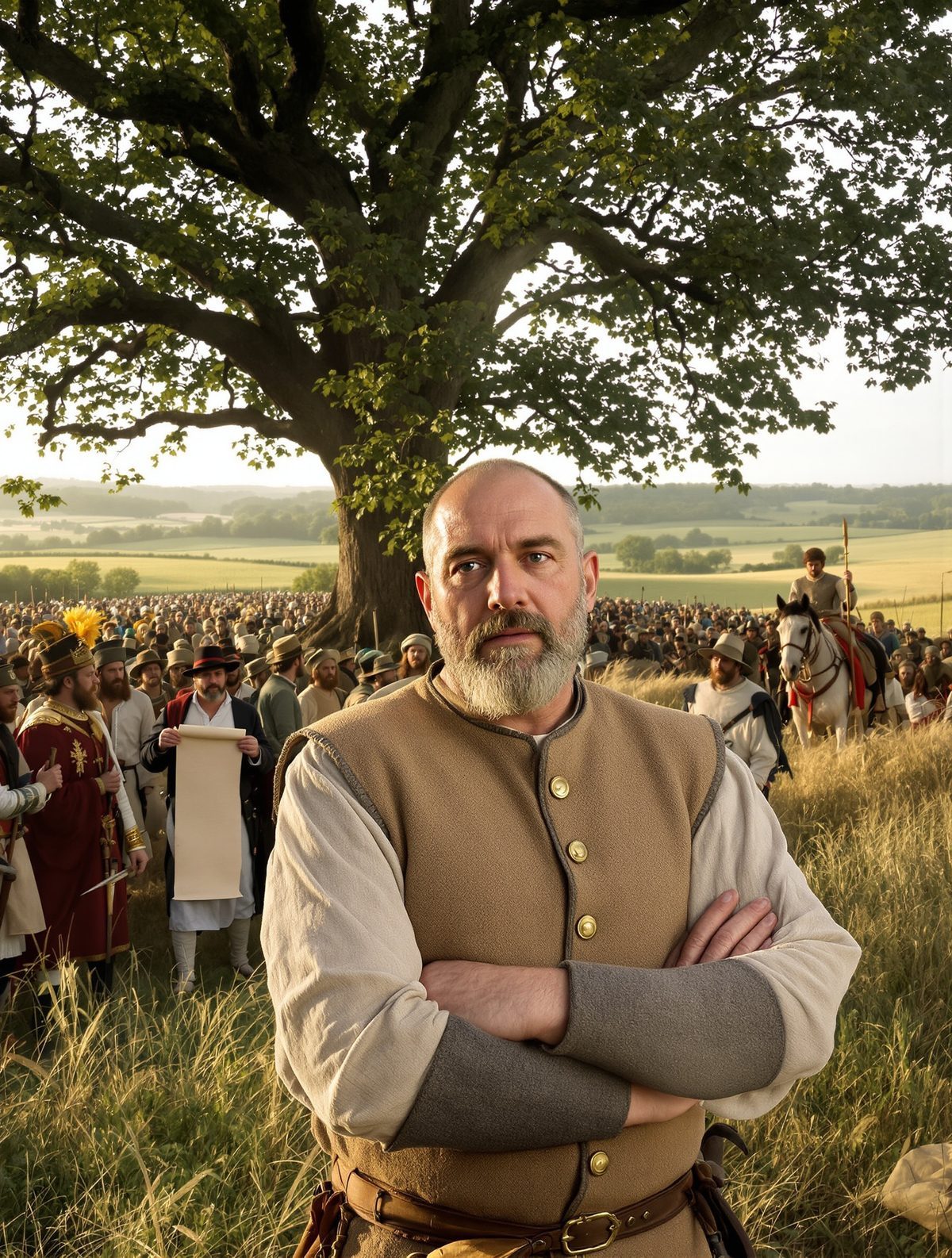
June 1215. A rebellious baron pressed a seal into wax. A king had no choice but to sign. Eight centuries later, that single document still guards the rights of billions. One field in England changed everything.
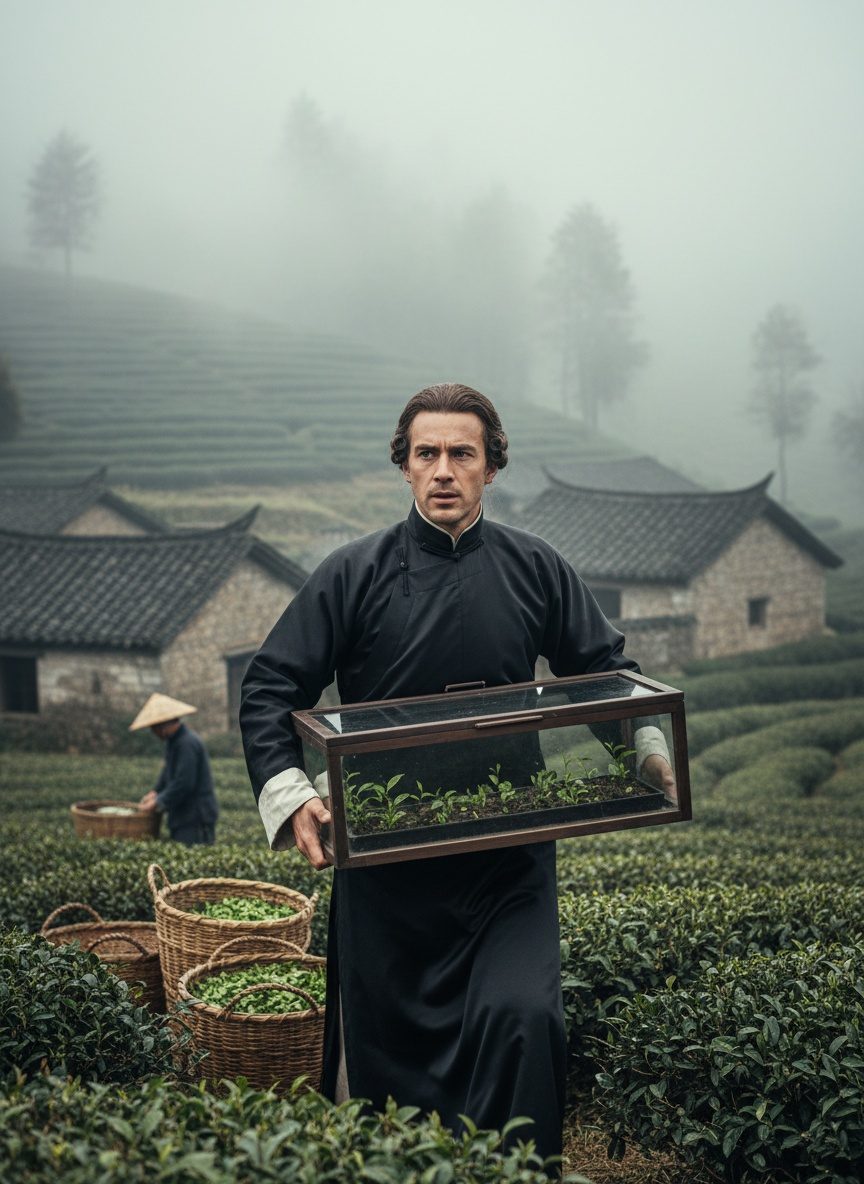
1848. China held the world's tea monopoly. Britain was desperate. One Scottish botanist disguised himself as a Chinese merchant. He walked into forbidden territories. He smuggled 20,000 plants. Britain never paid China a penny again.
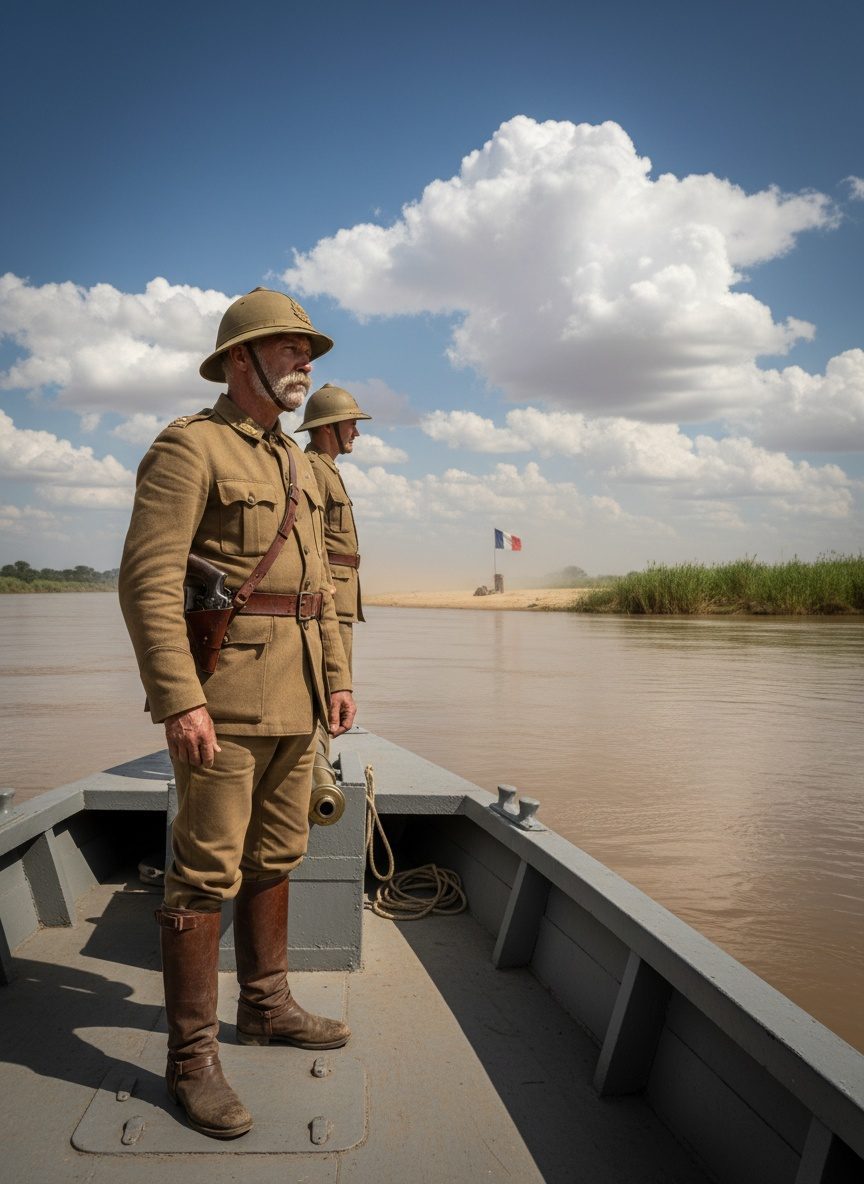
1898. Major Kitchener had just crushed the Mahdists at Omdurman. Then came news. A French force had raised their flag at Fashoda. Britain and France stood on the brink of war. One British gunboat changed everything.
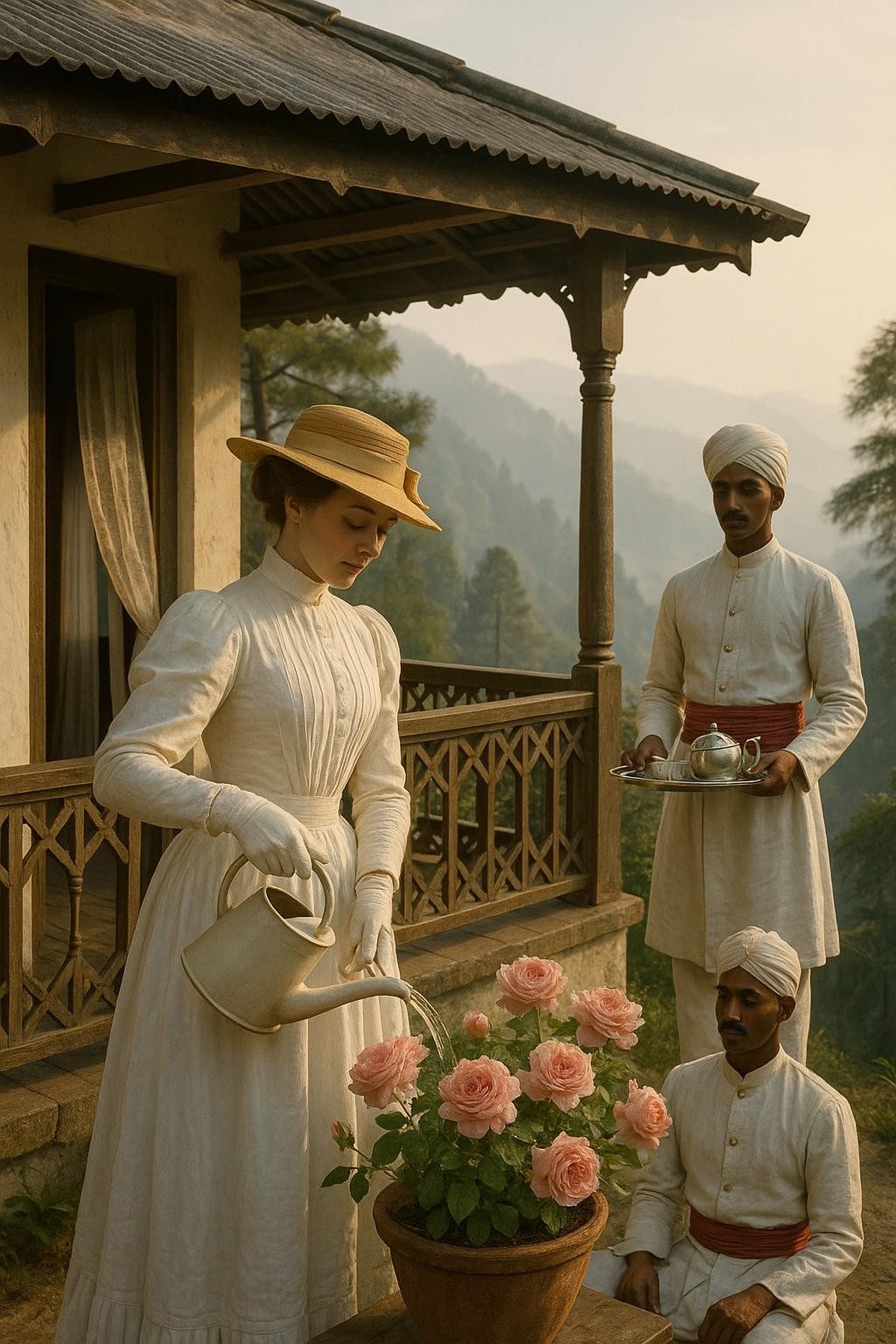
Simla, 1880. The temperature below was 110 degrees. But up in the hills, British women planted rose gardens. Hung curtains. Baked sponge cakes. They built England seven thousand feet above India.
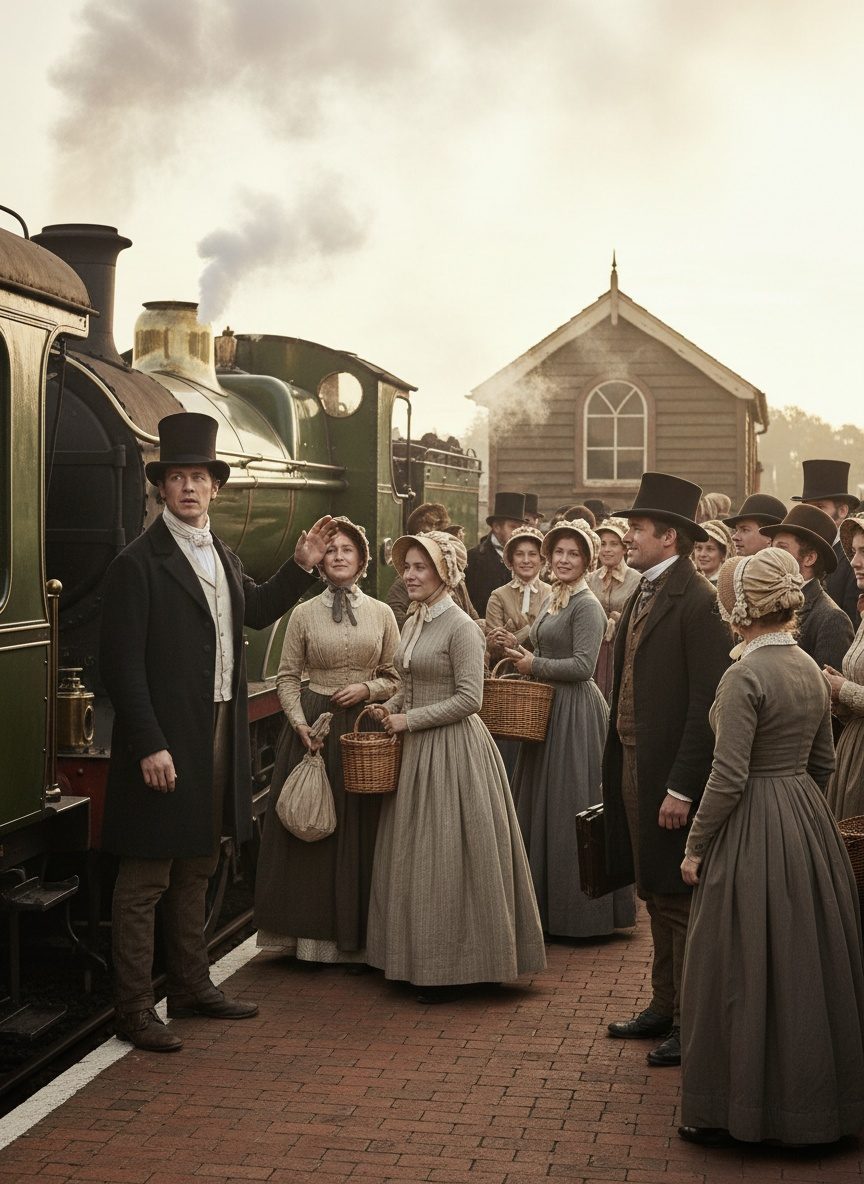
July 1841. A Baptist preacher hired a train. Eleven miles. Five hundred working men and women. One shilling each. Thomas Cook had just invented the holiday.
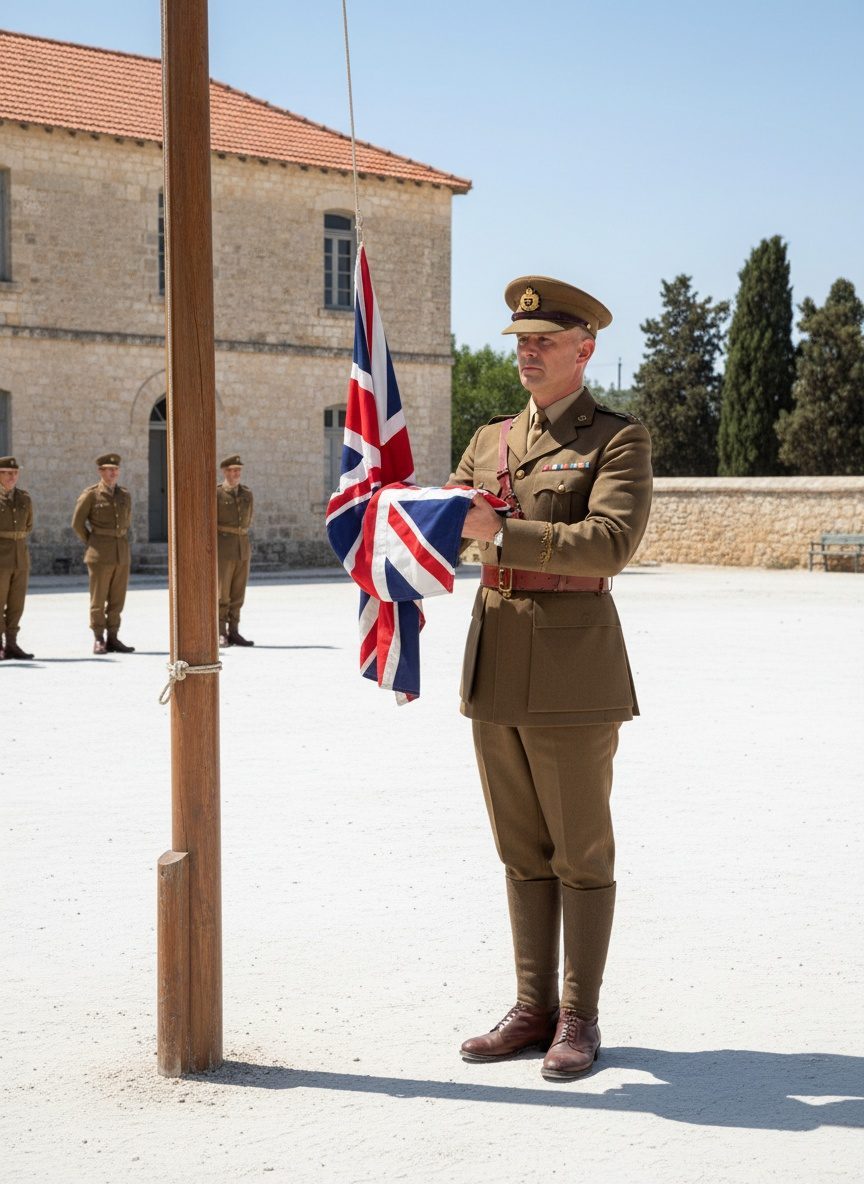
August 1960. Cyprus had fought for independence. Britain handed over power. A garrison that had held the island for 78 years lowered its flag. The crowd was silent. A new nation was born.
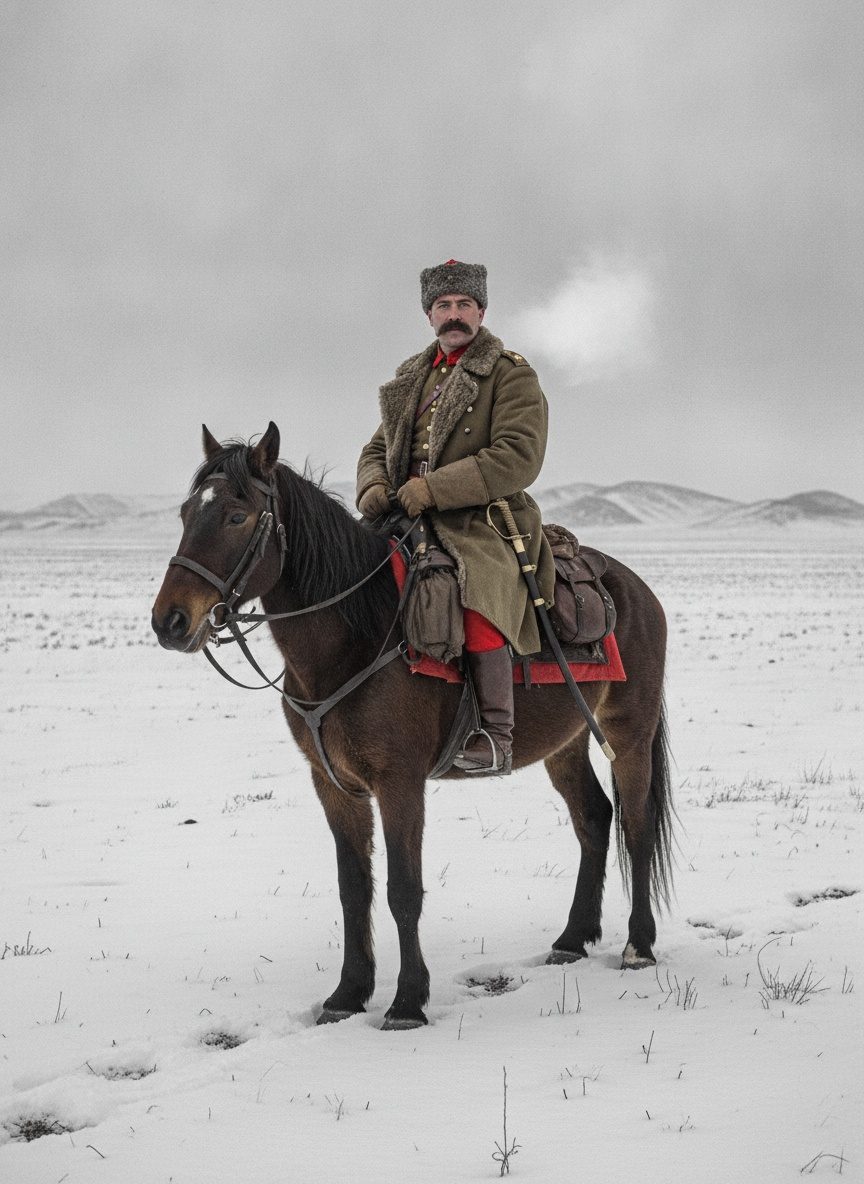
He was six-foot-four, spoke seven languages, and the Russians had banned British officers from Central Asia. Frederick Burnaby ignored the ban. He saddled a horse and rode 1,000 miles into the steppes alone.
Gold found in California in 1848. Within months, British ships flooded San Francisco Bay. Thousands of British subjects abandoned the Empire's own colonies to chase American gold.
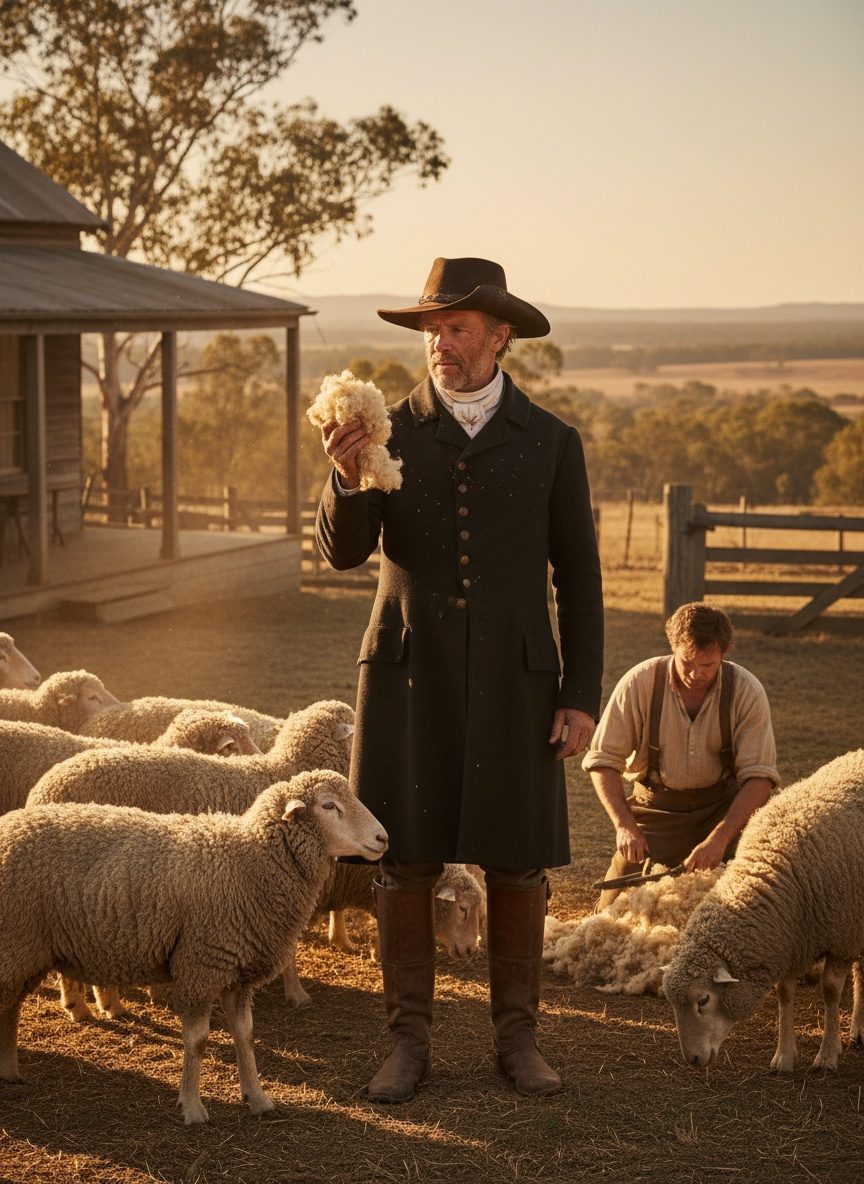
Sydney, 1805. A former army captain stood before a flock of scrawny sheep. He had gambled everything. The wool was fine. Finer than anything England had seen. Australia had found its fortune.
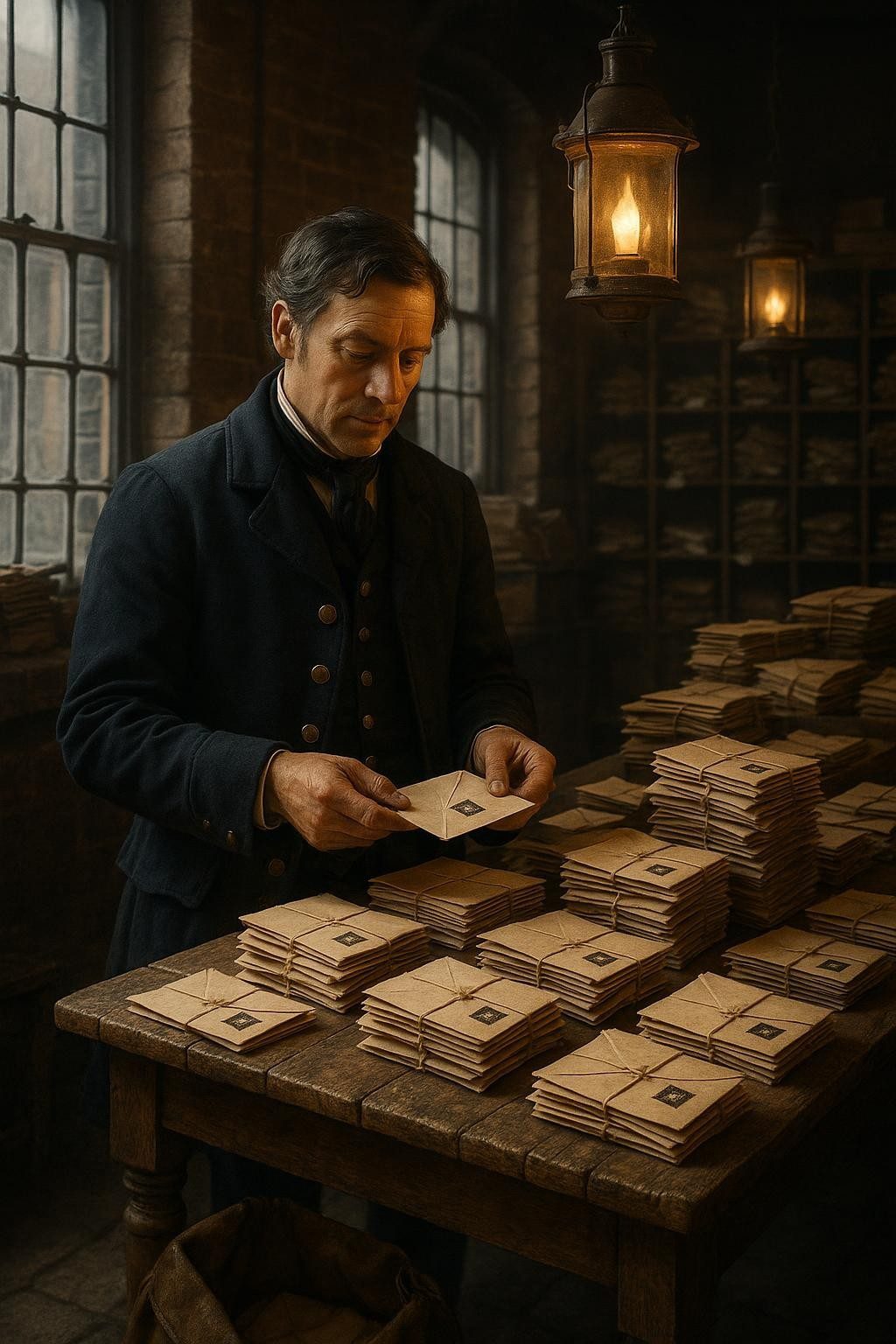
January 1840. Rowland Hill's idea changed everything. One penny. Any letter. Anywhere in Britain. The poor could write to their children. Soldiers could reach home. The world copied it. Every nation on earth still uses it today.
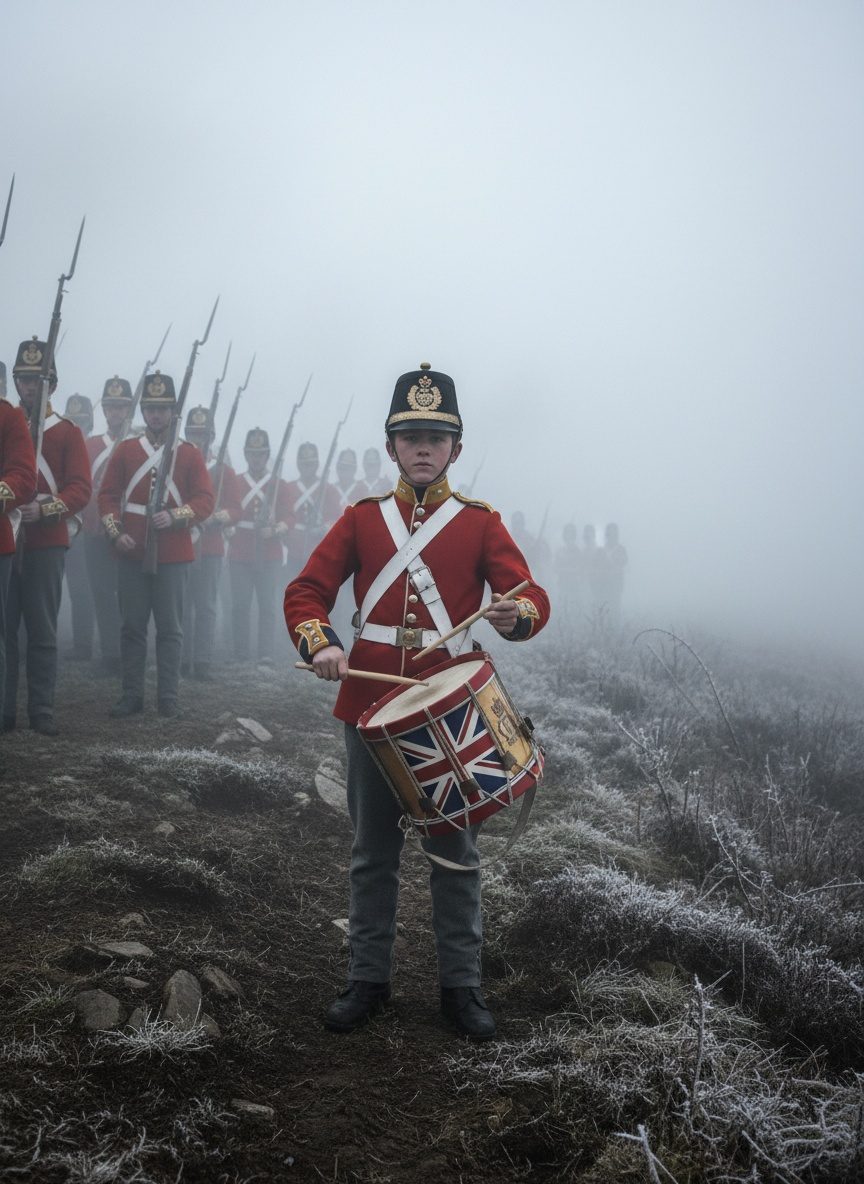
November 1854. Fog smothered Inkerman ridge. A Russian division emerged from the mist. British regiments stumbled into battle half-dressed. Drummer boys beat the rally. One kept beating. Through the chaos. Through the dead. Until the line held.
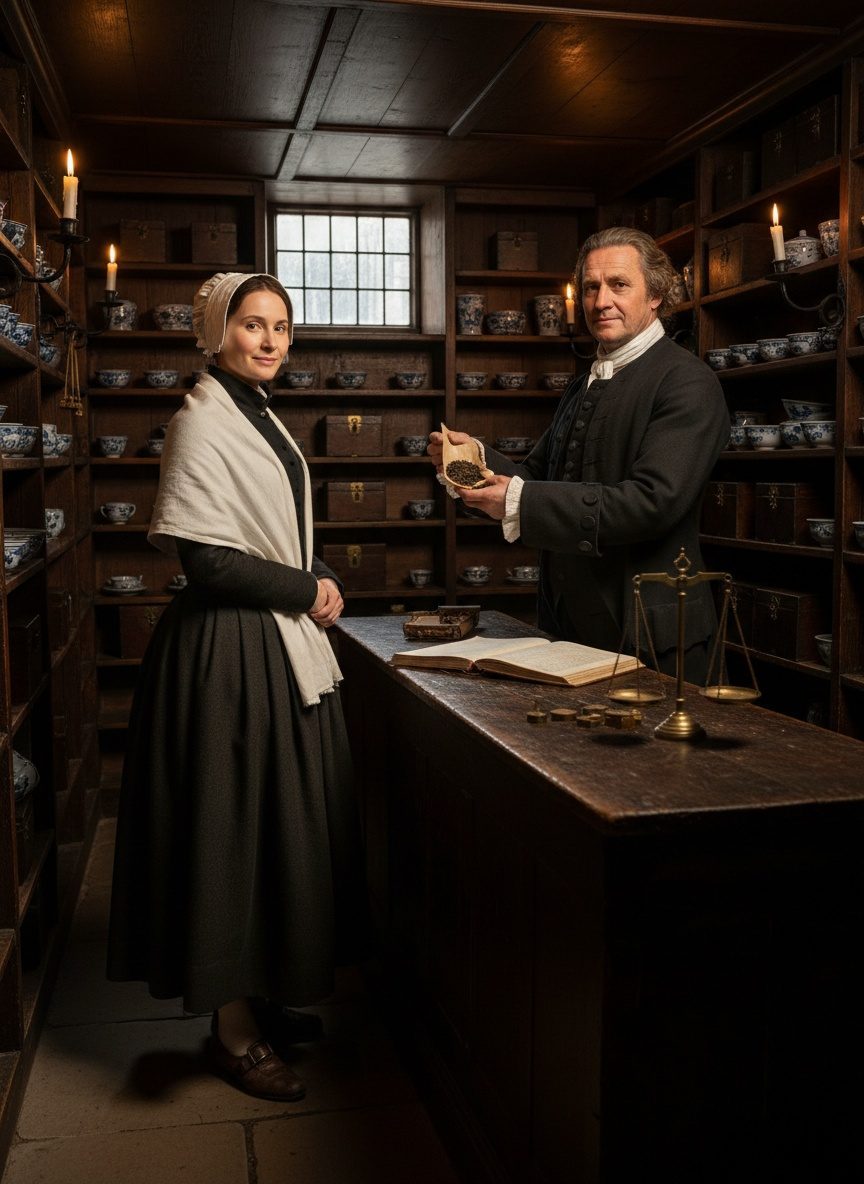
London, 1717. Every fashionable address sold coffee. Women were barred from entering. Thomas Twining opened a tiny shop on the Strand. He sold tea. He let women buy it. Britain was never the same.
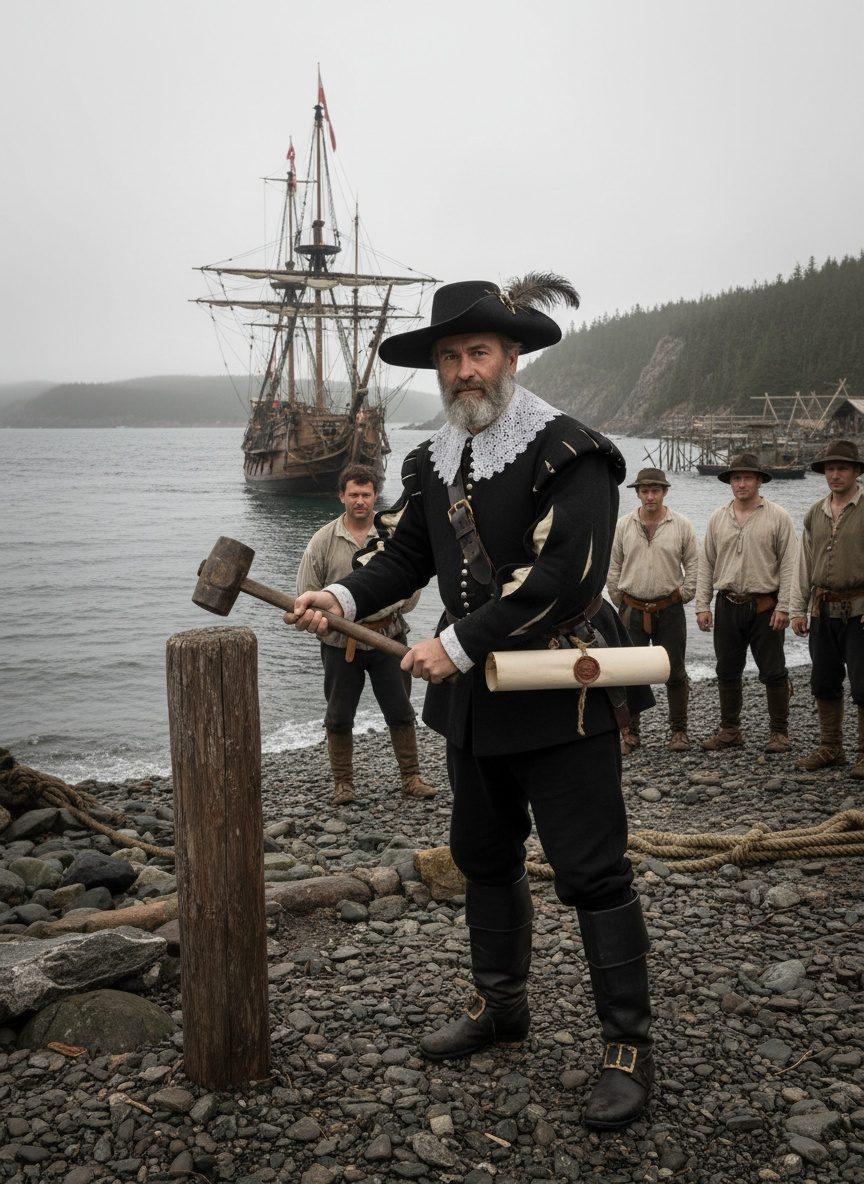
August 1583. A storm-battered harbour. Sir Humphrey Gilbert stepped ashore at St. John's. He planted a wooden post. Declared the land England's. The first overseas territory ever claimed in the Crown's name. He never made it home.
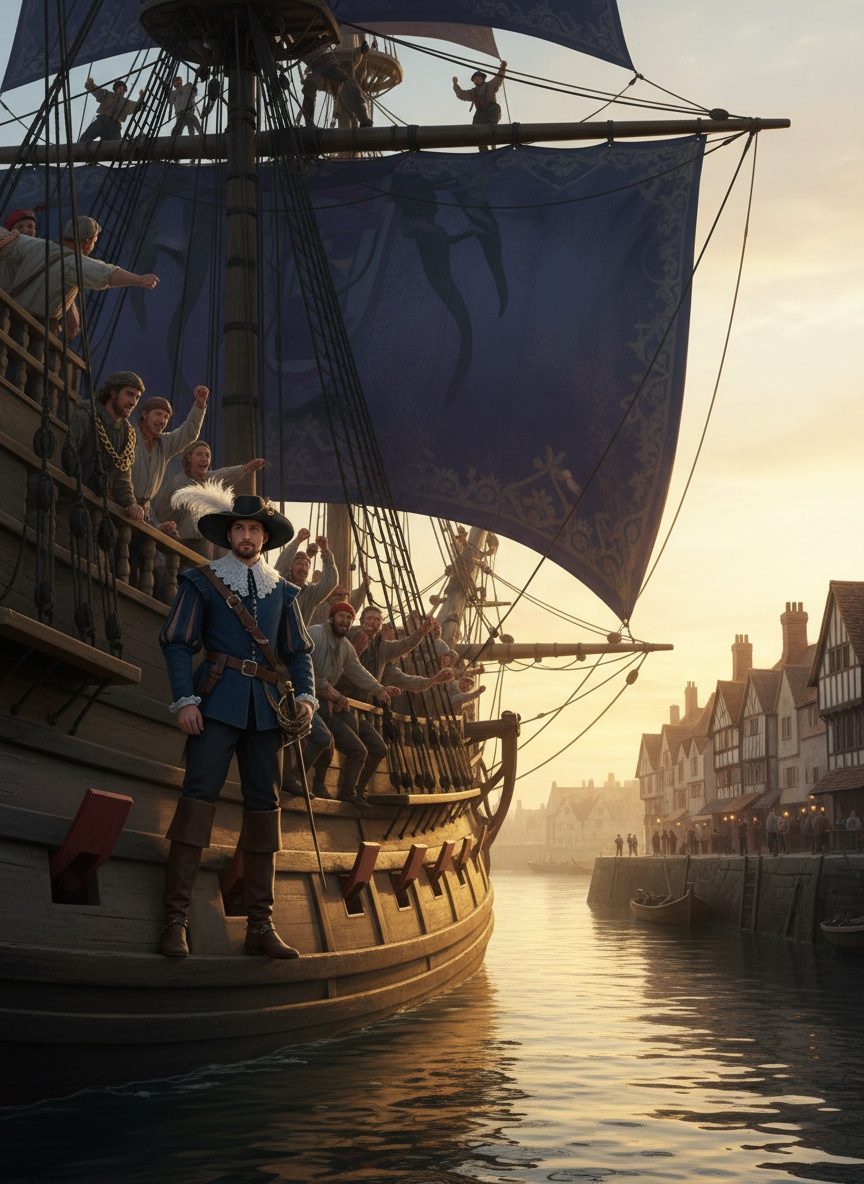
September 1588. Thomas Cavendish sailed into Plymouth harbour. His sails were made of blue damask. His sailors wore chains of gold. He had circled the entire world. He was twenty-six years old.
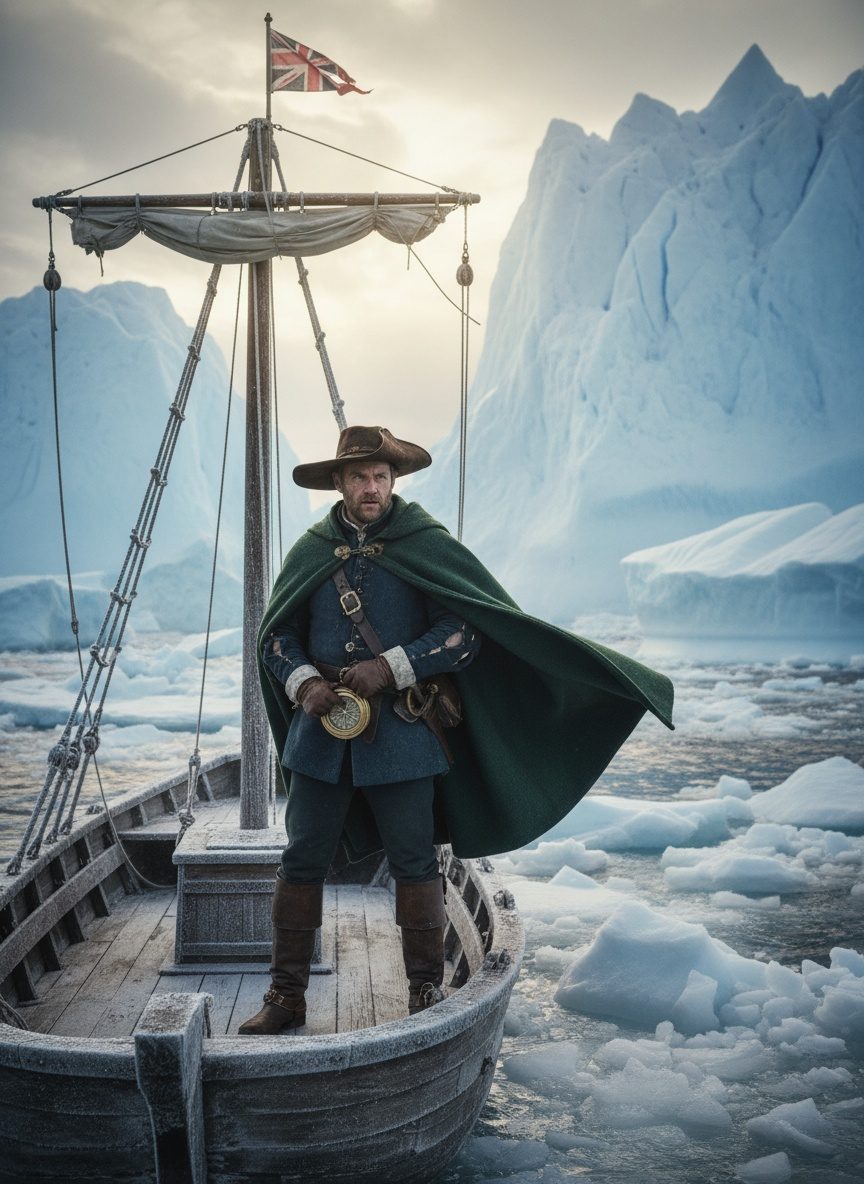
1585. England needed a new route to the East. John Davis sailed north into unmapped Arctic waters. Three voyages. Storms. Starvation. Ice walls taller than his masts. He never found the passage. But he mapped a world no European had seen.
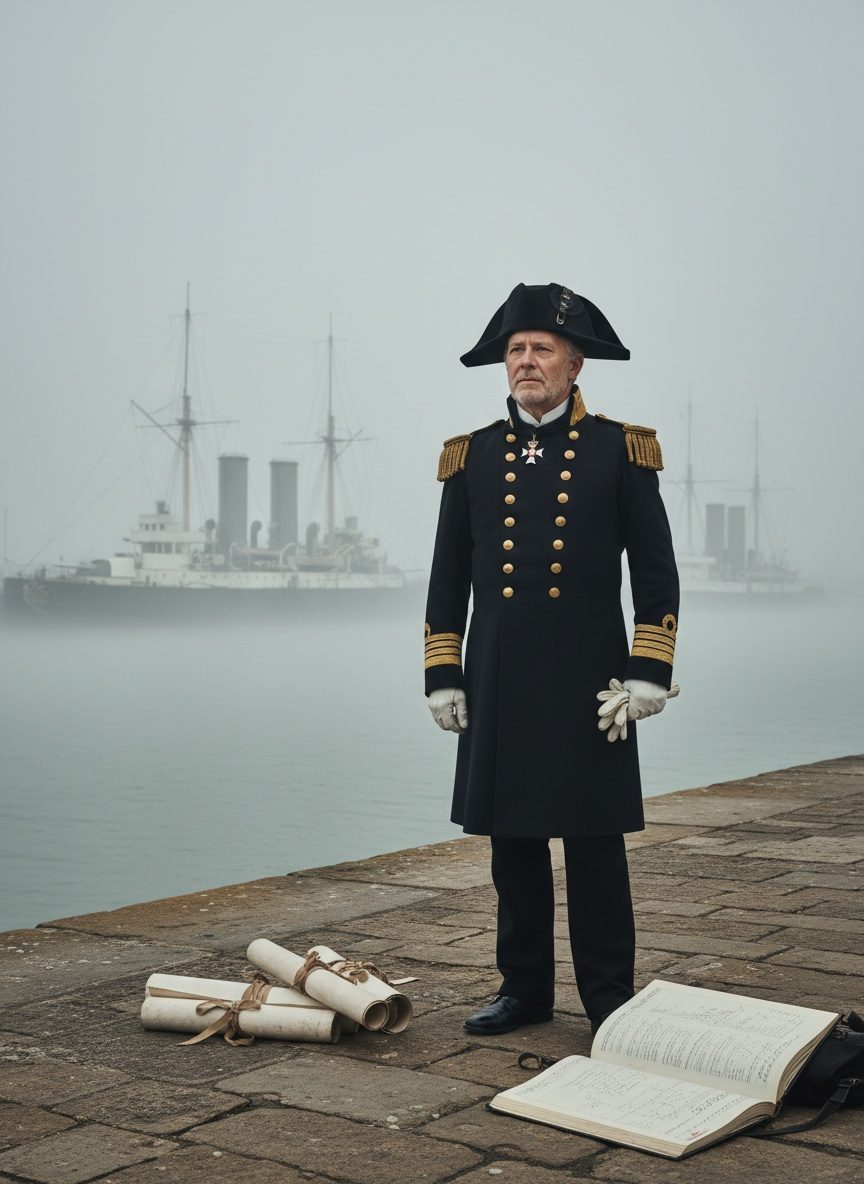
In 1895, the Royal Navy ruled the world's oceans. It also had more admirals on its books than it had battleships ready to fight. The numbers told a story nobody wanted to hear.
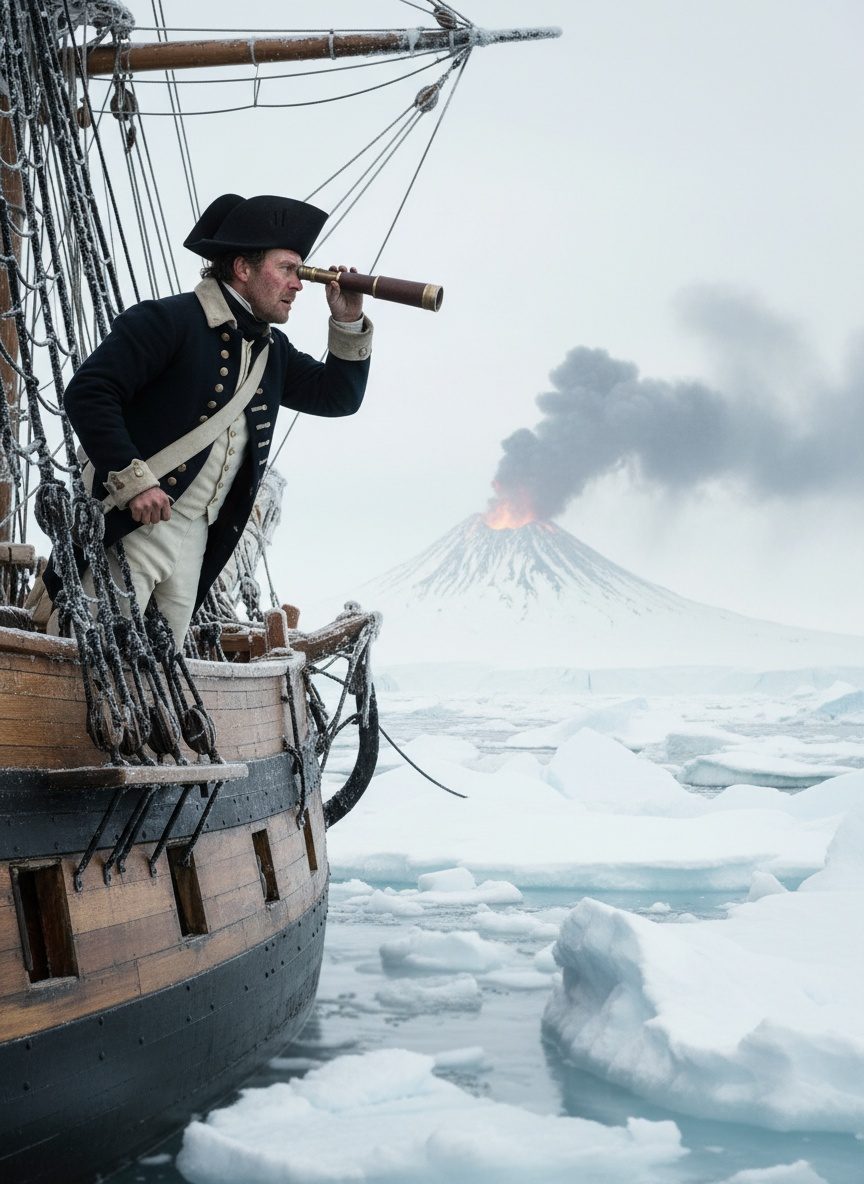
In 1841, James Clark Ross sailed into unmapped Antarctic waters and found an island volcano actively erupting. He named it Erebus — after his own ship. It was the first active volcano ever recorded in Antarctica.
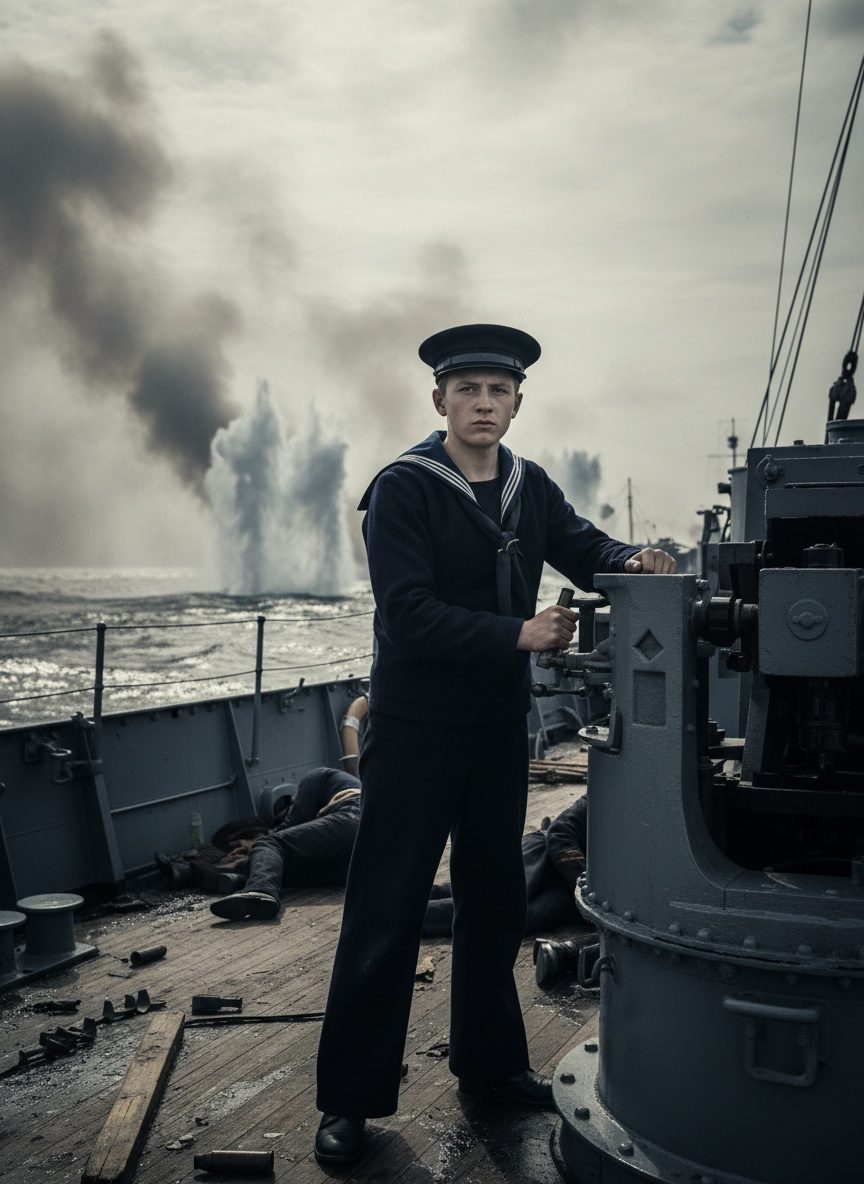
May 1916. HMS Chester came under fire from four German cruisers. Boy First Class Jack Cornwell was sixteen. His gun crew died around him. He stayed at his post. Wounded. Alone. Waiting for orders that never came.
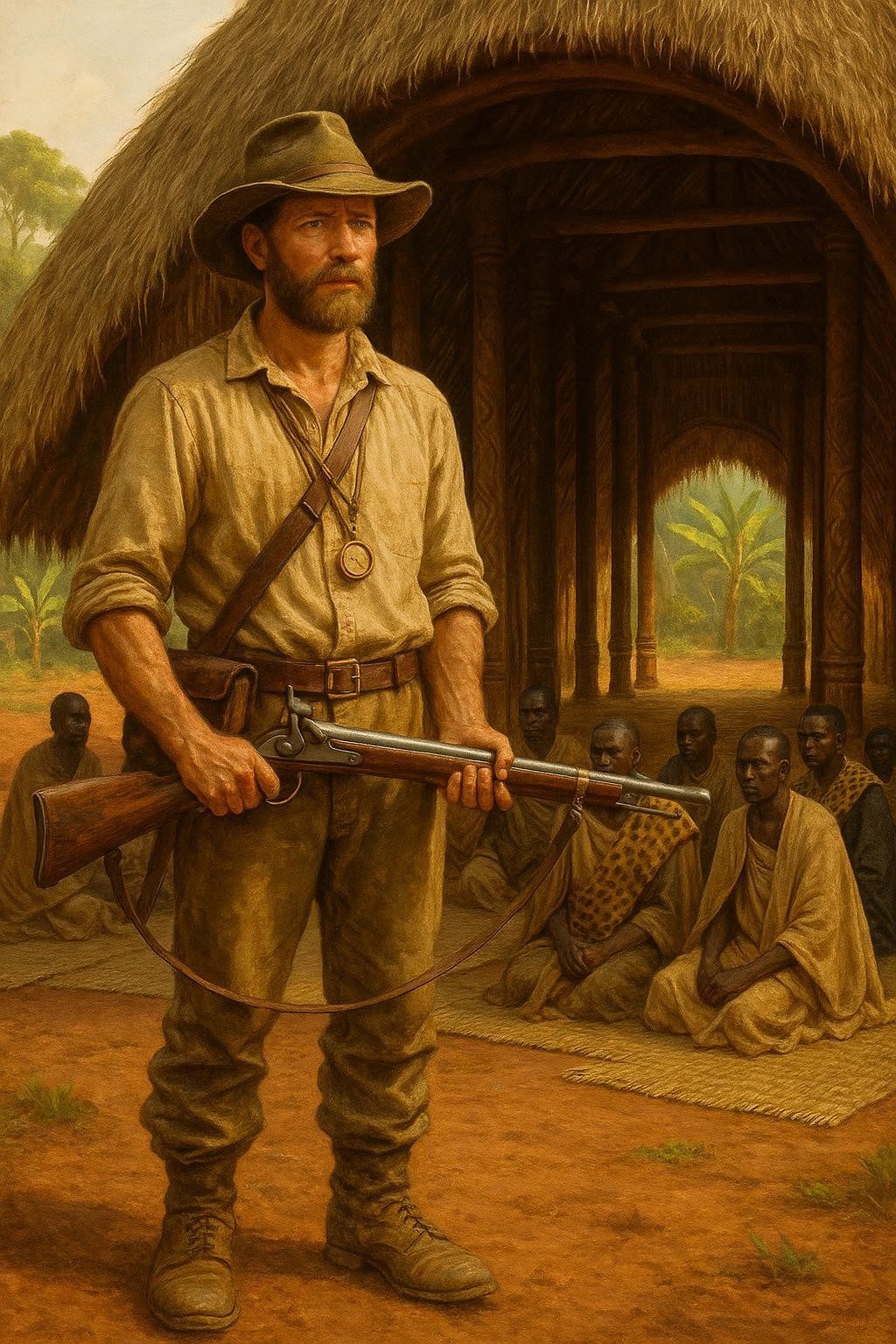
1862. Speke had walked 1,000 miles from the East African coast. Alone. No British officer had ever stood before Kabaka Mutesa. He bowed to no one. The king stared. Then laughed. Then made him a guest of honour.
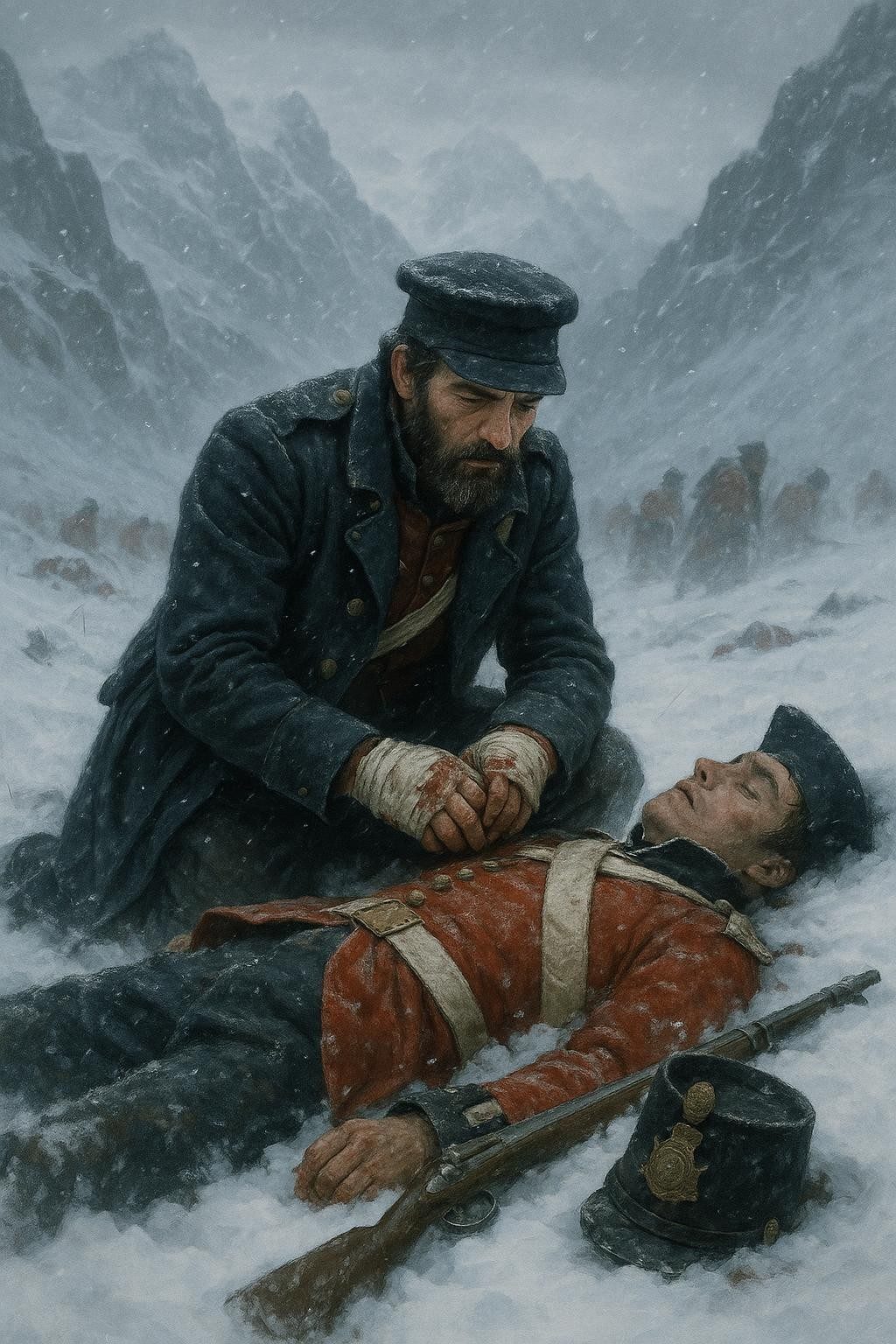
January 1842. The British Army of the Indus was dying in the snow. One surgeon stayed behind. He treated the wounded. Bargained with warlords. Saved dozens. His name was William Brydon.
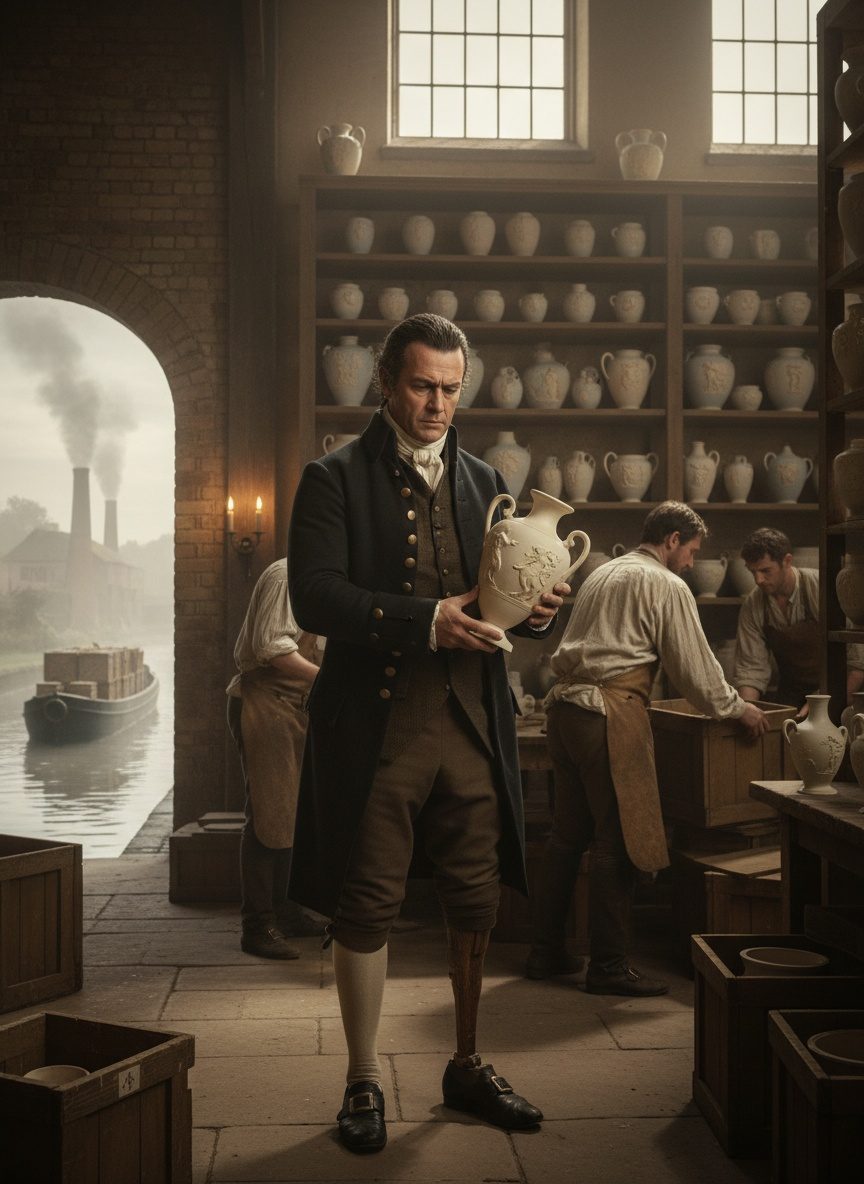
1765. A potter from Staffordshire had a mad idea. He would move his fragile china by water. He lobbied Parliament. He helped fund a canal. Then he built a factory beside it. Etruria was born.
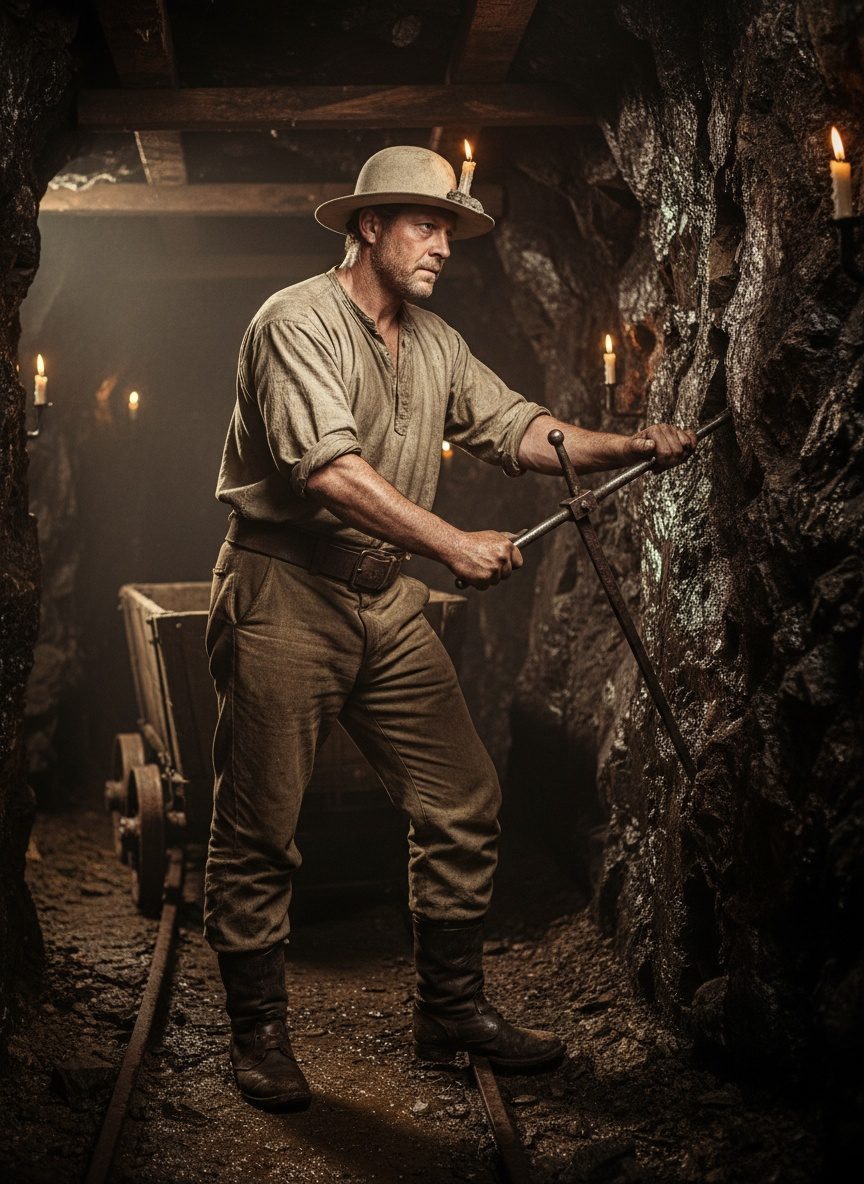
Nevada, 1872. The Comstock Lode was dying. Engineers said the ore was gone. Then a team of Cornish miners arrived. They drilled deeper than anyone dared. They found the Big Bonanza. The richest silver vein ever discovered.
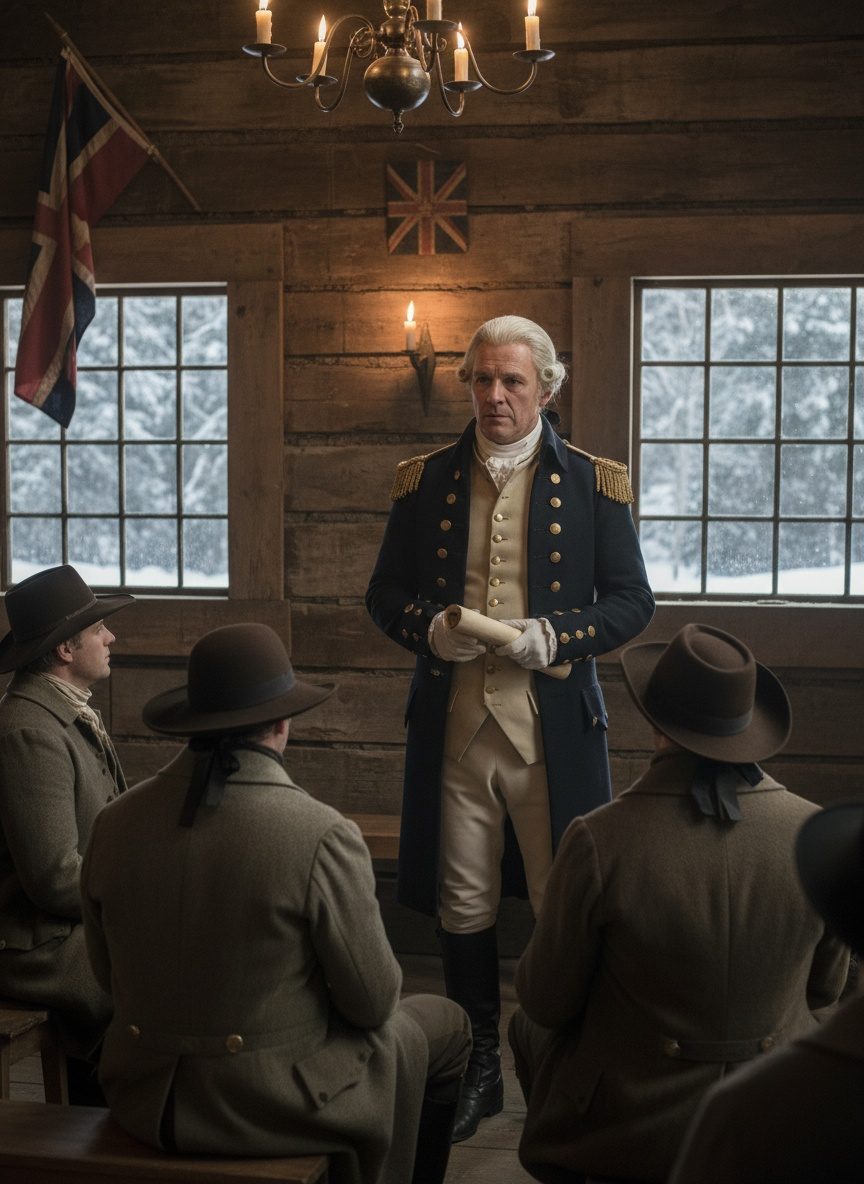
1793. Upper Canada was empty forest. Governor Simcoe made a promise. No new slave would enter his province. No child born there would be born in chains. He was the first ruler in the British Empire to act. Years before Wilberforce won.
1553. Three English ships sailed northeast into unknown waters. Sir Hugh Willoughby led them toward Russia. The ice closed in. The ships vanished. Fishermen found them a year later. Every man frozen at his post.
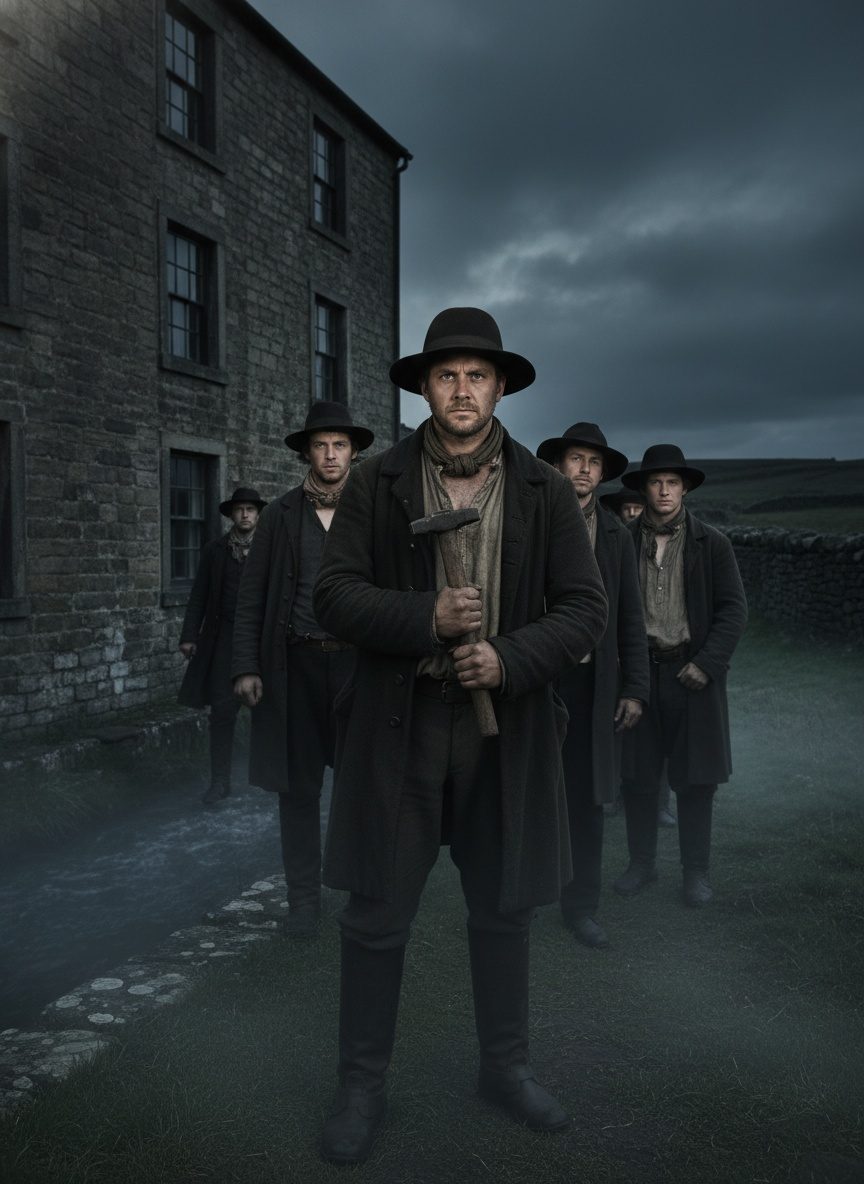
April 1812. Two hundred men marched through the Yorkshire dark. Hammers ready. Rawfolds Mill stood ahead. The mill owner had prepared. Shots rang out. Two men fell. The rest ran. But the movement never died.
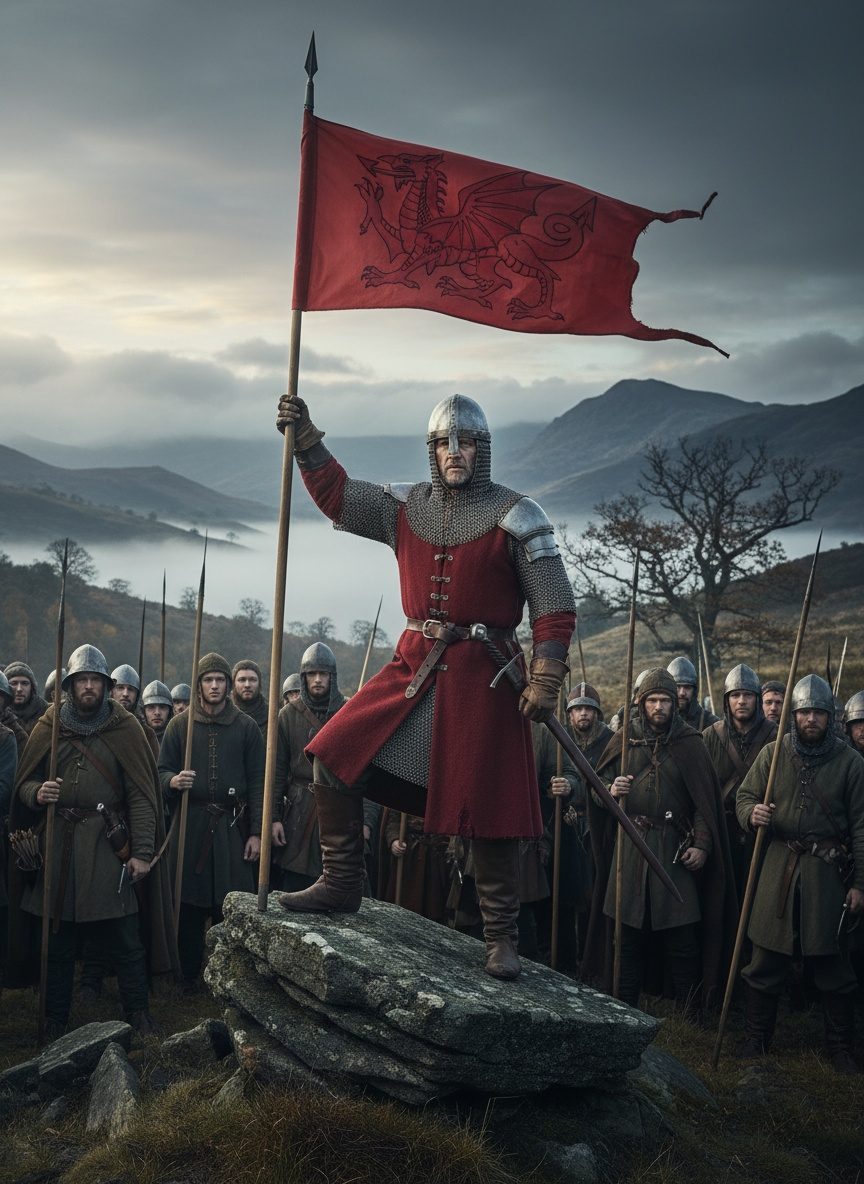
September 1400. A Welsh lord raised his banner. He had no army. No treasury. No foreign ally. Within weeks, all of Wales was burning. Owain Glyndŵr became the last native Prince of Wales.
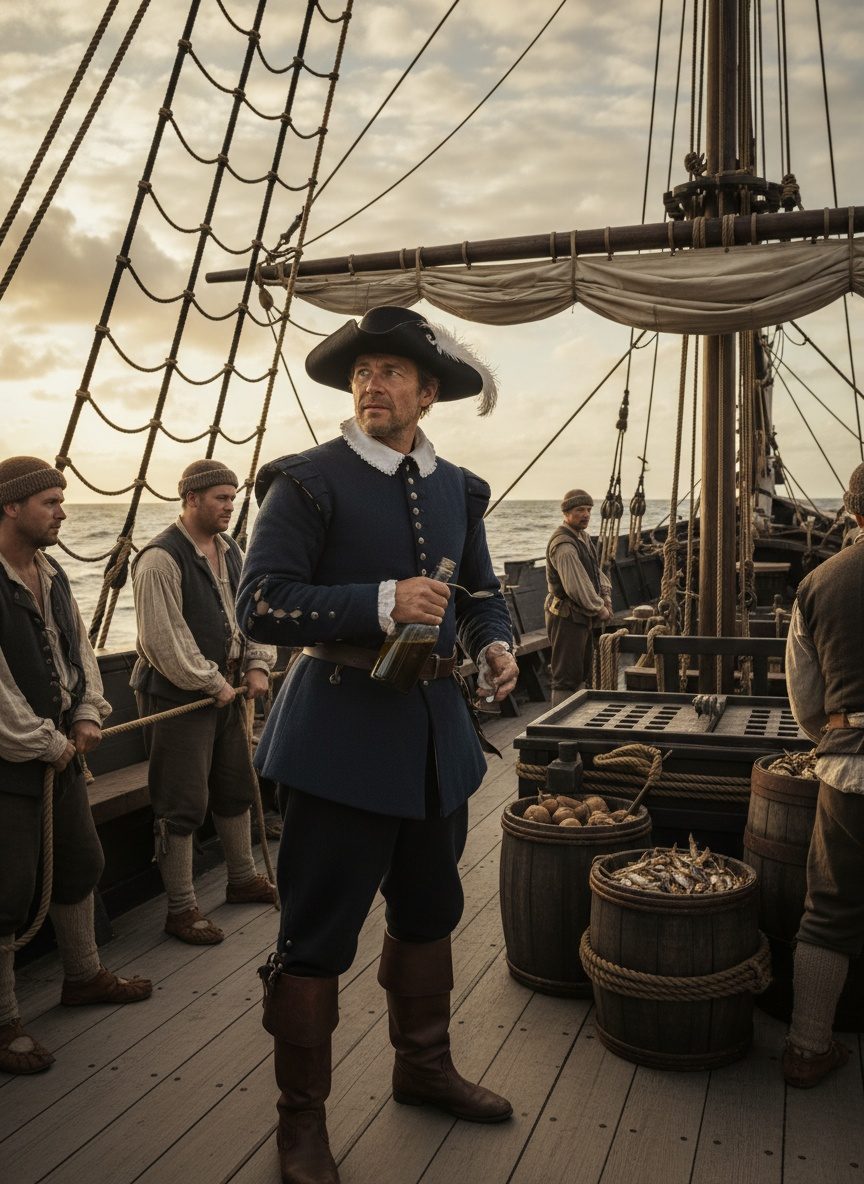
1601. Four ships. Thousands of miles of ocean. Three crews dying of scurvy. One captain had the answer. He gave his men lemon juice every morning. They survived. The others did not.
1837. Edward Gibbon Wakefield wrote his plan from a prison cell. He had never seen New Zealand. He described it anyway. Settlers followed his blueprint. A nation rose from his words.
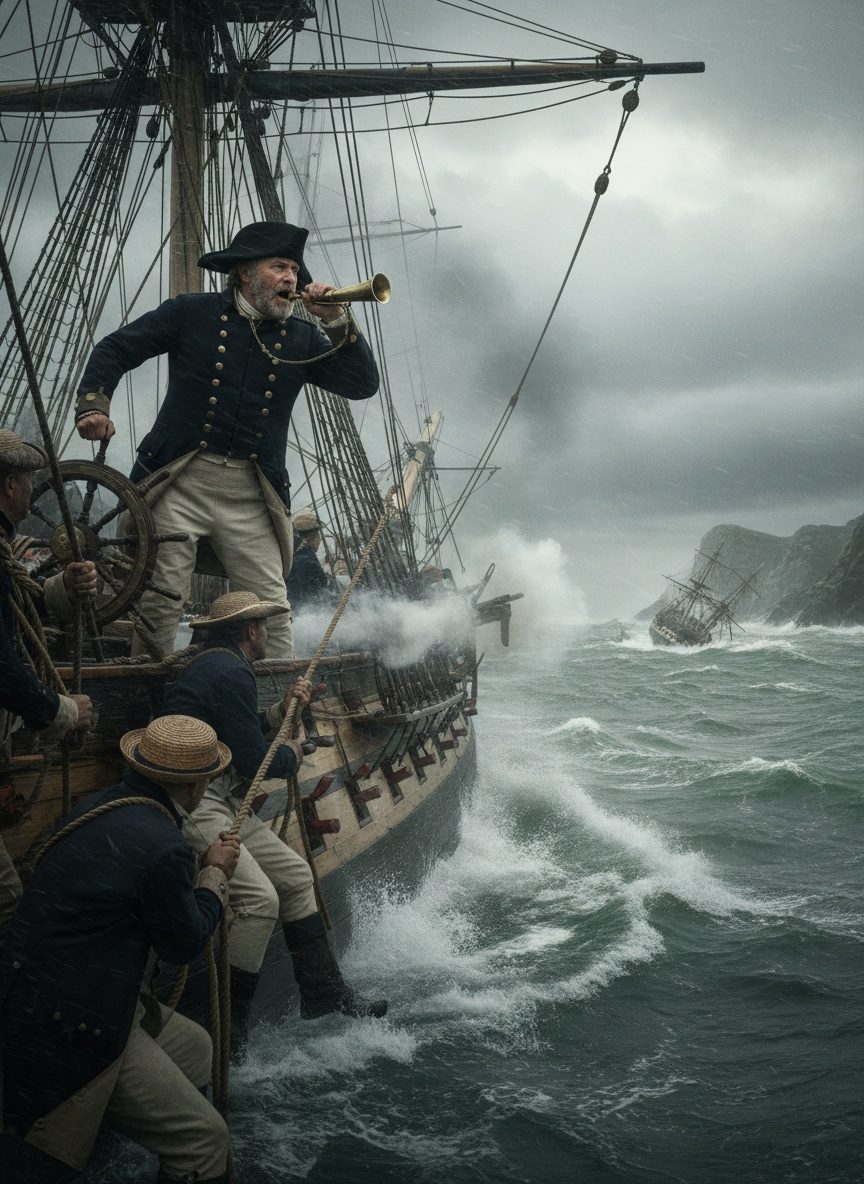
November 1759. A French fleet was sailing to invade Britain. Admiral Hawke gave chase into a howling Atlantic gale. His captains thought it madness. He flew into Quiberon Bay anyway. France never threatened invasion again.
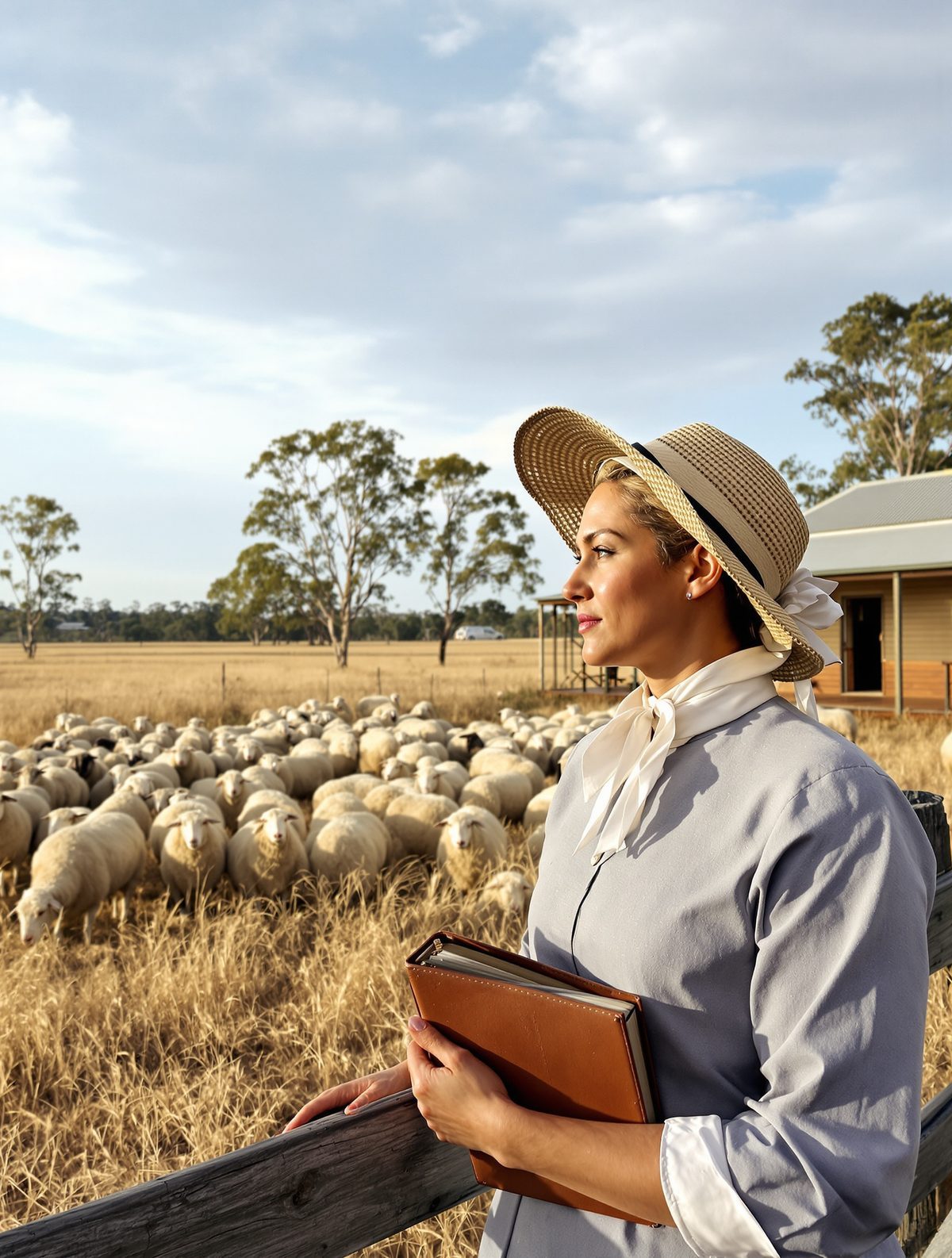
1801. John Macarthur sailed to England under arrest. His wife Elizabeth was left alone. She managed the flocks. She expanded the herds. She ran the station for eight years. Australia's wool industry survived because of her.
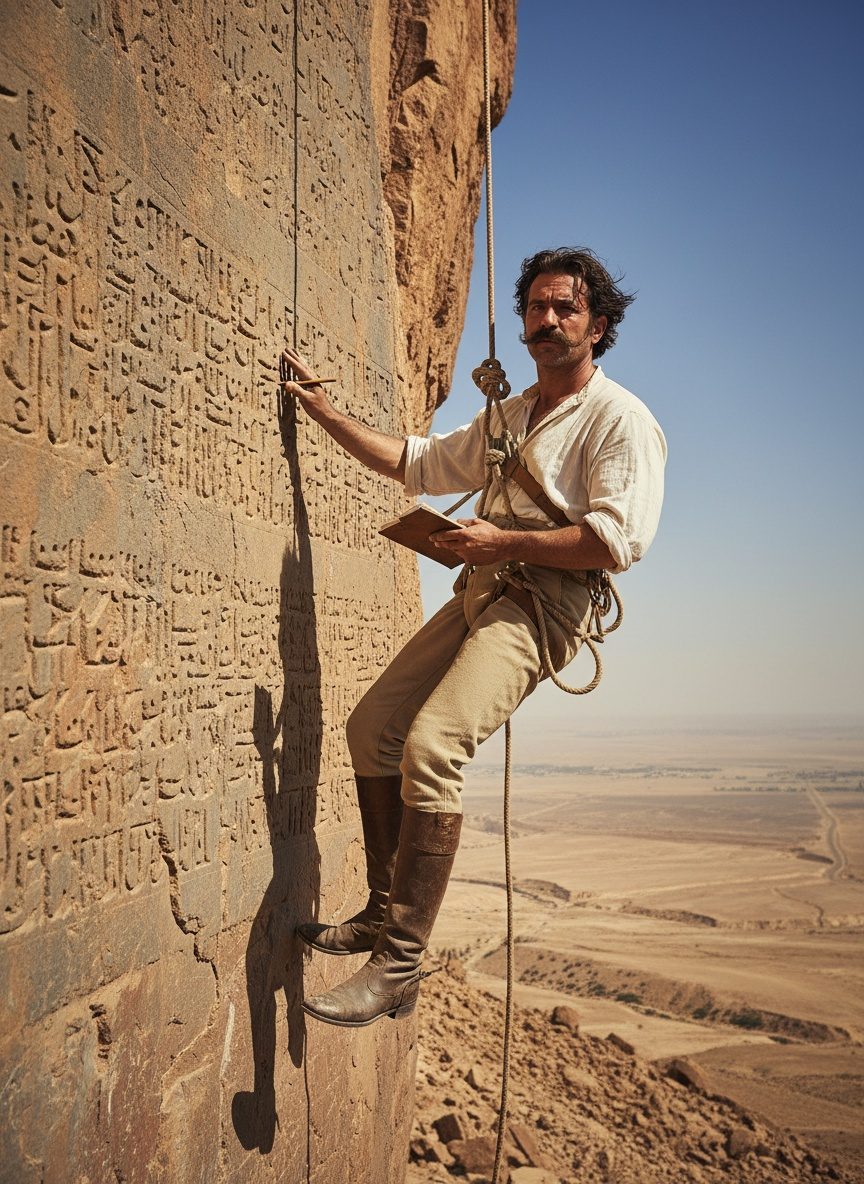
1847. A British army officer dangled from a sheer Persian cliff face. Below him, a 2,500-year-old inscription carved by Darius the Great. He copied every line. Alone. He cracked the code. And gave the world the key to ancient Mesopotamia.
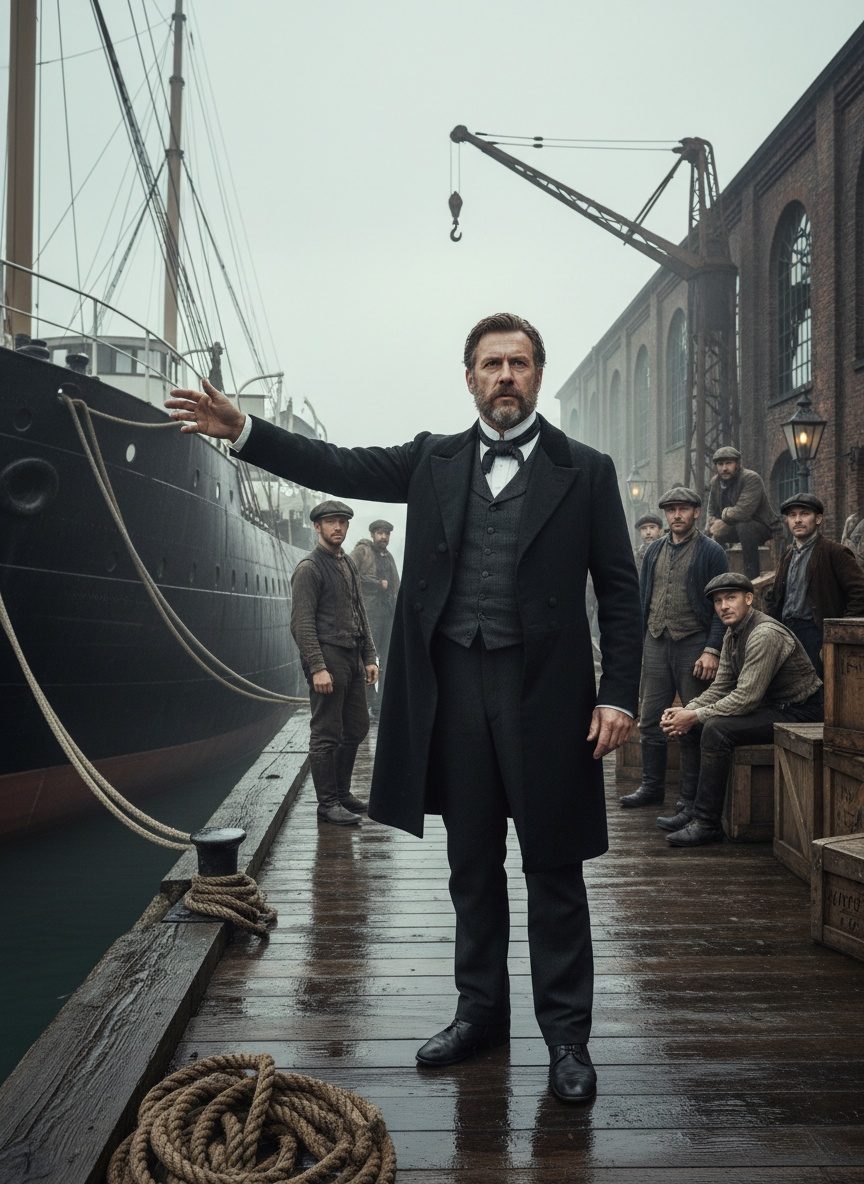
1876. British merchant ships were sailing overloaded and unseaworthy. Owners insured them heavily. Sailors drowned. Samuel Plimsoll fought Parliament alone for years. They called him a crank. Then came the Merchant Shipping Act. A single line painted on every hull. It still saves lives today.
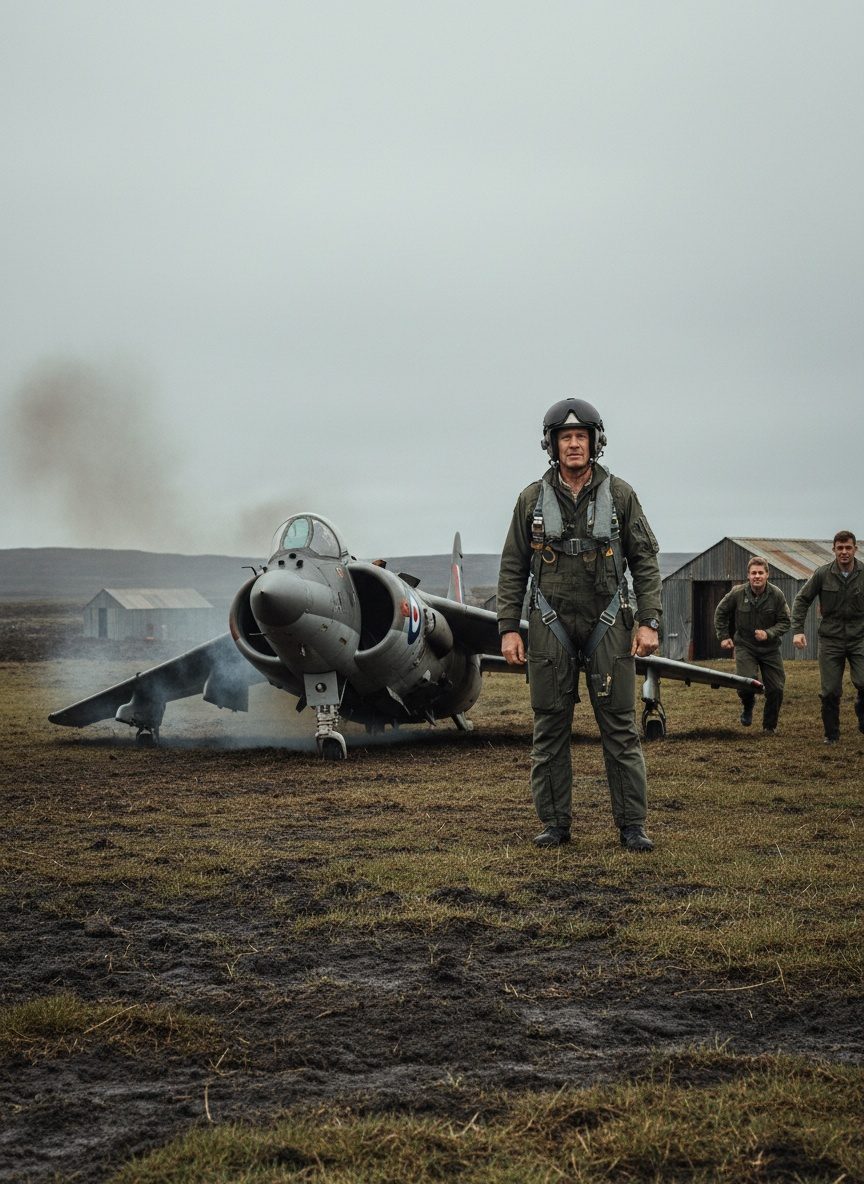
June 8, 1982. A Harrier GR.3 slammed into the ground at Port San Carlos. The pilot walked away. The forward base didn't get off so lightly. War in the South Atlantic had no margin for error.
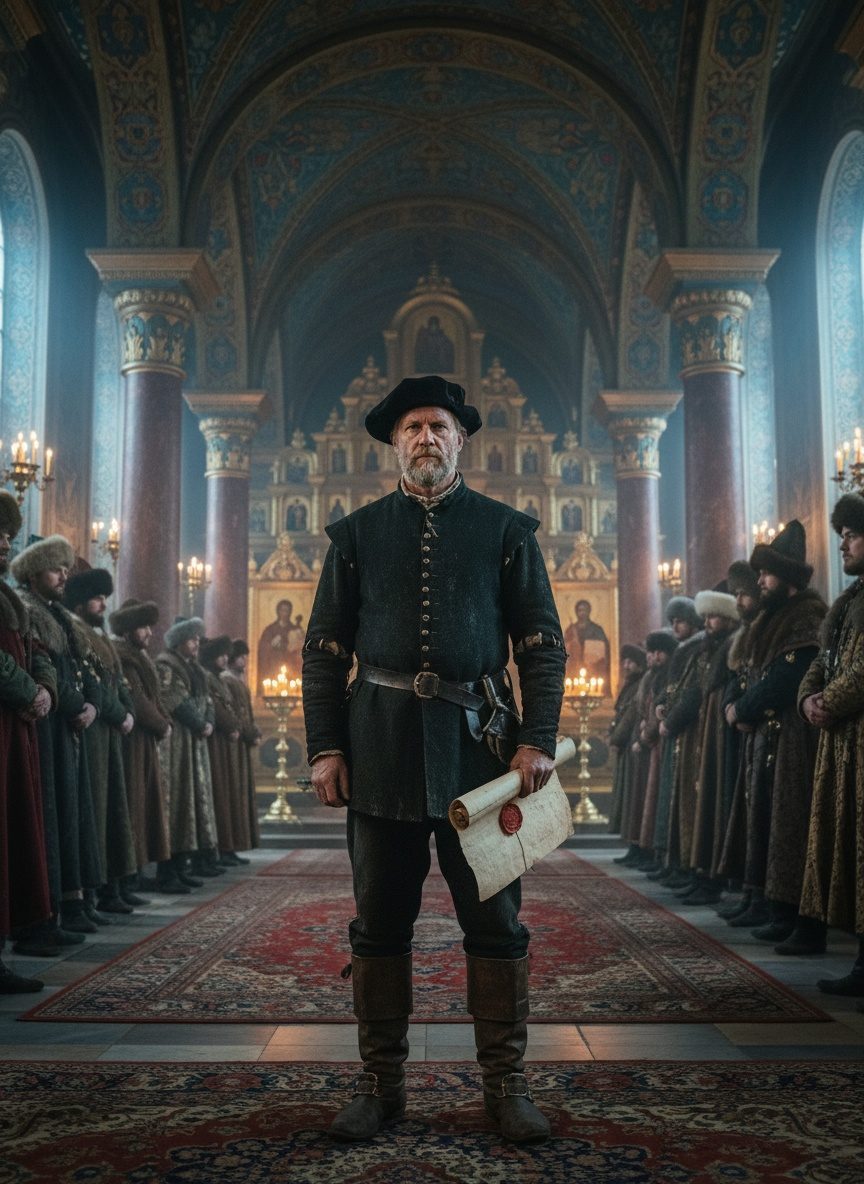
1553. Richard Chancellor's ship was blown off course. He landed in Arctic Russia. No Englishman had ever been there. Ivan the Terrible summoned him to Moscow. Chancellor walked in. And opened a trade route that changed England forever.
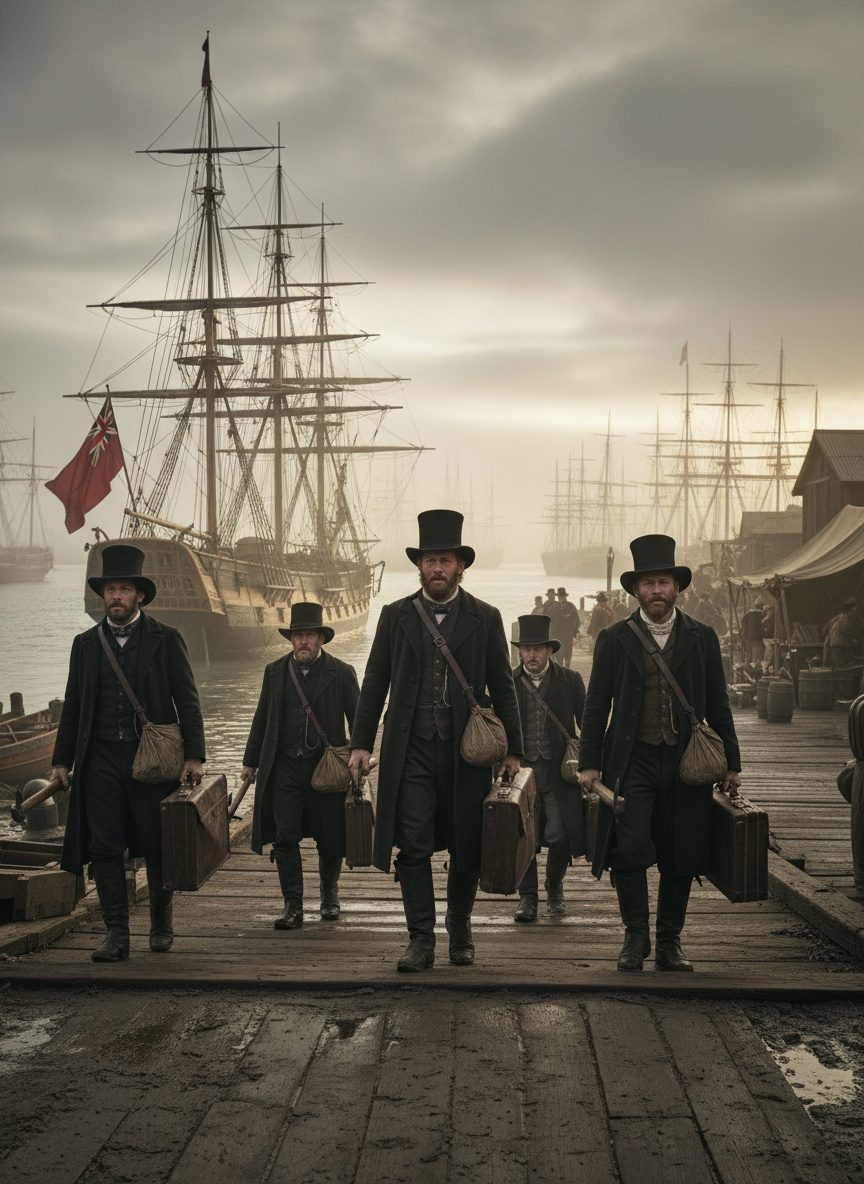
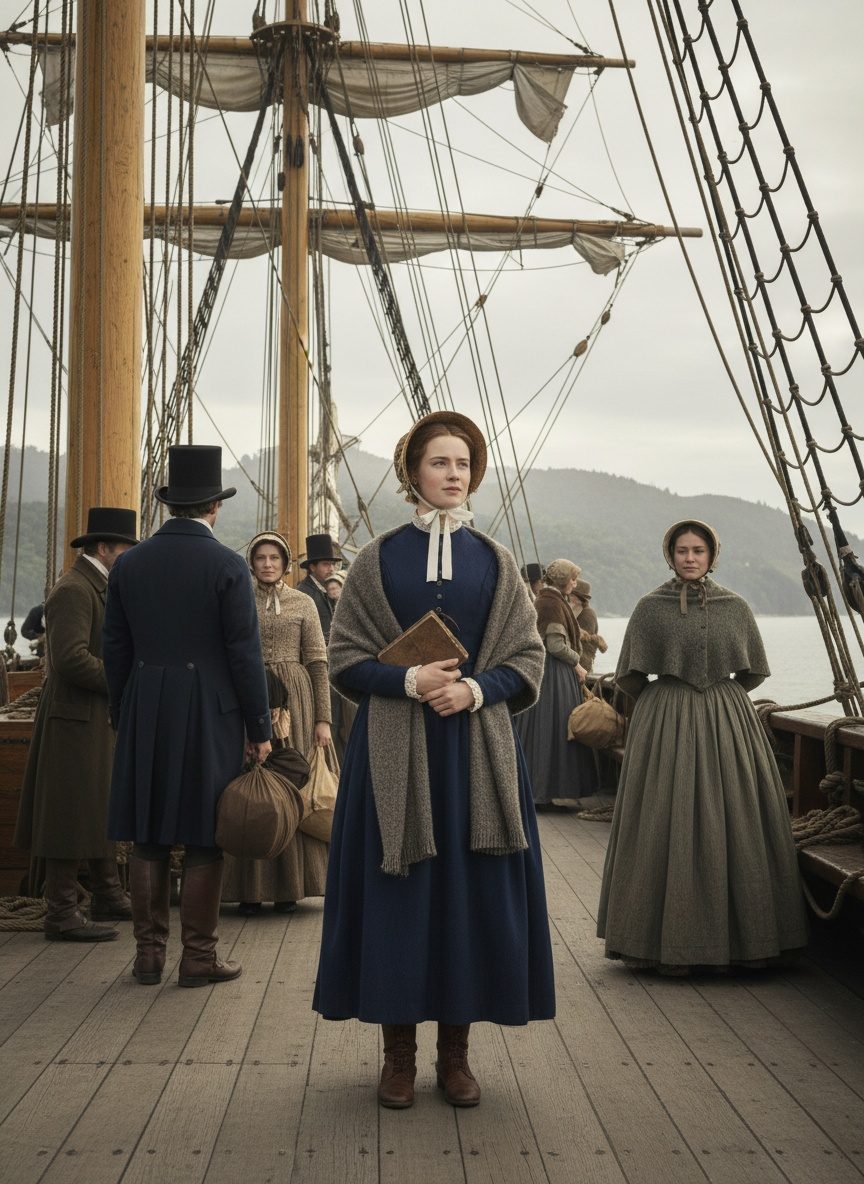
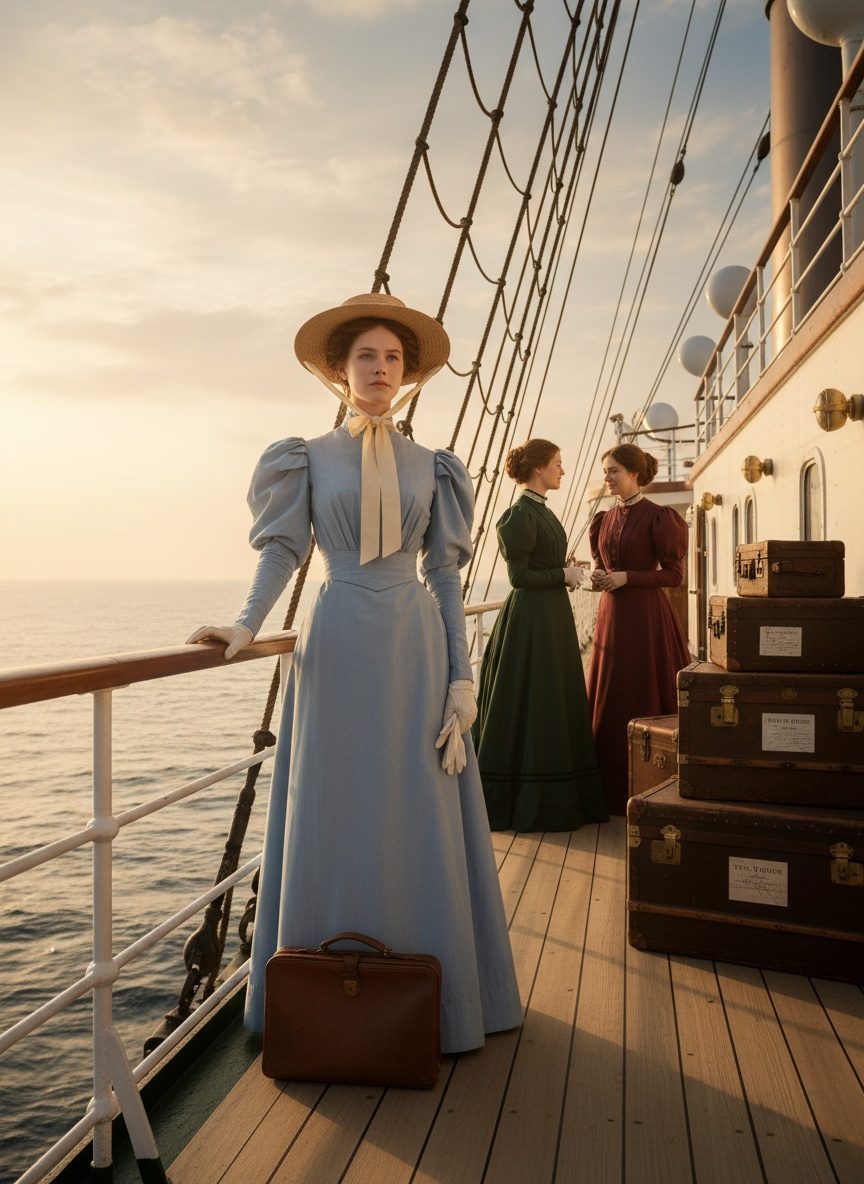
Every autumn they sailed. Young British women bound for India. The empire had too many bachelors and too few wives. They called them the Fishing Fleet. Most found husbands. Those who did not sailed home. They called those ones the Returned Empties.
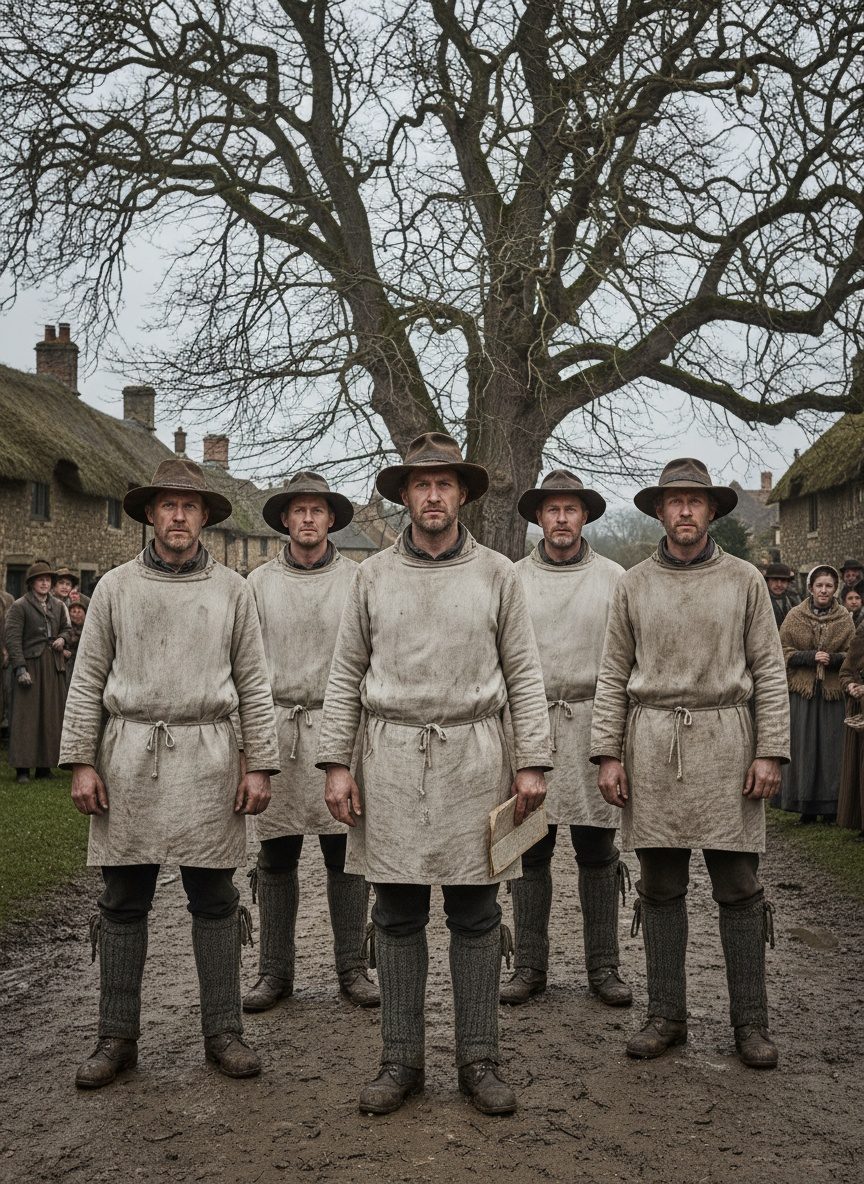
1834. Six Dorset farm labourers formed a union. The government charged them with treason. They were sentenced to seven years in Australia. They never broke. Britain erupted. They came home victorious.
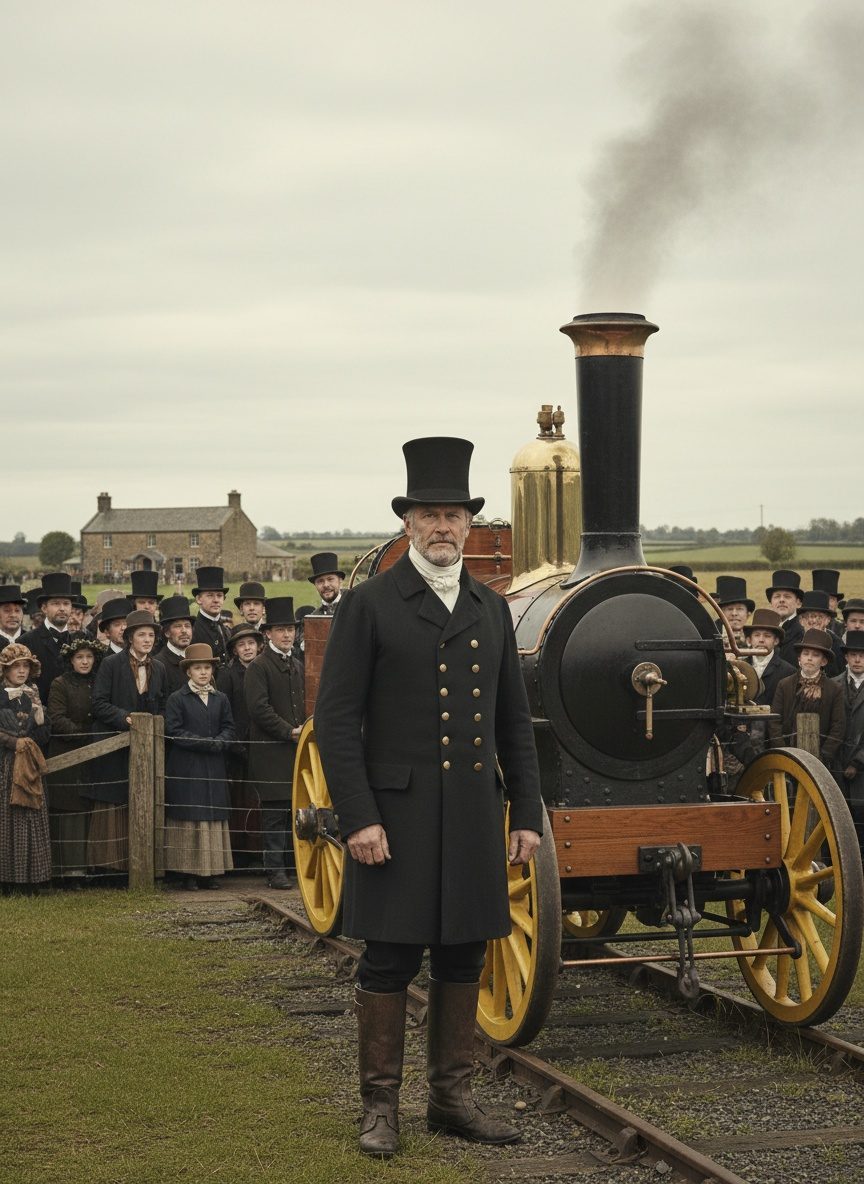
1829. Richard Trevithick had dreamed it. George Stephenson built it. The Rocket reached 29 miles per hour. Crowds wept. The world had never moved so fast. Today every nation on earth runs trains on his principles.
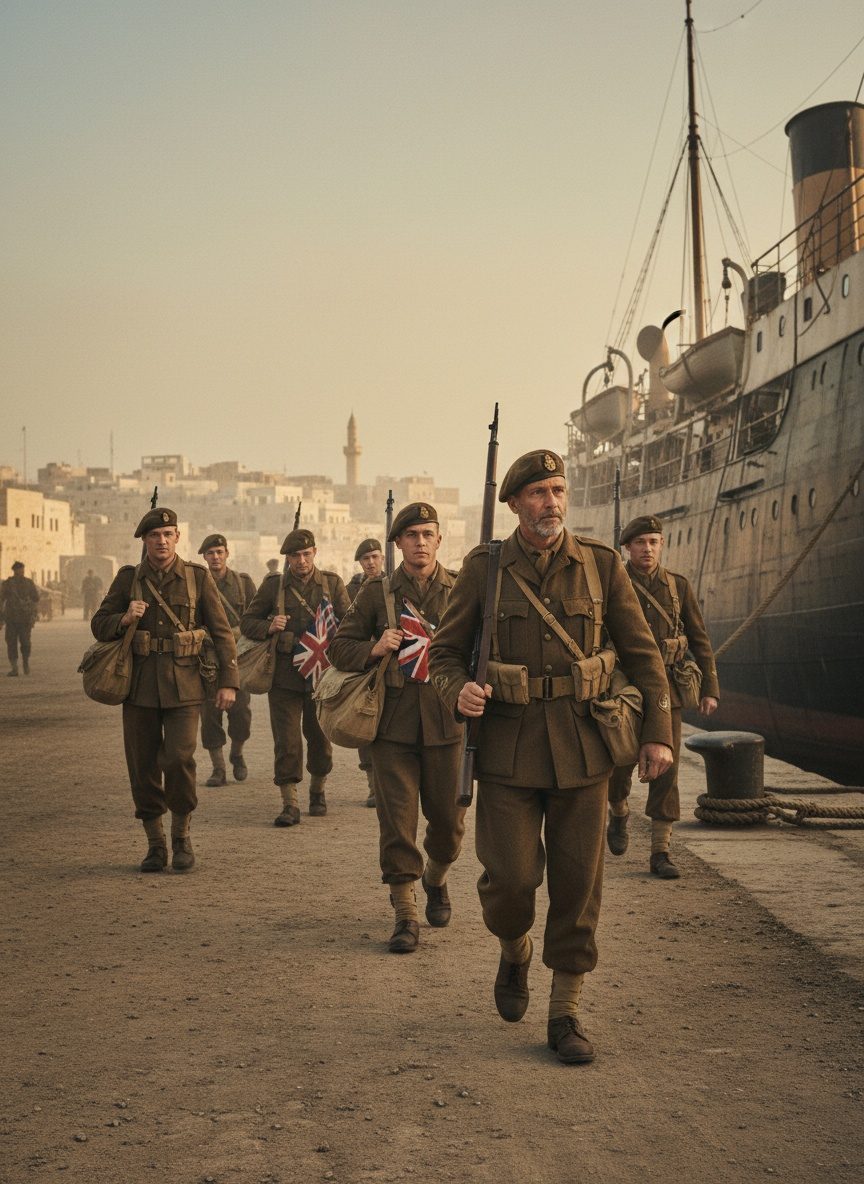
May 1948. Britain's mandate was ending. The last soldiers packed their kits. No ceremony. No speeches. They boarded the ships quietly. Behind them, a land was already at war. Ahead, the sea. Empire, folding itself away.
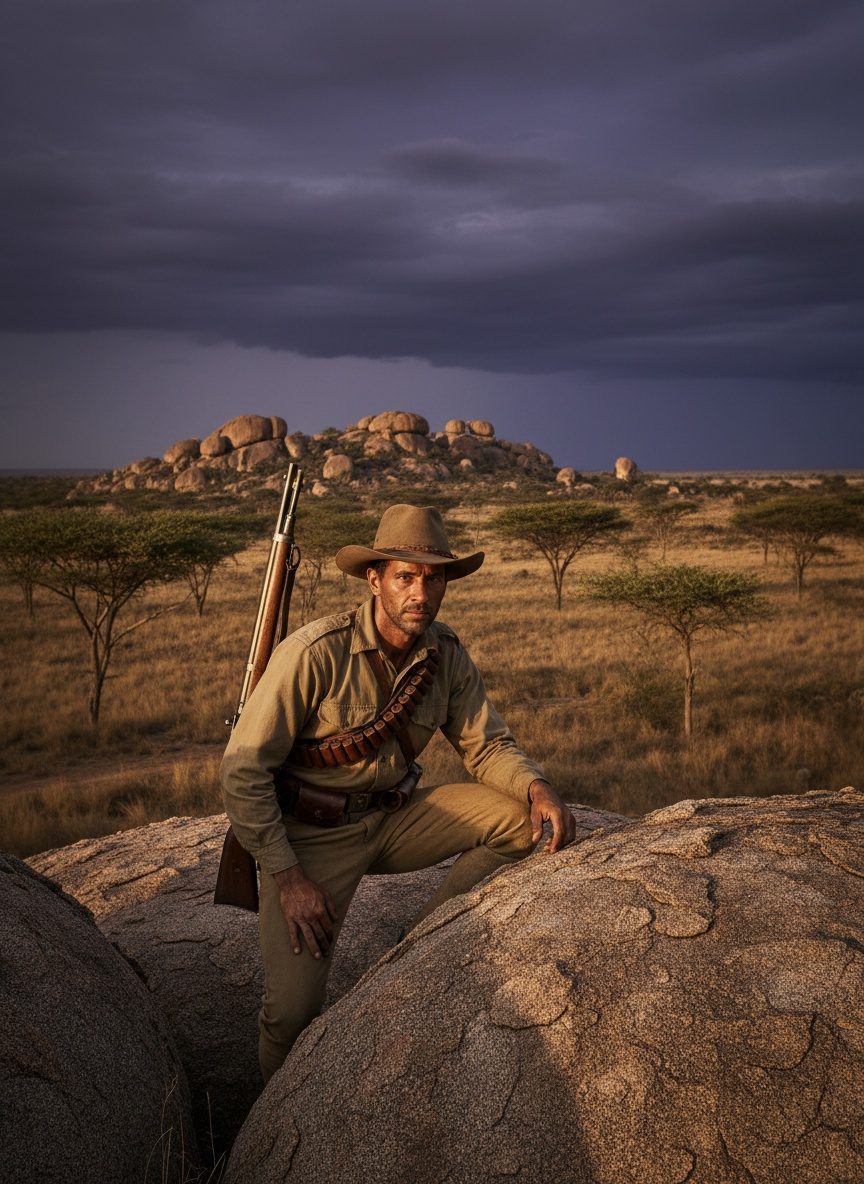
Matabeleland, 1896. A Matabele rebellion had the British garrison pinned down. One American scout rode out alone into enemy territory. Frederick Burnham found the rebel stronghold. He came back. Alive.
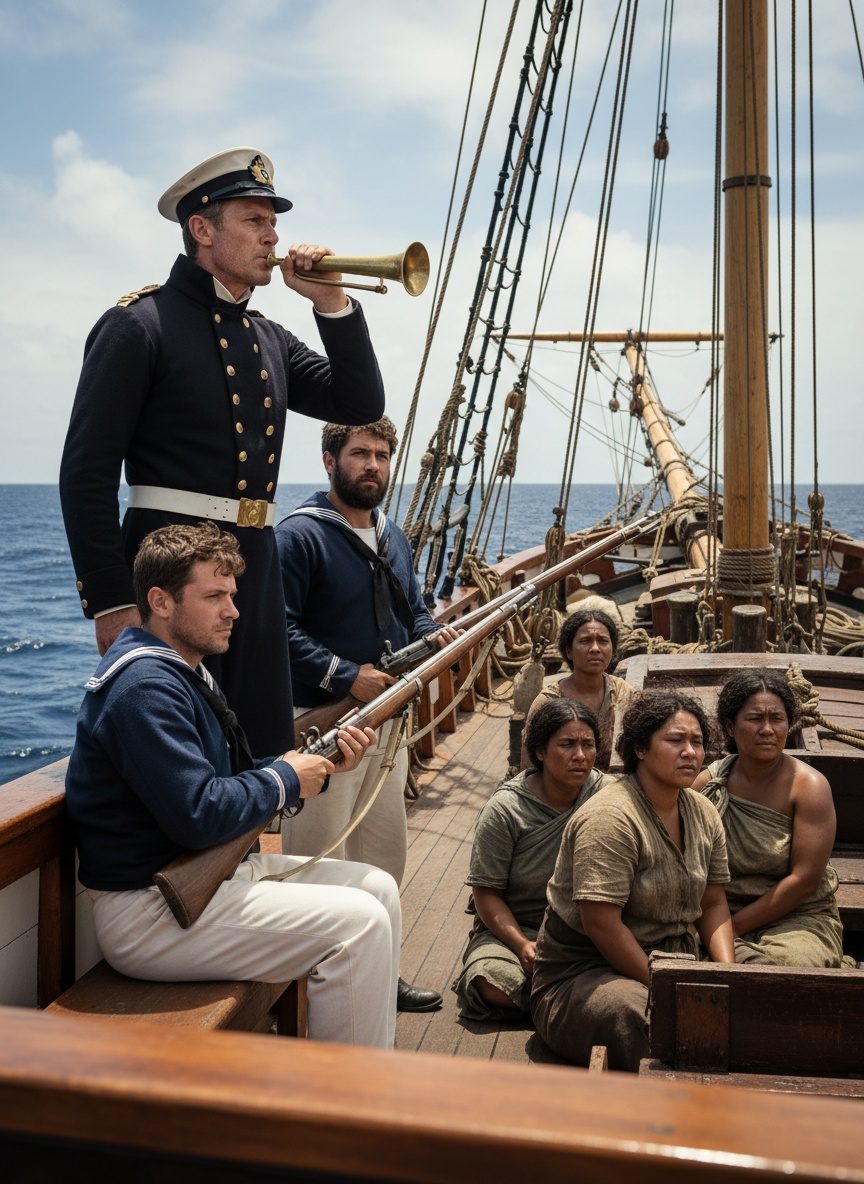
In 1869, HMS Rosario intercepted the schooner Daphne in the Pacific. Below deck: dozens of islanders taken by force. One Royal Navy crew, one condemned ship, one verdict that changed the Pacific forever.
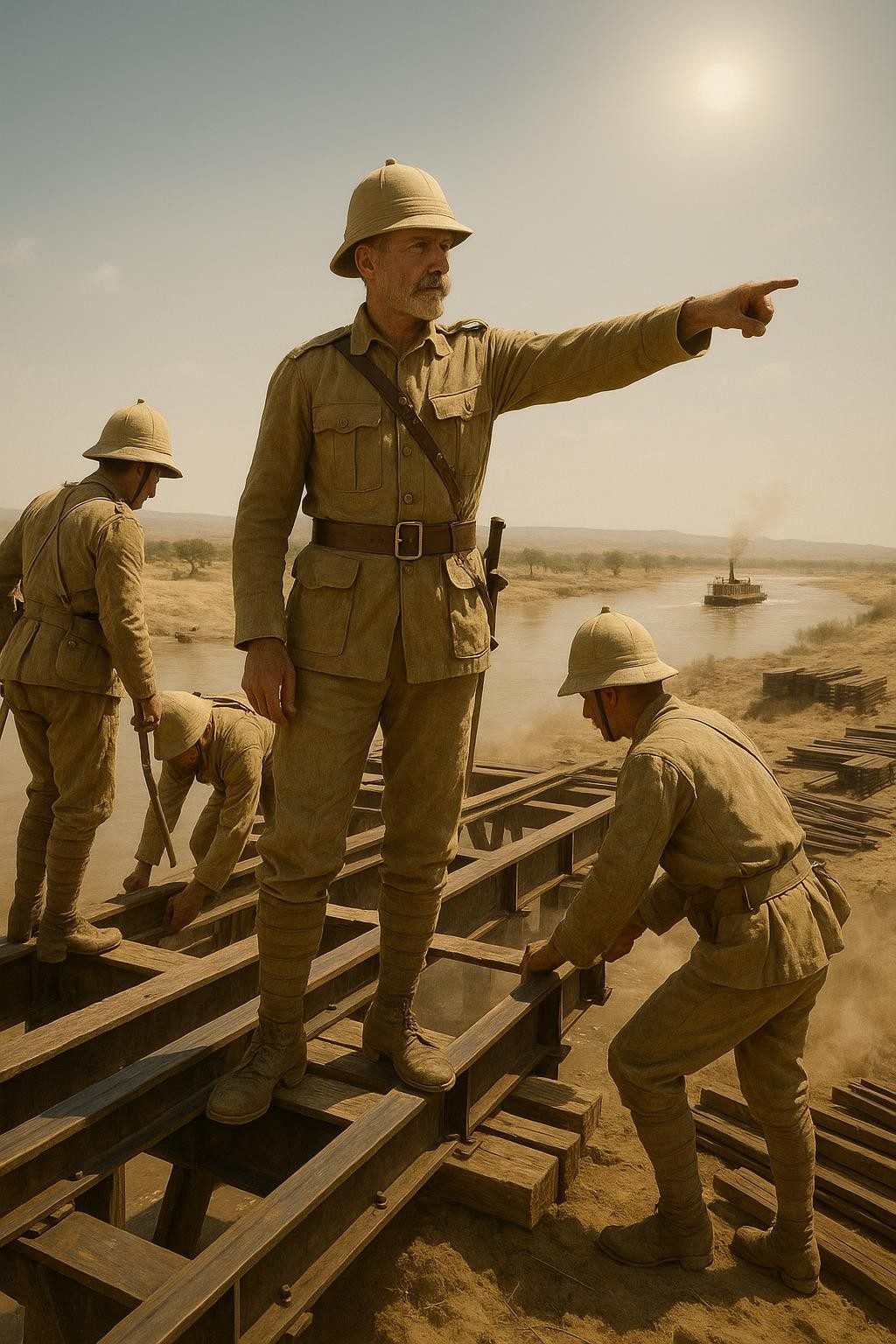
No army could cross the Nile. No army had ever tried it that fast. Kitchener's engineers built a railway and a river bridge through 400 miles of desert in months. Then they marched to Omdurman.
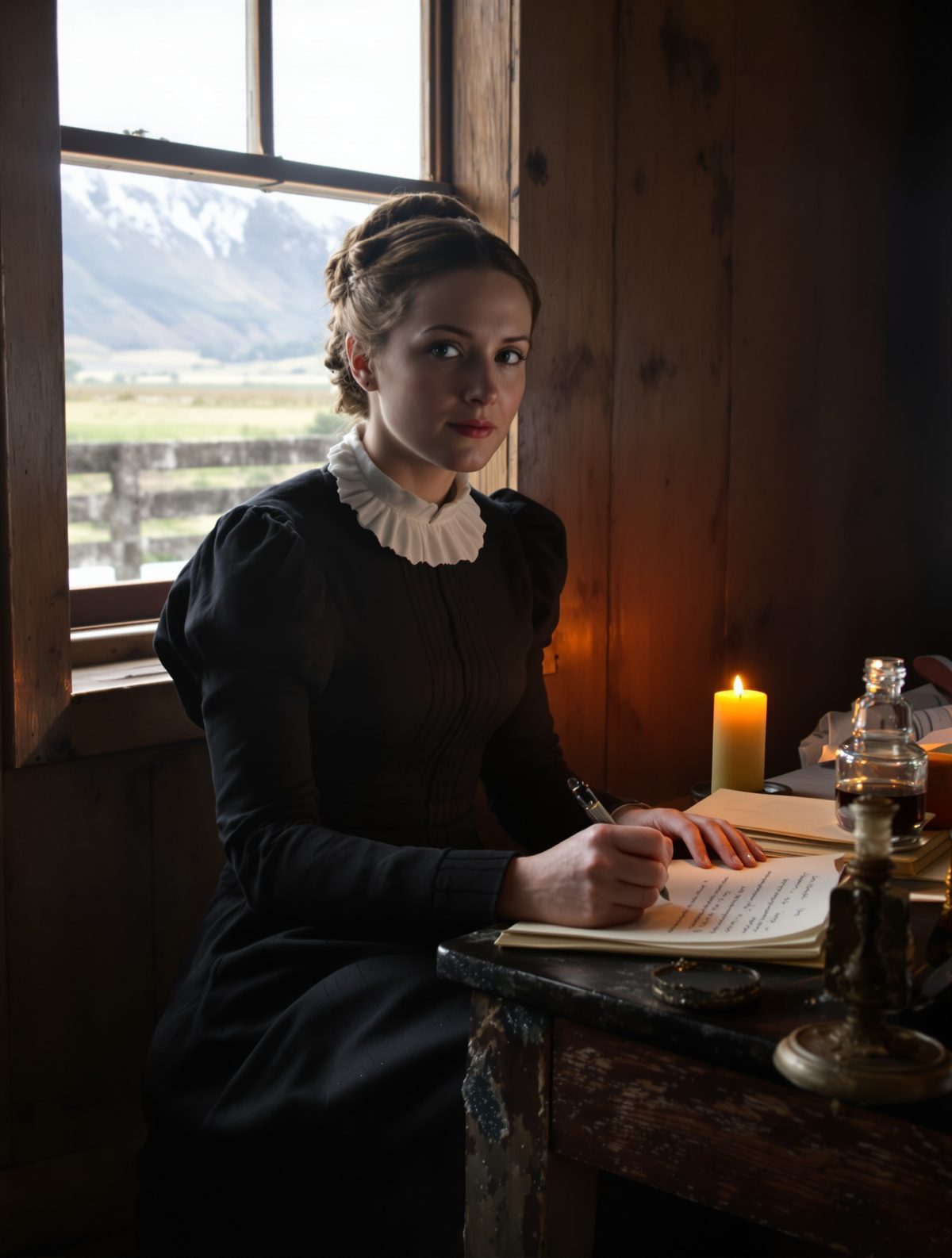
1851. Charlotte Godley arrived in Canterbury, New Zealand, with nothing but faith and ink. Her letters home painted the raw colony in such vivid life that thousands followed. One woman's pen built a nation.
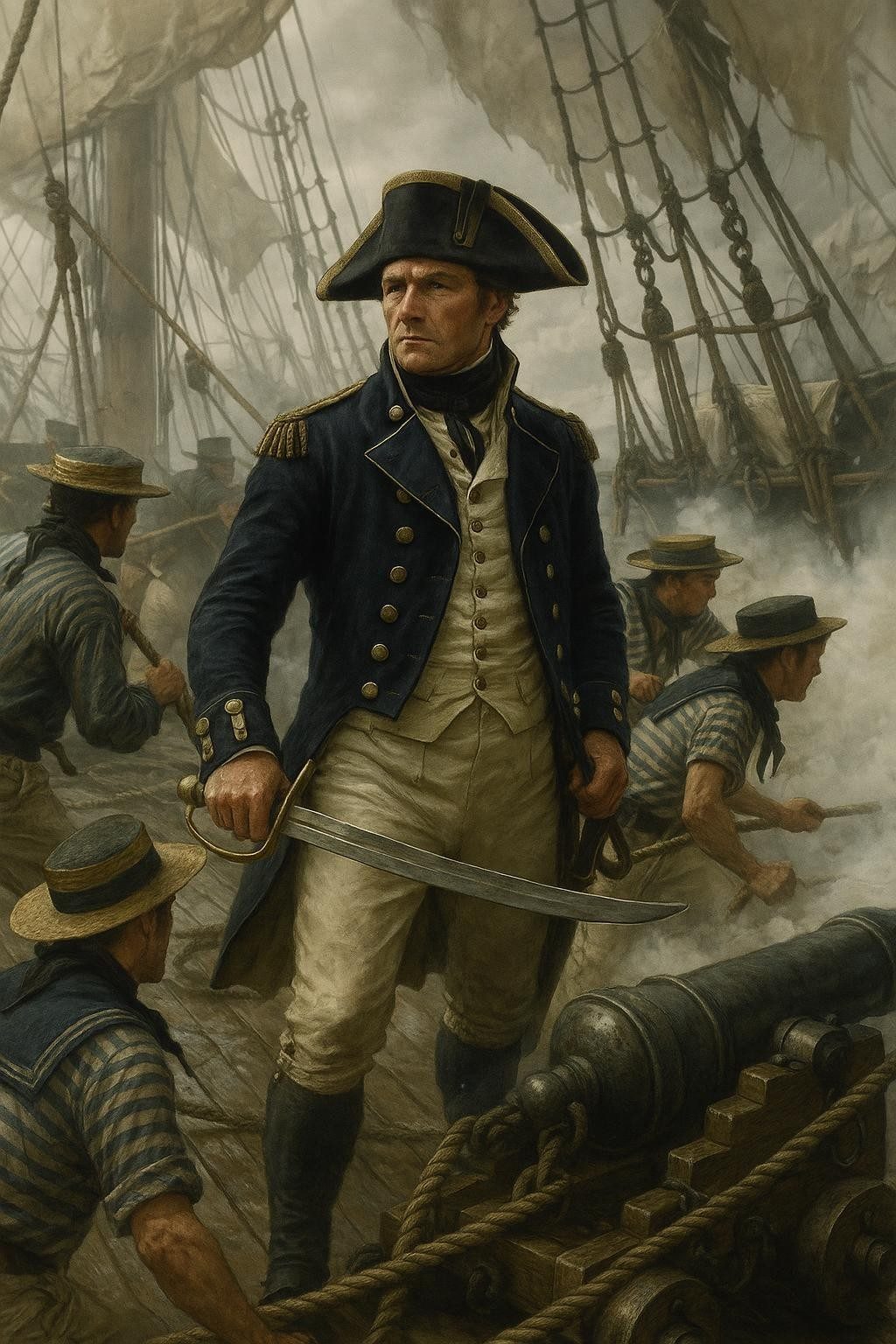
June 1813. HMS Shannon had been at sea for seven years. Her captain drilled his gunners every single day. When USS Chesapeake sailed out to fight — it was over in thirteen minutes.
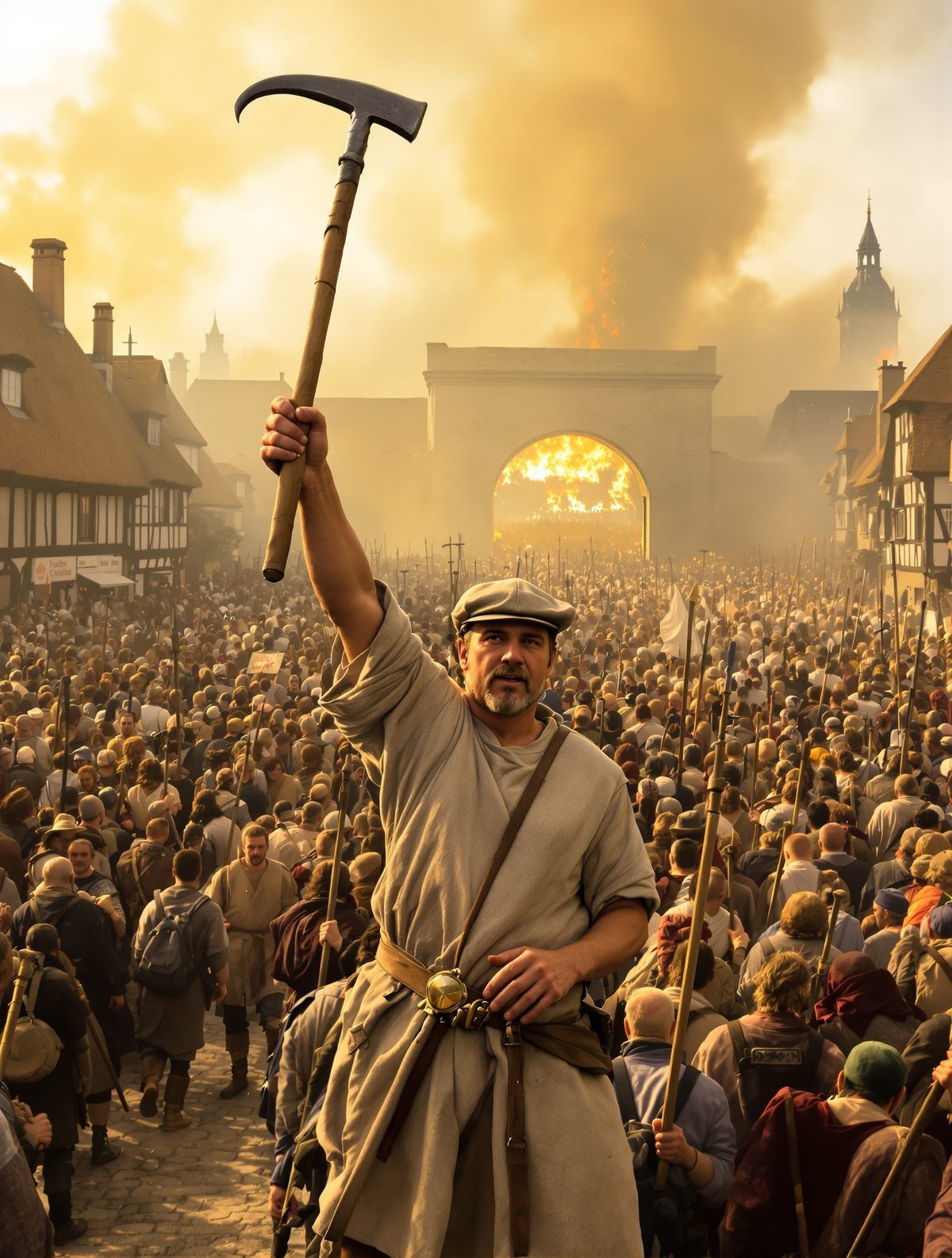
In 1381, a Essex tax collector was beaten. Within days, 60,000 peasants marched on London. They burned the palace of the most powerful man in England. And a 14-year-old king rode out alone to face them.
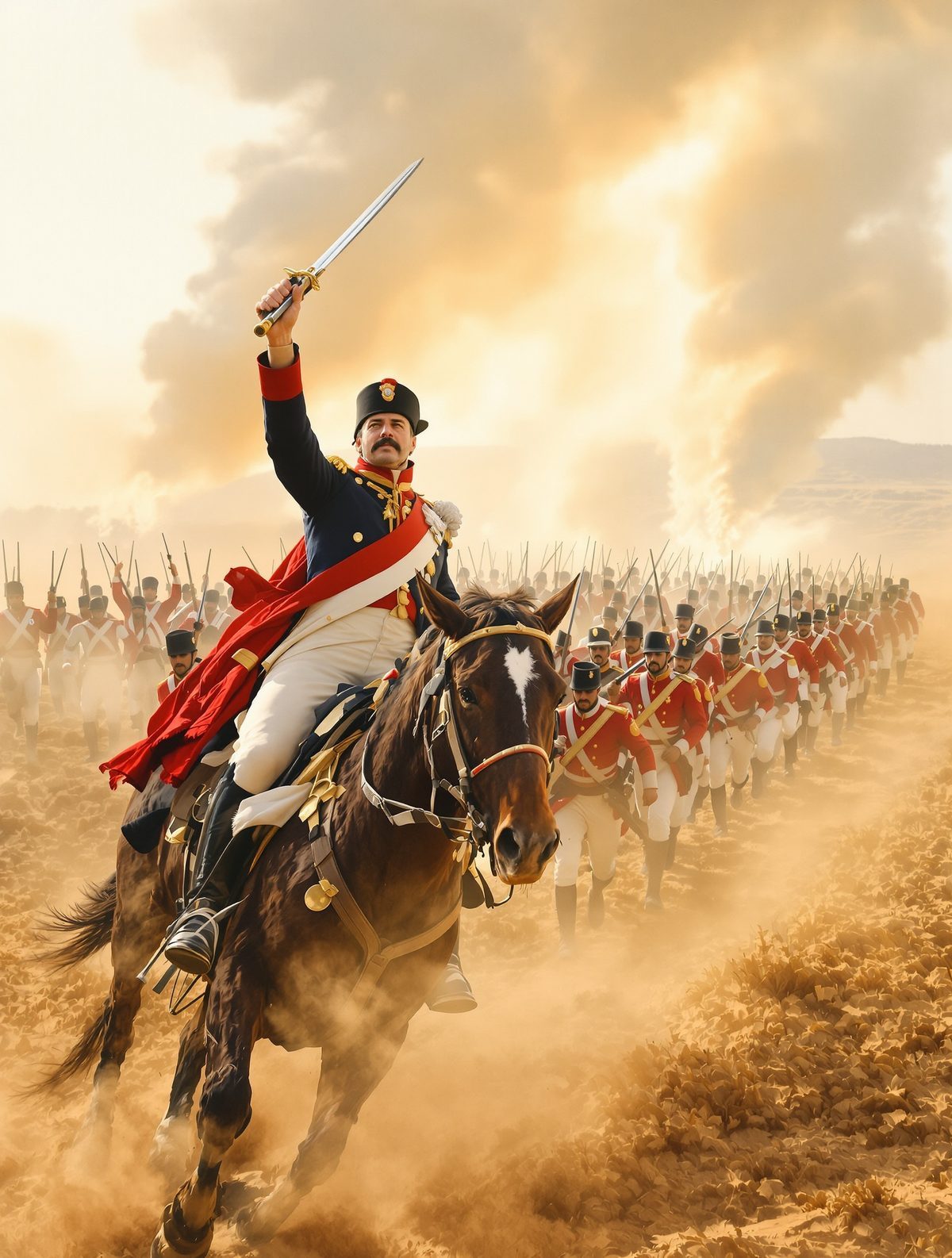
January 1846. The Sikh army held the river. Sir Harry Smith had one chance. He turned to his bugler. The charge that followed shattered 20,000 men in under an hour. No British general had won so cleanly since Waterloo.
Britain needed rubber. An empire depended on it. A botanist named Henry Wickham smuggled 70,000 rubber seeds out of Brazil in 1876. Kew Gardens grew them. They broke South America's monopoly forever.
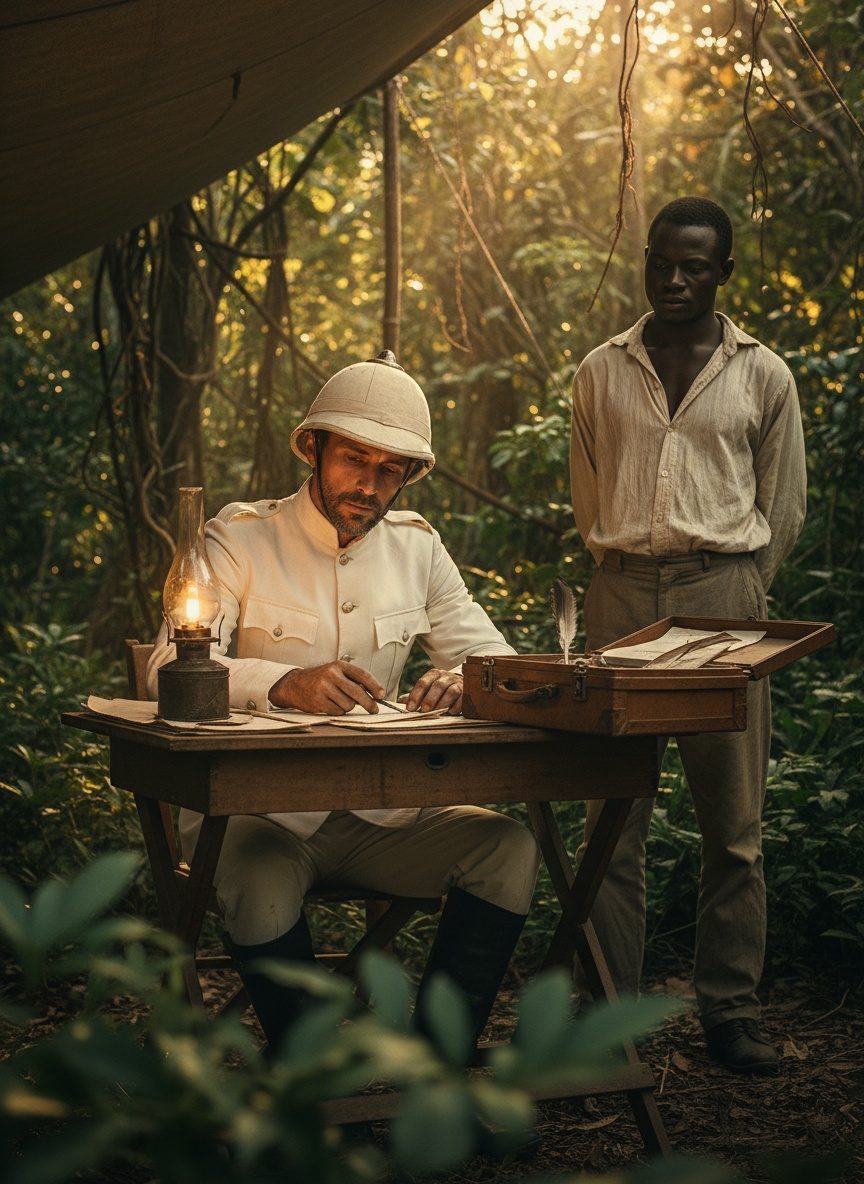
He was sent to write a routine report. What Roger Casement found in the Congo shocked the world. Men with no hands. Children used as hostages. And a European empire built entirely on terror.
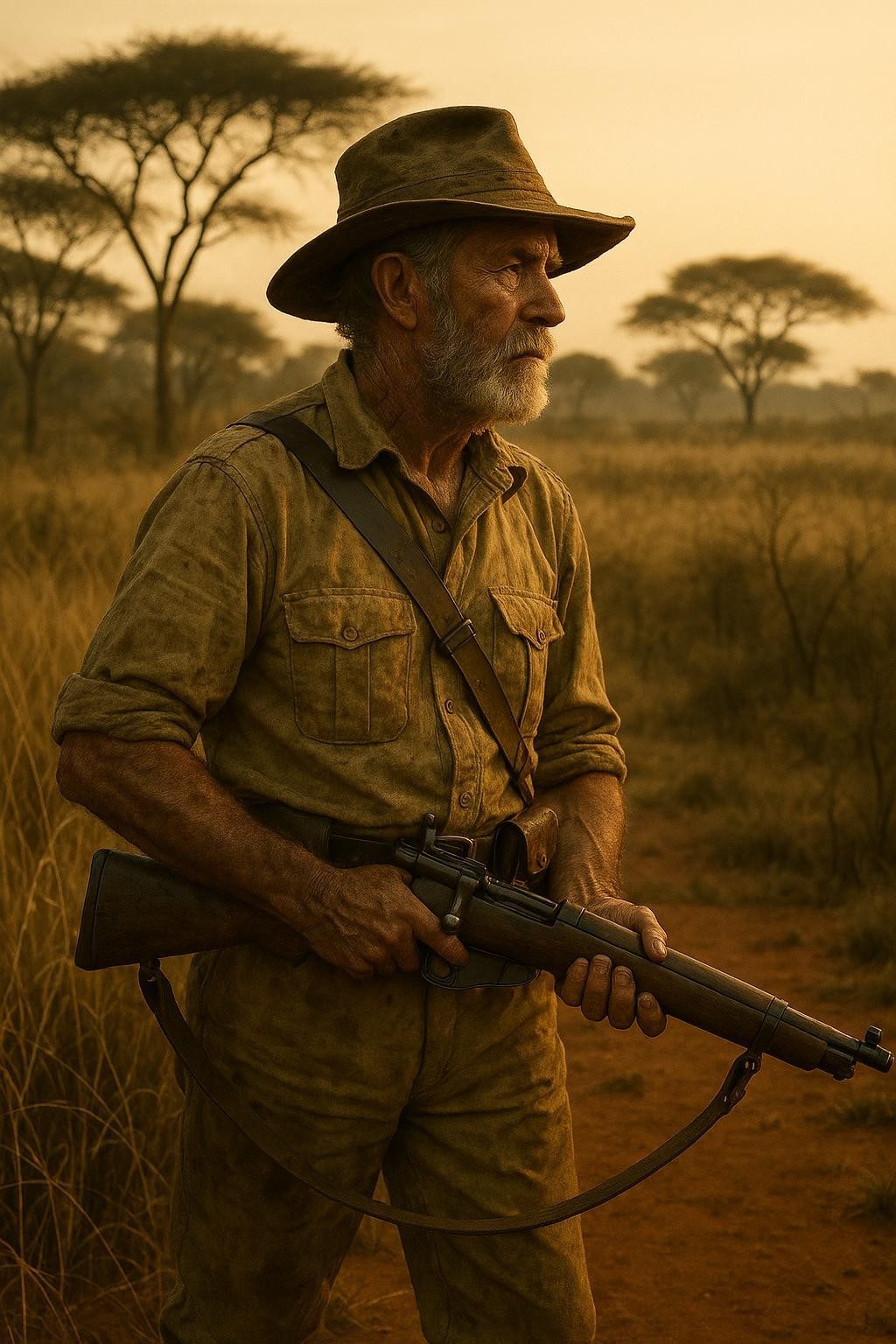
He was 64 years old. Britain's greatest hunter. He could have stayed home. Instead he led his men through the African bush — and fell with a bullet through his head. Still holding his rifle.
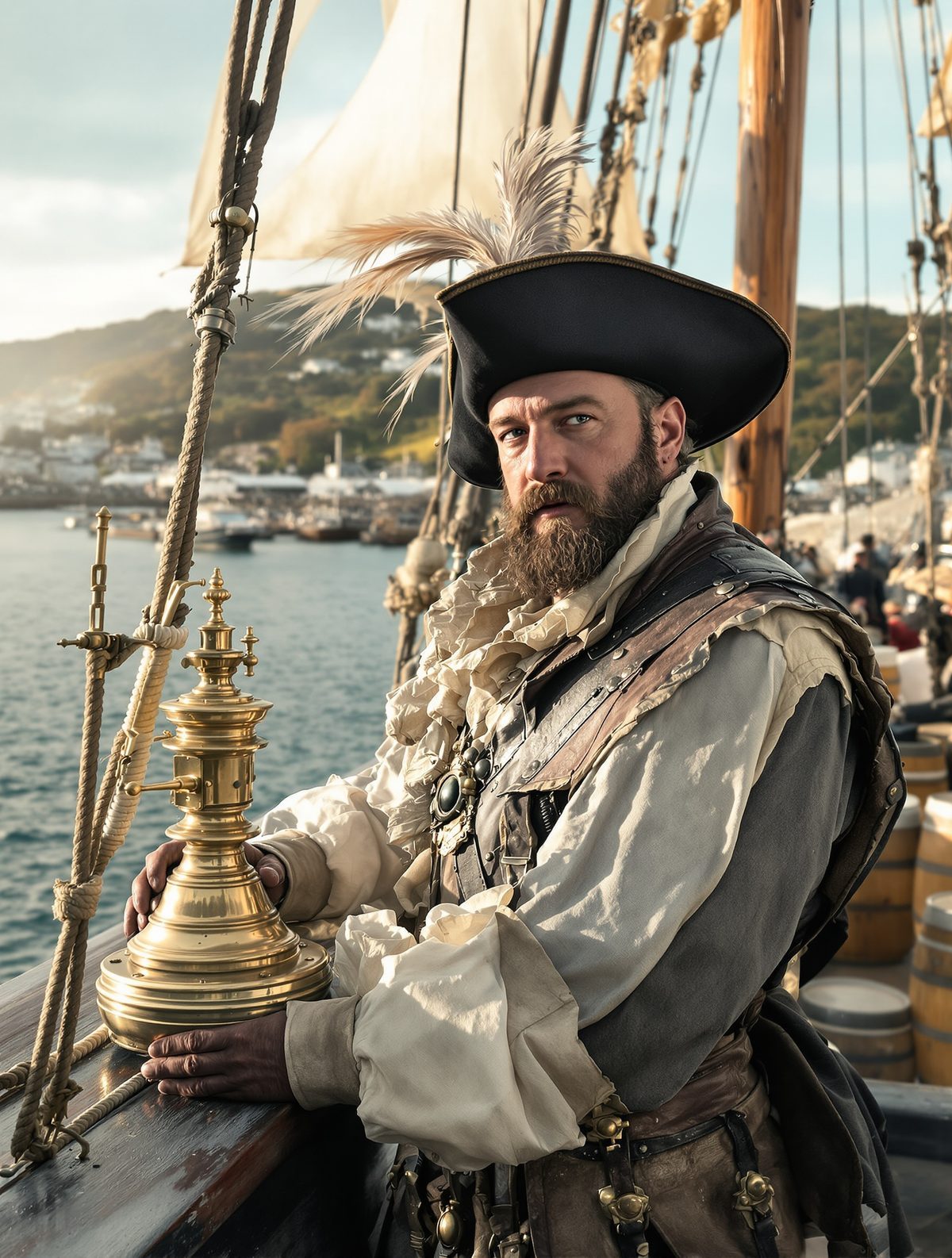
1580. One battered ship sailed into Plymouth Harbour. It had been gone three years. Francis Drake had just circled the entire globe. He was the first captain to survive it. England would never be the same.
Summer 1549. A Norfolk tanner led 16,000 men onto Mousehold Heath. The king sent a herald with a pardon. Kett refused it. 'Kings' pardons are for criminals,' he said. 'I have done no wrong.'
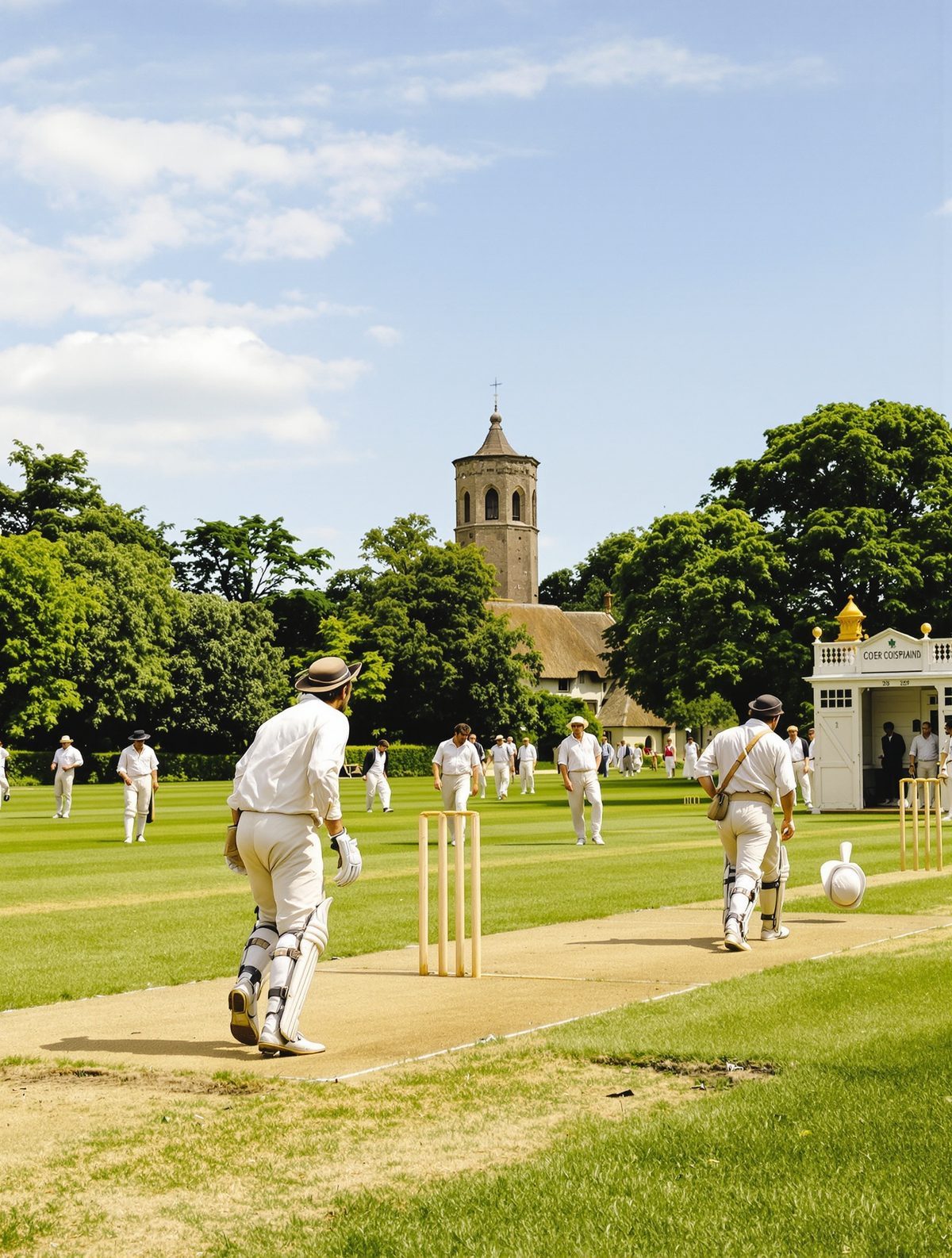
In 1788, a small London club published 16 rules for a game played on village greens. Today, those rules govern a sport followed by 2.5 billion people. One English summer. One lasting empire.
Hand-picked from Britain Untold's archive. The stories you weren't taught at school. 3-minute read.
No spam. Unsubscribe in one click. We hate spam too. Privacy Policy.