948 AD. Under the moonlit shadows of York, the night was tense and still.
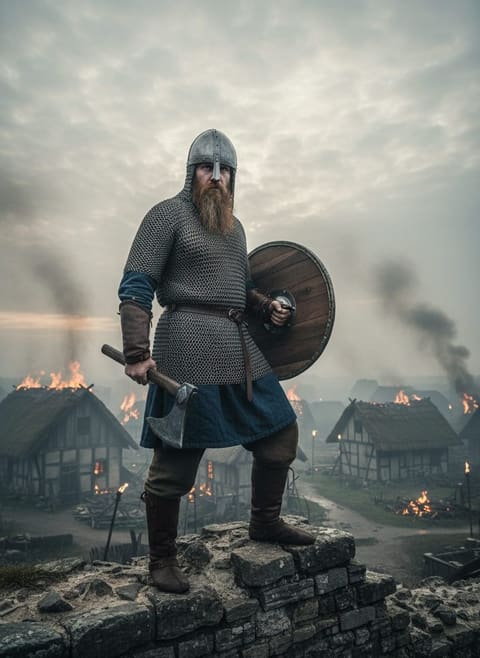
In a world where the air was often filled with the metallic clatter of swords and the wild echoes of a skald's verse, Egil Skallagrímsson stood at a crossroads of destiny. Behind him lay a lifetime of turmoil and bloodshed, while before him loomed the piercing gaze of King Eirik Bloodaxe — the very man who had snuffed the life from his dear son. In this charged landscape, Egil, a Viking skald of ominous repute, was about to pit his words against the executioner's axe. He had precisely one night to engage in a lethal dance of rhetoric and poetry that would not only save his life but also etch his name into sagas for generations to come.
The Viking Skald in Chains
The tale of Egil Skallagrímsson unfolded under the cold stone walls of York, a city fabled for its strategic importance and the political intrigue swirling in its corridors. Egil was not unfamiliar with chains or captivity, yet this time was different. This time, there was a poetic irony in the grim reality he confronted. He had crossed paths with Eirik Bloodaxe, an opponent whose reputation was as bloody as his name suggested — a man whose enmity with Egil was personal and deadly.
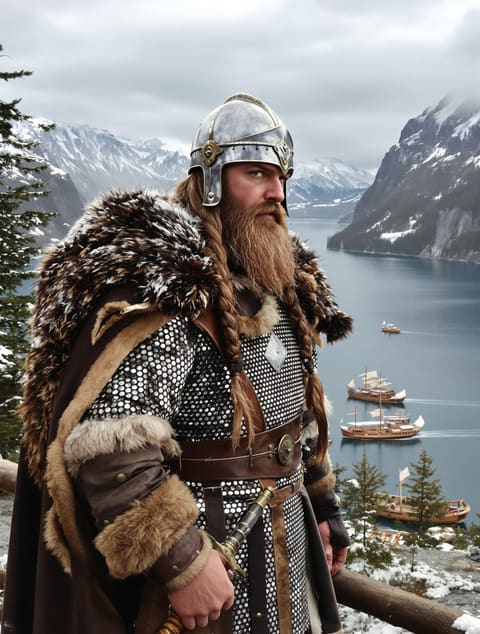
Born into the lineage of Kveldulf the "Evening Wolf," Egil had inherited formidable traits both in stature and temper. He was a giant among men, mirroring the ferociousness of his ancestors, whose narratives were steeped in the lore of berserker fury and untamed spirit. His familial saga was riddled with clashes against King Harald Fairhair of Norway, whose realm had spurned Egil’s kin, driving them to seek refuge in the unyielding landscape of Iceland. Yet, Egil was a man caught in the ripples of vengeance and fate, embroiled in vendettas and power struggles that ran generations deep.
Read next: Egil's Father Was Dying. He Sailed Into Enemy Waters.
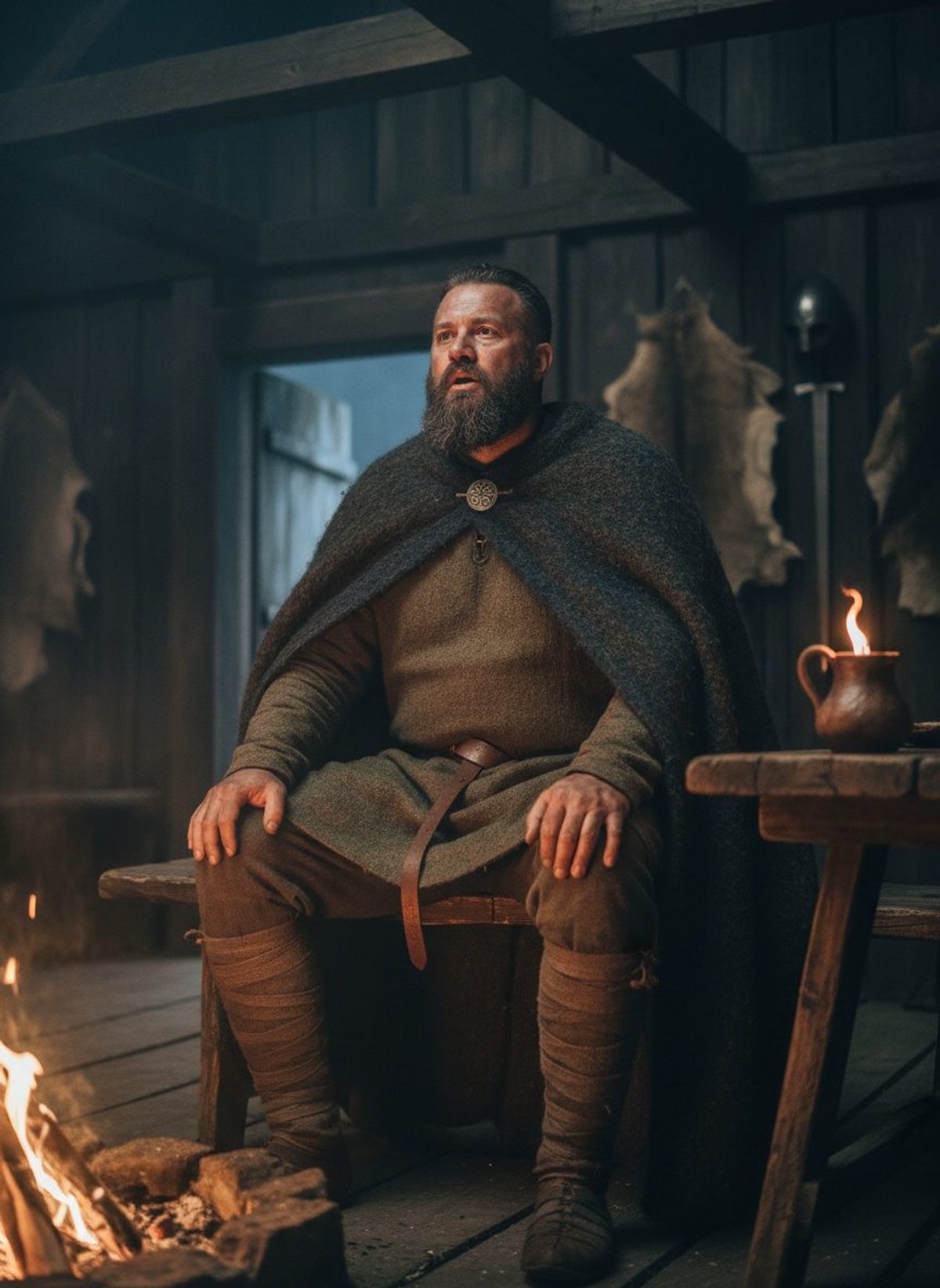
The night stretched on as Egil crafted his verse — a poem of praise for the very king who would as soon behead him. Artful words flowed from his tongue as naturally as the torrents of battle once did from his sword arm. Egil, ever the skald, wielded words with a precision that could pierce the heart more deeply than any blade. The poem he composed, known today as the “Höfuðlausn” or “Head Ransom,” was not merely a desperate plea but a composition of eloquence that spoke to the Norse ideals of honor and bravery.
Wordsmiths and Warriors
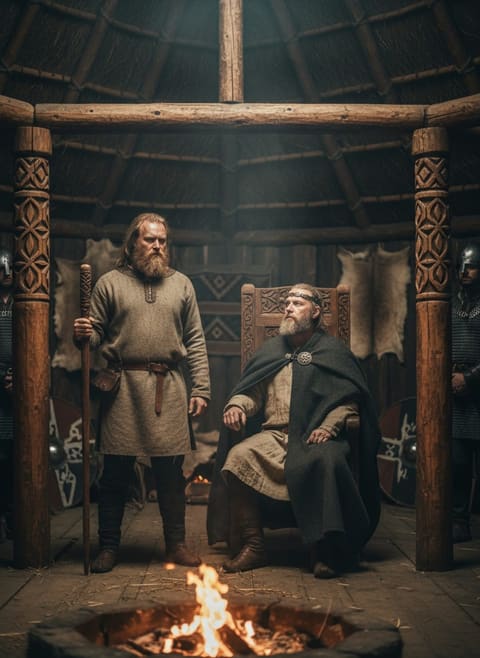
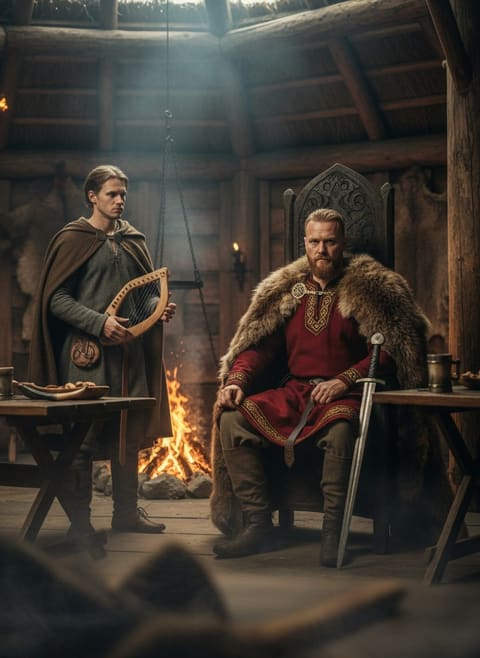
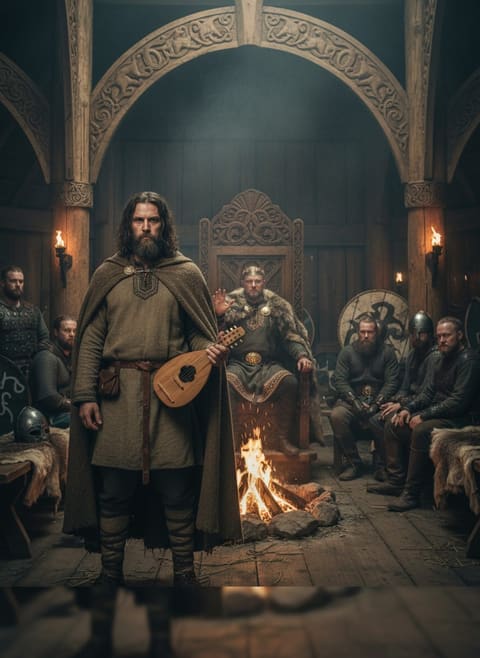
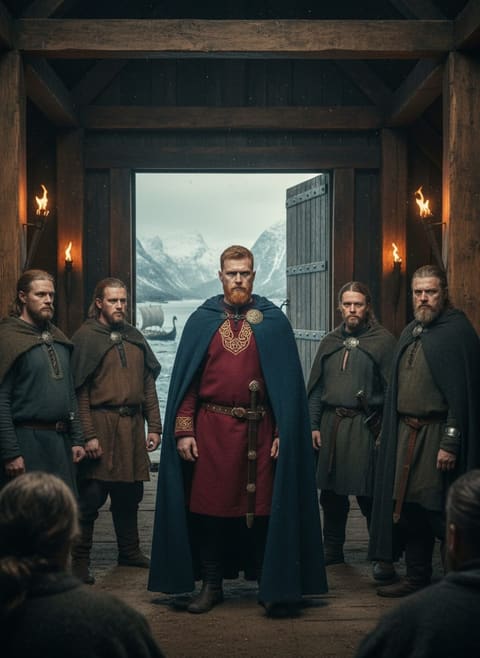
The next morning, under the watchful eyes of Eirik Bloodaxe and his retinue, Egil recited his saga-infused verses with all the fervor and precision of a warrior on the battlefield. Each stanza crafted was laced with praises, drawing on the rich tradition of skaldic poetry that extolled the virtues of kingship and martial prowess. It was a testament to the cultural significance of the skalds in Viking society — these wordsmiths whose art could confer immortality to the deeds of men through the echoing halls of history.
Yet, it was not just the mere recitation of poetry that freed him; it was the weaving together of artful praise, strategic flattery, and profound Viking virtues that caught the attention of Eirik Bloodaxe. In the Norse world, the arts of war and word were celebrated with equal admiration, and the creation of a well-wrought verse could rival the mightiest of acts.
To understand the influence wielded by a skald like Egil, one must delve into the very soul of Viking Age culture — a world where the lines of fate were spun in loom-houses of the Norns, and even kings were bound to the laws of honor and legacy. The prowess of Egil’s verse not only sang of Eirik's martial feats but also left an impression of cultural kinship and shared values — a mutual respect woven through the rich tapestry of Norse tradition.
Read next: Gunnar the Skald Stood Before a King. He Saved His Own Head.
The Unseen Power of Poetry
Defying expectations, King Eirik Bloodaxe chose to spare Egil’s life. In letting Egil walk away intact, the king not merely acknowledged the skald’s skill but also bowed to the deeper recognition of the potency hidden within words. This was a turning point — one where the power of lyrical brilliance transcended the call of vengeance.
Egil Skallagrímsson lived to an old age, his saga bound to the legacy of a masterful skald and a man who met his adversities head-on. The saga of his life, preserved in "Egils saga," would later captivate and confound scholars and enthusiasts alike, a story spilling over with intrigue, poetic justice, and a testament to the undeniable influence of the skalds.
This episode in the shadows of medieval York reminds us of the enduring legacy of the Norse warrior poets. Their tales carry an unflinching reminder of how the interplay between words and deeds can shape destinies. The paths carved by skalds like Egil remind us that even in a world defined by conflict, the whispered verses of poetry contain an untamed potential to change the course of history. Through Egil, we see that sometimes, a verse is mightier than the sword — that, in its woven intricacies, a man can carve out his own freedom and eternity.