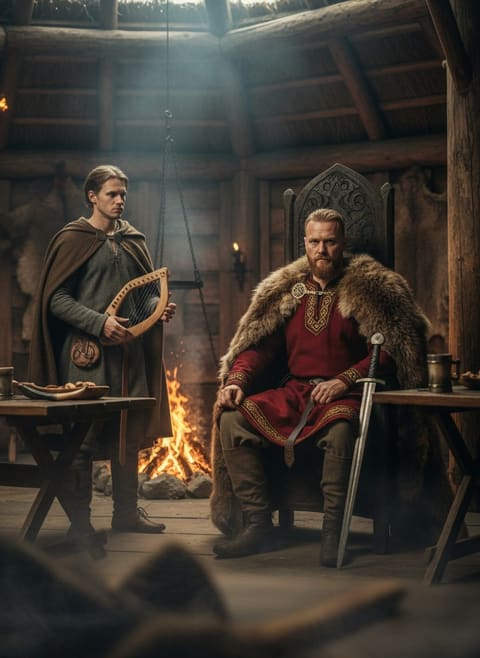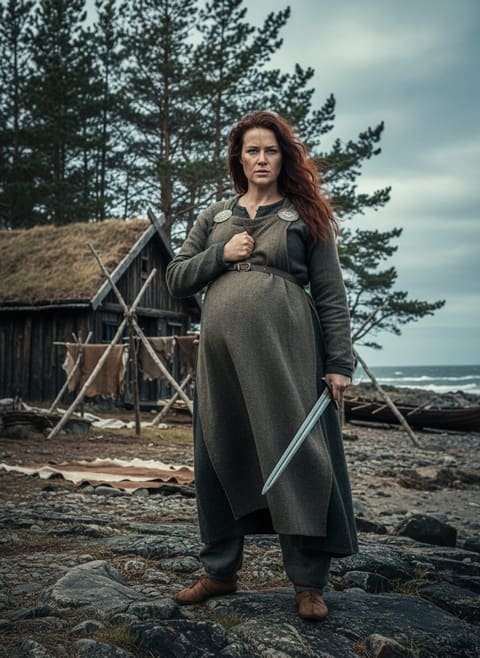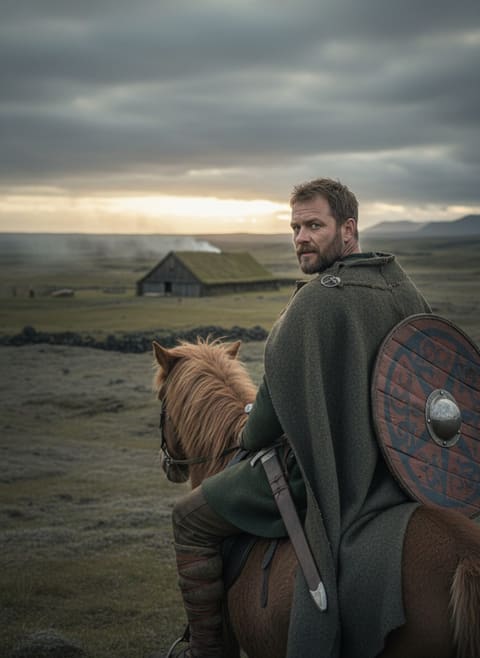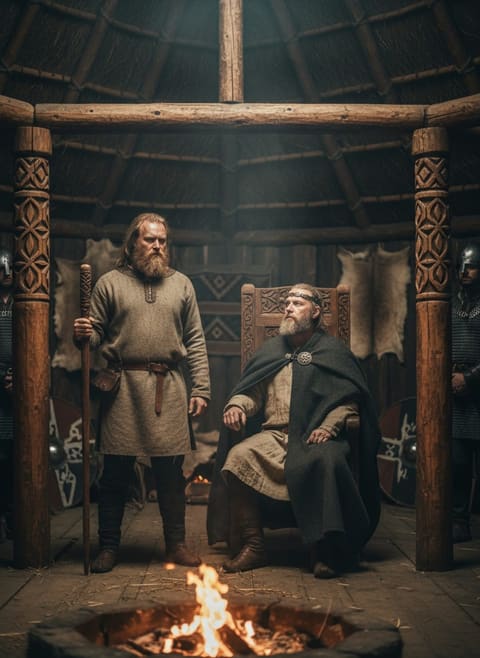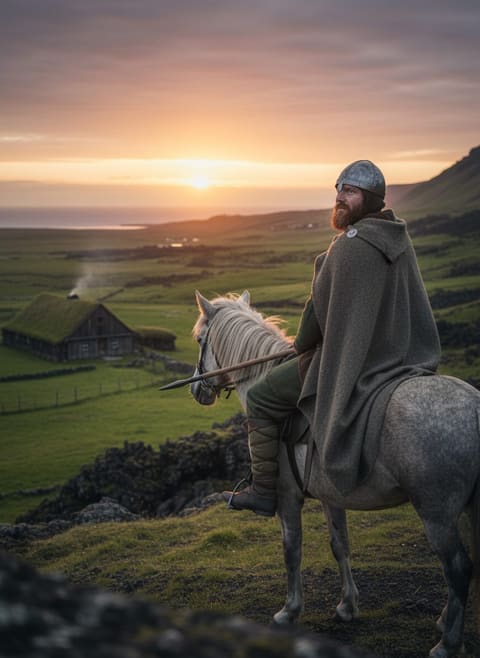
Spring, c. 1004 AD. The wind carried a distinct chill, flecked with the tang of salt from the sea.
The Shores of a New World
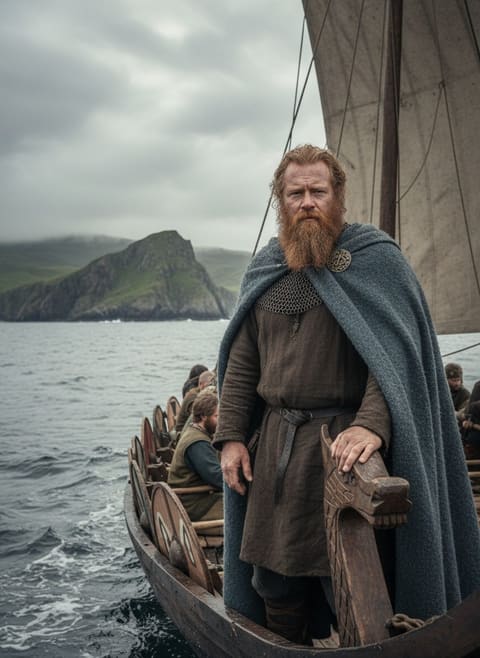
The longship cut through the waters with the swiftness of a hawk skimming the surface. The creaking of its wooden planks and the rhythmic splashing of the oars against the sea created a harmony that was both natural and timeless. As they reached the mysterious shore, Thorvald Eiriksson, a seasoned Norse explorer with the flaxen hair and piercing blue eyes of his line, stood with an air of quiet triumph. Here was a land rich with promise—a slice of the world far from the familiar fjords of Greenland. Some called it Vinland, a place whispered about with awe, its name suggesting fertile, vine-laden soils, though its reality remained largely unknown.
Thorvald, the brother of the famed Leif Eriksson and son of Eric the Red, had come farther than most. The journey through these uncharted waters was both prophecy and gamble, one driven by the hearts of explorers and tempered by the fierce spirit of their Norse heritage. Yet these lands, silent under the sun's steadfast gaze, were far from uninhabited. An ancient people lived here. Their existence was like a shadow at the edge of Thorvald's vision—known but not seen, heard but not understood.
Hostile Welcome
The air was thick with anticipation as Thorvald and his crew set foot onto the unnamed soil. The Norsemen explored the headland they found, naming it in the manner of their tradition, marking their presence like a carved rune on a wooden beam. Thorvald, captivated by the landscape, declared that he desired to make his home there. But the allure of Vinland was fraught with peril. As they ventured deeper, the ominous reality of their new world manifested.
Read next: Sigurd the Stout Rode to His Death. He Knew It.
They called the native inhabitants "Skraelings"—a term borne of misunderstanding and awe. Brief skirmishes and tense encounters had introduced them; the Norse were not welcome. One moment rang with laughter—men recounting tales of past exploits, their laughter echoing across the waves—and the next with the sharp twang of a bowstring released. It was a fleeting sound, almost lost in the wind, but its consequence was irrevocable.
The arrow found Thorvald with unerring precision, a cruel piece of fate fashioned by the hands of the unseen Skraelings. A single wound was enough, knocking Thorvald to his knees, his magnificent dreams of conquest and settlement slipping away like the retreating tide. His request to his men was made with the collected dignity of his lineage: to be buried on the promontory he had named, a Viking's grave overlooking the seas he had dared to traverse.
Honoring a Last Wish
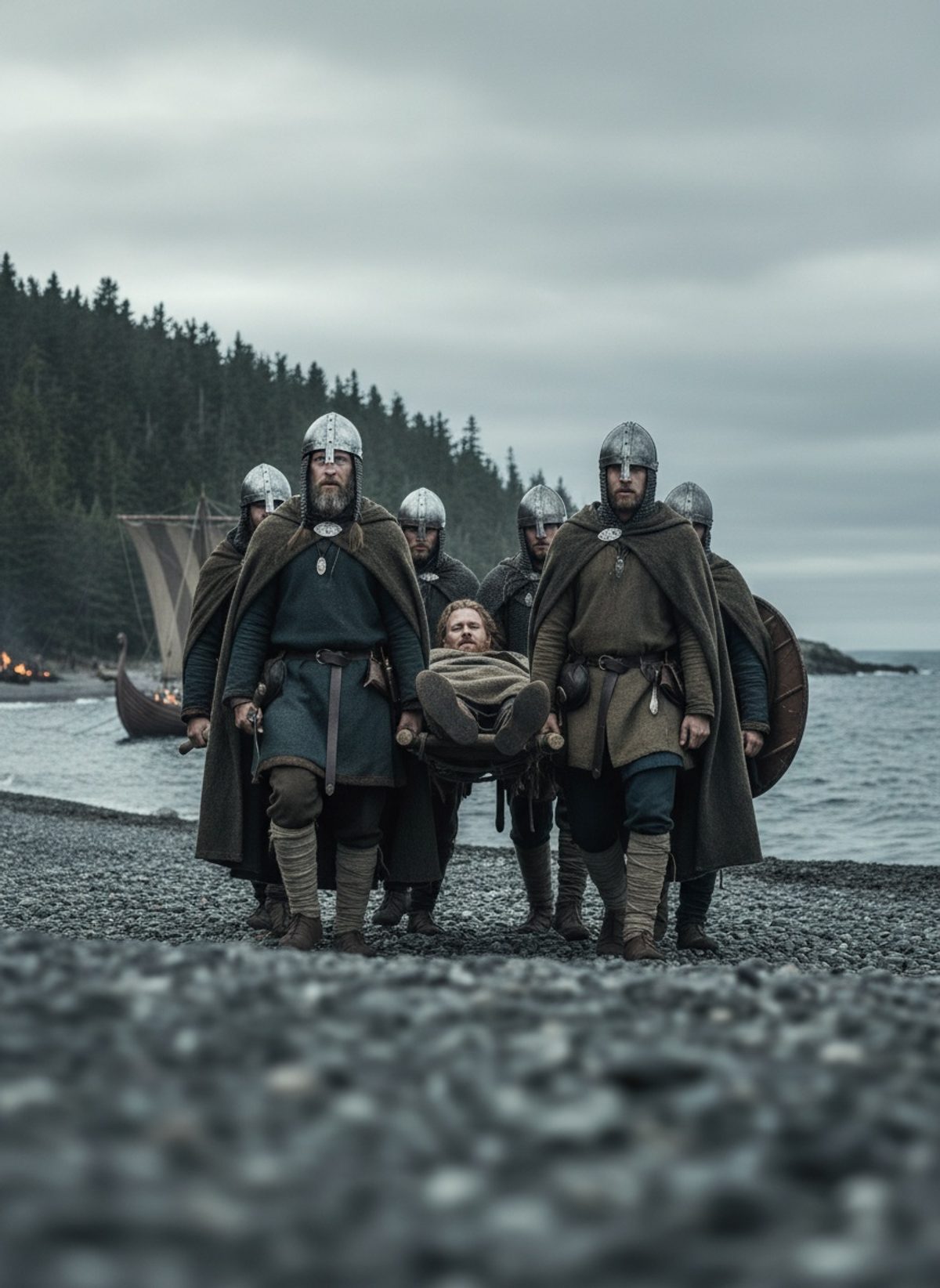
Thorvald’s crew, stricken with a shared sorrow and the urgency to preserve their own lives, rallied to fulfill their leader’s final wish. It was a task carried out with solemn reverence. The burial was traditional and simple, yet significant, marked by their grief and the stone markers they assembled to guard his resting place beside the unyielding Atlantic.
The men labored in silence save for the necessary commands, their eyes casting frequent glances toward the treeline, half expecting another attack. The grave was shallow, yet fitting for a leader of Thorvald's standing—a cairn of stones arranged with methodical care on the headland, embracing him like the arms of an ancient god. The intangible connection knitted between their culture and this foreign land was solidified, however tempory, with that act of resonance between spear and earth.
Read next: Gunnar Refused the Ship. He Chose the Hill Instead.
The Voyage Home
With heavy hearts, the crew pressed onward, their vessel now less complete without its herald. The return journey was a reflection of loss as well as survival. Stories of their adventure—and the tragic loss of Thorvald—would unfurl as they sailed back across the wide waters to Greenland, and beyond, to the ears bent with time's patience and the yearning for tales.
The sea was both ally and adversary. It gave them passage and demanded tribute. As they navigated back into familiar lands, their minds turned to kin and hearth, carrying the memory of one they had left behind. Eiriksson's resting place, marked upon the ground, served both as testament to his bravery and the enduring mystery of Vinland.
A Stone on the Shore
Though centuries stand between those days and our own, the tale of Thorvald Eiriksson stirs the imaginations of those who dare to seek the stories layered beneath the historical veneer. Here was an incident that seemed transient, a side note to the sagas of Viking glory, yet it heralded the very essence of human exploration and the unremitting desire to push boundaries, even at mortal cost.
It is said that the stones upon the headland whisper in the language of waves and wind, a silent watch over Thorvald Eiriksson, a man persuaded by the unfolding dreams of discovery. His burial on the edge of a continent foretold a narrative untold for five hundred years. We are reminded, through his story, that beneath every footnote of history, the human spirit persists—curious, defiant, and singularly driven by the quest to touch the horizon beyond the known world.