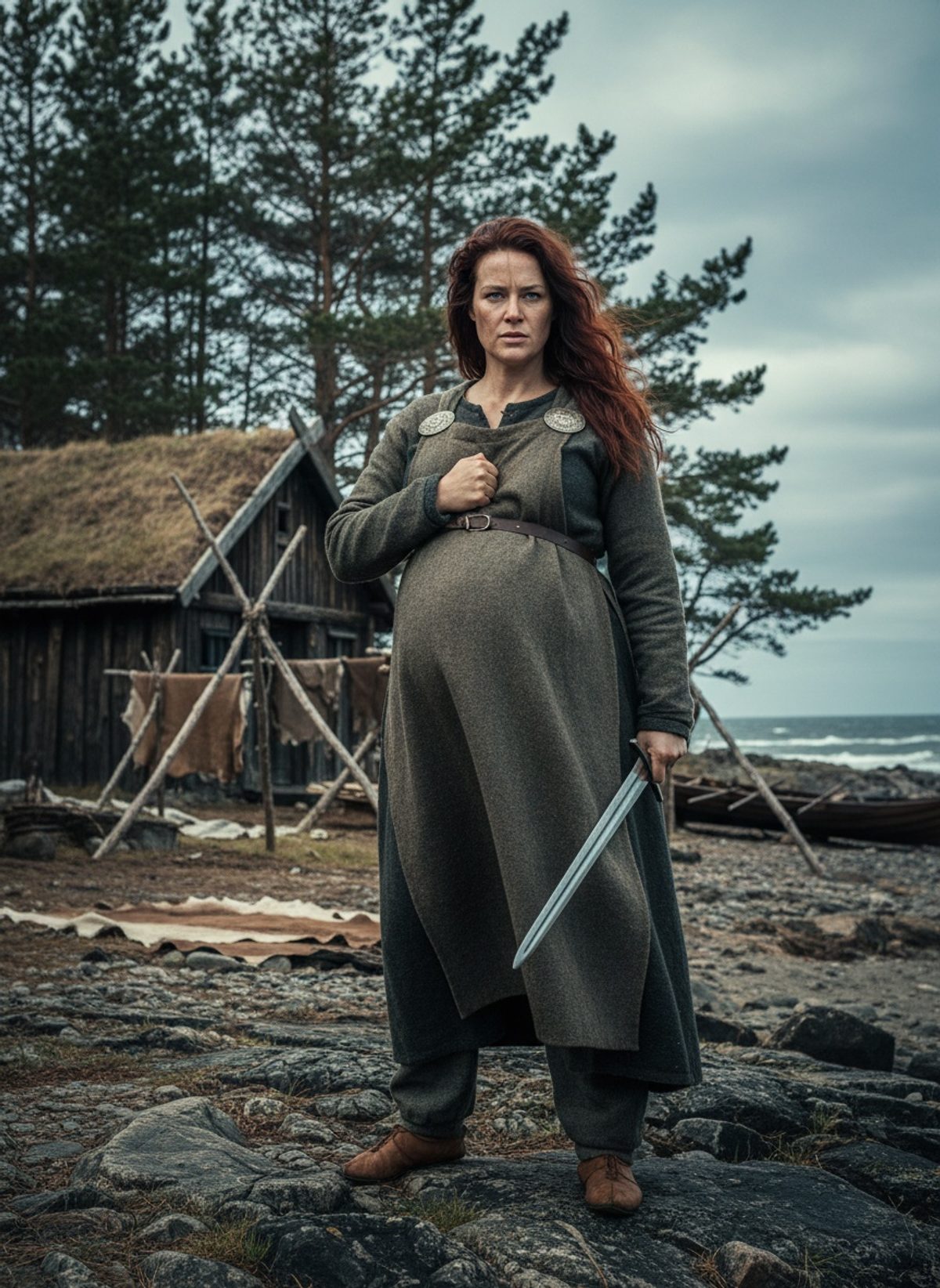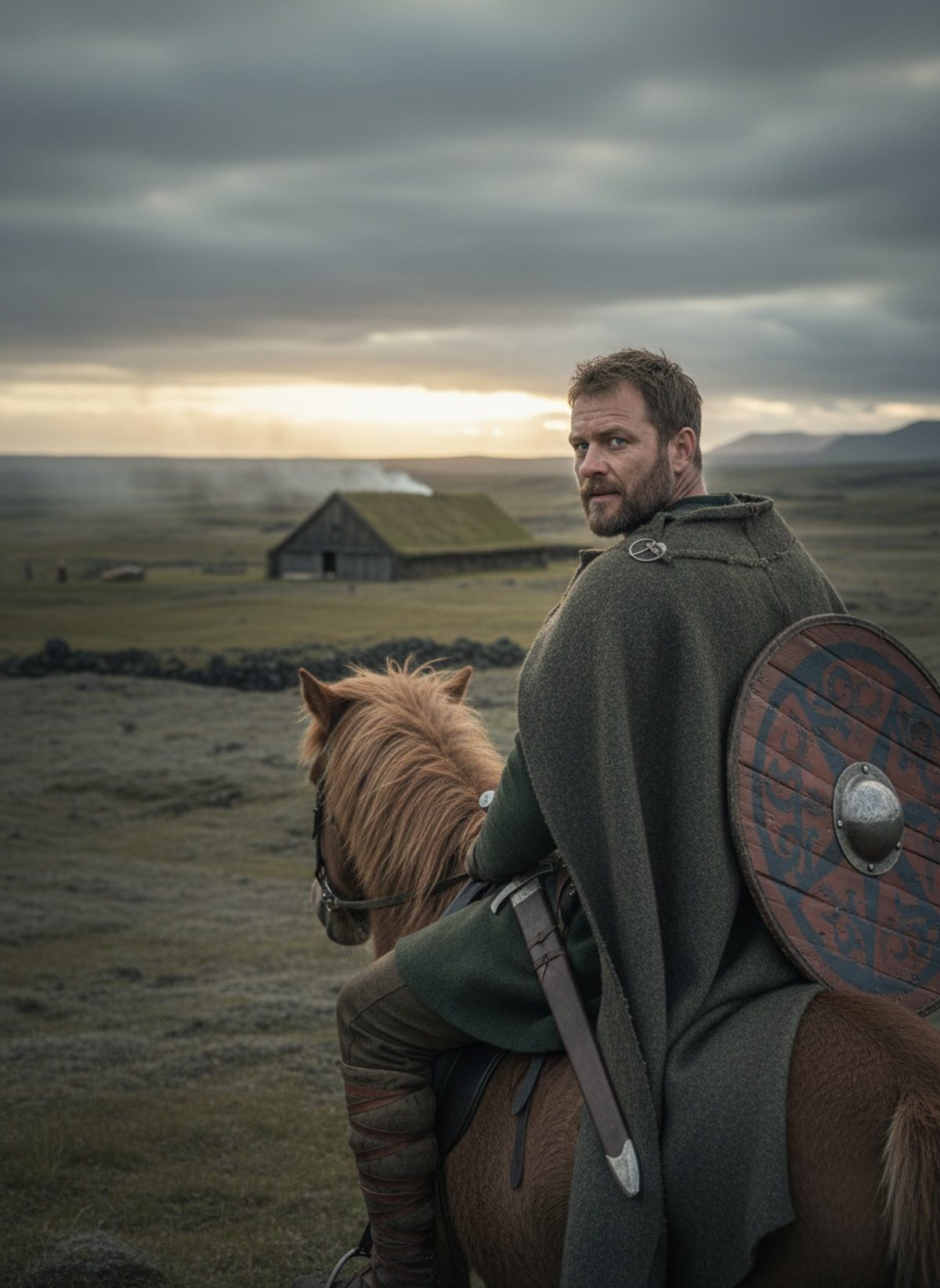
The roar of the sea clashed with the gruff voices of the king's men as Sigvatr Þórðarson stepped on the shore, his steps steady, eyes sharp. Sea spray splattered against his face, mingling with the bite of the cold air. He knew what he faced: King Óláfr Haraldsson, known for his temper as much as his valor. The skald’s heart thrummed a rhythmic beat of defiance and dread beneath his ribs. He had dared to compose verses mocking the king—a perilous dance with a deadly partner. Yet, here he stood, in the eye of the storm, ready to speak his truths before a man who had every right to order his death.
The Day Words Defied the Sword
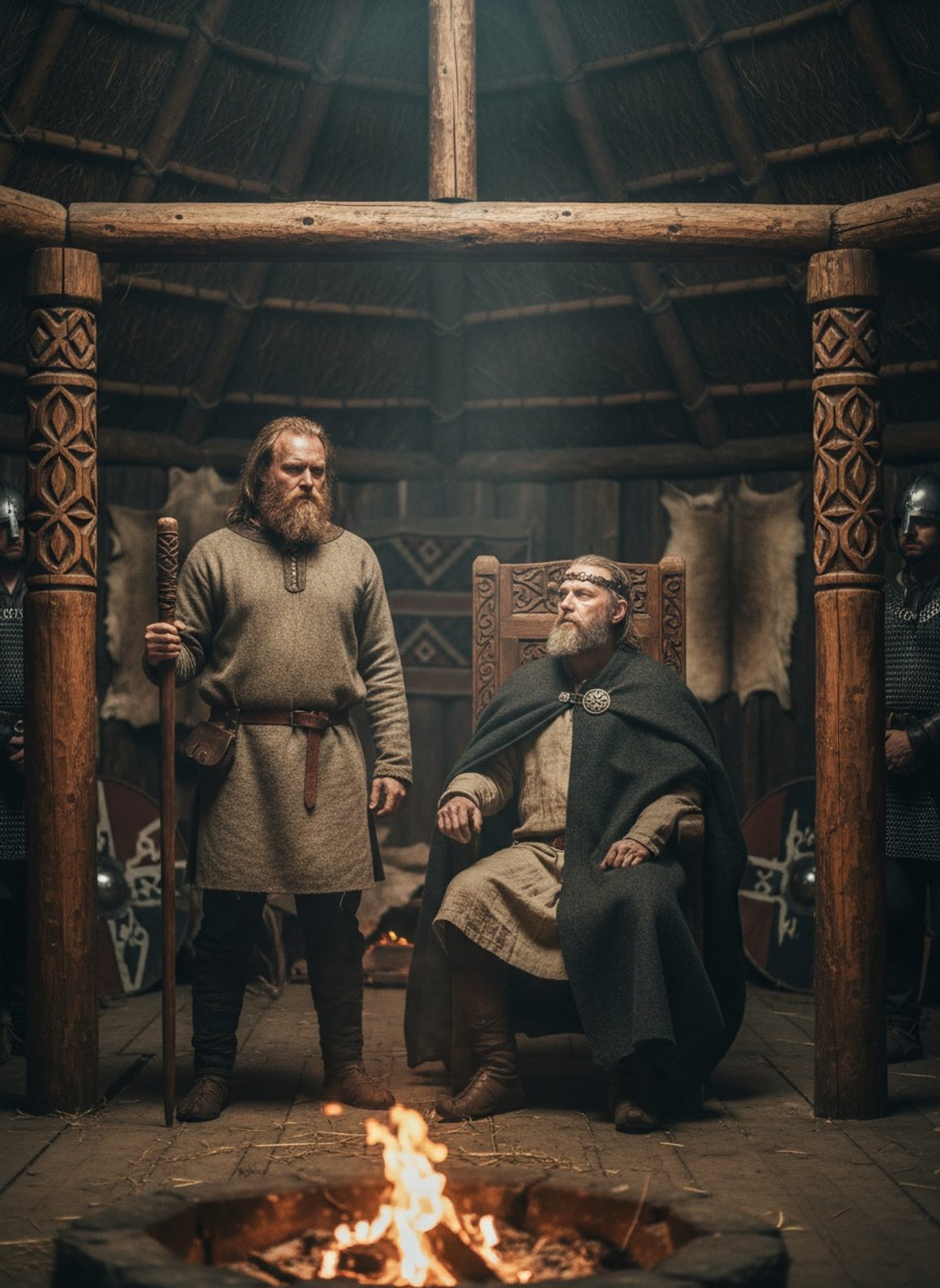
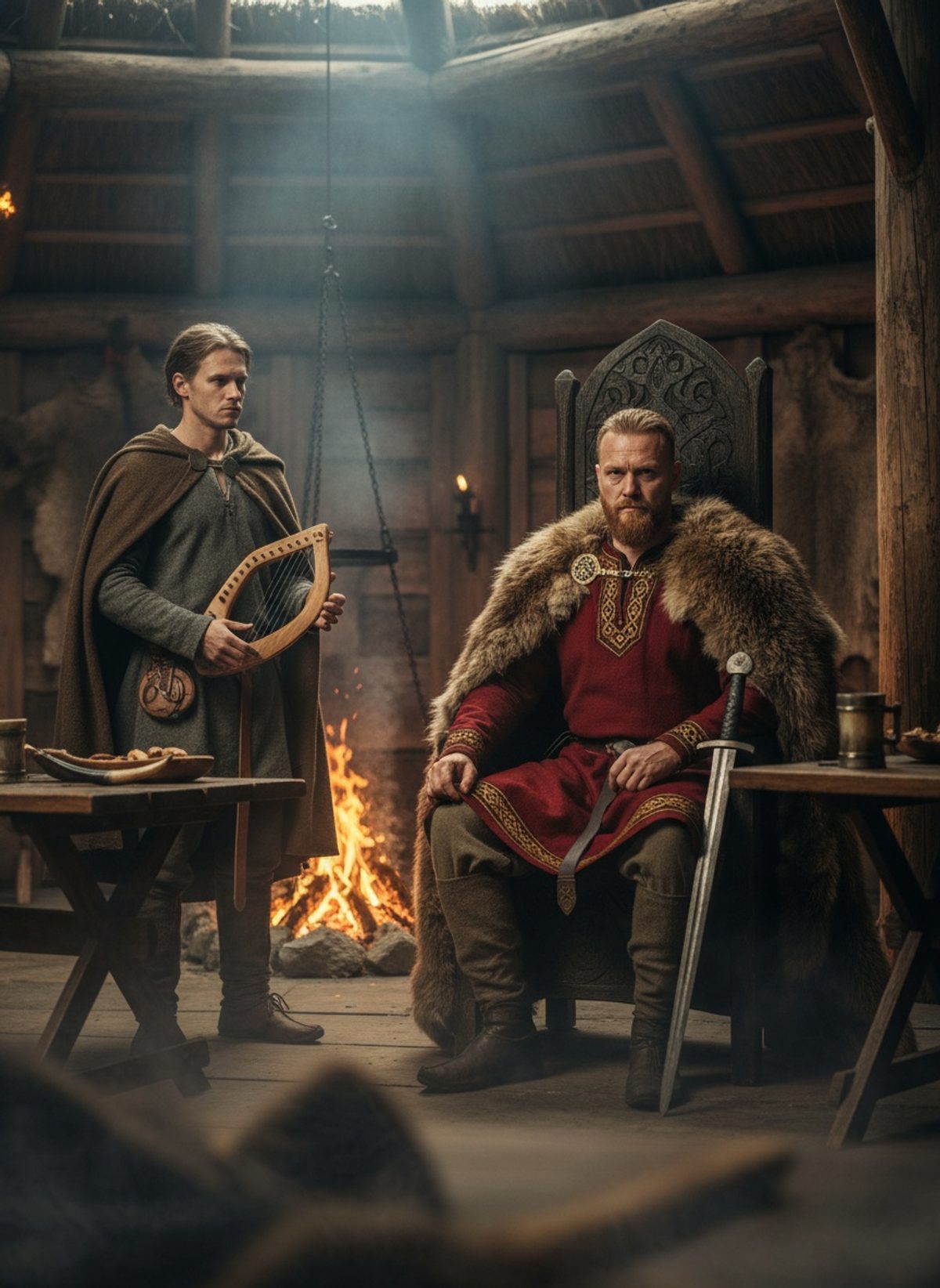
Óláfr Haraldsson's hall was a realm of warrior's might and skald’s eloquence, where the glow of fiery torches churned shadows across the oaken beams. Sigvatr had prepared himself for this, his mind weaving through stanzas and stories. But even the most eloquent words could falter in the face of a king's wrath. As Sigvatr entered, he was met with the stern gazes of the court, their breath suspended in anticipation. A skald's words were respected, often wielded like weapons in their own right. But to wield them against a king? It was a move brazen enough to challenge the gods themselves.
Óláfr, a king whose rise to power reflected both cunning and strength, sat on a bench carved with serpentine dragons, his eyes gleaming beneath the crown's shadow. It was whispered that he had come from the chaos of exile, shaping Norway with equal parts fear and respect. Beneath Óláfr's gaze, even the bravest heart could quail. Yet, Sigvatr stood his ground, his voice a confident thread in the tense air. He recited his verses, each word a careful gambit played in uncertain court.
Skalds held an odd power in those days, their art a paradox of beauty and danger. To speak against a king was to court death. Yet, as Sigvatr's verses unfurled, his words resonated not with disrespect but with the clarity of truth, a mirror held up to power. The hall echoed with the silence that followed, the kind of quiet that registers as relief to those pardoned or falling to those condemned. Óláfr leaned back, his face unreadable, lips pursed, and in that pregnant pause, an unlikely bond began to form.
Read next: Gunnar Was Exiled. He Looked Back Once. He Stayed.
The Birth of Unlikely Friendship
The court watched, a breath caught in collective throats. Sigvatr had thrown the dice. It was Óláfr's turn to decide. Yet, rather than condemnation, the king's lips curved into a surprising grin, a gesture that rippled through the hall’s tense atmosphere. Óláfr, whose warrior's heart beat as strongly as his king’s pride, could have snuffled out the skald's life with a single gesture. But in listening, he found something intriguing—a challenge, perhaps? Or a rare voice willing to speak without the shackles of fear?
Pardoned instead of punished, Sigvatr became more than just a court skald; he grew into a valued advisor and confidant. Their relationship evolved into a dynamic interplay of words and warfare, strategy and poetry. Sigvatr's verses no longer bore ill repute. Instead, they accented Óláfr's reign with tales of strength and wisdom, whispered into the folds of history with a skald's touch.
This friendship was emblematic of the brutality and brilliance that defined the Viking Age. Here was a world where a king could reshape the course of kingdoms, yet still be enchanted—or perhaps humbled—by the raw power of words. Through this partnership, battles were sung into legend, and Óláfr's valor echoed far beyond Norway's fjords.
The Legacy of Listening
The story of Óláfr and Sigvatr is more than an anecdote of unforeseen mercy—it’s a profound reflection on power, courage, and the unexpected harmony found in the balance between authority and art. As the skald’s verses intertwined with Óláfr’s ambitions, they forged a narrative of leadership that surpassed mere dominion. Words became as crucial as the sword in shaping the stories of kingdoms.
Óláfr's decision to spare the skald not only altered his own life but left an indelible mark on the cultural tapestry of his realm. His willingness to listen to dissent, to entertain the possibility of an opposing truth, broadened his understanding and governance. This tale, rooted in the depths of Viking lore, hovers on the edges of mythology and history, yet it remains a timeless testament to the undeniable power of empathy and open-mindedness, even amidst a world asleep under the harsh stars of conquest.
In an age when kings of sword and storm defined destinies, the strange friendship between a warrior and a skald whispers a valuable lesson across the centuries. It is the narrative of a time when listening was more than a virtue—it was survival and transcendence. Standing in the heart of a viking longhouse, where both echoing silence and raucous laughter held sway, the interplay between word and might underscored the true art of leadership. Through its folds emerges an enduringly human story: a king who listened, and a skald who dared to speak. Together, they composed a saga that echoes through the rituals of time.