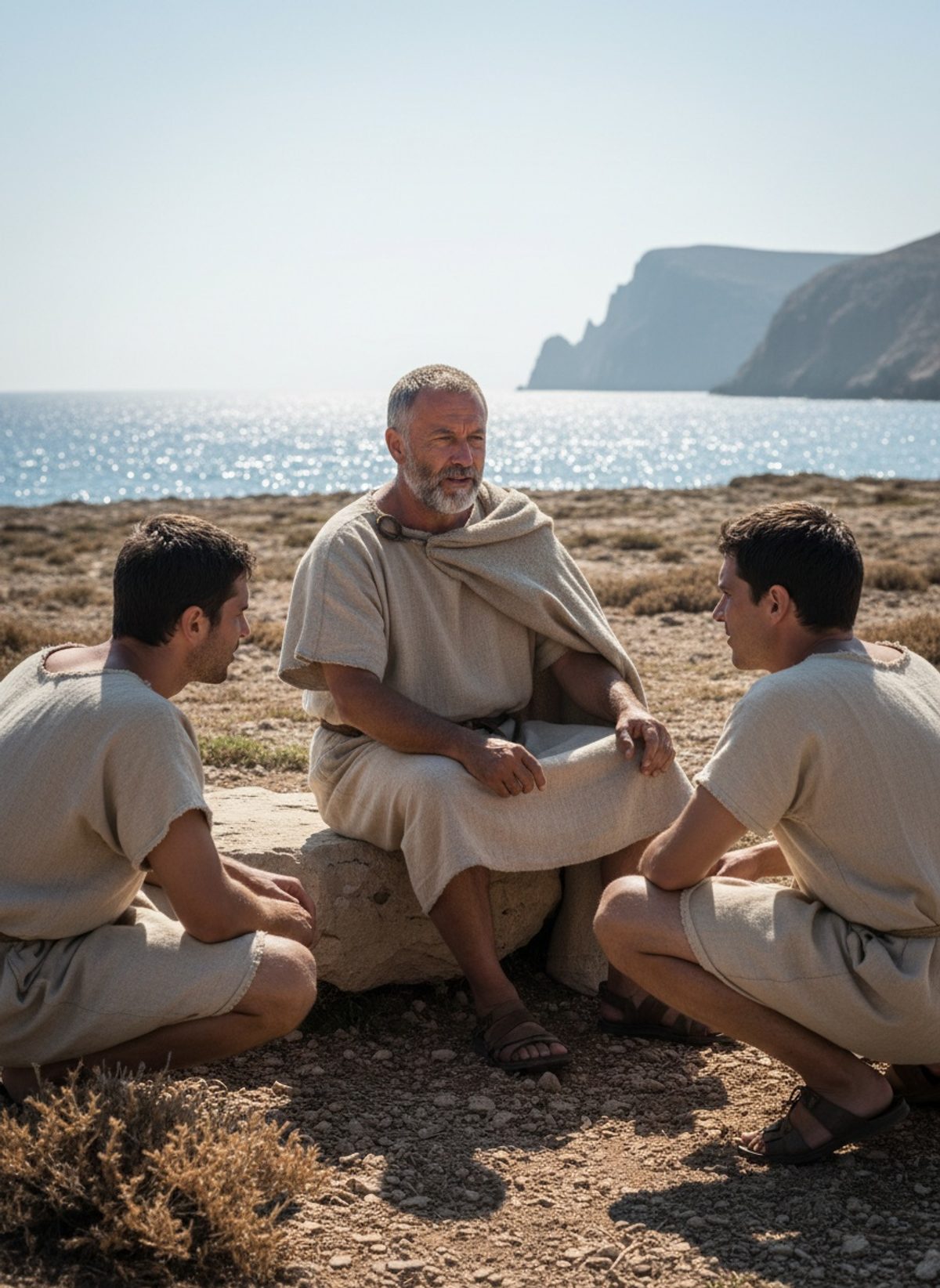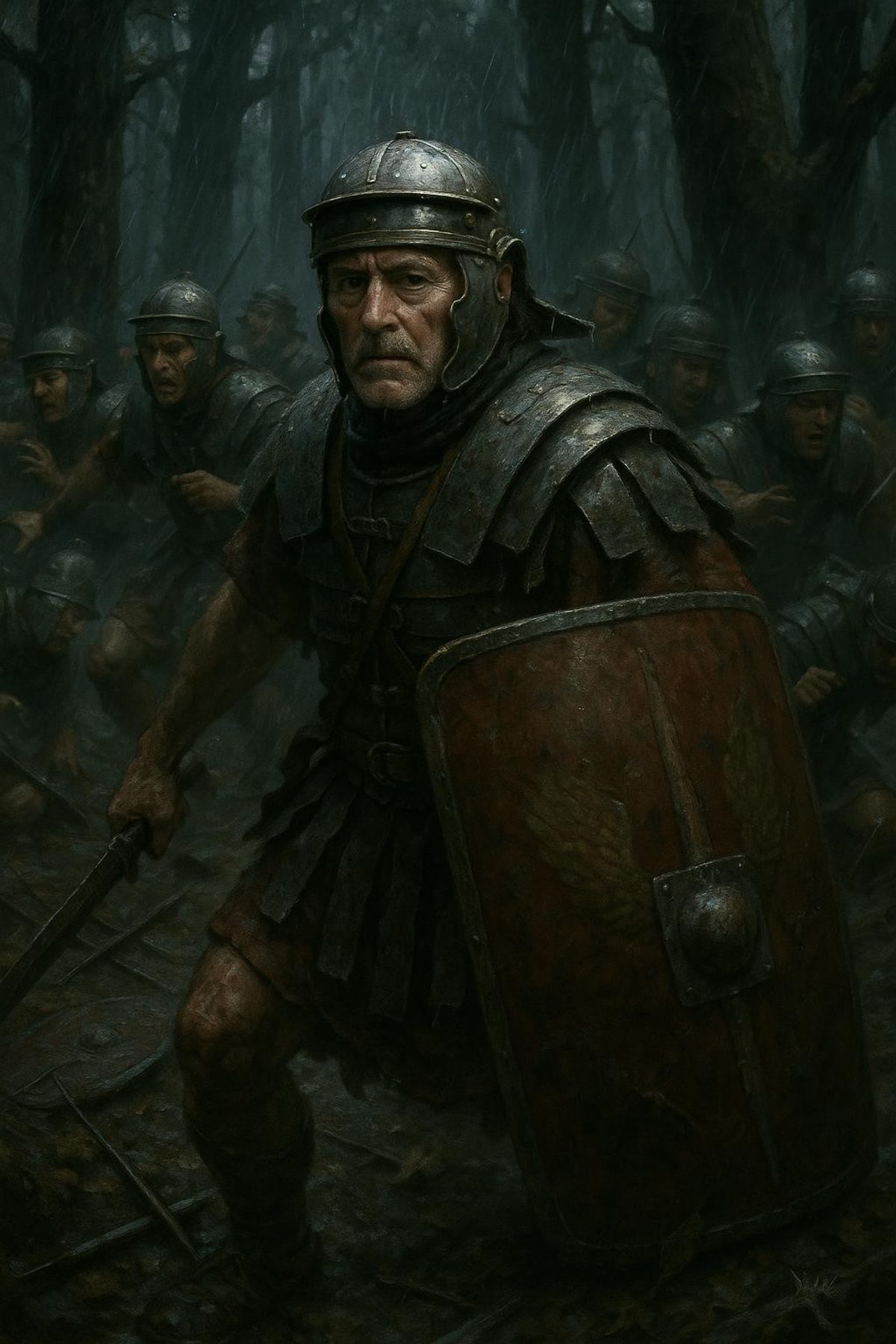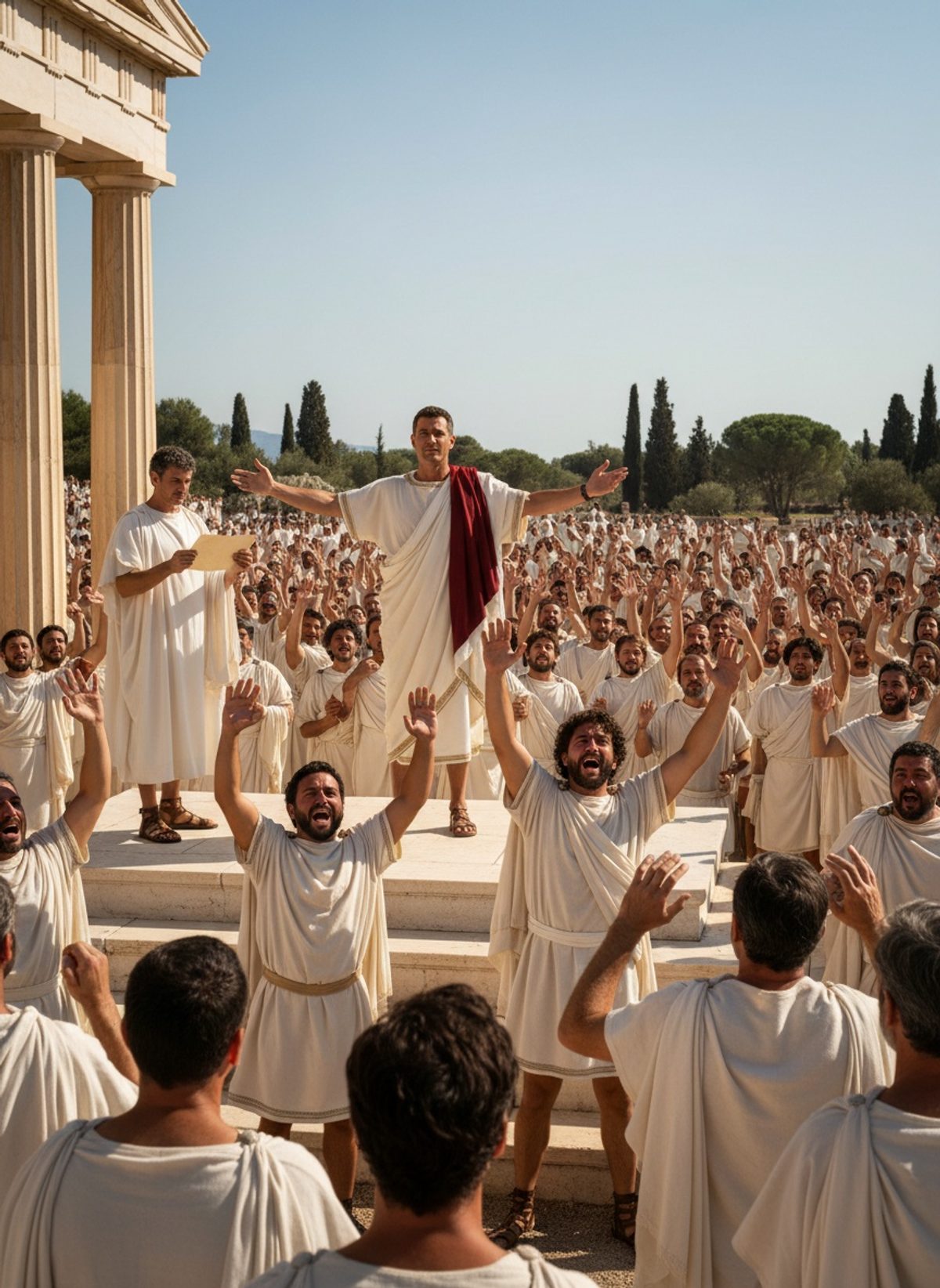
The sun dipped low in the western sky, casting a golden glow across the undulating hills surrounding the camp of King Pyrrhus of Epirus. The evening air was crisp and carried the faint scent of olive groves, rustling softly in the breeze. To the untrained eye, it seemed a serene scene. Yet within this idyllic setting, history was poised on a knife's edge. It was 280 BC, and Rome was on its knees, licking its wounds from a stinging defeat. Inside Pyrrhus’ expansive tent, a different type of battle was about to unfold—a battle not for lands, but for the soul of the Roman Republic.
The Weight of Gold and Honor
Pyrrhus, famed for his strategic genius and warfare prowess, had recently dealt Rome a significant blow at the Battle of Heraclea. His forces, equipped with the terrifying spectacle of war elephants, had trampled Roman soldiers into the dust. Convinced of his superiority, Pyrrhus extended an olive branch wrapped in gold to Rome’s envoy, Gaius Fabricius Luscinus, in hopes of fracturing Roman resolve. In the dim light of the tent, coins of gold shimmered enticingly on the table. Pyrrhus, with a tactician's smile, gestured with a flourish to the fortune. All Fabricius needed to do was beckon Rome into surrender.
However, Pyrrhus had misjudged his guest. Fabricius, a man of humble origins, known for his integrity and simplicity, was unshakable. He glanced at the treasure with disinterest, a soft laugh barely escaping his lips. Fabricius's refusal was firm and respectful, his focus on a truth Pyrrhus failed to grasp—honor it seemed, wore a heavier mantle than gold in the Roman mind.
The Elephant in the Room
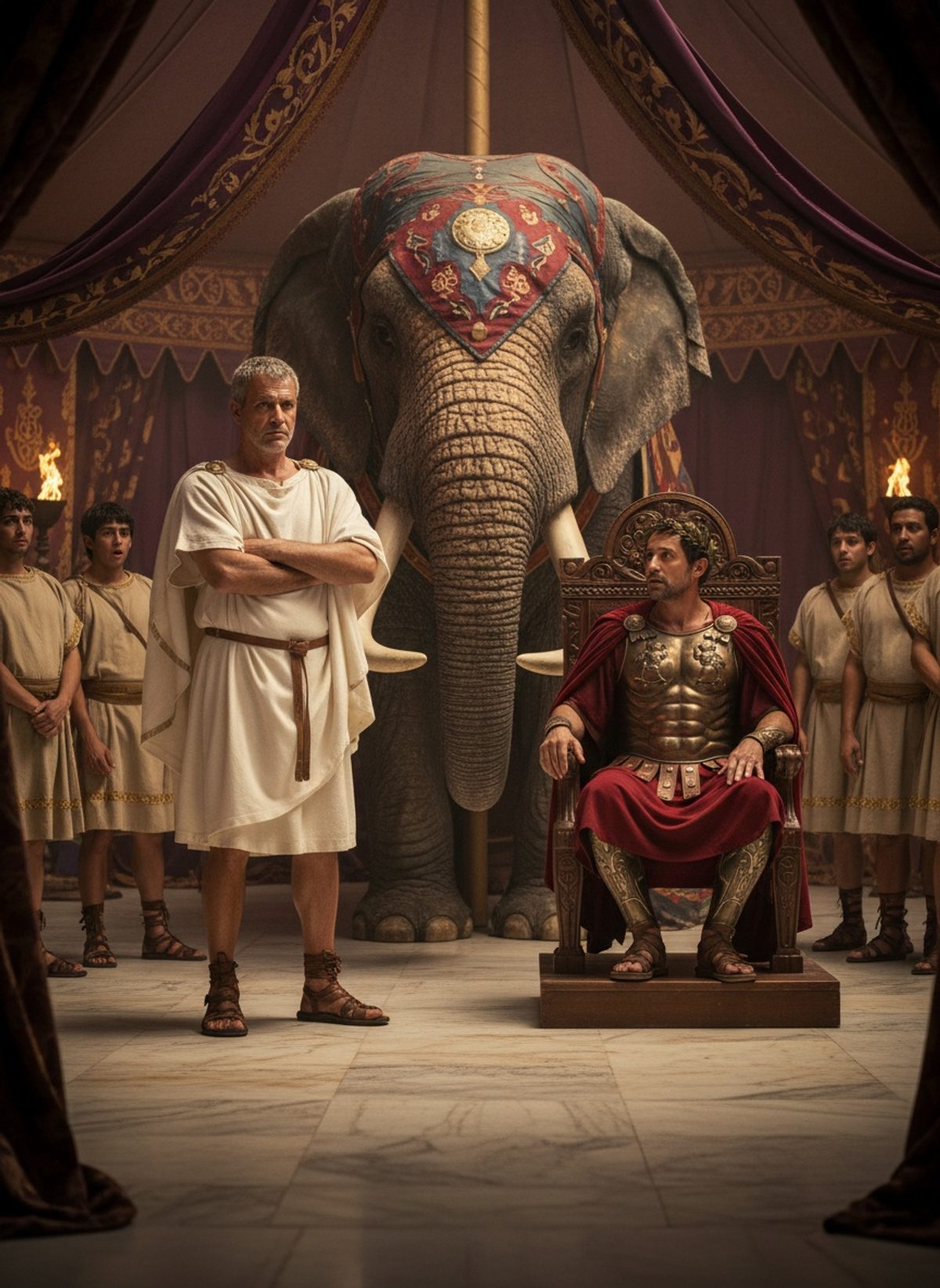
As the night progressed, Pyrrhus, determined to bend Fabricius's will, unveiled his second spectacle. A hush fell over the tent as the king commanded an elephant, hidden behind a curtain, to trumpet its mighty roar. The sudden bellow and the massive creature's looming presence were intended to shake the Roman’s stoic facade. The spectacle might have broken men of lesser constitution, trading fear for submission.
Read next: Servilius Refused the Triumph. Rome Was Stunned.
Yet, Fabricius remained, unperturbed. He turned calmly to gaze upon the elephant, then turned back to face Pyrrhus with a composed smile. Though Pyrrhus had underestimated him, Fabricius understood the maneuver—a king aiming to buy submission through intimidation. For Rome, and for Fabricius, these were contests as significant as any fought on the battlefield, a battle of ideals that could not be swayed by fear or augmented by force.
Lessons in Resolve
The days that followed were defined by the tension of expectations. Pyrrhus, realizing his offers of wealth and spectacle had failed, devised another plan. He expected Rome to crumble under continued pressure, but the message brought back by Fabricius only fortified Roman resolve. Pyrrhus had underestimated the power of subtle defiance—an error granting Rome time to regroup and strategize.
Fabricius's actions rippled through Rome, nourishing the mythos of its citizen soldiers. Rome, still young in its expansion, held tight to stories exemplifying virtue over vice, honor over ignominy. Fabricius emerged as an icon of civic virtue, illustrating the intangible qualities that defined Roman identity during this era—a steadfast refusal to yield, a narrative deeply embedded in Roman consciousness.
The Legacy of Fabricius's Stand
Fabricius’s firm stance at Pyrrhus’s court is a parable whose echoes lasted far beyond his time. In suppressing greed and fear when Rome itself faltered, he became a vessel of Roman ideals, serving as an enduring reminder that conquest is not solely shaped on the battlefield. Fabricius returned to Rome with his honor intact, a living testament to resilience in the face of overwhelming odds—a nuance often lost in grand military historiographies.
In a world that favored grand gestures and sweeping victories, Fabricius's encounter with Pyrrhus stood unique, lending a more profound insight into the heart of Rome. Even centuries later, as the empire stretched its vast reach across continents, the story of Fabricius offering the tale of a moral triumph—an incremental, yet indispensable strength that defined an emerging Republic. At its core, his story underscores the significance of honor and integrity, principles even mightiest of war elephants could not overshadow.