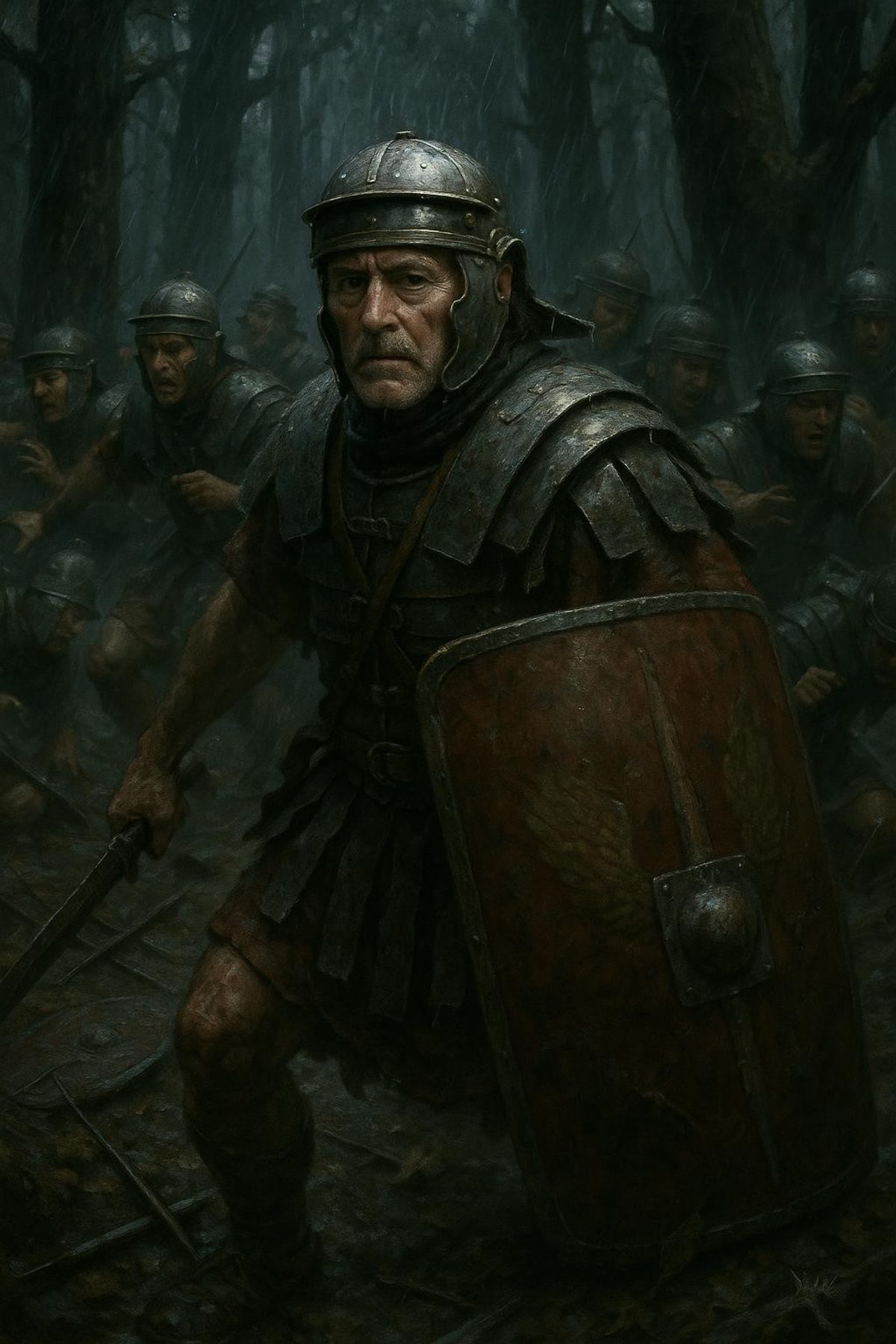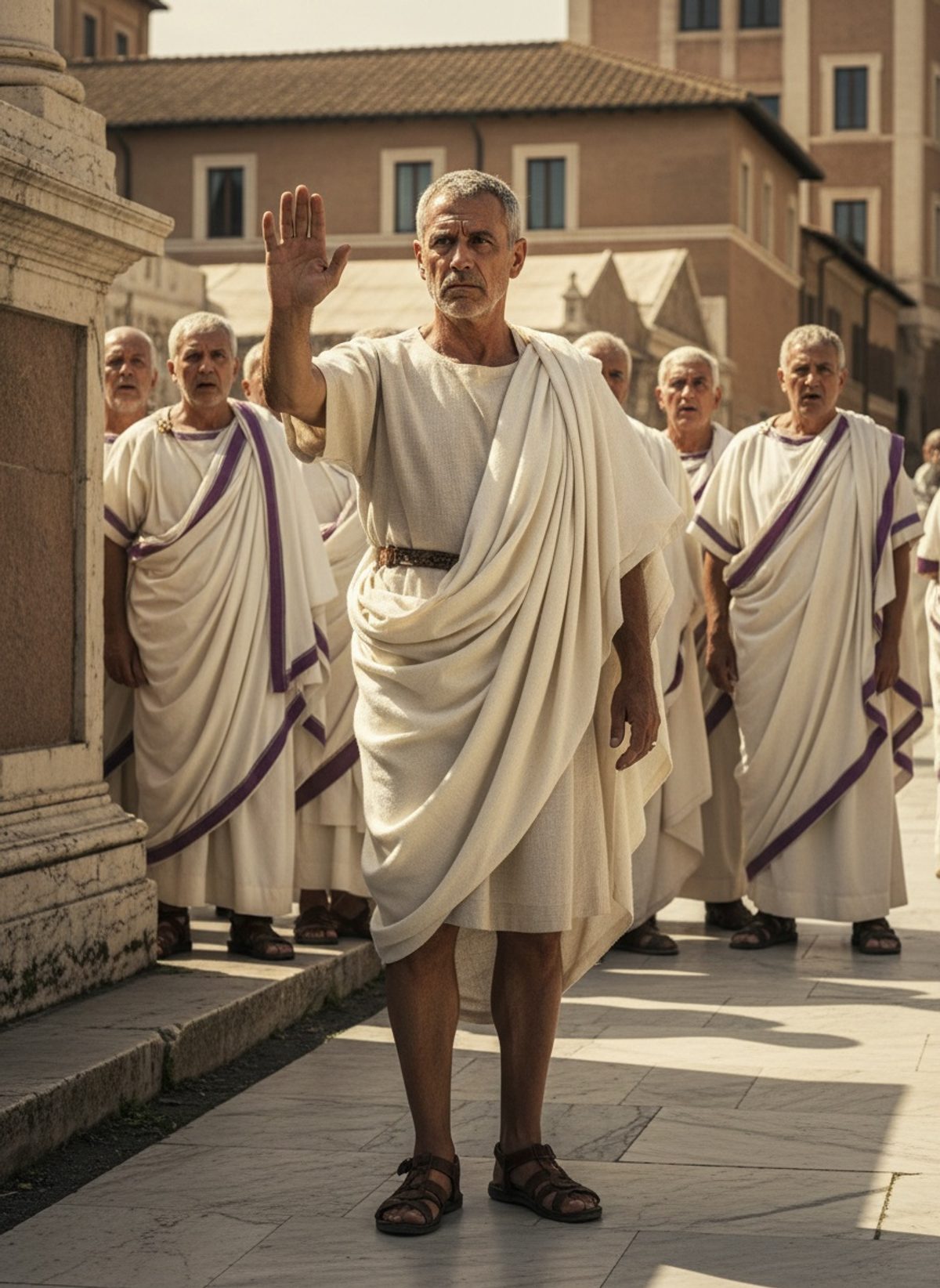
Musonius Rufus influenced the future of Stoicism with his unwavering dedication. Yet, he did so from exile on a windswept, barren island.
Constraint Breeds Resilience
In 65 AD, Emperor Nero was a looming, unpredictable force in Rome. Seeking control over any who opposed him, Nero looked disdainfully at figures like Gaius Musonius Rufus, a prominent Stoic philosopher who dared to challenge the narrative of tyranny and self-indulgence. Musonius, accused of participating in the Pisonian conspiracy, found himself banished to Gyara, a desolate rock amid the Aegean Sea. A place described as "harsh and devoid of human culture," Gyara was designed to suppress dissent. Yet, for Musonius, adversity was not a gulf but a provocation to live and teach the Stoic virtues he held dear.
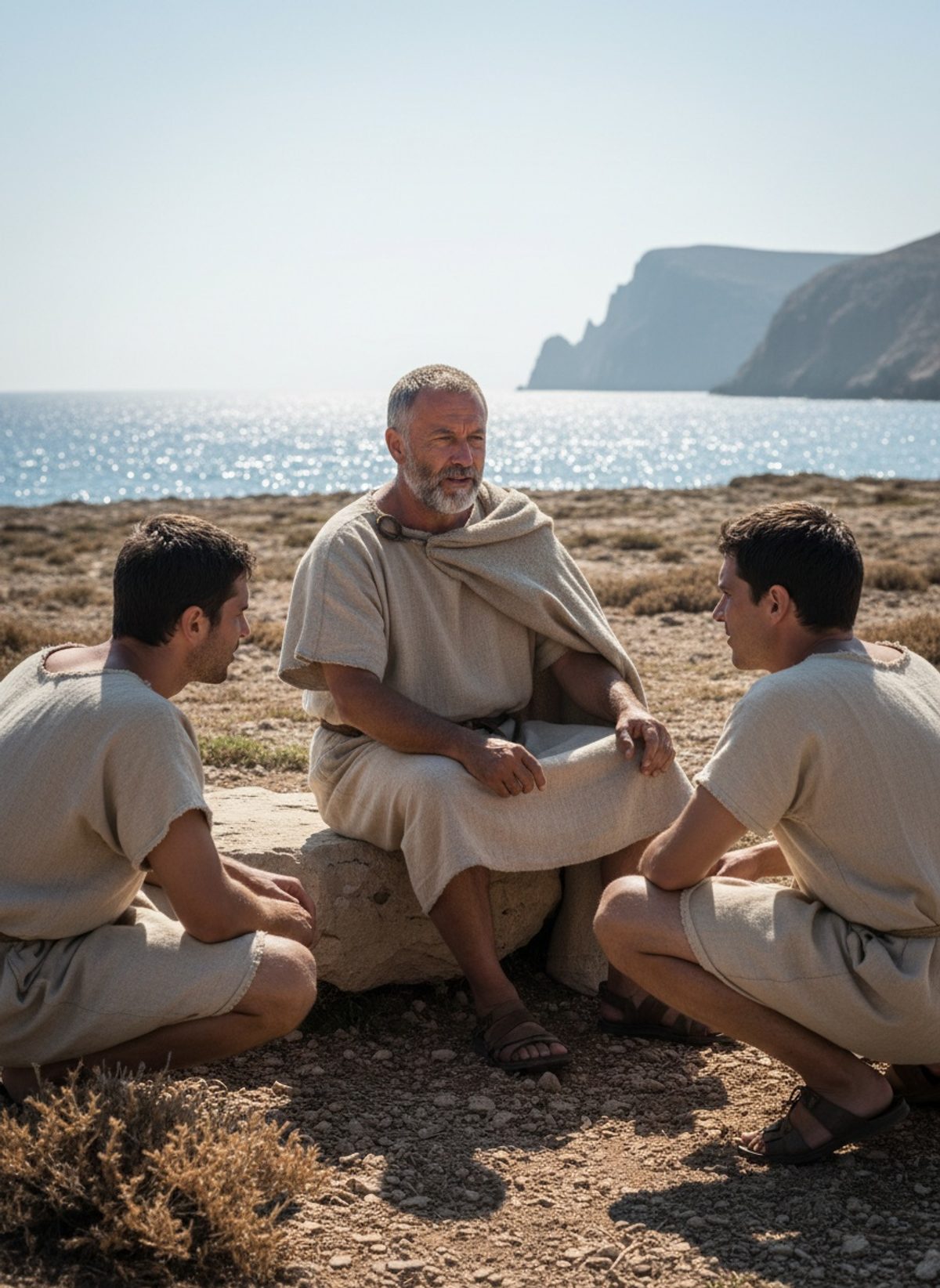
Stoicism, with its core focus on embracing hardship and cultivating inner resilience, found a living testament in Musonius' actions. Rather than succumbing to the barren isolation of Gyara, he transformed constraint into an unexpected opportunity. By day, he labored with hands accustomed to finer pursuits, digging ditches in the rocky soil. By night, the barren island became a classroom, as Musonius continued to teach philosophy under the vast, indifferent sky, drawing listeners with his wisdom and tenacity.
The Philosophical Haven Beyond Rome
Musonius Rufus' teachings in exile were not lost on the unyielding winds of the Aegean. Word of his resilience reached the mainland, igniting a spark among followers and curious minds who braved the treacherous sea to join him. Among these were the island’s guards and a spectrum of truth-seekers, drawn by a man who embodied the very ideals he professed. It was here, far removed from the opulence of Rome, that Musonius carved a philosophical haven.
Read next: Sertorius Stood Before the Senate. He Walked Out.
The essence of Rome's greatest Stoic now intertwined with the jagged stones of Gyara, where every lecture delivered was a meditation on freedom from material possession and the mastery of self. These were not merely theoretical discourses but lived experiences from a man immersed in his doctrine. Even the harshness of the island conspired to offer authenticity, emphasizing a life unburdened by opulence and attentive instead to the cultivation of virtue. It became a potent, living lesson, showcasing that philosophy transcended the physical space and political turmoil of Rome, embedding itself instead within the fibers of the human spirit.
From Exile to Esteem
Amidst the backdrop of turmoil in Rome, Nero's reign crumbled, his fall culminating in 68 AD. With it, the grip of oppression lifted slightly, and Musonius was reinstated under Emperor Galba. Yet, his exile would not leave him unchanged. He returned with teachings enriched by the harshness of Gyara, resonating with earnest clarity and purpose that captivated even the skeptical minds of Rome.
In the years that followed, Musonius played a critical part in shaping the Stoic discourse of the Roman world. He stood at the forefront of crucial philosophical debates, wielding influence not through imperial decree but through the truth of his lived experience and the integrity of his teachings. His notoriety in Rome, paired with the respect he garnered from students like Epictetus and Dio Chrysostom, only solidified the influence of his philosophies.
Stoicism Amidst Strife
Life under the rule of Emperor Vespasian, however, still posed challenges for philosophical movements. As Vespasian sought to rid Rome of its philosophers, Musonius found himself, once again, at odds with authority. Despite this, he remained in the city longer than most, his reputation serving as a testament to the efficacy of his ideas. By 75 AD, he faced another exile, though his resolve remained unwavering and his legacy growing. Returning to Rome after Vespasian’s death in 79 AD, Musonius Rufus reclaimed his place among Rome’s philosophical elite, untarnished and imbued with the knowledge that exile had afforded him.
The themes championed in Musonius' teachings, compiled through the reverent efforts of students like Lucius and Pollio, resonate beyond their immediate context. They traverse questions of gender equality, the nature of exile, and the noble pursuit of philosophy, offering insights into a world grappling with chaos. His discourse on the non-evil nature of exile, for instance, not only highlights his enduring resilience but also offers a compelling reframing of hardship as intrinsic to personal growth and philosophical understanding.
The Stoic's Enduring Whisper
Musonius Rufus’ life exemplifies an unwavering commitment to principle amidst the unchecked whims of rulers. His time on Gyara proved that philosophy, when lived earnestly, can transcend physical and political confines, resonating through history. In prioritizing virtue over comfort, and wisdom over wealth or power, Musonius set a standard for philosophical integrity that extends well beyond Rome’s ancient streets and the Aegean’s rocky shores. In an age where the exercise of unchecked power stifled voices, his teachings provided a quiet revolution of thought, promising future generations a path through their own trials.
Today, as we reflect on Musonius Rufus’ enduring narrative, it challenges us to contemplate the force of ideas unbound by circumstance. In examining his life, enriched and tested by exile and return, we are reminded that true influence may be found not in sweeping power or ostentatious grandeur, but in the subtle, steadfast cultivation of character and reason.