203 BC. The scent of victory hung heavy over Rome.
The Glorious Triumph That Never Was
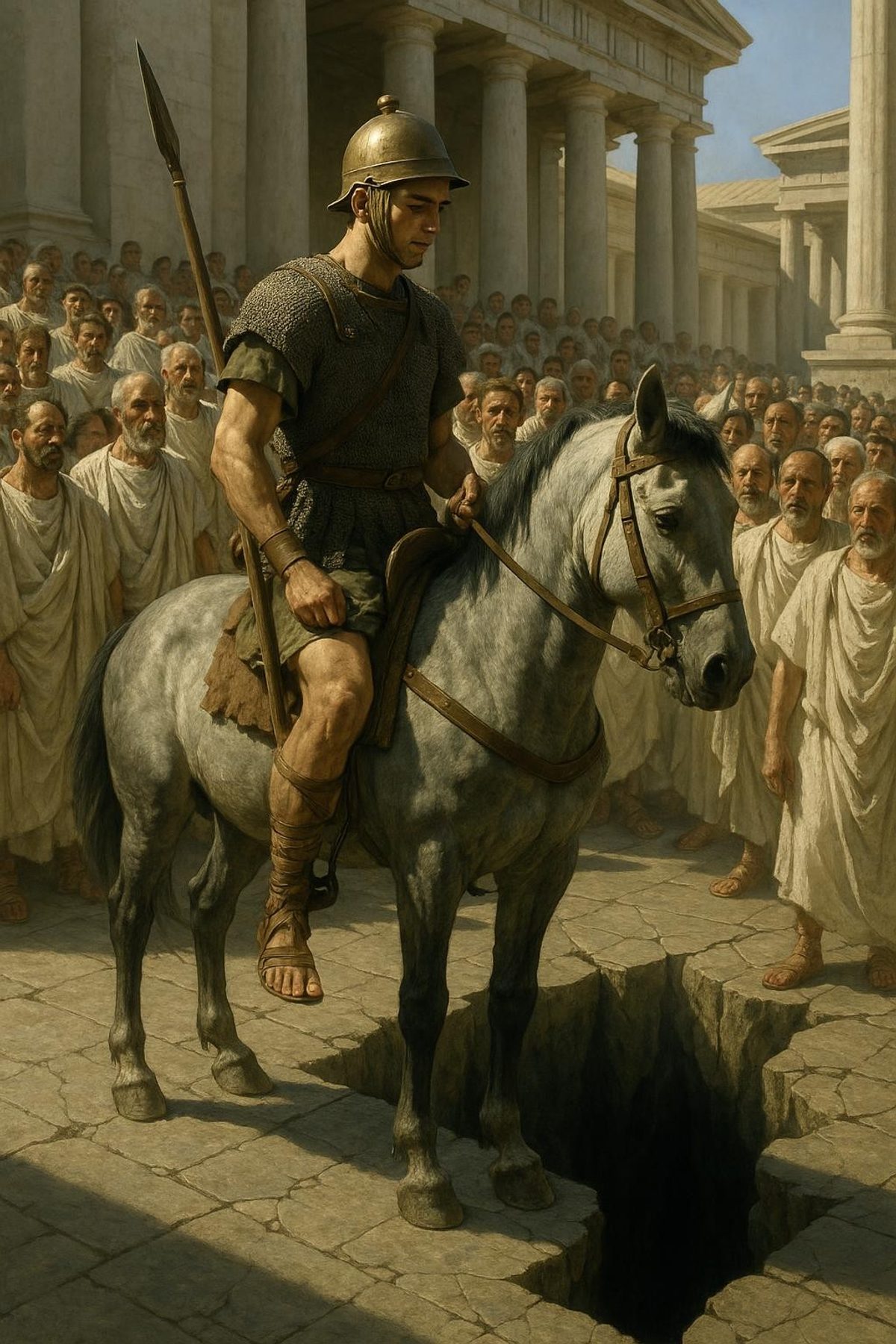
In the calendar of Roman conquests, 203 BC was destined to be remembered as a year gilded by triumphs, yet it produced a moment that bewildered even the most seasoned Roman senators. The illustrious General Gaius Servilius Geminus had emerged victorious against Rome's relentless adversaries, earning a victory on the blood-soaked fields of Cisalpine Gaul. It was a moment where fate seemed to smile upon Rome, as Geminus' army decimated their enemies with an orchestrated ferocity that would echo through the annals of time.
Gaius Servilius Geminus, a scion of the patrician gens Servilia, had an illustrious career that had begun in his youthful endeavors as a supplier of grain during the siege of Tarentum. His rise through Roman political and military ranks was marked by tenacious service to the Republic—serving as praetor over Sicily and later taking the mantle of consul in tandem with Gnaeus Servilius Caepio. However, the arena of marble-laden halls longed to celebrate his latest triumphs.
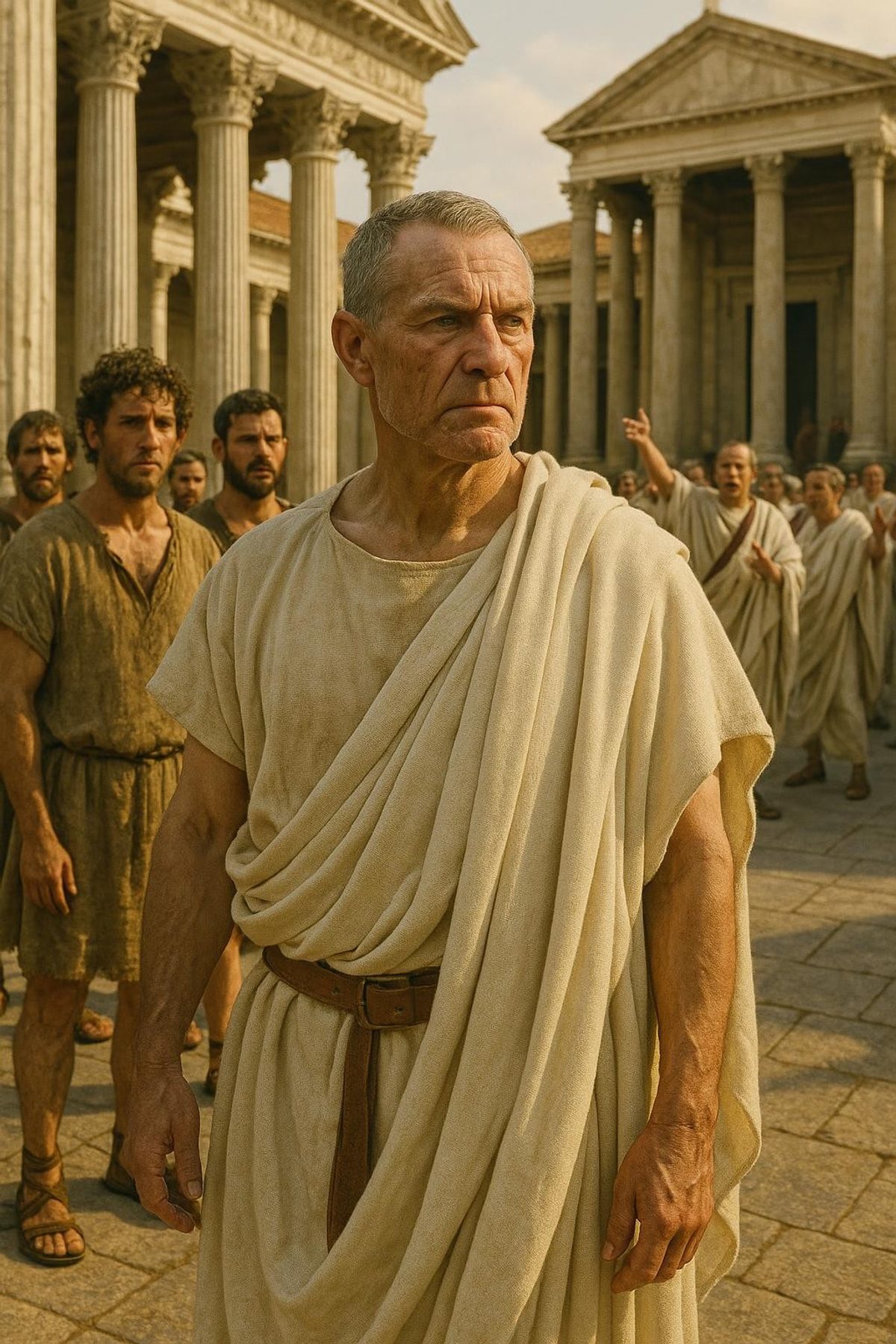
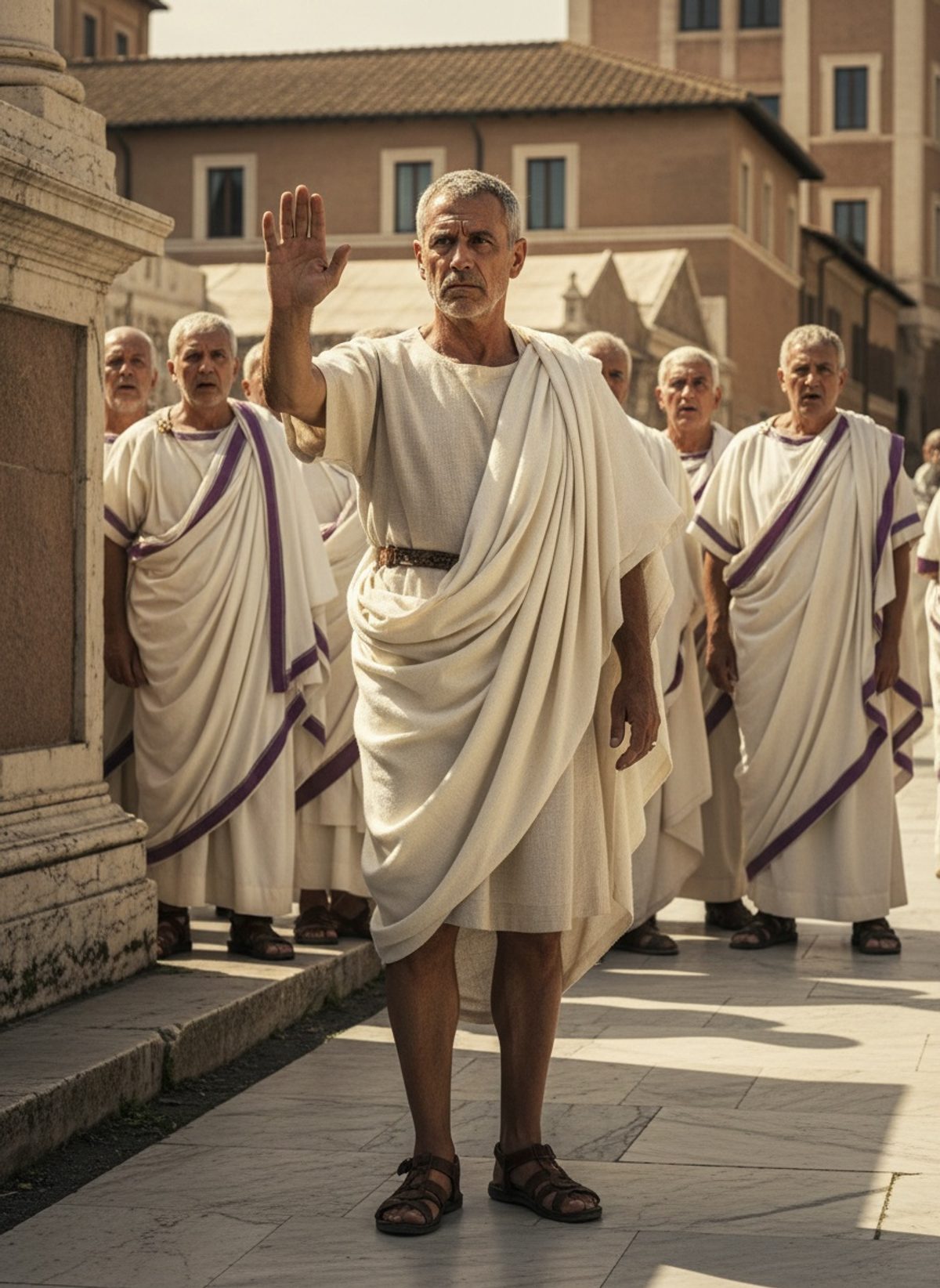
Yet, the triumph in Rome—an ostentatious procession all but assured to a victorious general—was, for Geminus, a bitter pill he refused to swallow. As the Senate prepared laurel crowns and resplendent chariots, they were met with an unprecedented refusal. Geminus stood before them, a visage carved of resolve and lament, proclaiming that the victory was not his to claim. Instead, he pressed with undeniable conviction that it belonged to the dead, to those who had bled and fallen for the Republic. His refusal sent a tremor through the Senate, leaving them flanked by silence and disbelief as echoes of unclaimed glory reverberated along the hallowed walls.
Read next: Boudica Burned Londinium. Rome Never Forgot Her Name.
Beyond Personal Acclaim: A General's Dilemma
Geminus' decision was more than a personal act of humility; it was a prevailing assertion against the culture of heroic individualism. In a society where triumphs were paraded with opulence, Geminus challenged the very tenets that lauded an individual's glory over the collective sacrifice of Rome's legions. His refusal was unexpected and momentous—a gesture that eschewed personal honor, elevating instead the valor of soldiers whose names would never grace the annals of history with renown.
Driven by a profound respect for his men and perhaps haunted by the specter of conflict's lingering toll, Geminus exemplified a rare strain of leadership. He possessed a clarity of vision unclouded by the prospects of ephemeral accolades. The decision to decline the triumph resounded not only as an ethical stand but a philosophical confrontation against the systemic exaltation of singular heroism, of which the Roman State had grown accustomed. Rome thrived on the lifeblood of its legions—each soldier's duty bound to the honor of the Republic, and Geminus' act was a compelling reminder of that covenant.
Romulus’ Forum had never before witnessed such an articulate deference. His refusal to parade through the Eternal City as conqueror carved a new place in history, a narrative that veered away from hubris to recognize honor due to the ostensible anonymity of the collective. Roman society was forced to pause, its bellicose heart discerning a universal truth: that victories were neither solitary warriors nor celebrated leaders, but a testimony to the price paid by blood and courage.
A Legacy Worth Remembering
The ripple of Gaius Servilius Geminus’ refusal ebbed far beyond the shadow of the Roman arches, resonating through future generations as a timeless tale of integrity and reverence. In the expanse of time, his decision emerged as both a challenge and an inspiration—a challenge to the conventional glorification of singular heroism and an inspiration toward selfless acknowledgment.
In his later years, Geminus would become the Pontifex Maximus, yet it was this singular episode of defiance that would immortalize his name differently. Here stood a man who linked Roman valor not with the triumphant chariots, but with every soldier whose spirit infused the Republic's fields with valor and sacrifice. The impact of his decision underscores an age-old truth—true legacy and honor are boundless, transcending the confines of personal glory.
As Rome marched forward, indomitable in her conquest, Gaius Servilius Geminus' remarkable story continues to illuminate forgotten corridors of history. It reminds us that acts of humility and integrity possess a resonance that outlasts marble monuments and gaudy processions. When society stands at such a precipice, recognizing the invisible bonds of duty and sacrifice, we are reminded why acknowledging the unseen legions behind every victory matters. For Geminus, victory truly belonged to the dead, and it is that humble acknowledgment that bestows upon him the greatest triumph of all.