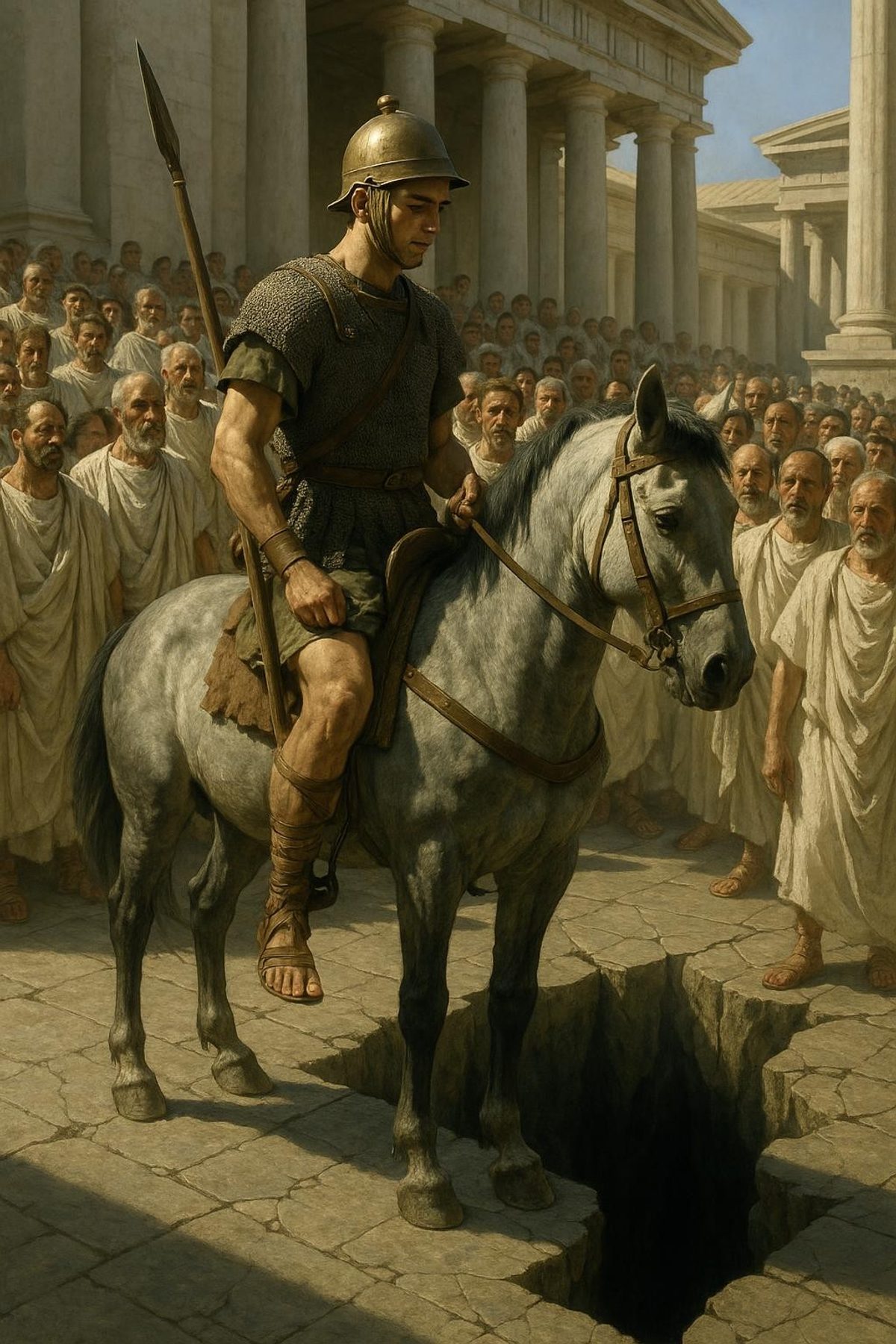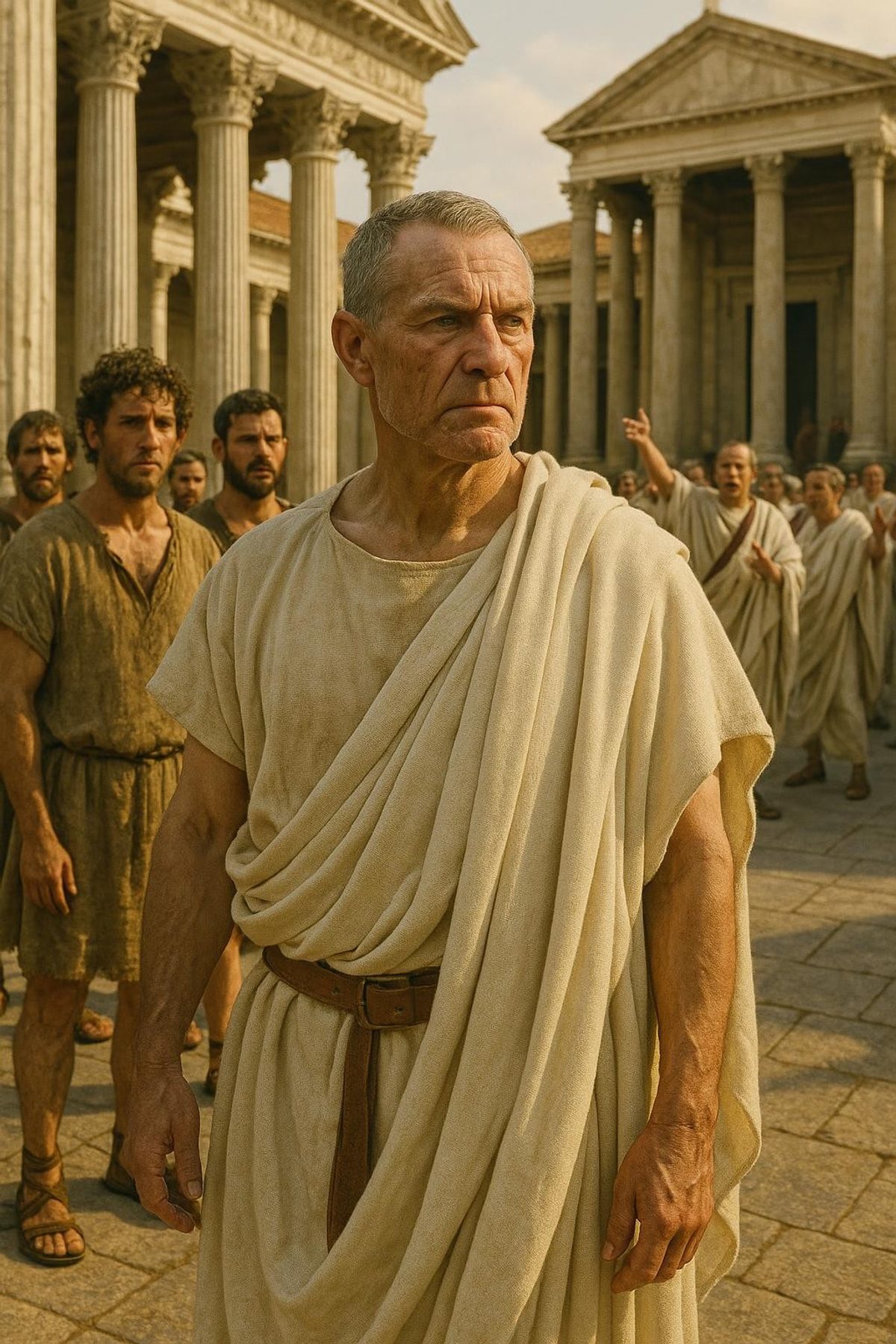
73 BC. The Mediterranean sun glinted off the polished marble columns of the Roman Senate, casting long shadows across the forum. Here, in the heart of Rome, a momentous decision weighed heavily on the city and its ambitious men.
Quintus Sertorius stood before the Senate, a figure surrounded by intrigue and defiance. Once a faithful son of Rome, his path now diverged sharply from the hopes of the nation. Romans who knew him remembered a skillful general who could turn the tide of battle with his strategic mind. His life was a saga driven by conviction, starting from his beginnings in Nursia, a place of little renown in the Sabine territory. Sertorius crafted his own legacy, one sketched from humble roots and propelled by profound dedication to the Republic—or rather, an idealized vision of what the Republic should be.
His rise through the political and military ranks was relentless. Sertorius honed his talents during the Cimbrian War, earning respect and allies. His command presence was sharpened fighting under Gaius Marius, and later in the Social War, it became unmistakable. Yet his ambitions clashed with the shifting tides of Roman politics. Key alliances during the civil wars thrust him into a quagmire of power plays and betrayals. In 88 BC, the collapse of his bid for the plebeian tribunate marked the beginnings of a personal vendetta with Sulla, shaping his actions in years to come.
When Lucius Cornelius Sulla proscribed Sertorius in 82 BC, marking him as an enemy of the state, the die was cast. However, unlike many who withered under such pressures, Sertorius was not easily subdued. He fled to the rugged landscapes of Hispania, turning his exile into an opportunity. Here, in the fringes of the Republic, where Roman legions often struggled, he garnered the respect of native Iberians and exiled Romans. A tamed white fawn became his curious companion and an emblem of his supposed divine favor. To both Romans and Iberians alike, this creature added an aura of mystique, a gentle reminder that even nature seemed to side with him.
Read next: Servilius Refused the Bribe. Rome Watched.
In Hispania, Sertorius waged not one war, but many. It was a conflict as much about hearts and minds as it was about battles and blood. He employed guerrilla tactics unfamiliar to his Roman adversaries, much to their chagrin. His genius lay in his ability to adapt, to understand that in the sprawling terrain of the Iberian Peninsula, traditional tactics could not claim victory. From his base, he controlled almost the entirety of Hispania, a testament to both his military prowess and political acumen.
Yet, it was his surprising clemency that truly set him apart. In 73 BC, when Rome demanded he execute his prisoners, Sertorius faced a decision with significant consequence. Instead of yielding to expected cruelty, he chose mercy—one of the few Roman generals who could muster compassion amidst warfare's chaos. This defiant kindness alienated the Senate further while endearing him to the local populace. Some saw him as a liberator, elevating his stature from outlaw to champion in the eyes of many Iberians.
Rome, resolute and unyielding, responded with Pompey and Metellus Pius, seasoned generals meant to snuff out Sertorius's rebellion. Battles raged; victories and defeats wove the complex tapestry of warfare on the Iberian soil. The famed Battle of Lauron in 76 BC was a highlight—a moment when Sertorius outmaneuvered Pompey, delivering a tactical lesson that would linger in Roman military lore. However, fortune is a fickle ally. Sertorius found himself increasingly isolated as setbacks mounted and allies waned. Skepticism sprouted like weeds among his ranks, and amidst the discontent, the seeds of betrayal took root.
In quieter moments away from the battlefield, dissension swirled around him. Confidence in his ability to deliver a definitive victory eroded, leading to whispers that would ultimately doom him. Marcus Perperna Veiento, a trusted lieutenant, plotted in the shadows. The culmination of years of struggle ended not with a flourish of arms, but a treacherous dinner where Sertorius fell—not to foreign swords, but the knives of those he once trusted. The year 73 or 72 BC marked his untimely end, closing a chapter of Roman history that throbbed with both admiration and antipathy.
The rebellion collapsed soon after, absorbed by the machinations of Rome’s inexorable expansion, leaving only echoes of Sertorius's dream echoing across the Iberian hills. Despite the end, his story lingered—a potent reminder of defiance against tyranny, the complexities of identity, and the weighty costs of power.
Reflecting on the legacy of Quintus Sertorius invites contemplation on the malleable fabric of history, woven by individuals who challenge the status quo. His narrative, a mosaic of valor, compassion, and rebellion, prompts us to consider the extent to which true leadership might stand at odds with prevailing norms. What does it mean to be a leader—one who fights not for the might of empire but for the spirit of equity and hope? Sertorius's story, untaught in classrooms yet alive in the annals of unheralded history, serves as an enduring whisper from the past, asking us to listen, learn, and ponder.