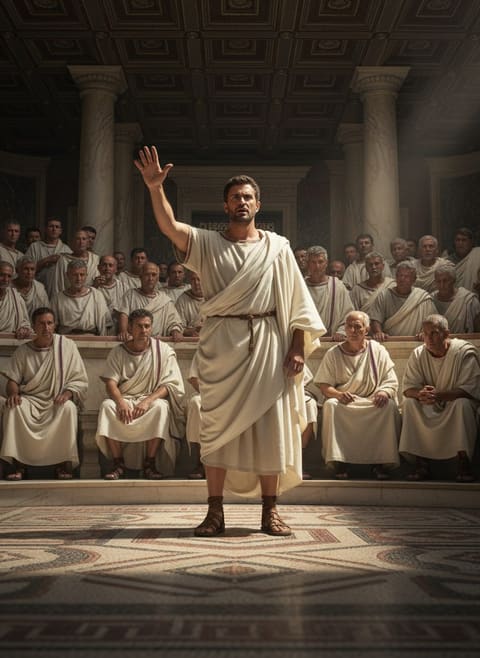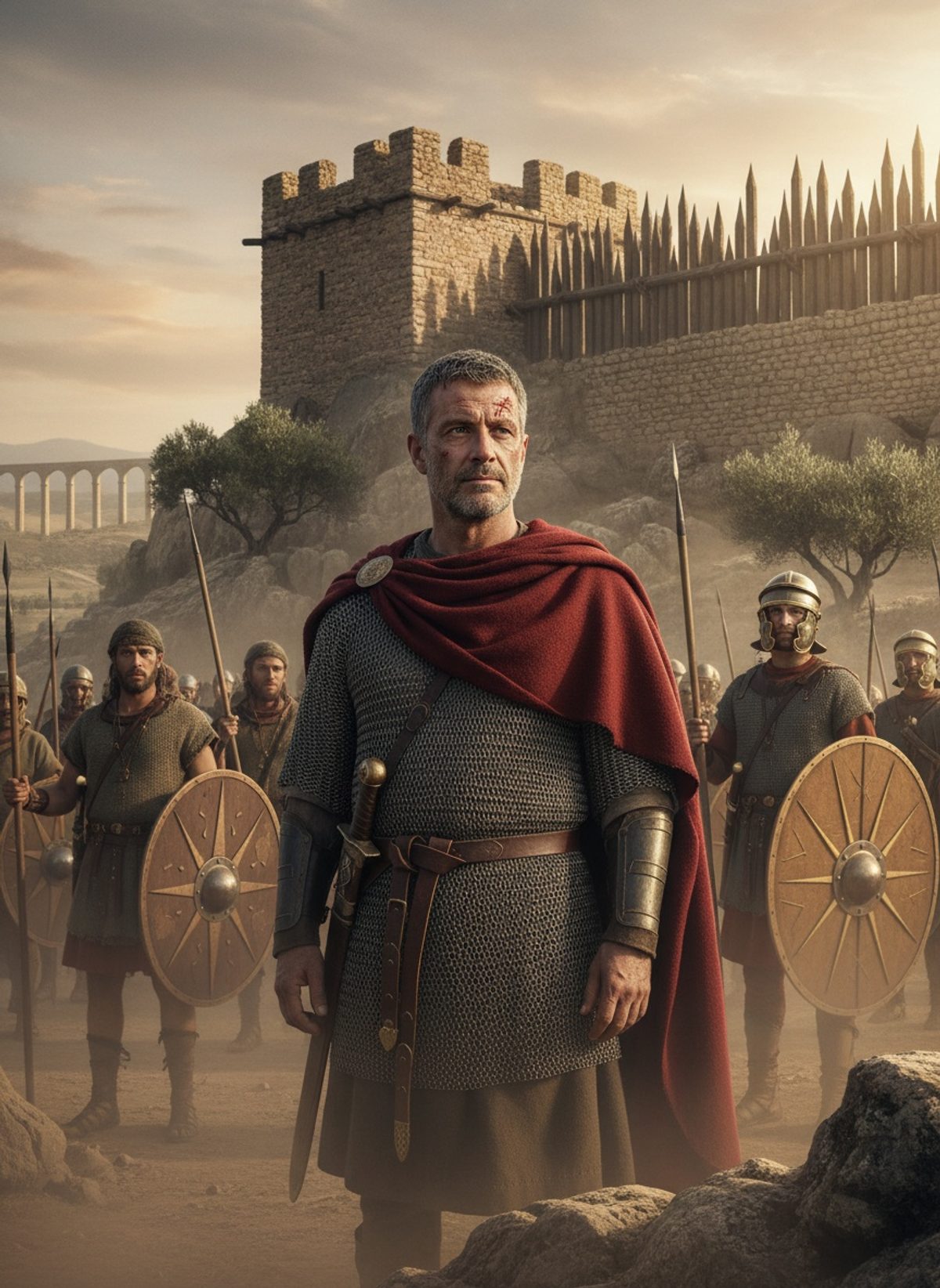
He was branded an outlaw. Yet, despite the Roman Senate's official decree, Quintus Sertorius carved out an independent realm in Hispania that withstood Rome's military might for nearly a decade. His unlikely odyssey is a testament to brilliant resilience against impossible odds.
The Rise of the Exile
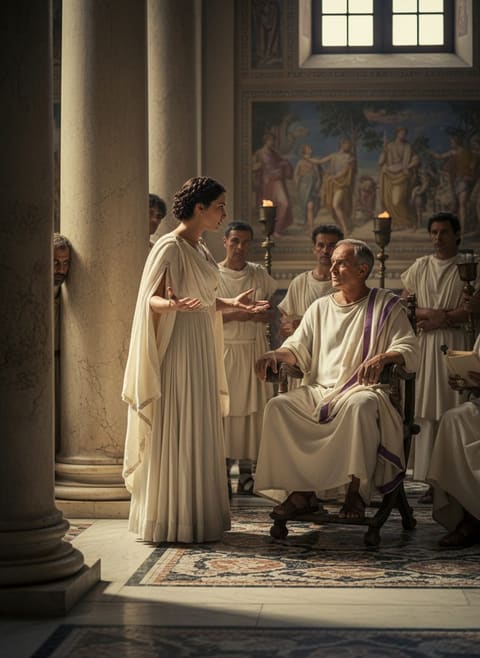
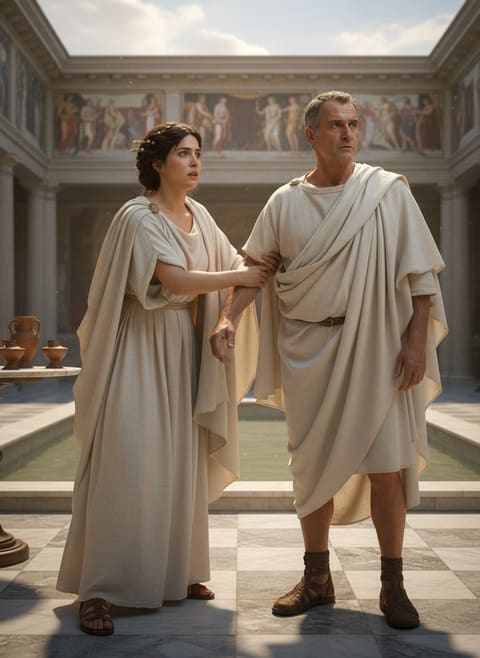
In the shadows of the Roman power struggle, a man unwelcome in his homeland rose to unexpected prominence. Quintus Sertorius, born around 126 BC in the Sabine region of Nursia, was a *novus homo*—the first of his family to enter the Senate. His early life seemed to predict a conventional political career: educated aggressively by his devoted mother, Rhea, he ventured to Rome, seeking his fortune amid the bustling, ambition-drenched capital.
Yet, his destiny veered sharply as the tides of Roman civil strife swelled. The civil war pitting Marius against Sulla set the stage for Sertorius' initial rise.
An ally of Marius and a man of resounding oratory—despite being criticized for a style ambitious but unrefined—Sertorius had earned recognition during the Cimbrian and Social Wars. His loyalty to the populist cause secured him pivotal roles, yet it also aligned him against Sulla's new conservative regime, marking him a political pariah as early as 82 BC.
Read next: Spartacus Led 70,000 Slaves to Within Sight of Freedom
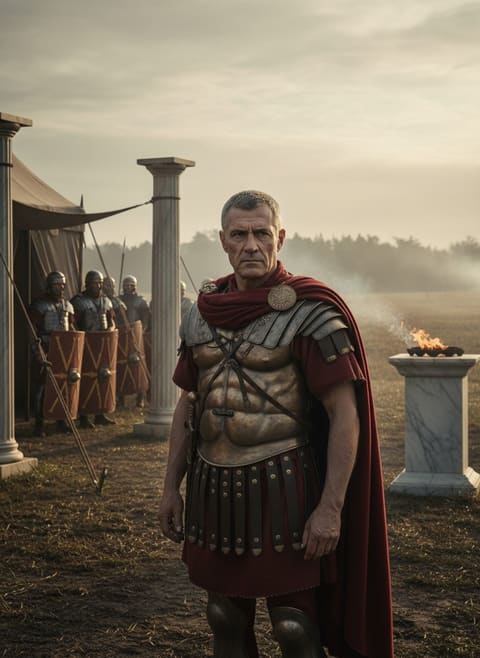
Destined for exile, instead of resigning to obscurity, Sertorius chose resilience. As the world he had known receded, he migrated to Hispania, the western frontier of the Roman world. In 80 BC, returned there with a fervor unanticipated by his foes, he transformed from a hunted man into a formidable commander.
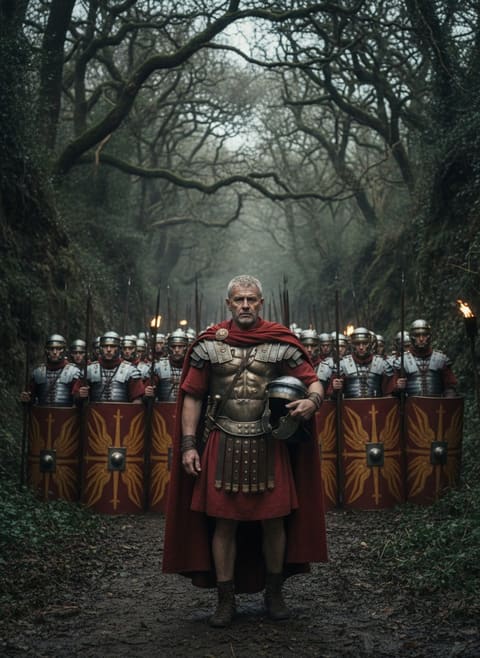
In Hispania, he gathered Marian loyalists and Cinnan exiles, forming a patchwork force of Roman dissidents and local tribesmen. His military ingenuity came into full play as he converted this unlikely ensemble into an agile guerrilla army, trading set-piece battles for ambushes and surprise assaults.
A lone white fawn, purportedly a divine blessing, bolstered his image amongst the superstitious, uniting Roman and Iberian spirit under his banner. Sertorius skillfully portrayed himself not as a rebel but as a Roman proconsul, a champion resisting the tyrannical Sulla.
Defying the Roman Juggernaut
Sertorius, with his uncanny command of insurgency tactics, offered battle where needed and withdrew when advantage faltered. His adversaries, seasoned generals like Quintus Caecilius Metellus Pius and young stars like Pompey the Great, soon learned the difficulty of rooting out this elusive specter among the Spanish hills and valleys.
In 76 BC, the confrontation reached its apogee at the Battle of Lauron, where Sertorius delivered a humbling defeat to Pompey. Despite being outnumbered and out-supplied, he masterfully exploited the terrain and his deep rapport with local tribes, turning Rome's advantages against it.
This victory added an exclamation point to Sertorius' revolutionary campaign in Hispania. The Iberian tribes, motivated perhaps by his apparent divine connection through the mythical white fawn, adhered to him tenaciously, finding in him a protector who knew how to outthink and outfight Rome's elite.
Yet, it wasn't solely military prowess that sustained Sertorius' resistance. He adeptly engaged in diplomacy, soliciting alliances abroad. Notably, he found a distant ally in Mithridates VI of Pontus, tapping into wider anti-Roman sentiment, a move that broadened his geopolitical reach. Mithridates, embroiled in his own conflict with Rome, promised support, ensuring supplies and joint strategies against their shared foe.
As brilliant as his military career was, Sertorius faced mounting difficulties by the mid-70s BC. The prolonged strain of war took its toll on his troops and subordinates. Cracks appeared in his coalition, as support from native allies dwindled and Roman pressures intensified. The seismic shifts within his ranks signaled ominous disruptions.
Read next: Tiberius Gracchus Stood Before the Senate and Gave the Land Back
The Betrayal and the End
Despite his earlier triumphs, Sertorius' fortunes waned, beset by increasing Roman hordes and internal dissent. Weary of the endless wars and despairing of victory in the face of Rome's sheer relentlessness, his once steadfast allies began to falter. As Sertorius grappled with the realities of his unraveling confederacy, something much more insidious brewed at his own table.
Marcus Perperna Veiento, one of his senior officers, grew impatient under Sertorius' command. Perperna, harboring ambitions of his own, conspired against his leader in an act of treachery that unwound the delicate tapestry Sertorius had woven over years of struggle. In 73 BC, while entertaining his officers at a banquet, Sertorius was murdered—his fate sealed not by honorable combat, but by the dagger of betrayal.
With Sertorius' death, the heartbeat of resistance ceased. The once-unified fronts of disaffected Romans and Iberian hosts dissolved before the organized onslaught. Pompey and Metellus soon struck decisively, stamping out the last sparks of Sertorian defiance. Hispania was absorbed once more into the Roman fold, order restored at the cost of its rebellious dream.
Quintus Sertorius' odyssey through war-torn Iberia remains a compelling narrative of individuality and resilience. His tale underscores the intricate dance between power and principle, showing how one man's vision challenged an empire's authority.
In this saga of an underdog, hope and ingenuity defied overwhelming force, if only for a moment. The narrative of Sertorius challenges us to ponder the enduring struggle for freedom against the weight of a mighty status quo—a daring feat, and a reminder that Rome's hegemony was ever precarious, fractured not just by external lands but by internal resolve.