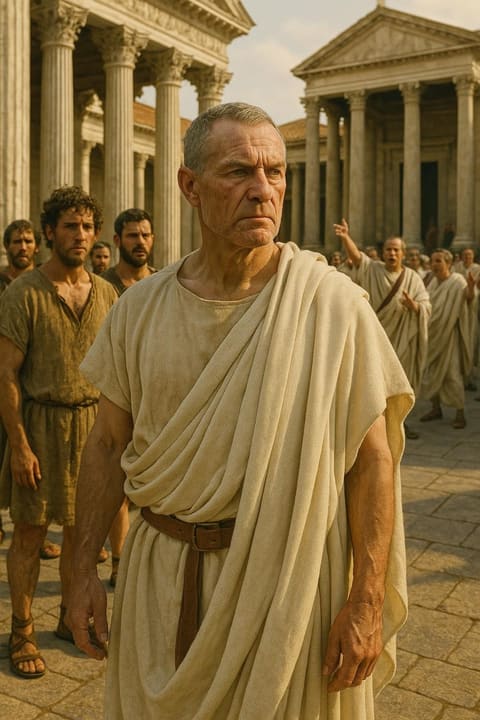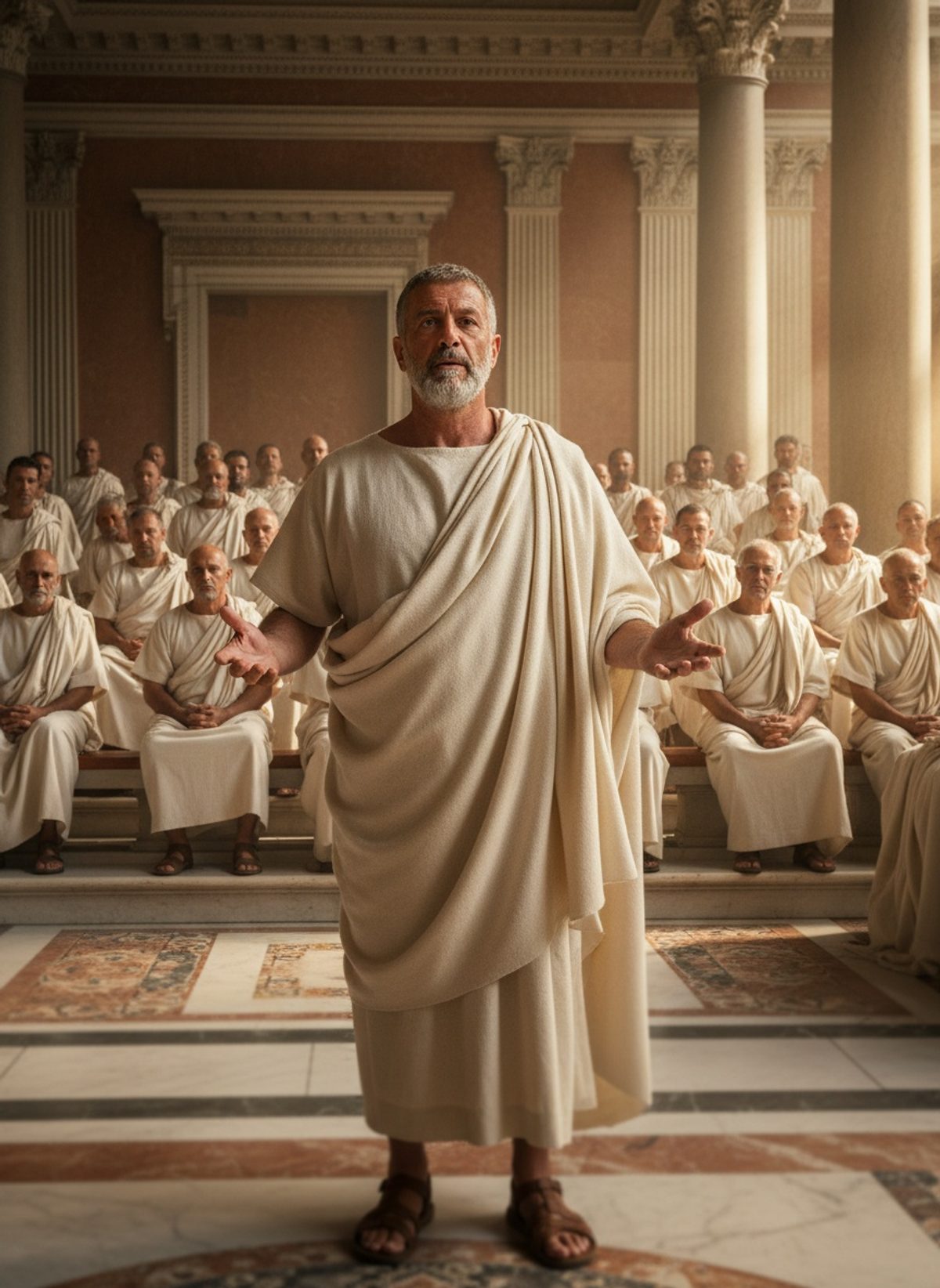
A warm wind rustles through the olive groves near the ancient city of Tunis, carrying the scent of the sun-baked earth and a hint of salt from the distant sea. The air hums with the distant cries of birds and the gentle clamor of a bustling encampment. It’s the spring of 255 BC, and the landscape is marked by the remnants of a brutal conflict. Against this backdrop of serene beauty stands a man, a Roman general, whose fate is entwined with the groves that whisper tales of honor and destiny. Marcus Atilius Regulus, Rome's embattled consul, stands at the precipice of history, at once doomed and indomitable.
The First Punic War, a protracted and grueling struggle, pitted Rome against its formidable rival, Carthage, for control of the Mediterranean's jewel, Sicily. Regulus, a seasoned statesman from a lineage of military prowess, emerged as a key figure in the Roman effort. His rise as a consul not once, but twice, underscored his significance in Rome’s ambitious quest for supremacy. The year 256 BC marked his greatest triumph when, alongside his co-consul Lucius Manlius Vulso Longus, he crushed a massive Carthaginian fleet at the Battle of Cape Ecnomus. It was a victory that sent shockwaves across the seas and enabled Roman forces to land in North Africa, turning tables on the Carthaginian forces.
Setting foot on African soil, Regulus was relentless, capturing the city of Tunis and conducting negotiations that promised Rome further dominance. Yet, the tides of war are as fickle as those of the surrounding seas. With his fellow consul recalled to Rome, Regulus was left to extend his campaign alone. His reputation was formidable, fortified by victories like the one at the Battle of Adys, where Roman forces deftly maneuvered against Carthage's foothold near the city they coveted. Still, it was his implacable terms during peace negotiations that fortified his legacy, though they were deemed too severe. Carthage, unwilling to forfeit its claim over the western half of Sicily, balked, and the war's jaws clamped shut once more.
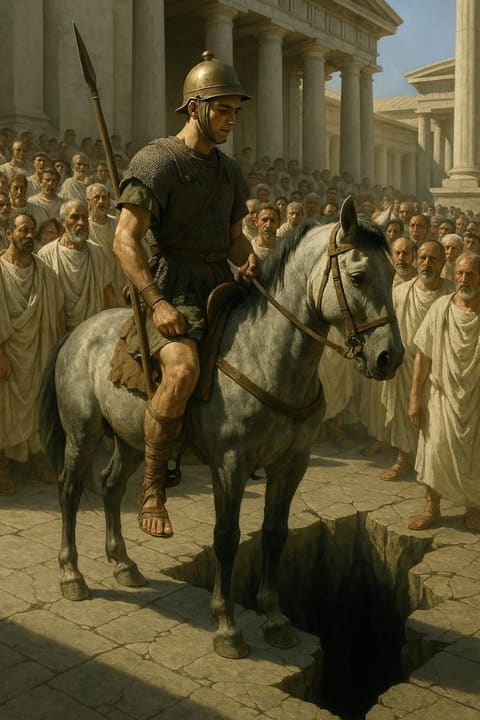
But fate's hand is inscrutable; the very same Spartan mercenaries that Carthage hired to counter Rome under the command of Xanthippus polished their own steel of defiance. It was on the familiar plains near the Bagradas River that Regulus faced his most decisive battle. With the plain open wide, the Carthaginians leveraged their cavalry and war elephants to devastating effect. Rome's forces crumbled under the assault, leaving Regulus captured amidst the wreckage of dreams turned to dust. Huddled in a Carthaginian cell, Regulus awaited his destiny, his life already whispered into the annals of near-mythology.
Read next: Musonius Rufus Was Banished. He Kept Teaching.
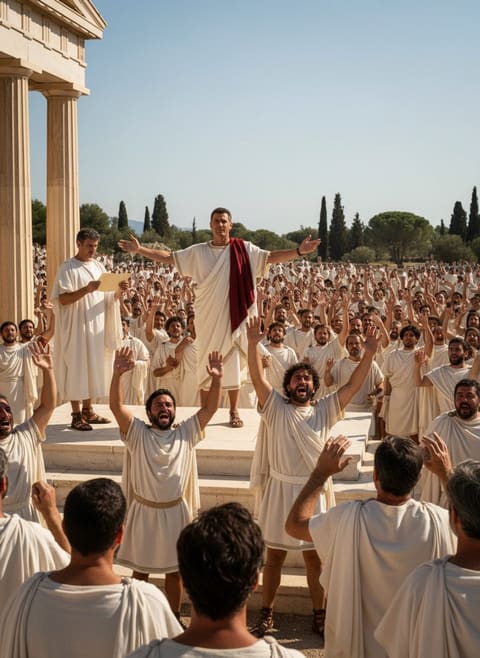
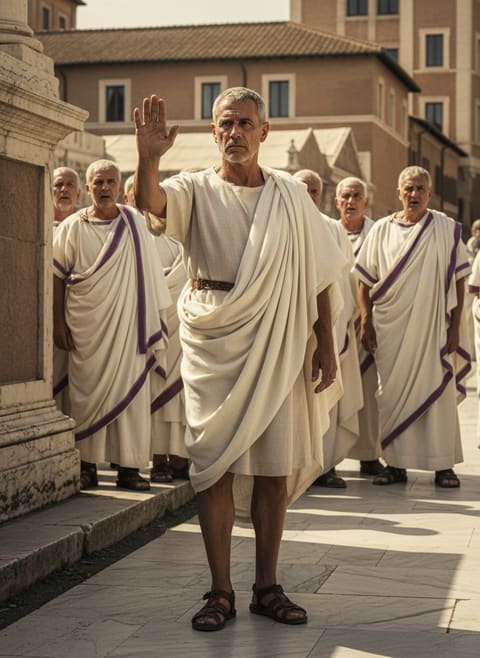
Here begins the narrative that history would clutch to its breast, sharing over flames and through ages. The story that Regulus was dispatched back to Rome by his captors, tasked under oath to argue for peace or a prisoner swap, crackles with the suspense of its improbability. Bound by Rome's stern sense of honor and personal conviction, Regulus did not hesitate to counsel against such terms to the Senate in Rome. If nothing else, he believed fiercely in Rome's eventual supremacy, one that should not negotiate from perceived weakness. It was a stance both seismic and selfless, costing him dearly.
Duty and conscience thus fulfilled, Regulus did the unthinkable. He spared no moment of dalliance with freedom; he returned voluntarily to Carthage, embracing his fate rather than staining his honor. Legend fashioned a tapestry of horrors, whispering of torture and innovation in malice at the hands of his captors, embodiments that spoke more to Roman mythos than authenticated history. Yet, whether by natural causes or the devilry of legends later woven, Regulus's end in Carthaginian confines became an epitome of Roman virtus—courage, valor, and the grim resolve of a soldier.
Read next: Varus Marched Into the Forest. He Never Came Out.
His sons, fiery in their filial love and outrage, would later extract retribution upon two Carthaginian prisoners, a cycle of vengeance that spoke volumes of the ancient world's brutality. But even these echoes of personal vendetta could not tarnish the tapestry Regulus had woven—a tale that, truth wholly bowed to myth, would continue to stir the imaginings of those who sought in history the embodiment of Roman ideals.
The story of Marcus Atilius Regulus burns bright not only because of the vibrant clash of arms and cities, but for the triumph of principle amidst the clatter of swords. In an age where shifting allegiances and survival often dictated rule, Regulus stands out as a beacon of integrity. His resolve, unbroken even by captivity and certain doom, reflects a vision of honor that transcends the literal walls of his confinement and the ephemeral chains of time. His tale, like the olive trees rustling in the breeze, reminds us that sometimes the greatest victories are not measured in territory gained, but in the steadfastness of the human spirit against all odds.