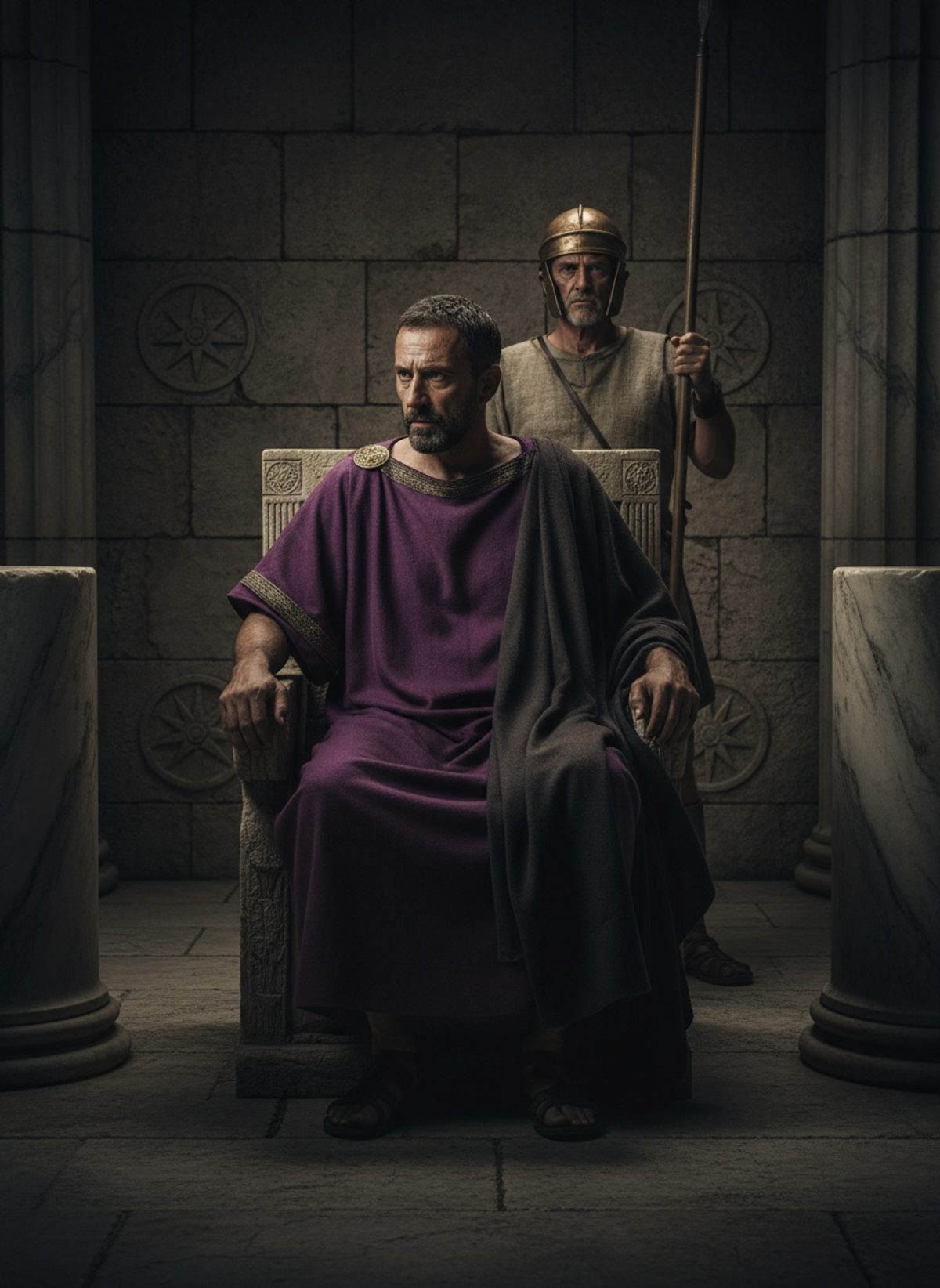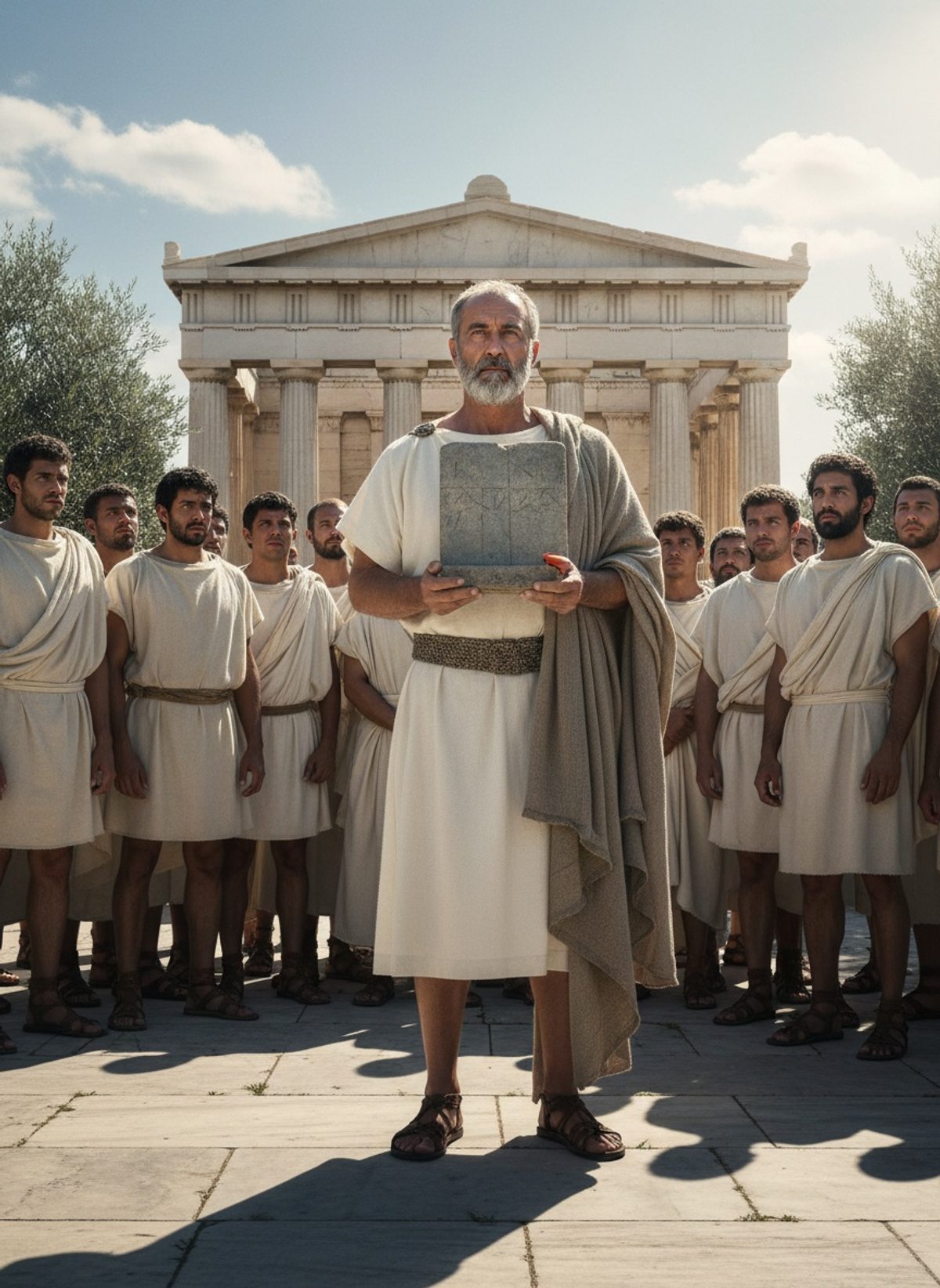
The clamor of voices echoed through the ancient Agora, a vibrant hub in the heart of Athens where citizens gathered under the sun’s intense scrutiny. It was 594 BC, and tensions reached a fever pitch. Merchants hawked their wares amid the murmur of impassioned debates. Nearby, restless Athenian citizens cast wary glances toward the Acropolis, where the fate of their city lay in the hands of a man appointed with unparalleled authority. That man was Solon, an aristocrat-turned-reformer, tasked with pulling Athens back from the brink of chaos—a city teetering on the edge of civil war.
The Edge of Chaos
In the shadow of the looming Parthenon, a scene of urgent assembly unfolded. Solon, born into a noble lineage with ancestry tracing back to King Codrus of Athens, faced a city consumed by economic despair and social unrest. Athens in the early 6th century BC was plagued by a wealth gap that threatened to dismantle its fragile stability. The wealthy elite controlled vast lands, and with them, the lives of many Athenians who had been forced into debt slavery. Solon's era was one of harsh inequity—a crisis calling for a savior.
As the murmuring crowds surged through the streets, Solon—a man admired for both his wisdom and business acumen—was called upon by his fellow citizens. Previously unknown for direct political maneuvering, he became the torchbearer for reform. With the trust of his peers, Solon was granted unprecedented powers as archon, a title equating to today’s chief magistrate. Rarely in history has a populace bestowed such absolute authority upon one of its own—a testament to their desperation.
Athens, unlike many Greek city-states that had succumbed to tyranny, placed its hope in Solon for a solution devoid of bloodshed. It was an extraordinary gamble. With sweeping authority, he entered the political arena not to seize power permanently but to orchestrate a profound transformation. His mission was to forge laws that would lift the chains of debt from the enslaved and lay the foundation for societal balance.
Read next: Socrates Was Given a Chance to Flee. He Refused.
The Great Reformation
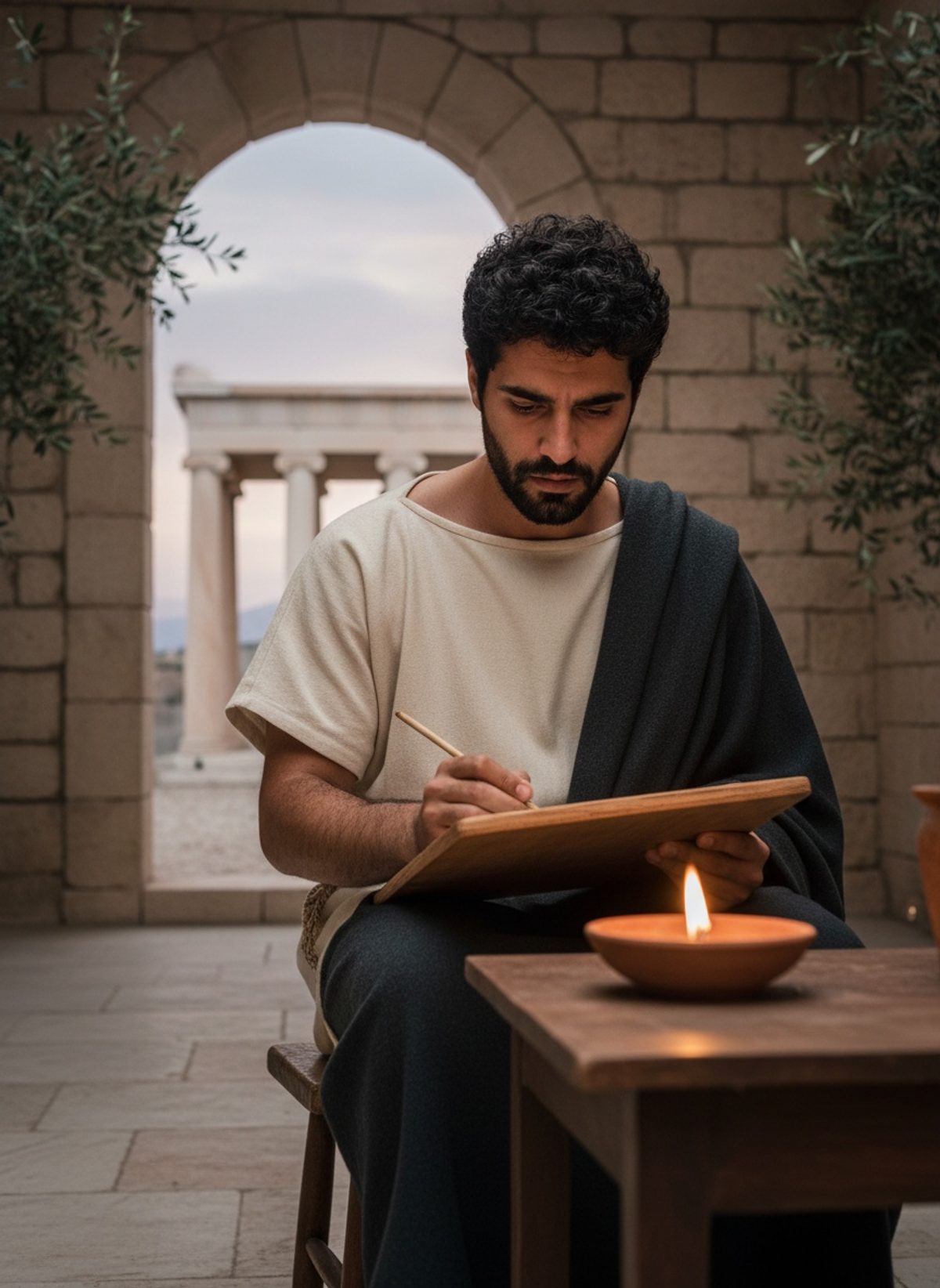
As dawn broke over the Athenian skyline, casting long shadows over the Acropolis, Solon set to work with a monumental task before him. The burden was not merely legislative; it was philosophical. With quill in hand and determination in his heart, he embarked on a journey of rewriting the laws—reconsidering the very fabric of Athenian society. His reforms, known as "seisachtheia," or the "shaking off of burdens," became legendary.
In a largely illiterate society where laws were sung or spoken, Solon’s words echoed through the Assembly like the strikes of a blacksmith. His legislation abolished debt slavery, a radical move that would reshape the socioeconomic landscape. It wasn't simply relief—it was liberation. Thousands who toiled for sustenance under the yoke of oppressive debt found themselves breathing the intoxicating air of newfound freedom.
Solon also repealed all of Draco's laws, infamous for their severity, retaining only those addressing homicide. The existing legal code was seen as inhumane, a legacy of punitive measures that did little to foster societal harmony. Solon’s new statutes were designed with equity in mind, to foster unity and encourage civic participation. However, rather than impose lasting rule, his role was that of a visionary guide, illuminating the path to moderation and communal responsibility.
The Gift of Restraint
With the groundwork for Athens’s democratic evolution set, a remarkable chapter in history began to close. Solon, having wielded unparalleled influence, did something extraordinary—something few leaders in history have chosen. He walked away. Relinquishing his power, he left with neither crown nor throne, departing from the stage he had redefined. In an era where might often made right, Solon chose the republic over despotism—a decision both profound and revolutionary.
His departure did not spell the end of his legacy; rather, it was a new beginning. By entrusting the citizens with his laws, he encouraged political involvement and civic duty, planting seeds that would one day grow into the proud tree of Athenian democracy. Solon set a precedent not only in policy but in leadership—a rare blend of authority, humility, and vision.
In time, Athens would famously become the cradle of democracy, an inspiration across ages and cultures. Within its ancient stones lie the echoes of Solon’s daring gambit—a testament to the power of law over tyranny, and the profound impact of curtailing one's own authority for the greater common good. In a world marred by leaders who cling to power, Solon’s act of relinquishing control serves as an enduring historical reminder: True leadership often means knowing when to step aside, letting a society flourish through its collective efforts and shared destiny.