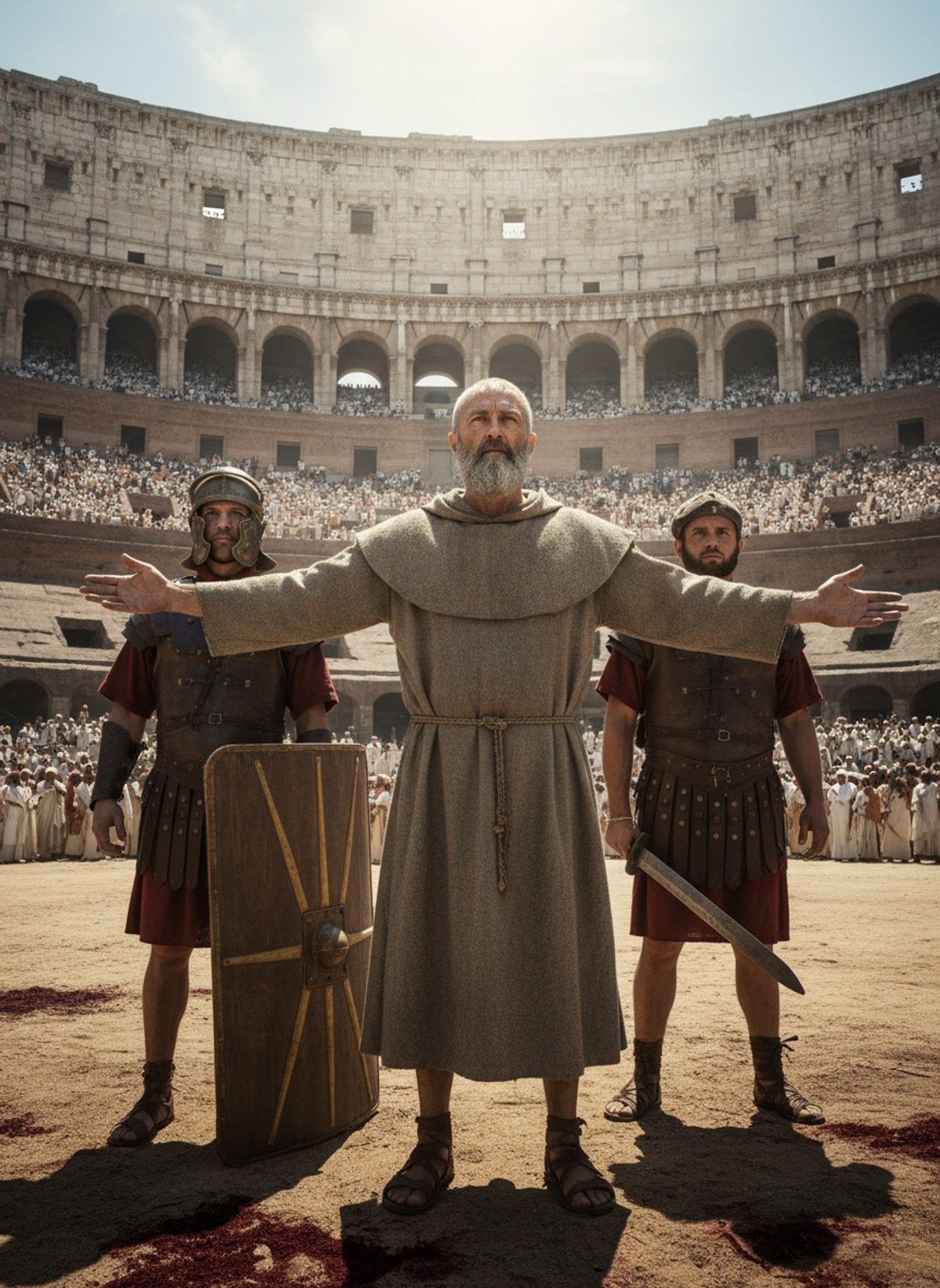
In the biting chill of a Roman winter, the Colosseum loomed as an immense stone oval against the pewter sky, its arches like gaping maws eager to devour the blood and sweat of gladiators within. Inside, the noise of the crowd rose like the tide, a cacophony of cheers and jeers that reflected Rome's insatiable appetite for violence. On this New Year’s Day in 404 AD, an unexpected figure stepped into the gritty sands of the arena, not to thrill the crowd but to challenge its darkest desires. His name was Telemachus, a monk from the distant Eastern provinces—a man who would change history in the turbulence of a single moment.
The Monk's Journey
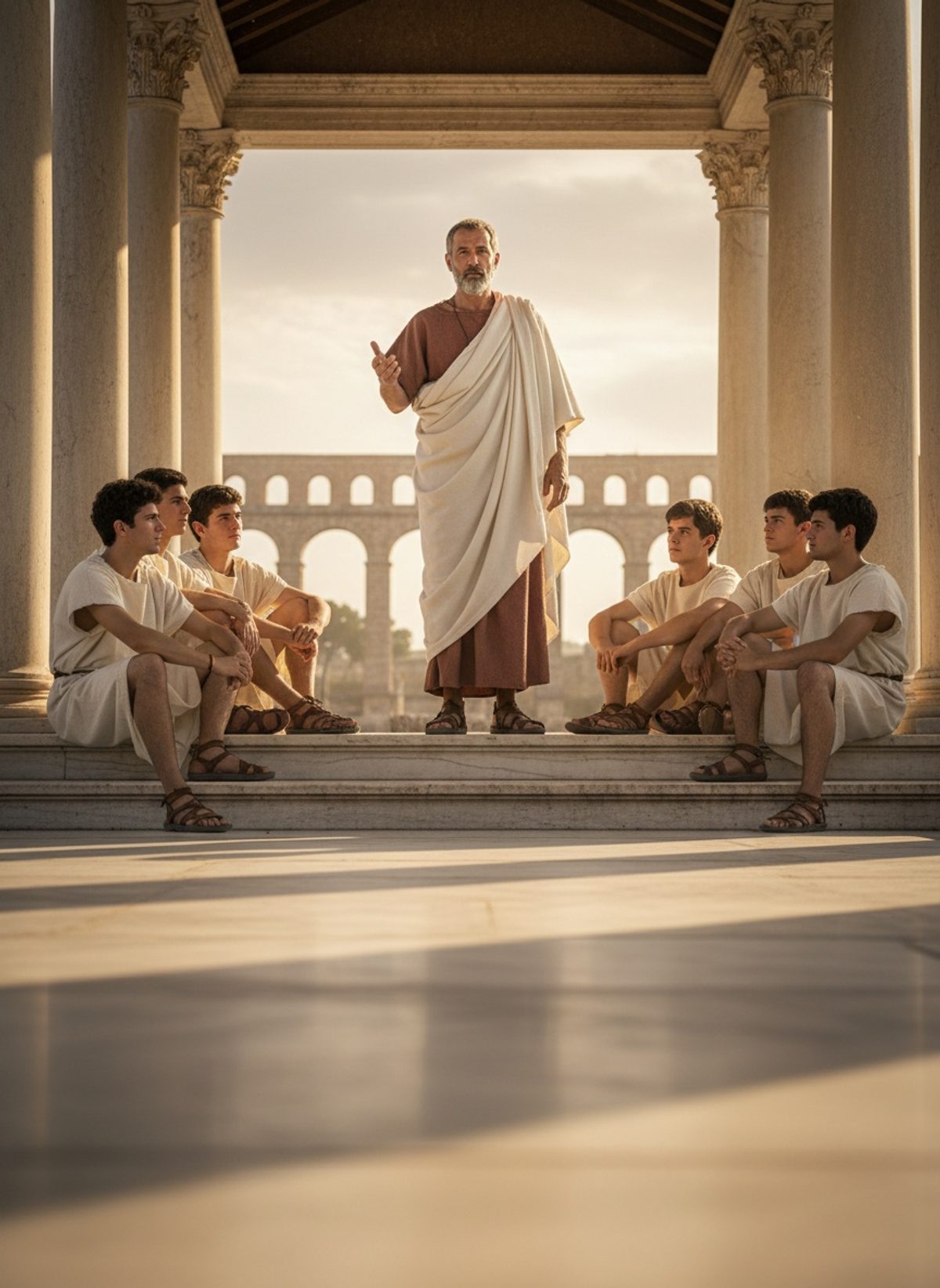
Telemachus arrived in Rome during the waning days of the Roman Empire, a period of transformation and turmoil. As a monk, he sought a life of peace and reflection, yet found himself drawn to Rome, the heart of a bloody spectacle that had gripped the city for centuries. For five hundred years, gladiators fought and died for the amusement of citizens and emperors alike—a tradition steeped in the glory of Rome's past, yet increasingly out of place in the Christianizing present.
It was more than mere wanderlust that brought Telemachus to Rome. Perhaps he envisioned a city where his newfound Christian faith could take root within its ancient walls, planting seeds of compassion that would overshadow the barbarism of the arena. As he approached the Colosseum, the grandeur of its architecture belied the cruel exhibition that lay inside—a grim theater where death was not merely a possibility but the primary attraction.
The Fateful Intervention
On the first day of January, Telemachus pushed through the press of Romans spilling into the amphitheater. The ambition of Rome’s people to mark the New Year with more than resolutions brought them here instead to witness the resolution of gladiators' lives. The roaring crowd melded with the tense anticipation of the awaiting combatants as Telemachus, in a determined stride, entered the field—not as a spectator but a participant in defiance of the bloodthirsty tradition.
Read next: Regulus Was Free. He Chose to Walk Back Into Chains.
His figure, humble and solitary, seemed an absurd contrast against the spectacle designed for brutality. As two gladiators prepared to duel to the death, Telemachus stepped between them. His arms were outstretched, his voice rising against the din as he pleaded for the violence to cease. The crowd, momentarily taken aback by such audacity, quickly turned vicious. Stones flew from hands that moments before had clapped in joyous anticipation, and in an instant, the Colosseum’s spectators refocused their fervor on the intruder who dared disrupt their cherished blood sport.
The Emperor Decides
The Emperor Honorius, presiding over this New Year’s spectacle, witnessed the unfolding drama. As Telemachus fell beneath a hail of stones, Honorius reportedly pondered the destiny of such cruel games in a Christian empire. Contrary to the lust for bloodshed, another voice within him might have echoed the monk's appeal for peace—a voice that ultimately signaled the end of gladiatorial combat.
Shortly thereafter, Honorius issued an edict banning gladiatorial games. Telemachus's sacrifice, an act of martyrdom, catalyzed what the political tides and Christian doctrine had long threatened. Never again would the Colosseum's sands be stained by the blood of gladiators. Instead, it would stand as a silent monument to both Rome's ancient traditions and the transformative power of individual faith.
The Aftermath of Silence
With the ban in place, the Colosseum's roar faded into silence, leaving behind only the ghosts of what had been. Rome, in its evolving identity, continued to grapple with its contradictions, a city torn between the barbaric pleasures of its history and the pious aspirations of its future. The end of gladiatorial combat marked a significant departure from its past, reflecting an empire in transition toward the ethos of Christianity.
Telemachus's death, tragic yet triumphant, reminded the city of its own mortality and the choices it still faced. As news of the monk’s ultimate stand spread, it spurred dialogue across the empire about the foundations of entertainment and the inherent value of human life. This monk from the wilderness had sown seeds of change, challenging citizens and rulers alike to question the morality of their traditions.
An Echo Through the Ages
Even as centuries have passed, the tale of Telemachus resonates with the human conscience, offering a poignant reflection on the power of individual action. His story compels us to consider the ways in which societies confront their darkest customs, how voices—isolated, singular—can shift the course of history. In standing alone in the arena, Telemachus was not merely a monk seeking peace; he was a catalyst for change, demonstrating that courage and conviction can defeat even the mightiest of traditions.
Rome, through the quiet reverberation of this monk's sacrifice, took its first steps away from the blood-soaked sands of the past towards a future where the value of life became a core tenet of an empire that had once revered death. In the annals of history, Telemachus’s intervention stands as a resounding testament to the enduring struggle between barbarism and humanity—a struggle that persists in the heart of every society eager to evolve beyond its primal instincts.