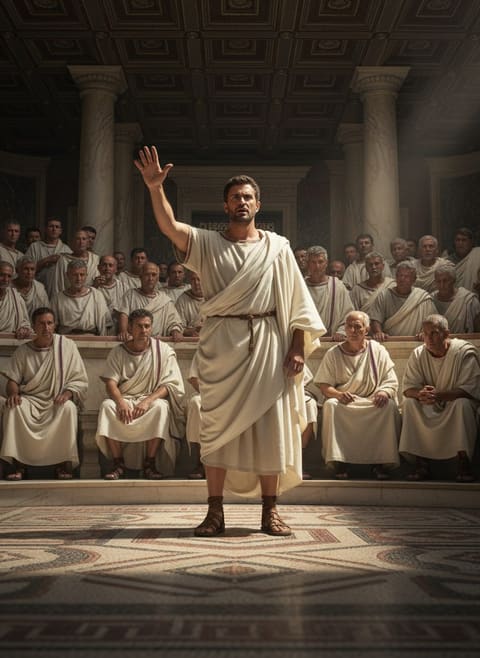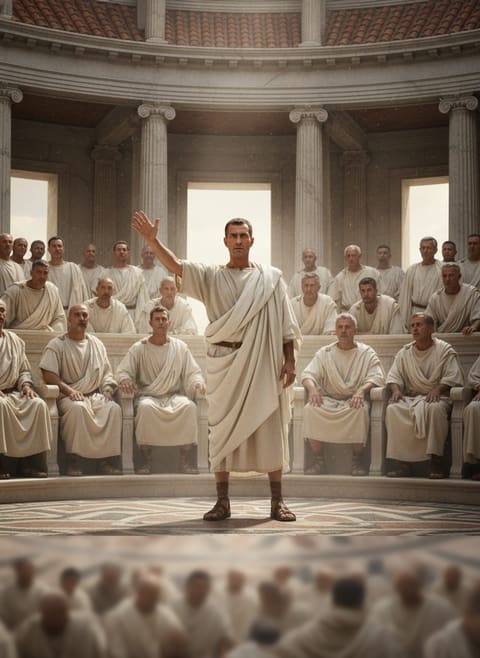
He was a banker, not a born warrior. Yet he would become one of the most selfless heroes of the Roman Republic.
The Banking Official Turned Warrior
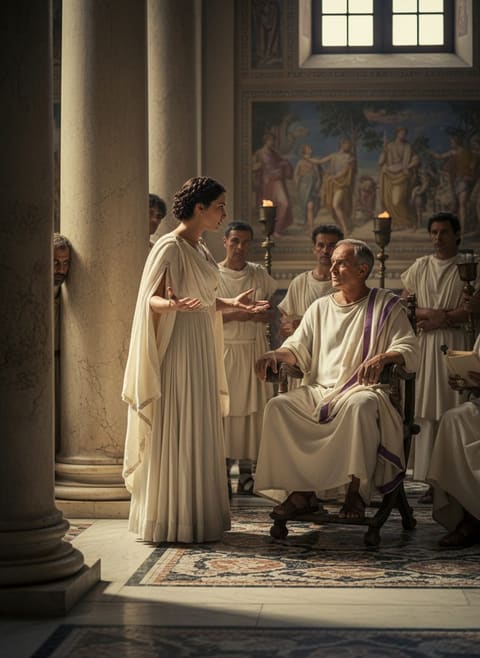
Publius Decius Mus, son of Quintus and member of the plebeian gens Decia, was first and foremost a man of numbers, not of the sword. In 352 BC, he was one of the quinqueviri mensarii, tasked with managing public debt relief. Roman society entrusted him with this crucial role, illustrating his stellar reputation and dedication to civic duty. Yet, Decius Mus's trajectory took a drastic turn when he showcased valor in unexpected ways during the First Samnite War.
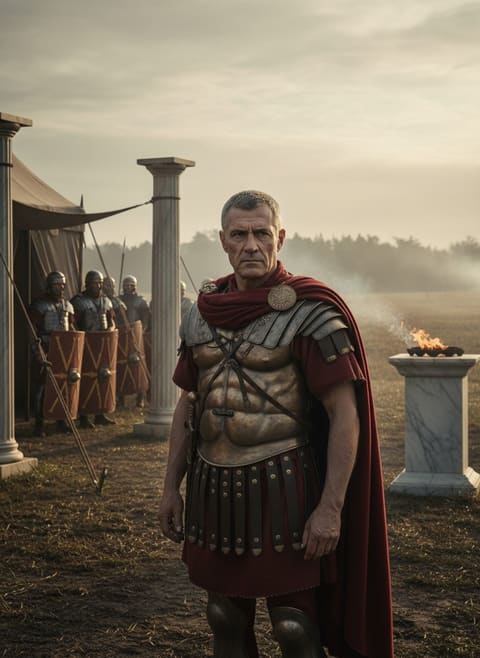
In 343 BC, under Aulus Cornelius Cossus Arvina's leadership, Decius Mus found himself in harrowing circumstances. Trapped in a Samnite valley with his commander, he rose to the challenge. Taking just 1,600 men, Decius captured a strategic mountain pass, enabling the safe escape of Roman forces. This act of courage earned him the coveted Grass Crown, a profound honor illustrating his transformation from a banker to one of Rome's trusted military leaders. Decius Mus was a man who seemingly defied the odds and his own background to exemplify Roman heroism.
Facing the Latin League: The War that Tested Rome
In 340 BC, Rome was not the sprawling empire we recognize today but part of a mixture of alliances and wars that defined its early Republic period. The Samnites, once sworn enemies, became uneasy allies as Rome joined forces to face the formidable Latin League. It was a time when the fate of Rome stood on a knife's edge, where each decision could either make or break the burgeoning power.
Read next: Tiberius Gracchus Stood Before the Senate and Gave the Land Back
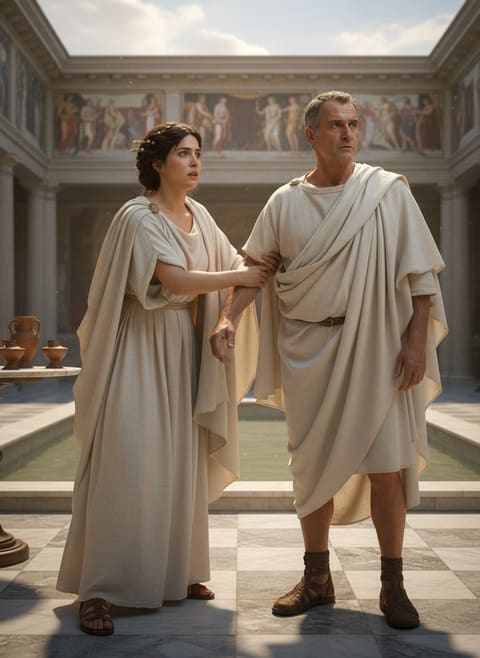
Elected as consul alongside Titus Manlius Torquatus, Decius Mus found himself navigating these turbulent waters. An ominous prophecy about the coming battle reached their ears: victory would come at a steep price, with the general on one side destined for death. Rome's approach—expected but bold—was to dedicate a life to the gods of the underworld in exchange for triumph. Decius Mus stepped forward, fully aware that his sacrifice might be the lynchpin to victory. It was both pragmatic and audacious, reflecting the underlying belief in divine intervention as pivotal to human affairs.
The Ritual of Devotio: A Dance with Destiny
As the Roman and Latin forces prepared to engage near the slopes of Mount Vesuvius, mutual dreams came to the Roman consuls: the army whose general committed himself to the Dii Manes, the gods of the underworld, would be secured victory. The grave responsibility was clear. Should either consul's flank wane in strength, that leader would commit the ultimate sacrifice by invoking the ancient devotio ritual.
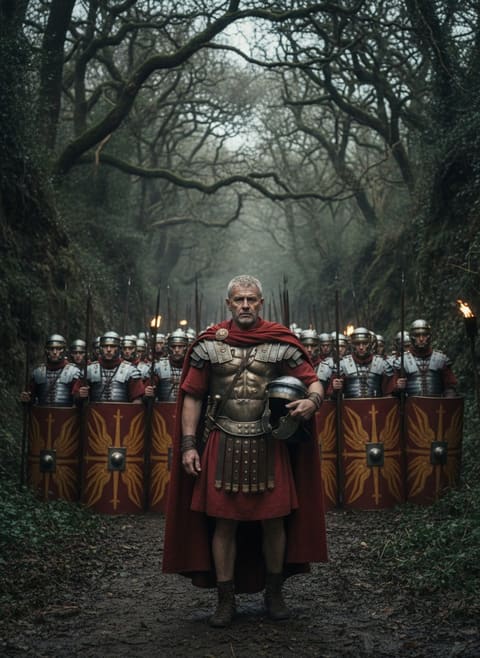
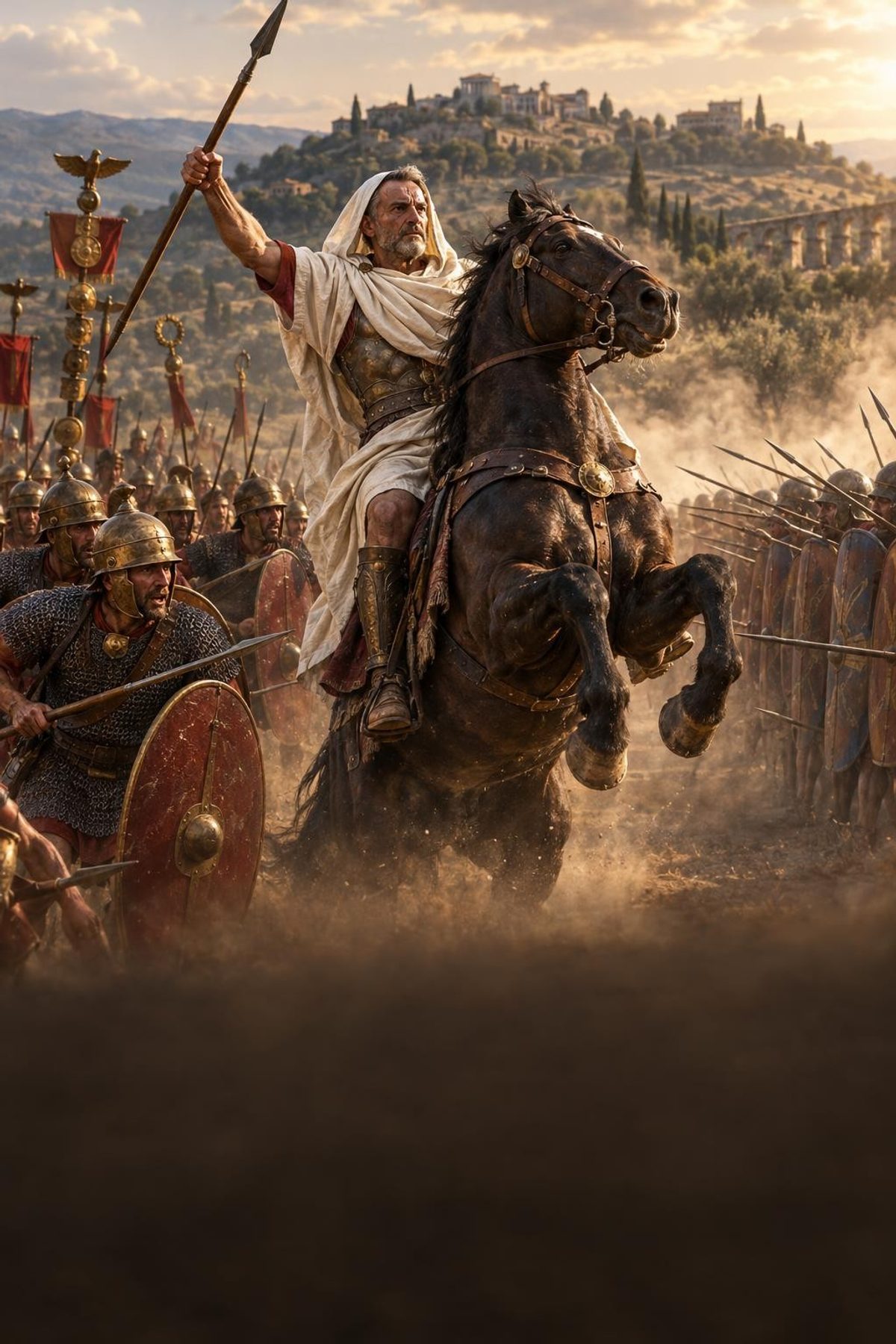
And so it happened. The left wing of the Roman army began to falter; hesitation was turning into chaos. Decius Mus sought out M. Valerius, the Pontifex Maximus, for counsel. The prescribed ritual was relayed—sacrificing his life to the Earth herself and the dark gods below. Clad in full armor, Decius mounted his horse, invoking the ancient words of devotio, and charged into the ranks of the enemy.
It was said that a supernatural force enshrouded him, a presence so palpable that the enemy recoiled in fearful awe. Spear heads and darts soon took him down, and his lifeless form lay untouched by the Latins—a hallowed ground in the heat of battle. In this moment of calm amidst carnage, Rome found renewed vigor. The wavering left wing surged forward, exploiting the newfound weakness in Latin cohesion.
Read next: Calgacus Named Rome. His Speech Survived Anyway.
Aftermath of the Sacrifice: The Birth of a Legend
In a swift and brutal turn, what was a precarious engagement transformed into a decisive Roman victory. Manlius on the right flank maintained his position, holding firm. With the Samnite foederati poised on the enemy side, the Latins found themselves trapped. Only a quarter of their forces lived to retreat.
Decius Mus’s ultimate sacrifice became the stuff of legends, a narrative inscribed into the heart of Rome's martial lore. He was succeeded by his son and grandson, both of whom carried his name and served as consuls in their own time, perhaps driven by the haunting legacy of bravery and sacrificial duty he had etched into their family name.
It’s a story that resonates beyond military valor, speaking to the complex weave of Roman duty, divine belief, and personal sacrifice. In modern culture, Decius Mus’s tale has found echoes in literature, art, and even political discourse, transcending its original context to become a symbolic gesture of ultimate self-offering for a higher cause. Indeed, Publius Decius Mus not only charged into the enemy line but into the annals of timeless human stories—where sacrifice and duty blend to forge the mythic tapestry that binds societies together.