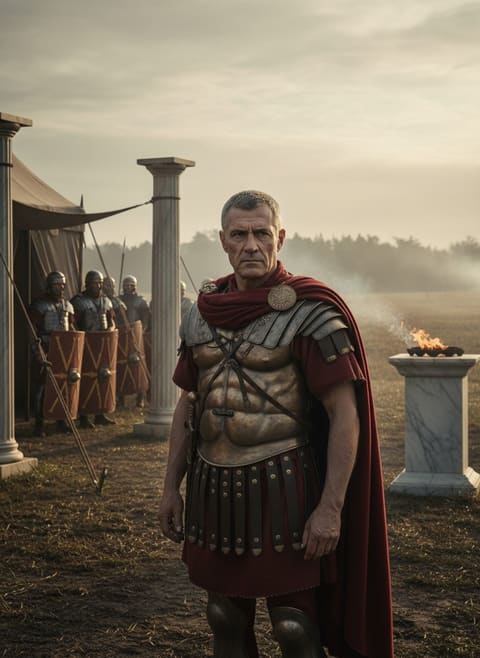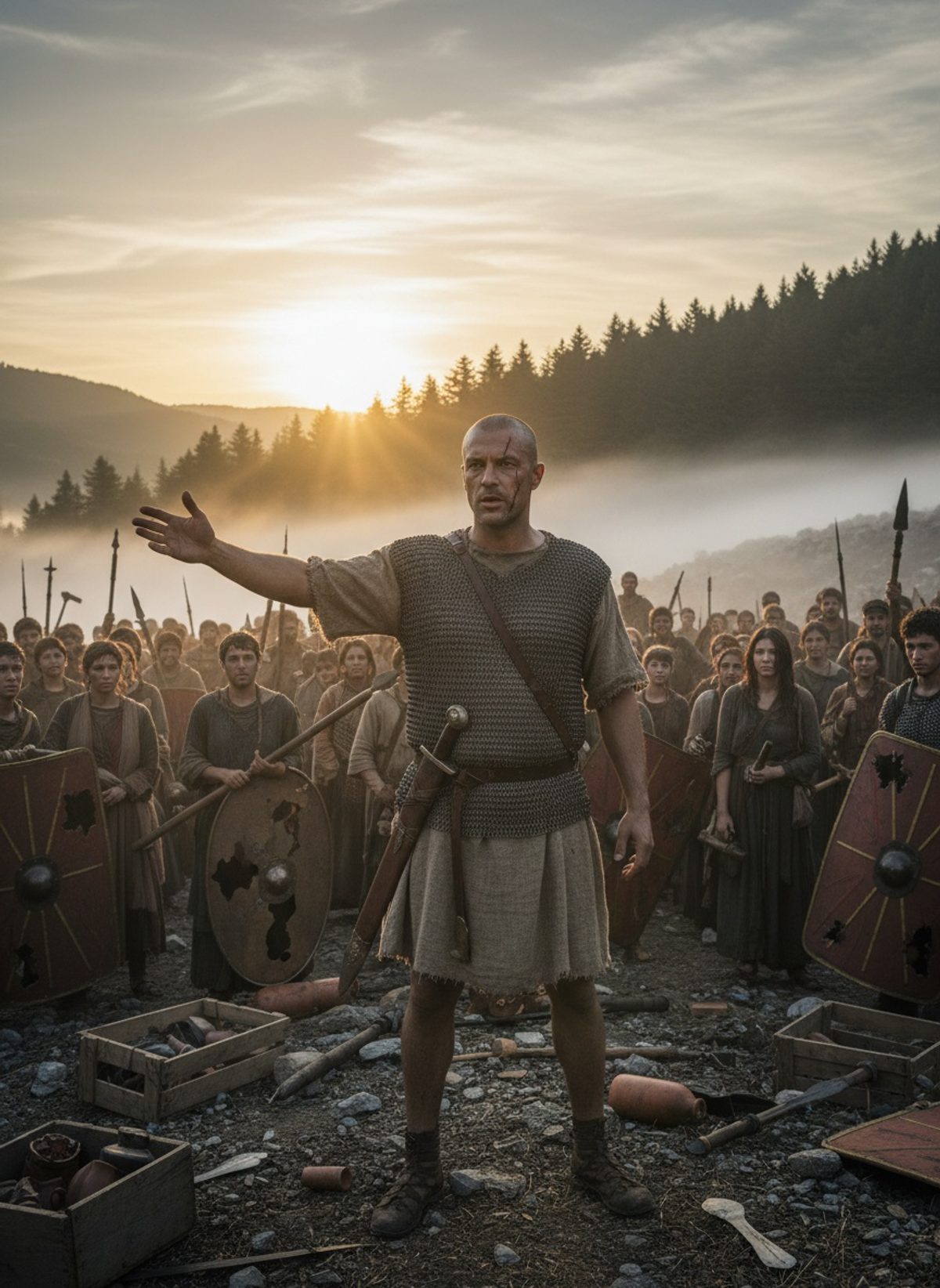
The sun blazed fiercely over the dusty expanse of the Campanian plains as shouts pierced the air, a cacophony of hope and defiance. Barefoot and armed with kitchen knives, the ragtag group of gladiators and slaves made their way toward freedom. At their head was Spartacus, a Thracian who had risen from the blood-soaked sands of the arena to challenge the might of Rome itself. As each step brought them closer to the Alps, the freedom they sought was almost within grasp.
The Escape from Capua
The year was 73 BC, a time when the Roman Republic boasted unparalleled power across the Mediterranean. Among the casualties of their conquests were the many who found themselves enslaved, forced into lives of drudgery or combat. At a gladiatorial school in Capua, the seeds of rebellion were sown. Among the ranks of these gladiators was Spartacus, a man of Thracian origins, who found himself at the heart of an audacious breakout.
Reports vary on the exact numbers, but Spartacus led around 70 fellow gladiators in a daring escape. Their initial armament was meager, largely consisting of makeshift weapons like kitchen knives. However, desperation and the promise of freedom fueled their determination. As they made their way to the slopes of Mount Vesuvius, word of their revolt spread like wildfire, igniting the hopes of the oppressed.
From Gladiators to An Army
What began with a mere handful of men soon swelled into a force of nearly 70,000 escaped slaves. The mountains of Vesuvius served as their stronghold, a refuge from which Spartacus orchestrated his growing army. This was more than a simple rebellion; it was a gathering storm that threatened the very heart of Rome.
Read next: Calgacus Named Rome. His Speech Survived Anyway.
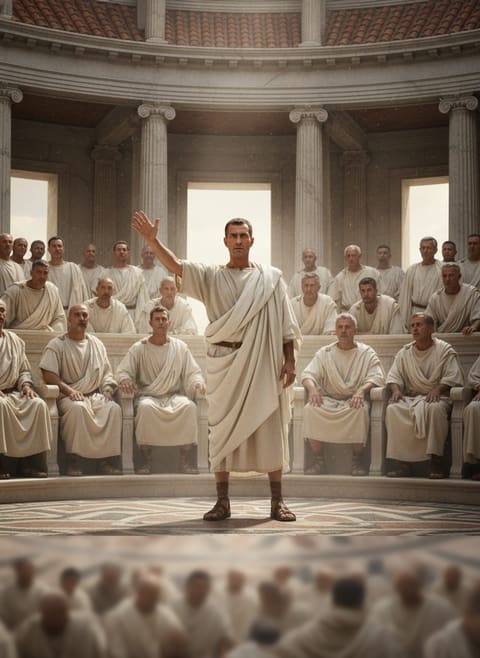
Roman authorities, initially dismissive of what they considered a mere ragtag group of insurgents, soon realized the gravity of the situation. As Spartacus's forces swelled, they became a mirror reflecting the social injustices festering at the core of Roman society. Spartacus and his followers did not merely skulk in the shadows of Vesuvius; they moved with bold intent, looting and pillaging as they made their presence known. It was in these early skirmishes that Spartacus demonstrated a knack for unconventional warfare, turning the might of Rome against itself with tactical cunning.
Roman Response: A Series of Defeats
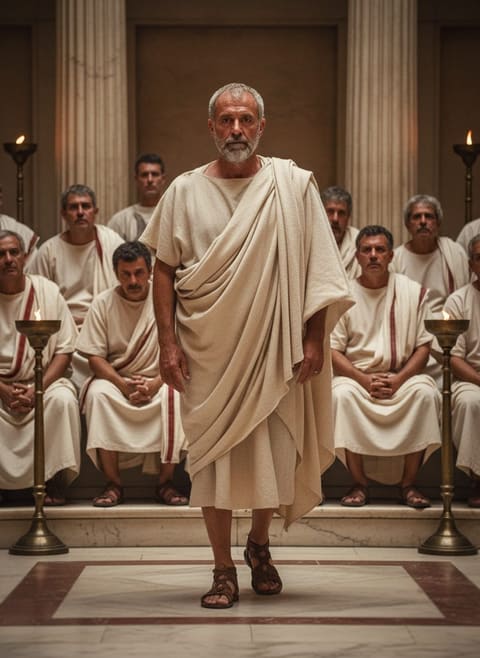
The Roman Senate, initially unperturbed, dispatched small contingents to quash the uprising. Led by impassioned commanders, these forces were nonetheless unprepared for the guerrilla tactics employed by Spartacus's forces. One by one, the Roman contingents fell, unable to match the ferocity and adaptability of the slave army.
Among these early confrontations, the Battle of Mount Vesuvius stands out as a decisive victory for Spartacus. With a brilliant encirclement tactic, he outmaneuvered Clodius Glaber's forces, inflicting a humbling defeat. This victory was more than a strategic success; it was a recruitment call echoing across the Italian countryside.
The repeated failures of Rome to suppress Spartacus's growing forces heightened the sense of unease among the ruling class. This was not just a campaign against gladiators and slaves; it was a battle against an uprising that could inspire the unfree across the Republic.
The March Toward the Alps
Spartacus's vision reached beyond survival; he sought a path to liberty for his followers. As they began their march northward, the Alps appeared as both a daunting challenge and a gateway to freedom. Crossing these mountains meant liberation into Gaul, a dream that seemed tantalizingly close yet fraught with peril.
But within the ranks of Spartacus's army, unity wavered. Figures like Crixus, a Gaul himself, championed a march south to plunder the riches of Rome. This internal division proved fatal, as fracturing goals led to fracturing forces. While Spartacus remained fixated on reaching the Alps, not all shared his vision.
Read next: Turia Pleaded for Her Husband's Life and Saved Him
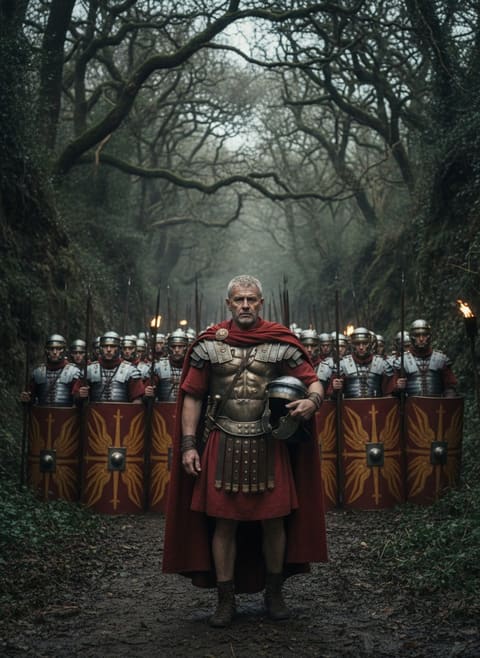
It was this division that allowed the Romans, led by the formidable Marcus Licinius Crassus, to regroup and strategize. Crassus's forces, immense in both number and discipline, finally managed to corner Spartacus's army. The lure of Roman spoils had delayed the march to freedom, sealing their fate in Italy.
The Final Stand and Enduring Legacy
The final clash, the Battle of the Siler River, saw Spartacus's forces making a desperate stand against overwhelming Roman might. Facing impossible odds, Spartacus showcased bravery worthy of the legends that would immortalize him. Yet bravery, however profound, could not stem the tide of a disciplined Roman legion.
As Spartacus fell in battle, the rebellion was extinguished. The bodies of the slain, lining the Appian Way, served as Rome's grim warning to any who might harbor thoughts of defiance. Yet, even in defeat, Spartacus left an indelible mark on history.
Today, Spartacus is more than just a name. He symbolizes revolt against tyranny and the unyielding human spirit aspiring for freedom. Though his rebellion was crushed, Spartacus's struggle resonates through the ages, a reminder of the perpetual fight against oppression. It reminds us that the quest for justice and liberty is as relevant today as it was over two millennia ago.