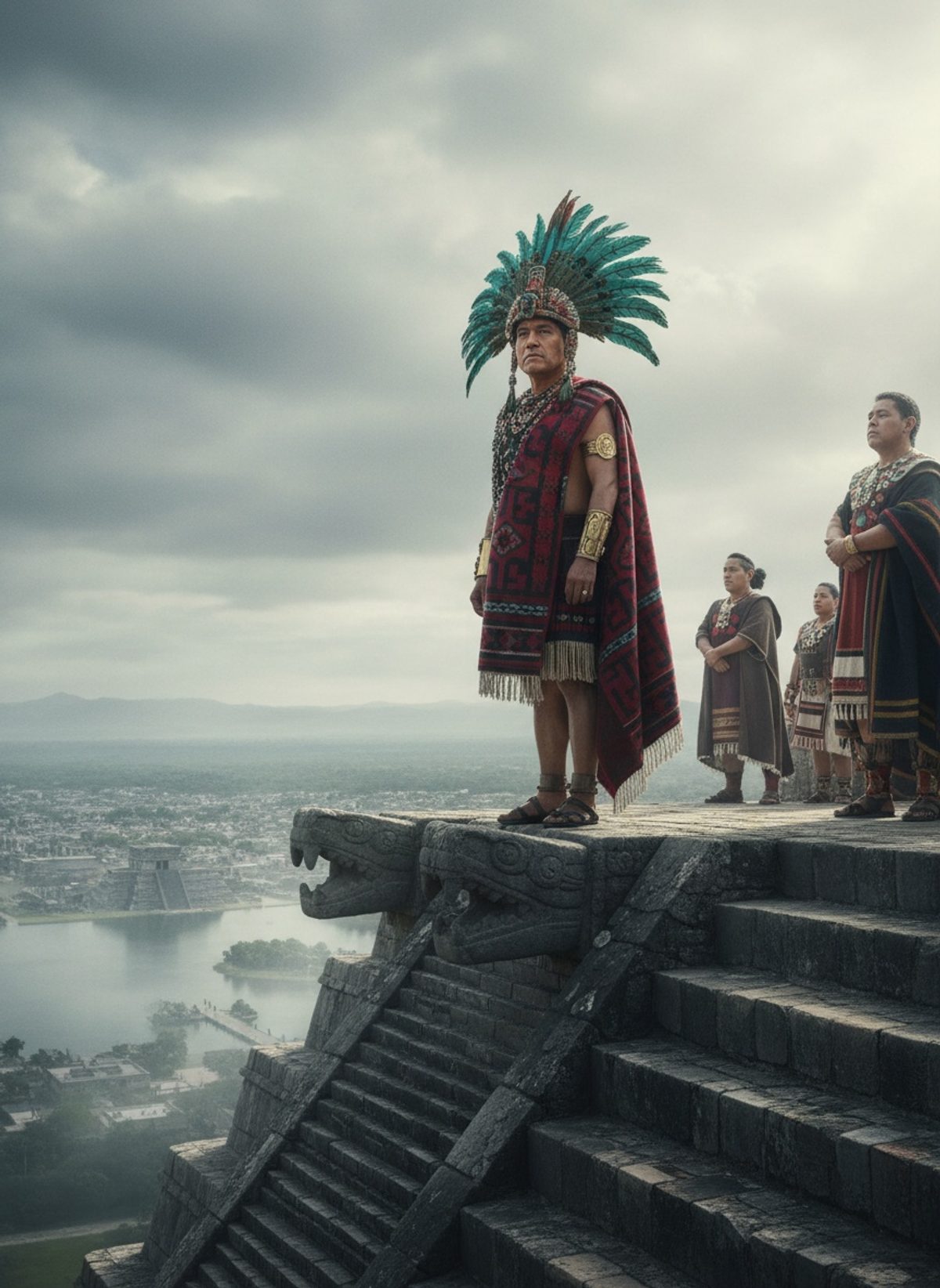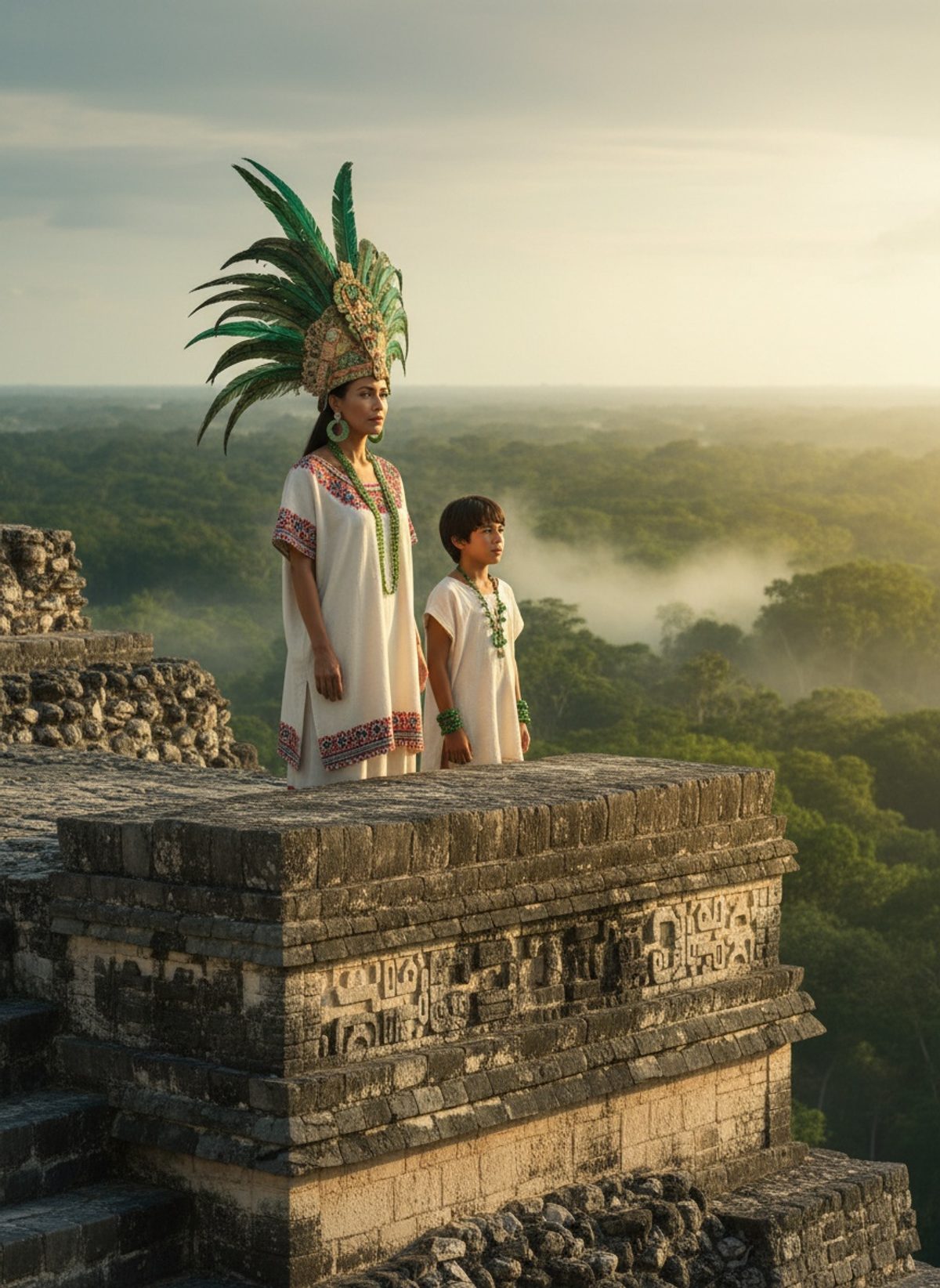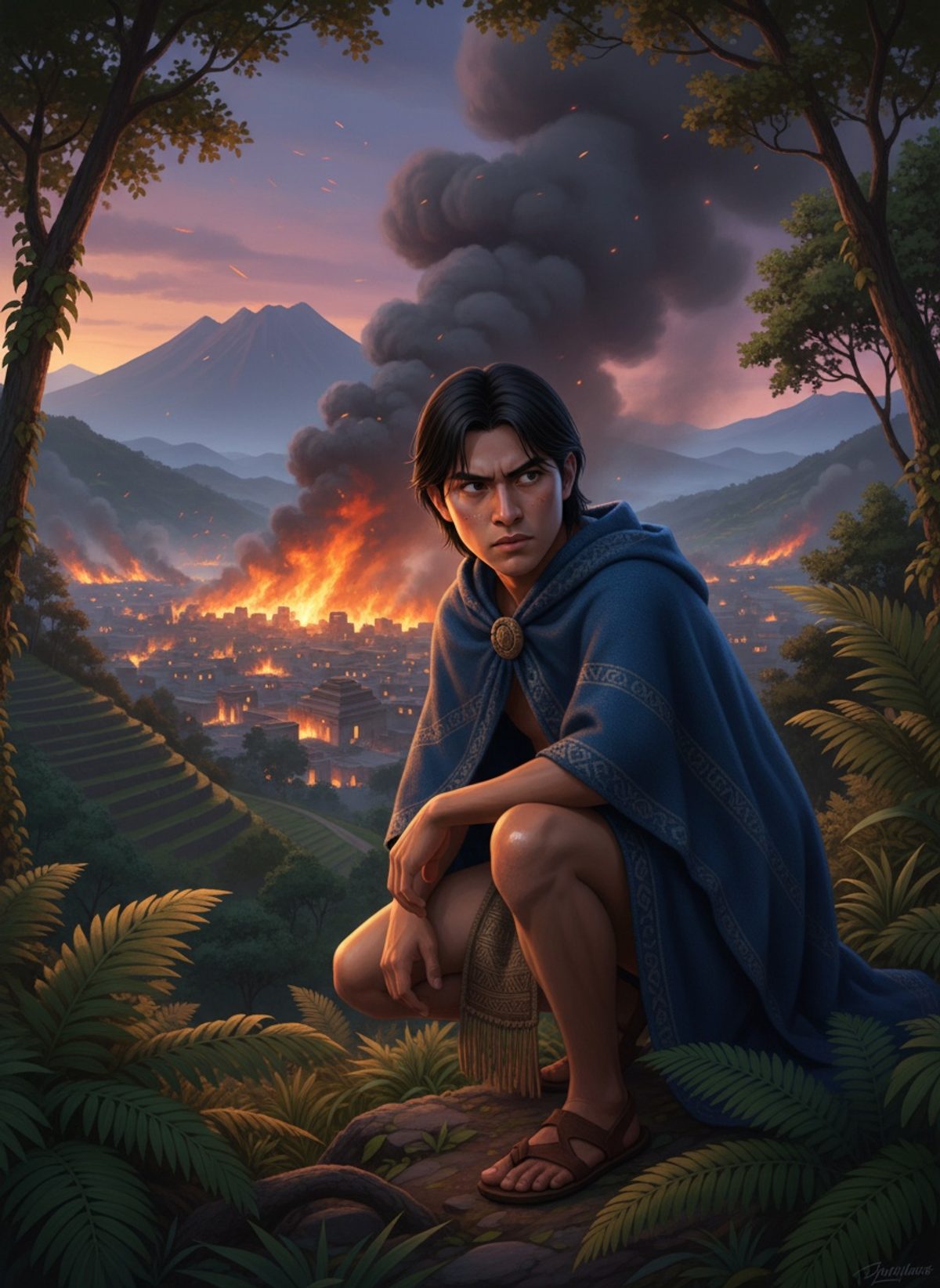
1418. Scorched earth where once a vibrant city stood.
The pungent aroma of smoke lingered, suffocating the life out of the devastated remnants of Texcoco. In an act of relentless aggression, Tezozomoc, the formidable ruler of Azcapotzalco, had razed the city to the ground. Texcoco, the former jewel of the Acolhua, was no more. Its king lay dead, and with him, almost every vestige of his lineage was obliterated. The heir to the throne, a boy named Nezahualcoyotl, was a solitary figure now, his youth overshadowed by the daunting realities that faced him.
In the aftermath of destruction, the teenage prince had transformed from noble scion to a fugitive. His existence was reduced to hiding amidst the rugged hills surrounding the Valley of Mexico. The bewitching call of the night would be interrupted by distant war drums, a constant reminder that the very earth beneath him could betray his presence. Yet, even with every step taken as a hunted youth, Nezahualcoyotl carried within him the pulse of his people, the unsung poetry of survival.
Tezozomoc's attack was not an unforeseen tempest. His ambition had long lingered like a dark storm cloud over the lands of the Acolhua. As the leader of Azcapotzalco, Tezozomoc wielded unprecedented influence, harnessing political and military might to dominate the entire region. Texcoco, with its fertile lands and strategic location, had always been a coveted prize. Under the guise of grievances fabricated and feints misunderstood, Tezozomoc unleashed his forces with ruthless precision, a perilous dance choreographed to extinguish any flicker of rebellion.
Read next: She Ruled the Maya. Her Son Erased Her Name.
But the one flicker Tezozomoc failed to snuff out would wander the wilderness. Nezahualcoyotl, whose name translates to "Hungry Coyote," was a moniker befitting his place among the elements. Deprivation sharpened his instincts, yet the young prince would not let bitterness take root. As he traversed the unforgiving terrain, he found refuge among sympathetic kin and disguised himself in the garb of ordinary soldiers, always a step ahead of his pursuers. The treacherous landscapes of animosity masked the greater trials within his heart: how to reclaim his homeland; how to return to a position of strength.
Years slipped by with the poignant stealth known only to those in exile. Despite the oppressive hunt breathing down his neck, the prince learned from the landsmen and philosophers alike. For Nezahualcoyotl, knowledge became both sustenance and shield. These quiet years of wandering were not sterilized by mere survival. They were a gestation period, where earthen whispers of Tezcoco's ancestors guided him to see beyond their ashes. He envisaged something transcendent, a society more refined than any blood-lit dream espoused by his enemies.
As the tides of fortune often favor the patient, a twist of fate fractured Tezozomoc's iron grip. With the warlord’s passing, his once cohesive domain teetered on the brink of fragmentation. The old world ebbed away, leaving space for new alliances. Carefully, strategically, Nezahualcoyotl began to orchestrate his return to Texcoco. In an audacious gamble of reconciliation and rebellion, he amassed support from those loyal to his father and new allies disillusioned with tyranny.
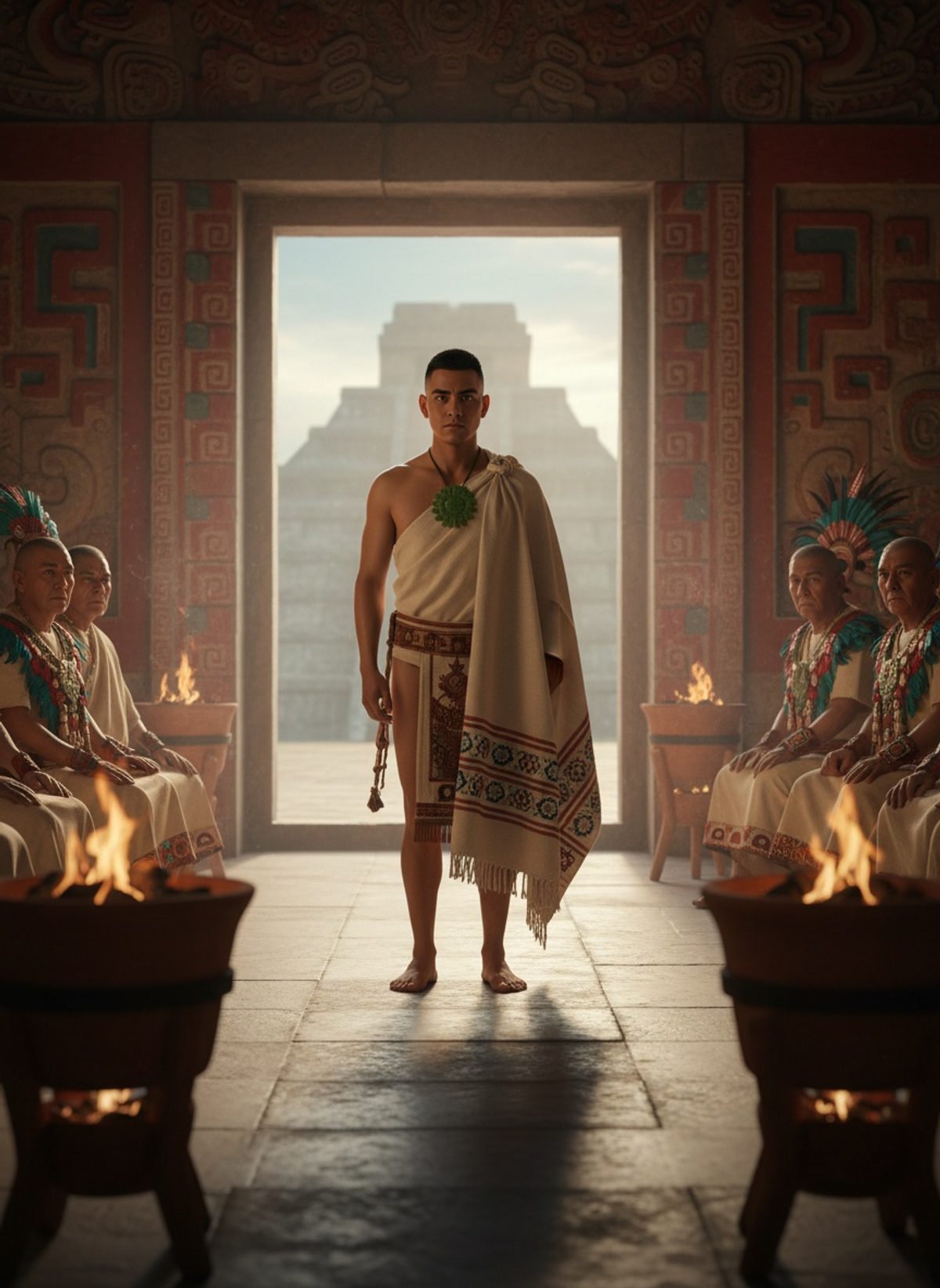
The prince’s journey back to Texcoco was marked not by the clamor of battle alone but by a silent promise to himself. He would be more than a king; he would be a steward of enlightenment. Embracing both the wisdom of his past and the vision of the future, Nezahualcoyotl built an empire at peace with its poetics. The fledgling city he established would rise from the ashes to become a cultural metropolis, a beacon where poetry, art, and governance flourished hand in hand.
Nezahualcoyotl's rule was punctuated by profound innovations. Among them, expansive libraries found their home in Texcoco, preserving the rich corpus of Nahuatl texts alongside philosophical insights. The prince-turned-king cultivated botanical gardens that displayed the vast agriculture of his lands, offerings of floriculture to the gods and the people alike. The reconstruction of Texcoco stood fortified by stone yet softened by wisdom, guided by the ethical codes he so fervently cherished. His laws underscored balance and justice, maintaining harmony amidst the complexities of ruling diverse subjects.
Today, the story of Nezahualcoyotl resonates not only as an extraordinary tale of resilience but as a reminder of the potential to create legacies that defy the ravages of time and conflict. Born amidst destruction, nurtured through hardship, his journey from fugitive to philosopher-king illuminates paths where ideals can indeed flourish despite the darkness engulfing them. In his hands, the cycle of empire and conquest found pause long enough for the arts to speak, for humanity to dream.
As echoes of his poetry continue to carry through the ages, Nezahualcoyotl's life speaks to the unfathomable roots of resilience in the human spirit. In an era rife with turmoil and trials, he dared to plant seeds where others burned bridges, to see the beauty of creation in a world stitched together by its tragedies. Thus, he reminds us that from the fiercest flames, there is always room for a phoenix to rise.