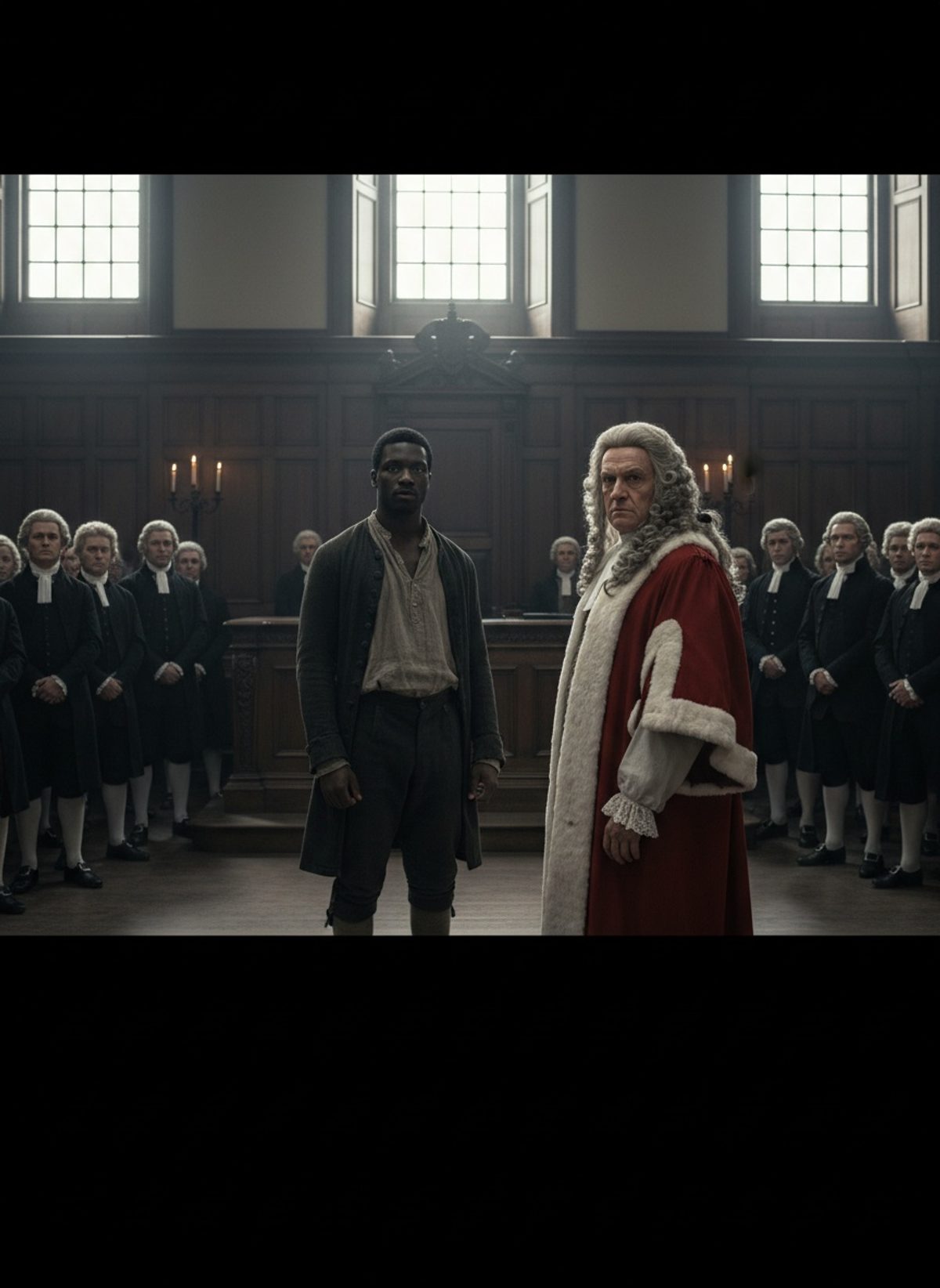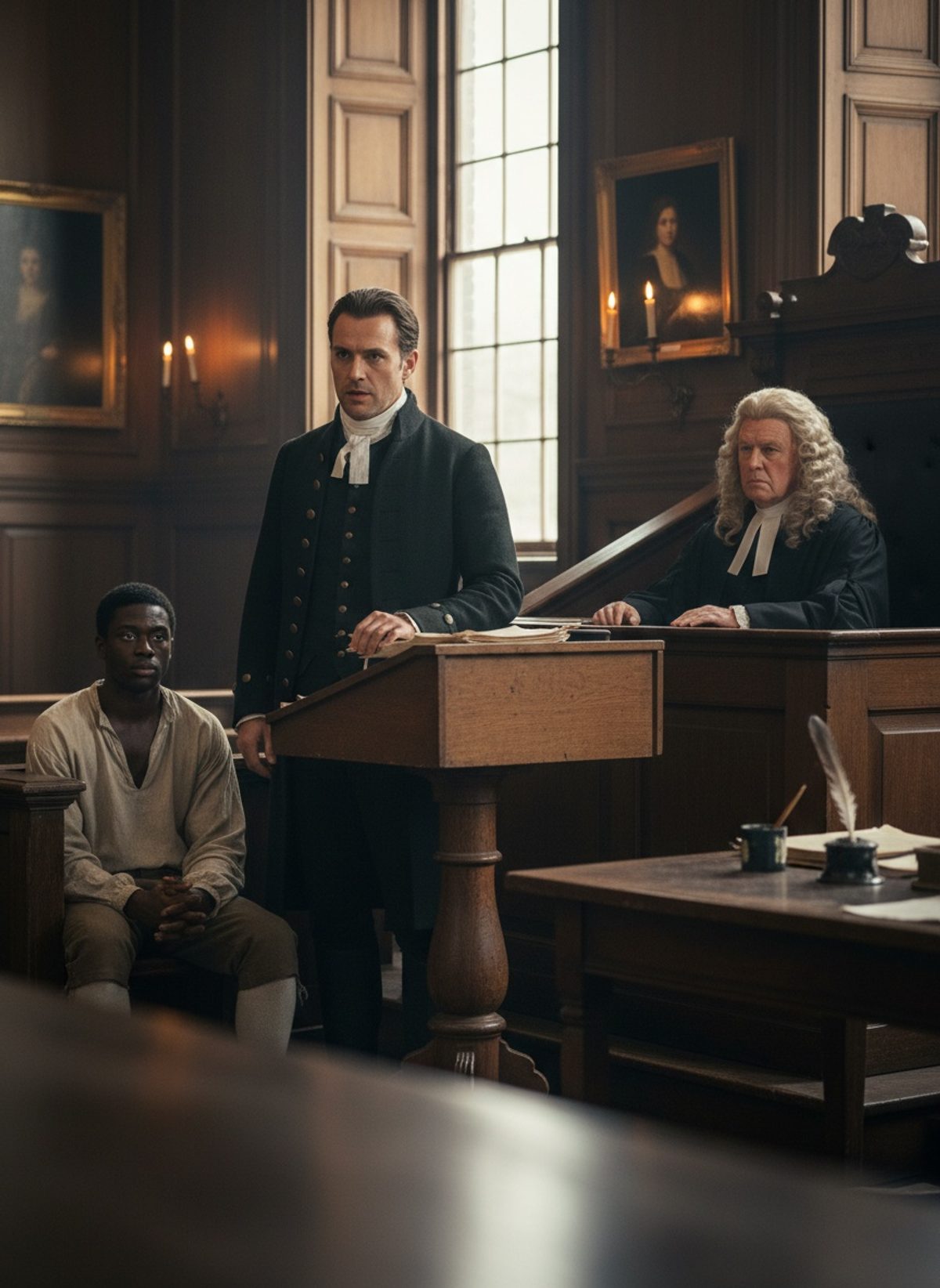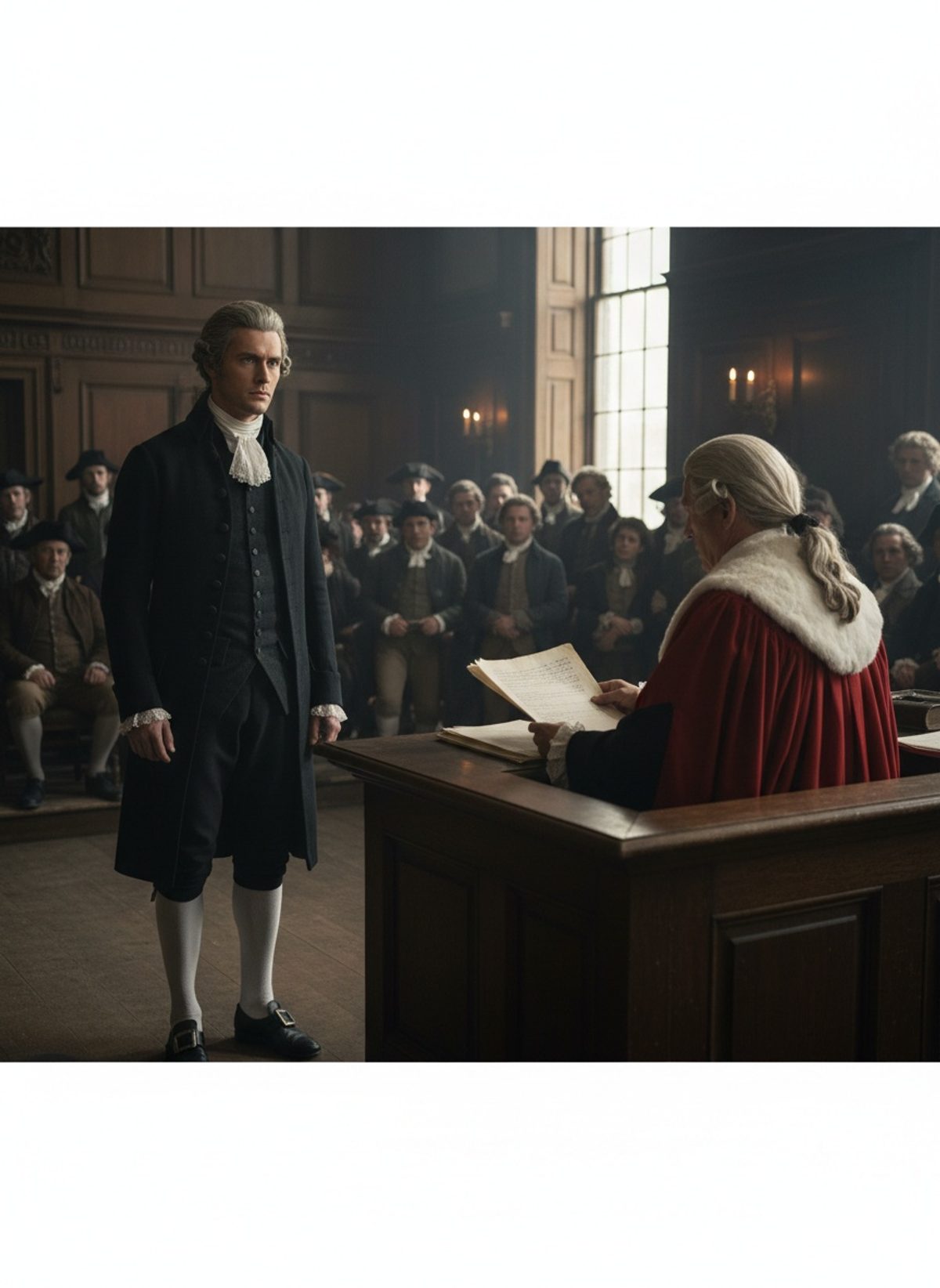
The packed courtroom was silent, save for the rustle of papers and low murmurs of intense anticipation. As Lord Mansfield adjusted his spectacles, seated in the magnificence of the Court of King's Bench, a ripple of expectancy washed over those gathered. This was no ordinary case — the air seemed charged as Lord Mansfield prepared to announce a decision that would echo far beyond those walls. Granville Sharp sat with a fire in his eyes, gripping the armrests of his chair, bracing for what he hoped would be a momentous victory against the shackles of slavery.
A Battle Fought in the Heart of London
London in 1772 was an empire's beating heart, alive with commerce, culture, and conflict. Within the city's sprawling streets, the case of James Somerset emerged from the bustling docks and shadowy alleyways, a microcosm of a much larger battle against an inhumane institution. Somerset, a young Black man, had been brought to England from the American colonies by his master, Charles Stewart. Yet, when Somerset gained the chance, he grasped for freedom, slipping through the dense fog of London’s labyrinthine passages, determined to escape a life of bondage.
Granville Sharp, an unlikely champion for this cause, was no legal scholar. He was the son of an archdeacon, occupying himself with the varied roles of a civil servant, musician, and scholar. It was only when fate intervened in the form of his friendship with a freed slave, Jonathan Strong, that his path was directed to this relentless pursuit. Sharp was profoundly shaken by the conditions that slaves endured on English soil and began to nurture an audacious idea: no man should be a slave in a nation that prided itself on liberty.
Crafting a Case from Smoke
The case had to be built from scratch, a seemingly Herculean task given the lack of formal precedence. The Georgian era legal system was a vast, unyielding entity where tradition carried the weight of law. Sharp, with his dogged determination, managed to persuade some of the finest legal minds of London to form a defense for Somerset. Their debate centered on whether English common law recognized and upheld the status of slavery.
Read next: The Day Britain Signed Away Thirteen Colonies in Paris
Within the intricately carved interiors of legal chambers and the echoing halls of justice, Sharp and his team argued fervently. They faced a daunting opponent in the entrenched belief systems and economic interests that slavery upheld. But Sharp was armed with a righteousness that could not be shaken. It was not only a battle of legal minds but of moral compasses, with the courtroom a stage for a much larger performance of justice and humanity.
The Judgment that Shook an Empire
As Lord Mansfield addressed the courtroom, the atmosphere was electric. He had heard all arguments, probed the intricacies of legal precedents, and now faced the monumental task of pronouncing judgment. As his words cut through the silence, the essence of his ruling was clear: while the verdict did not ban slavery outright, it stated no legal backing for the enforcement of slavery on English soil. This was a seismic shift in the landscape of law; it reverberated through England and beyond.
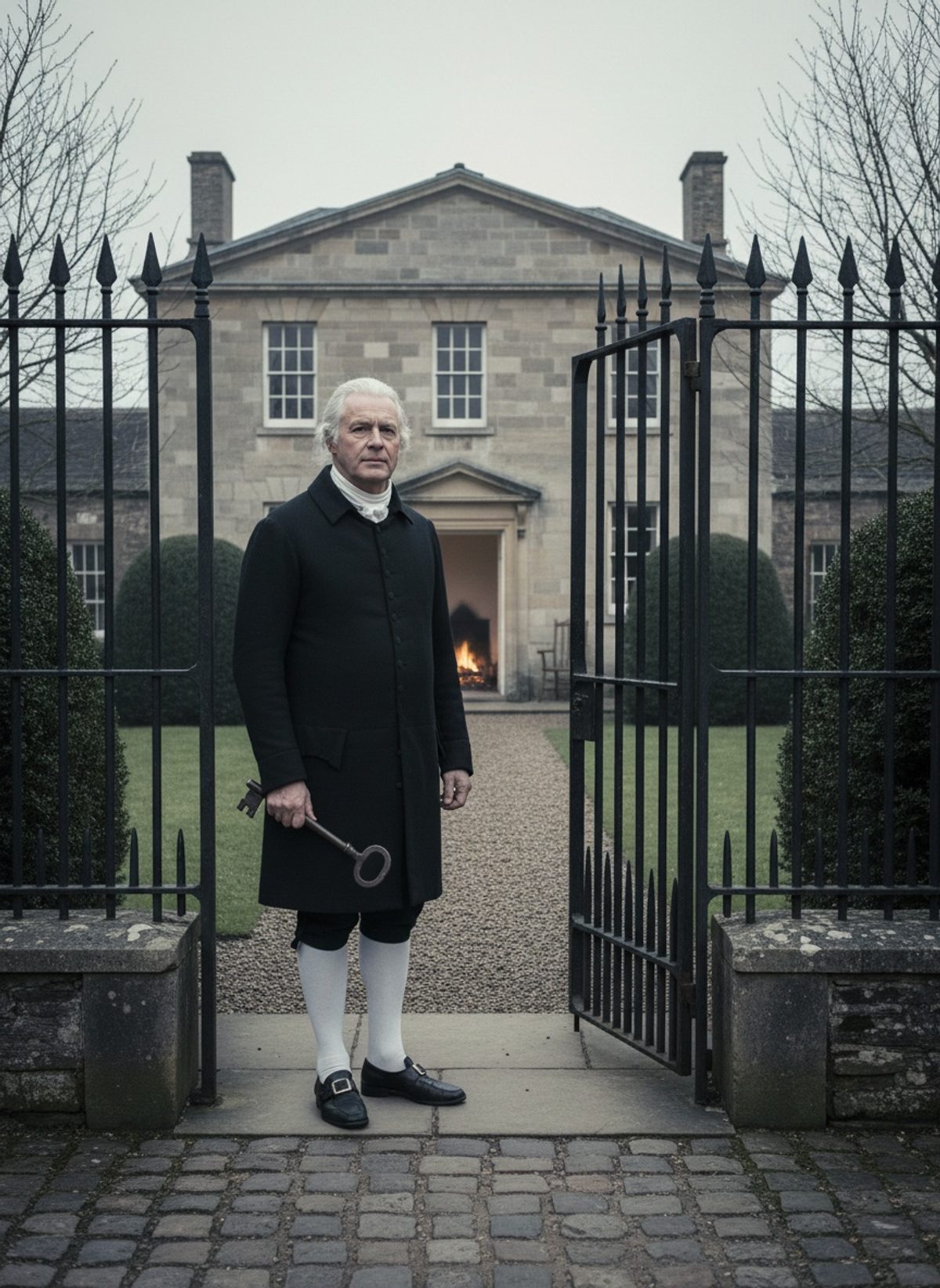
Outside the courtroom, a new dawn seemed to break. The streets of London were abuzz with the murmurs of change, and Granville Sharp's fervent heart must have lifted, knowing that this was but the beginning. To many enslaved people and those fighting for the abolition of slavery, it was as if a door, long bolted, was now ajar.
Why This Moment Matters
The ripples from that day in 1772 turned into waves that would eventually topple the institution of slavery within the British Empire. Although it would take many more years and countless struggles to achieve full abolition, the Somerset case laid the crucial foundation. It was a profound reminder that even within established systems, change is possible, and the relentless pursuit of justice can create monumental shifts.
In reflecting on Granville Sharp's relentless battle, we are reminded of the extraordinary power that individuals wield to challenge the status quo. It is a testament to the courage of those who dare to envision a world different from their reality. The tale of James Somerset, Granville Sharp, and Lord Mansfield resonates through history as a beacon of justice, illuminating the paths of those who walk the same noble fight against oppression and inequality. This was a story of courage that shook an empire, one that remains relevant in our continued quest for equality and human dignity.