The law was clear—or so everyone thought. But as the gavel came down, what unfolded in Lord Mansfield's courtroom defied the expectations of an entire nation.
An Unlikely Protagonist
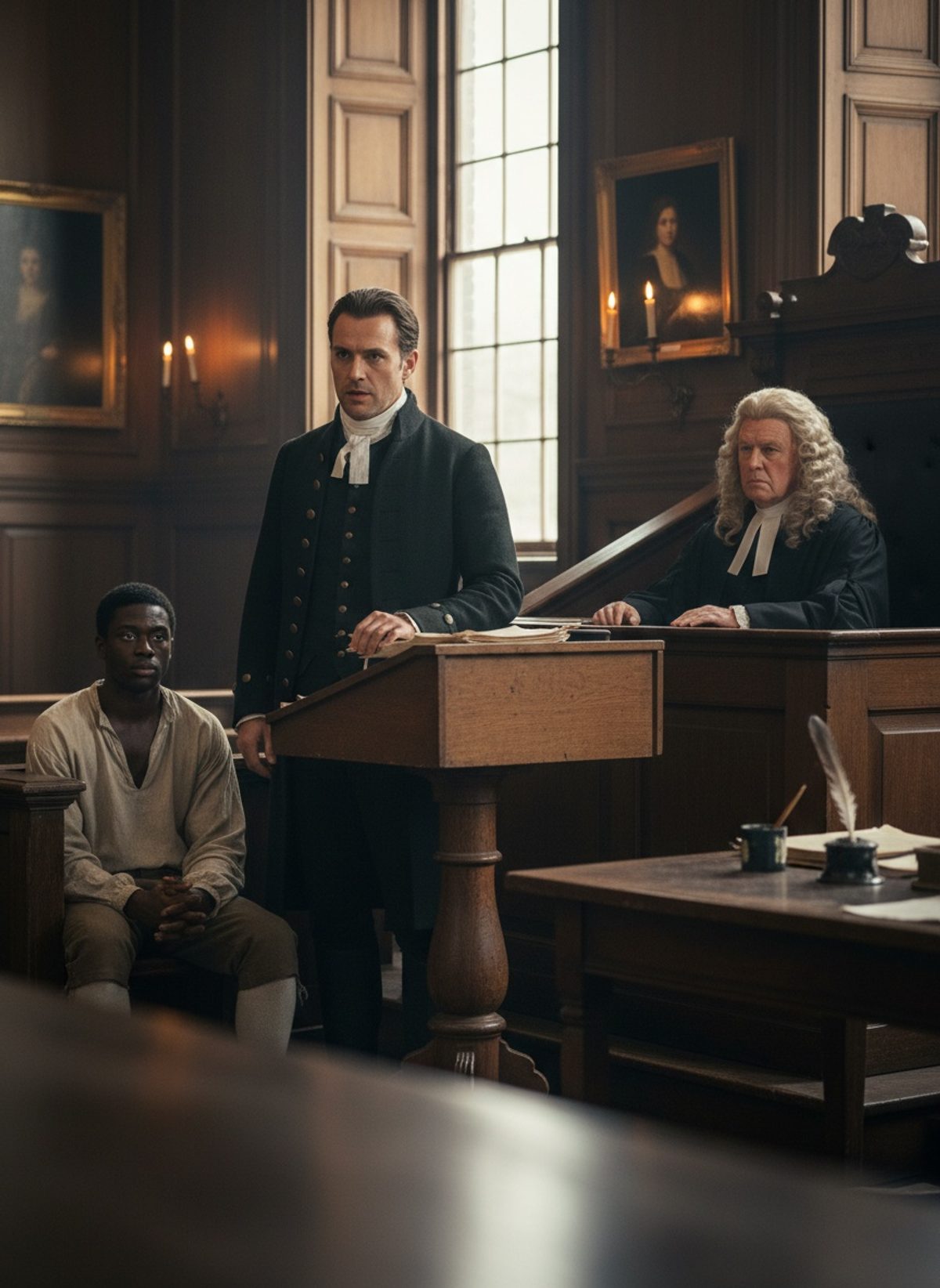
In 1772, the atmosphere in England was tense. The air, thick with the misty breaths and whispers of hundreds, carried a singular name that nestled into the consciousness of every onlooker in the courtroom: James Somerset. Somerset was unlike any of the affluent souls who usually stood before Lord Mansfield. He was a fugitive, a runaway slave from the colonies, recently captured and now shackled before the nation's highest court.
James Somerset had been brought to England by Charles Stewart, a customs officer from Boston, who laid claim to Somerset as his property. But in England, the winds of change already stirred. The British Empire's economic dependence on the slave trade made the case more than just one man seeking freedom; it posed an existential question about human rights on British soil. The room was packed, anxiously awaiting the judgment that could ripple far beyond the Isles.
Mansfield's Dilemma
Lord Mansfield, known for his formidable presence and sharp intellect, sat at the helm of this pivotal case. With a legal career untainted by scandal and defined by meticulous precision, he found himself facing a conundrum. His decision could support the economic foundations of an empire, or it could unravel centuries of entrenched beliefs about human ownership.
Read next: The Day a Freed Slave Stood Up and Preached to England
Mansfield knew the weight of his impending decision. This wasn't merely about whether Somerset should return to America with Stewart; it was a question that struck at the moral heart of Britain. The implications of declaring slavery illegal in England were too vast to foresee. Yet, Mansfield felt the pull of both justice and duty, caught between the empire's eyes examining every move and the singular human soul whose fate hung in the balance.
The Whispers of Freedom
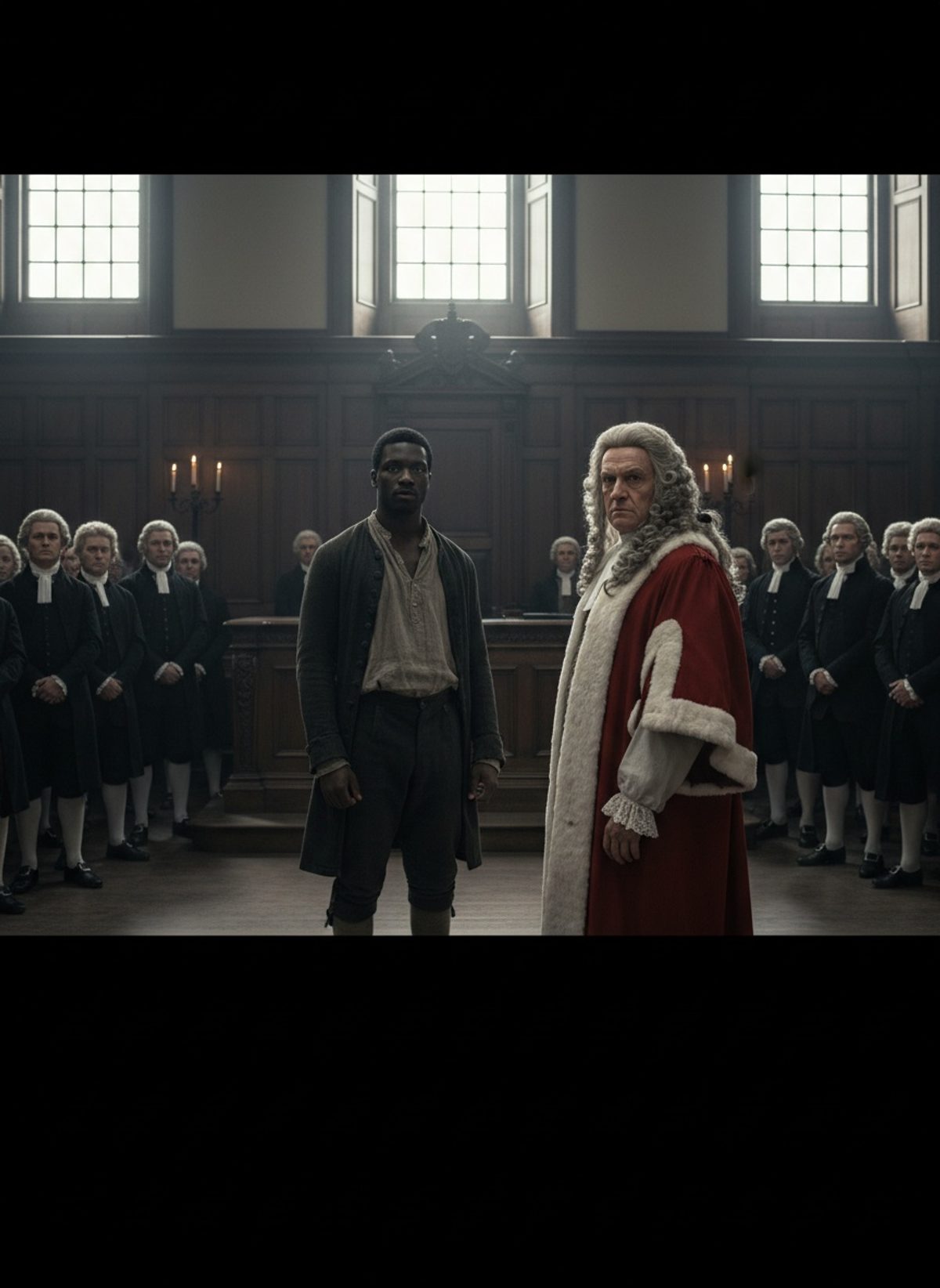
June 1772: the echo of the gavel lingered as spectators held their breath. Mansfield’s voice cut through the room, carrying not just the resolution of a man's destiny but also the silent prayers of thousands. Would England continue down its current path or venture into uncharted waters of liberty?
The speech was lengthy, deliberate, pointing to England's legal and moral frameworks. Finally, the words resounded: Somerset was free. The clamor of shackles unbinding was drowned by gasps and murmurs; many understood the ruling echoed beyond Somerset’s personal emancipation—it was the start of a seismic shift. While not outlawing slavery outright, the courtroom consensus had planted seeds of doubt in a world taken to be immutable. England’s soil would no longer easily sanction the return of runaway slaves to bondage.
Reverberations Across an Empire
What happened in Lord Mansfield’s courtroom didn’t just slip into obscurity. It became a symbol, a potent catalyst for abolitionists seeking the end of the slave trade. Somerset’s case energized a generation of reformers, and although slavery persisted in the colonies, the ruling represented a fraying thread in the empire's tapestry, one that activists would tug on determinedly in the years to come.
Britain’s burgeoning civil rights movements grabbed this precedent, melding legal argument and moral tenacity into compelling campaigns. The courtroom scene became a point of reference in debates ringing from parlours to parliament, turning a once-enshrined institution into a subject of continuous scrutiny and eventual dismantling.
Why This Story Resonates
James Somerset’s case wasn’t just about a ruling; it was a clarion call for humanity. In an era when people were commodified and millions bore the chains of an unconcerned economy, one decision cracked the façade, revealing fragile but resolute human dignity beneath. It posed an essential question: When the law conflicts with moral righteousness, which shall prevail?
Lord Mansfield’s decision didn’t obliterate slavery overnight. But it embedded a notion in the consciousness of society that a future without bondage was possible, even necessary. Somerset’s release, seemingly a singular episode, disrupted complacency and sparked advocacy that eventually felled an empire’s outmoded and unjust pillars. Today, as societies grapple with legacies of inequality, remembering the day a judge set a man free, without fanfare but with unfathomable impact, remains a testament to the relentless journey toward justice.