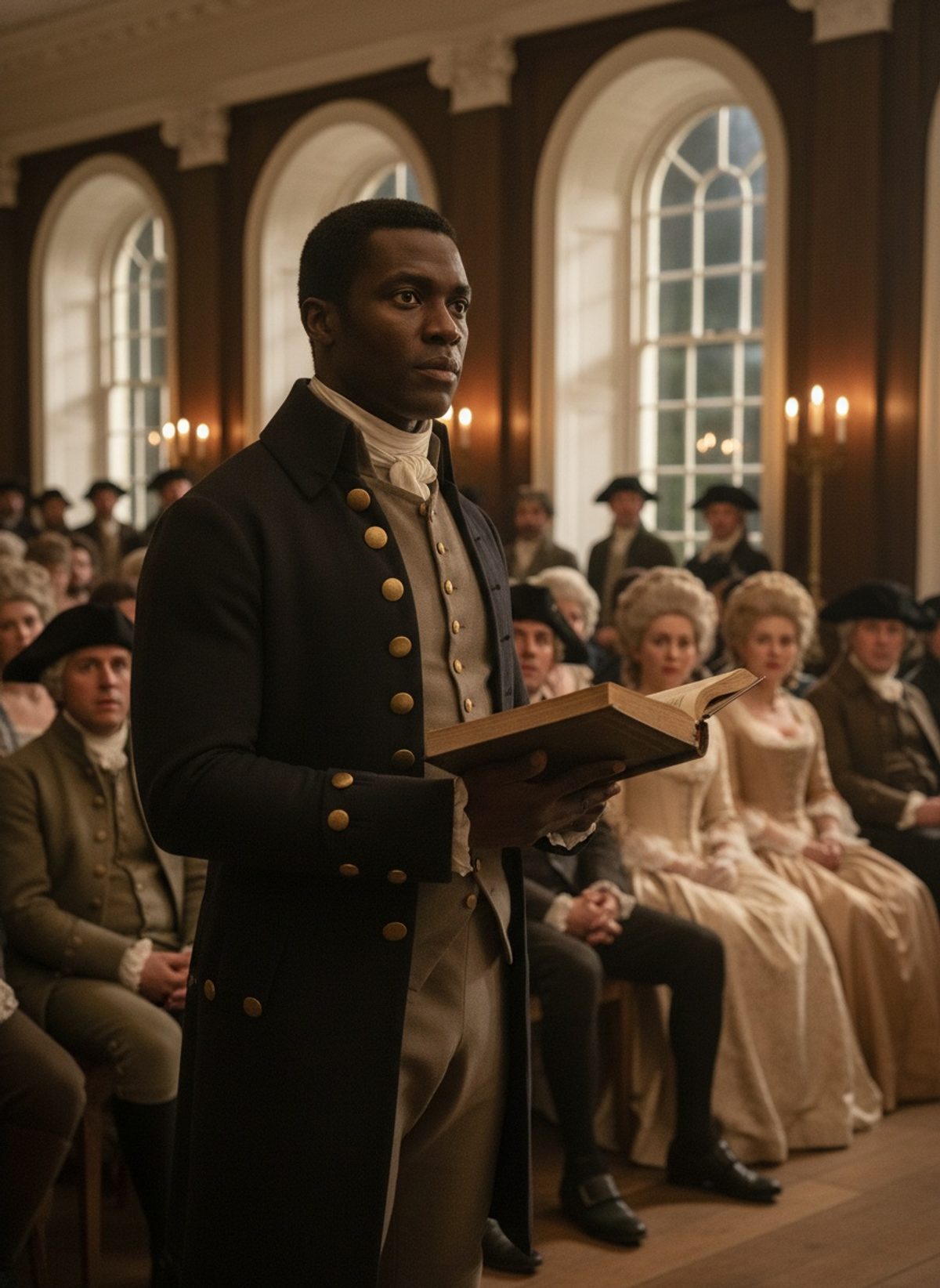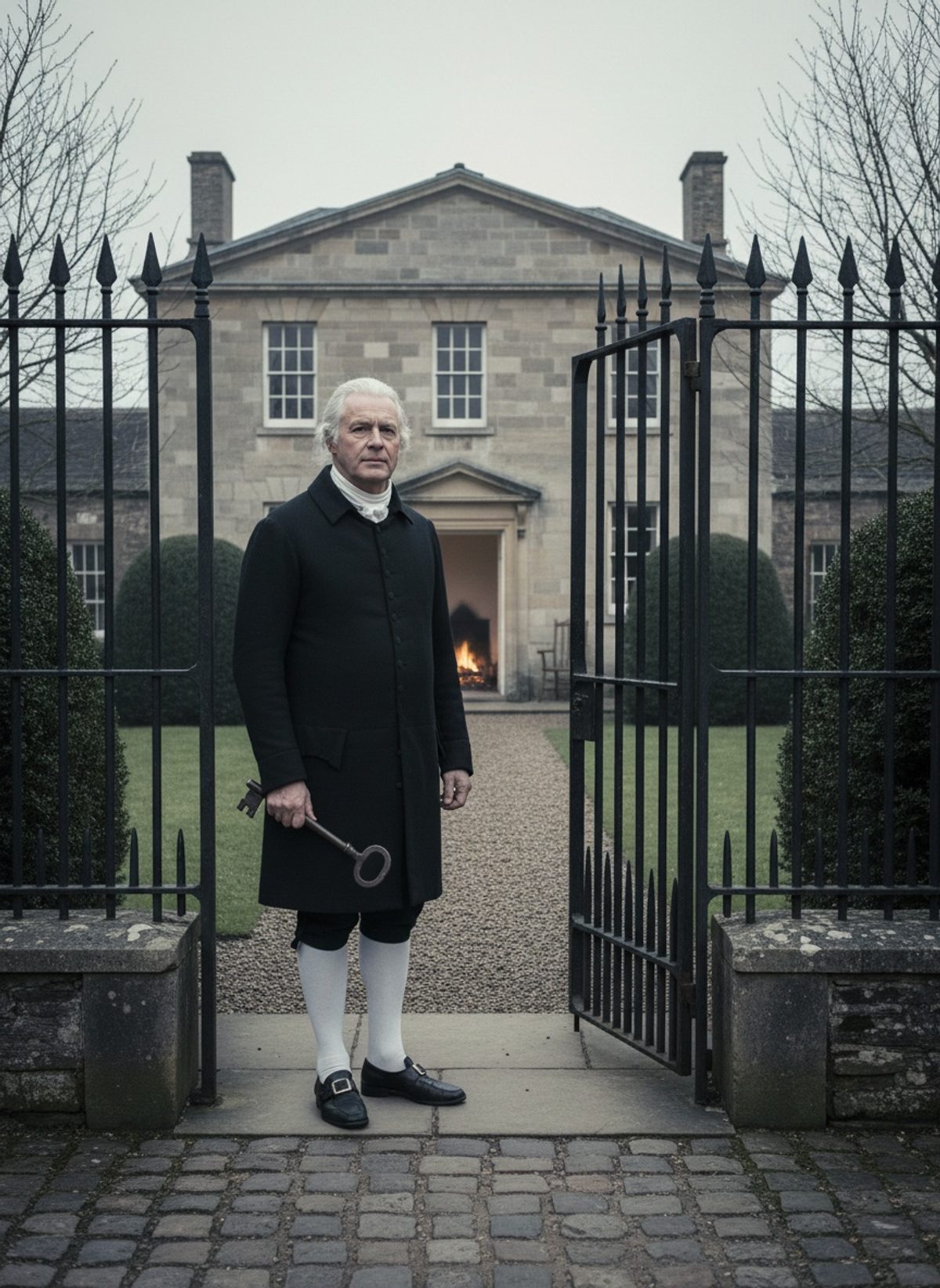
The rusted iron chains clanged against the stone wall, the sound echoing in the damp corridors of the York asylum. William Tuke stood frozen in horror, the revolting smell of neglect and despair cloaking the air. Before him was a woman — a fellow Quaker — restrained not by illness, but by the cruelty of a system designed to imprison rather than heal. She was one of the 'mad', a term as binding as the chains that marked her captivity. Tuke needed no more convincing. The seed for the York Retreat was planted; it just required the fertile soil of determination to grow.
Tuke, a simple tea merchant, was neither a doctor nor a politician. Born in 1732 to a Quaker family, his life's work revolved around tea leaves rather than diagnoses, yet he felt an unshakeable conviction to change the tide of mental health care in England. The experience at the asylum was not just a call to action; it was a deafening clamor for a revolution in thought and empathy. The Georgian era had witnessed the rise of scientific giants, but its treatment of the mentally ill remained archaic. They were hidden away, their stories untold, behind the unyielding walls of asylums. Tuke decided — if no one else would tell their stories, he would.
In the heart of York, the struggle began. Tuke engaged the support of his fellow Quakers, rallying their collective spirit of compassion and reform to transform ideas into reality. It was 1792 when they founded what would become a beacon of hope — the York Retreat. Unlike anything seen in England before, the Retreat was conceived with the ideal that the mentally ill were still human beings deserving of dignity. They chose a site surrounded by pastoral serenity, reflecting the belief that nature itself could heal the troubled mind. Mental asylums of the time often resembled prison institutions, with barred windows and dank cells, but the Retreat offered a different vision entirely.
Inside its walls, patients were not just recipients of treatment. They were individuals known by name rather than as case numbers. Tuke's wife, Esther, was involved in the daily running of the retreat, adding a domestic touch that resembled homely comfort over cold alienation. Meals were shared in communal dining rooms; patients engaged in conversation, gardening, and light crafts, all elements that fostered a sense of normalcy and inclusion. This approach was revolutionary — it was a compassionate challenge to the entrenched norms of the era.
Read next: The Night a Schoolmaster's Son Broke the British Army
Word of Tuke's work spread beyond the quiet lanes of York. By challenging the pervasive fear and stigma of mental illness, the Retreat inspired a movement toward moral treatment, a philosophy that emphasized kindness, respect, and understanding over fear and isolation. This was not just rehabilitation; it was a reformation of thought. Institutions throughout Britain and as far as the United States started adopting similar therapeutic methodologies, acknowledging finally the humanity in insanity.
The Retreat's influence reached further through the publication of "A Description of the Retreat" by Tuke's grandson, Samuel Tuke, in 1813. The book laid out, in clinical detail and persuasive prose, the methods and successes of the Retreat, serving as both inspiration and manual for the future of mental health care. It marked a seismic shift in how society at large viewed the mentally ill, moving them from the shadows of shame to be seen as sufferers of ailments requiring care, just like any physical illness.
But perhaps the most significant legacy was a change in policy and law. The Lunacy Act of 1845 can be traced back to these early reform efforts, mandating regular inspections of asylums and setting standards for care. It was one of the first steps toward modernizing the mental health system. Institutions had to meet these new requirements, emphasizing therapeutic care over isolation or punishment. Even Queen Victoria herself was known to express interest in the humane treatment methods championed by Tuke and his successors.
While the York Retreat was small, its implications were vast. It demonstrated the power of compassion paired with determination. From a Quaker's noble stand against injustice, the majestic wings of reform spread across continents, sowing seeds that would bloom into future mental health advancements. The channels of empathy and reform cut by William Tuke's resolve continue to influence medical and societal treatment of mental health today.
William Tuke's unyielding resolve to transform a cruel system reminds us that change does not always begin from positions of power. Sometimes, it is the sight of a single chained soul that stirs a quiet revolution, echoing across the centuries. His legacy is a testament to the strength of human kindness and the indomitable spirit that seeks to free the shackled, not just of chains, but of misunderstanding and fear. The tale of Tuke and the York Retreat compels us to ask ourselves — what chains can we break today?