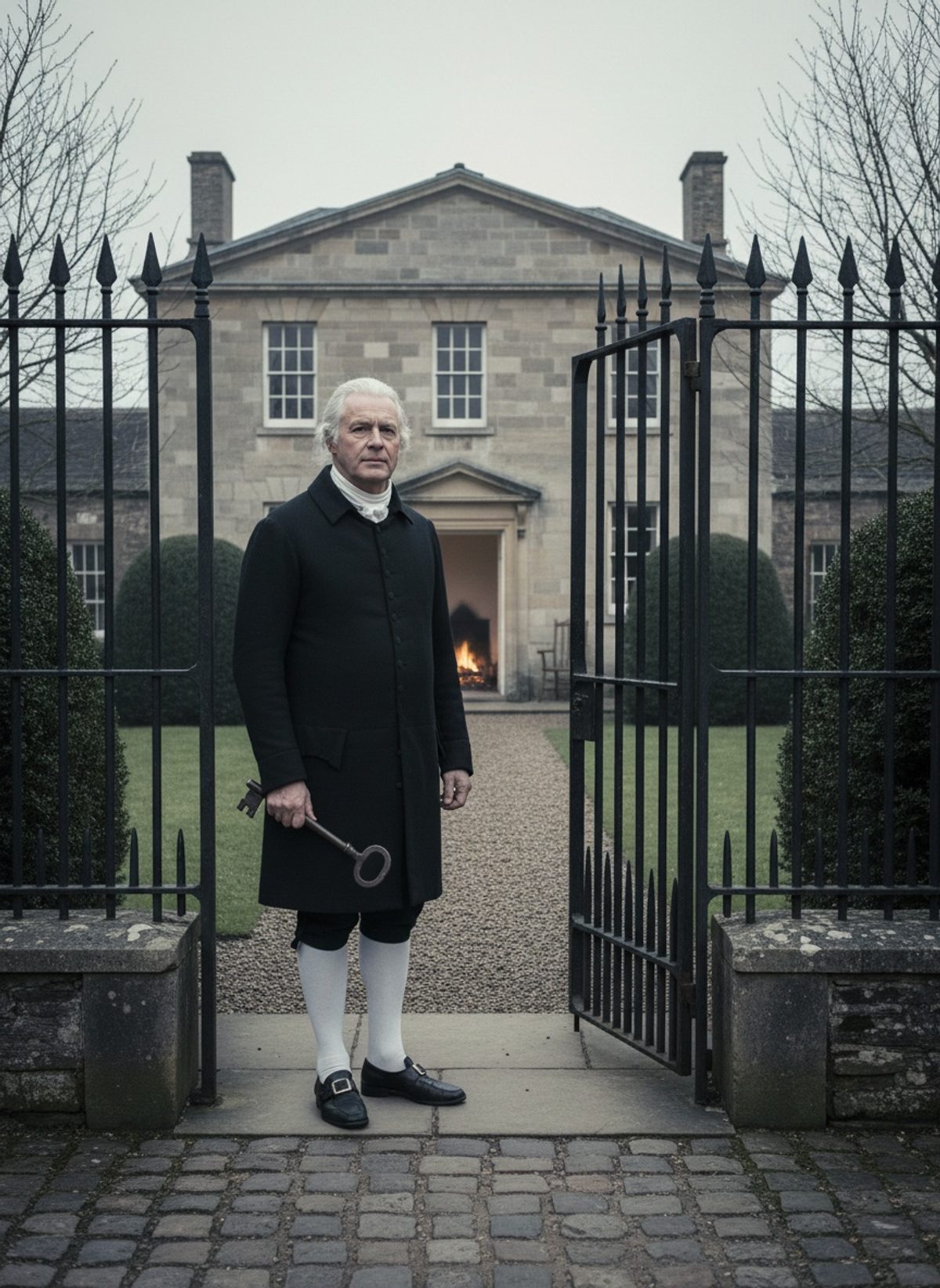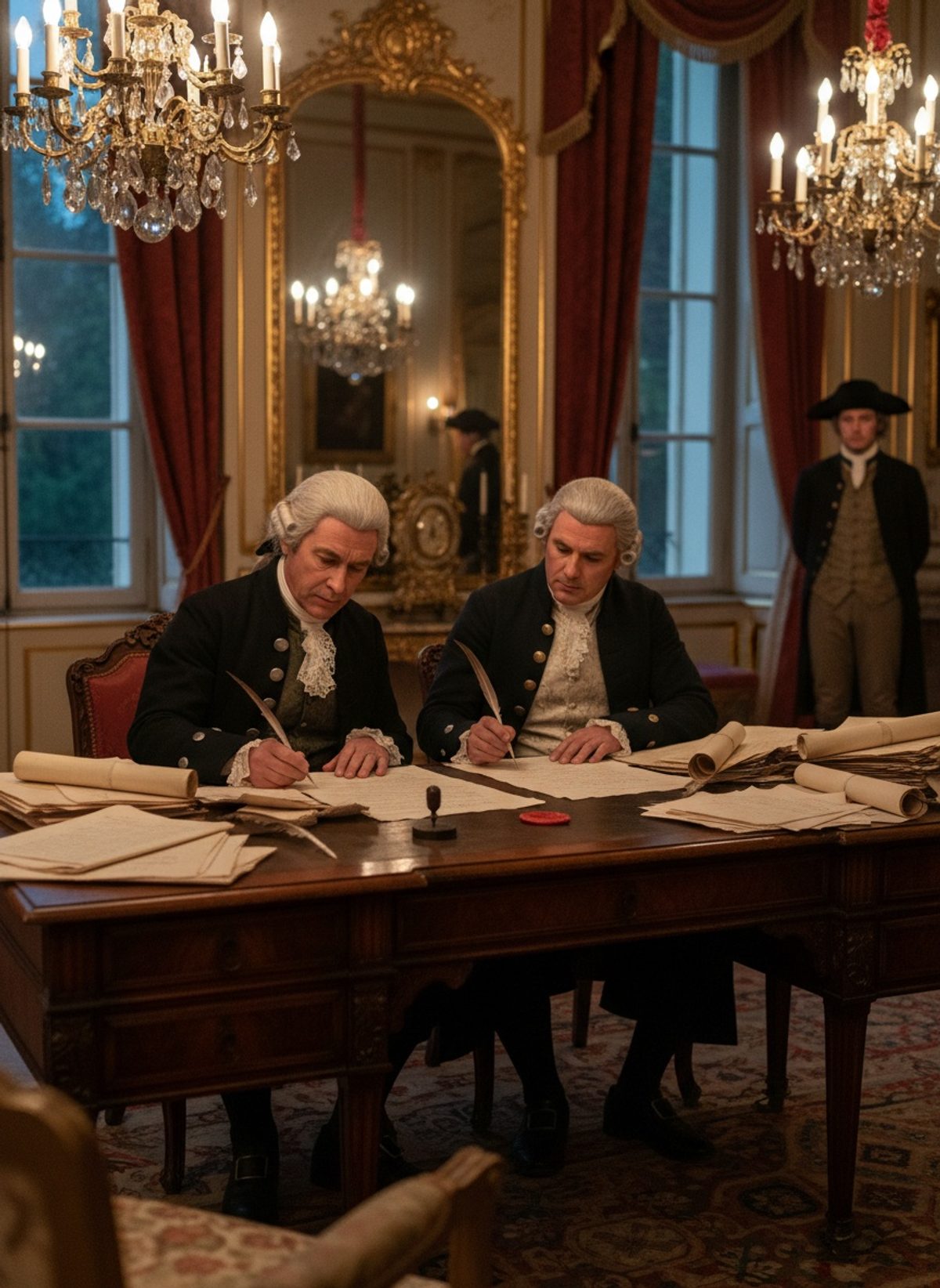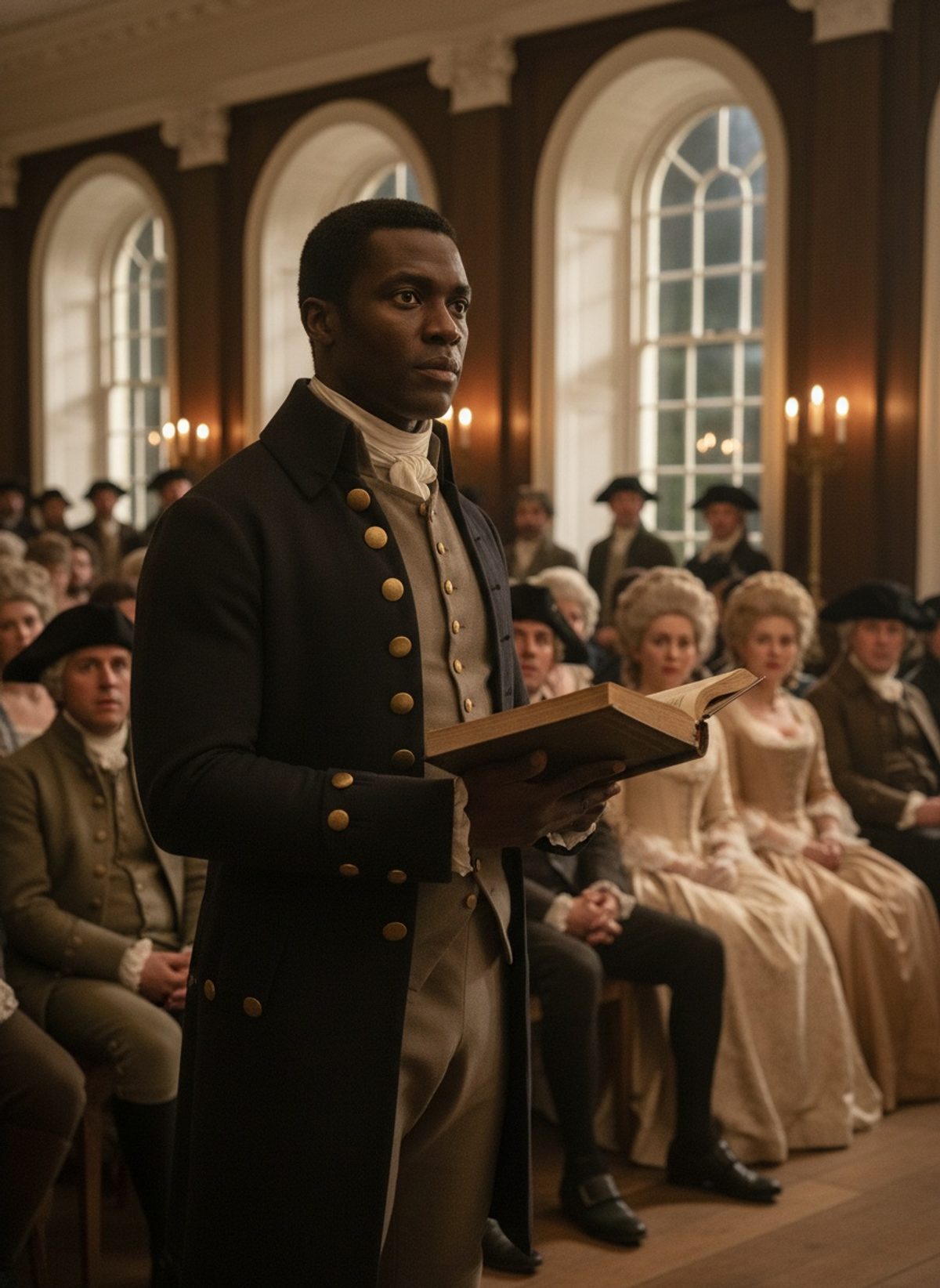
June 22, 1772. The cobblestones of London shimmered under a reluctant sun.
Amid the bustling streets, James Somerset was a man in invisible chains, his fate tethered to the whims of another. Once confined to servitude in the sweltering plantations of Virginia, Somerset sought refuge in the unsuspecting heartbeat of the Empire, where the clang of cart wheels meshed with the vendors' cries. For many like him, London was more than a city; it was a sanctuary of hope amidst an uncertain reality, a stage for the enlightened and the naive alike.
Granville Sharp, a steadfast lawyer in this sprawling metropolis, lived for just such a day. Though not a man of resounding stature or wealth, his name resonated within the circles that pondered justice's heavier blows. For years, Sharp equipped himself with the knowledge and conviction to contest a cruel status quo that whispered through ignored treaties and overlooked laws. As a scholar, his weapon was words, sharp and insightful; as an advocate, his canvas was the intricate tapestry of common law, woven and rewoven through hands that often discounted the enslaved.
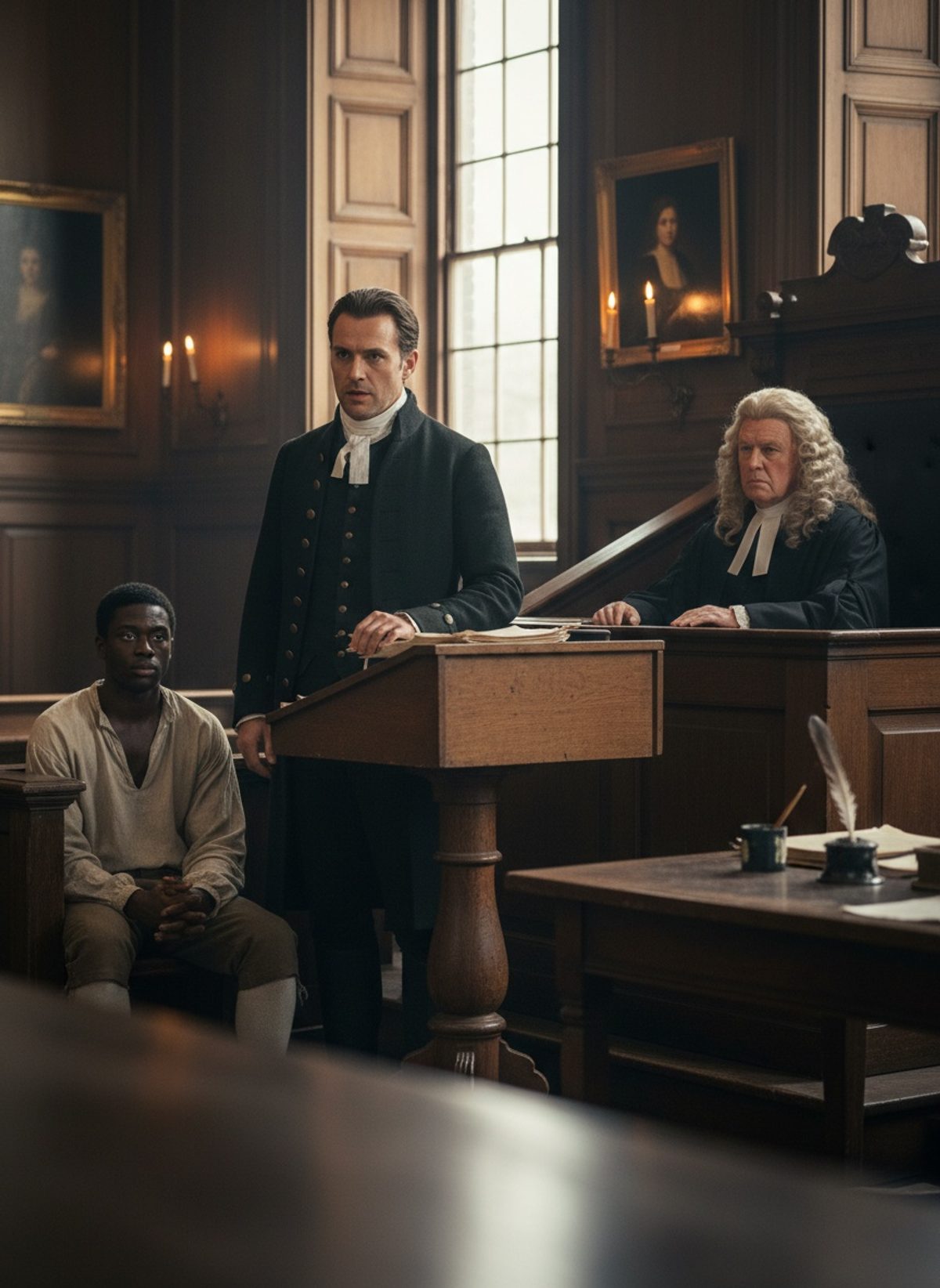
But on this day, the stage bore a peculiar weight as a case brought Somerset to a different arena – the Court of King’s Bench – presided over by the respected Lord Mansfield. A cold grandeur filled the courtroom, a stark contrast to the fiery detestations that thrived outside its walls. Somerset, ensnared by his owner’s desire to ship him back to the colonies, sought reprieve from a journey leading only to bondage's harsh inevitability.
Read next: The Night Britain Walked Into Washington and Sat Down to Dinner
Lord Mansfield, no stranger to the shackling intricacies of law, sat at the bench, his countenance one of contemplation. Known not just for his legal prudence but also for his fundamental belief in fairness, he was no mere spectator in these affairs. With his wig crowning him in judicial authority, he bore the task of pondering a question as ancient as Athens: Could liberty live where slavery had taken root?
The disbelief of the slave owners peppered the chamber like mist upon the Thames. The very notion sparked an unease, a confrontation with the unsettled specters of human rights that Victorian minds dared only skirt around. Sharp, with a composure that belied the atmosphere's tension, discerned the gravity of the moment. Here was a moral battlefield draped in legalese, the line drawn between ancient doctrines and emerging humane sensibilities.
Granville Sharp's voice rang clear, decisive, as he built a narrative around the scaffolding of individual will and personal freedom. England's air, he argued, was unfit for slavery’s tendrils; once upon its shores, no man should partake in shackles. Lord Mansfield listened, measuring each facet of the legal arguments against the moral tome of humanity. As advocates cited statutes and coded mandates, the essence of Hardy v. Welsh simmered in the judge’s thoughts – could an Englishman's freedoms extend to any soul who touched the grounds of liberty?
The courtroom exchanges faded into reflections bound for history’s archival, eclipsed only by the judgment yet to come. Lord Mansfield, steward of not just law but legacy, receded into deep consideration. This was not just about Somerset; it was about the countless untold like him who longed for justice amidst shadows. His eventual ruling, bathed not in equivocation but clarity, would redefine the stature of humanity on British soil.
Finally, a declaration: Somerset’s chains could not bind him to Jamaica. In his ruling, Lord Mansfield proclaimed that enforced slavery was incompatible with the current law, if not explicitly outlawed. His decision hung in the air like the hesitant song of freedom—a potential precedent unburied against the injustices of involuntary servitude.
The 1772 Somerset case did not abolish slavery across the British Empire, as its economic tendrils wove through colonies with relentless tenacity. Yet for Britain itself, a subtle shift unfolded. It was a seismic promise whispered in the halls of power, a suggestion that England could aspire to be a beacon of liberty, not just for some, but potentially for all. As Sharp stepped out from the courthouse's shadows, the air felt different. The case delivered neither full absolution nor sweeping emancipation, but it was a ripple—a beginning of conversations that would redefine legislations years down the corridors of time.
In the twilight of Georgian certainty, this singular day lingered as a reminder not just of legal triumph, but of the enduring spirit of human dignity. Whether Somerset realized it or not, his case etched an indelible mark on the annals of history, a chapter unsettling the very textbooks from which future generations would learn. And in the ripples of Somerset's saga, the courts whispered: liberty, liberty, liberty.