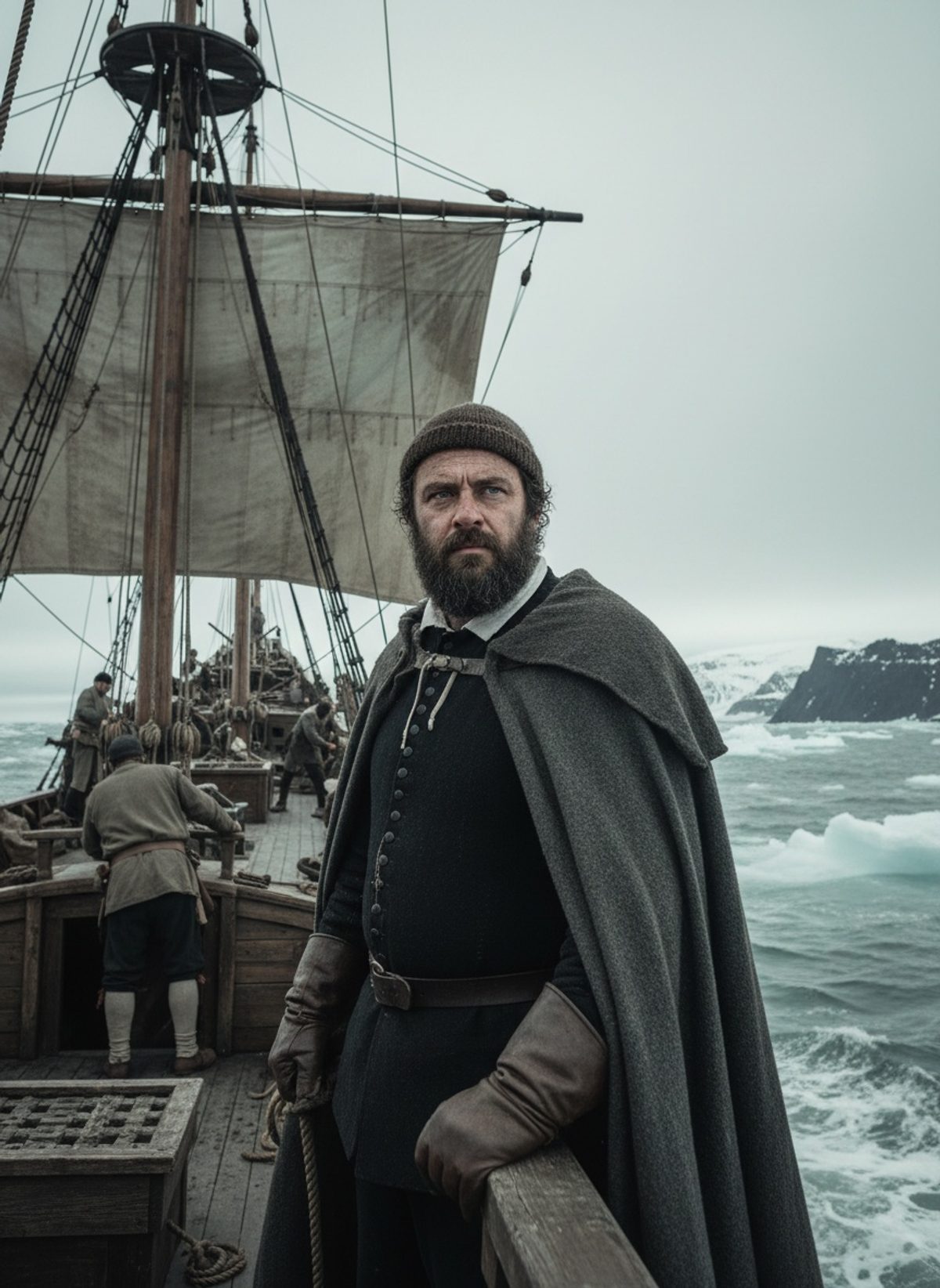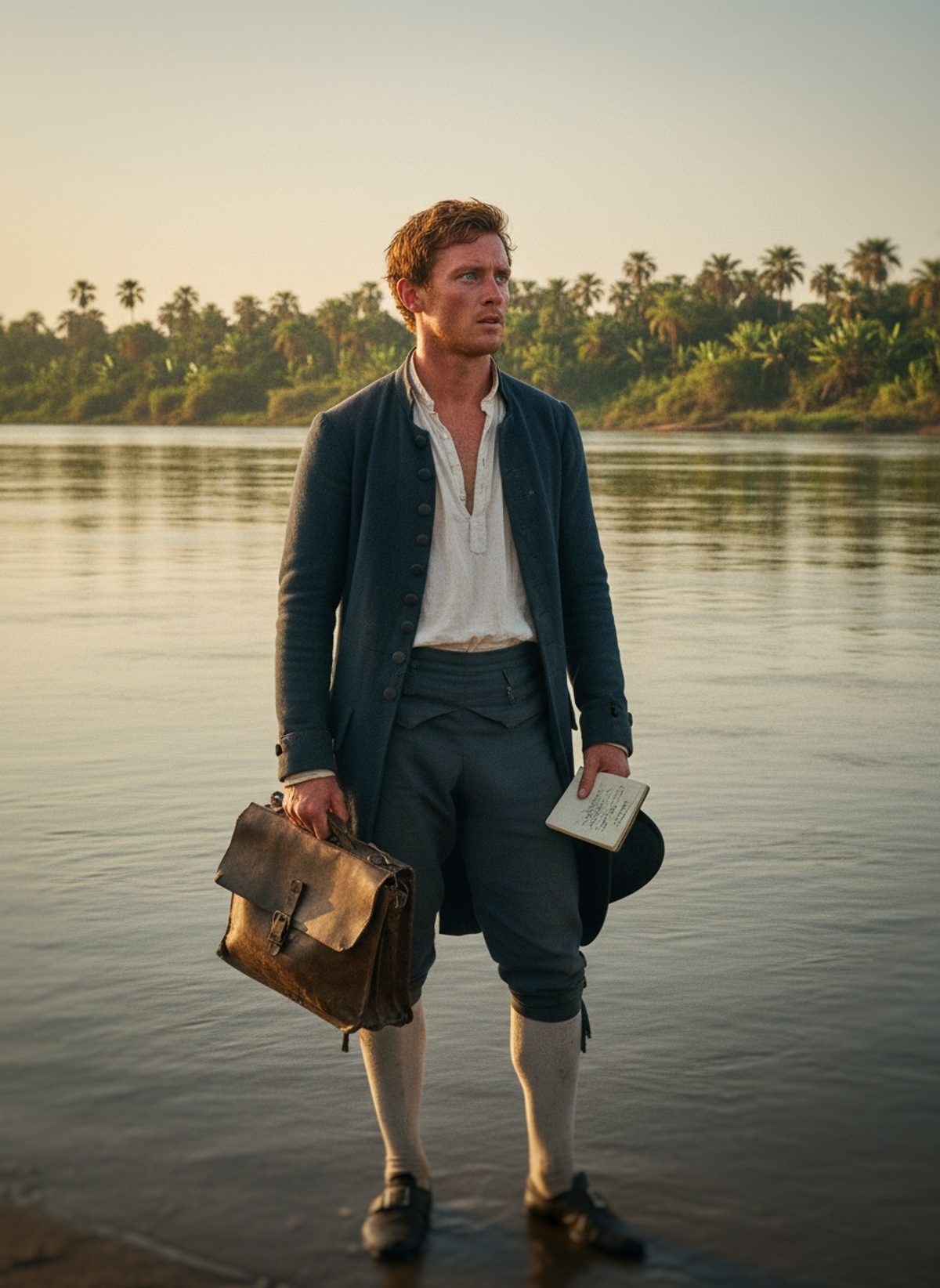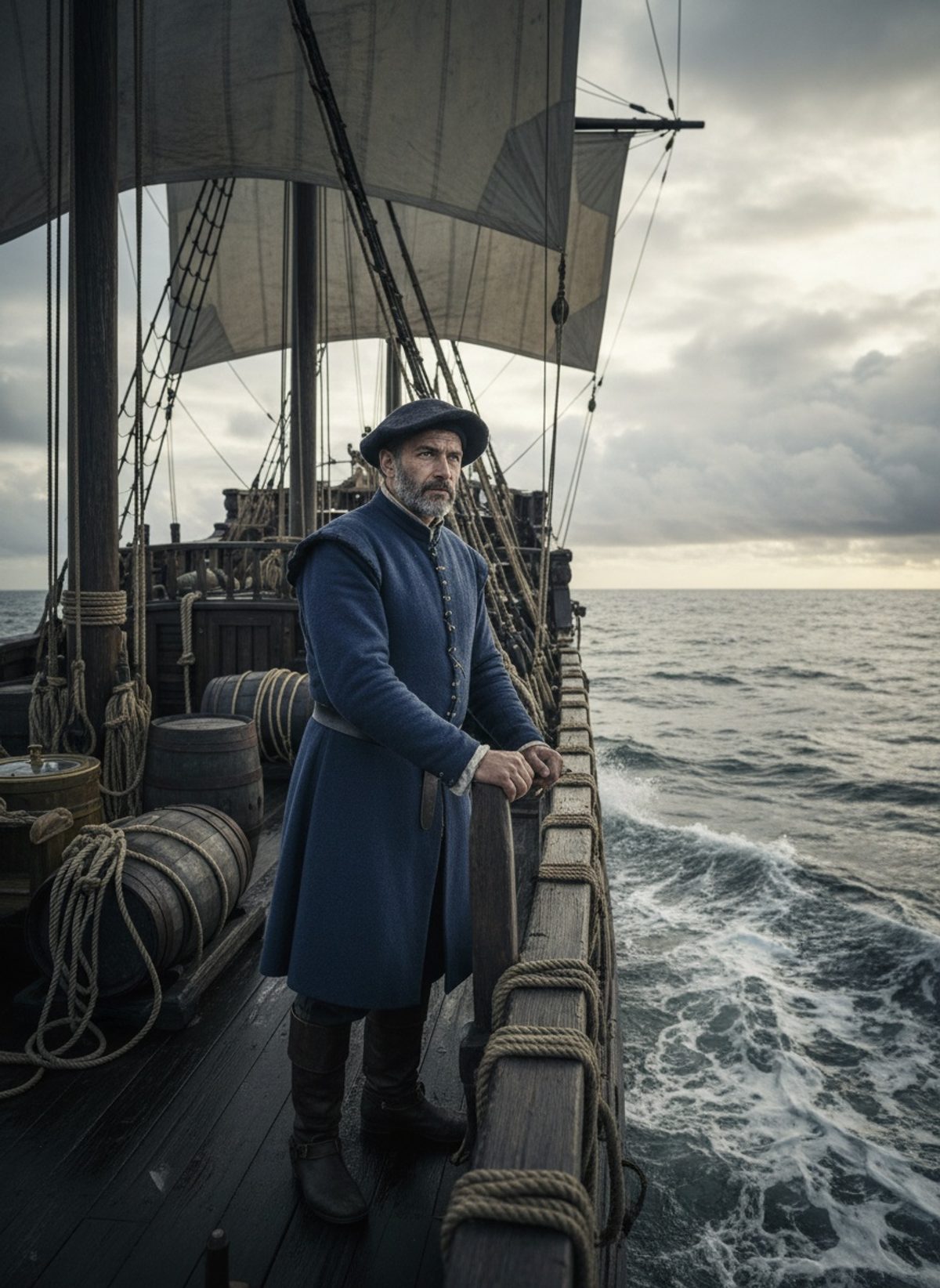
The oceans are vast obstacles to the blind. James Holman crossed them anyway.
In 1794, a child was born in Exeter who would one day chart a world he could not see. James Holman, destined for the Royal Navy, was struck blind at the age of twenty-five. For most, such a disability would represent the end of adventure, but for Holman, it was merely the beginning. Dubbed the "Blind Traveller," the conditions that would have restrained many served as the very catalyst for his extraordinary journeys across continents and cultures, alone, unaided, navigating by an instinct that defied logic and biology.
Holman entered the Navy at the age of twelve, his eyes alight with the promise of distant shores and the call of the ocean. Rising through the ranks, he appeared to be heading toward a distinguished career at sea. Yet fate had other plans. Struck by a mysterious illness, Holman was rendered blind at the very prime of his naval service. At the time, medicine offered little hope. Medical professionals diagnosed him with "rheumatism of the eyes," and Holman found himself pensioned off, his dreams seemingly shattered on the shoals of his unyielding condition.
But Holman's story was far from over. From the moment darkness fell over his vision, he sought the world even more earnestly than before. Enlightenment Europe was a place that both marveled at and feared what lay beyond known borders, and Holman, guided by sound, touch, and a probing curiosity, set out to explore them all. He departed without the accompaniment of sighted guides, instead relying on his other senses honed to an acuity unimaginable to those who navigate the world with all five faculties intact.
Read next: The Day a Yorkshire Captain Sailed Into the Unknown Pacific
The year 1822 marked a pivotal point in his impassioned quest for discovery. Holman embarked on a journey to Siberia, a land as vast and mysterious as it was perilous. Crossing Europe, he drifted like a shadow and yet fully engaged with the vibrant tapestry of languages, customs, and peoples. His blindness, rather than isolating him, compelled strangers to approach, intrigued by the tales of a blind man traversing lands unseen even by the experienced eyes of his contemporaries.
Through his travels, Holman faced numerous challenges that seemed insurmountable. In Russia, his unique exploration style caught the attention of the Tsarist authorities, who suspected espionage. To these bureaucrats, a blind traveller with a notebook scribbling incessantly about everything around him posed an unlikely, yet undeniable, threat. The authorities expelled him, believing the tales of distant connections hidden behind the veil of his blindness. This forced Holman to navigate the return journey under even more arduous conditions — and undeterred.
Holman's resolve only intensified, and Africa called next. In 1827, he journeyed to the western edge of the continent, immersing himself in the rich and diverse cultures of Sub-Saharan Africa. Along the west coast, he stopped at Sierra Leone, where the air was thick with the scent of a land perpetually bathed in the sun. The landscape spoke to Holman through every footfall as he sensed the earth's vastness beneath his boots and the rustle of unseen leaves in the teeming jungles.
The vast Indian Ocean that lay beyond the African continent was no match for Holman's desires. He pressed on to Australia when so little was known about the island continent, it might as well have been the moon. Landing in Sydney, Holman studied everything, from the flora and fauna to the burgeoning settlement's bustling life. His guided understanding was not one of sight, but of echoes and vibrations, interpreting the landscape through the rhythm of the world around him.
Despite his physical limitations, Holman's legacy was forged in the ink of his meticulous travel writings. His observations were not only rich in detail but conveyed an understanding of the complex interplay of culture and geography that many of his contemporaries, blessed with sight, failed to achieve. These accounts captured the imagination of those who would never journey beyond the confines of their own towns, offering a rare glimpse into the unknown with a consistency and accuracy that belied his inability to see.
What drove Holman to achieve what others deemed impossible remains a source of inspiration. In a world quick to point out what a blind man could not do, he focused on what he could. The whispers of a distant breeze, the firm grip of a stranger-turned-friend, the myriad of scents wafting through an open market — these were his guides. Holman understood on a fundamental level that sight alone is not the sole path to understanding the world. His adventures taught that exploration is an endeavor of the heart and mind, transcending the mere faculties of sight.
In recounting the life of James Holman, we reflect on the eternal human spirit's capacity to embrace possibility, no matter the confines of circumstances. Holman stands as a beacon for anyone who has faced adversity and stumbled upon their own perceived limitations, urging us all to navigate the vast oceans of our ambitions and dreams with courage, determination, and resilience. His journeys remind us that the world is far richer than what is visible, and it is our responsibility to explore its depth with every sense we possess.