He was not a nobleman or a scholar. Yet Martin Frobisher, a spirited English sea captain with little formal education, set out on a voyage that would redefine England's place in the world. With a map that was as much myth as fact, Frobisher embarked on a daring journey in 1576 that would take him into the great unknown at the edge of the Arctic Circle. As the icy fog lifted, not one of his men was prepared for the sight that greeted them—a vast, pristine Arctic coastline with its imposing black cliffs and ice formations like cathedrals of crystal. It was a world untouched by English hands, and Frobisher claimed it for the Queen, etching his name into history.
The Elizabethan era was a time ripe with ambition and risk, where the allure of riches and knowledge spurred many adventurers across treacherous seas. England, under the reign of the astute Queen Elizabeth I, was driven by the quest for new trade routes and opportunities, especially to the lucrative lands of Asia. Many believed the fabled Northwest Passage was the key to unlocking these treasures, and Frobisher was determined to find it. Departing from Deptford with three small vessels—the Gabriel, the Michael, and a diminutive 10-ton pinnace—Frobisher's fleet was modest by any standard but audacious in its intentions.
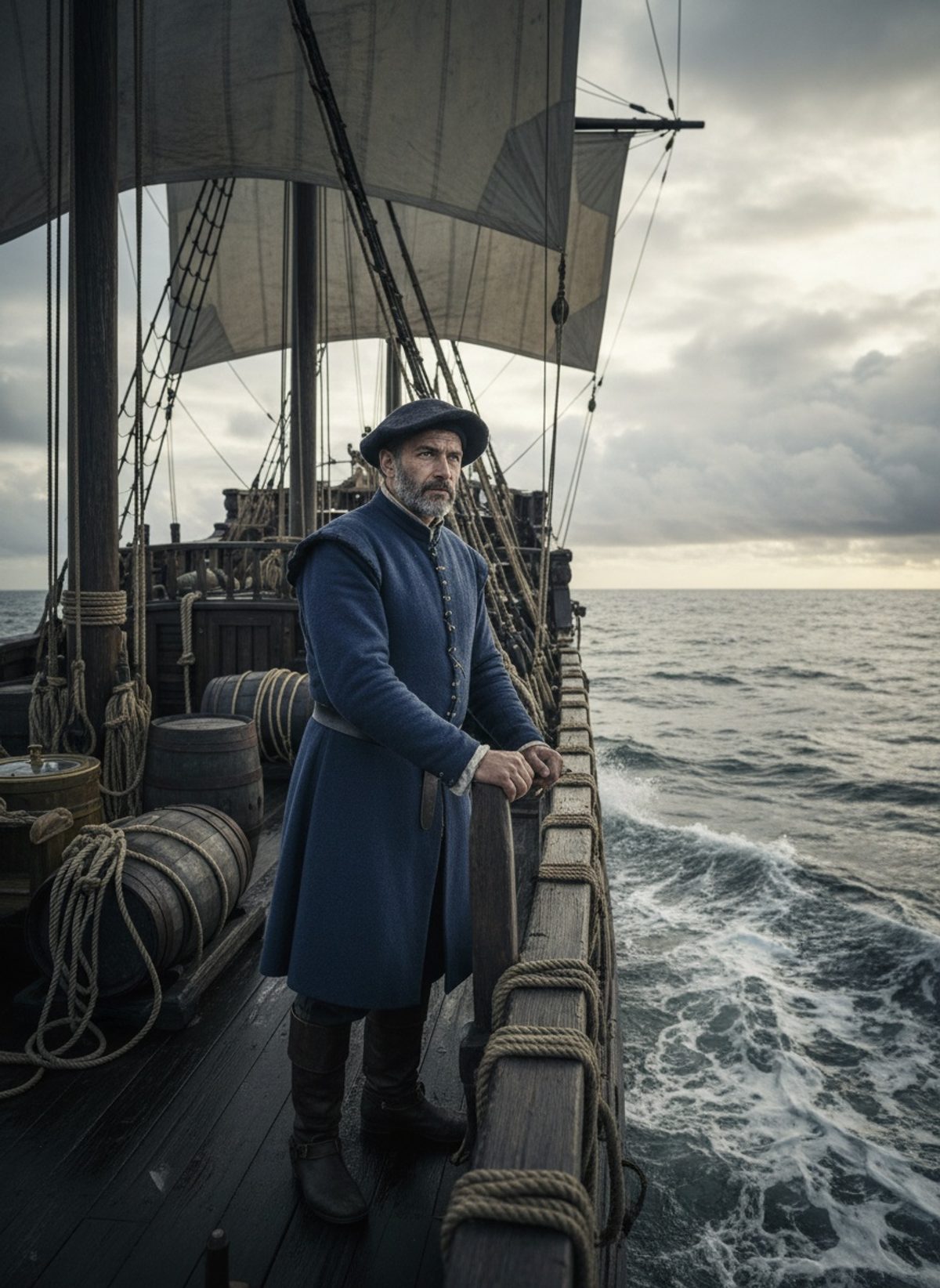
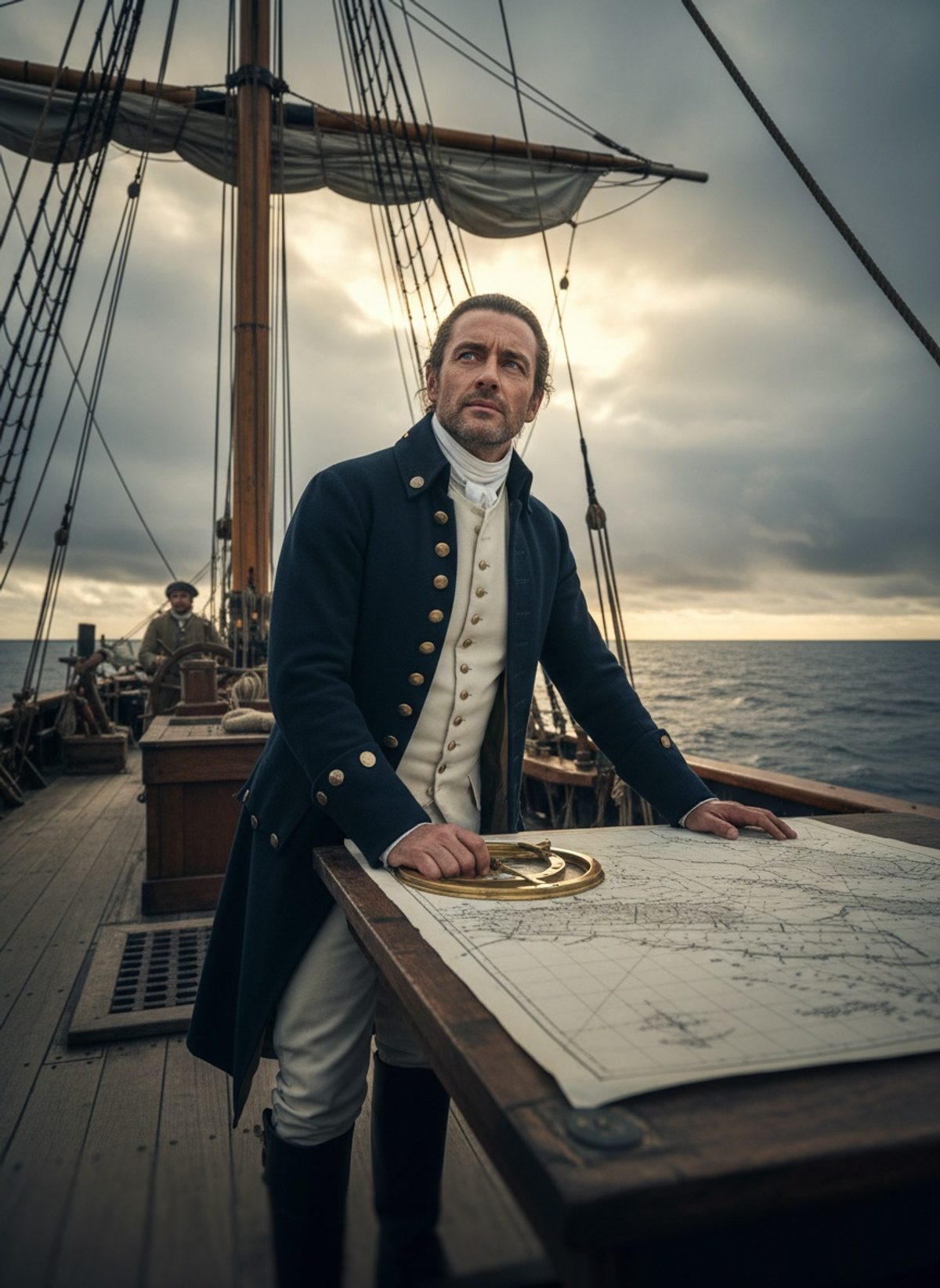
Aboard his flagship, the Gabriel, Frobisher steered his crew away from the civilized shores of England into the frigid embrace of the North Atlantic. Despite the rudimentary nature of his maps, which were scant on detail and filled with conjecture, his resolve was undeterred. The journey was daunting; seas churned relentlessly, and northern gales were cold enough to freeze bones. Supplies were scarce, and navigating such unpredictable waters required not merely skill but unwavering faith that beyond the horizon lay possibility.
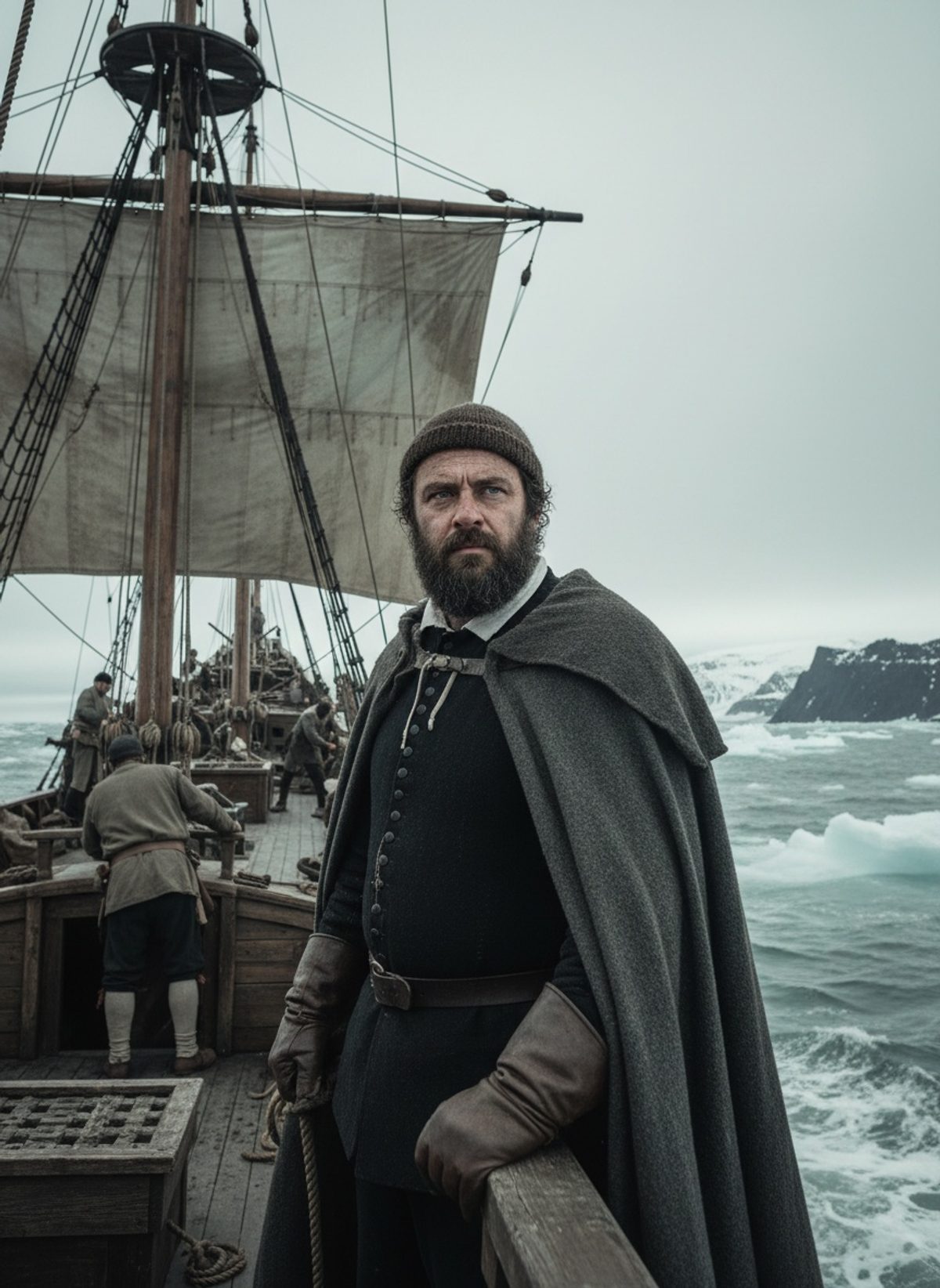
It wasn't long before Frobisher and his men encountered the obstinate adversary of explorers everywhere—the fog. Dank and disorienting, the mist cloaked the sea, blurring the boundaries between vision and shadow. For days it ensnared them, casting uncertainty over their course. Yet, when it finally dispersed, what lay before them was a sight most magnificent. Stretched across the horizon was a coast that seemed to breathe majesty itself. The shores were composed of towering cliffs of jet black rock and peppered with ice structures that glistened under the pale sun like elaborate spires risen from the earth’s heart.
Read next: The Day a Scots Surgeon Mapped a River No European Had Seen
This land, Frobisher believed, was unlike anything any Englishman had laid eyes upon. Here was an Arctic fortress—harsh yet mesmerizing—waiting to be claimed and charted. Naming it "Meta Incognita," or the "Unknown Shore," Frobisher laid claim to it on behalf of England, marking the beginning of England's venture into Arctic exploration. While the long-sought Northwest Passage eluded him, what Frobisher stumbled upon was no less significant—a new frontier, rich with possibility.
Communication with the native Inuit peoples, the real guardians of this harsh land, was fraught with misunderstanding. These were meetings steeped in curiosity on both sides but shadowed by conflict and mistrust. The landscape itself was a formidable opponent, and the weather merciless in its extremes. Yet Frobisher pressed onward, driven by a singular conviction that this icy expanse held untapped riches and was key to England's maritime empire.
Before long, tales of a mysterious black stone found on the shores captured Frobisher's imagination and that of his patrons back in England. Speculation declared it to be gold-rich ore, yet refining it proved fruitless. Despite the stone turning out to be worthless pyrite—a "Fool’s Gold"—the allure of potential discovery urged Frobisher back to those distant shores again and again. He would embark on two more expeditions fraught with promise and peril, his findings galvanizing further adventures into the Arctic and laying a foundation for future expeditions. Though he never uncovered the passage he sought or the fortune he dreamed of, Frobisher’s journeys inspired tales of adventure and sparked a fervor for exploration that reverberated throughout England.
Martin Frobisher's saga is one of tenacity and vision, a testament to human curiosity unbridled by fear. While the Arctic environment was stark and unyielding, its very presence expanded the boundaries of the known world and challenged perceptions of what lay beyond familiar waters. Frobisher's ventures were swallowed by the consuming ambition of later explorers, yet they stand as a reminder of the courage required to step beyond the edge of the map—into the fog, toward the faint lines that could guide one to an entire continent uncharted.
Today, the story of Frobisher and his voyages is a narrative not just of discovery but of connection—between people, places, and the tantalizing potential of what lies beyond our known realms. His expeditions underscore the unyielding spirit of exploration that continues to drive humanity forward, reminding us that every map has uncharted territories filled with the unknown waiting to be unveiled. In sailing northward into obscurity and returning with not just tales of lands but of aspiration, Martin Frobisher's legacy questions how we see the world and challenges us to venture further, even when our maps provide only whispers of what we might find.