July 1, 1916. The ground trembled as artillery shells screamed overhead.
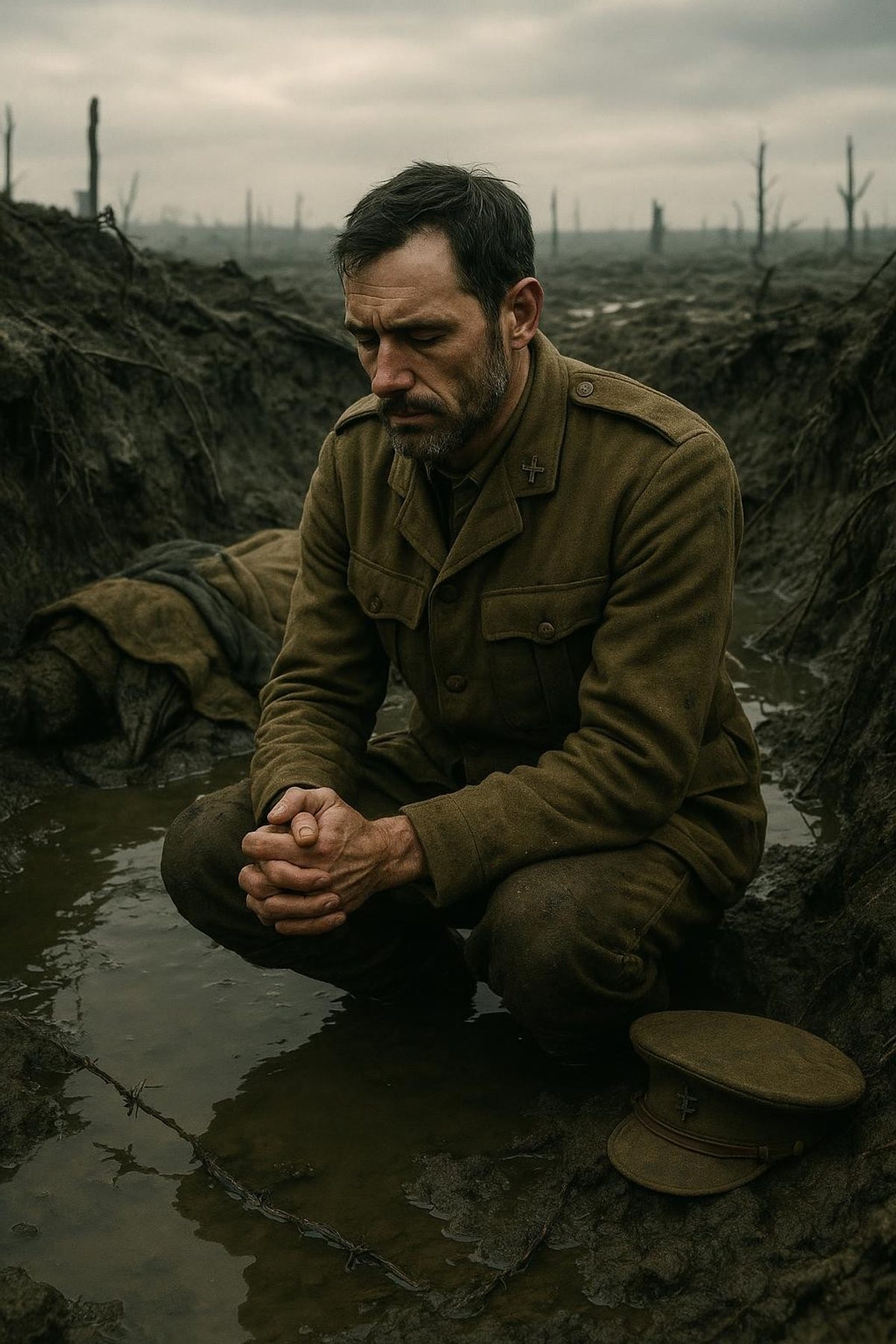
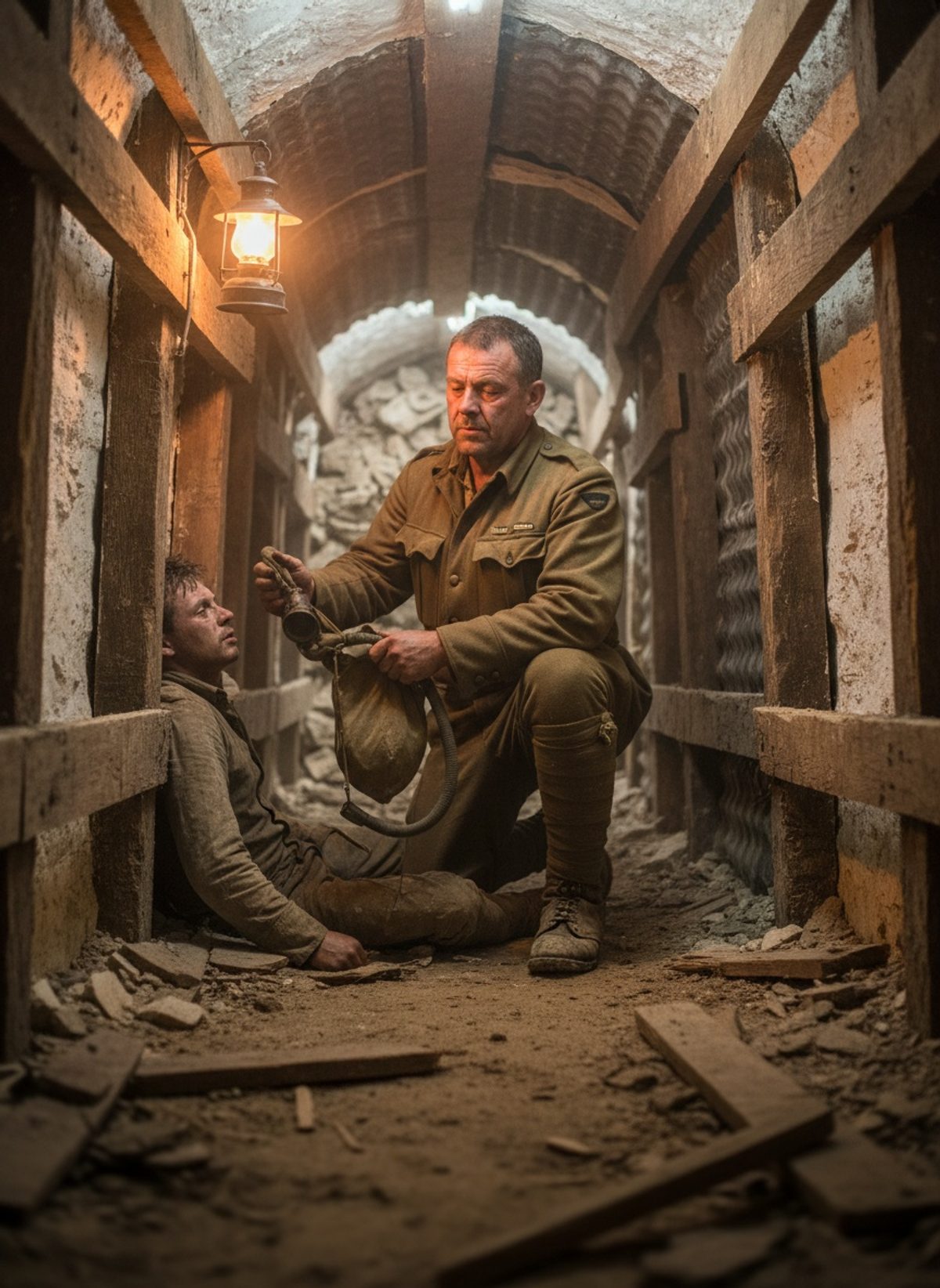
The opening day of the Battle of the Somme had dawned with the kind of noise and destruction that would come to epitomize the Great War. Trenches carved like ghastly scars into the once serene French countryside were now alive with the shouts and cries of soldiers thrown into the tempest of conflict. Amid the chaos, a unique figure emerged — Private William Coltman, a soldier not with a rifle, but with a stretcher.
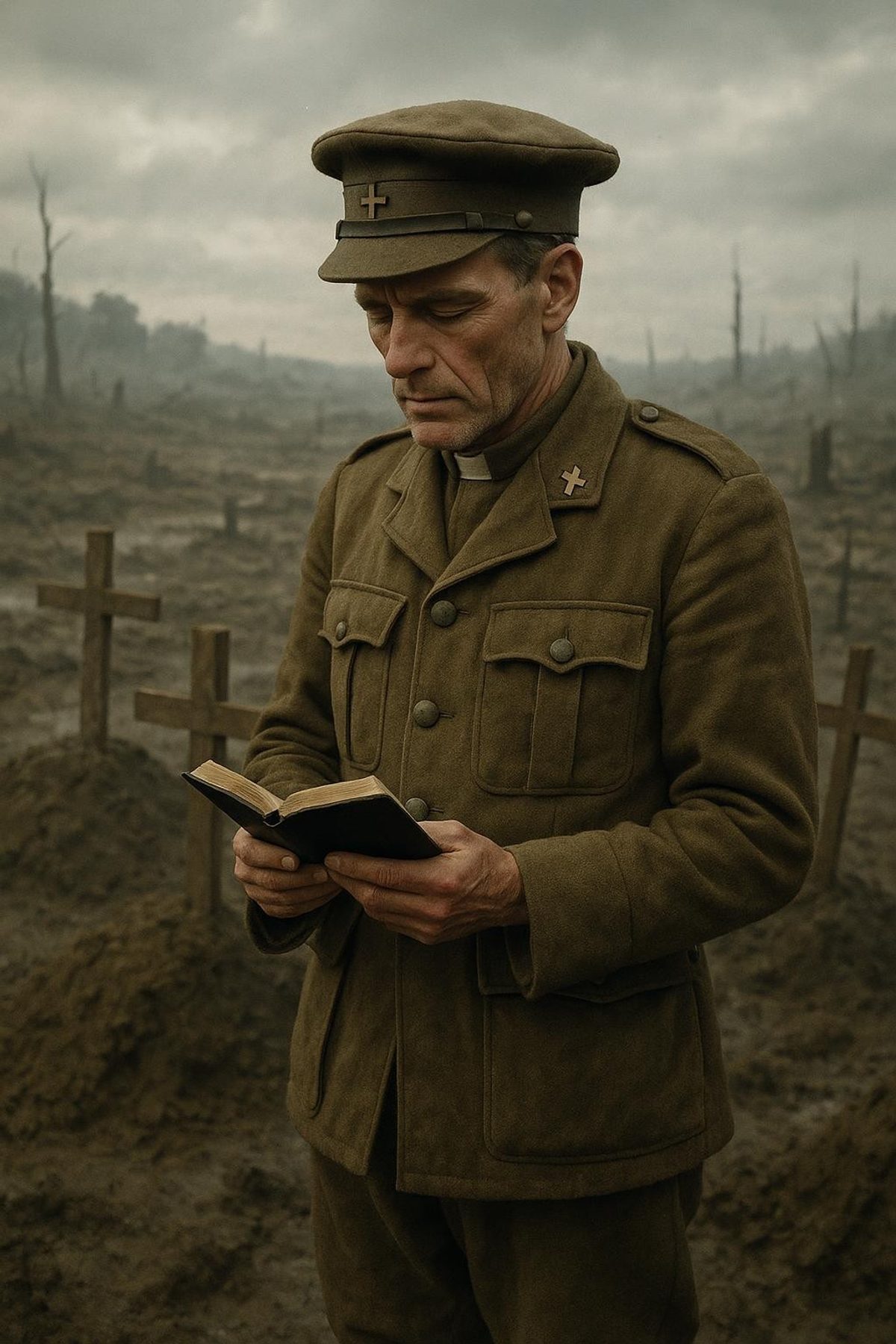
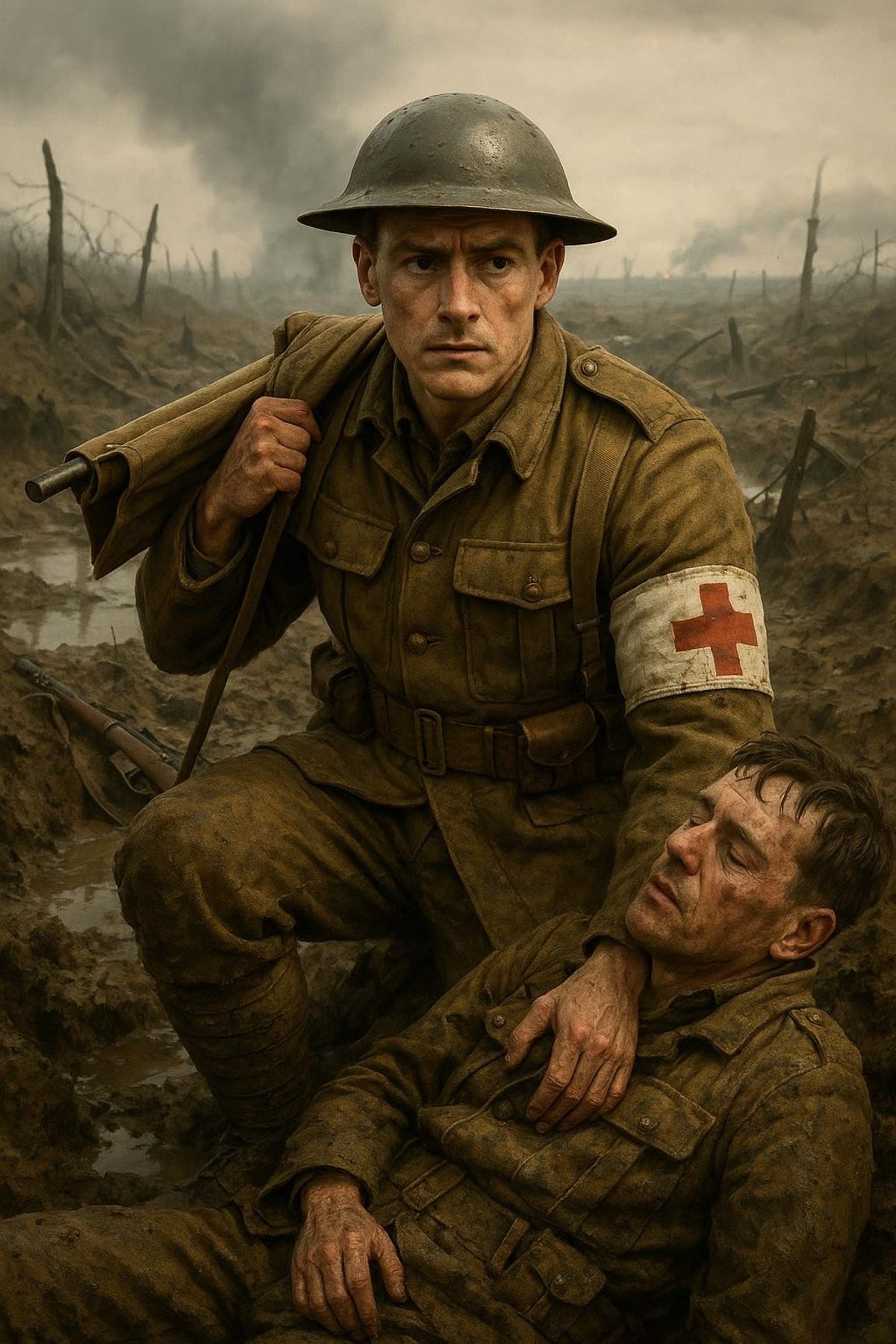
Coltman was an ordinary man from a peaceful corner of the British Isles, and yet he was on the precipice of an extraordinary chapter in history. Born into a devout Christian family, Coltman held firm to the principles of his faith, guided by a deep conviction that forbade him from taking life. It was this steadfast belief in non-violence that saw him join the war not as a fighting soldier, but as a stretcher-bearer — a role that required him to venture into the jaws of danger and bring back the wounded, the dying, and, occasionally, the dead.
The Somme is remembered as one of the bloodiest battles in human history. On this day, the earth was pockmarked with craters and churned mud, and the air was thick with the acrid scent of gunpowder. As the order came down the line to withdraw to safer trenches, men scrambled back, shaken and beleaguered. But Coltman, alone in his determination, stayed put. He knew the call of duty for him was not backward retreat but forward courage. As his peers retreated, he shouldered his stretcher and stepped out onto no man's land, a realm synonymous with death and despair.
Read next: The Day One Gun Held a German Division at Bay
His mission was clear in his heart. Despite the threat of bullets slicing the air and the pall of smoke obscuring vision, Coltman knew that there were men out there who needed him. The first time he left the safety of the trenches, every breath was a prayer, every footfall heavy with purpose. The shattered landscape was alien and unforgiving, littered with the cries of fallen comrades. But he found them — those too grievously injured to drag themselves to safety, and with an unfaltering spirit, Coltman went to work.
The task was gruelling under relentless enemy fire, yet Coltman, driven by a courage that defied logical understanding, returned to lines, not once, but thrice. Each journey was a harrowing passage across landscapes known to devour the hopes of even the bravest; yet, Coltman emerged each time — other soldiers' lives in his hands, his clothes muddied and torn but his resolve unbroken.
What compelled a man like Coltman to face such peril again and again? Perhaps it was faith, perhaps it was a profound sense of duty beyond the ordinary soldier, or perhaps it was an inherent understanding of the intrinsic value of human life. Whatever it was, it propelled him across those desolate expanses filled with the screams of the wounded, past the shrill whistle of falling shells that ripped the air with ferocious intent.
Each successful retrieval was nothing short of miraculous. As Coltman delivered another man to safety, the gratitude in their eyes affirmed his calling more than any medal or decoration ever could. For Coltman, the war was not fought with rifle and bayonet, but with compassion, resilience, and undying bravery, manifested in the selfless act of saving others.
As the Battle of the Somme raged on, stories like that of William Coltman would etch themselves into the granite of history. His was a tale not just of valor, but of an unyielding belief in humanity amidst the tumults of war. And in the blood-soaked, mud-choked trenches that defined the Western Front, his story stood out — a testament to the power of conviction and the indomitable spirit that defies the darkest of times.
Coltman's actions eventually earned him the distinction of becoming the most decorated other rank in the British Army. He was a hero not only for his acts of bravery but for his unwavering adherence to his convictions, proving that war could also be waged with mercy. It is said that among the highest honors he refused was the opportunity to lay down his stretcher and accept a commission, choosing instead to remain in service to his men, his fellow soldiers, on terms defined by his conscience.
The legacy of Private William Coltman is not confined to his medals; rather, it is found in the inspiration it imparts and the important lesson it teaches — that standing up for what you believe, especially in the harrowing face of opposition, can make a profound difference. In the echo of history, his story resonates with the truth that valor is not the absence of fear but the perseverance to overcome it for a greater good. And as the dust settled on the battlefields, his was a beacon of hope and humanity — a reminder that even amid the clamor of war, the silent strength of one man's convictions could save lives and change hearts.