Many believe the voice of a single individual cannot change an entire nation. Olaudah Equiano proved them wrong.
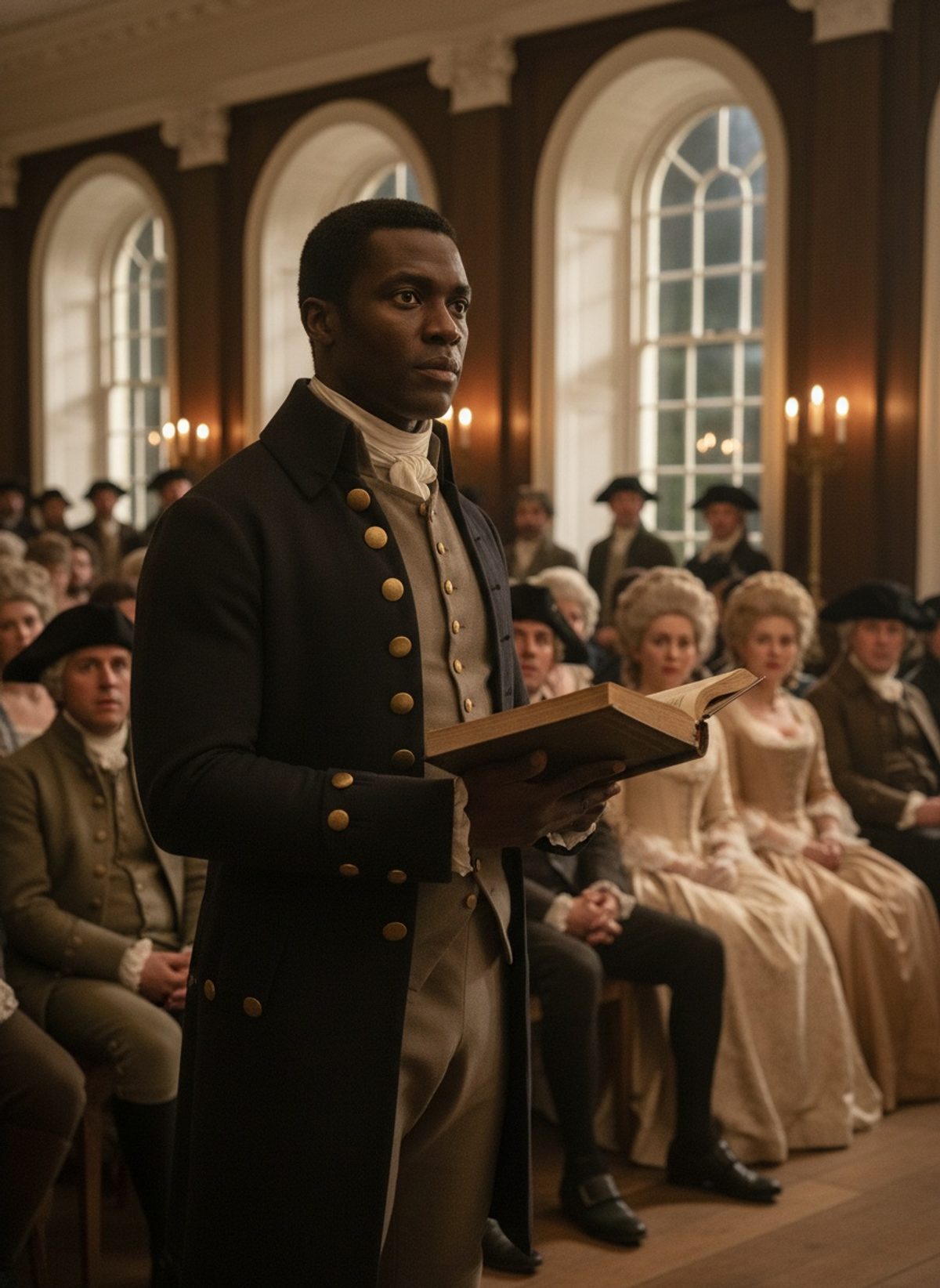
Amidst the bustling heart of London, 1789 bore witness to a spectacle few could have imagined. Olaudah Equiano, once bound in shackles, now stood liberated and commanding the attention of even the most skeptical echelons of British society. The air was thick with anticipation as he addressed audiences unfamiliar with the depths of African suffering endured by those caught in the grievous web of slavery. Yet, as Equiano unfurled his story — a tale as harrowing as it was hopeful — those gathered found themselves on an emotional journey they would not soon forget.
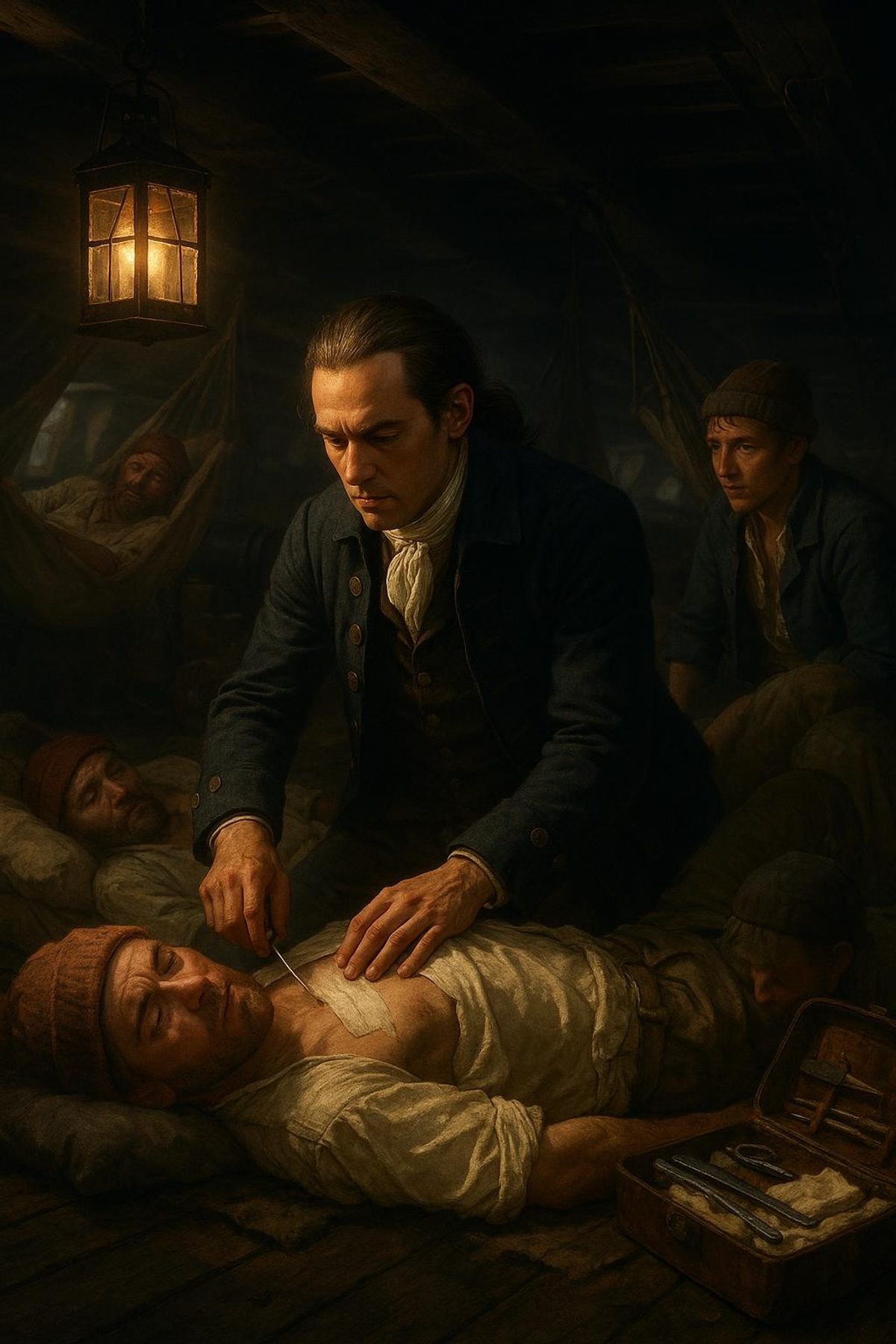
Equiano's start in life was brutal. Torn from his homeland in Africa, he was sold into the submerged world of the Atlantic slave trade, a dehumanizing abyss few navigated back from. His resilience and enterprise, however, were exceptional. Through arduous perseverance, Equiano managed to purchase his freedom, a feat that was, at the time, nothing short of miraculous. But it was the use of his newfound liberty that truly set him apart. Determined to broadcast the realities of slavery to a somewhat indifferent British public, he penned an autobiography that was as raw as it was revealing. *The Interesting Narrative of the Life of Olaudah Equiano* became an immediate sensation, serving as both a memoir and a manifesto.
Equiano's ability to maneuver within British society was nothing short of strategic brilliance. In an era when the voices of Black men and women were systematically silenced, he used the very tools of the colonizer — language, commerce, and navigation — to champion a cause that was deeply personal and universally moral. His eloquence in recounting the horrors faced by enslaved Africans transformed textbook narratives and shifted public perception. Audiences who heard him speak or read his words were neither passive nor complacent; they became active participants in a burgeoning movement to abolish the iniquitous practice of slavery.
Read next: The Defeat That Remade the British Army's Way of War
It's critical to appreciate the atmosphere within these lecture halls dotted across England. As Equiano spoke, listeners were drawn into an unsettling awareness. His descriptions were vivid, painting pictures of despair that were both intimate and expansive. From the cramped, vile conditions aboard the slave ships to the relentless dehumanization on plantation fields, his testimony was an assault on the conscience of a nation that prided itself on civility and progress. Equiano's oratory did more than recount sufferings; it exuded an authenticity that dismantled prejudices and invoked a sense of collective responsibility in his audiences.
Equiano's audiences were not typical draws of Georgian social gatherings. Instead, they represented a cross-section of society. From the opulent salons of the upper classes to the modest meeting rooms of burgeoning reform clubs, his influence permeated all strata. The momentum he gathered helped sow the seeds of abolition long before the movement found its complete fruition in legislative victory. Tales spread far beyond London's city confines, prompting even the most disinterested citizens to confront a grim moral dilemma. The petitions that began to circulate grew longer, demanding political action where mere lip service would not suffice.
As Equiano journeyed across the country, the fire of change kindled in smaller towns and villages, even as it blazed through urban centers. His narrative empowered the voiceless and connected disparate sociopolitical groups who began rallying under a common cause. The cumulative effect of Equiano's work was a gradual but decisive shift in the cultural and moral tenor of the time. With every hall he packed, with every tear he elicited, he edged the British public closer to confronting the unsavory truths of their society.
Within this turbulent era, characterized by dreams of empire and dominion, Equiano's story resonates not just as a solitary triumph over adversity but as a clarion call for justice and empathy. True progress, his life intimates, cannot be achieved without acknowledgment and rectification of historical injustices. In a paradoxical twist, the very freedom used to subjugate became the platform from which Equiano challenged that tyranny.
This tale of liberation and advocacy from a man who once had no freedom may seem removed in its Georgian setting, yet its pertinence remains timeless. Amid current global conversations about race, equality, and human rights, Equiano's odyssey underscores the power of narrative to reshape societal consciousness and the indomitable will of individuals to demand justice, even when it seems impossible. It's a chapter that many textbooks neglect, but one that reverberates through the ages, compelling us to reflect upon the impact of our histories on the future we forge.